Why You Need to Walk the Floor in Guangzhou
Listen, I have been standing behind a counter in this city for over twenty years. While you are reading this on your phone somewhere else, I am likely dealing with a customer who just walked in from the airport, looking confused and overwhelmed by the sheer size of the market. Many people ask me online about where to find specific shops, but they don't understand that in Guangzhou, the real business doesn't happen on a website or through a random Google search result. It happens face-to-face, in the dusty corridors of the wholesale markets, and it requires you to know exactly which door to knock on.
If you are planning a trip here to source high-end leather goods, forget about looking for a single "recommended store." That is not how this ecosystem works. The entire area around Baiyun District is a massive network of interconnected workshops and showrooms. If you walk into the wrong building, you will see low-quality junk. If you walk into the right one, you will see craftsmanship that rivals anything you have seen before. My advice is simple: stop searching for a magic link and start preparing for a physical journey. The quality you get depends entirely on your ability to navigate these halls without getting scammed.
Navigating the Real Market Hubs
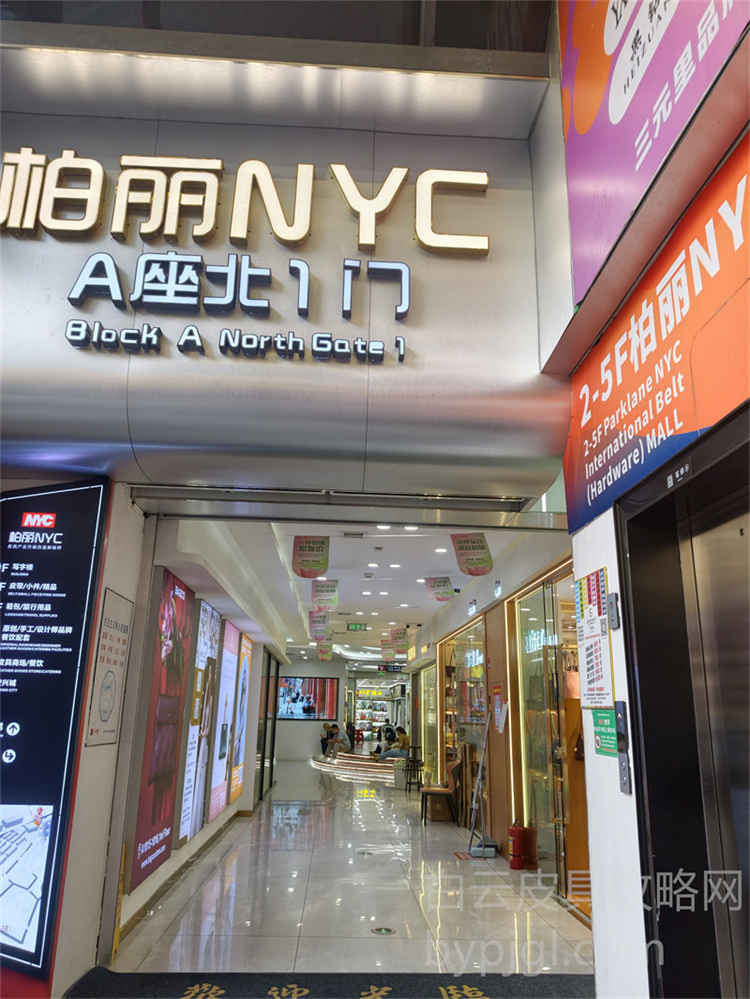
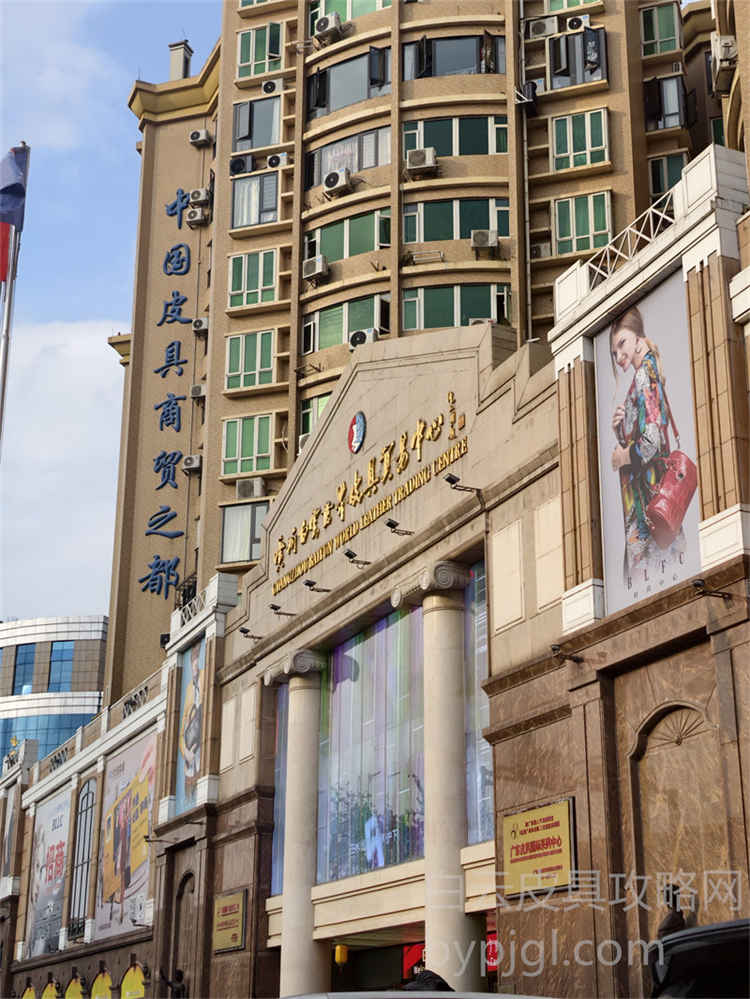
The Heart of the Action at Baiyun World Trade Center
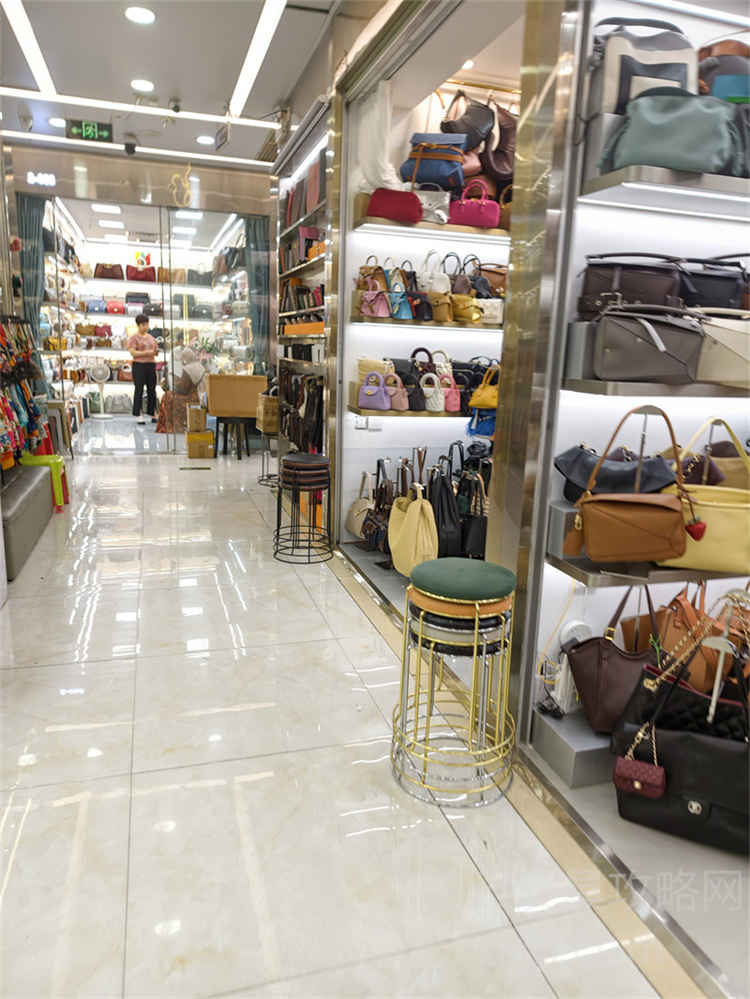
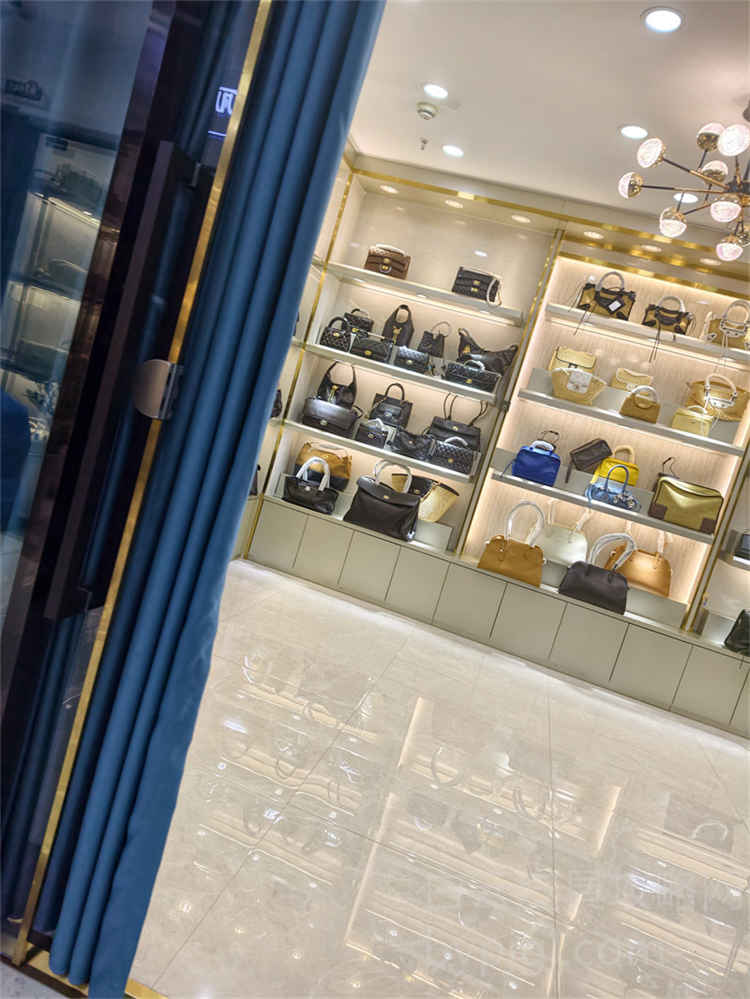
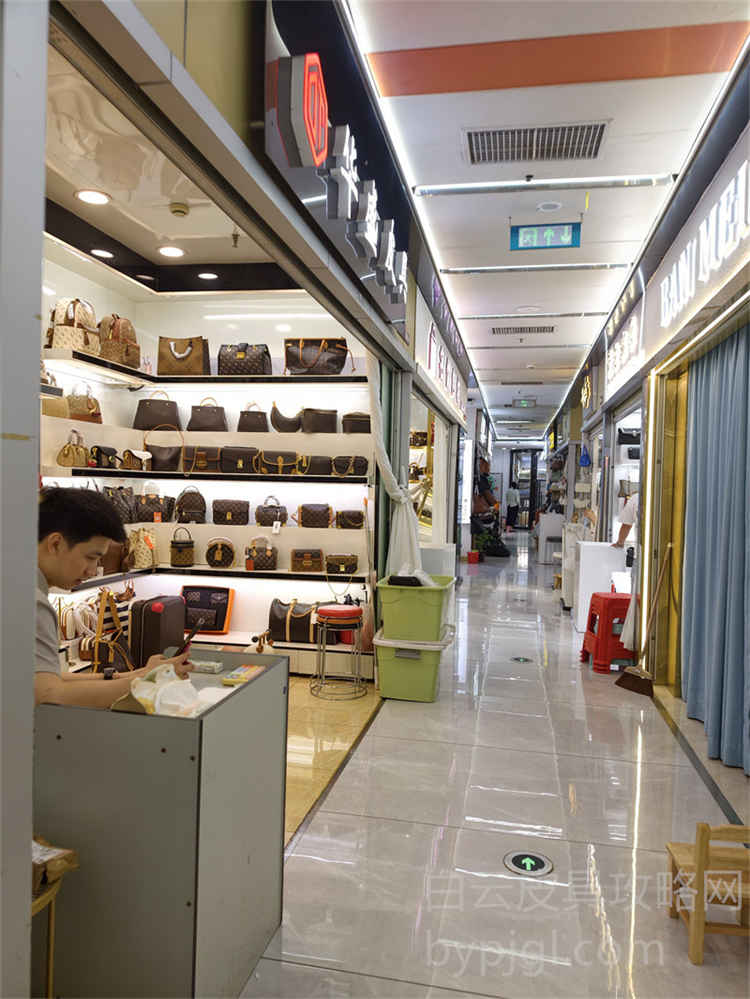
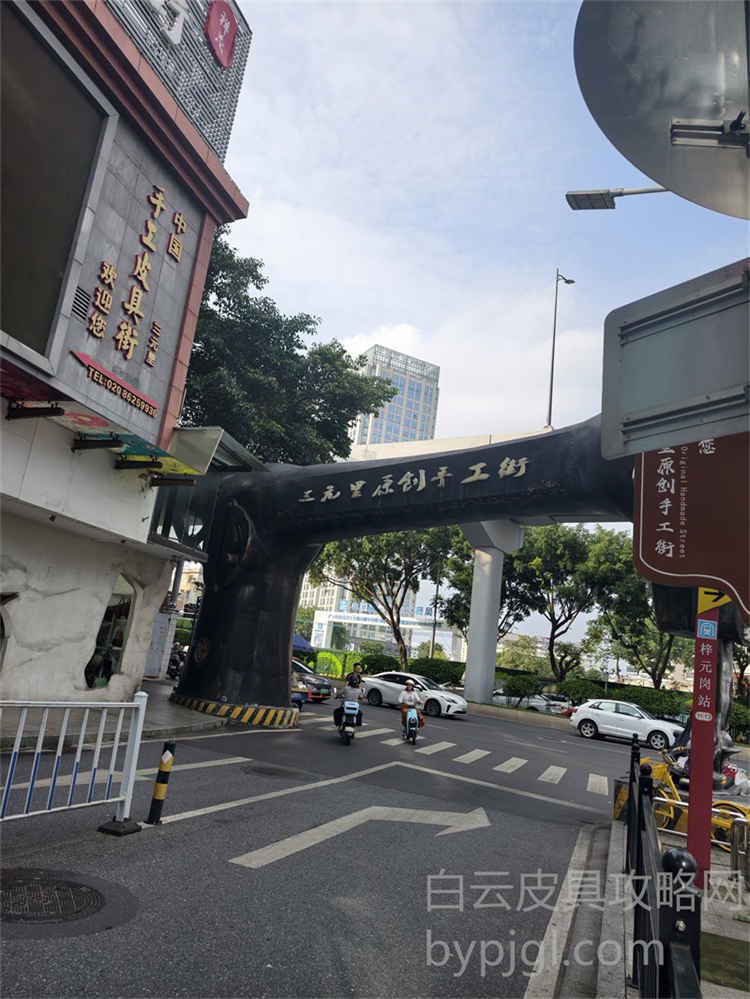
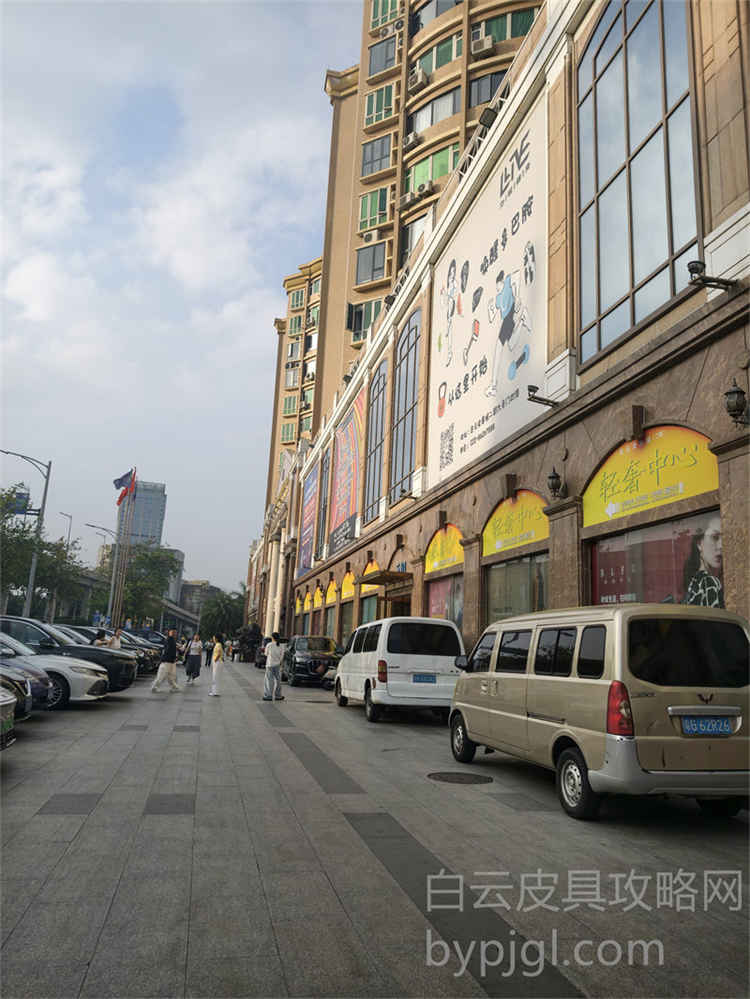
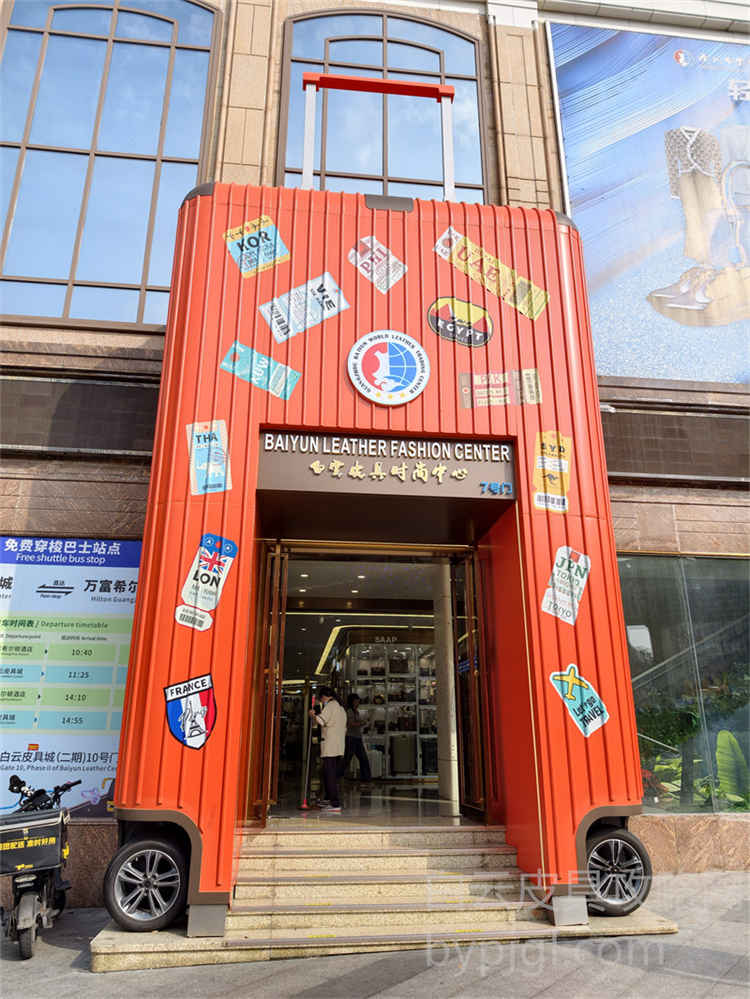
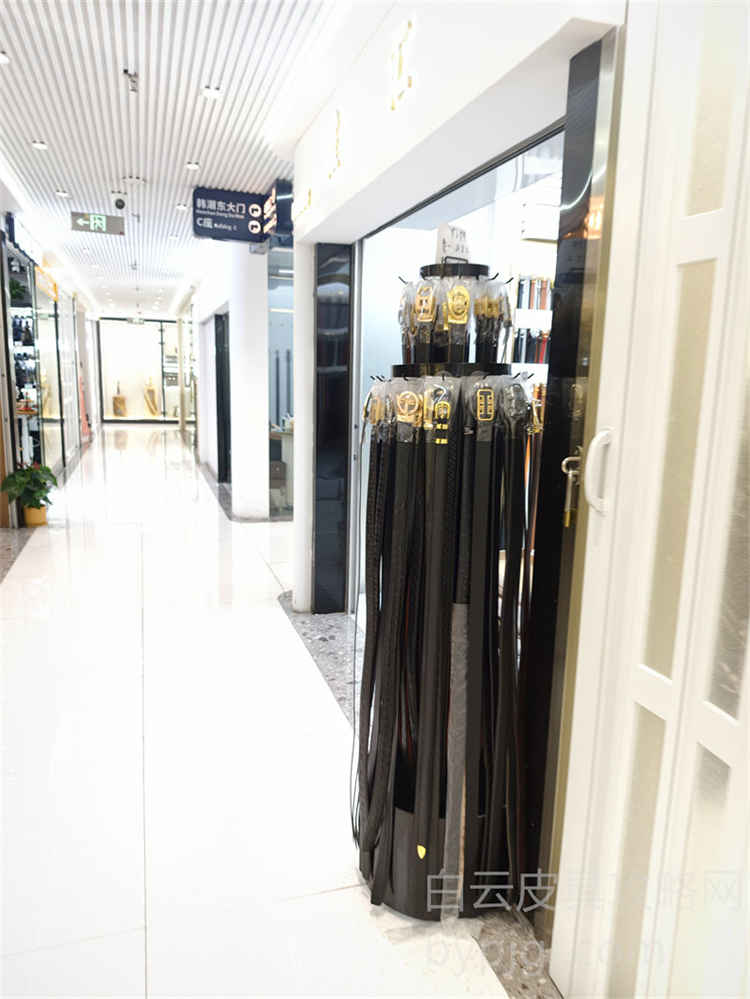
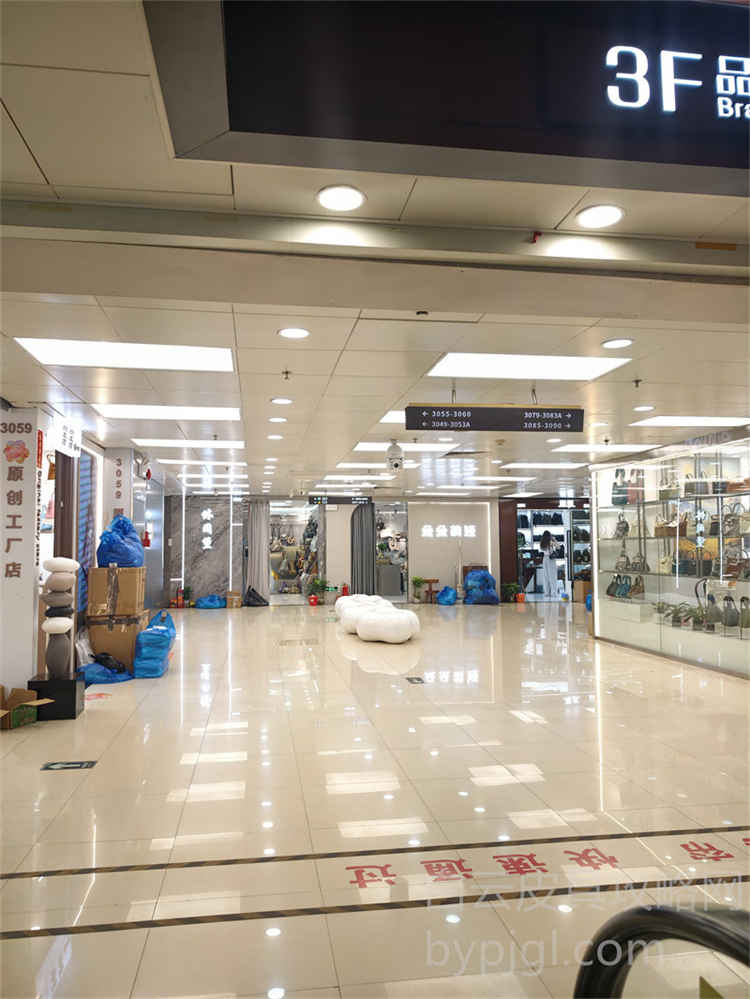
When I tell my international friends where to go, I always point them to the Baiyun World Trade Center first. This is the hub. It is not just a mall; it is a fortress of leather production. When you enter, do not look at the ground floor immediately. Most of the serious buyers skip straight to the upper levels where the actual showrooms are located. These are the places where the factory owners keep their best samples. The lower floors are often filled with tourists and small-scale resellers looking for cheap imitations, which is not what we are talking about here.
You need to look for the signs that say "Factory Direct" or "Wholesale Only." In this district, the distinction between a retail shop and a wholesale showroom is thin, but the attitude of the staff tells you everything. If they are polite but pushy about selling you one piece at a time, move on. If they ask you how many pieces you want to take and mention minimum order quantities, you are in the right place. The air here smells like leather and glue, and that is a good smell. It means work is being done.
Beyond the Main Building: Hidden Workshops
once you have exhausted the main buildings, you need to venture out. There are smaller complexes nearby, like the Qianxiang and other adjacent streets, where the older factories hide. These places are less polished than the big malls. The signage might be faded, and the elevators might be slow, but the quality control here is often stricter because these owners rely on repeat business from established overseas clients. They do not need to shout to sell their goods. They let the stitching speak for itself.
I remember a client last year who refused to leave the main plaza until he found a deal. He missed the fact that the best artisans were actually two blocks away in a converted warehouse. By sticking to the shiny storefronts, he was paying a premium for the rent, not the quality. When you are sourcing, you want to cut out the middleman. The best way to do that is to follow the flow of traffic. Watch where the delivery trucks are going. Follow the guys carrying heavy boxes. They lead you to the back doors of the real operations.
The Art of Inspection and Negotiation
Touching the Leather Before You Talk Price
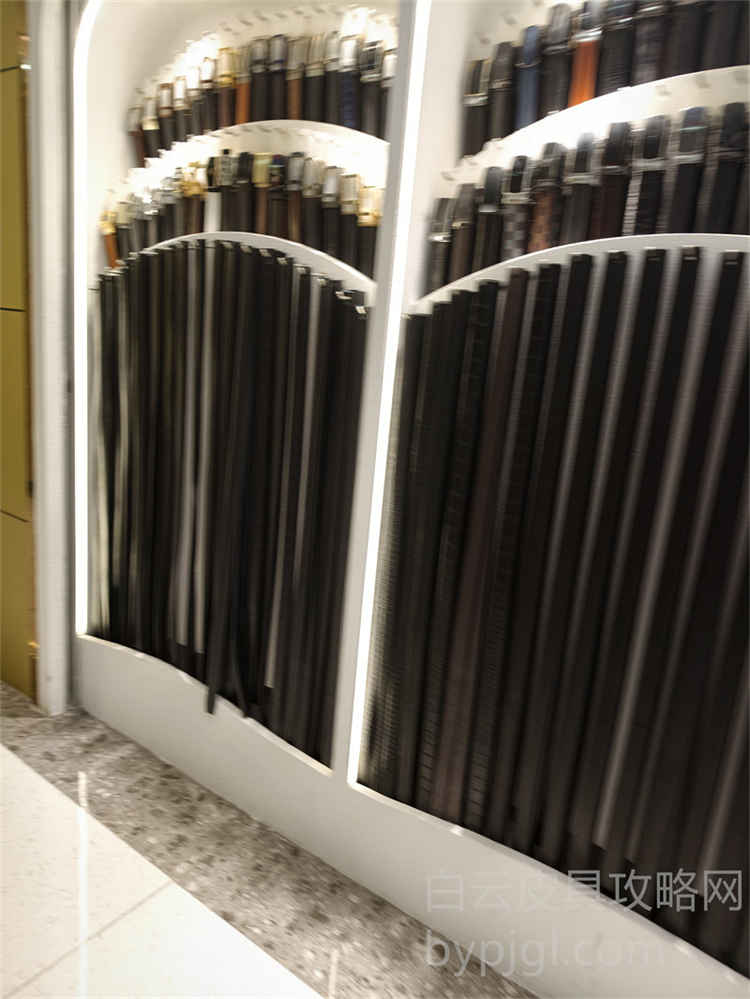
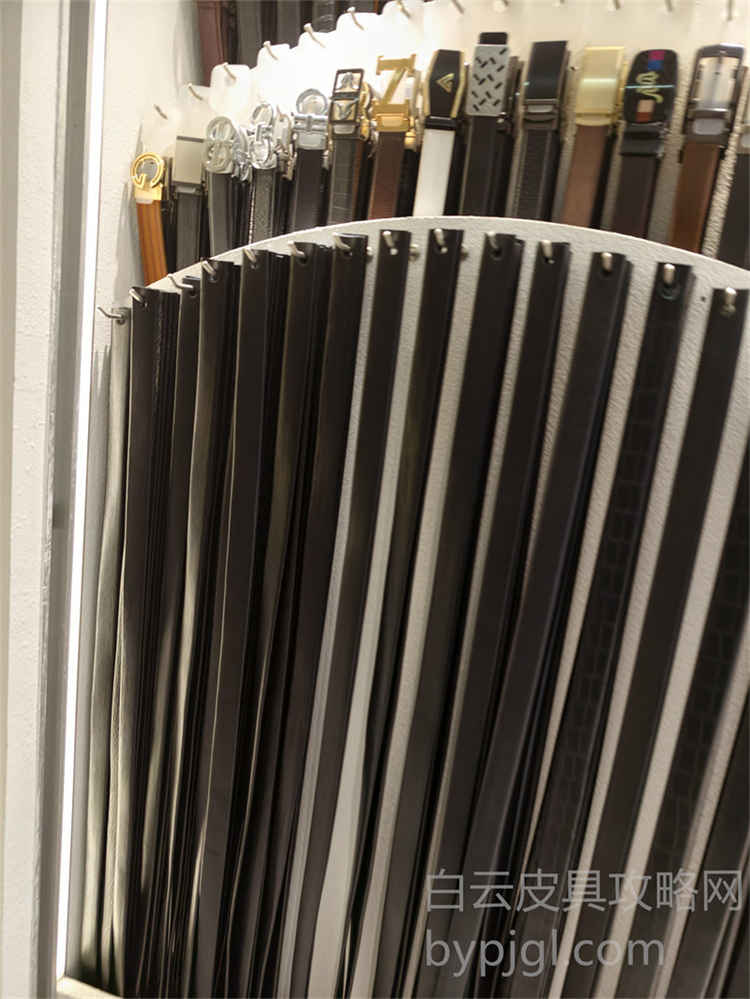
Here is the biggest mistake I see foreigners make: they ask for the price before they touch the product. Never do that. In our trade, the price is secondary to the grade. When you approach a stall, pick up the bag. Feel the weight. Check the grain. Does it feel soft and supple, or does it feel stiff and plastic-like? Run your fingers along the edges. Are the stitches even? Do they pull tight when you tug on them?
We use terms like top-tier or original standard in our industry, but you should not worry about the jargon. Just trust your hands. If the leather feels dry or the hardware looks dull, put it down. We have hundreds of options in every stall. If you cannot find something that meets your standards after looking at ten bags, then that stall is not for you. Move to the next one. Do not settle. The negotiation only starts once you have identified a sample that passes your inspection. At that point, you can ask about the cost per unit and the shipping logistics.
Building Trust for Long-Term Sourcing
Many people think they can buy a few bags and leave. But if you want consistent quality, you need to build a relationship. When you talk to the owner, be honest about your volume. If you are planning to import fifty units, tell them. If you are testing the waters with five, admit it. We appreciate honesty. A lot of scams happen because buyers pretend to be big wholesalers to get better prices, only to disappear after the transaction.
Ask to see the raw materials. Ask about the tanning process. Show that you care about the details. When you show genuine interest in the craft, the sellers respect you more. They will show you their secret stash, the items they do not display on the shelves. This is where you find the unique pieces that are not available anywhere else. Also, discuss the payment terms carefully. Cash on delivery is common for new clients, but for larger orders, a deposit followed by balance upon shipment is the standard practice. Always verify the final product before releasing the remaining funds.
Avoiding Common Pitfalls on the Ground
Don't Fall for the "Too Good to Be True" Trap
There are always people waiting outside the markets offering you deals that sound impossible. They will whisper to you, saying they have the same quality as the big brands but at half the price. Ignore them. These are usually touts leading you to fake stalls or low-quality workshops that will ruin your reputation. Stick to the official buildings. If you need to find a specific item, ask the security guards or the information desk inside the complex. They know which floors house the reputable vendors.
Another trap is rushing. You might feel pressured to close a deal quickly because you are on a tight schedule. Do not rush. Take your time to inspect every zipper, every strap, and every lining. A good vendor will wait for you. A bad vendor will try to hurry you up so you do not notice the flaws. Remember, you are the boss here. You hold the money. Act like it. If something feels off, walk away. There are thousands of other stalls in Guangzhou, and finding the right partner is worth the extra effort.
Final Thoughts for Your Next Visit
Guangzhou is not a place for casual browsing. It is a serious industrial zone dedicated to leather goods. If you come with an open mind, a sharp eye, and a willingness to learn the local customs, you will find incredible value here. The connections you make in Baiyun can last for decades. Start by visiting the major centers, explore the side streets, and never compromise on quality. The market is vast, but the opportunities are endless if you know how to look. Safe travels, and may your next sourcing trip be profitable.