Walking the Floor: My Honest Guide to Sourcing in Guangzhou
Welcome to my shop. I have been standing behind this counter in the Baiyun district for over twenty years, watching the fashion trends come and go while the same loyal customers return year after year. If you are reading this, you are likely planning a trip to China to source high-end leather goods, but you are probably overwhelmed by the noise on the internet. Let me tell you something straight from the floor: the magic does not happen online. It happens when you walk through the heavy glass doors of the markets, smell the fresh leather, and talk face-to-face with the people who actually make these bags.
The First Step: Leaving the Hotel and Finding the Real Market
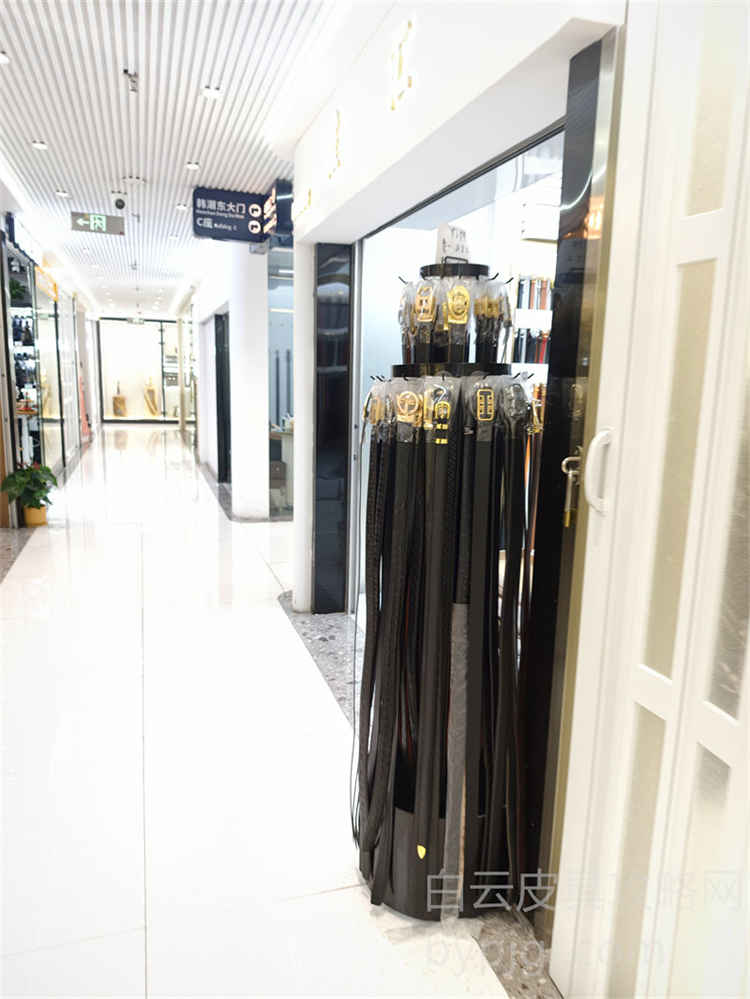
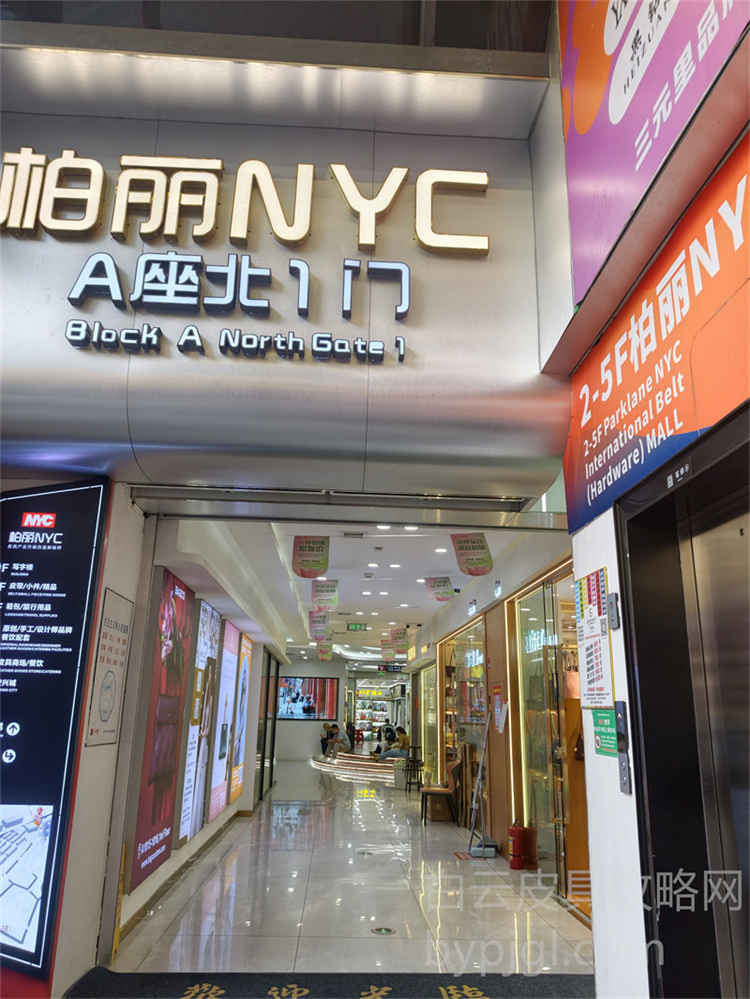
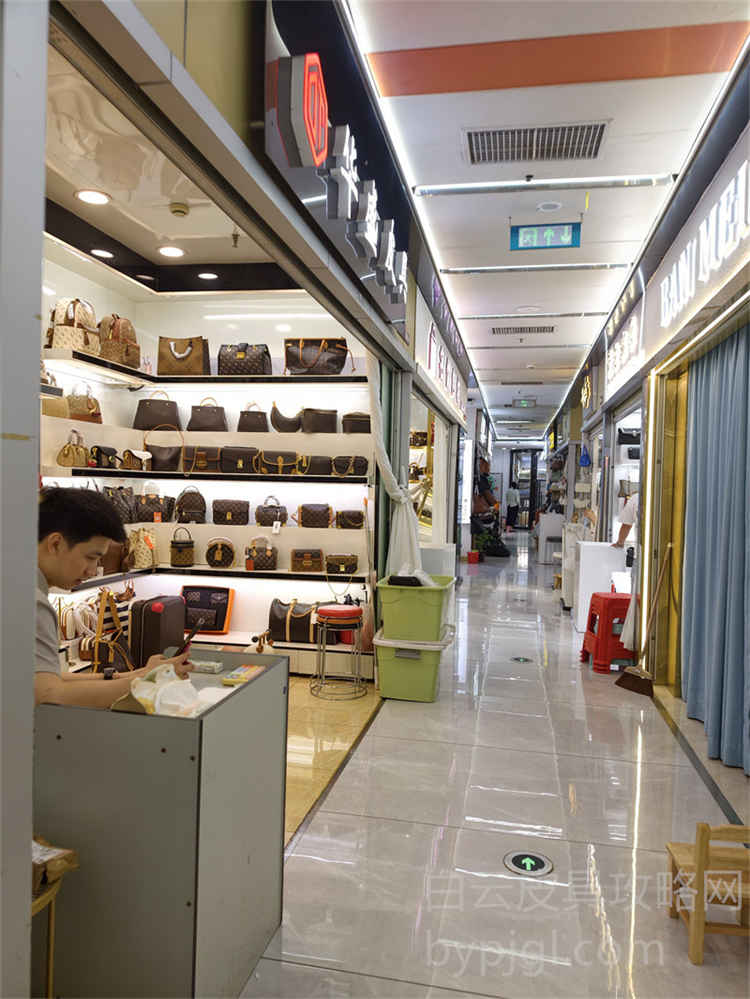
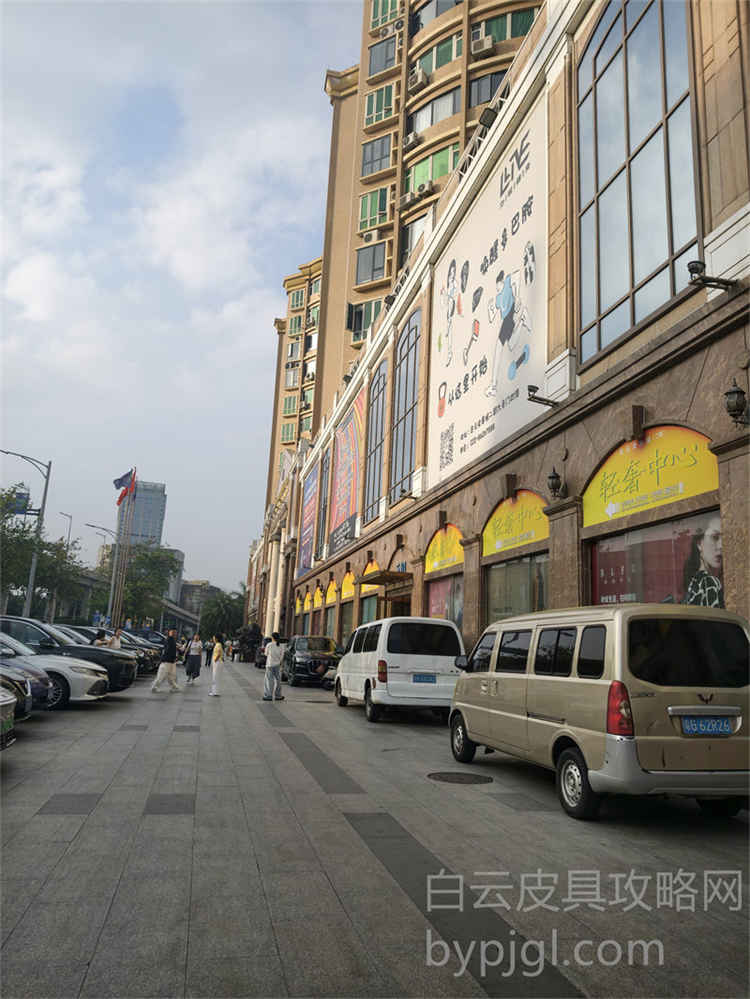
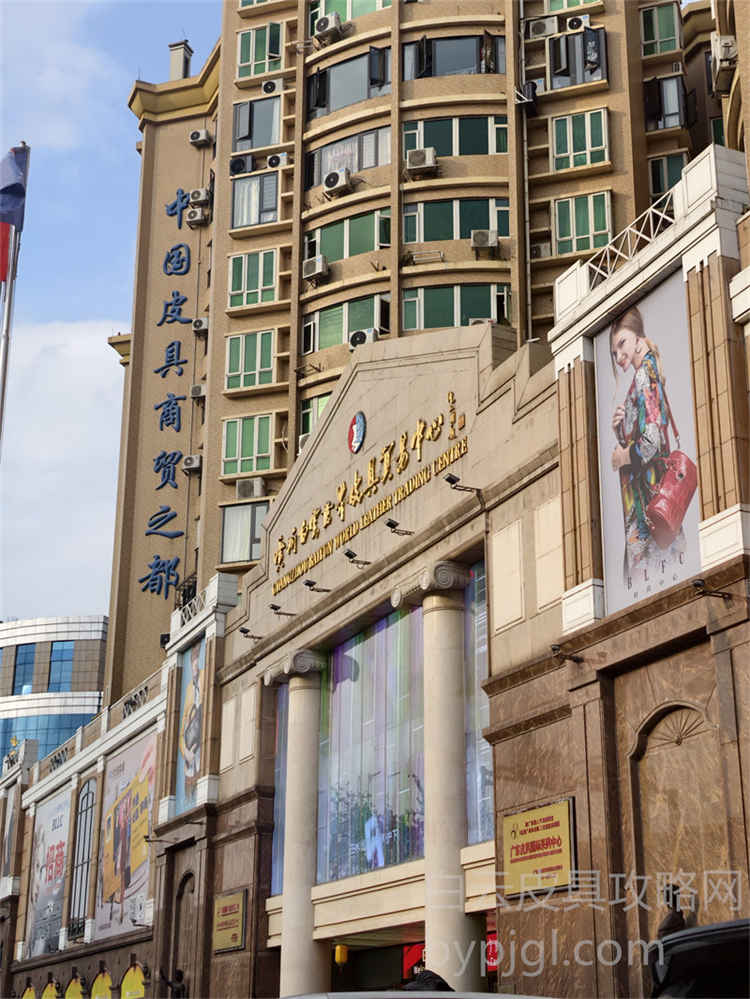
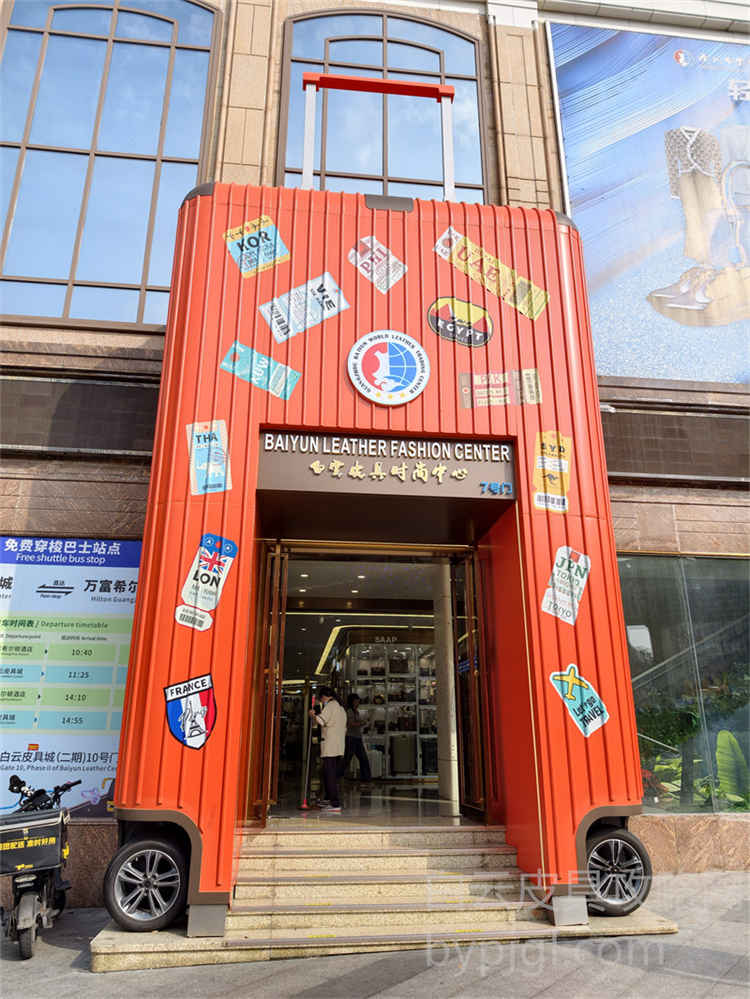
Most tourists get lost before they even start. They look at maps and try to find "the best market," but there isn't just one. The area around Baiyun is a maze of interconnected buildings. You need to head straight to the main hubs where the real action is. Do not trust the taxi drivers who promise you a "factory direct" deal; they will take you to a small, low-quality stall that has nothing to do with the top-tier production lines. Instead, walk into the massive complexes where the air conditioning hums and the lights are bright enough to see every stitch. This is where the serious buyers go. When you step inside, ignore the flashy displays in the front. Those are often just samples for show. You want to go deeper, to the back corridors where the managers keep the actual stock.
Navigating the Showrooms: How to Spot Quality Without Saying a Word
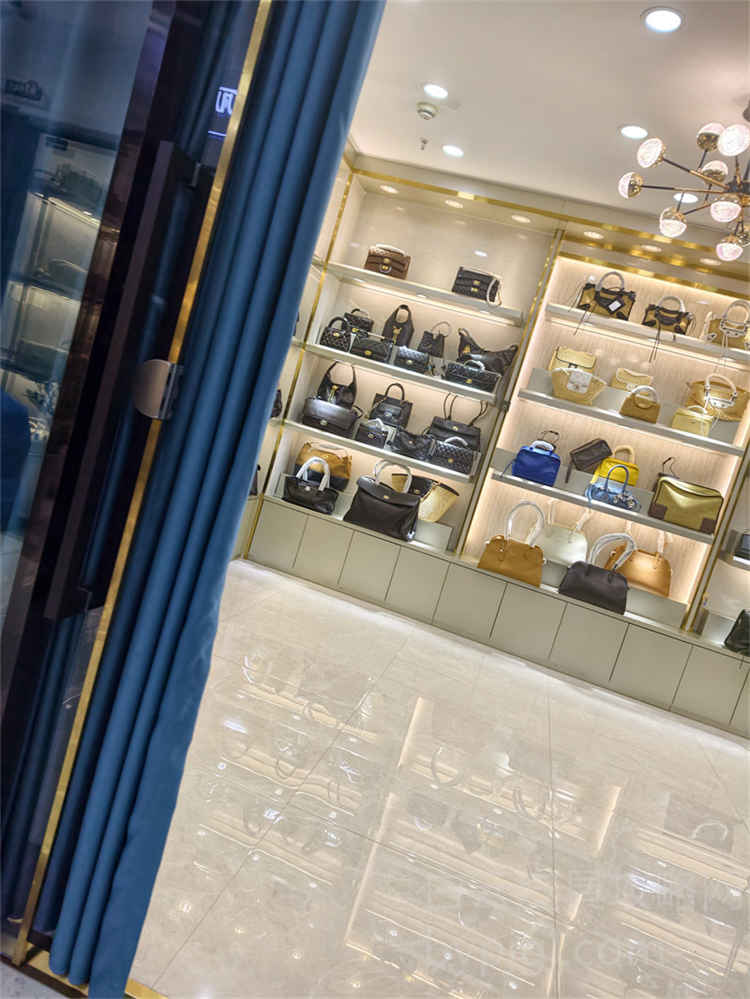
once you are inside, the game changes. In the past, I would just hand you a catalog. Now, you need to know how to read the room. The quality of the materials here is staggering if you know what to look for. We use cowhide, lambskin, and exotic skins that rival anything you see in the department stores abroad. But how do you tell the difference between a cheap imitation and a piece that could pass as original? It comes down to the hardware and the stitching.
Touching the Leather and Checking the Hardware
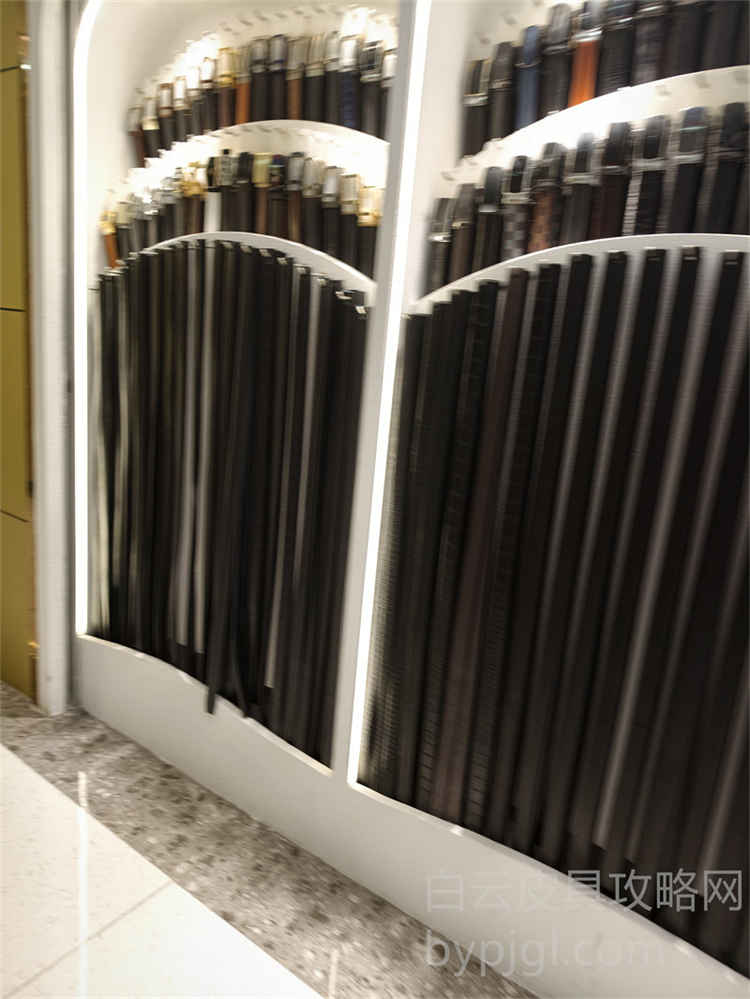
Never be afraid to touch everything. A good seller will welcome your hands-on approach because they know their product can withstand scrutiny. Run your fingers over the grain. Is it soft? Does it smell like genuine leather or chemicals? High-grade leather has a distinct, rich scent that synthetic materials simply cannot fake. Next, look at the zippers and clasps. Are they heavy? Do they glide smoothly? Cheap metal feels light and hollow, while premium plating has weight and a specific coldness to the touch. Check the engraving on the hardware. It should be crisp, deep, and perfectly aligned. If you see any rough edges or uneven lettering, put it back on the shelf immediately. That is a sign of a lower-tier factory that we do not work with.
The Art of Negotiation: Building Trust with Local Suppliers
This is where many foreigners fail. They try to haggle aggressively right away, thinking that driving the price down is the only goal. In our culture, business is built on relationships, not just transactions. If you walk in acting like a shark, you will be treated like a tourist. Start by asking questions about the craftsmanship. Ask which tannery the leather comes from. Ask about the dyeing process. When you show genuine interest in the details, the owner knows you are a serious buyer. once that trust is established, the conversation shifts naturally to pricing.
Understanding MOQ and Pricing Tiers
You need to understand that prices vary based on volume. If you are buying just one bag, the price will reflect the retail markup. However, if you mention that you are looking to restock for your store or build a collection, the dynamic changes. We have different tiers for single units versus bulk orders. Do not be shy about discussing your needs. Be honest about your budget and your target market. A good supplier in Baiyun will help you find the perfect balance between cost and quality. They might suggest a slightly different model that uses similar materials but costs less, saving you money without sacrificing the look. This collaborative approach is how we maintain long-term partnerships with clients from Europe and America.
Avoiding Pitfalls: What to Watch Out For During Inspection
Even with the best intentions, mistakes happen. There are always risks when sourcing internationally, but being prepared minimizes them significantly. One common trap is focusing solely on the exterior appearance. You must inspect the interior lining, the pockets, and the glue work. Open every zipper, check the seams, and look for any loose threads. In our workshops, we pride ourselves on finishing touches that are invisible to the naked eye, but if you rush, you might miss a flaw.
The importance of Sampling Before Bulk Orders
Never place a large order without seeing a physical sample first. Even if you have seen photos on WhatsApp or WeChat, images can be misleading due to lighting and filters. Always ask to see the actual item in your hand. Take your time. Compare it against your expectations. If you are unsure, bring a friend who knows leather goods, or hire a local agent who can accompany you to the market. We encourage this because it builds confidence. once you are satisfied with the sample, discuss the timeline for production. Transparency is key. A reputable seller will give you a realistic delivery date and keep you updated on the progress. Do not accept vague promises about "next week" without a written /confirm/iation.
Final Thoughts: Your Journey Starts Here
Guangzhou is more than just a city; it is the heartbeat of the global leather industry. The energy here is electric, filled with the sound of sewing machines and the chatter of merchants negotiating deals. If you come with an open mind, respect for the craft, and a willingness to learn, you will find exactly what you are looking for. The connections you make here will last a lifetime. So, pack your bags, book your flight, and come walk the floors with us. The best deals are not found on a screen; they are found in the handshake and the shared vision of creating something beautiful.