Walking the Floors: My Real Talk on Sourcing Bags in Guangzhou
Welcome to the chaos. If you are reading this, you probably think sourcing bags from China is just about finding a website and clicking "buy." Let me tell you something I've learned after twenty years of standing behind my counter in the Baiyun district: that is a recipe for disaster. The real game happens here, on the ground, amidst the noise, the smell of leather dust, and the endless stream of buyers who don't know where to look. I am not a corporate agent; I am an old shop owner who has seen it all, from the boom years to the current shifts in quality and demand. Today, I want to walk you through exactly how to navigate the outdoor bag supply chain in Guangzhou without getting burned.
The First Step: Leave Your Comfort Zone at Home
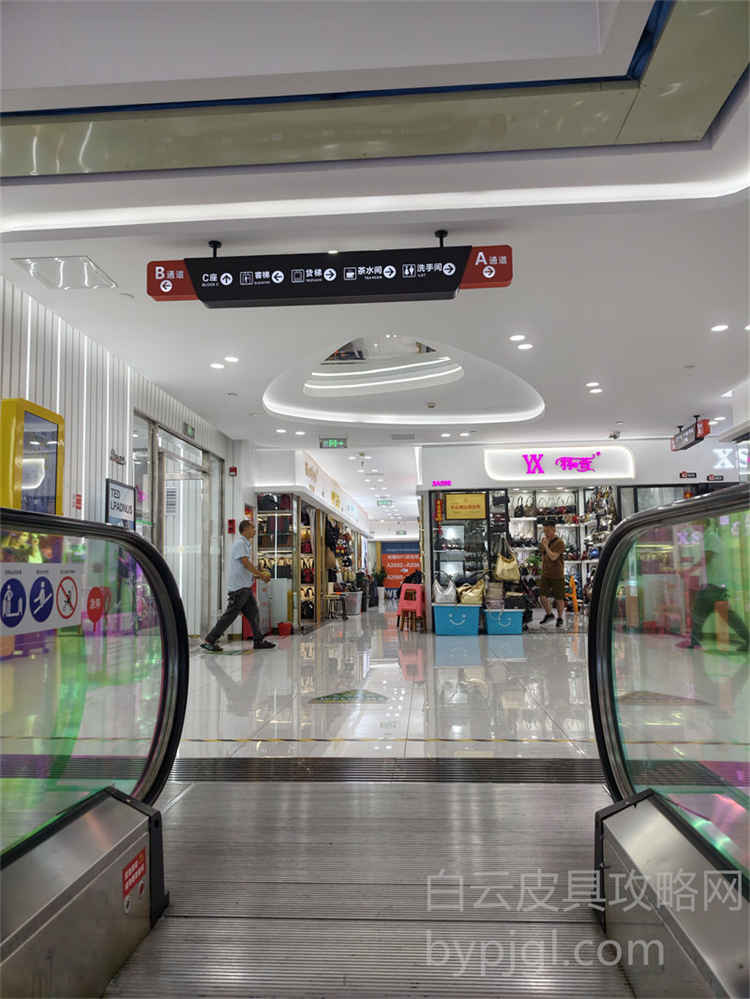
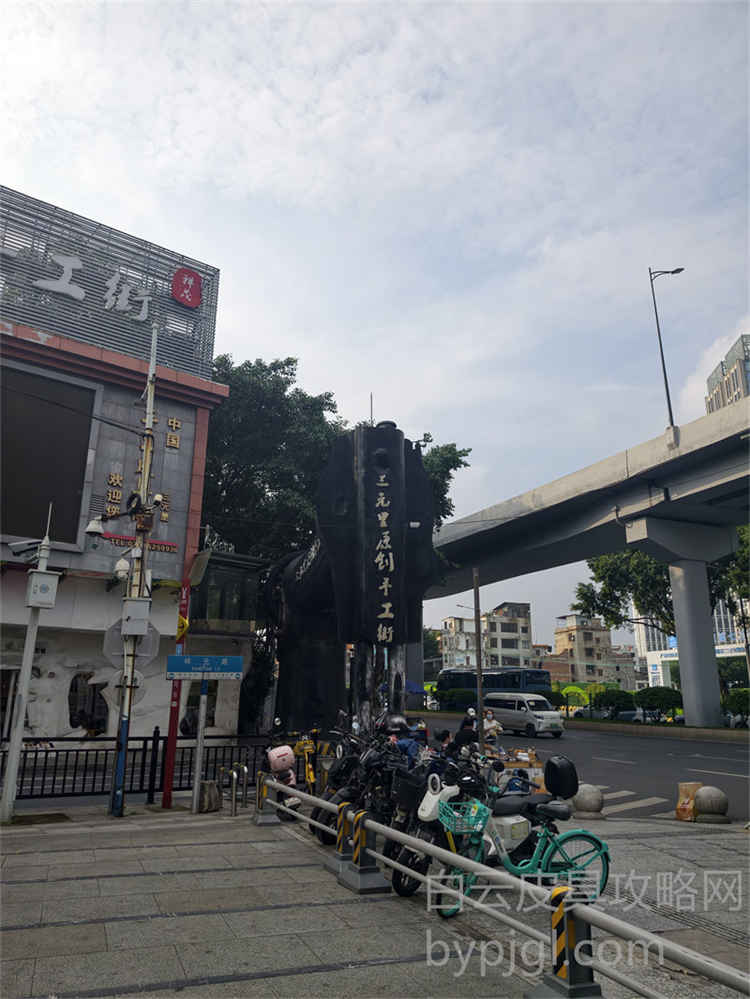
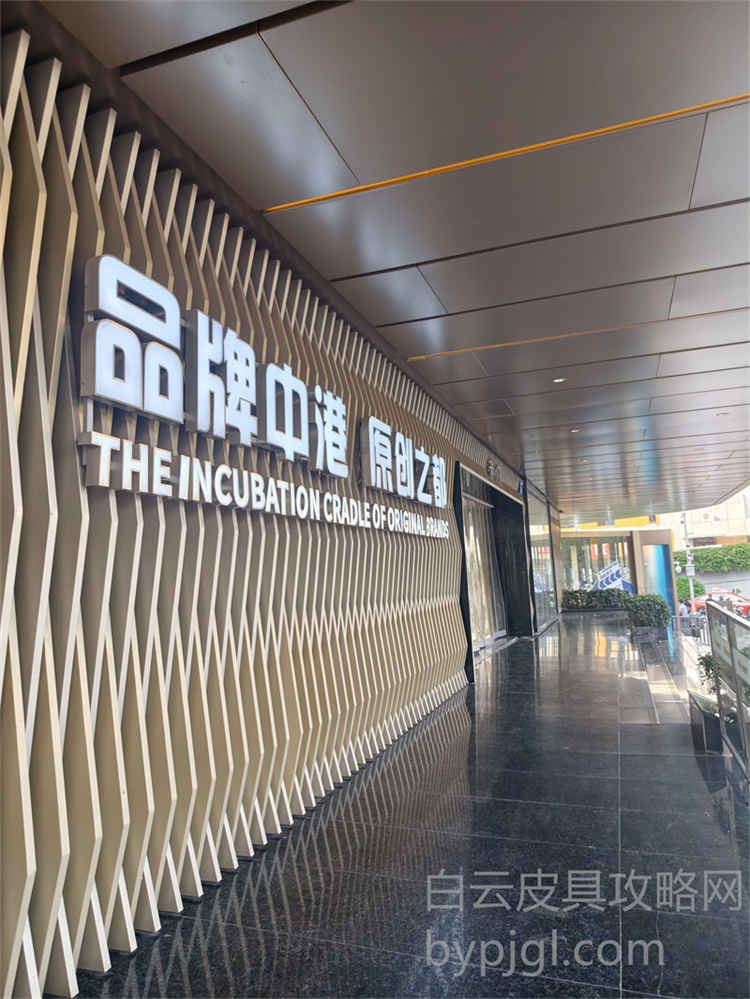
Many overseas buyers try to do everything via WeChat or email before they ever set foot in the city. That is a mistake. You cannot judge the texture of a canvas, the strength of a zipper, or the smell of genuine leather through a screen. When you arrive in Guangzhou, your first stop must be the Baiyun Leather City complex. It is not just one building; it is a sprawling network of structures that can take days to explore properly. Do not rush into the main hall immediately. Start with the lower floors where the bulk manufacturers operate. These are the people who actually make the goods, not just the middlemen reselling them.
Navigating the Market Layout
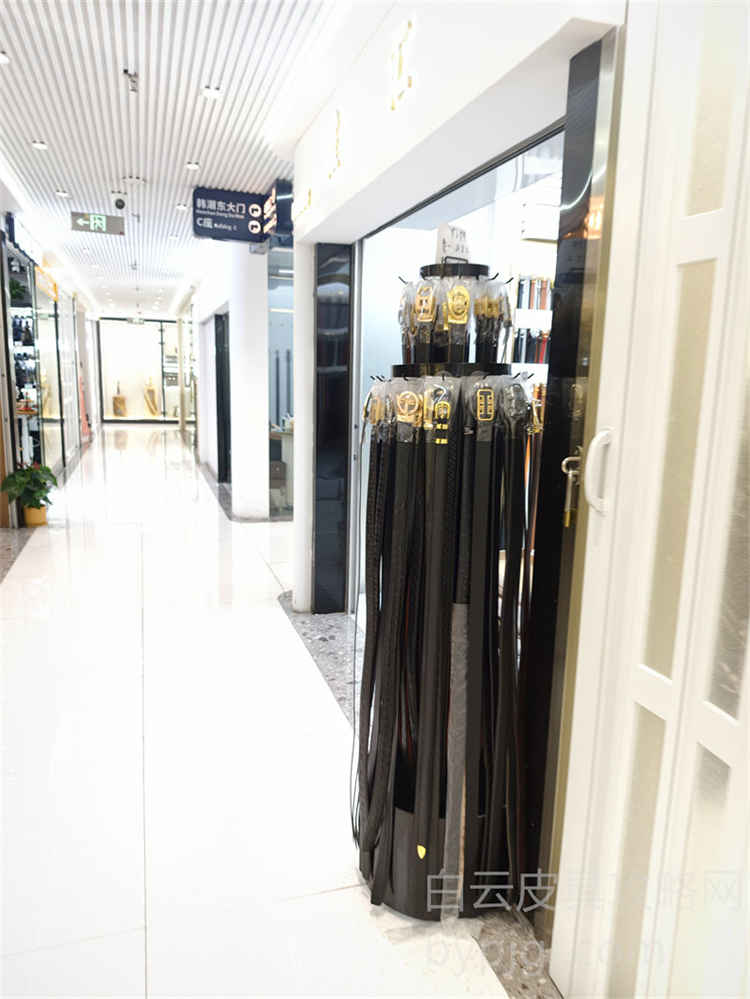
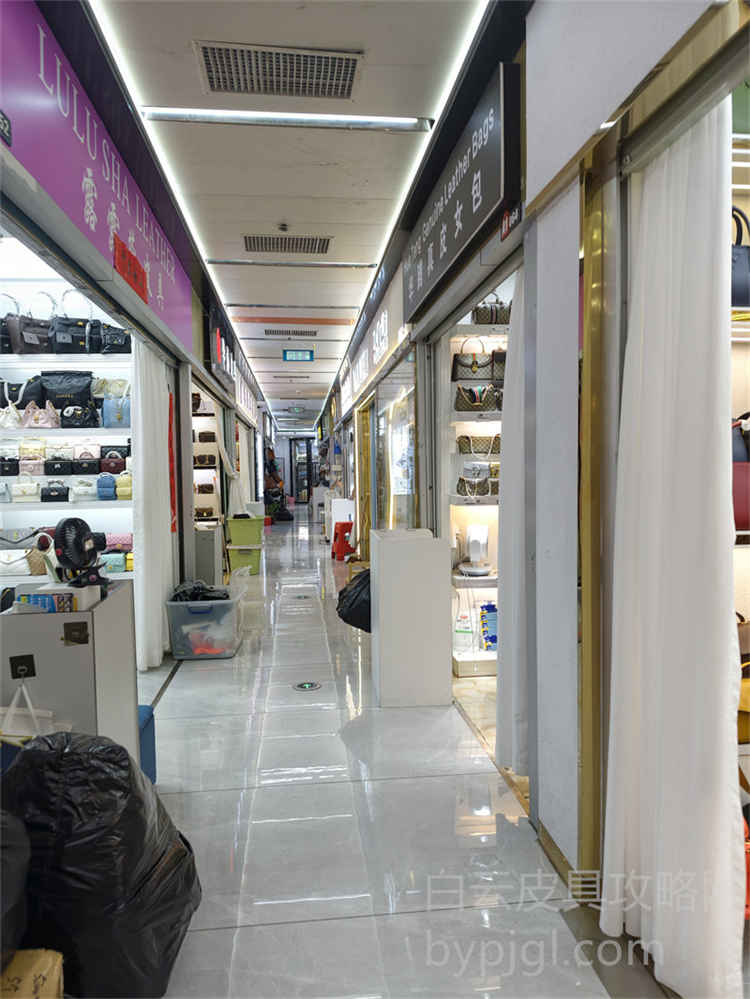
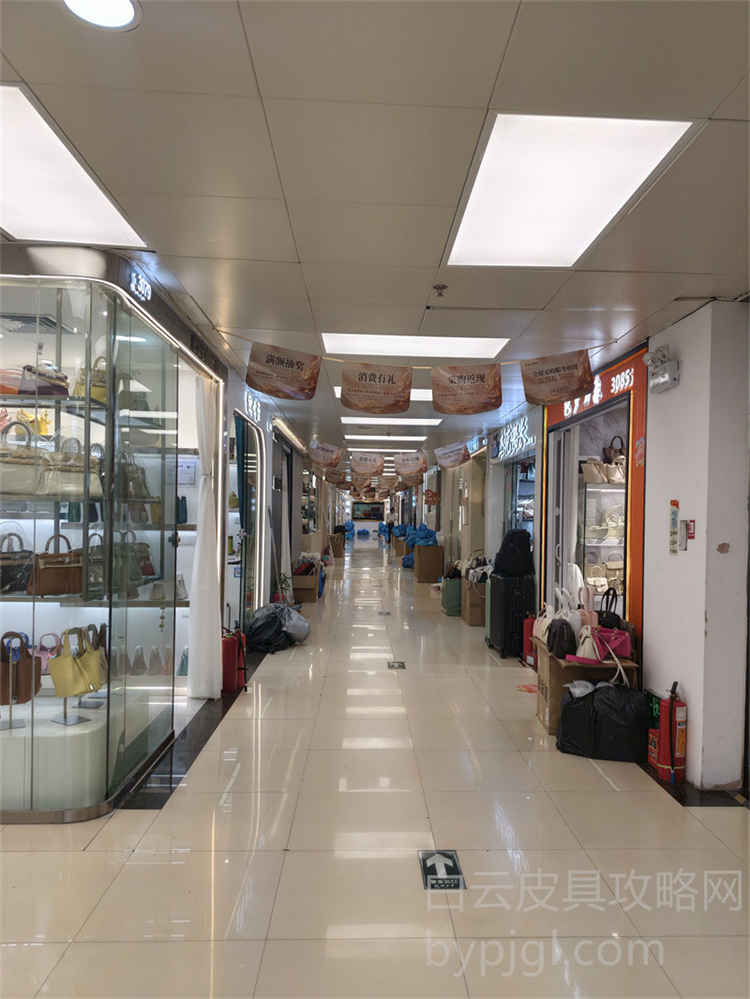
The layout of the Baiyun area is confusing if you have never been there. There are several distinct buildings, each with its own vibe. Some focus on high-end finishes, while others cater to the mass market looking for durable outdoor gear. As an old-timer, I always advise clients to start at the entrance of the specific building they are targeting and work their way up. Look for the signs that say "Factory Direct" or "Wholesale Only." These are your golden tickets. Avoid the flashy storefronts on the ground floor that scream "tourist trap." The real deals are often tucked away in the back corridors or on the upper levels where the foot traffic is lighter but the selection is deeper.
Inspecting the Goods: What to Look For
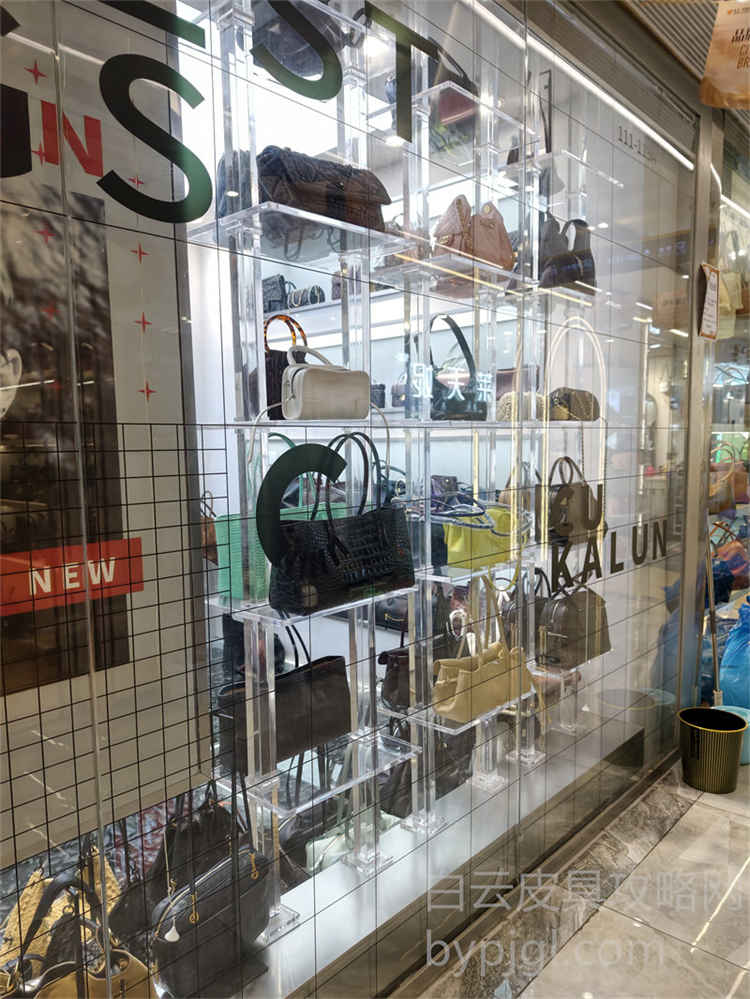
once you find a stall that looks promising, do not just ask for the catalog. Ask to see the actual stock. In the outdoor sector, durability is king. I always tell my customers to check the stitching first. Are the threads tight? Is there any loose thread hanging off? Then, pull on the handles and straps. Outdoor bags take a beating; if the stitching gives way under a light tug, it will fail in the wild. Check the zippers. A cheap plastic zipper will snap within weeks. Look for YKK or equivalent heavy-duty brands. Finally, inspect the lining. A sloppy lining means the manufacturer doesn't care about the details, which usually translates to poor waterproofing or weak seams.
Building Relationships and Negotiating Prices
Here is the secret that most foreign buyers miss: price is not fixed. It is fluid, depending on your relationship with the vendor and the volume you commit to. When I talk to new buyers, I treat them like partners, not just wallets. If you come in with a cold attitude, asking for the lowest price without showing intent to build a long-term business, you will get the standard wholesale rate, which might still be too high for your margins.
The Art of the Deal
When negotiating, be honest about your target market. Tell the supplier what kind of customer you serve. Are you selling to hikers who need rugged gear, or urban commuters who want style? This helps them recommend the right materials. Don't be afraid to ask for samples. Most reputable factories in Baiyun will let you buy a single sample to test the quality before placing a large order. Yes, it costs a bit more per unit, but it saves you from ordering fifty units of junk. once you are happy with the sample, discuss the tiered pricing structure. The more you order, the better the price, but also ask about the minimum order quantity (MOQ). Many smaller workshops are flexible if you show genuine interest.
Understanding the MOQ and Lead Times
Do not expect overnight miracles. Even in a bustling hub like Guangzhou, production takes time. If you need 500 units by next week, you are going to pay a premium for rush fees, or worse, you will receive subpar work. Plan ahead. Discuss the lead times clearly during your initial visit. Ask about their capacity. Can they handle your volume during peak seasons? An experienced owner knows when their factory is at full capacity and will warn you if you are trying to squeeze in too much. Trust that advice. It is better to wait two extra weeks than to receive a shipment that fails inspection.
Avoiding Pitfalls and Ensuring Quality Control
The biggest risk in sourcing is not the price; it is the inconsistency. One batch might be perfect, and the next might be completely different. This is why physical presence matters so much. If you cannot visit every time, you must hire a trusted third-party inspector, but even then, nothing beats your own eyes. Before you finalize payment, insist on a pre-shipment inspection. Go to the warehouse, count the boxes, check the random samples against your approved prototype, and verify the packaging.
Red Flags to Watch Out For
Be wary of vendors who refuse to show you the raw materials. If they claim to use premium nylon or waterproof fabric but won't let you touch it, run. Also, watch out for those who push you to pay 100% upfront without any contract or deposit protection. A healthy business relationship involves trust built over time, not forced transactions. Another red flag is when a vendor tries to upsell you on features you didn't ask for. Stick to your specifications. If they suggest changing the design to save money, evaluate it carefully. Sometimes, cutting corners on materials leads to higher return rates later.
Logistics and Shipping Considerations
once the goods are ready, you need to think about logistics. Guangzhou has excellent shipping connections, but navigating customs and freight forwarders can be tricky. Work with a reliable freight forwarder who specializes in your destination country. They can help you consolidate shipments from multiple suppliers if you are buying from different stalls in the same building. This saves you a fortune on shipping costs. Make sure the packaging is robust enough to survive the journey. Outdoor bags are heavy; if the cardboard boxes break, your product could be damaged before it even reaches your customer.
Final Thoughts from the Floor
Sourcing outdoor bags in Guangzhou is an adventure. It requires patience, a keen eye, and the willingness to engage directly with the people making the products. The Baiyun Leather City is a treasure trove waiting for those who know how to dig. Remember, the best deals are not found online; they are found shaking hands, smelling the leather, and testing the zippers yourself. Build relationships, stay curious, and never settle for less than what you paid for. That is the only way to succeed in this competitive market. Safe travels and happy hunting.