Walking the Floors: My Real Talk on Sourcing from Guangzhou
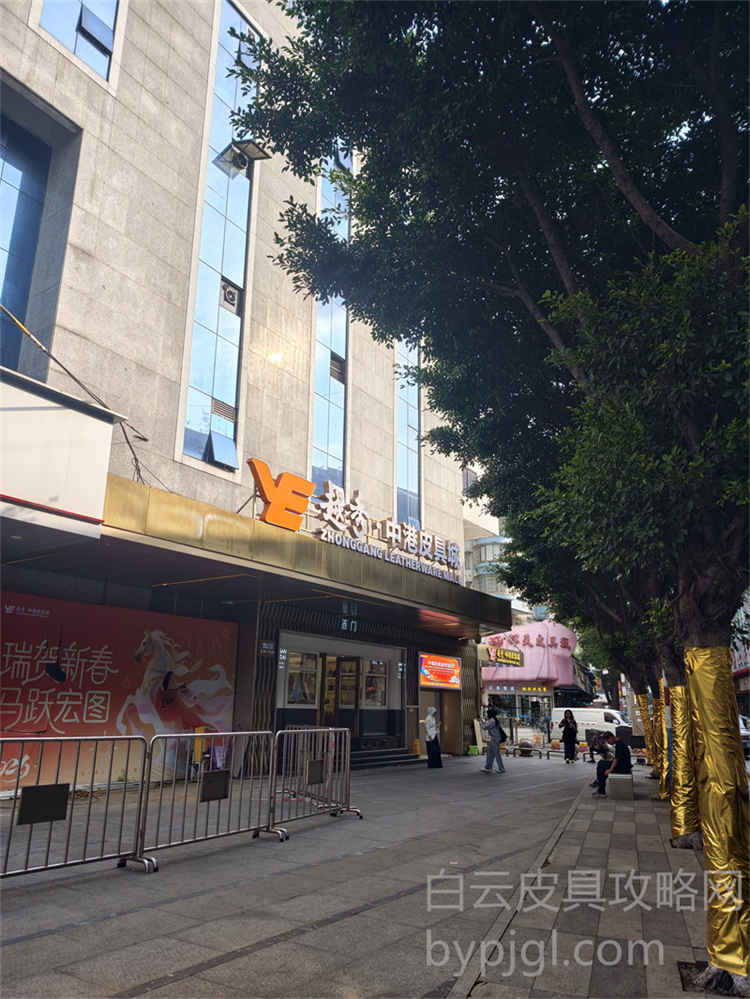
I have been standing behind this counter in the Baiyun District for over twenty years. While the world outside talks about trends and stock markets, my life is measured in leather scraps, stitching tension, and the constant hum of negotiation that never really stops. You might be reading this from a coffee shop in New York or a hotel in London, wondering how to actually get your hands on high-end goods without getting scammed. Let me tell you something straight: if you think you can just walk into a mall and find what I sell, you are already lost. The real action happens in the back alleys of the Baiyun Leather City, where the air smells like glue and fresh hides, not perfume.
The Myth of the Showroom
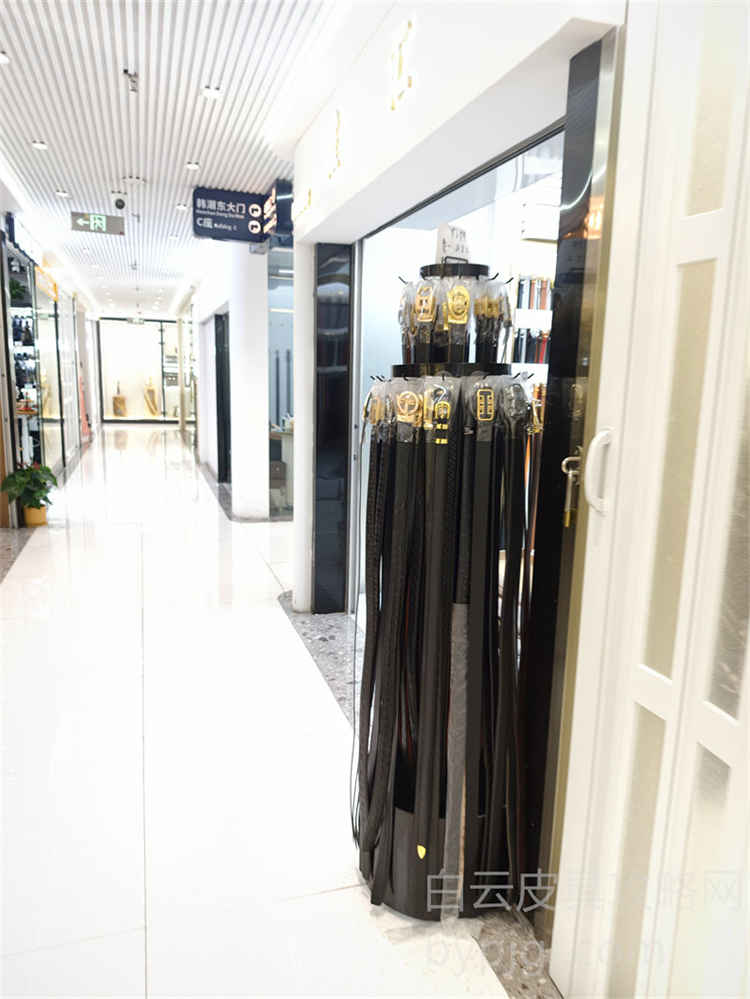
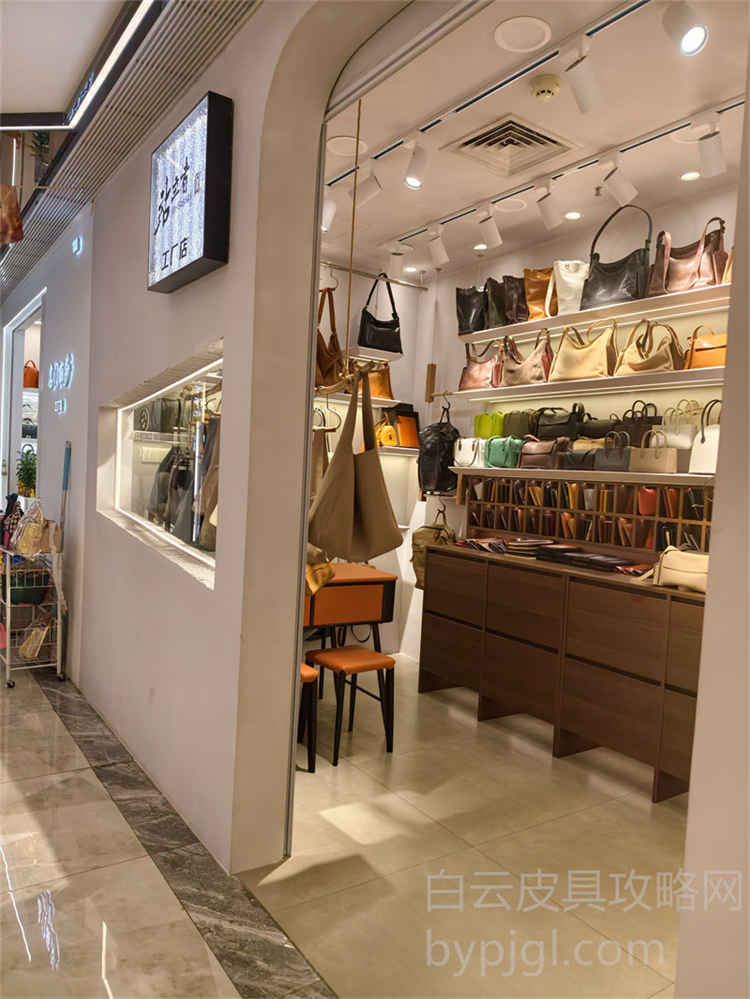
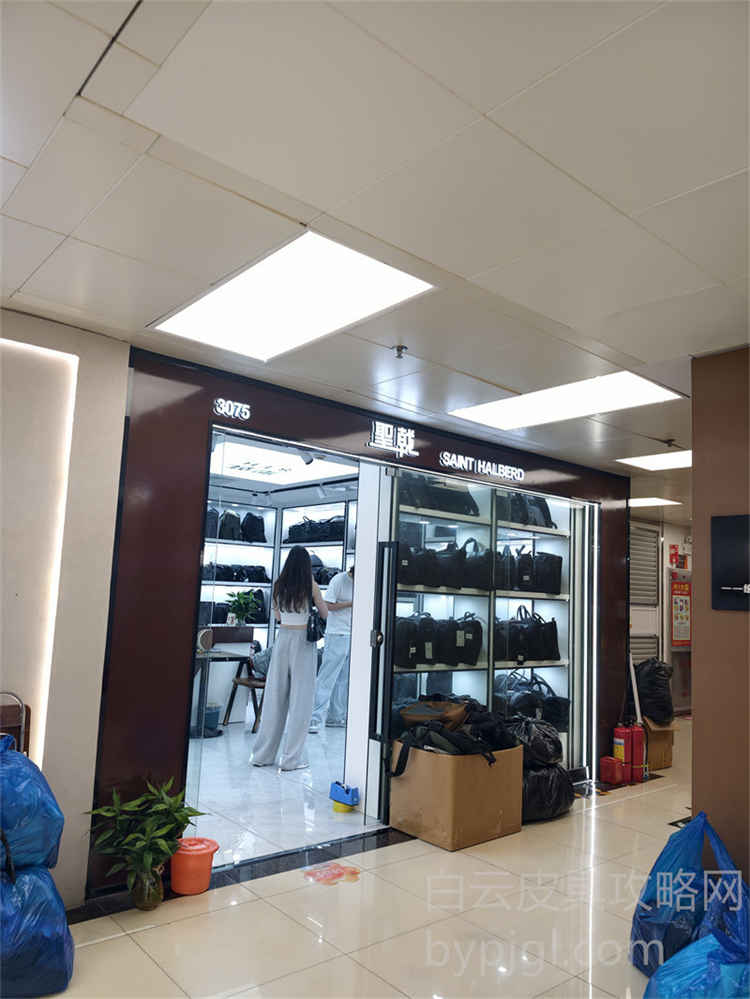
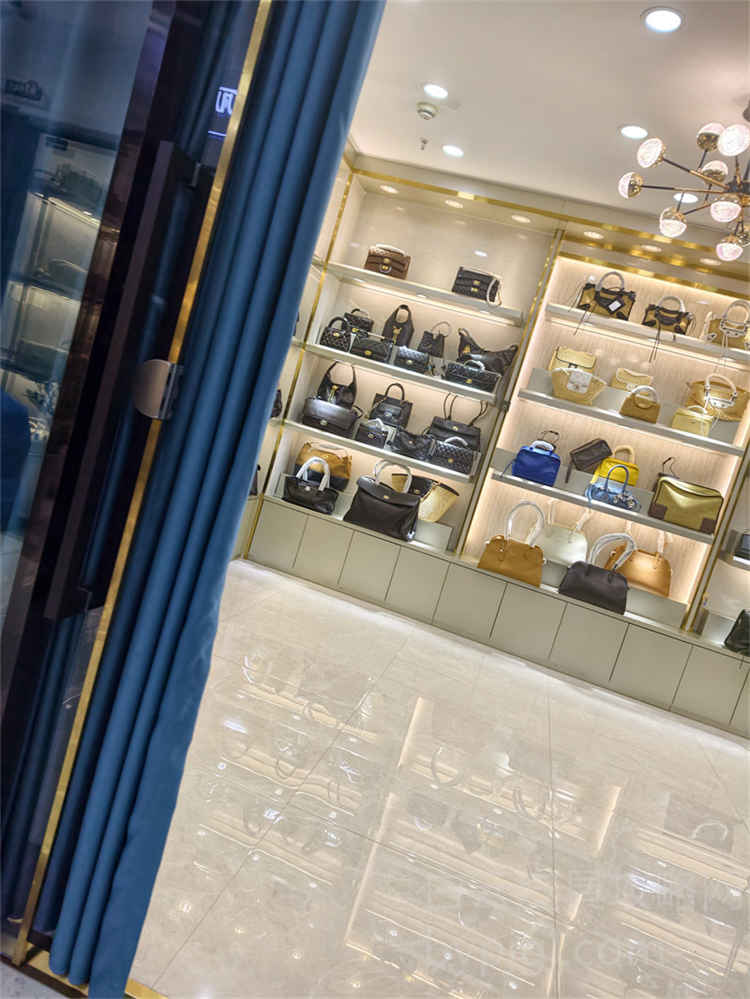
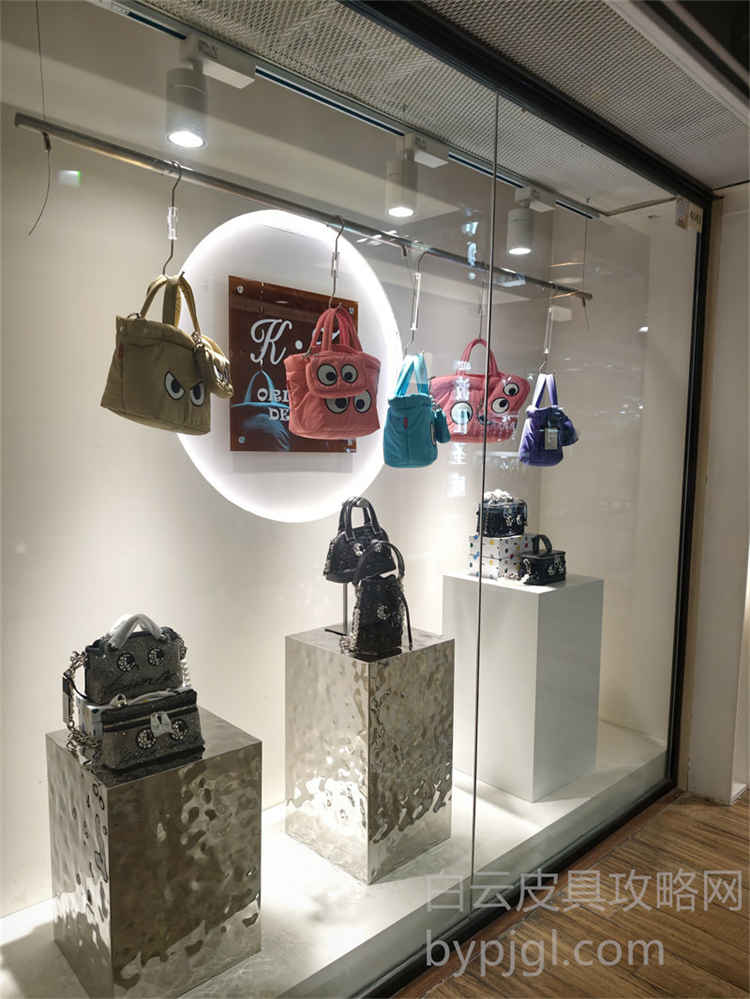
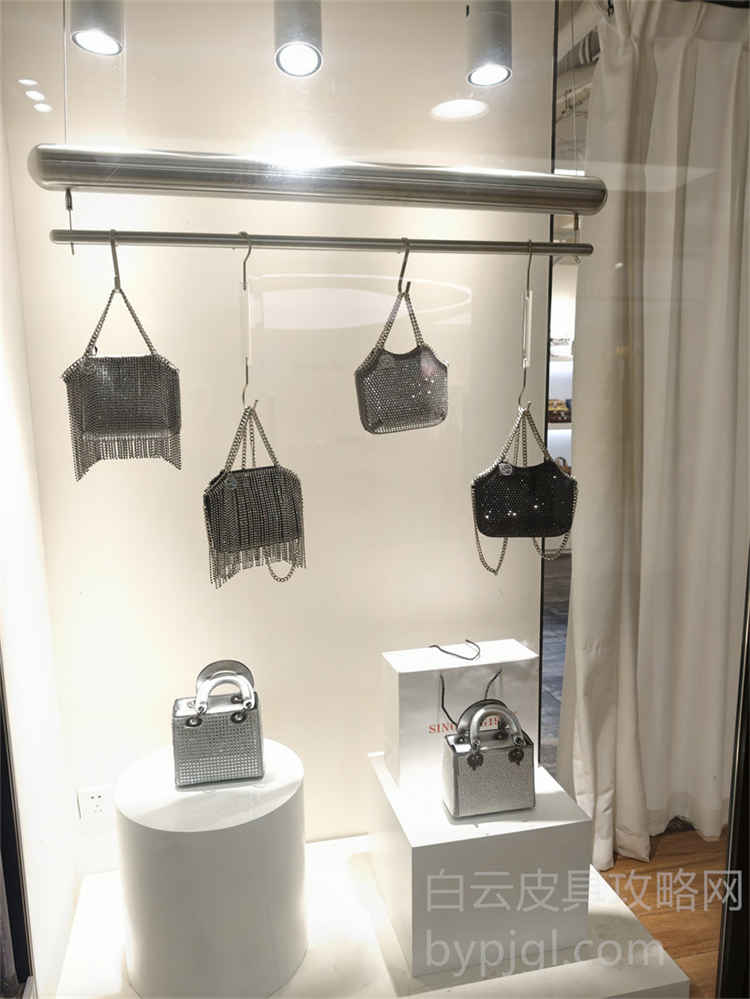
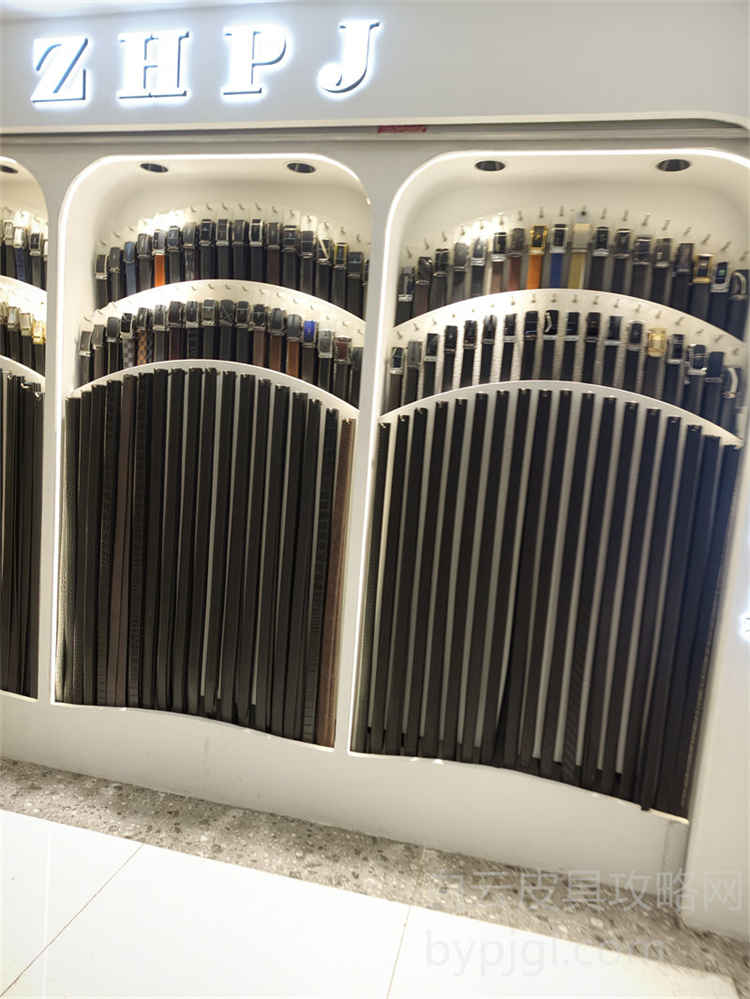
First, let's clear up a big misconception. Many overseas buyers expect a polished showroom with glass cases and security guards. That is for tourists who want to buy a fake souvenir. In my district, the "showrooms" are often just small offices tucked away above the ground floor shops. The actual inventory is stored in warehouses down the street or in the basement levels. When you arrive at the Baiyun Leather Market, do not look at the flashy displays on the main floor. Those are decoys. You need to ask the shopkeepers directly for the "high quality" section. They will nod knowingly and lead you to a side door. This is where the real work begins.
Navigating the Chaos of Baiyun Leather City
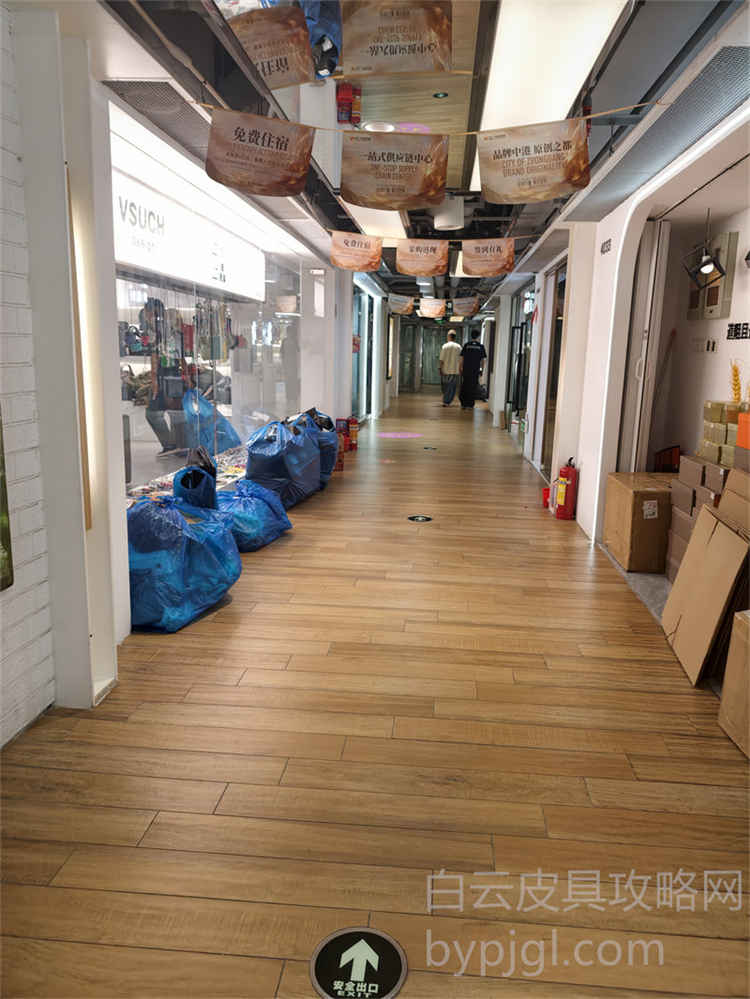
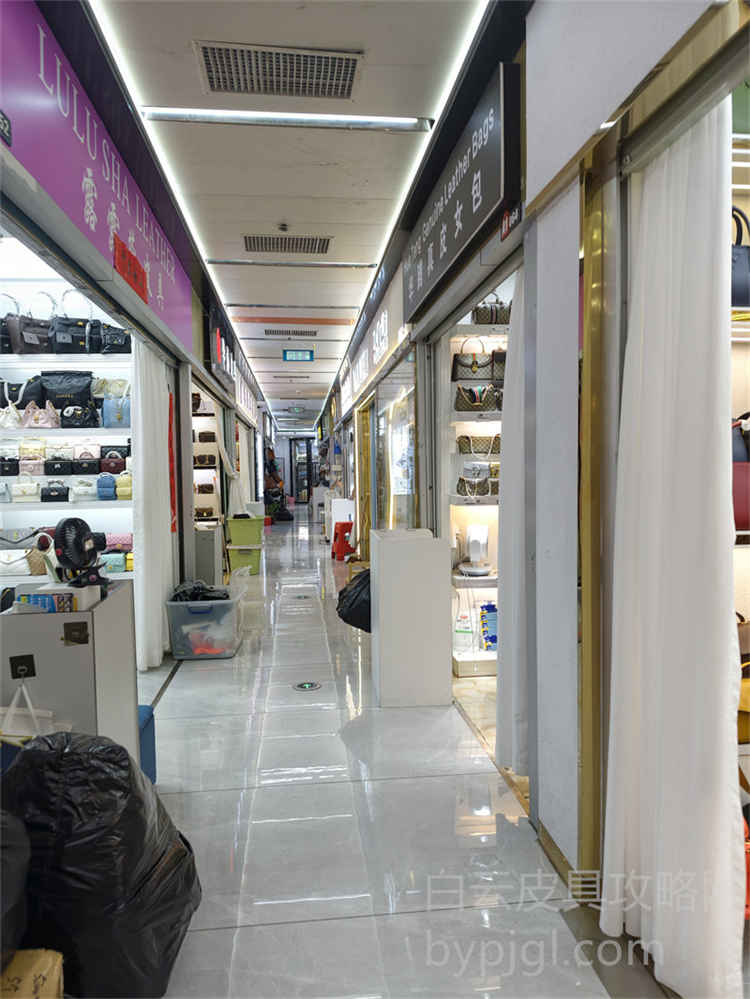
Getting to the market is only half the battle. once you step inside, the noise hits you. It is loud, crowded, and chaotic. There are thousands of stalls stretching as far as the eye can see. If you try to browse every single one, you will burn out before lunch. My advice? Pick a specific style you are looking for—maybe a structured tote or a classic shoulder bag—and stick to it. Do not wander aimlessly. Walk fast, keep your eyes open, and ignore the people shouting prices at you from the sidewalk. They are usually middlemen trying to take a cut.
Finding the Right Stall
Not all stalls are created equal. Some sell low-grade materials that fall apart after a week. Others, like mine, specialize in top-tier craftsmanship using genuine cowhide and imported hardware. How do you tell the difference? Look at the lining. Cheap bags use polyester that feels slippery and looks cheap. High-quality ones use soft suede or thick cotton canvas. Check the zippers. If they feel light and scratchy, walk away. We use YKK or Riri zippers that glide smoothly. Also, smell the leather. If it smells like chemicals or plastic, put it back. Real leather has a distinct, earthy scent that lingers.
The Art of Negotiation and Sampling
once you find a stall that looks promising, the real game starts. Do not show too much excitement. If you act like you love the bag immediately, the price goes up. Keep a poker face. Ask to see the sample first. In our trade, we call this "checking the grain." I will pull a bag from under the counter and hand it to you. Feel the weight. A heavy bag usually means solid construction and good material. Light bags often mean hollow interiors and thin leather.
Asking the Right Questions
When you talk to the boss, do not ask, "Is this the best quality?" Everyone says yes. Instead, ask specific questions about the source of the leather. Ask, "Is this full-grain calfskin?" or "Where did you get the hardware?" If they hesitate or give a vague answer, move on. Good suppliers know their supply chain inside out. once you agree on a sample, discuss the bulk order. Prices drop significantly when you order more than ten pieces. But be careful. If the price seems too good to be true, it is a trap. We are talking about premium goods here, not factory seconds. Never pay 100% upfront unless you have a long-standing relationship. A 50% deposit is standard practice to secure the production run.
Avoiding Pitfalls and Building Trust
The biggest mistake foreign buyers make is rushing the process. They want the goods yesterday and skip the inspection phase. This is how you end up with a warehouse full of junk. Before you ship anything out, you must inspect the goods yourself or hire a trusted third-party inspector. Check the stitching. Are the stitches even? Is there any loose thread? Look at the edges. Are they painted neatly or rough and uneven? These details separate a luxury item from a cheap imitation.
Logistics and Shipping
When you are ready to ship, do not use the courier service recommended by the seller unless you trust them completely. Many sellers will offer a "cheap shipping" rate that ends up being a scam or results in customs seizures. Use your own freight forwarder who specializes in China-to-world shipping. They know how to handle documentation and ensure your package clears customs smoothly. Also, be aware that some carriers have strict rules about certain types of bags. Your forwarder will guide you on how to pack and label the items correctly to avoid delays.
Why Come to Guangzhou Personally?
You might wonder why you should bother traveling all the way to Guangzhou when you can order online. The answer is simple: control. online photos are edited. Colors look different on screens. Textures are invisible. When you stand in front of the stall in Baiyun, you see the truth. You can touch the leather, smell the glue, and watch the craftsman stitch the bag right in front of you. You build a relationship with the supplier. Over time, they become partners who understand your specific needs. They will hold new styles for you before anyone else sees them. This personal connection is worth the flight ticket.
Final Thoughts from an Old Shopkeeper
Guangzhou is not a place for the faint-hearted. It requires patience, sharp eyes, and a bit of street smarts. But if you approach it with respect and a willingness to learn, you will find treasures that you cannot get anywhere else. The leather industry here is evolving every day, and the standards are higher than ever. Whether you are buying for your own boutique or for personal collection, remember that quality takes time. Do not rush. Take your time to walk the floors, talk to the bosses, and find the perfect match. That is the secret to success in this business. Welcome to the real world of sourcing.