Walking the Floors: My Real Talk on Sourcing from Guangzhou
I have been standing behind this counter in the Baiyun District for over twenty years. While the world outside talks about trends and seasons, my life here is measured by the flow of trucks, the dust on the floor, and the specific way a customer's eyes light up when they see a sample that matches their vision perfectly. You might be reading this from New York, London, or Sydney, wondering how to navigate the maze of leather goods markets without getting lost or ripped off. Let me tell you something straight: there is no magic button online that replaces walking these halls. The real value isn't in the price tag; it is in the relationship you build with the people who actually make the product.
The First Step: Leaving the Hotel Behind
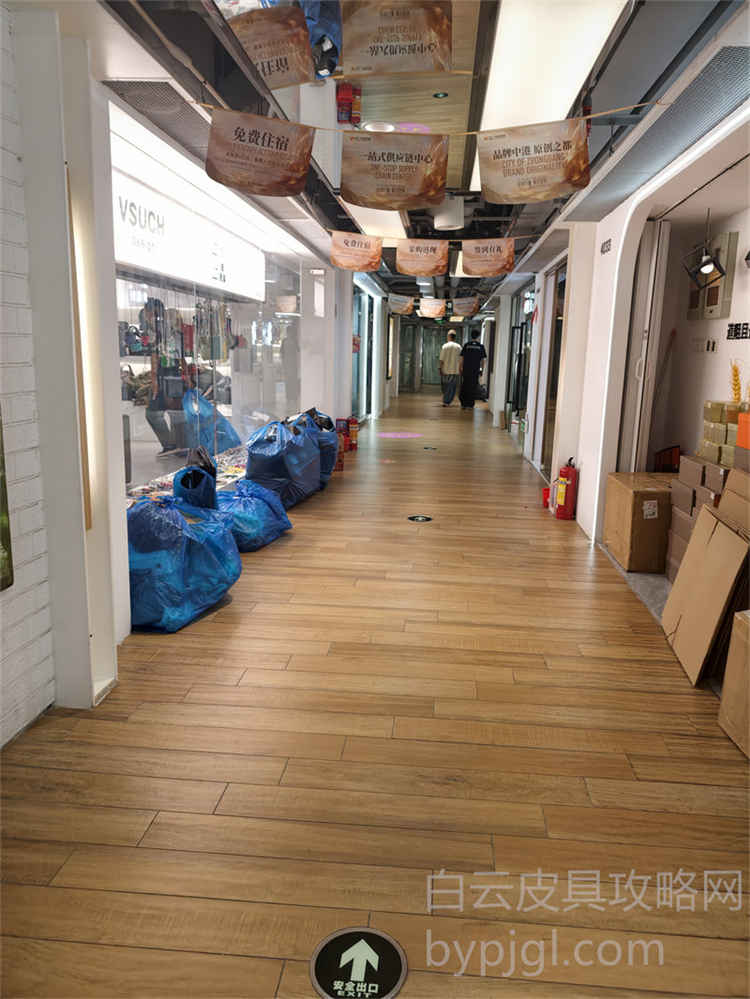
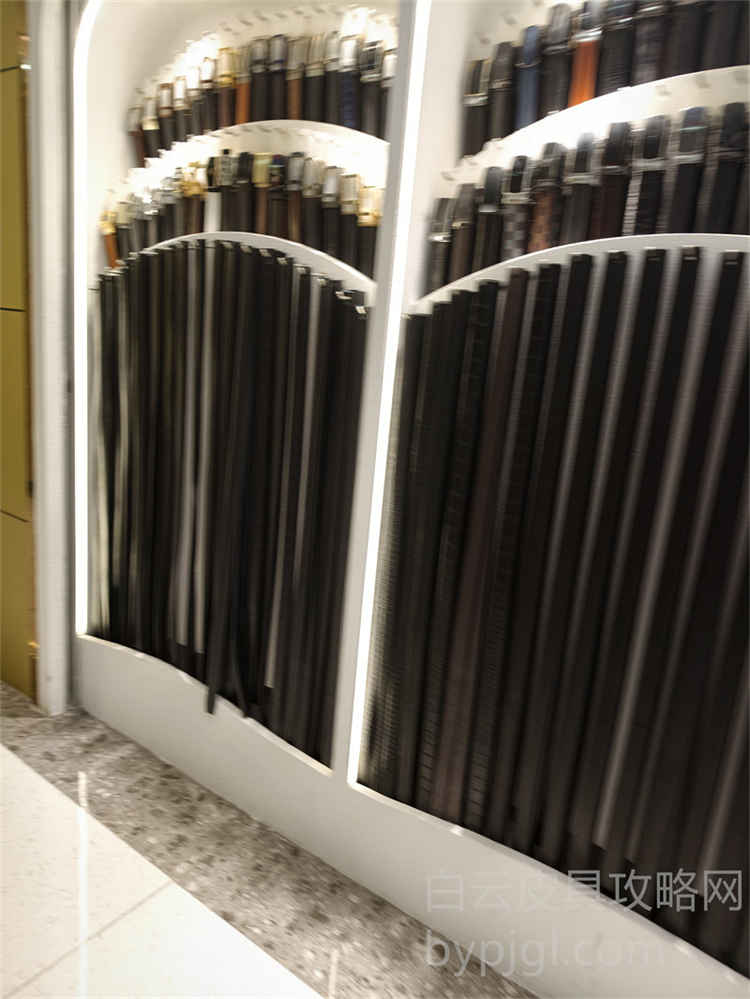
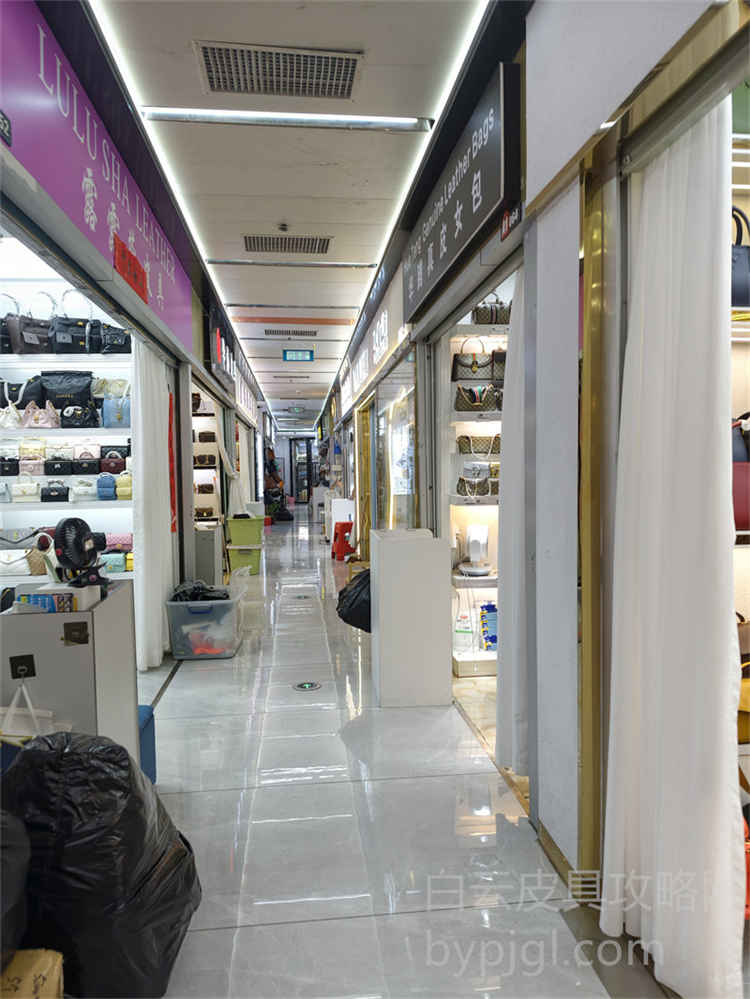
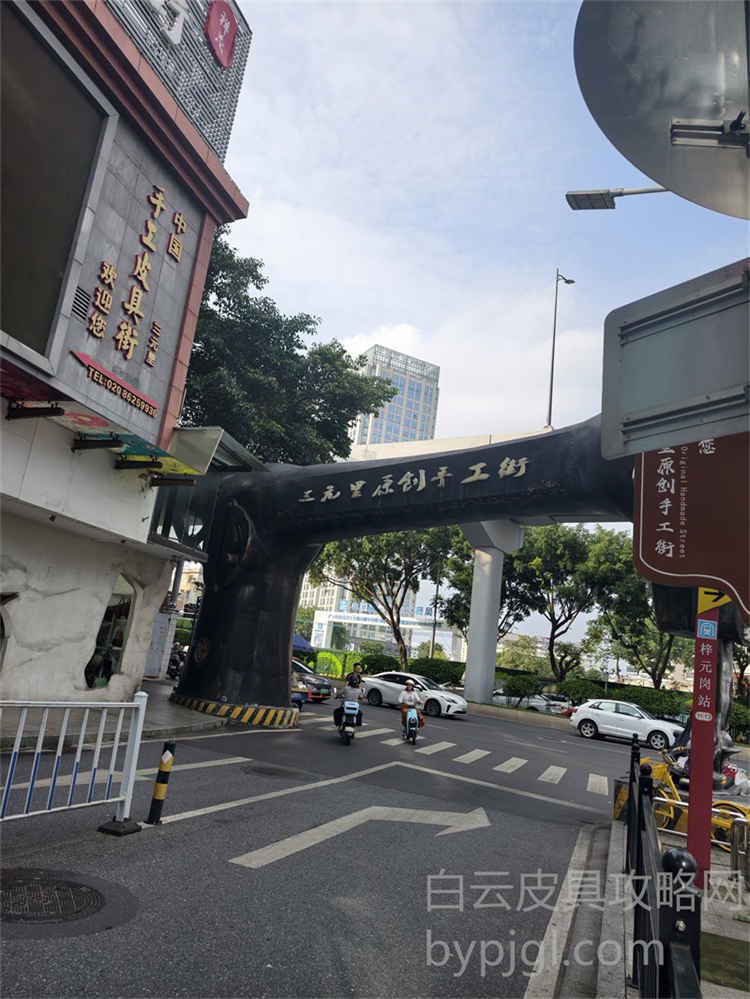
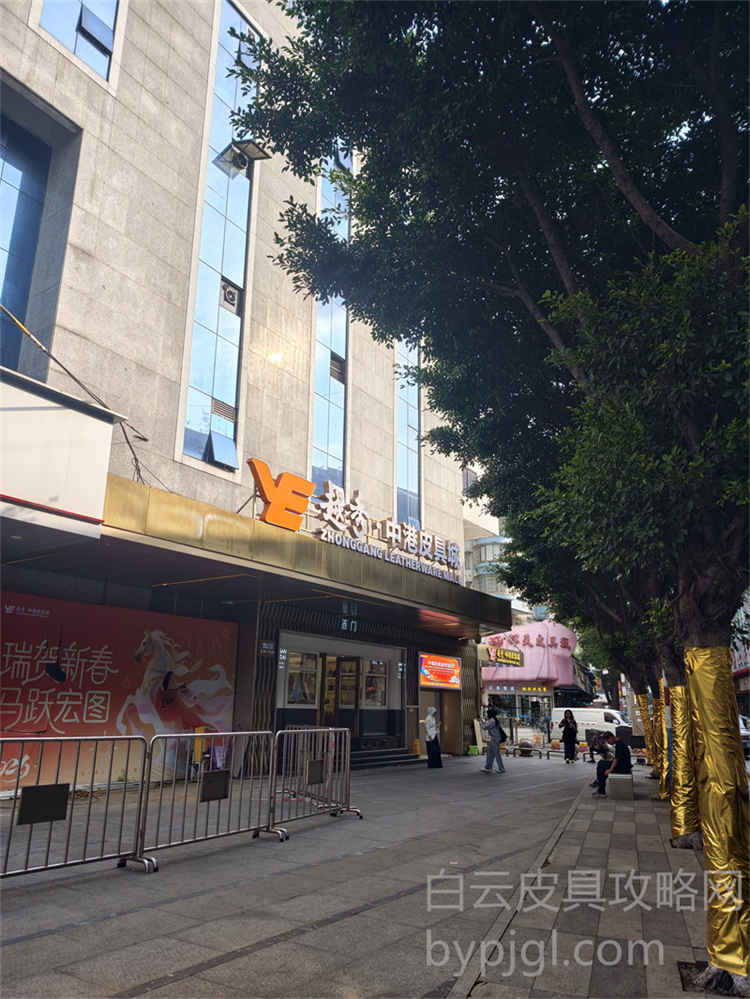
Many first-timers arrive at the hotel and try to order via WeChat before they even step out the door. That is a mistake. You need to get to the market physically. When I say "Guangzhou Baiyun Leather City," I am talking about the massive complex where hundreds of vendors operate side by side. It is not a single building but a cluster of interconnected structures buzzing with energy. The air smells of glue, leather, and ambition. If you want to find the high-end pieces that are indistinguishable from the originals, you cannot rely on photos sent by strangers. You must touch the material. You must feel the weight of the hardware. You must smell the stitching. only then do you know if a vendor is selling you the real deal or just a cheap imitation.
Navigating the Market: Where the Good Stuff Hides
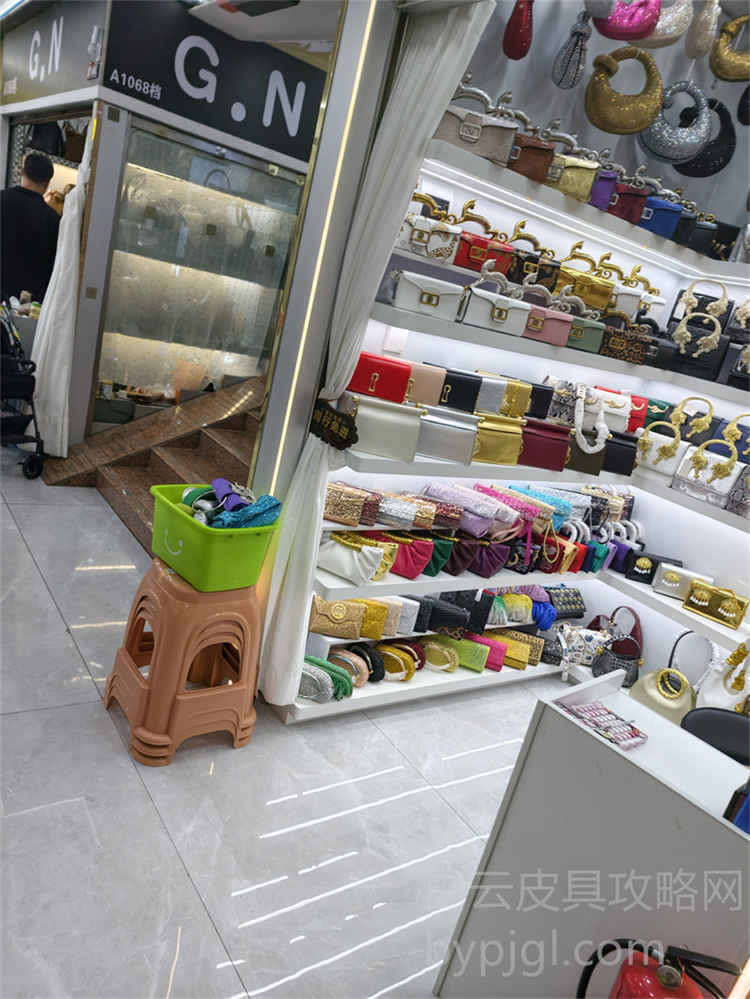
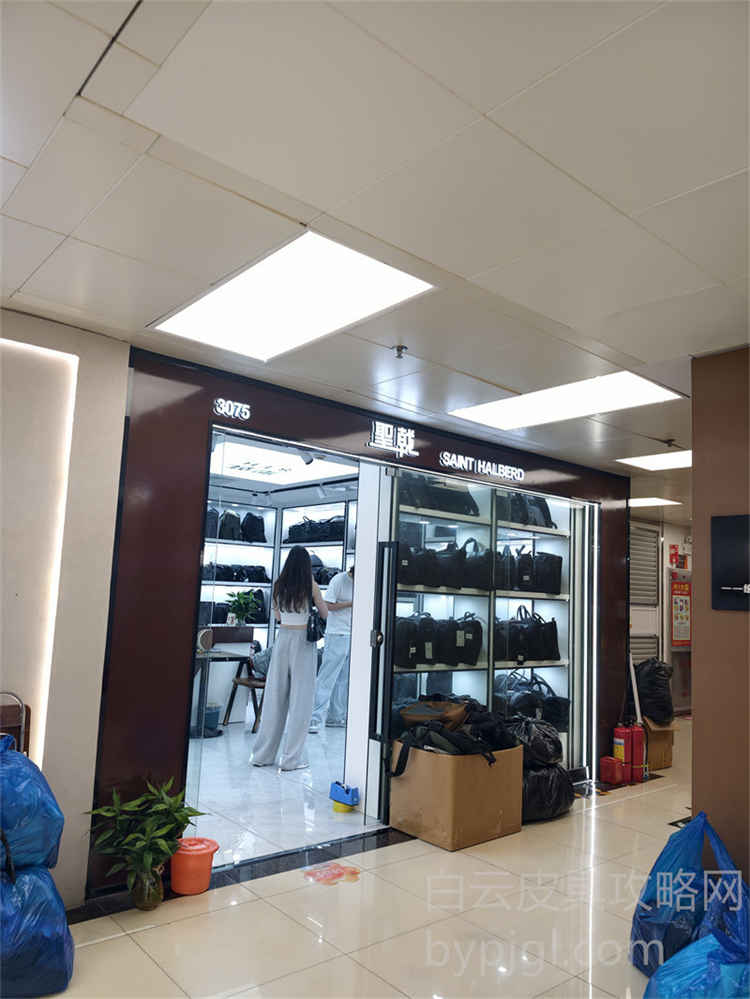
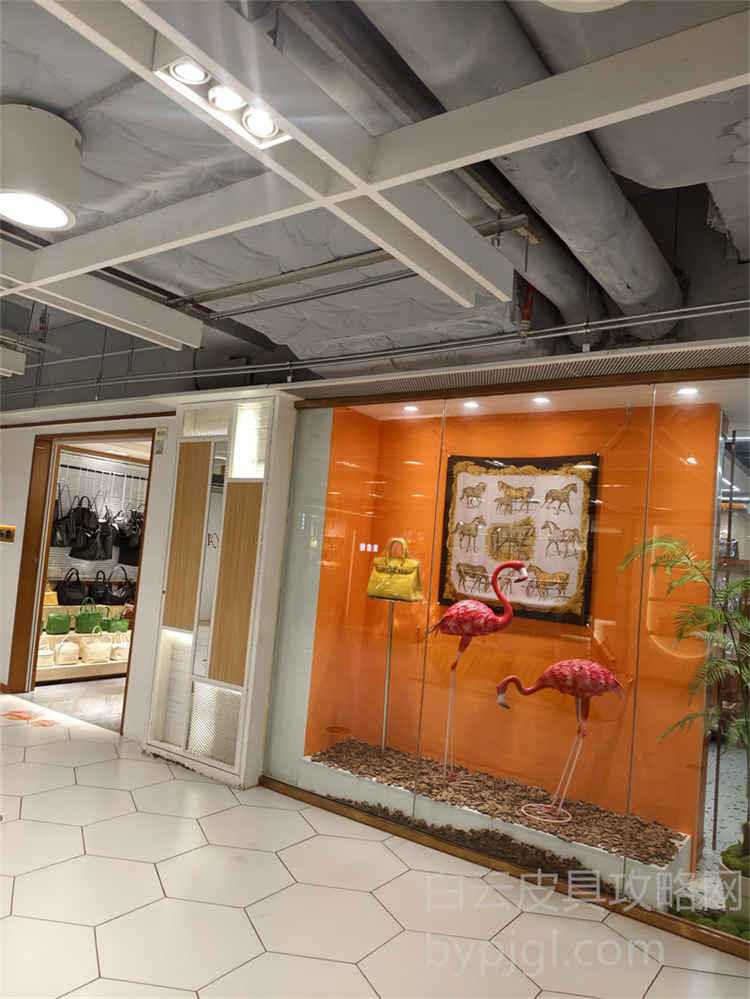
The market is divided into zones, and knowing which zone to visit is half the battle. The ground floors are often filled with lower-tier goods, flashy logos, and items meant for tourists who don't know better. But if you head to the upper levels, specifically the higher floors of the main buildings, that is where the serious business happens. This is where the factories that supply the top boutiques keep their showrooms. These are the places where the quality control is strict because the buyers here are professionals. They know exactly what they are looking for, and they will walk away immediately if the leather feels like plastic.
Reading the Room: Identifying Serious Vendors
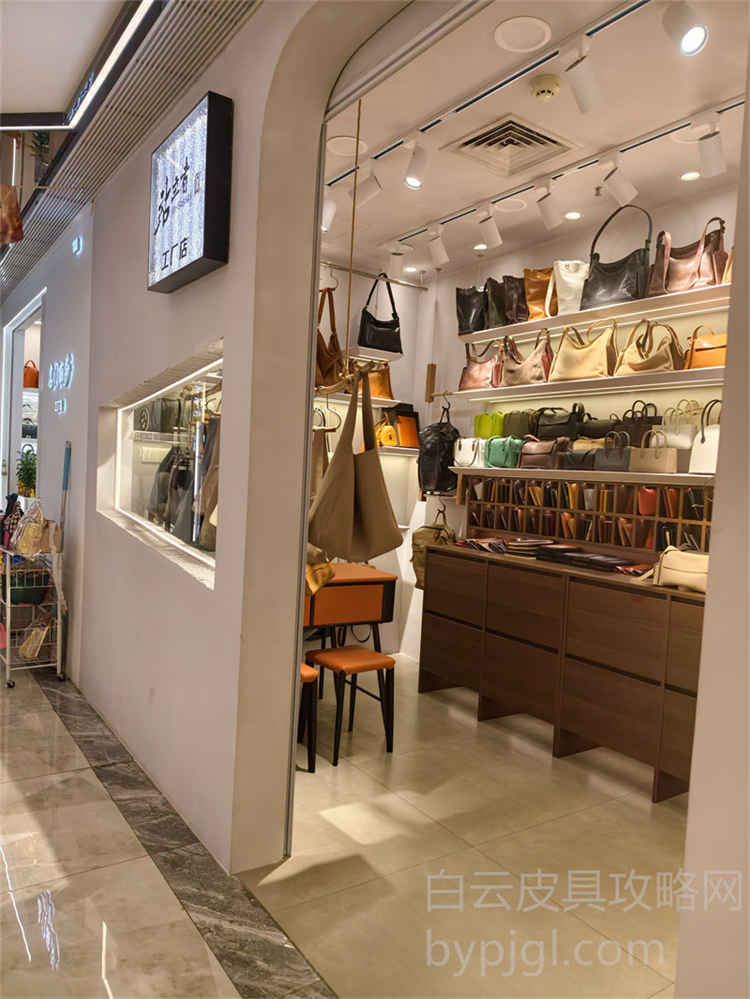
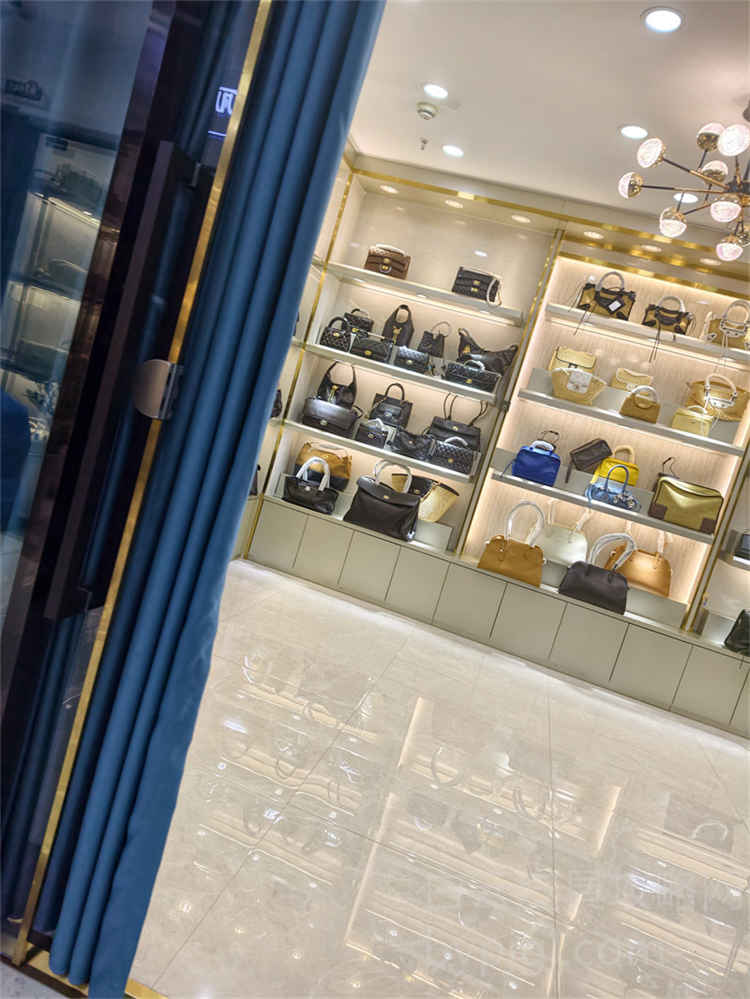
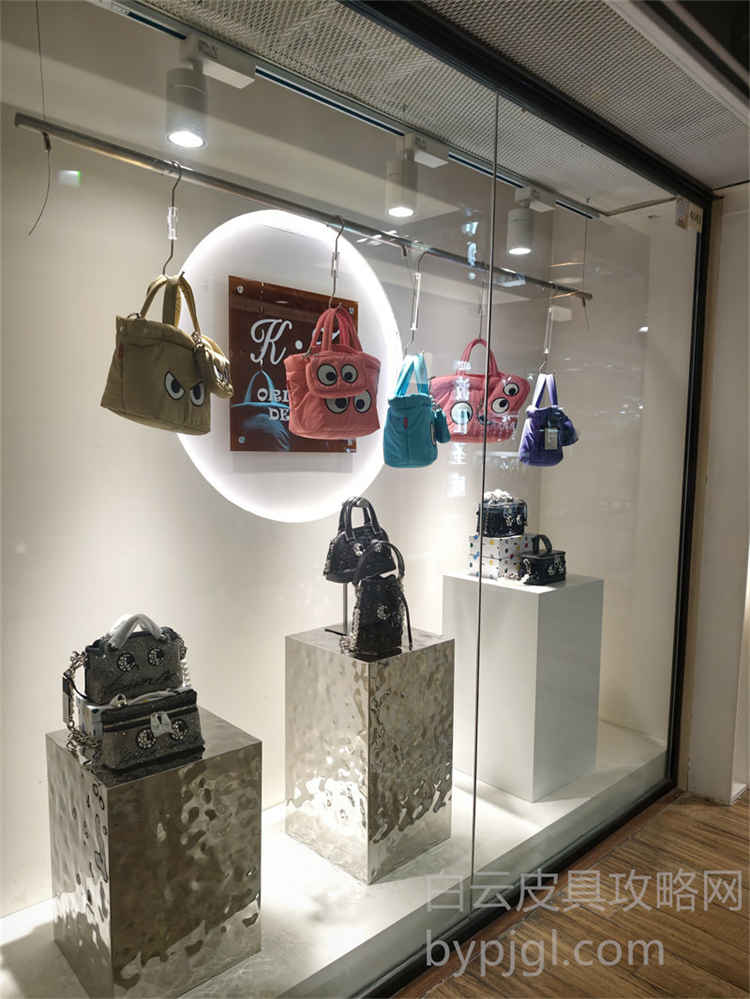
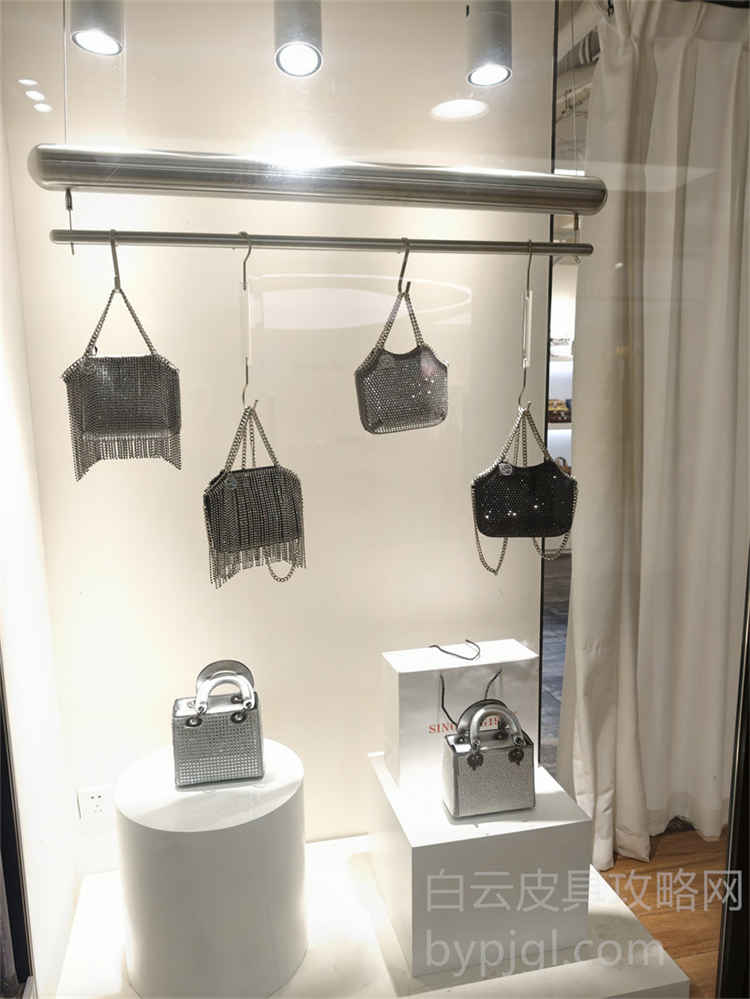
When you walk into a stall, look at the display. A good vendor does not clutter their table with fifty different styles screaming for attention. Instead, they have a few select pieces laid out with care. They will ask you what you are looking for rather than pushing everything on you. If a seller starts shouting prices or trying to force a sale the moment you enter, move on. The best suppliers in Baiyu are confident. They know their product speaks for itself. They will invite you to sit down, offer you tea, and ask about your target market. This conversation tells you more about their integrity than any certificate they might show you.
The Art of Selection: What to Look For
once you have found a promising stall, the real work begins. Do not just look at the bag as a whole. Inspect the details. Start with the leather. High-quality calfskin should feel soft yet resilient. It should not feel stiff or waxy. Run your fingers along the grain; it should be consistent. Next, check the lining. Cheap bags use polyester that peels after a week. Premium ones use high-grade fabric that breathes and feels smooth. Then, look at the stitching. It should be even, tight, and straight. No loose threads, no skipped stitches. The angle of the needle should be consistent throughout the entire piece.
Hardware and Zippers: The Silent Tell
This is where many sellers fail. The hardware is the soul of the bag. Pick it up. Does it feel heavy? Heavy metal indicates quality brass or zinc alloy. Light, hollow-feeling metal is a red flag. Check the zippers. Are they branded? Do they glide smoothly without catching? The engraving on the zipper pull should be crisp and deep, not shallow and blurry. In our experience, the difference between a mid-range product and a top-tier one is often hidden in these small components. A vendor who uses YKK or Riri zippers is telling you they care about durability. A vendor using generic, scratchy zippers is cutting corners.
Building Trust and Closing the Deal
After you have selected your samples, the negotiation phase begins. Do not be afraid to ask questions. Ask about the source of the leather. Ask about the production time. A honest vendor will give you a realistic timeline. If they promise delivery in three days for a complex design, they are lying. Production takes time, especially when quality is the priority. once you agree on the specifications, do not pay 100% upfront unless you have an established history with them. A standard practice is to pay a deposit to start production and the balance upon inspection. This protects both parties.
The Inspection Process: Don't Skip This Step
Before you hand over the final payment, you must inspect the finished goods. If you are buying in bulk, bring a friend or hire a local agent to help you check the items. Look for color consistency across all units. Check the alignment of patterns. Ensure the handles are attached securely. If you find a defect, do not accept it. Send it back for correction. In Guangzhou, the culture of perfectionism is strong among the top vendors because they know that word-of-mouth is their lifeline. They would rather lose a small profit than ruin their reputation with a batch of bad goods.
Final Thoughts: Your Journey Starts Here
Sourcing from Guangzhou is not just about buying products; it is about understanding a culture of craftsmanship and commerce. The Baiyun district is a living ecosystem where innovation meets tradition. By taking the time to walk the floors, talk to the owners, and inspect every detail, you are ensuring that you get the best possible product for your customers. Remember, the best deals are not found in the cheapest stalls, but in the relationships built on trust and transparency. So, pack your bags, come to Guangzhou, and let the leather speak to you. The journey is worth every step.