Why I've Been in the Leather Markets for Decades
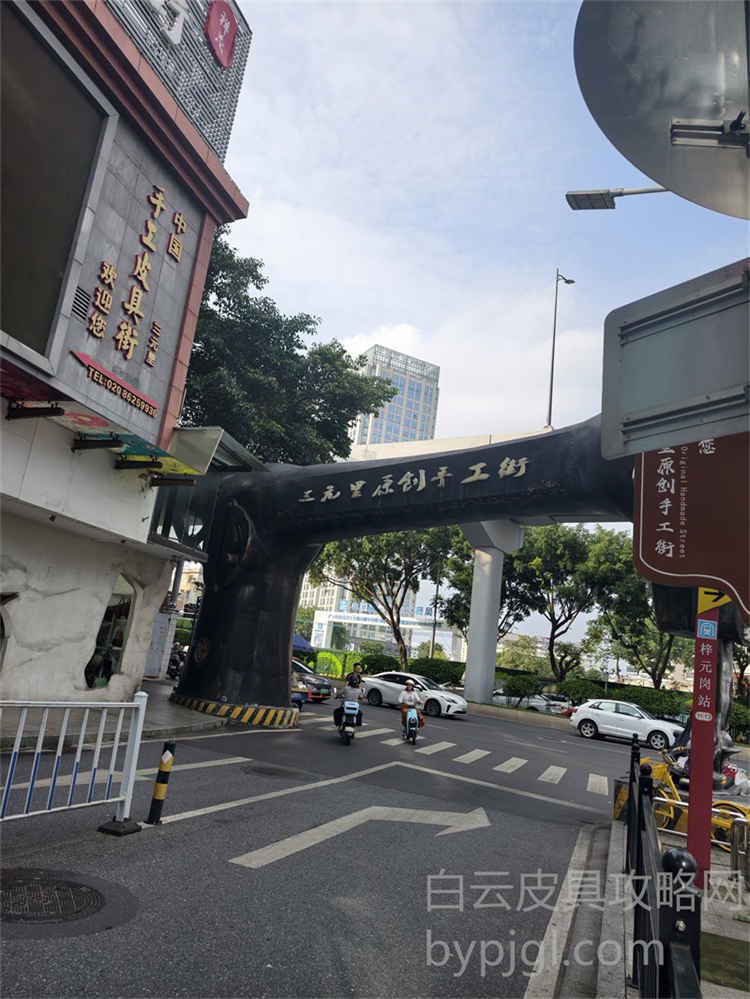
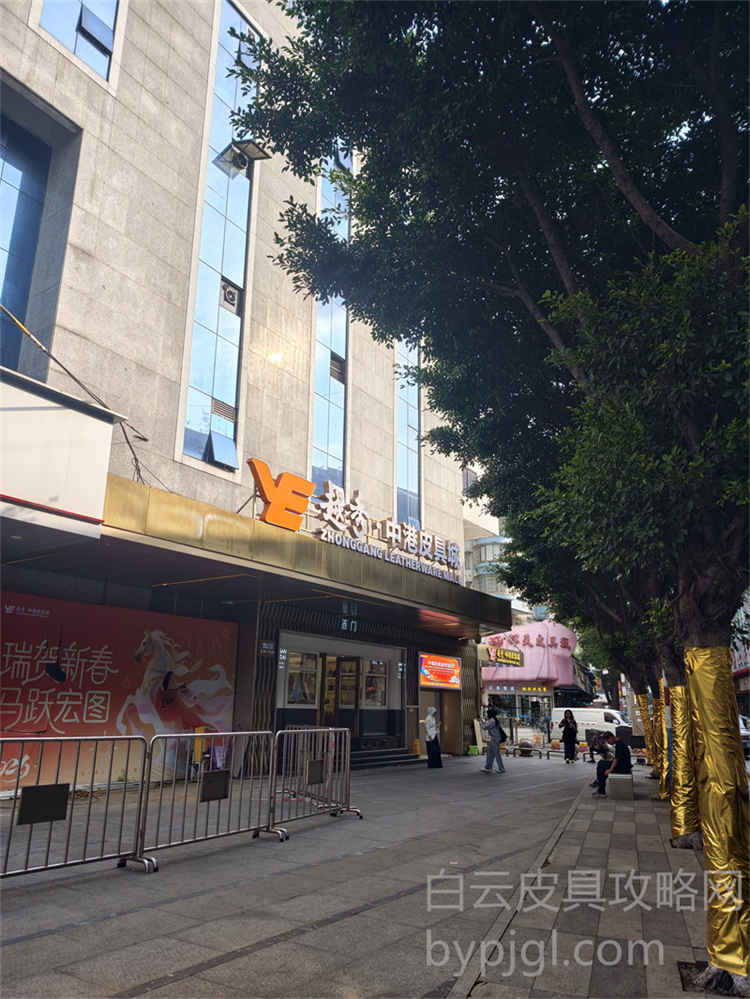
Listen, I have been standing behind this counter in Guangzhou since before most of you were even born. While everyone else is talking about online shopping and shipping containers, I am still here in the thick of it, watching the flow of goods through Baiyun District. You might be surprised to hear that people from all over the world come here not just to buy, but to understand the real pulse of the leather industry. It is not a place for tourists looking for souvenirs; it is a serious hub for those who know how to spot quality.
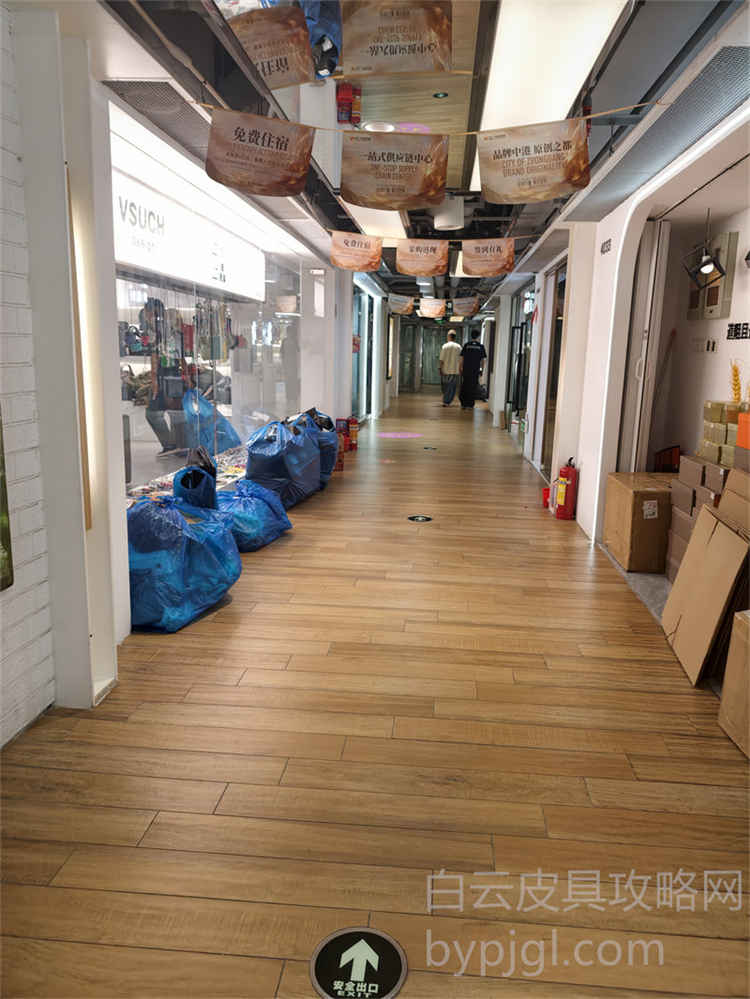
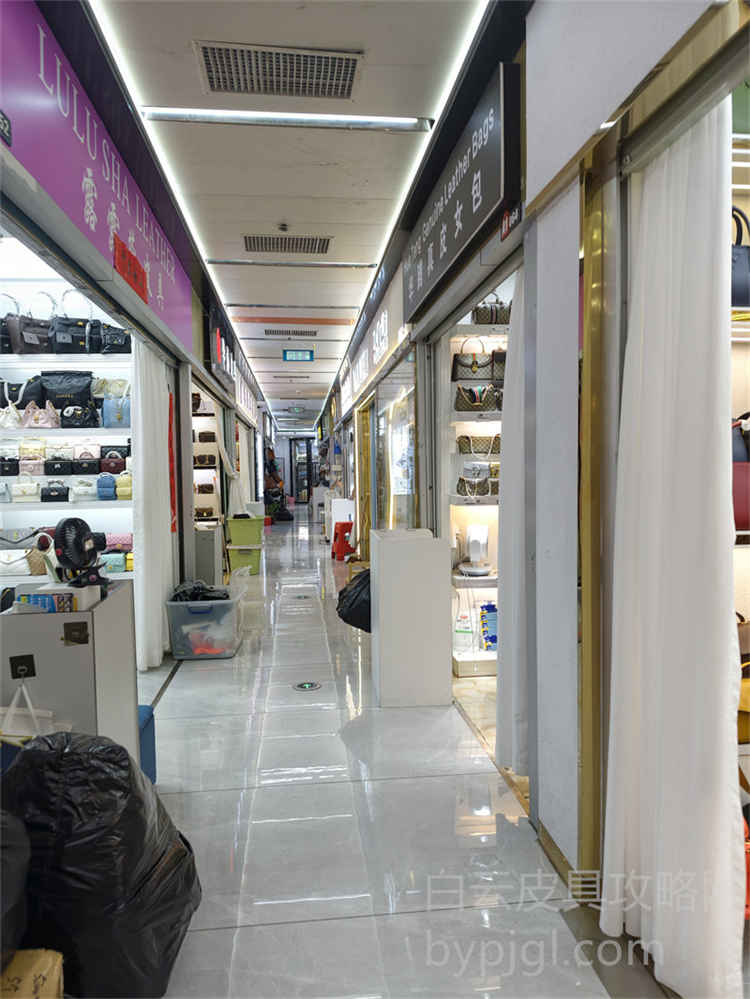
The first thing you need to realize is that this market is not what you see on social media. There are no flashy billboards or luxury showrooms. Instead, you will find narrow corridors packed with stalls, each one shouting out deals in a mix of Cantonese, Mandarin, and broken English. This is where the magic happens. If you want to get the best deals, you cannot rely on Google Maps alone. You have to walk the floor, touch the materials, and talk to the people who actually make these bags.
Navigating the Real Market Floor
Finding Your Way Through the Chaos
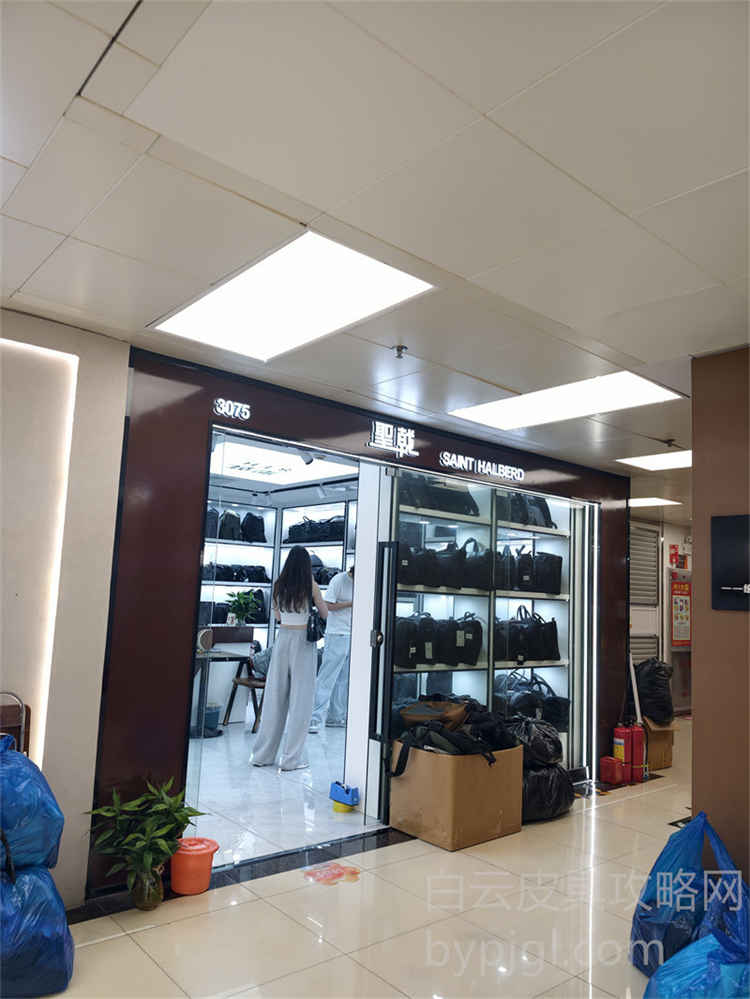
When you step into the main building, the noise hits you immediately. It is loud, chaotic, and incredibly energetic. Do not let this scare you off. The key is to ignore the front-facing displays that look generic. The real treasures are tucked away in the back rooms or on the upper floors where the regulars go. I tell my overseas clients to bring a local guide if they are nervous, but honestly, once you learn the rhythm, you do not need one.
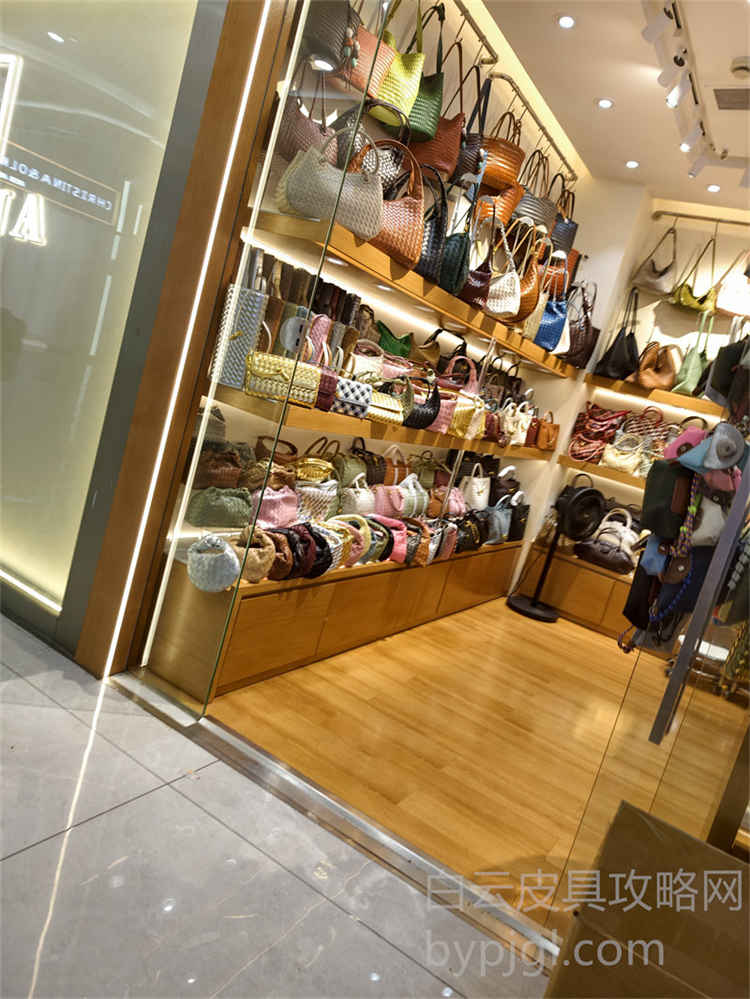
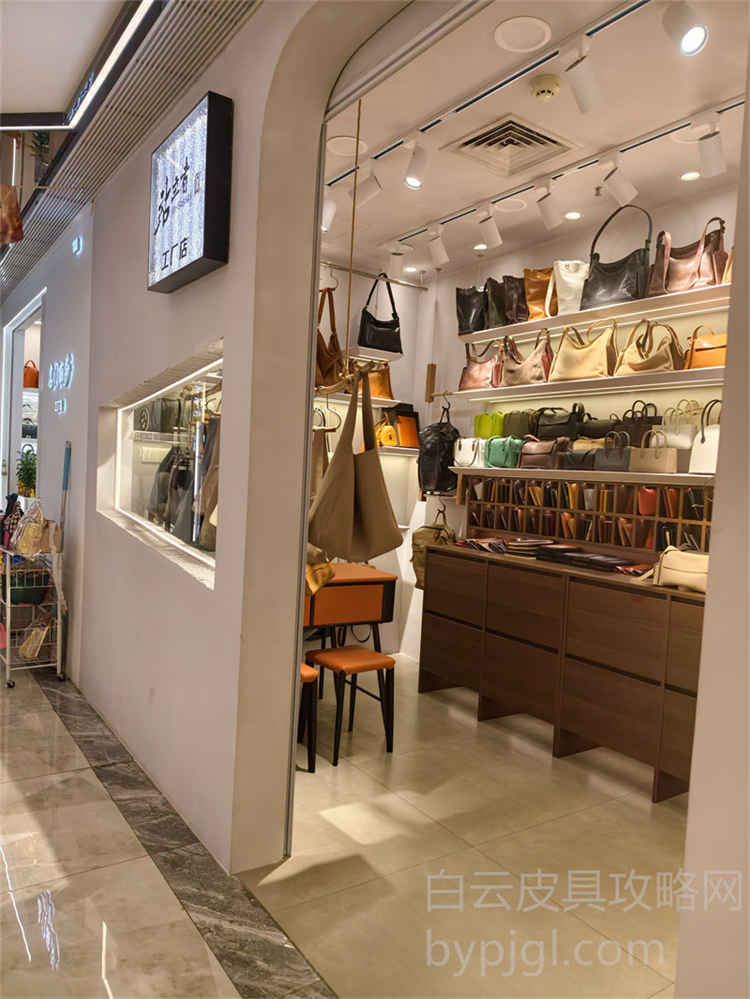
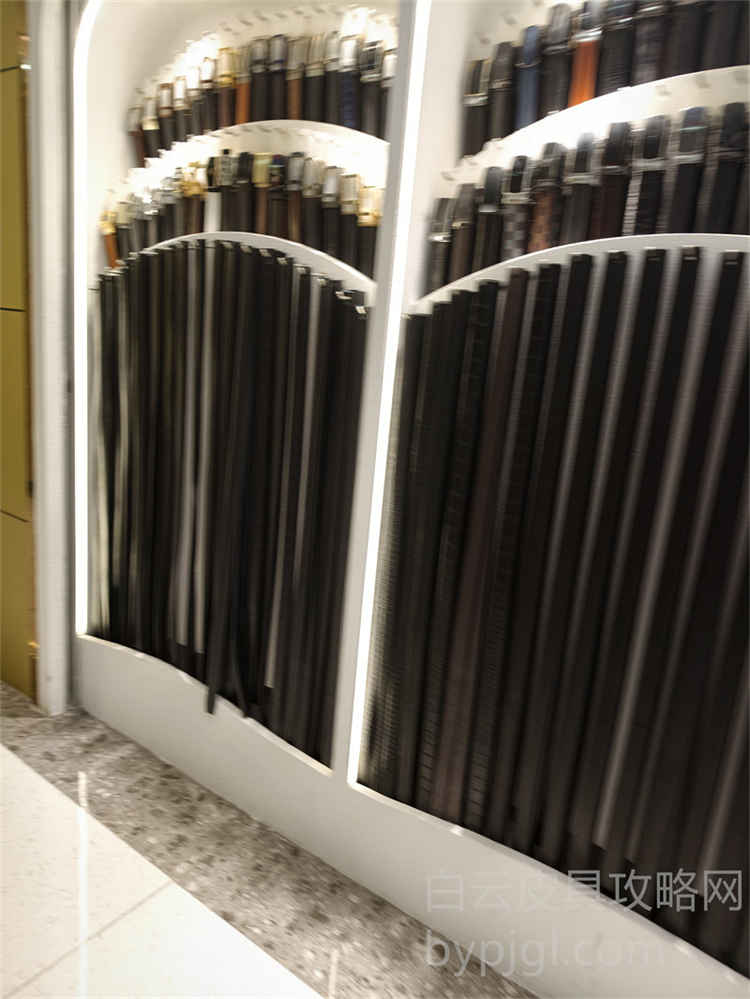
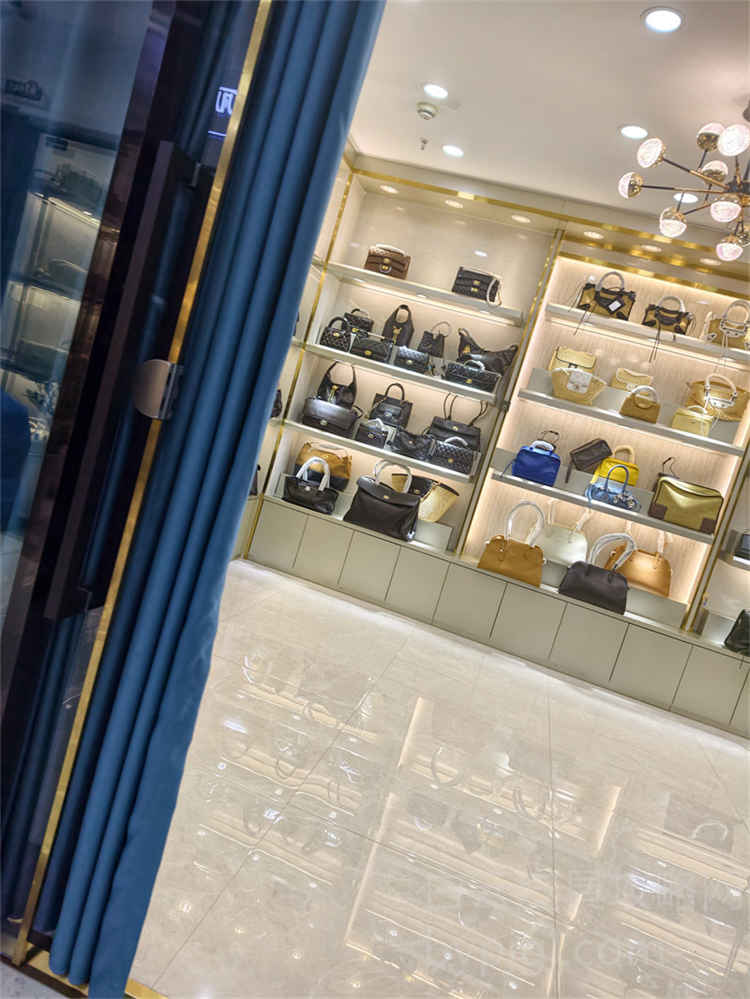
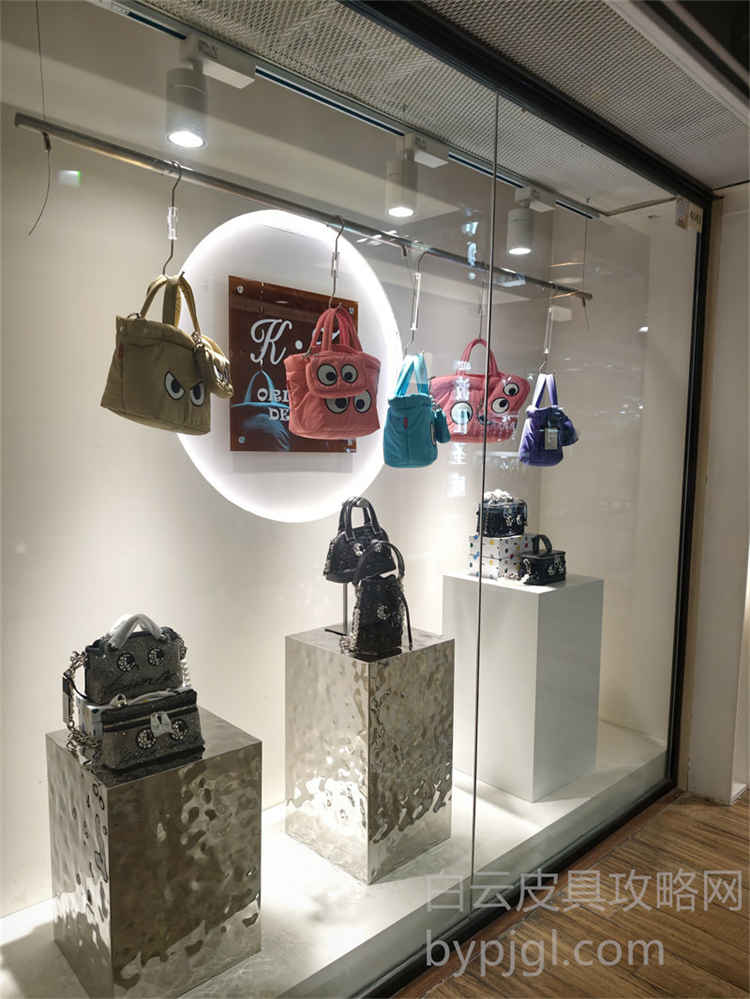
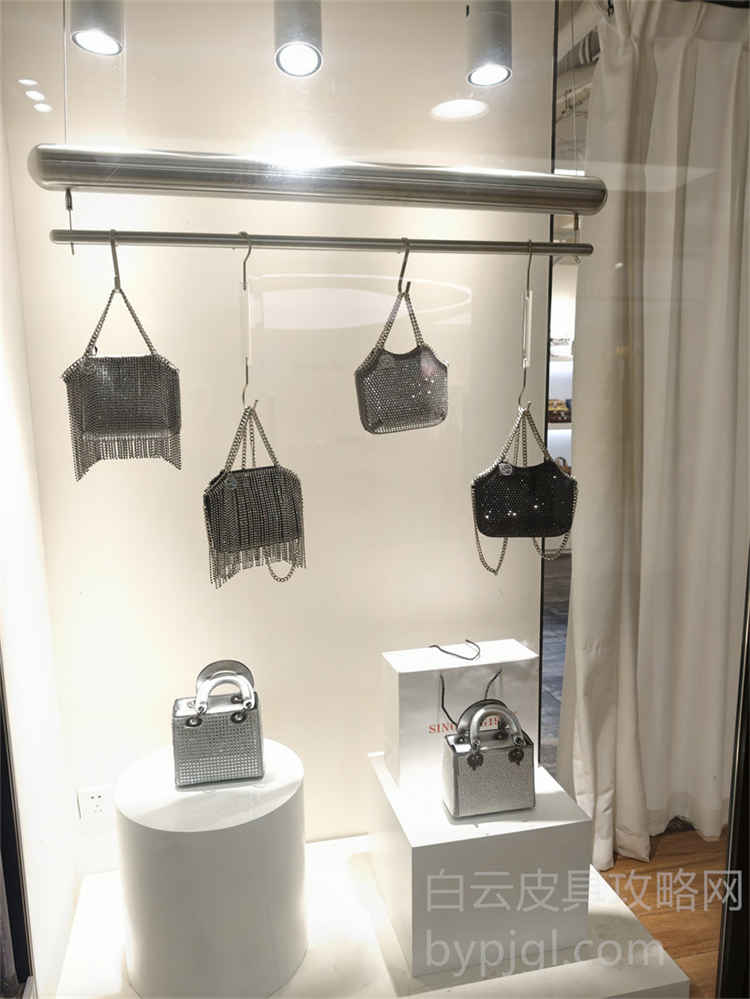
You will notice that some shops display only a few items on the table while others have walls lined with them. This is a tactic. The ones with fewer items often have higher quality stock hidden in the back. They wait for you to ask. If you just point at the front row, you might get the lower-tier version. Always ask, "Do you have the better grade?" in your own way. The vendors know exactly what you mean when you ask for the top tier.
Touching the Leather: A Hands-On Approach
In this business, sight is deceiving. You can take photos, but you cannot feel the grain through a screen. That is why I always insist that buyers come to Baiyun to inspect the goods personally. When you pick up a bag, check the weight. High-quality leather has a specific heft. It should not feel flimsy or like plastic. Run your fingers over the surface. Does it feel soft? Is the texture consistent? Cheap imitations often use synthetic materials that feel cold and smooth, lacking the natural imperfections of real hide.
Also, pay attention to the stitching. Look at the spacing between the stitches. Are they even? Do they pull? In the old days, we used to say that a good stitch should be tight enough that you cannot pull a thread out easily. If you see loose threads or uneven lines, put it back on the shelf. We pride ourselves on craftsmanship here, and the best stalls will never sell you something that looks sloppy.
The Art of Negotiation and Sourcing
Building Trust Before Buying
Many foreigners think they can just walk in and demand the lowest price. That is a mistake. In Guangzhou, relationships matter more than anything. If you treat the vendor like a stranger, you will get the standard price. But if you act like a partner, things change. Start by asking questions about their supply chain. Ask where they source their hardware or which tannery they use. When you show genuine interest in the product, the vendor opens up.
I remember a time when a client from Europe wanted to order fifty units. He was hesitant because he had heard bad stories about scams. I took him to my personal warehouse in the nearby district. I showed him the raw materials and the production process. once he saw the work being done, the trust was built instantly. That is the difference between a casual buyer and a serious importer. You need to establish that connection before you even talk numbers.
Haggling Without Losing Face
Negotiation is an art form here. You do not just say "too expensive." You explain why. Maybe the color is hard to match, or the hardware is heavy. Use these points to justify a lower price. However, never insult the product. Even if you are buying a replica, you must respect the effort put into making it. If you are rude, the deal dies. Be polite, be firm, and be willing to walk away. Often, the vendor will call you back with a better offer once you leave the stall.
Another tip is to buy in bulk. The unit price drops significantly when you order more. If you are planning to resell, start with a small batch to test the quality, then scale up. The vendors love repeat customers. If you come back next month with another order, they will give you priority access to new designs and better pricing. This cycle builds a sustainable business model for both of us.
Avoiding Pitfalls and Ensuring Quality
Spotting the Red Flags
There are always risks in any trade, especially in a market as vast as Baiyun. One common trap is the "sample vs. bulk" discrepancy. Sometimes the bag you inspect in the showroom is perfect, but the one you receive later is different. To avoid this, always ask for a video call inspection before payment. Send a photo of the specific serial number or unique feature, and ask the vendor to show you that exact item in their warehouse.
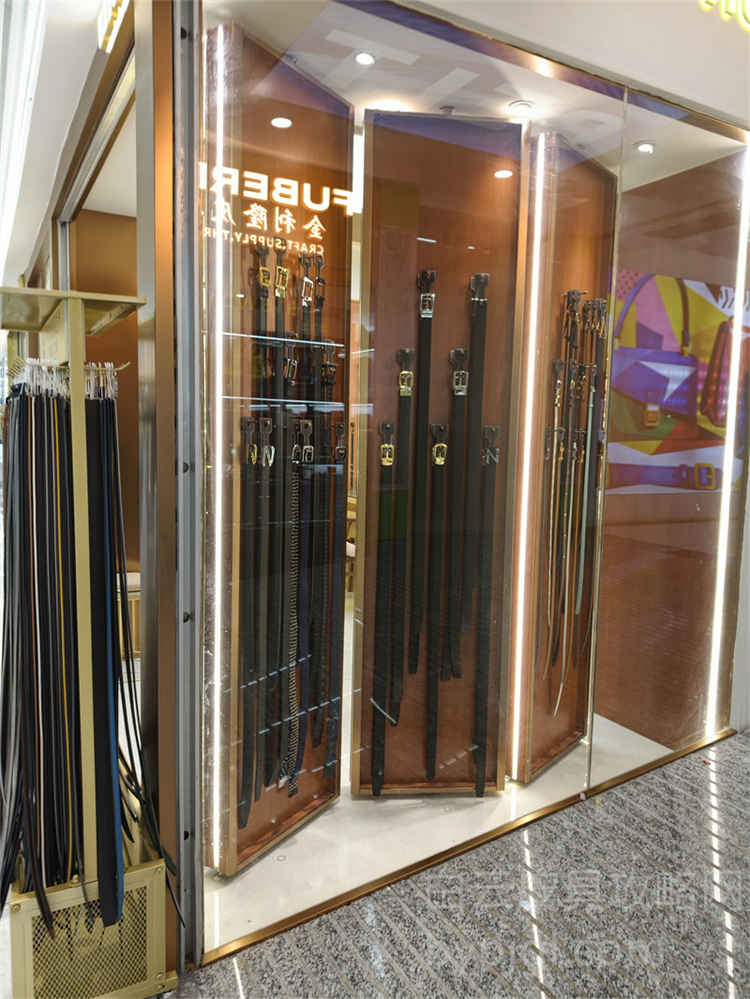
Another issue is the hardware. Cheap metal tarnishes quickly. Check the plating thickness. If it feels light or scratches easily, it will not last. Insist on solid brass or high-grade alloy. Also, be wary of sellers who promise "free shipping" without details. Shipping costs can add up quickly, and hidden fees can ruin your profit margin. Always clarify the total cost including packaging and logistics before you sign any agreement.
Long-Term Success in the Industry
For those of you planning to build a brand around these products, consistency is key. Do not jump from one supplier to another every week. Find a few reliable partners in Baiyun and stick with them. Over time, you will develop a shorthand language with them. You will know exactly what they mean when they say "top quality" or "market standard." This familiarity saves you time and money in the long run.
Finally, remember that the market changes fast. Trends come and go, but the demand for well-made goods remains constant. Whether you are looking for classic styles or the latest fashion statements, Guangzhou has it all. Just keep your eyes open, trust your instincts, and never stop learning. That is how you survive and thrive in this competitive world. Welcome to the real Guangzhou leather market, where the deals are made and the future is built.