Why You Need to Skip the "Websites" and Hit the Floor at Baiyun
Look, I've been standing behind this counter in Guangzhou for over twenty years. I've seen trends come and go, from the early days of simple leather goods to today's ultra-fiber microfiber craze. I hear you asking online, looking for a specific "Guangzhou super fiber bag source website." Let me tell you something straight: if you are waiting for a magic URL that will ship you high-quality microfiber bags directly from a factory without you ever stepping foot here, you are going to be disappointed. There is no single website that holds the real inventory of the top-tier microfiber suppliers we have right here in Baiyun.
The truth is, the best microfiber sources are not on a screen; they are tucked away in narrow alleys inside massive market complexes. The websites you find often just show stock photos or link to drop-shippers who don't even know what "microfiber" actually means in terms of texture and durability. If you want the real deal, the kind of material that feels like premium suede but costs a fraction of the price, you need to get off your chair and walk through the doors of the Baiyun Leather City. That is where the money is made, and that is where the secrets are kept.
Navigating the Real Market: Where the Microfiber Lives
Finding the Right Building and Corridor
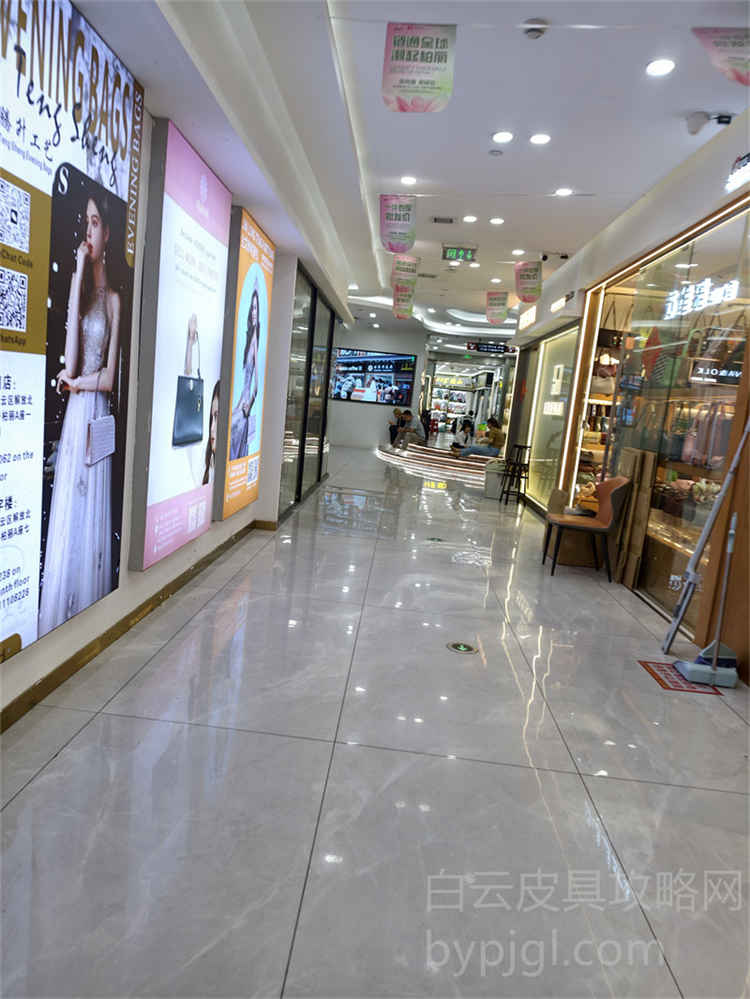
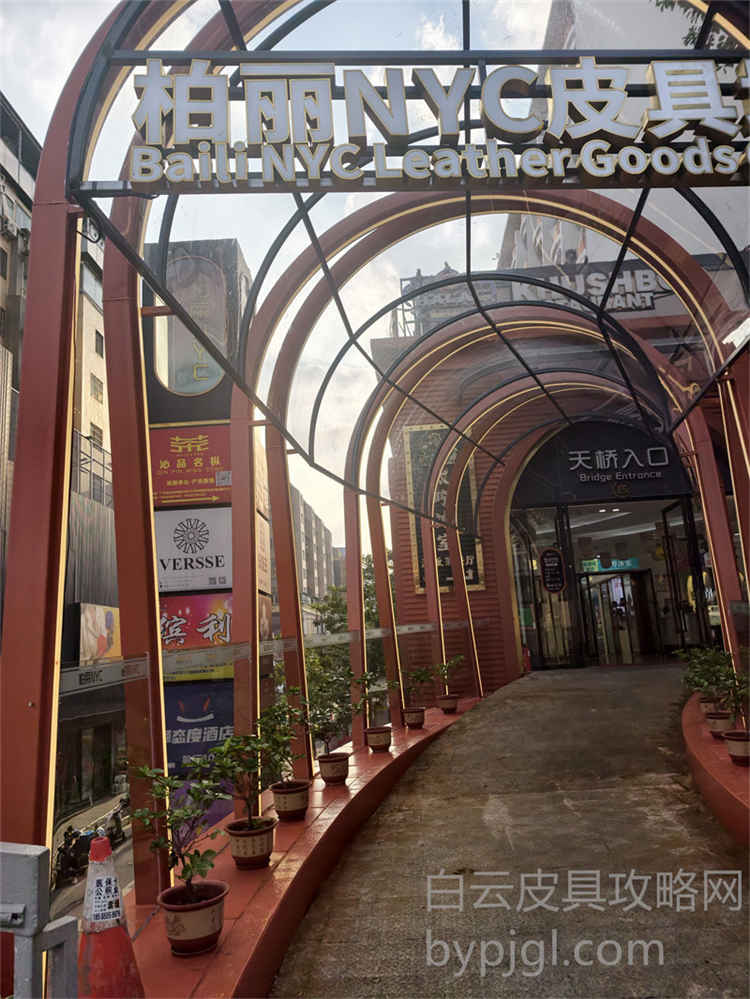
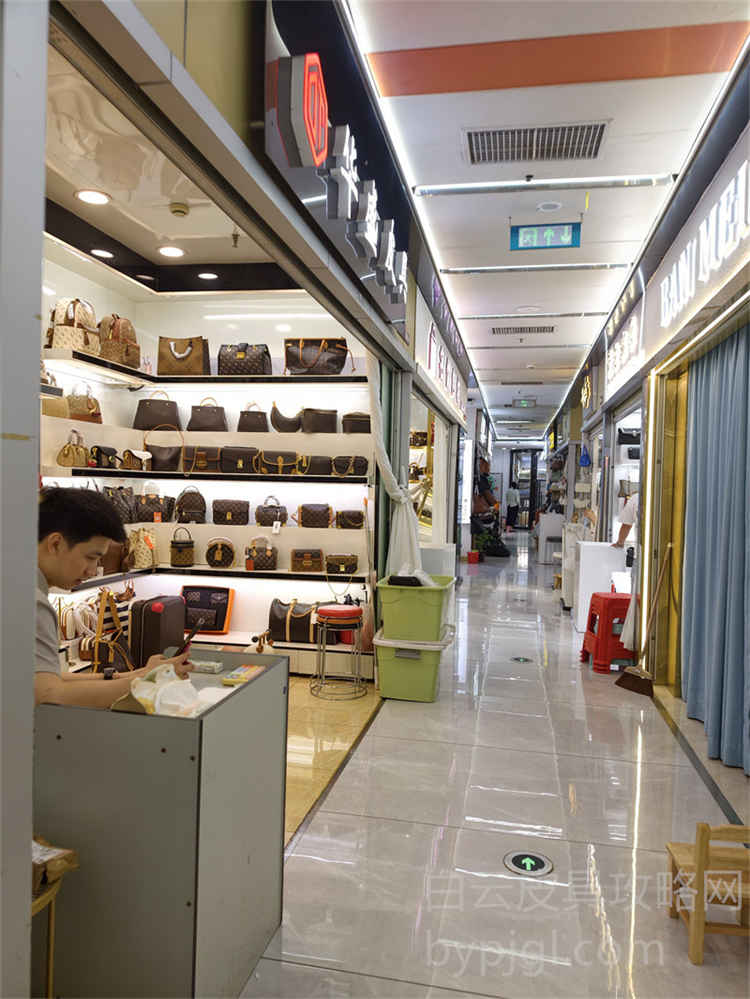
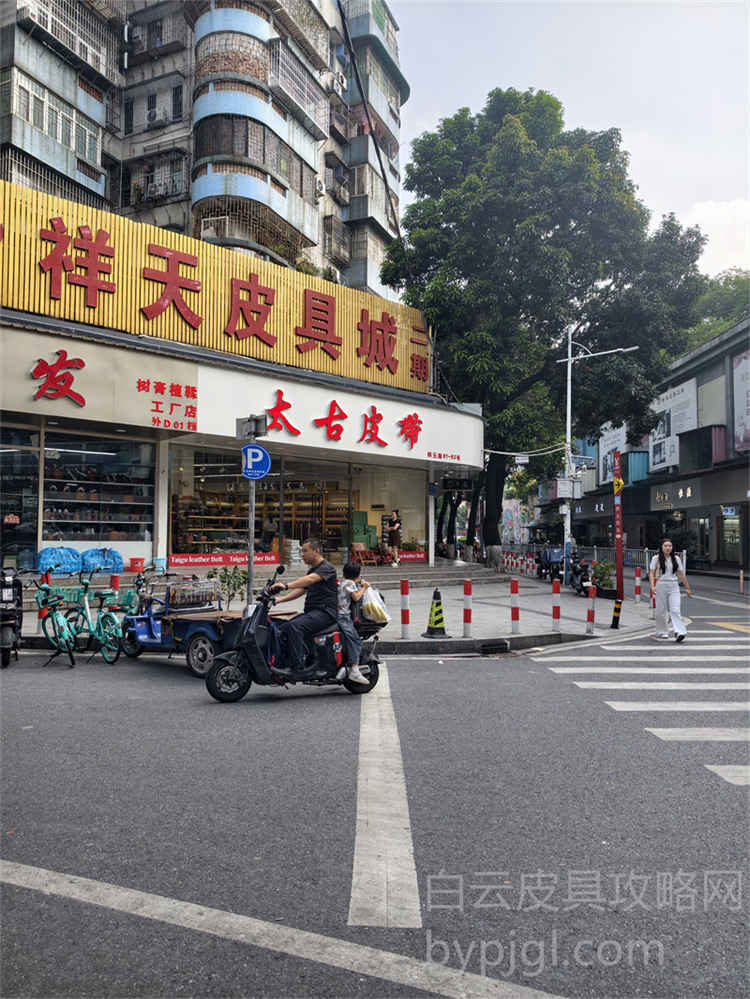
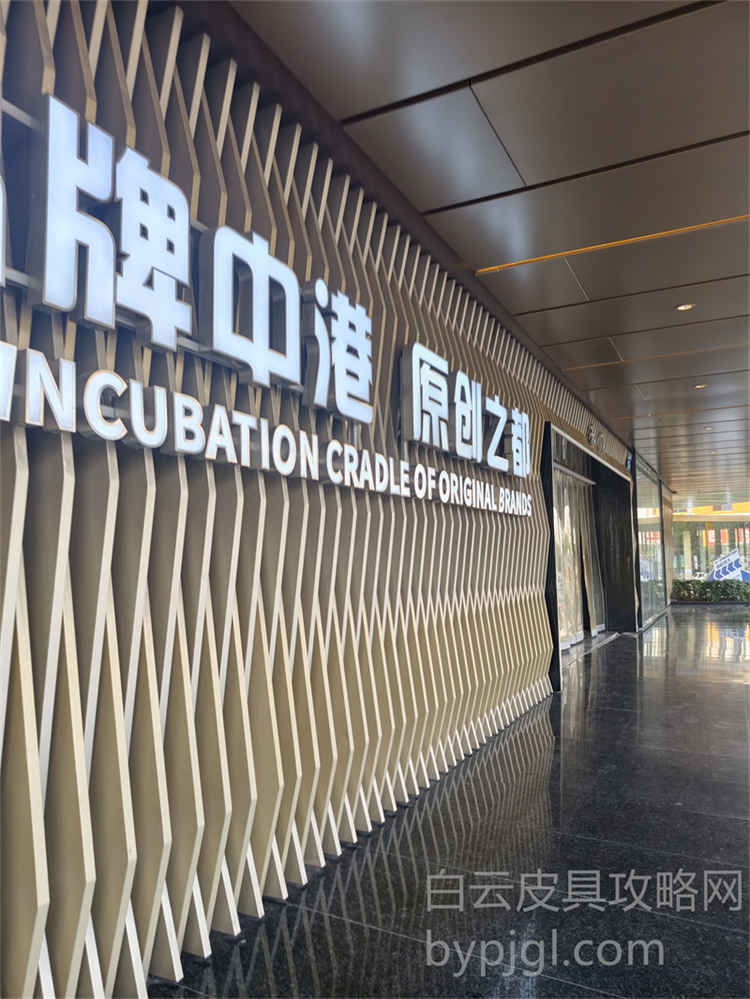
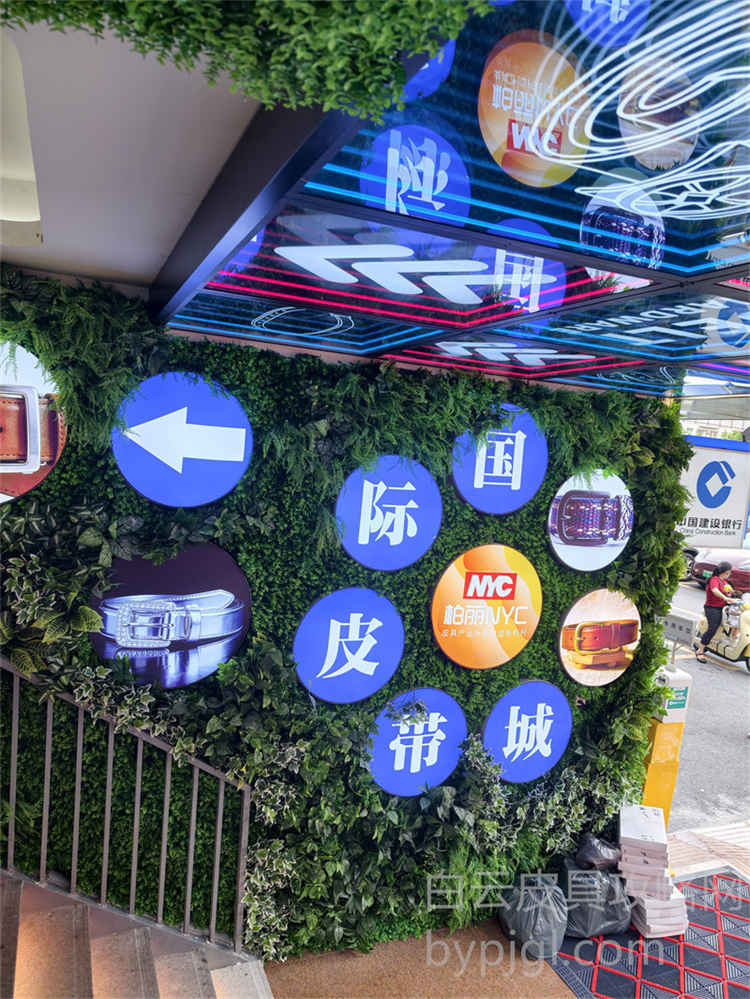
When you first arrive at Baiyun, it can feel overwhelming. It is a maze of buildings, each with its own specialty. For microfiber bags specifically, you do not want to waste time in the sections dedicated to genuine cowhide or cheap PU leather. You need to head towards the newer buildings and the upper floors where the manufacturers have their own showrooms. These are the places where the actual production happens nearby. I remember guiding a buyer last month who was looking for "super fiber" sources. He had a list of websites he liked, but when we walked into the actual showroom, he realized the fabric on his computer screen looked nothing like the soft, dense weave we were holding.
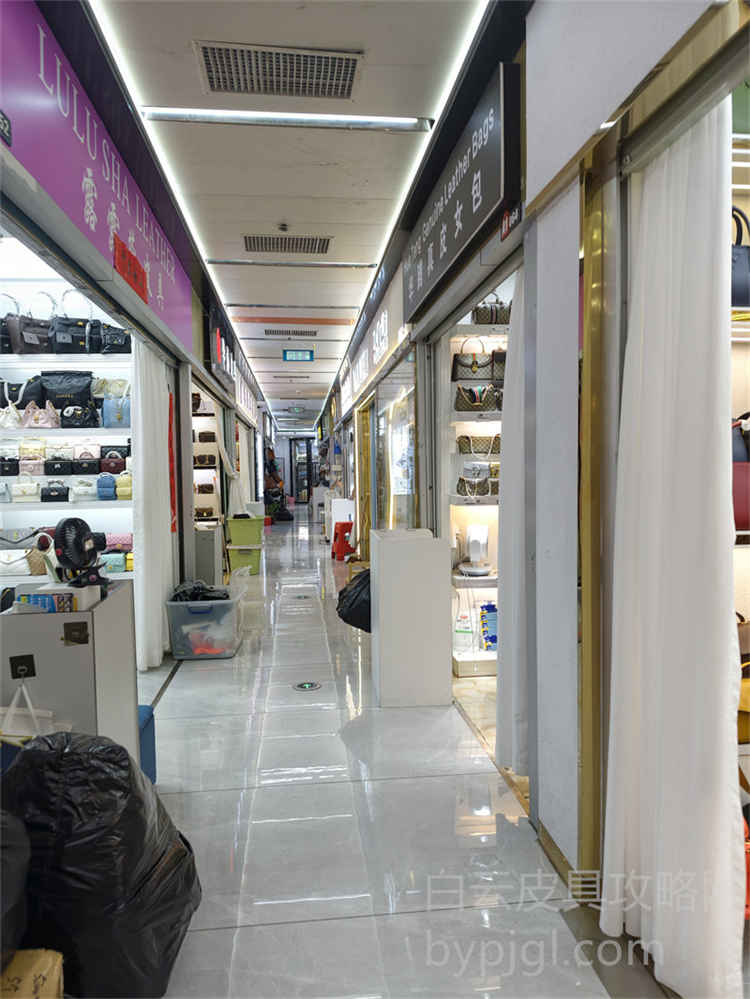
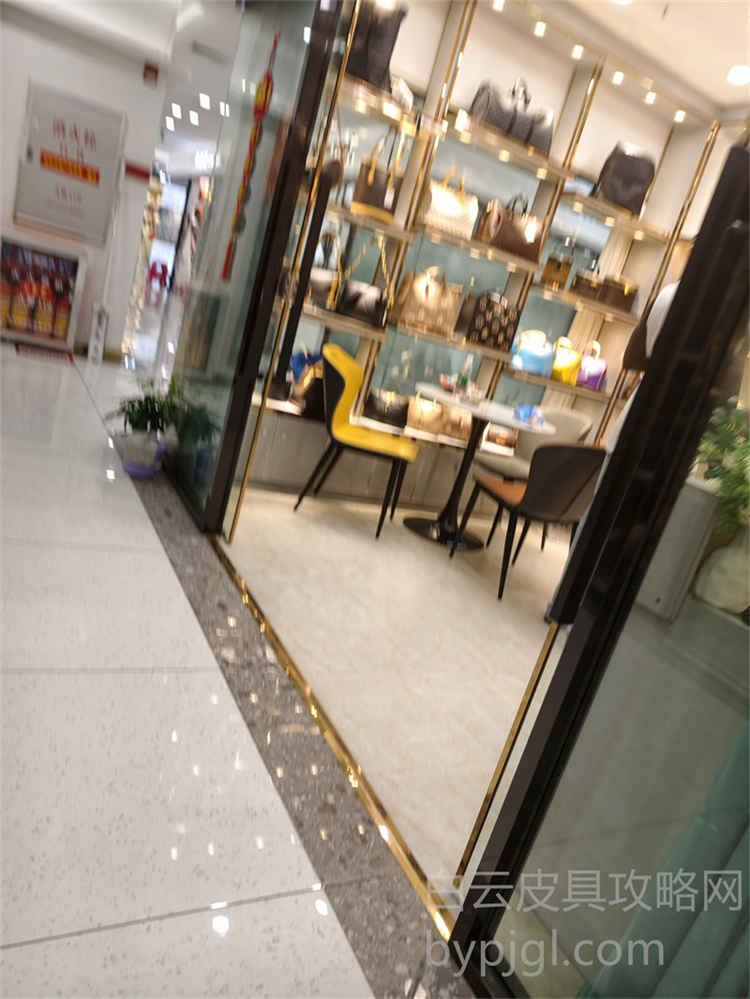
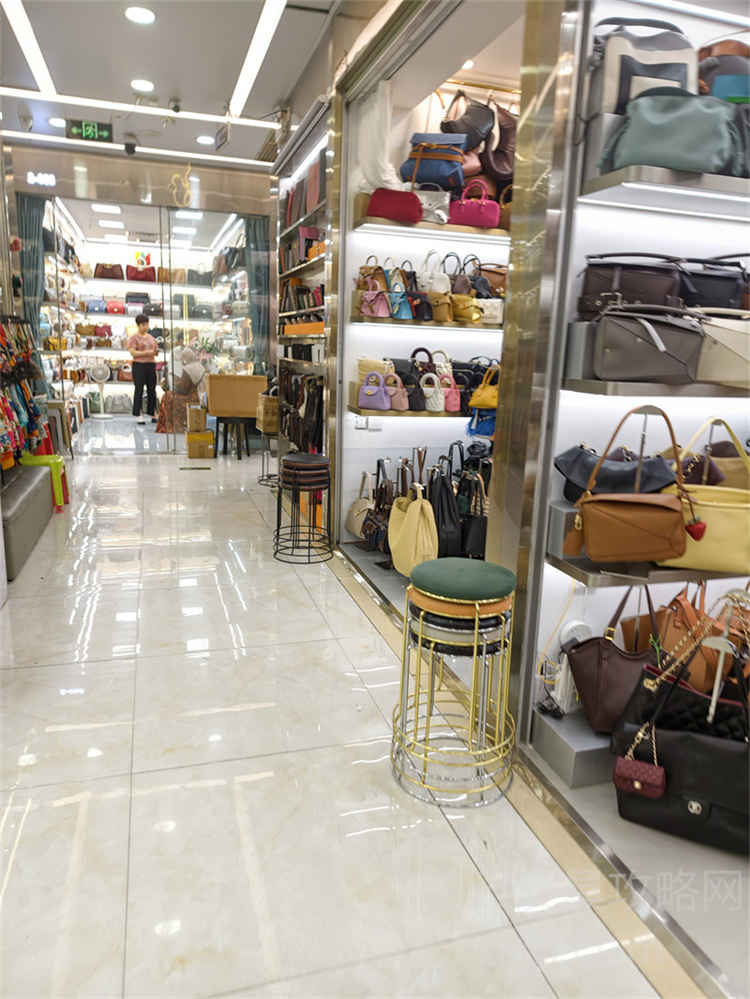
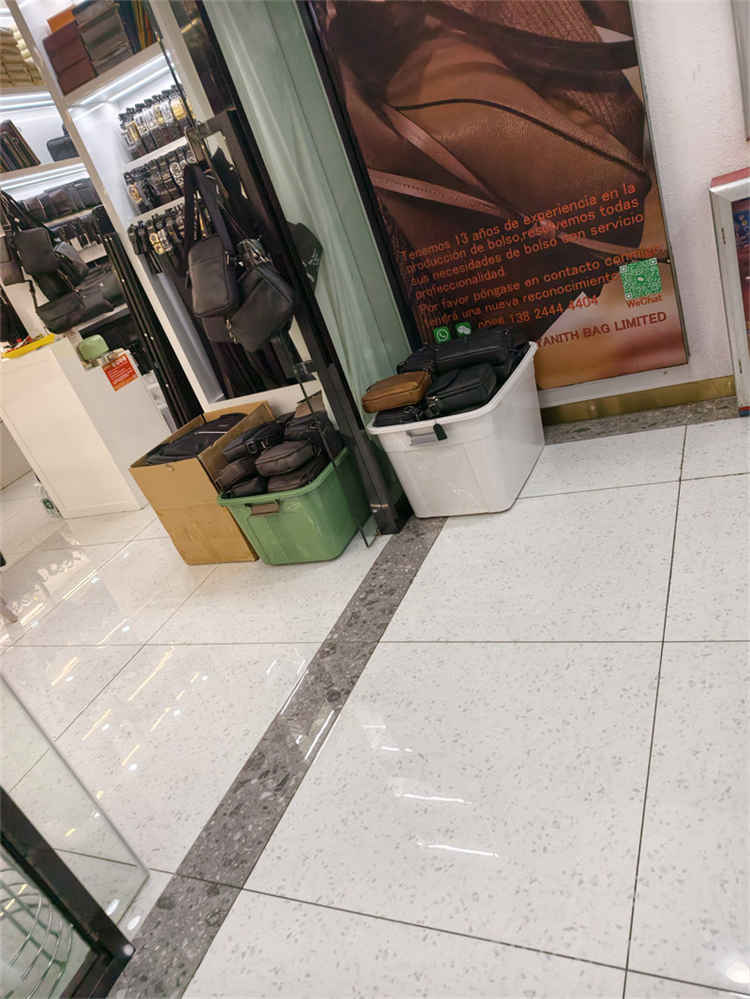
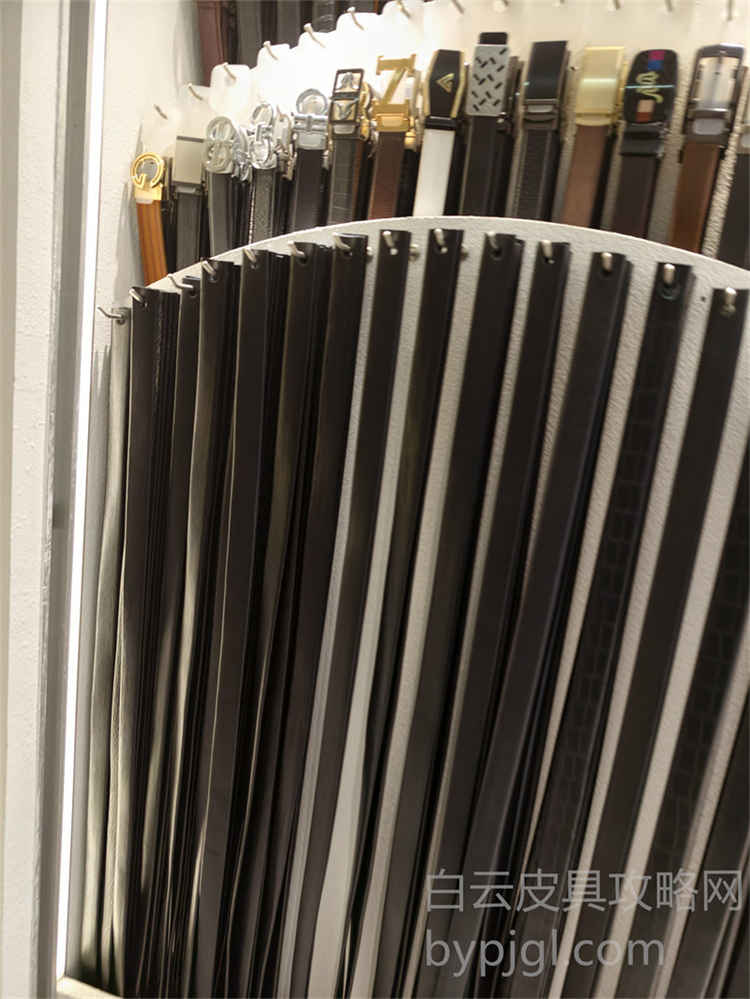
The key is to ask around. Don't be shy. Ask the security guards or the shop owners next door which corridor has the microfiber specialists. They will point you to a building that might look unassuming from the outside but is packed with stalls selling nothing but high-end synthetic materials. This is the heart of the Guangzhou Baiyun leather market ecosystem. Here, you will see rows of bags hanging, all made from different grades of microfiber. Some are stiff, some are buttery soft. This is the difference between a $5 item and a $50 item, and you only see that by touching them.
What to Look for When Inspecting the Material
once you find a stall that claims to specialize in microfiber, do not just look at the finished product. Pull out a sample piece of the raw material. Real microfiber, the kind we export globally, has a very specific density. Run your fingers across it. Does it feel like velvet? Does it have that slight resistance that tells you it is durable? Cheap versions feel slippery or too thin. In my experience, the best microfiber bags from Guangzhou use a split-layer technology that mimics the grain of natural leather perfectly.
Ask the owner about the backing. Is it cloth-backed or foam-backed? The cloth backing is superior because it prevents the bag from stretching out of shape after a few months of use. This is a detail you cannot verify on a website. You have to hold the bag up to the light and check the stitching tension. If the thread breaks easily or the stitch holes are uneven, walk away. We have hundreds of such stalls in Baiyun, so there is no reason to settle for poor workmanship. The goal is to find a supplier who understands that microfiber is not just a cheap substitute; it is a high-performance material that requires precision.
The Art of Negotiation and Sourcing Directly
Bypassing the Middlemen
One of the biggest mistakes foreign buyers make is trying to order small quantities through a generic sourcing agent or a random website contact. They end up paying double the price. When you are standing in front of a stall in Baiyun, you are talking to the person who controls the inventory. They know exactly how much the material costs and how much labor goes into making that specific model. This transparency allows for better negotiation.
I always tell my clients to start by asking for the "factory price" rather than the "retail price." In the context of the Guangzhou Baiyun leather market, this means asking for the wholesale rate for a minimum order quantity (MOQ). Most microfiber suppliers here are flexible. If you show them you are serious and willing to take a larger batch, they will give you a price that makes sense for international shipping. Do not be afraid to haggle. It is part of the culture here. But remember, haggling over price should never come at the cost of quality. If the price is too good to be true, the microfiber quality is likely compromised.
Building Relationships for Long-Term Success
Buying once is easy; building a supply chain is hard. The real advantage of coming to Guangzhou personally is the relationship you build. When you meet a supplier face-to-face, shake their hand, and maybe share a cup of tea, you become more than just a transaction. You become a partner. These suppliers in Baiyun often have new designs ready before they even hit the internet. They might have a prototype of a new microfiber style that is trending in Europe or America, and they will show it to you first.
If you rely solely on a website, you are seeing what everyone else sees. By being here, you get access to the "pre-release" collection. This gives you a competitive edge. Plus, if there is an issue with a shipment later, having a personal connection means you can call the owner directly and solve the problem quickly. A website chatbot cannot fix a shipping delay or a quality defect as effectively as a local contact who knows your face and your business needs.
Final Tips for Your Next Trip to Guangzhou
So, stop searching for that elusive "source website." The real source is right here in Baiyun. Pack your bags, book your flight, and come to Guangzhou. Spend a week walking the aisles, touching the fabrics, and talking to the people who make these products. Bring a tape measure, a notebook, and a keen eye for detail. Check the zippers, the lining, and the overall structure of the bag. Make sure the microfiber is consistent in color and texture across the entire piece.
Remember, the Guangzhou Baiyun leather market is vast. It is not just about finding one bag; it is about finding the right partner who can scale with you. Whether you are looking for luxury-grade microfiber or practical everyday bags, the answer lies in the physical inspection and the direct dialogue. Trust your instincts, trust your hands, and trust the experience of the locals who have been doing this for decades. That is the only way to get the best value and the highest quality goods from China.