Why the "Fake" Label Doesn't Tell the Whole Story
Look, I've been standing in these crowded aisles of Guangzhou for over twenty years. You walk into Baiyun Leather City and you hear whispers everywhere about how we make "the best stuff." Some people call it copying, some call it faking, but down here in the wholesale market, we just call it business. The recent headlines saying Chinese brands are making LV bags in Guangzhou? That's a misunderstanding that needs clearing up right now. We don't do knockoffs. We don't do mirror quality. We don't even touch those famous designer names. What we do is create high-end leather goods that stand on their own merit or serve as the foundation for your own brand.
When overseas buyers come to me, they often have this fear: "Is this real?" They think if it looks good, it must be fake. But let me tell you, the real story is about craftsmanship, material sourcing, and supply chain mastery. If you want to understand the truth behind the leather trade in Guangzhou, you need to stop looking at the logo and start looking at the stitching, the grain, and the hardware. This isn't about deception; it's about capability.
Navigating the Real Market Floor
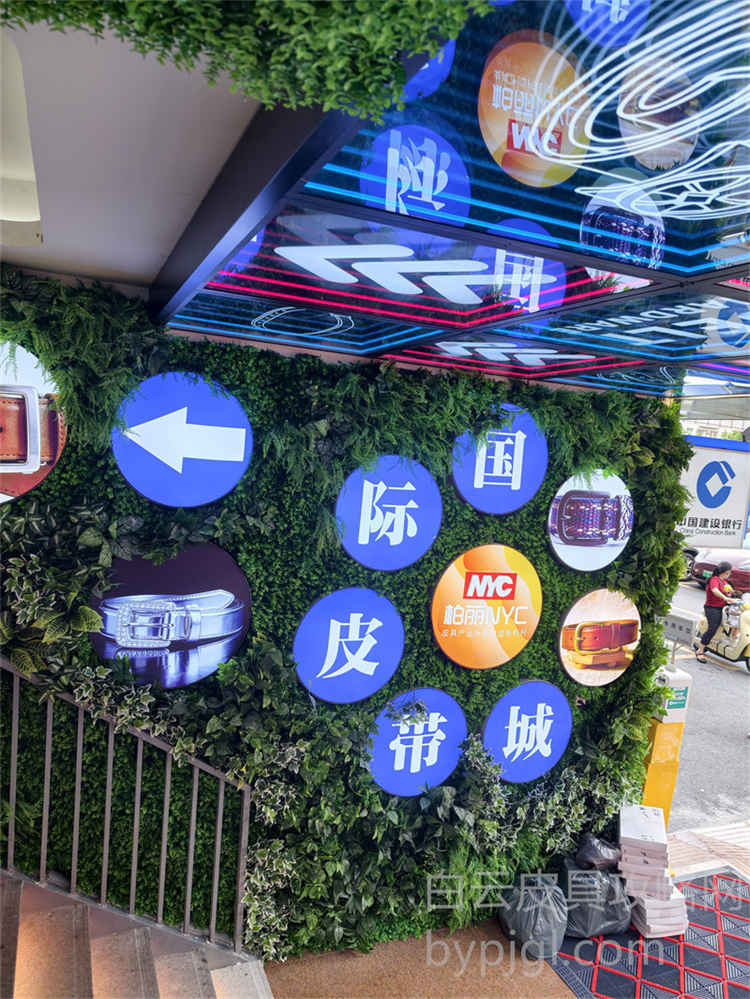
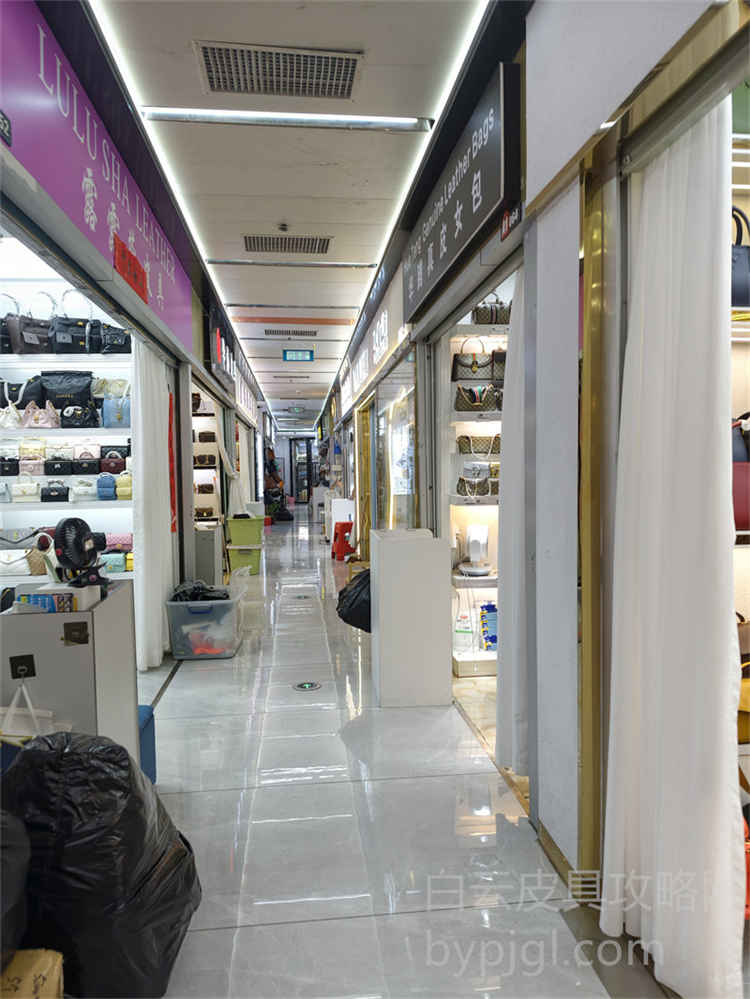
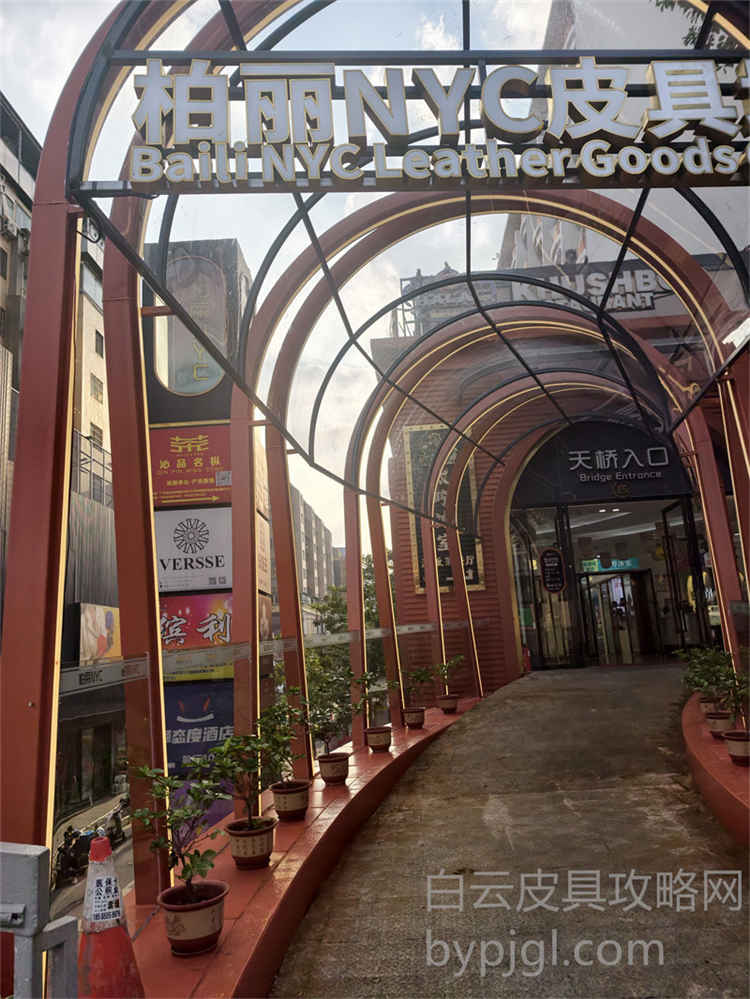
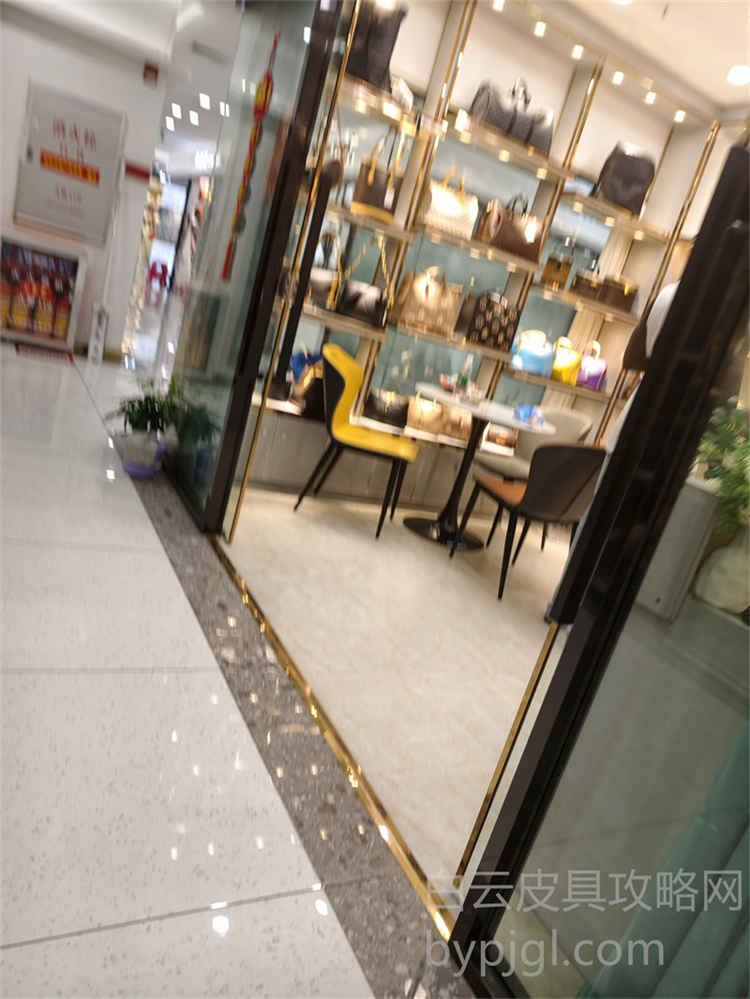
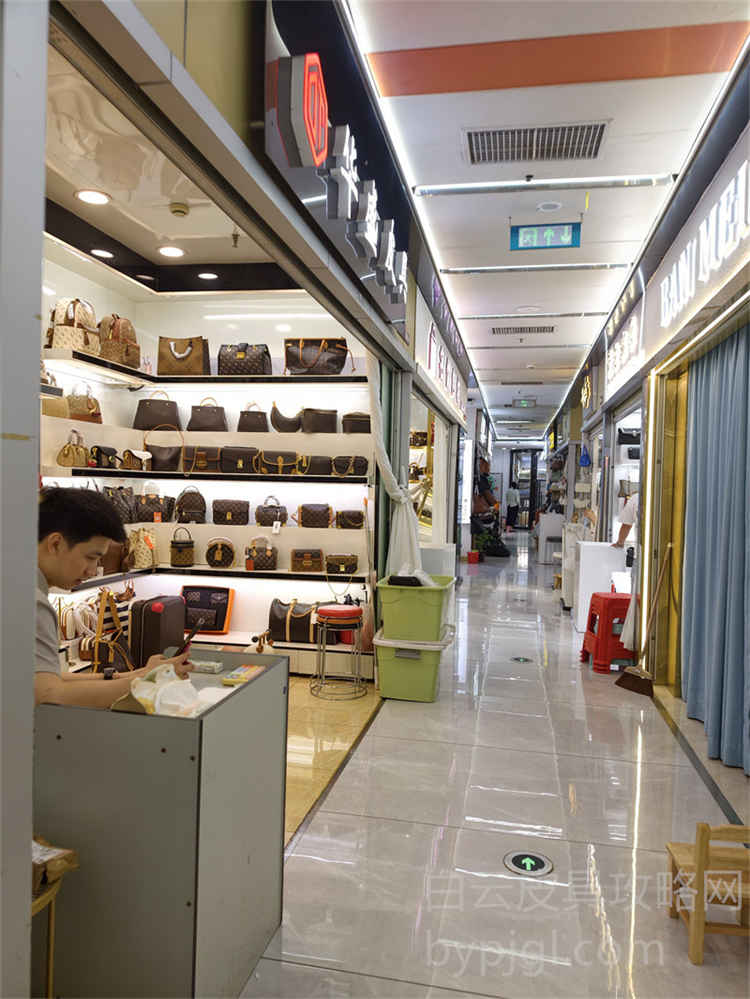
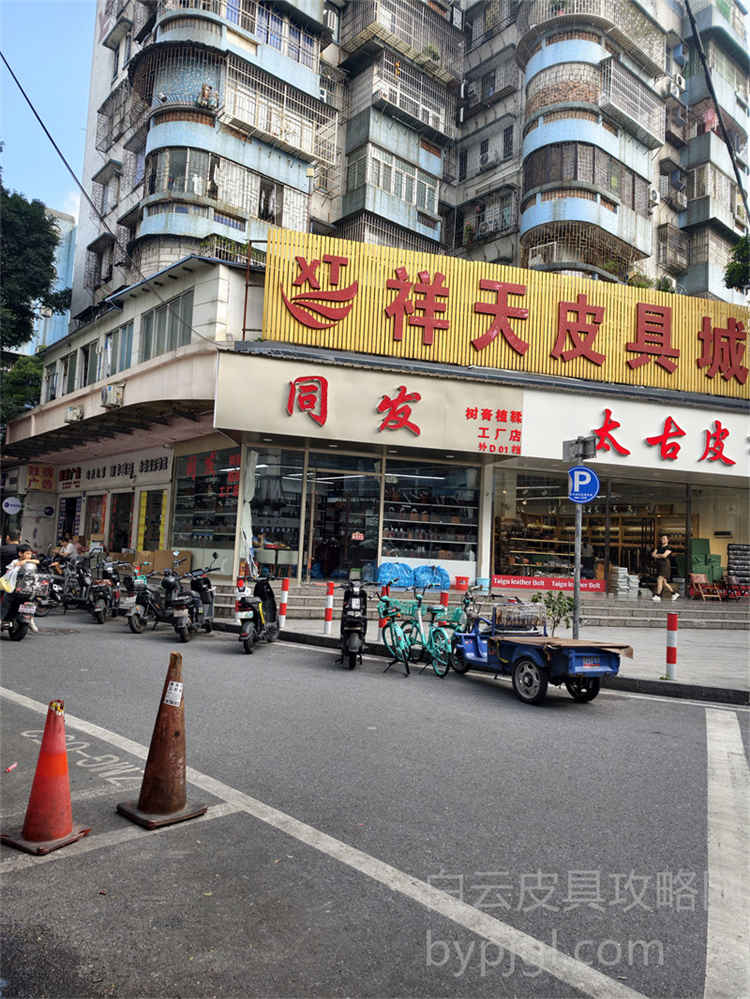
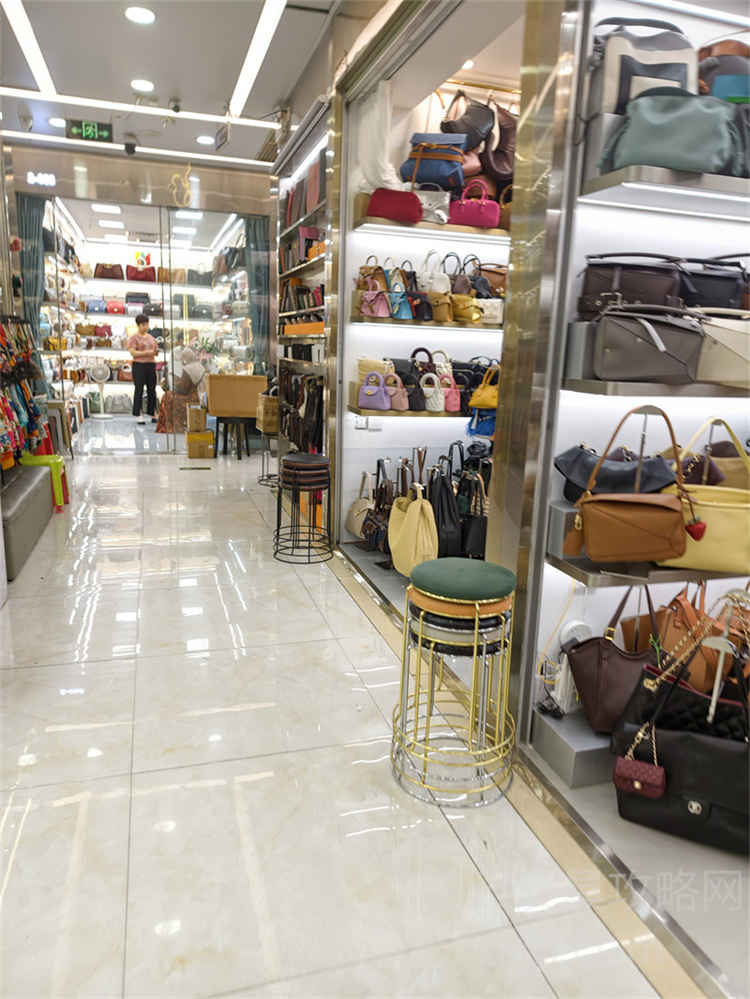
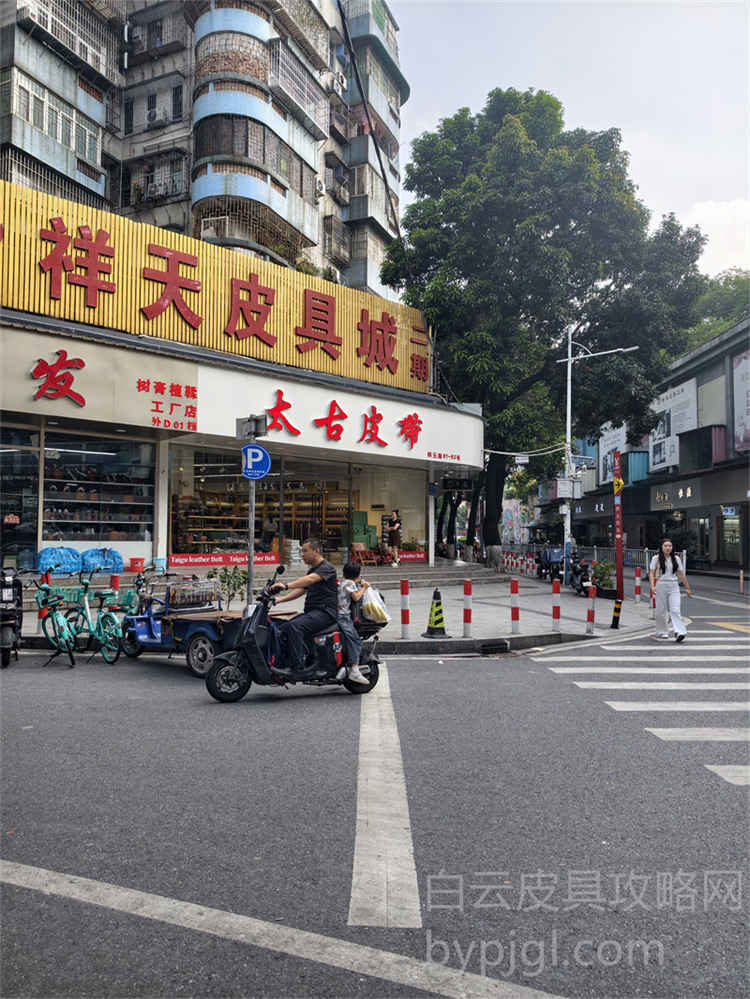
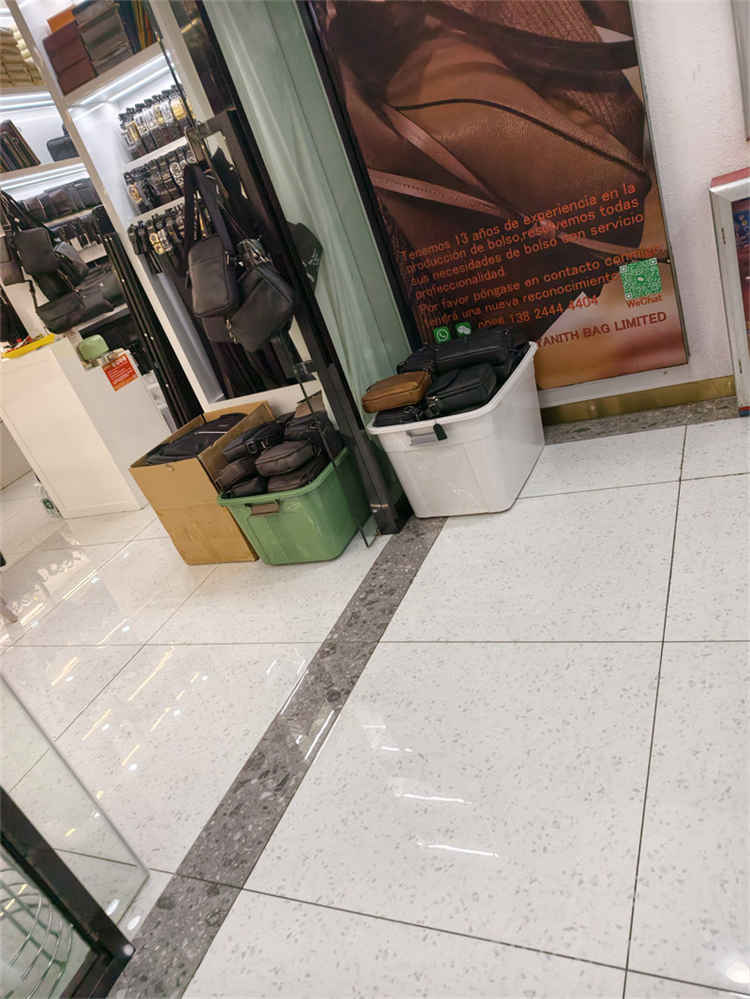
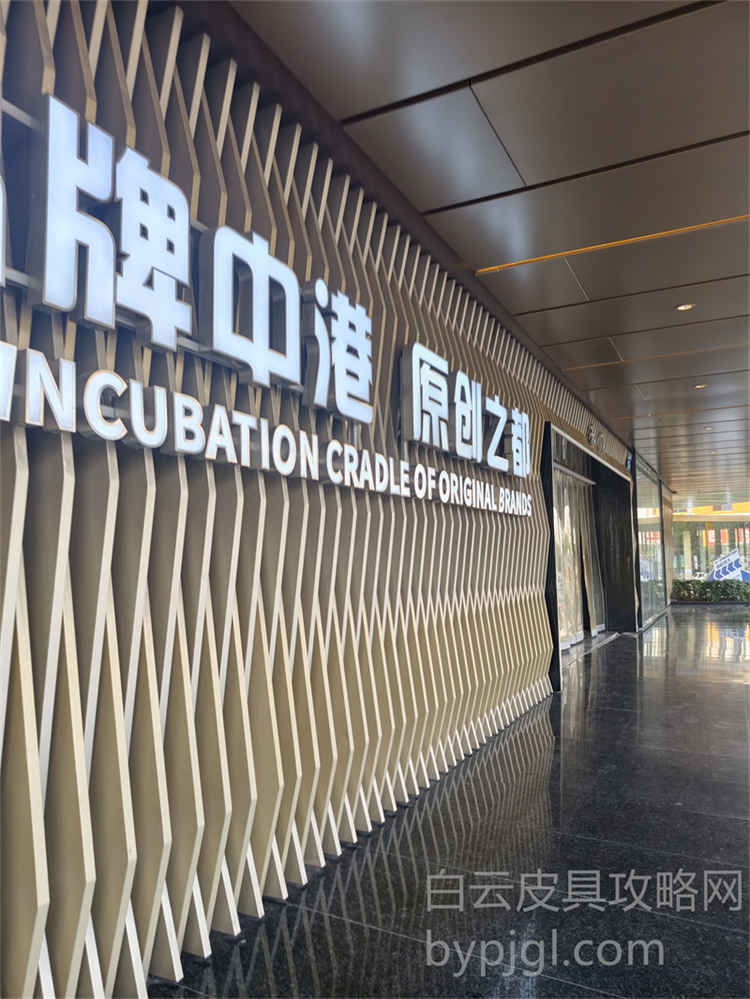
The first thing you need to know is that Baiyun Leather City isn't one building. It's a massive complex with dozens of interconnected malls. When you walk in, the air smells like fresh leather and glue. It's loud, chaotic, and incredibly energetic. Most tourists get lost in the maze, but locals know exactly where to go. If you are looking for top-tier materials, you head straight for the upper floors of the main hubs. The ground floor is mostly for quick turnover items, but the real gems are hidden away in the back offices of the stalls.
How to Spot the Serious Suppliers
Don't just walk up to any counter and ask for prices. That's a rookie mistake. In Guangzhou, the serious suppliers operate differently. They don't shout their prices from the front. You have to build a rapport. I always tell my international clients to look for the staff who are busy talking on the phone or checking inventory in the back room. Those are the ones who actually control the stock. If a stall owner is just smiling and showing you a pile of bags without asking what you need, move on. They are likely middlemen reselling other people's goods. The real factories have samples locked away until you prove you are a buyer.
Also, pay attention to the leather itself. In Baiyun, you will see rolls of calfskin, lambskin, and exotic textures stacked against the walls. A genuine supplier will let you touch the raw material before you even talk about a finished bag. They will explain the tanning process, the weight of the hide, and why this specific batch costs more than the one next door. That level of detail is what separates a factory from a reseller.
The Art of Selection and Negotiation
once you find a stall that feels right, the real work begins. This is where most foreign buyers fail because they try to buy too much too fast. My advice? Start small. Ask to see the sample collection. In Guangzhou, every serious manufacturer has a "sample room" upstairs or in a private office. Here, you can inspect the construction without pressure. Look at the lining. Check the zippers. Feel the weight of the handle. These details matter more than any brand name.
Talking Numbers Without Saying Names
When we talk about price, we don't use words like "cheap" or "expensive." We talk about margins and volume. If you are an overseas buyer, you need to understand that the price depends on your order quantity. One piece? You pay retail-plus. Fifty pieces? You get the wholesale rate. Five hundred? Now we are talking factory direct pricing. Don't be afraid to negotiate. In Baiyun, negotiation is part of the culture. But be respectful. If you insult the quality of the leather, the deal is dead. Instead, ask questions. "Can we upgrade the hardware?" "Can we change the color of the lining?" These show you care about the product, not just the price.
Another crucial tip: never pay 100% upfront unless you have worked with them for years. The standard practice here is a deposit to start production, with the balance paid upon inspection before shipping. This protects both of us. If you are worried about quality, bring a third-party inspector. Many of our long-term partners do this, and it builds trust instantly.
Avoiding Pitfalls and Building Trust
There are scams in every market, and Guangzhou is no exception. The biggest trap is the "too good to be true" offer. If someone promises you a luxury-level bag for pennies, run. High-quality leather requires high-quality labor and materials. There is no magic trick. Another common issue is the "switch." Sometimes, a seller might show you a perfect sample, but when the bulk order arrives, the quality drops. To avoid this, insist on a pre-shipment photo or video check. Better yet, visit the factory yourself if you can. Seeing the machines and the workers gives you peace of mind that no amount of online chatting can provide.
Logistics and Shipping Made Simple
once you have your goods, the logistics become the next challenge. Guangzhou has excellent shipping infrastructure. Most of our stalls have relationships with freight forwarders who specialize in international shipping. They handle customs clearance, packaging, and delivery to your warehouse. Just make sure you declare the value correctly. Do not try to hide the contents. Customs agents in many countries are very smart now. Be honest about what you are importing. If you are importing for your own brand, label it as such. If you are importing for resale, ensure you have the proper licenses. Transparency saves you from headaches later.
Finally, remember that relationships are everything in this industry. I have seen businesses grow from a single order to millions of dollars in revenue simply because the buyer came back, built a friendship, and treated the suppliers like partners, not vendors. The leather market in Guangzhou is vibrant, full of opportunity, and deeply skilled. It is not about copying others; it is about creating something new, something better, and something that stands the test of time. So, come to Baiyun, walk the floors, touch the leather, and see the reality for yourself. You will leave with more than just bags; you will leave with knowledge and a network that lasts a lifetime.