Walking the Floors: My Real Talk on Sourcing from Guangzhou
I have been standing behind this counter in the Baiyun District for over twenty years. While you might see me as just another vendor selling bags, I am actually a local who has watched this entire industry evolve from small workshops to a global powerhouse. If you are reading this because you are planning a trip to Guangzhou to source high-end leather goods, let me tell you something first: do not expect to walk into a shop and find a sign that says "Luxury Brand." That is a myth. The real game happens in the back rooms, the private showrooms, and the quiet corners of the massive wholesale markets where the actual business gets done.
The First Step: Leaving the Tourist Traps
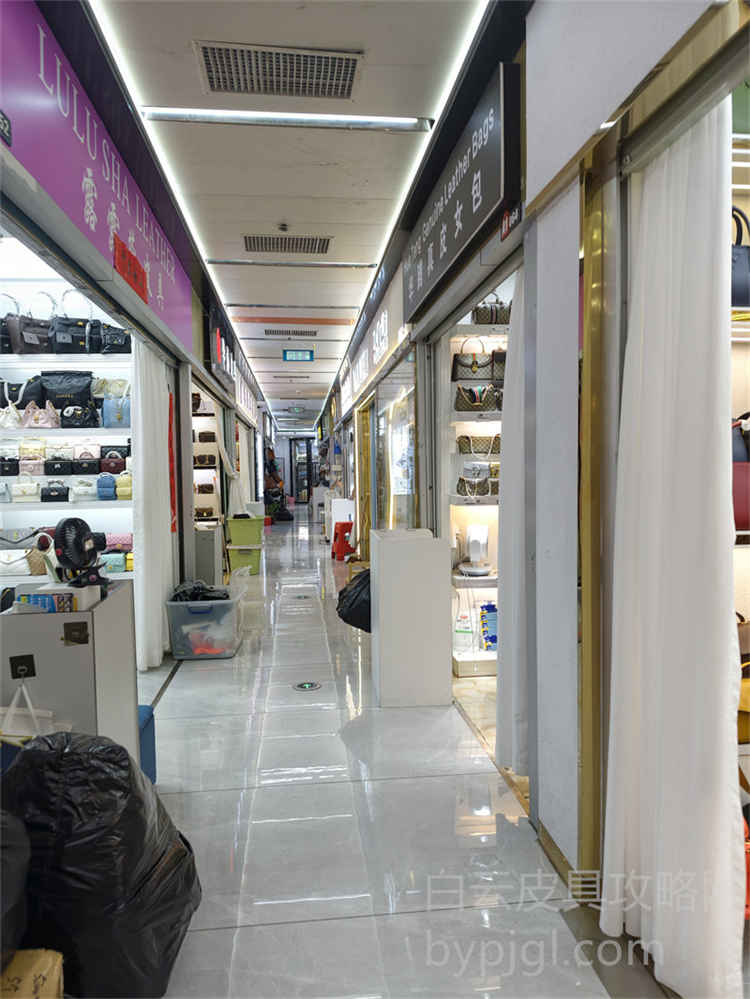
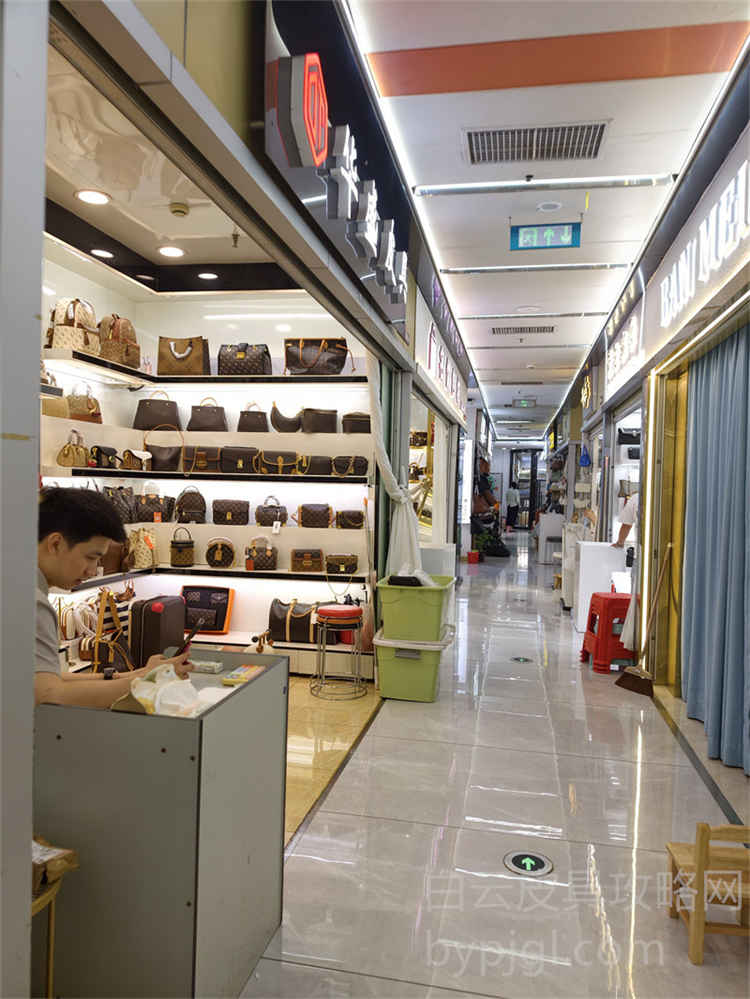
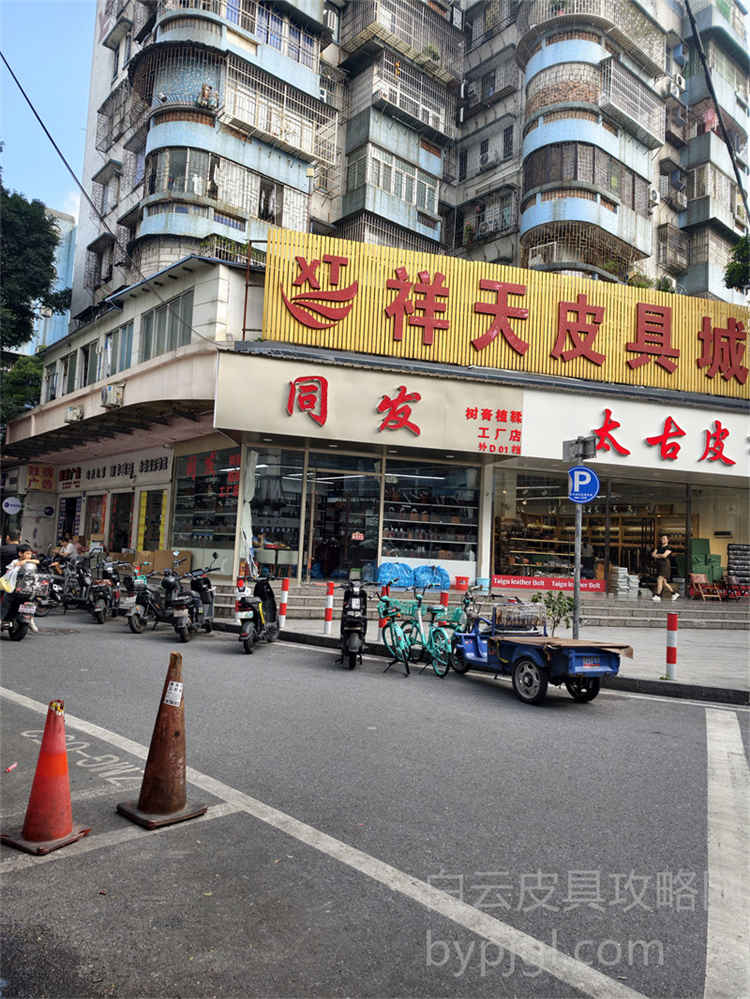
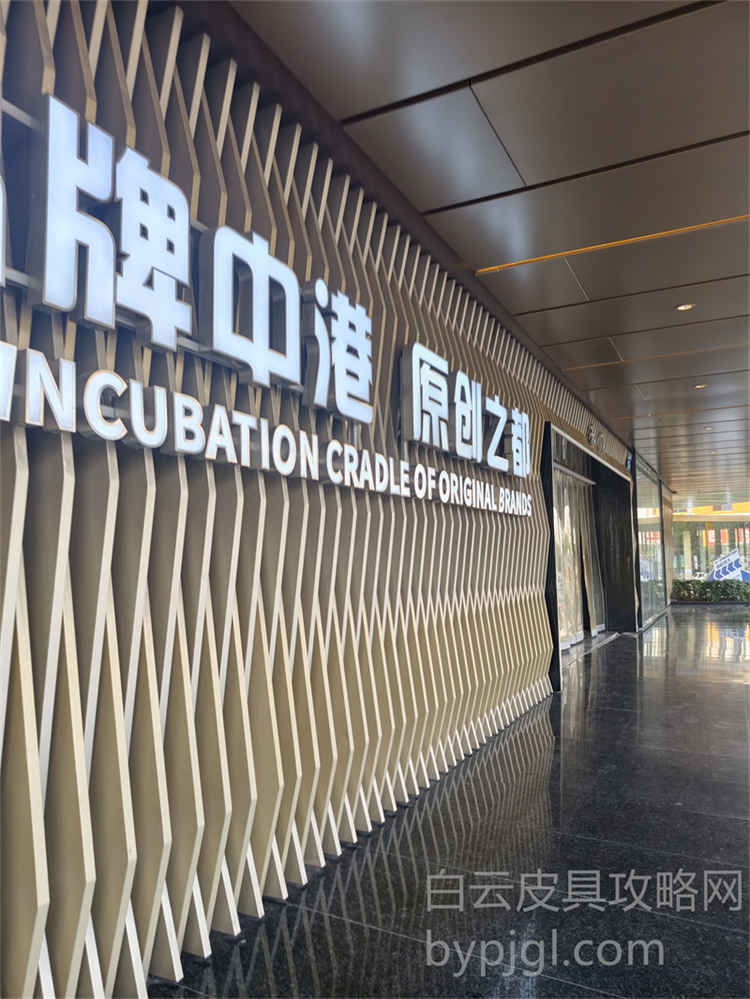
Many overseas buyers make the mistake of going straight to the main entrance of the famous market buildings. They think they will find the best quality there. In my experience, the ground floor is mostly for tourists and low-quality samples meant to be sold at street prices. If you want the real deal, the stuff that rivals the top-tier production lines, you need to go deeper. You need to head to the upper floors or, better yet, ask your contact to take you to the specialized wholesale zones nearby. This is where the serious buyers operate. The atmosphere changes immediately; it becomes less about browsing and more about business negotiation.
Navigating the Market Layout
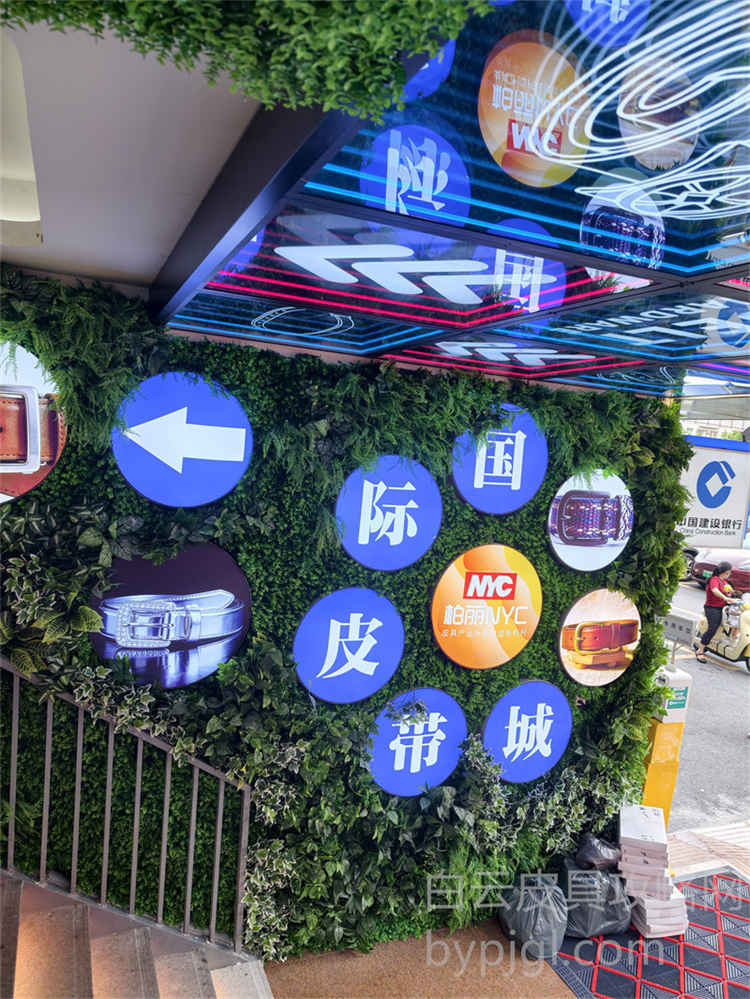
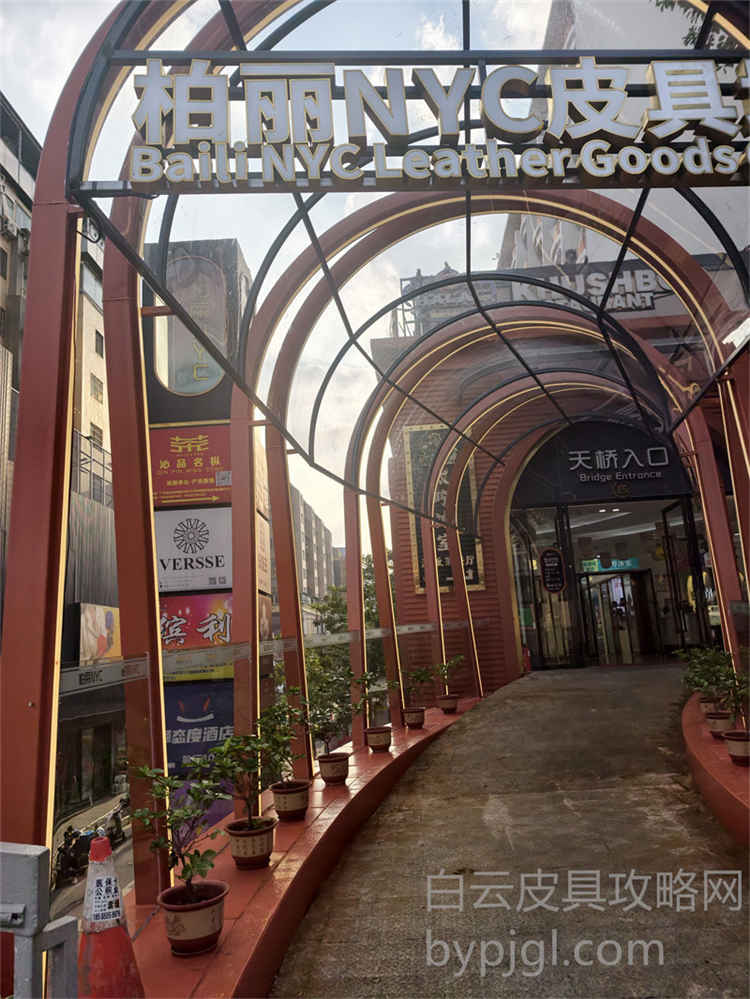
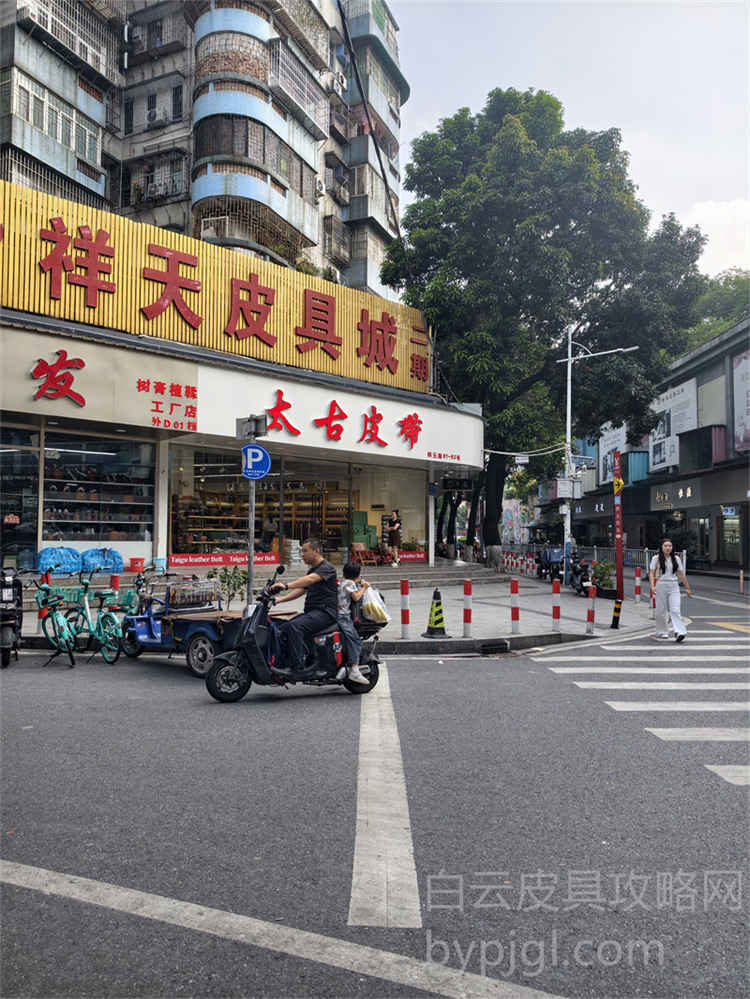
Guangzhou's leather district is not just one building; it is a sprawling ecosystem. There are several major complexes, each with its own vibe and specialty. Some focus on vintage styles, while others specialize in modern minimalist designs. When you arrive, do not try to memorize every stall. Instead, pick a few key buildings known for their premium leather sections. Look for signs that indicate "Original Quality" or "Top Grade," but remember, these terms can be misleading if you do not know what to look for. The real indicators are the materials and the stitching, not the stickers on the door.
What to Look For When Inspecting Goods
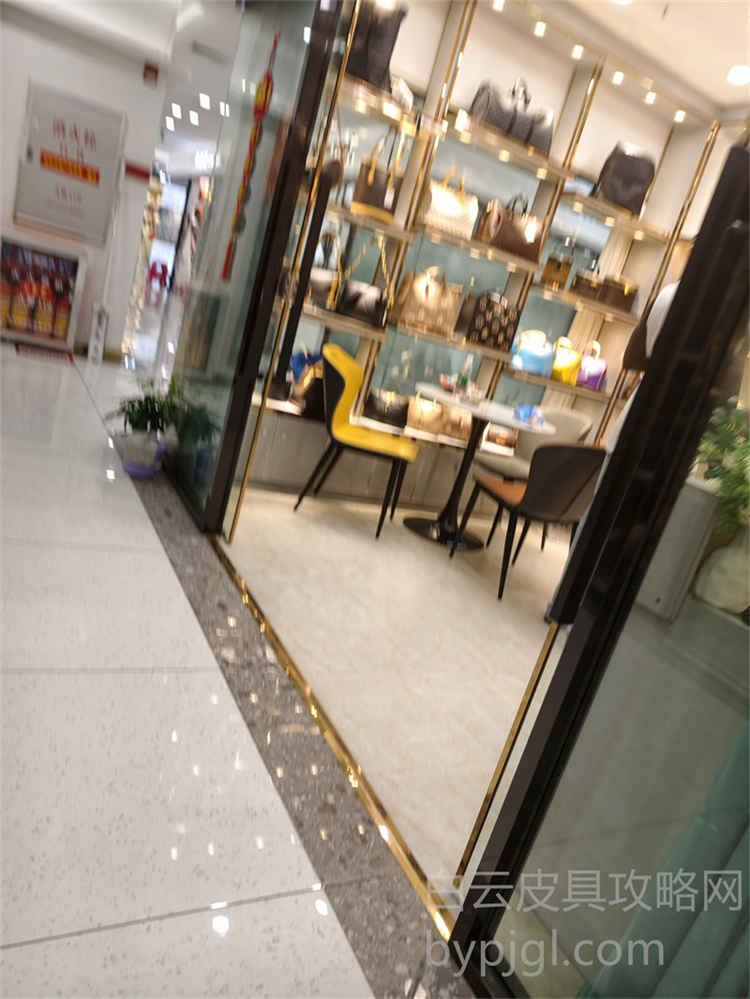
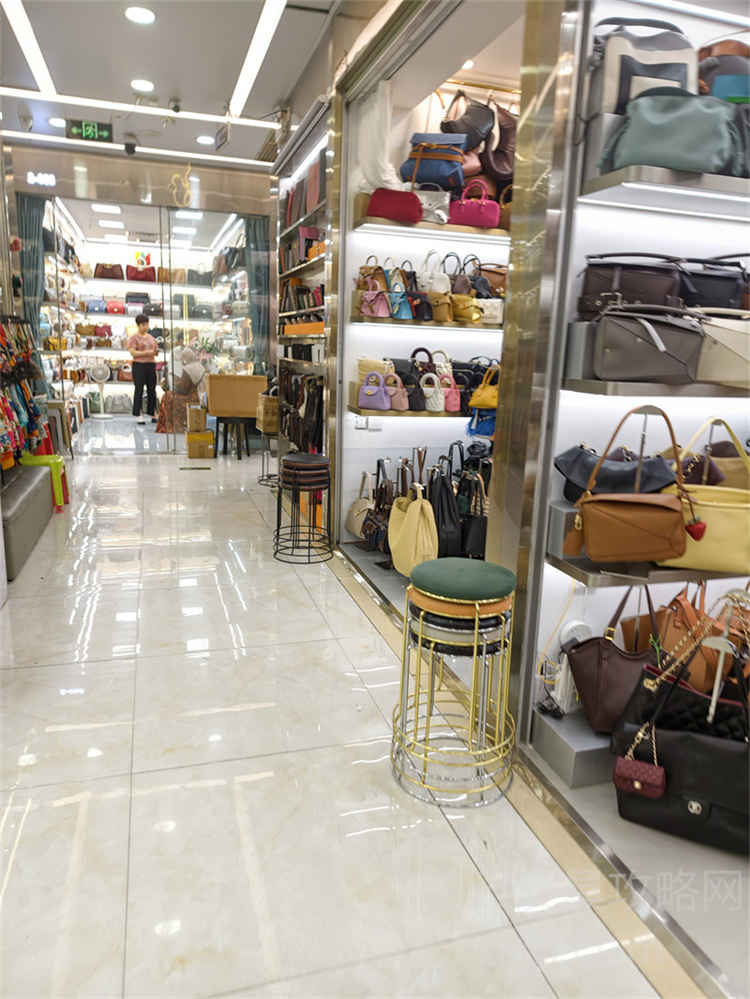
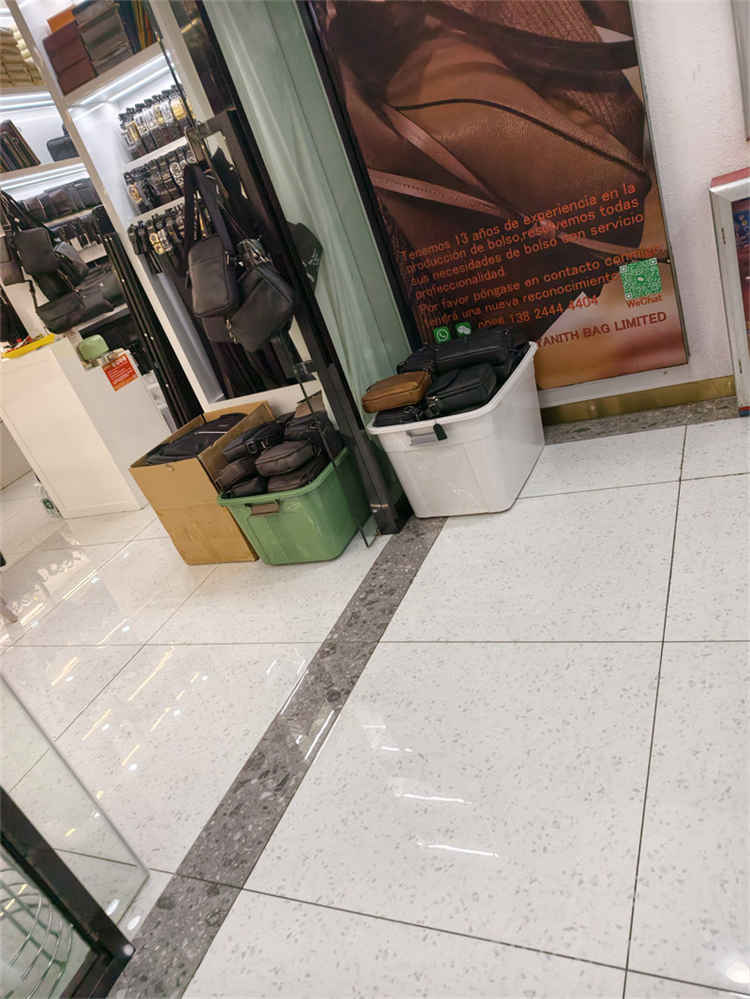
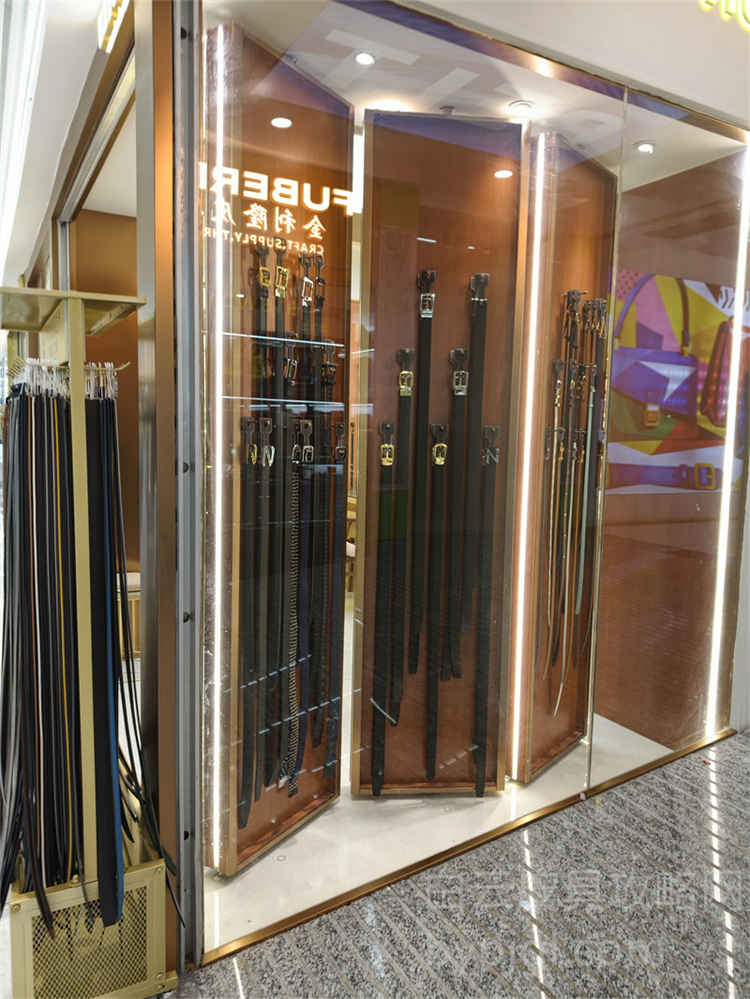
once you are inside a legitimate showroom, the first thing I do is ignore the display bags hanging on the wall. Those are often just for show. I ask the owner to bring out the stock from the back room. This is where the magic happens. I run my hands over the leather. Is it soft? Does it smell like genuine calfskin or synthetic plastic? A good supplier will never hide the material source from you. Then, I check the hardware. Heavy, solid metal that feels cold to the touch is a sign of quality. Cheap zinc alloy will feel light and hollow. Finally, I inspect the stitching. It should be even, tight, and consistent. No loose threads, no skipped stitches. If the stitching looks sloppy, the whole bag is compromised, regardless of how pretty the exterior looks.
Building Trust with the Vendor
One of the biggest hurdles for foreign buyers is trust. How do you know this person will deliver what they promise? In my line of work, relationships are everything. I treat every buyer with respect, whether they are buying ten pieces or a thousand. But you must earn that same respect. Do not come in acting like you know everything about fashion. Be honest about your budget and your volume expectations. If you are looking for a long-term partnership, start small. Order a sample batch first. Test the quality yourself. If the product meets your standards, then we can talk about larger orders. This approach protects both of us. A dishonest vendor will lose your business quickly, but a reliable one will build a reputation that lasts for decades.
The Art of Negotiation and Pricing
Pricing in Guangzhou is not fixed. It is a dance. The price you see on the tag is rarely the final price. I always tell my customers to negotiate based on volume and payment terms. If you pay upfront, you get a better discount. If you order in bulk, the unit price drops significantly. However, do not push for a price that is too low. If the price seems too good to be true, it usually means the quality is compromised. We are talking about high-end craftsmanship here, which requires time and expensive materials. A fair price ensures that the vendor uses the best leather and pays their workers fairly, resulting in a superior product. Remember, we are partners, not adversaries.
Avoiding Common Pitfalls
There are many traps for the unprepared buyer. One common mistake is relying solely on photos sent via messaging apps. Photos can be edited, angles hidden, and details blurred. Always insist on seeing the physical product before making a large commitment. Another pitfall is ignoring the logistics. Shipping international goods can be complicated. Make sure you understand the shipping methods available, such as air freight or sea cargo, and who is responsible for customs clearance. Also, be wary of vendors who refuse to provide a written agreement or invoice. Transparency is key to avoiding disputes later on.
Final Thoughts on Your Sourcing Journey
Visiting Guangzhou to source leather goods is an adventure that requires patience, observation, and a bit of street smarts. It is not a place for impulse buys. Take your time to walk the floors, talk to different vendors, and compare the quality of the products. The people here are friendly and eager to help, but they appreciate those who know what they are doing. By following these steps and focusing on the tangible aspects of the product, you will find exactly what you are looking for. Whether you are starting a new brand or restocking your inventory, the opportunities in this city are endless. Just remember, the best deals are found by those who are willing to put in the effort to find them.