Why You Need to Walk the Floors of Baiyun, Not Just Click Alibaba
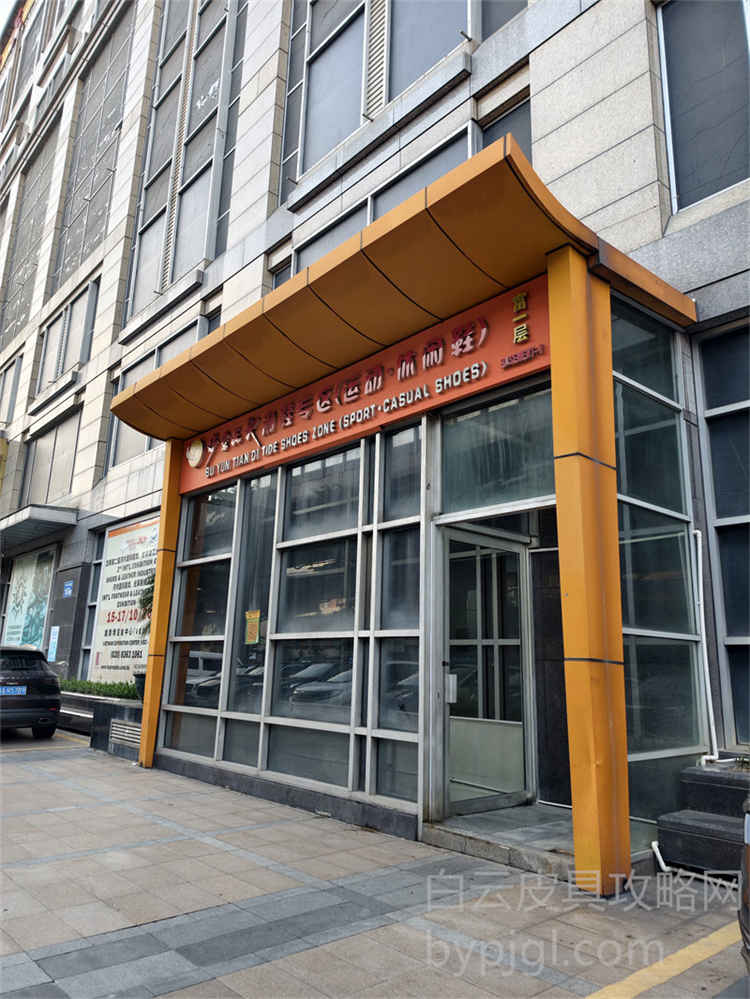
I have been standing behind this counter in Guangzhou for over fifteen years. While I see thousands of foreign buyers scrolling through their phones on Alibaba looking for "China Alibaba Guangzhou bag sources," most of them are missing the real game. The internet is a map, but it is not the territory. If you want genuine leather goods that actually sell in your market, you need to get off the screen and walk the dusty floors of the Baiyun International Leather City.
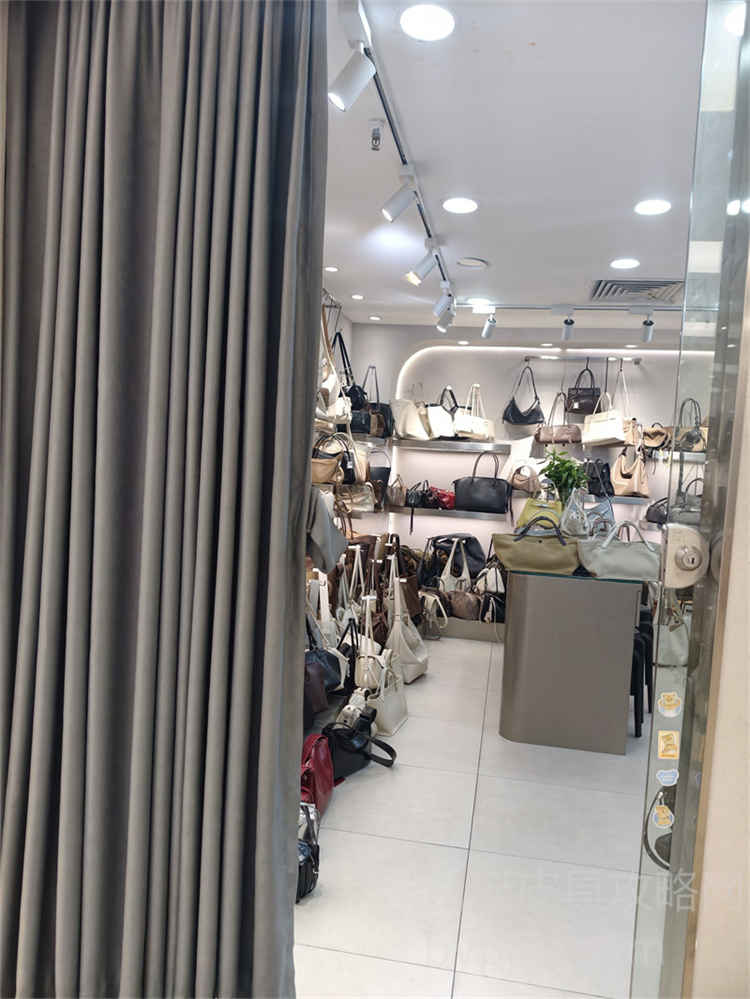
When I first started, I thought online catalogs were enough. I was wrong. The photos on Alibaba are often taken with professional lighting and heavy editing. A bag that looks like premium Italian calfskin on a screen might feel like stiff plastic when you touch it. In my shop, we deal with hundreds of samples daily. The difference between a $50 wholesale price and a $120 retail price isn't just the brand; it's the grain, the stitching tension, and the hardware weight. These details only reveal themselves when you hold the product in your hand.
Navigating the Labyrinth: Where the Real Goods Are Hiding
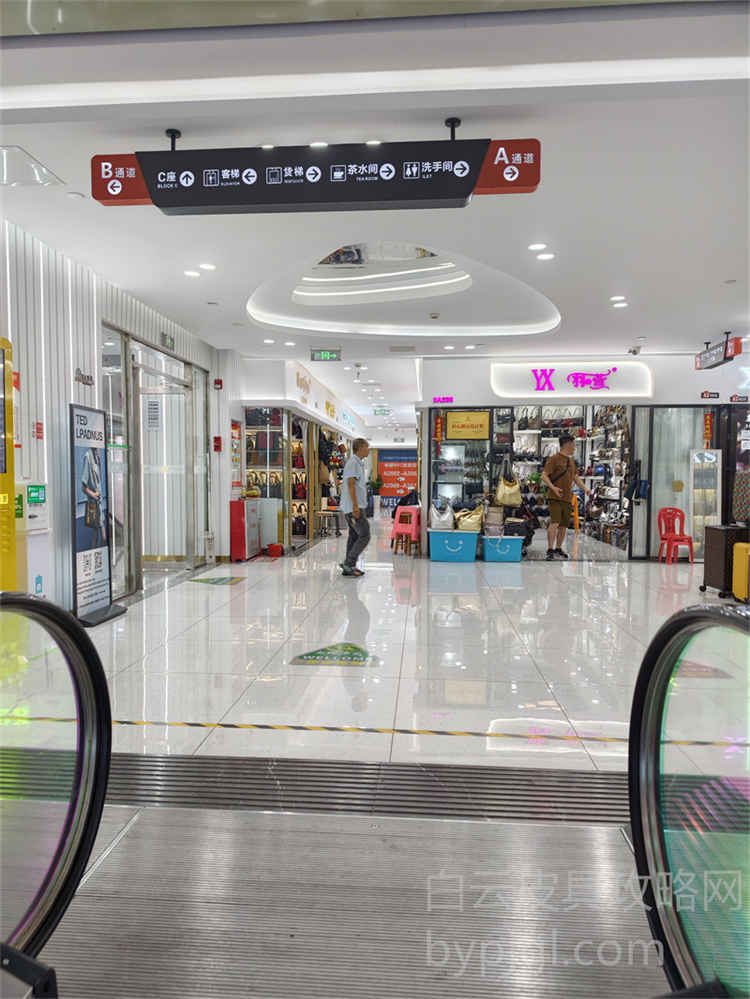
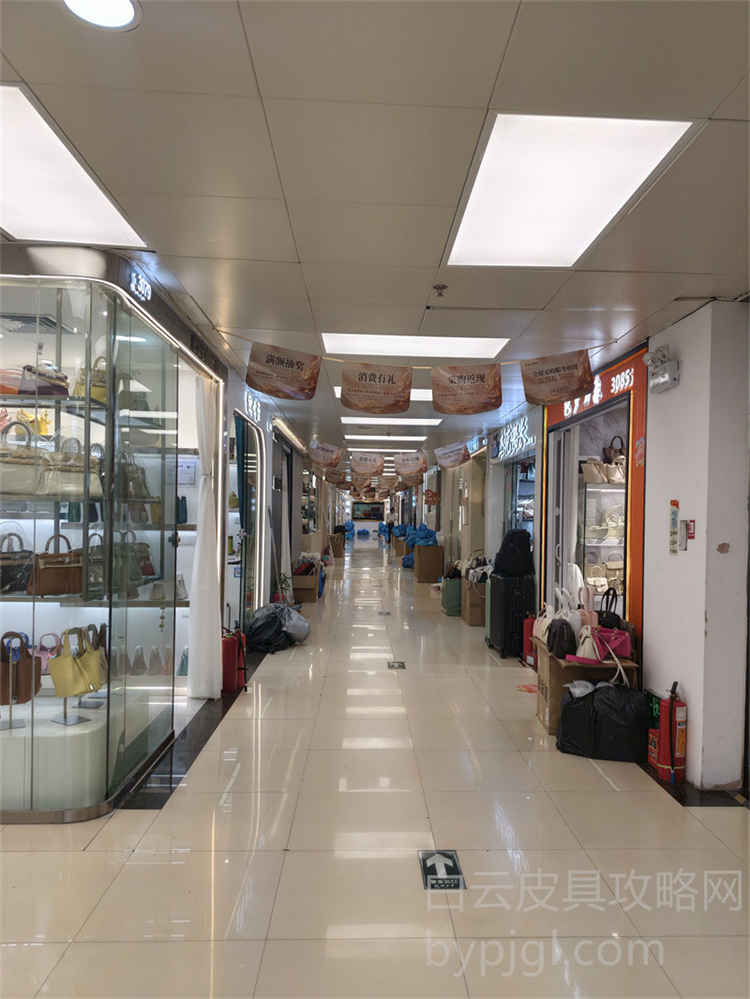
Guangzhou has many markets, but if you are serious about bags, Baiyun is your destination. However, walking into Baiyun without a plan is a recipe for disaster. It is massive, confusing, and filled with traps for the unprepared. Let me break down exactly where you should go and what to look for.
The Golden Zone: Floor 3 and the VIP Corridors
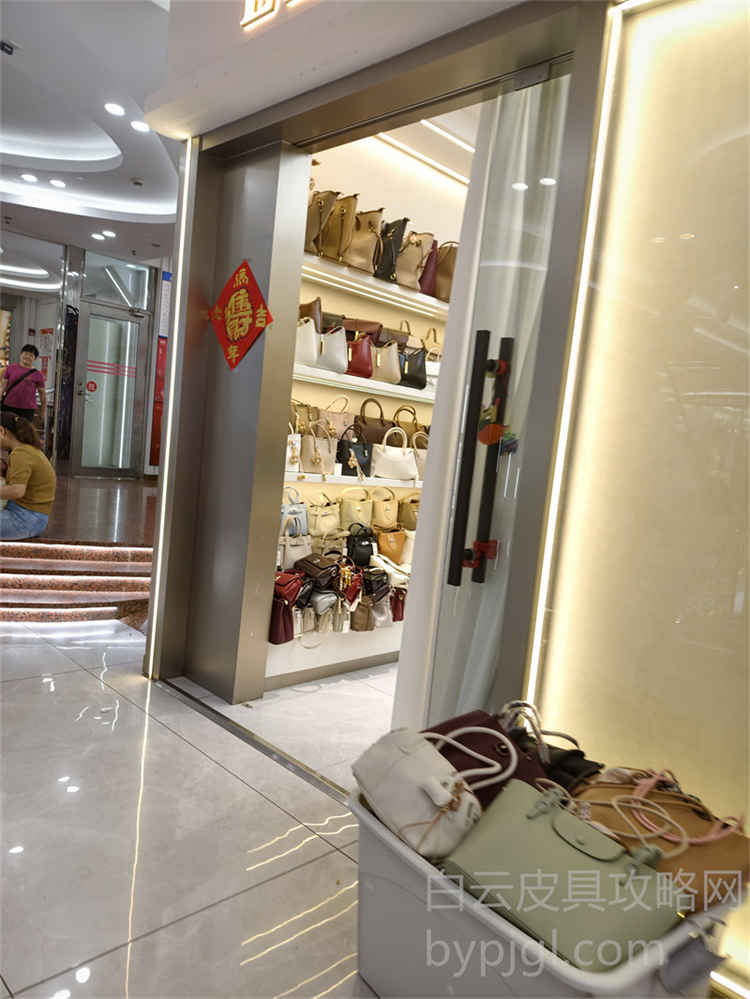
Most tourists stop at the ground floor or the second floor, which is mostly filled with low-end PU leather and mass-produced fashion items. If you are looking for quality that can compete with Western brands, you must head straight to the third floor. This is where the high-end manufacturers operate. Here, you will find shops like Yongxin Leather Factory located near the central elevator. They specialize in full-grain cowhide and have been supplying boutique stores in Europe for a decade.
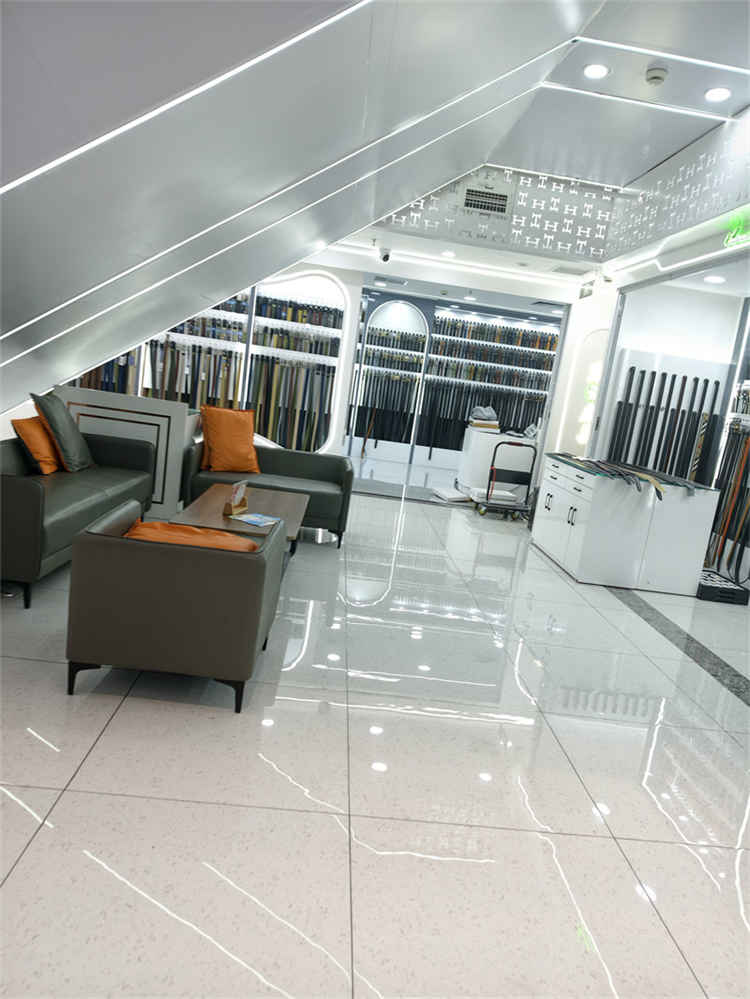
Another critical spot is the VIP corridor on the fourth floor. Shops here, such as Jinlong Premium Bags, do not display prices openly. They cater to serious bulk buyers. The inventory here changes weekly based on trends in Paris and Milan. If you ask for a sample from a ground-floor vendor, they might give you a generic piece. But if you walk up to the fourth floor and ask specifically for their "top-tier collection," you will see the craftsmanship difference immediately. The zippers are YKK or Riri, not the cheap Chinese knockoffs found downstairs.
The Hidden Gems: Behind the Main Aisles
Don't be afraid to explore the side alleys. Sometimes the best factories are tucked away in the back rooms of the main buildings. I remember a buyer who spent three days searching online for a specific style of tote bag. He finally found a listing on Alibaba for $45 per unit. I showed him the same bag in my warehouse, made by the same factory, but he could buy it for $32 if he ordered fifty units directly. Why? Because the middleman markup on the platform eats his margin. By cutting out the digital middleman and dealing directly with the source, you save nearly 30%.
The Art of Negotiation: How to Talk Like a Local
Language barriers are real, but they are not insurmountable. Many foreigners make the mistake of acting like a tourist. They smile too much and ask too many questions without showing intent. As a local boss, I know exactly what you are thinking when you walk in. If you don't look like you are ready to buy, I won't show you my best stock.
Reading the Room: Signals That Matter
When you approach a stall, do not start by asking for the price list. Instead, pick up a bag, check the lining, pull the zipper, and smell the leather. Ask specific technical questions. Say, "Is this full-grain or top-grain?" or "What is the thread count on this stitching?" When you speak the language of the trade, the vendor respects you. At Haoyu Leather, a famous stall near the west exit, the owner told me once, "I only talk business with people who know the difference between oil wax leather and patent leather." once you prove you know your stuff, the negotiation becomes friendly rather than adversarial.
The MOQ Trap and Volume Discounts
This is where many overseas buyers get burned. online platforms often advertise a Minimum Order Quantity (MOQ) of just one piece. In reality, the best prices are reserved for orders of 50 pieces or more. If you try to order five bags, the price per unit will be sky-high because the factory has to set up the machine and cut the leather anyway. I always advise my international clients to pool their orders. If you are buying for a small boutique, find two other buyers and combine your orders to hit the 50-unit threshold. For example, at Shengda Workshop, the price drops from $65 per bag to $48 per bag once you cross the 50-unit mark. That is a $17 saving per unit, which adds up fast.
Quality Control: Don't Ship Trash Across the Ocean
One of the biggest mistakes I see is buyers trusting the supplier's word without verifying the goods. "It is the same quality as the photo" is a phrase that gets you sued, not satisfied. Before you pay the deposit, you must inspect the goods personally.
The Three-Point Inspection Method
Never accept a shipment without doing a physical check. My team uses a strict three-point inspection method. First, check the hardware. Does the metal feel heavy? Is the plating even? Cheap hardware tarnishes in a week. Second, check the stitching. Look for loose threads or uneven spacing. Third, check the interior lining. Does it tear easily? At Golden Eagle Leather, we had a client who ordered 200 bags. We caught a defect in the lining during our pre-shipment check. The client would have lost money if we shipped them. We fixed it before the container left the port. That is why being on-site matters.
Understanding the "Sample vs. Bulk" Gap
There is often a gap between the sample you approve and the bulk production. This is called the "sample-bulk discrepancy." To avoid this, always request a "pre-production sample" from the actual factory line, not a showroom model. Showroom models are often perfect, but the mass-produced ones might have slight variations. When negotiating with Tianyi Bag Factory, I insist on seeing a batch of ten random units from the current production line before finalizing the order. This ensures consistency.
Summary of Key Contacts and Locations
To help you navigate this complex market, I have compiled a list of reliable locations and specific contacts based on my years of experience. Use this as your cheat sheet when you land in Guangzhou.
| Market Area | Specific Shop/Factory Name | Specialty | Estimated MOQ for Best Price |
|---|---|---|---|
| Baiyun Floor 3 | Yongxin Leather Factory | Full-grain Cowhide, Luxury Totes | 50 Units |
| Baiyun Floor 4 (VIP) | Jinlong Premium Bags | High-end Fashion, Designer Styles | 30 Units |
| Baiyun West Exit | Haoyu Leather | Oil Wax Leather, Vintage Styles | 100 Units |
| Baiyun Central | Shengda Workshop | Mid-range PU, Trendy Designs | 50 Units |
| Baiyun Back Alley | Tianyi Bag Factory | Custom Manufacturing, Small Batches | 20 Units |
Final Thoughts: Your Success Starts with Your Feet
Buying from China is not about finding the cheapest price on a website; it is about building relationships and ensuring quality. The Alibaba platform is a tool, but it is not the whole story. The real value lies in the handshake, the face-to-face negotiation, and the ability to inspect the goods before they leave the factory. If you follow these steps and visit the specific locations I mentioned, you will save money, avoid scams, and build a supply chain that lasts. Come to Guangzhou, walk the floors, and let the real leather speak for itself.