Why I Tell You to Skip the "Top Tier" Hype and Look Closer
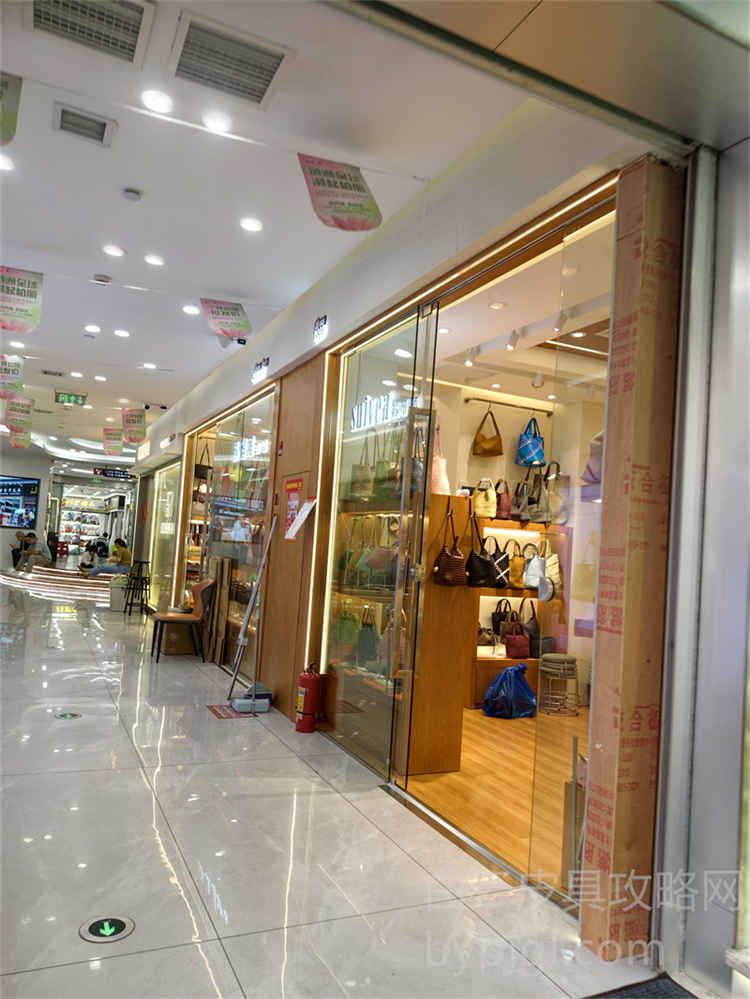
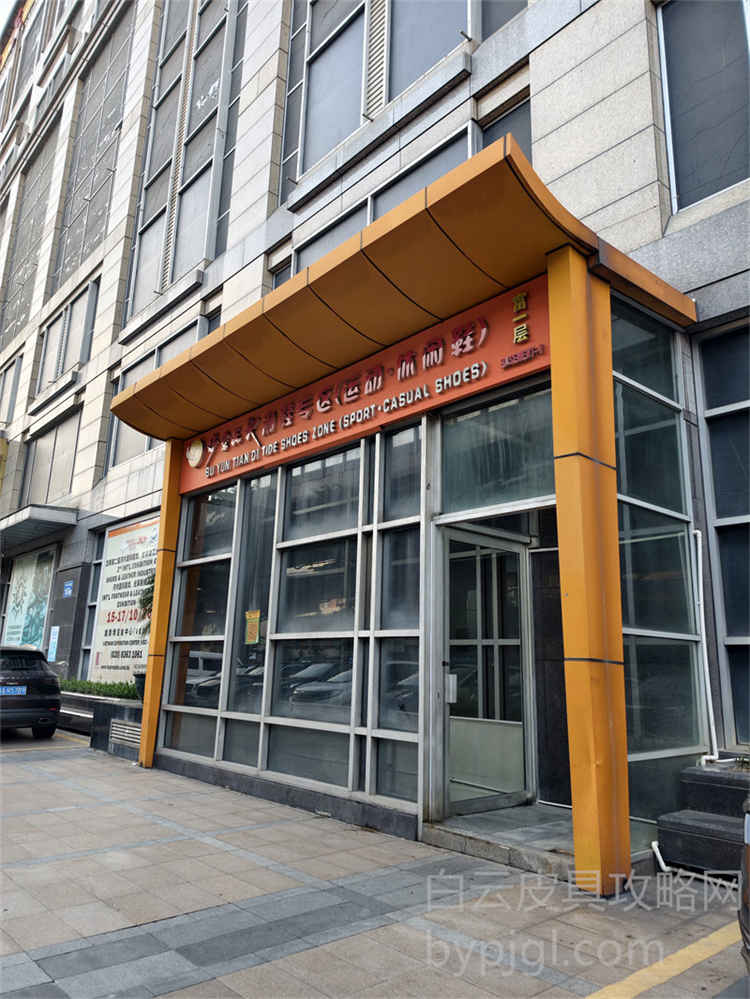
I have been standing behind this counter in Guangzhou Baiyun Leather City for over twenty years. While you are scrolling through Instagram ads promising "1:1 replicas" or "top grade cow horn bags," I am watching real buyers walk past my stall, confused by the noise. Let me be honest with you as a local shop owner who has seen thousands of transactions: the term "top tier" is often just marketing fluff designed to make you pay premium prices for factory seconds. When you come to Baiyun, specifically the area around Panyu Road and the main corridors of the World Leather Trade Center, you will find that the real value isn't in the label on the bag, but in the leather grain and the stitching tension.
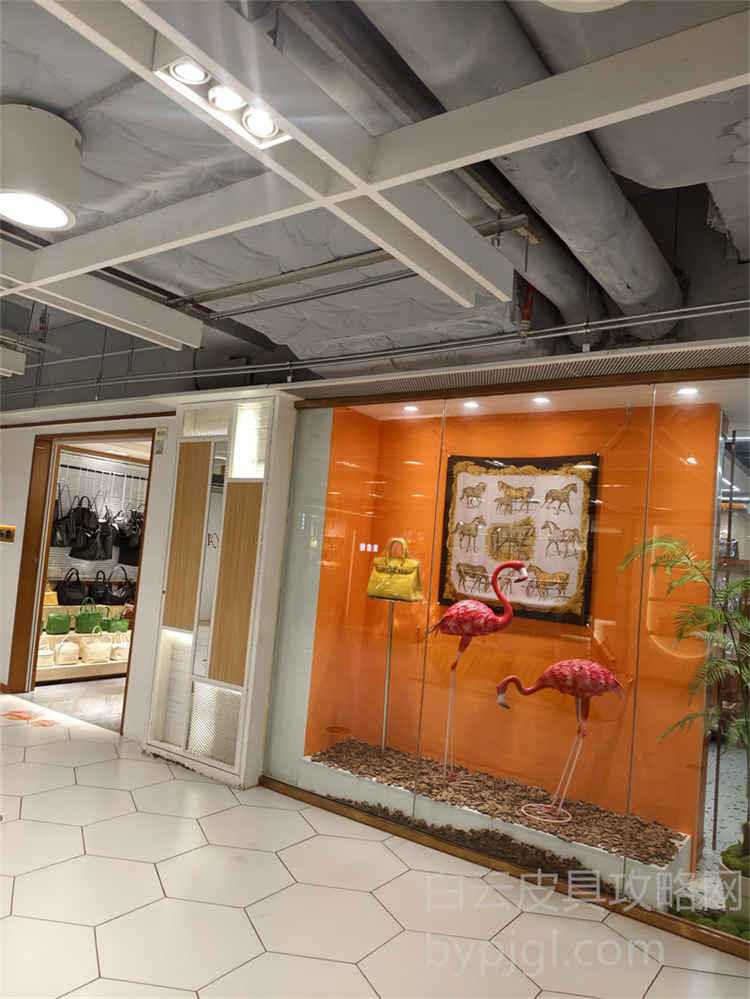
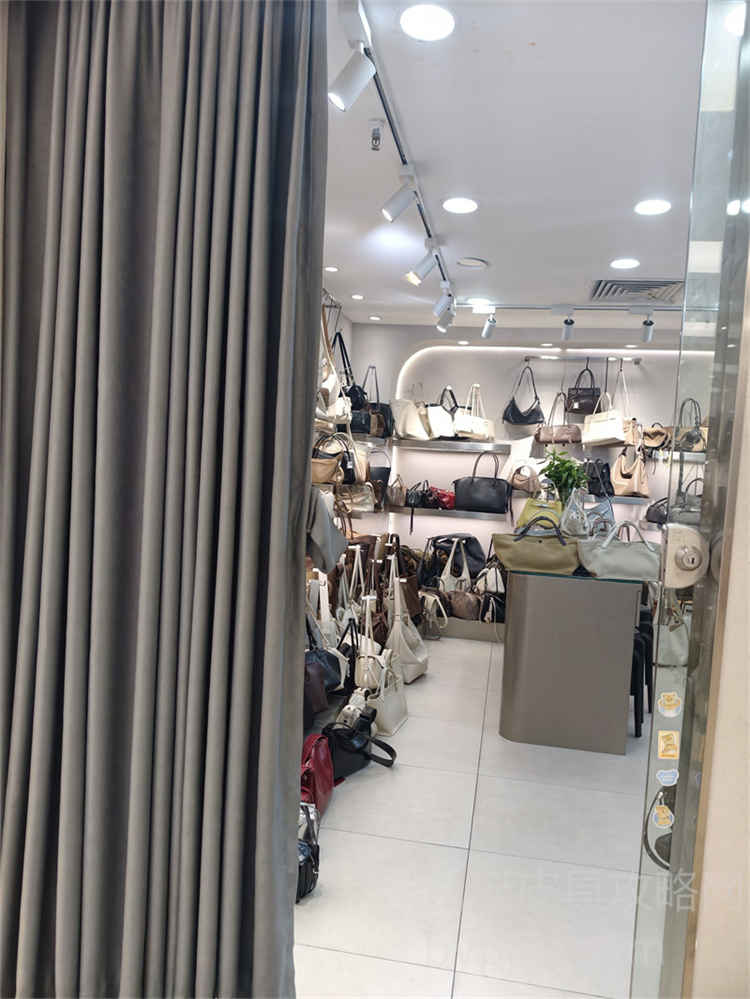
Many overseas clients ask me, "Can I get the exact same牛角 (cow horn) texture without paying the designer price?" The answer is yes, but not if you buy from the flashy storefronts on the first floor that scream "luxury." Those places are for tourists and dropshippers looking for quick wins. The actual high-quality production happens in the back rooms of the 4th and 5th floors, where the lighting is dimmer, and the owners are too busy packing orders to talk about "brands."
The Real Deal on Cow Horn Texture and Leather Selection
Understanding the Material Difference
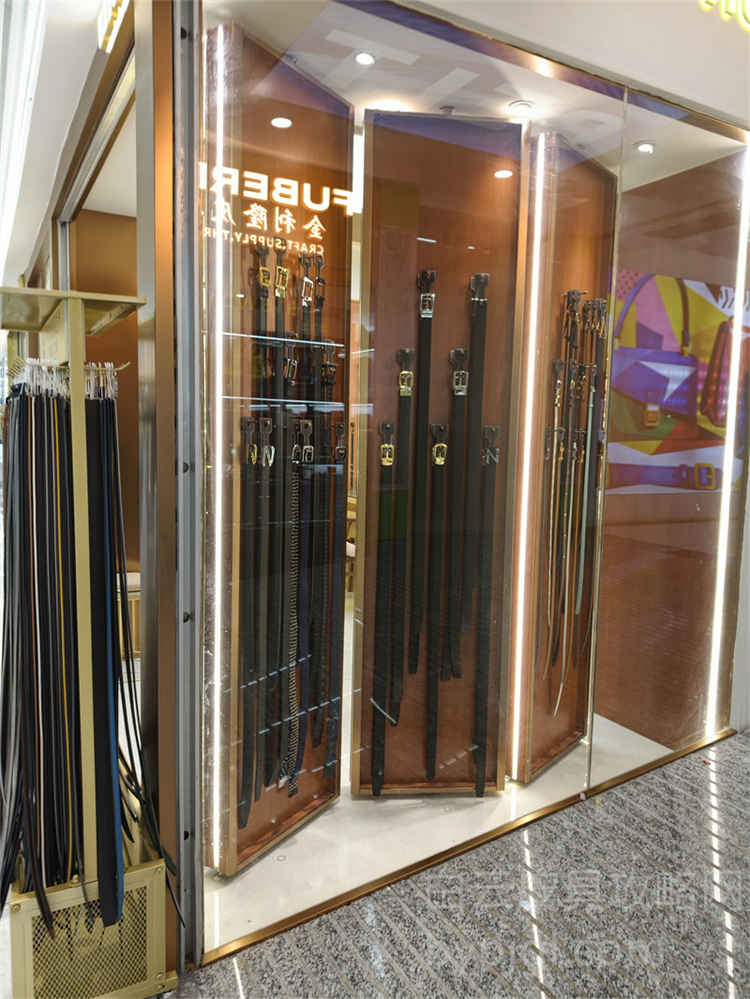
Let's talk about the material itself. When we say "cow horn" in our trade, we aren't talking about plastic imitations. We are talking about genuine calfskin or high-grade cowhide that has been embossed with a specific pressure technique to mimic the natural irregularity of animal horns. In my experience, the difference between a $50 fake and a $500 "top tier" version lies in the depth of the embossing. Cheap versions use shallow stamping that wears off after two weeks of friction. High-end versions use deep-press molds on full-grain leather.
I remember a buyer from New York last month who wanted to compare three different stalls. He brought a sample bag he bought online. At Stall 402 on the 3rd Floor of the Baoma Building, I showed him a batch made by a workshop in Huadu District. The leather was soft, supple, and the "horn" pattern felt like it was part of the skin, not painted on top. The cost difference? The online version was $180, while my wholesale price for the same quality was $65. That is the reality of the supply chain. You don't need to pay the markup for the "brand story."
Where to Find the Best Factories in Baiyun
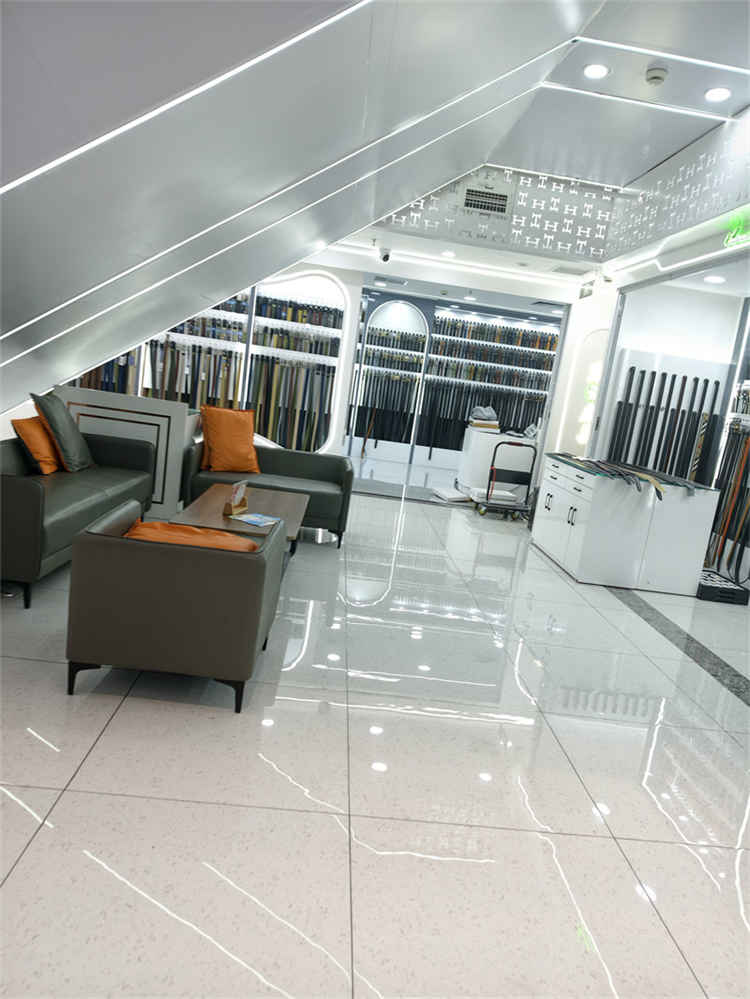
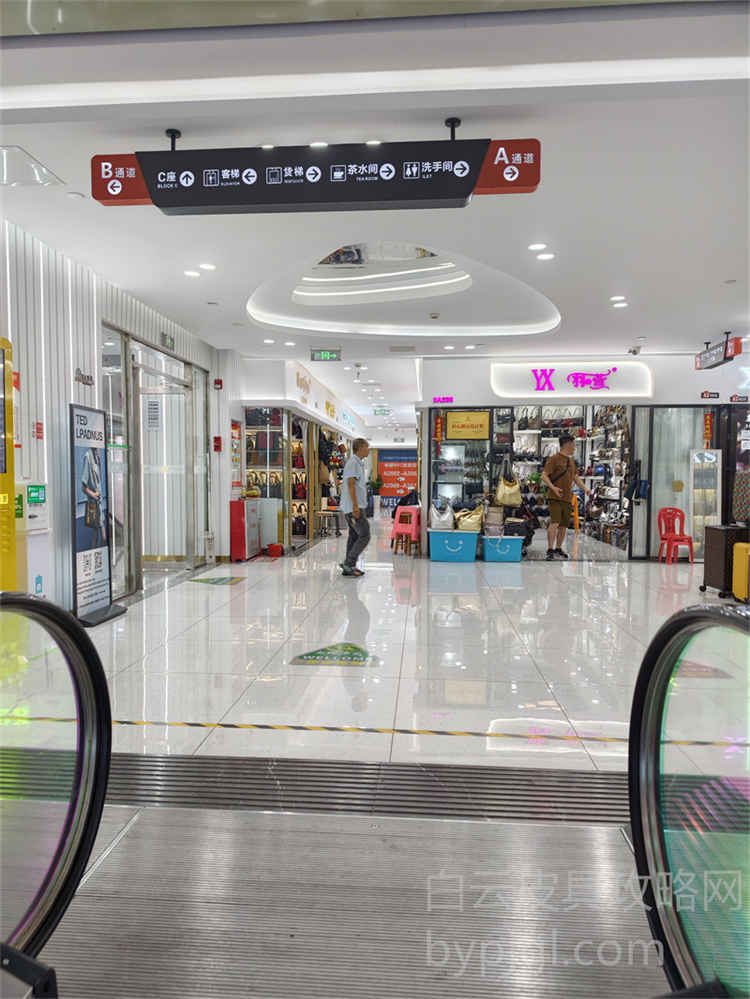
If you want to source these bags directly, do not waste time on the ground floor shops. Go straight to the 4th Floor of the World Leather Trade Center (Baiyun International). Specifically, look for the corridor near the elevator banks. There is a small cluster of stalls that do not display big logos. One reliable spot is Stall 4B-12, run by Manager Li. They specialize in textured leathers and have a dedicated line for "horn" patterns using Italian tanned cowhide. Another excellent option is Stall 5C-08 in the same building, which works closely with a factory in Nansha. They offer custom molding services if you order more than fifty units.
For those willing to go deeper into the industrial zone, the factory behind Stall 3A-15 in the Daqiao Market is worth a visit. They produce for several European boutique brands and have the machinery to create the most realistic grain variations. If you ask for their "premium batch," they will show you samples that are indistinguishable from the luxury market counterparts. The key is to speak their language: ask for the "oil wax finish" and the "double-stitch density." If they hesitate, move to the next stall.
Negotiation Tactics and Quality Control Secrets
How to Talk Like a Pro Buyer
When you approach a stall, do not start by asking for the "best quality." That is a red flag. Instead, ask, "What is the leather origin and what is the stitch count per inch?" A good supplier will immediately know your intent. For example, at Stall 2D-09 in the Zhongda Market, the owner told me that if I asked for "top grade," they would give me a standard product. But when I asked for "Grade A+ with reinforced stress points," they pulled out a hidden box of their best inventory. This is how you navigate the market. Be specific about the hardware weight and the lining material. Most "top tier" fakes use cheap zippers that rust within months. Insist on YKK or Riri zippers, even if it costs an extra $2 per unit.
Another trick is to ask for a "production video." Real factories in Guangzhou are proud of their process. If a seller refuses to show you the stitching machine or the leather cutting station, they are likely a middleman reselling goods from someone else. Middlemen add a 20% margin and cannot guarantee quality control. Direct factory contact is the only way to get the true wholesale price.
Inspection Checklist Before Payment
Before you hand over the money, you must inspect the bag yourself. Here is my personal checklist based on twenty years of mistakes:
- Grain Consistency: Check if the "horn" pattern aligns across the seams. Poor quality bags have mismatched patterns at the side panels.
- Smell Test: Genuine leather smells distinct. If it smells like chemicals or glue, reject it immediately.
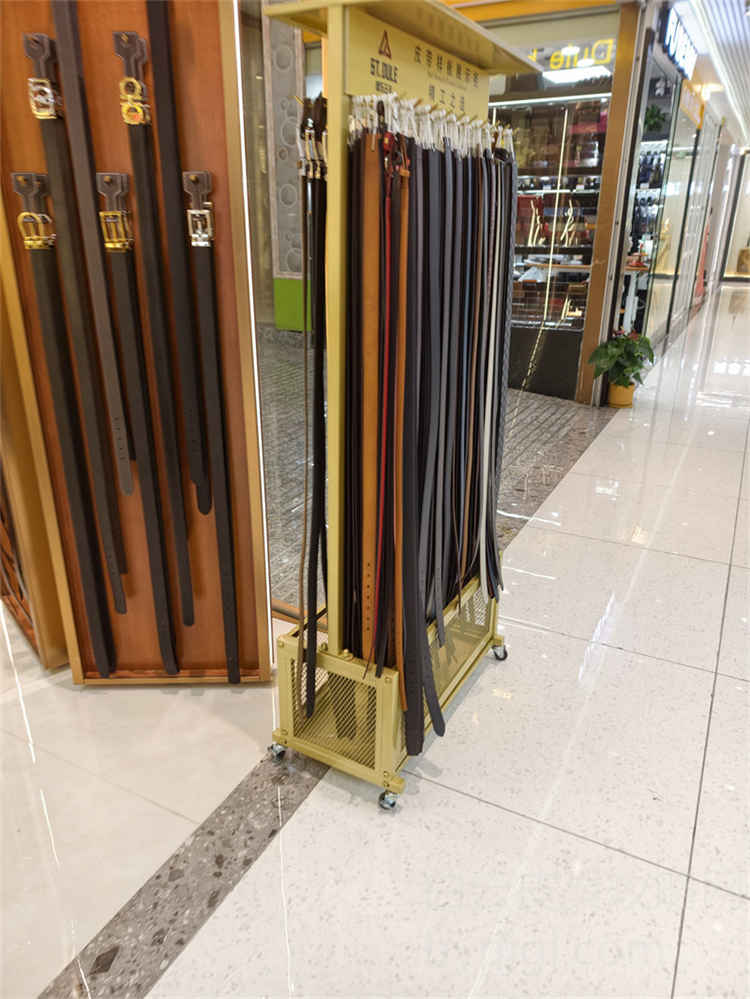
- Hardware Weight: Hold the bag by the handle. Heavy, solid metal indicates quality. Light, hollow metal is a sign of cheap casting.
- Thread Tension: Pull gently on the thread. It should not loosen easily. High-end bags use waxed thread that is tighter and more durable.
I once saw a buyer lose $3,000 because he didn't check the lining. The exterior looked perfect, but the inside fabric was peeling. Always open the bag and feel the interior. If you are buying from Stall 4B-12, they usually allow you to take the bag apart to check the internal structure. That is a sign of confidence.
Logistics and Avoiding Common Pitfalls
Shipping and Customs Considerations
once you have selected your bags, the next challenge is getting them to your country without issues. Many buyers think they can ship large quantities via express couriers like DHL or FedEx without declaring anything. This is a mistake. Customs officers in the US and EU are very strict about intellectual property. Even if the bag has no logo, if it looks exactly like a famous brand, it can be seized.
The smartest way is to work with a freight forwarder who specializes in "general cargo" shipping. Ask your supplier in Baiyun if they have a partner forwarder. Most stalls in the World Leather Trade Center have relationships with agents who can consolidate your goods and ship them via sea freight or air freight under a generic description like "leather accessories." This reduces the risk of seizure significantly. Also, always keep your invoices separate from the goods. Do not write "designer replica" on the commercial invoice. Write "genuine leather handbag" or "fashion accessory."
Summary of Key Sourcing Locations
| Market Area | Specific Location | Specialty | Best For |
|---|---|---|---|
| World Leather Trade Center | 4th Floor, Stall 4B-12 & 5C-08 | High-end textured leather, Custom molds | Bulk orders, Quality focus |
| Baoma Building | 3rd Floor, Corridor near Elevator | Cow horn patterns, Oil wax finish | Mid-range sourcing, Fast turnover |
| Zhongda Market | 2nd Floor, Stall 2D-09 | Variety of styles, Hardware options | Small batches, Testing new designs |
| Daqiao Market | 3A-15 (Factory Backroom) | Direct factory access, OEM services | Large volume, Custom branding |
Guangzhou Baiyun Leather City is a maze of opportunities, but it rewards the prepared buyer. Don't let the hype of "top tier" fool you. The real value is in the craftsmanship, the leather quality, and the direct relationship you build with the factory owner. By visiting these specific stalls and following the inspection protocols I shared, you can source bags that rival the luxury market at a fraction of the cost. Remember, the best deals are not advertised; they are found by those who know where to look and how to ask.