Why I've Been Selling Bags in Guangzhou for 15 Years
Listen, if you are scrolling through the internet looking for "Guangzhou high-quality replica bags," you probably think it's all about cheap knockoffs found in a dark alley. That is exactly what the tourists believe. But I have been standing behind this counter in Baiyun Leather City for over fifteen years. I have seen the industry evolve from simple photocopies to something that actually rivals the big luxury houses. When I say "Guangzhou bag quality," I am not talking about the $20 fakes you see on street corners. I am talking about the top-tier goods made in the same factories that supply the world's most expensive brands.
The truth is, the market has changed drastically. Ten years ago, you could spot a fake from a mile away because of bad stitching and plastic-feeling leather. Today? The gap between the real thing and the best local production is almost invisible to the naked eye. My job isn't just to sell you a bag; it is to teach you how to navigate this massive ecosystem without getting ripped off. Most overseas buyers come here expecting a nightmare, but if you know where to look, it is the most efficient sourcing trip you can take.
Navigating the Real Market: Baiyun vs. The Rest
Forget the Street Stalls, Go to the Malls
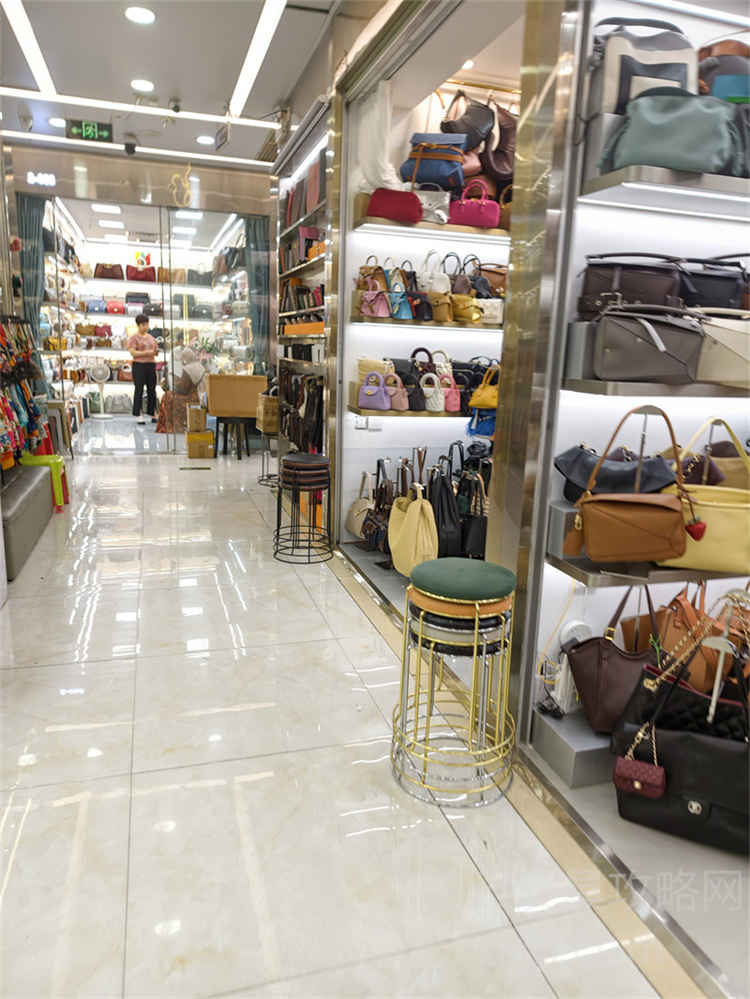
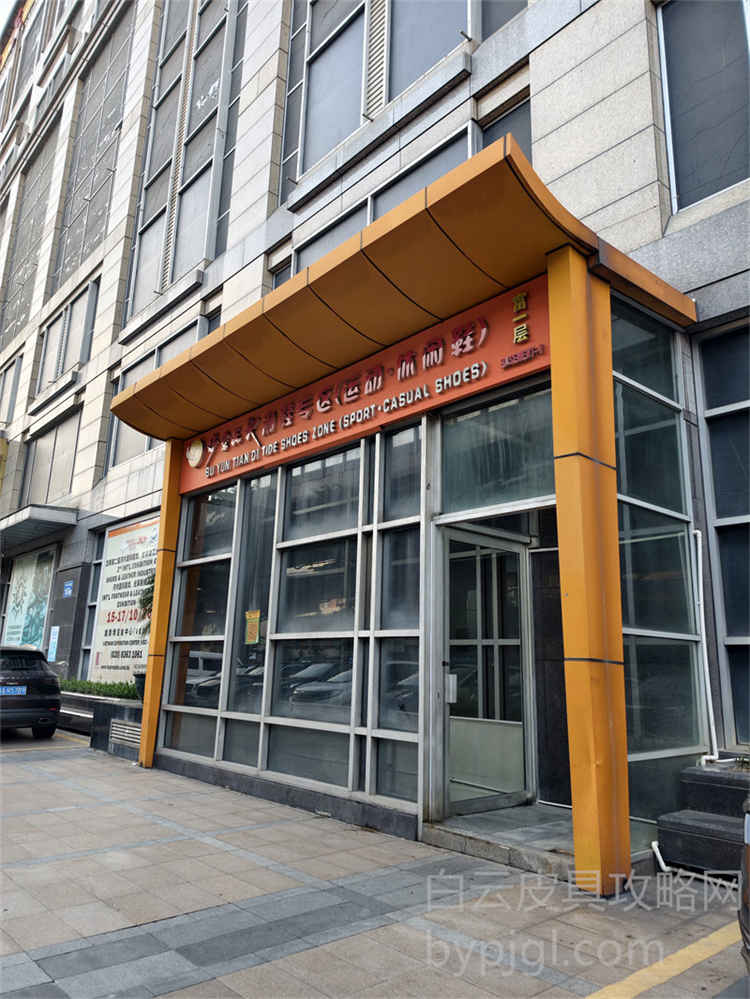
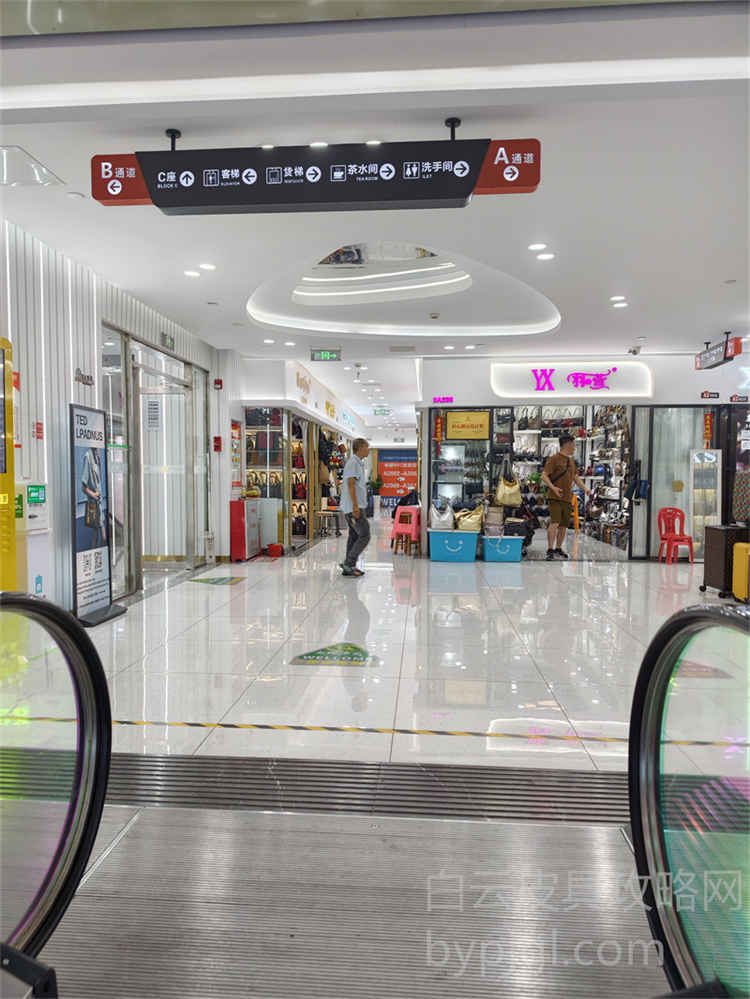
First rule: never buy high-end replicas from the street vendors near the train station. They are selling junk. If you want quality, you need to go straight to the Baiyun International Leather Trade City (Baiyun Pijia Cheng). This is the heart of the operation. Inside, there are specific floors dedicated to different tiers of quality. You will find the "low tier" on the lower levels, but the real gold is hidden on the upper floors or in the newer buildings like the World Trade Center nearby.
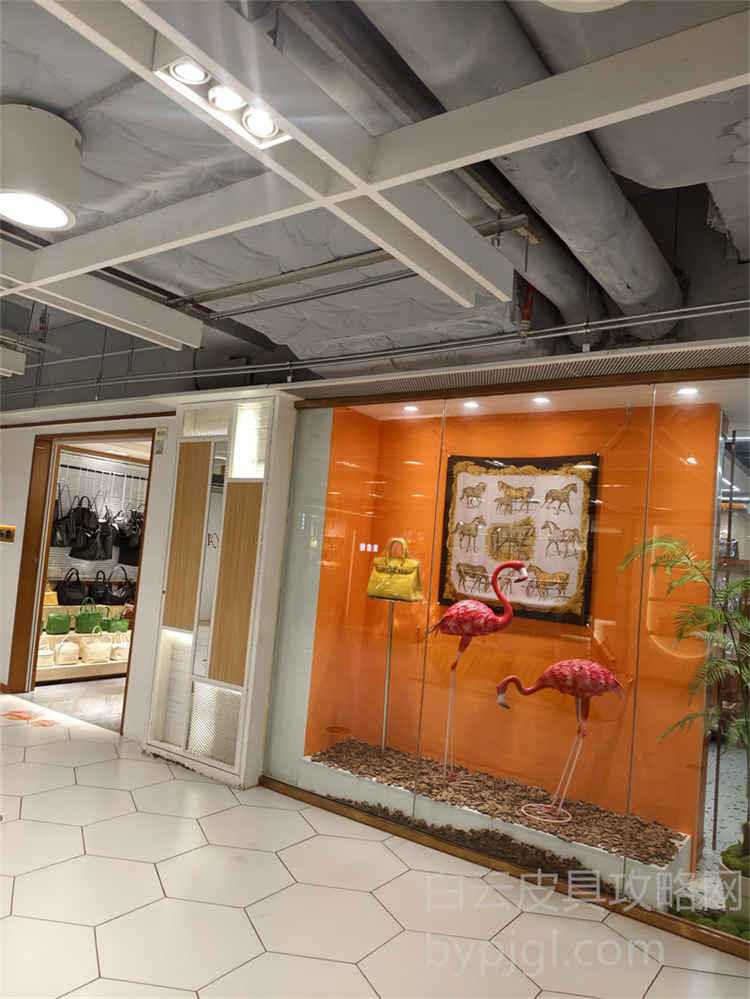
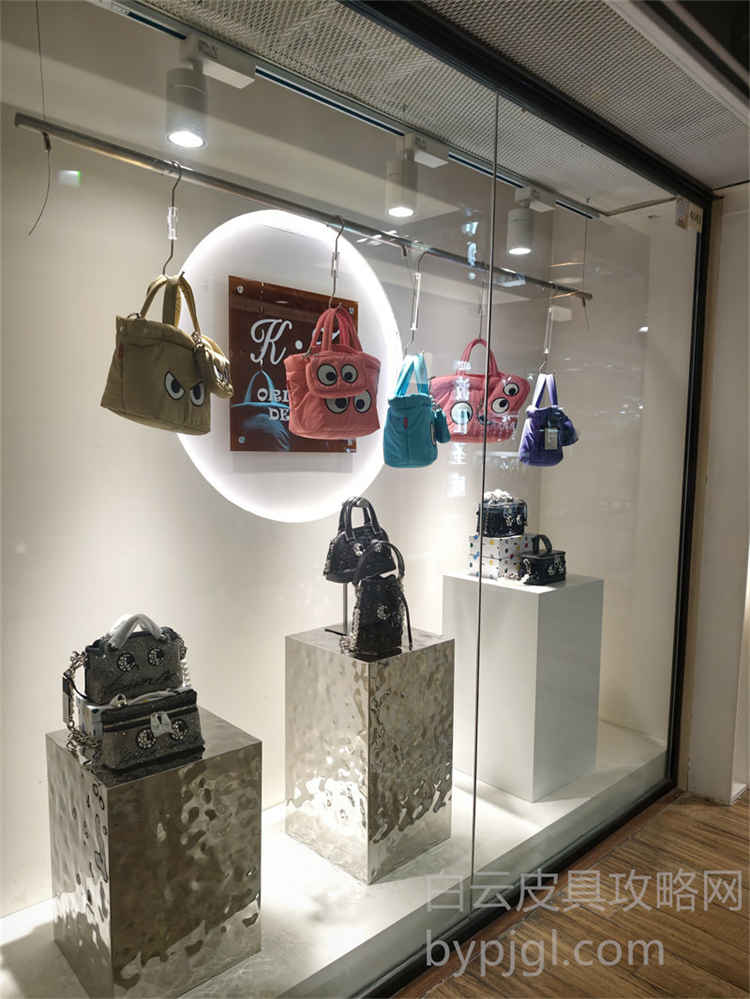
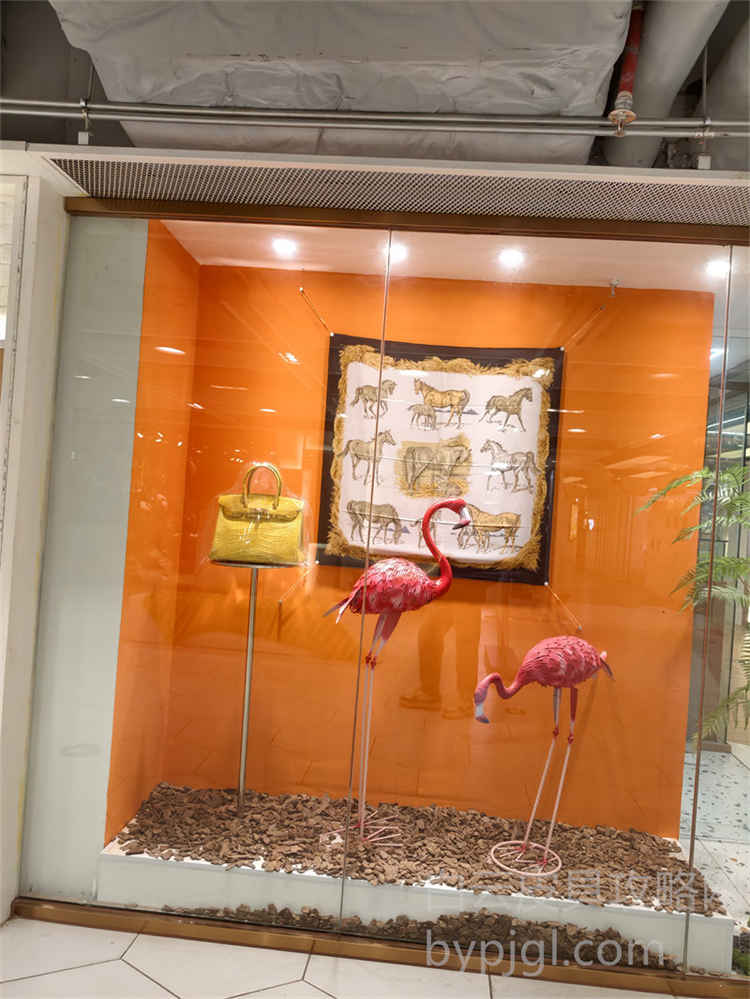
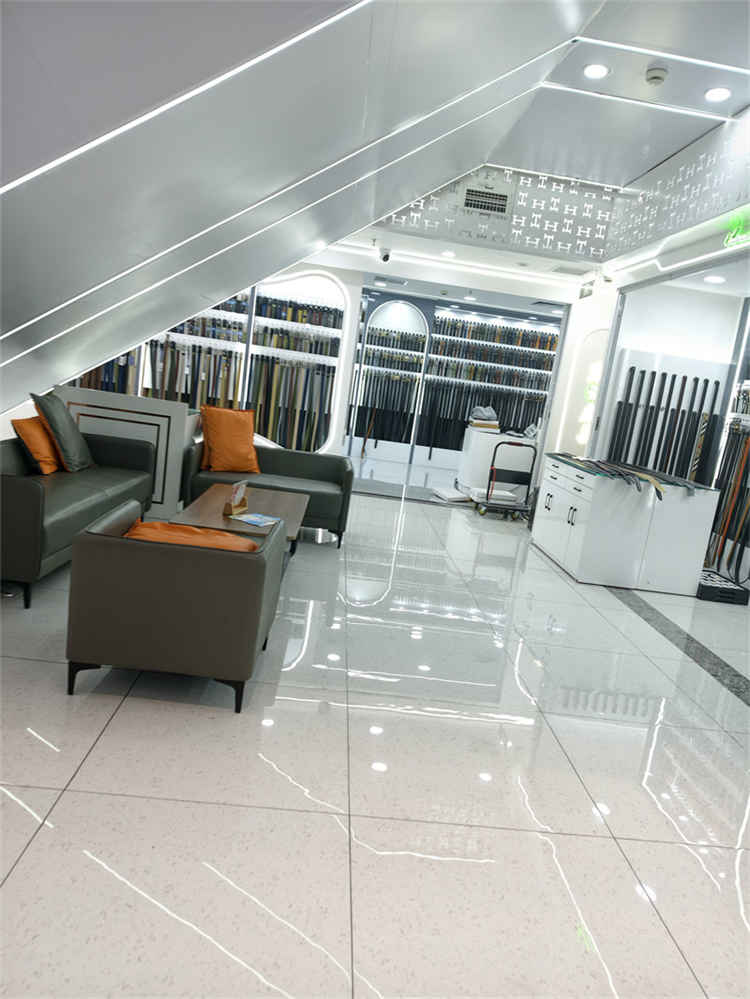
I always tell my clients to skip the ground floor unless they are buying souvenirs. Head up to the 4th or 5th floor of Baiyun. That is where the serious business happens. These aren't just random stalls; these are showrooms with air conditioning, proper lighting, and staff who speak enough English to discuss hardware details. The atmosphere here is professional, not chaotic. You walk in, and you see racks of bags that look exactly like the ones in Vogue magazines.
How to Spot the Difference: A Veteran's Checklist
Leather Grain and Smell Test
When I show you a bag, the first thing I do is let you touch it. Cheap fakes use PU leather that feels like sandpaper or plastic. High-quality Guangzhou bags use genuine cowhide or lambskin sourced from the same tanneries as the big brands. The smell is the biggest giveaway. A real leather bag smells rich and earthy. A fake one smells like chemicals or glue. I remember a customer last month who bought a bag from a competitor down the hall. He came back to me angry because the strap was peeling after two weeks. I showed him his bag, and the leather was clearly synthetic. It didn't even have the natural grain variation that real leather possesses.
Hardware Weight and Engraving
This is where the price difference becomes clear. Low-end bags use zinc alloy that feels light and hollow. Top-tier Guangzhou manufacturers use solid brass with heavy plating. When you hold a high-quality bag, the zipper should glide smoothly, and the logo engraving should be crisp, deep, and perfectly aligned. I once compared a $300 bag from a random stall with a $300 bag from my own stock. The difference in the weight of the clasp alone was noticeable. The cheap one felt like a toy; the good one felt substantial. Always ask to see the hardware close up. If the engraving looks blurry or shallow, walk away.
My Personal Sourcing Strategy and Trusted Contacts
Where to Find the Best Factories
You might be asking, "Which specific shop should I go to?" In this business, trust is everything. I cannot recommend every single stall because many change their inventory weekly. However, I can point you toward the reliable zones. In Baiyun Leather City, look for the shops located near the central elevator on the 4th floor. Specifically, check out the area around "Shop 408" and "Shop 412" in the main building. These are long-standing suppliers known for consistent quality control.
If you want to go deeper, head to the World Trade Center (WTC) next door. On the 3rd floor, you will find several showrooms that specialize in "1:1" versions. One specific factory I work with regularly is located in a small office complex behind the WTC, often referred to as "The Golden Gate Factory." They don't have a flashy sign, but they produce some of the best craftsmanship in the city. Their lead time is usually three days, and they offer custom packaging if you order more than five units.
The Art of Negotiation and MOQ
Do not be afraid to negotiate. In Guangzhou, the price listed on the tag is rarely the final price. If you are buying one piece, expect to pay retail. If you are buying ten pieces, the price drops significantly. I usually tell new buyers to start by asking for the "wholesale price" rather than the "retail price." Also, be honest about your volume. If you say you are buying for a boutique, we treat you differently than if you are buying for personal use. We value repeat customers. For example, if you order a batch of twenty bags, I can guarantee you a discount of 15% to 20% off the standard rate, plus free shipping within China.
Common Pitfalls and How to Avoid Them
The "Sample Trap"
One of the biggest mistakes overseas buyers make is ordering based on photos sent via WhatsApp. Photos can be edited, colors can be shifted, and textures can be lost. Never place a large order without seeing the physical sample first. I always insist that my international clients visit the showroom or send a trusted agent to inspect the goods before shipment. If you cannot come, ask for an unedited video call where we show the bag under natural light, zooming in on the stitching and the inside lining.
Shipping and Customs Risks
Another issue is logistics. Many buyers try to ship directly to their country without declaring the contents properly. This leads to seizures. As a local seller, I can help you arrange discreet shipping methods, but you must understand the risks involved in your specific country. Some couriers are stricter than others. I recommend using a freight forwarder who specializes in cross-border e-commerce. They know how to pack the goods to avoid detection while ensuring they arrive safely. Do not try to hide the fact that you are importing goods; transparency with your forwarder is key to avoiding customs headaches.
Summary of Quality Tiers in Guangzhou
| Quality Tier | Price Range (USD) | Material Used | Best For | Location in Baiyun |
|---|---|---|---|---|
| Street Grade | $20 - $40 | Synthetic PU, Plastic Hardware | Tourists, One-time Use | Street Vendors, Ground Floor |
| Market Standard | $60 - $100 | Low-grade Cowhide, Mixed Hardware | Budget Resellers | Lower Floors (1-3) |
| High-End Replica | $120 - $250 | Genuine Leather, Brass Hardware | Premium Boutiques, Serious Collectors | Upper Floors (4-5), WTC |
| Factory Direct | $150 - $300+ | Top-Tier Leather, Custom Hardware | Wholesale Orders, Custom Brands | Hidden Showrooms, Behind WTC |
So, when you hear people talk about "Guangzhou bag quality," remember that it is a spectrum. You get what you pay for, but the ceiling is incredibly high. If you approach this market with knowledge, patience, and the right contacts, you can source products that are indistinguishable from the originals at a fraction of the cost. Don't just rely on online reviews; come to Baiyun, touch the leather, feel the weight, and build a relationship with the sellers. That is the only way to truly master the art of sourcing in Guangzhou.