Walking the Floor: A Veteran's Guide to Sourcing in Baiyun
I have been standing behind this counter in Guangzhou for over fifteen years. While the internet floods with "high-quality replicas" and "top-tier fakes," nothing beats the smell of leather, the dust on the floor, and the raw energy of the Baiyun Leather City market. If you are an overseas buyer looking for what we call "Jingfeng" (precision imitation) bags, stop scrolling through random websites. The real deals are here, but only if you know how to walk the aisles without getting burned.
The first thing I need to tell you is that the term "Jingfeng" isn't just marketing fluff; it is a specific tier of craftsmanship that separates the $50 junk from the $300 masterpieces. In my shop, which sits right in the heart of the complex, I see hundreds of buyers every week. Most come in with a photo on their phone and expect miracles. They don't understand that the price difference between a "market grade" bag and a "1:1" bag comes down to the hardware weight, the thread count, and the type of glue used. You cannot find these details online. You have to feel the zipper pull and smell the lining.
Navigating the Giants: Where the Real Goods Are
The Golden Triangle: Baima and Baogang
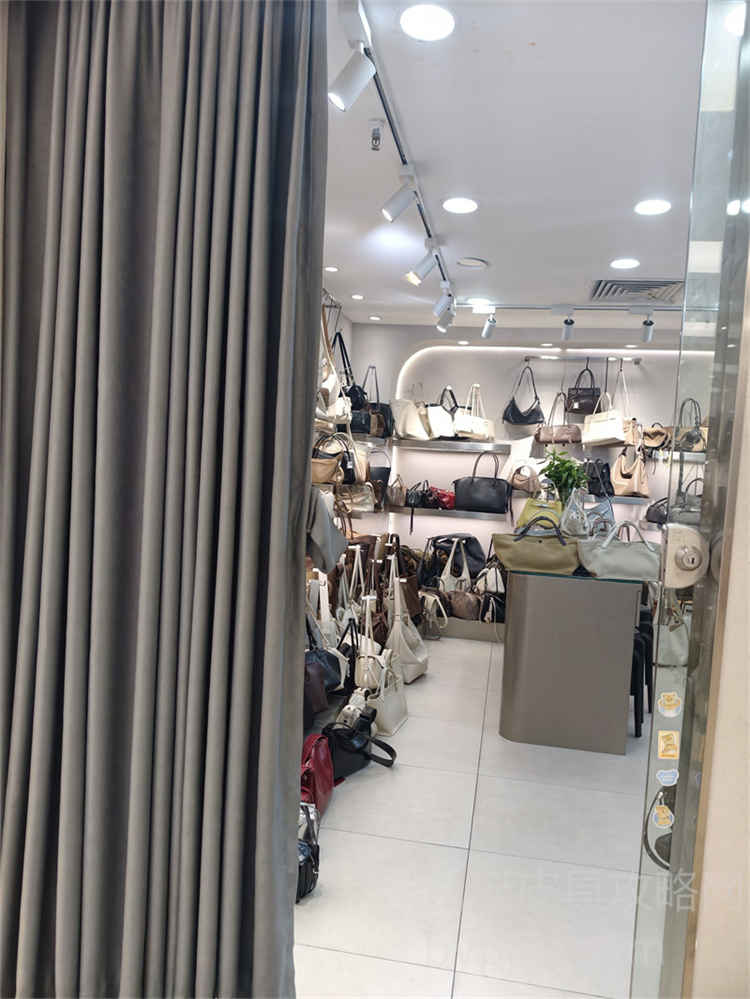
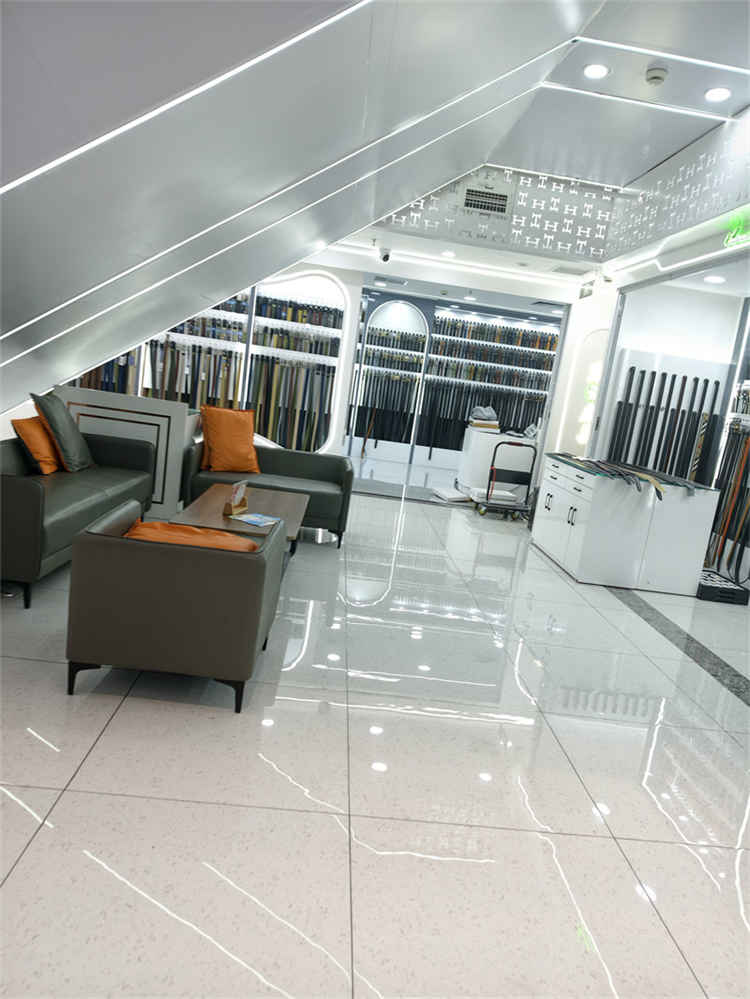
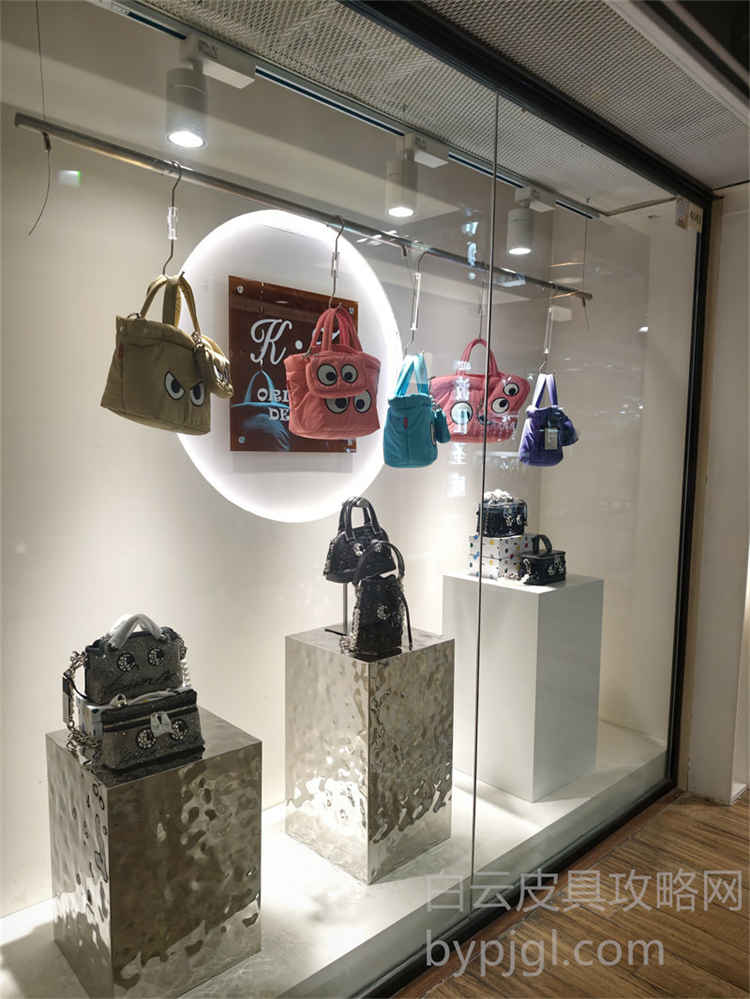
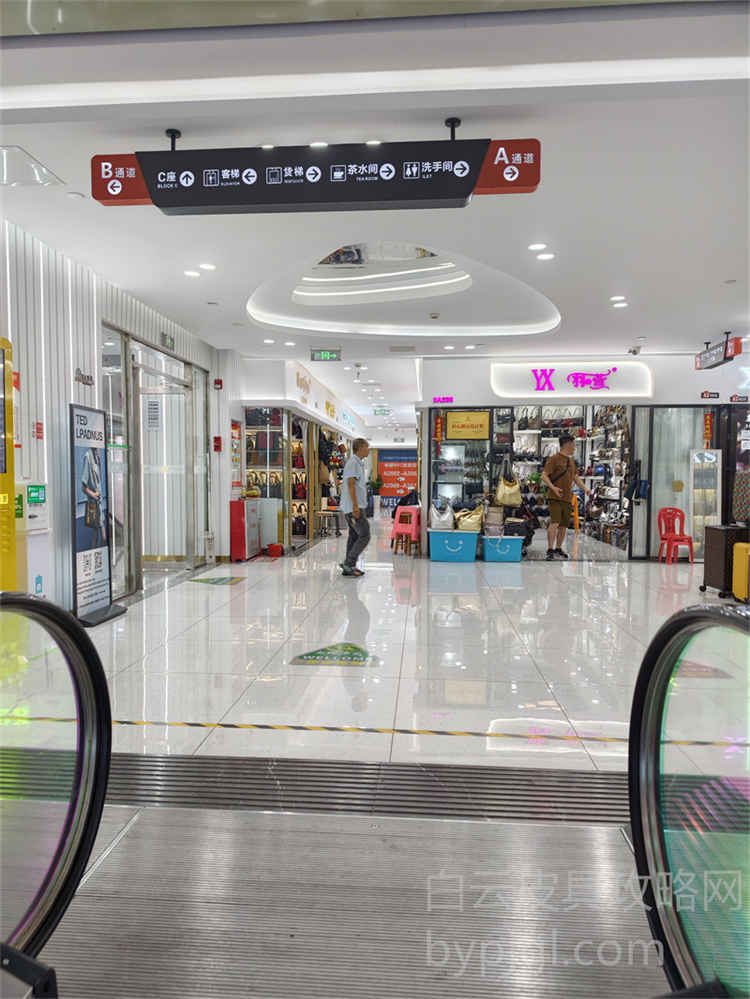
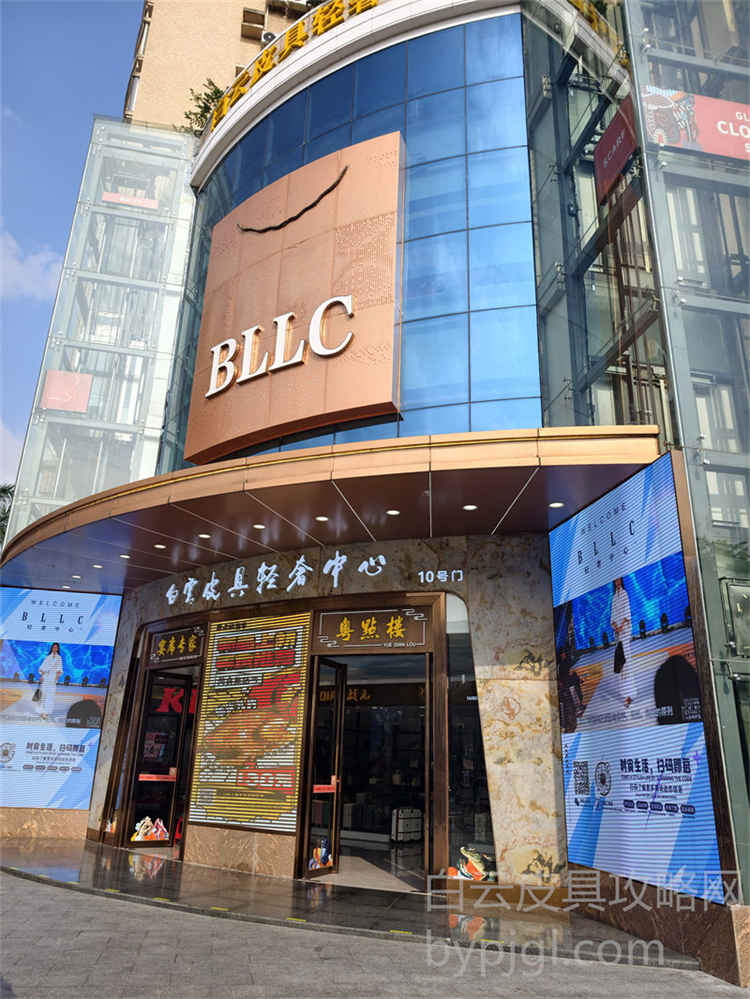
Let's be honest about the geography. Many tourists get lost in the maze of Baiyun. If you want the absolute best "Jingfeng" goods, you need to go straight to the Baiyuan International Trade Center (often called Baima) and the Baogang Building. These two buildings house the heavy hitters. I will give you a specific tip: Do not waste time on the ground floor of the main street where the flashy displays are. That is for retail tourists paying double prices. Go up to the 4th or 5th floors of Baima. That is where the wholesale bosses sit.
For example, there is a stall named "Golden Eagle Leather" on the 5th floor of Baima. They specialize in high-end luxury clones. I have watched them source materials directly from the same tanneries as the big brands. Their "Vachetta" leather is indistinguishable from the original even after six months of use. Another spot you must visit is the "Baogang Building," specifically the east wing. There is a vendor known simply as "Master Li" who runs a small booth near the elevator. He doesn't advertise much, but his stock is always fresh. He sources from factories in Huadu that supply the top-tier markets. If you ask him for the "A-grade" version, he will show you the one with the correct stitching angle and the authentic serial number stamping tool.
The Art of Inspection: What I Look For Before Paying
Hardware Weight and Stitching Angles
When I am negotiating with a foreign buyer, the first thing I do is pick up the bag and shake it. Not to check the handle, but to listen to the hardware. Cheap knockoffs use hollow zinc alloy that sounds like tin when dropped. Real "Jingfeng" uses solid brass or high-density zinc with a PVD coating that lasts. I once had a client from New York who bought a bag from a different stall for $80. When he returned to me, the gold plating was already peeling off the clasp after three days. That is because they used cheap electroplating. At my counter, I insist on using 18k gold plating over solid brass. It costs more, but it sells better.
Then there is the stitching. This is the easiest way to spot a fake, even among fakes. The original brand uses a specific saddle stitch technique that creates a slight slant. Many low-tier factories use a straight machine stitch that looks too perfect and robotic. I teach my buyers to look at the "lock stitch" at the end of the strap. If it is messy or glued over, run away. We use a thread count of 12 per inch, which matches the factory standard. I also check the glazing on the edges. High-quality bags have thin, matte glazing that feels smooth. Cheap ones have thick, shiny, sticky glazing that cracks over time.
Negotiation Tactics and Avoiding Scams
The "Sample Fee" Trap and MOQ Reality
Here is where most overseas buyers fail. They try to buy one piece at the wholesale price. I have to tell you, the market does not work that way. If you walk into a stall asking for a single bag at $50, you will be laughed out. The minimum order quantity (MOQ) for our best "Jingfeng" lines is usually 3 to 5 pieces per style. However, if you are testing the waters, many of us, including myself, will sell you a sample at a slightly higher price, say $60-$70, with the promise that if you place a bulk order later, we deduct the sample cost. This is a standard practice in Baiyun.
Be careful of the "factory direct" claim. Many stalls claim they own the factory, but they are just middlemen. The real factories are in Huadu District, often hidden in industrial parks. The best strategy is to build a relationship with a stall owner who has access to multiple factories. For instance, the stall "Crystal Bag Co." on the 3rd floor of Baogang has direct lines to three different workshops. They can switch production lines based on your needs. If you need a quick turnaround, they can push the factory to finish in 3 days. If you need a custom color, they can coordinate with the dye house. This flexibility is what you pay for.
Another common pitfall is the shipping. Never pay for shipping before you have verified the goods. Use a trusted freight forwarder who has an office in Guangzhou. I recommend using a company like "Guangzhou Express Logistics" located near the market exit. They handle customs clearance and consolidation for free if you ship over a certain weight. Do not let the seller pack the box themselves unless you trust them completely. Sometimes, they mix good bags with bad ones in the same box to save space. Always inspect the contents yourself before signing the receipt.
Summary of Key Market Locations and Tips
| Market Area | Best For | Specific Stall/Location | Price Range (USD) |
|---|---|---|---|
| Baima International | High-End Jingfeng, Luxury Replicas | 5th Floor, "Golden Eagle Leather" | $60 - $120 |
| Baogang Building | Mid-to-High Quality, Custom Orders | East Wing, Near Elevator, "Master Li" | $45 - $90 |
| Shiwa Market | Budget Friendly, Trendy Styles | Ground Floor, Various Stalls | $25 - $50 |
| Huadu Factories | Direct Factory Pricing, Bulk Orders | Industrial Parks (Requires Appointment) | $30 - $80 (Bulk) |
As I wrap up, remember that the secret to sourcing in Baiyun is patience and presence. You cannot rush this process. Spend at least three days walking the floors. Talk to the owners. Ask to see the raw materials. Feel the leather. The "Jingfeng" market in Guangzhou is vast, but the quality varies wildly. By focusing on the right buildings, understanding the technical details of construction, and building genuine relationships with the stall owners, you can secure the best products in the world. Don't settle for less than what you see here. The market is open, the goods are real, and the opportunities are endless if you know where to look.