Why the "Top Tier" Myth in Baiyun is a Trap (And Where to Actually Find It)
I've been standing behind this counter in Guangzhou for over fifteen years. I watch tourists walk in with their cameras, asking for "the best bags," and I see them get led down blind alleys by middlemen who promise the moon but deliver plastic. If you are reading this from New York, London, or Dubai, let me tell you something straight: there is no single "top tier source" hidden in a secret room. The market is too big, too chaotic, and too honest about its tiers for that to exist.
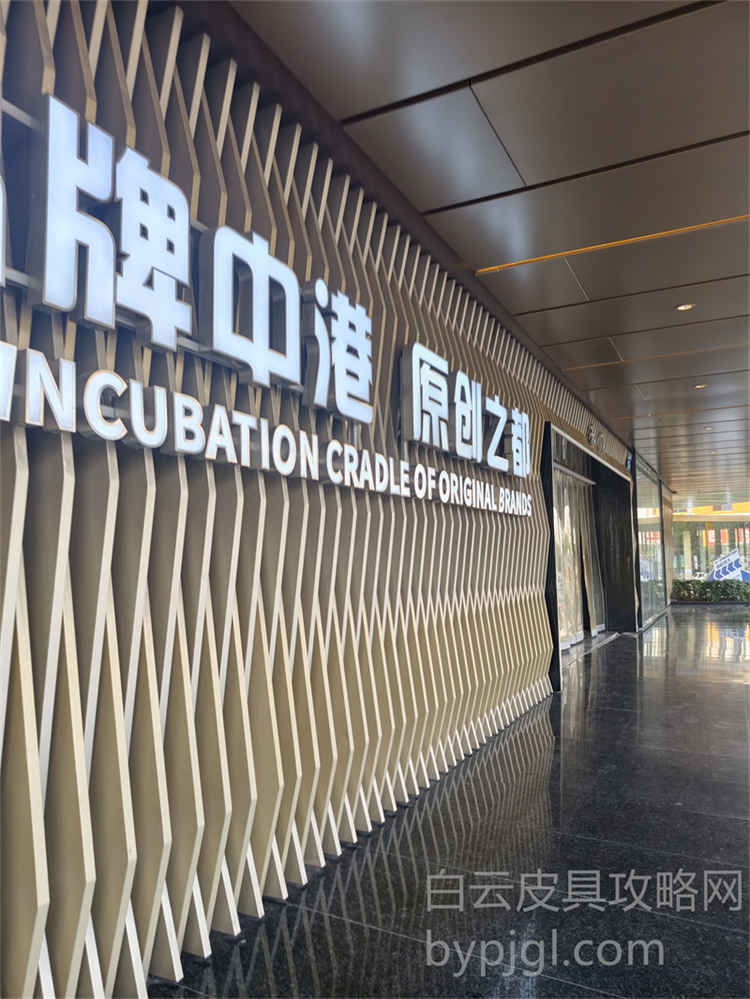
The real secret isn't a specific shop name; it's knowing which floor to avoid and which hallway to take. Most people think "Guangzhou Baiyun" means one building. It doesn't. It's a sprawling ecosystem of ten major markets, each with its own DNA. When you ask for "top quality leather goods," you need to stop looking at the glossy brochures and start looking at the stitching on the inside lining. That is where the truth lives.
Navigating the Real Markets: Beyond the Front Door
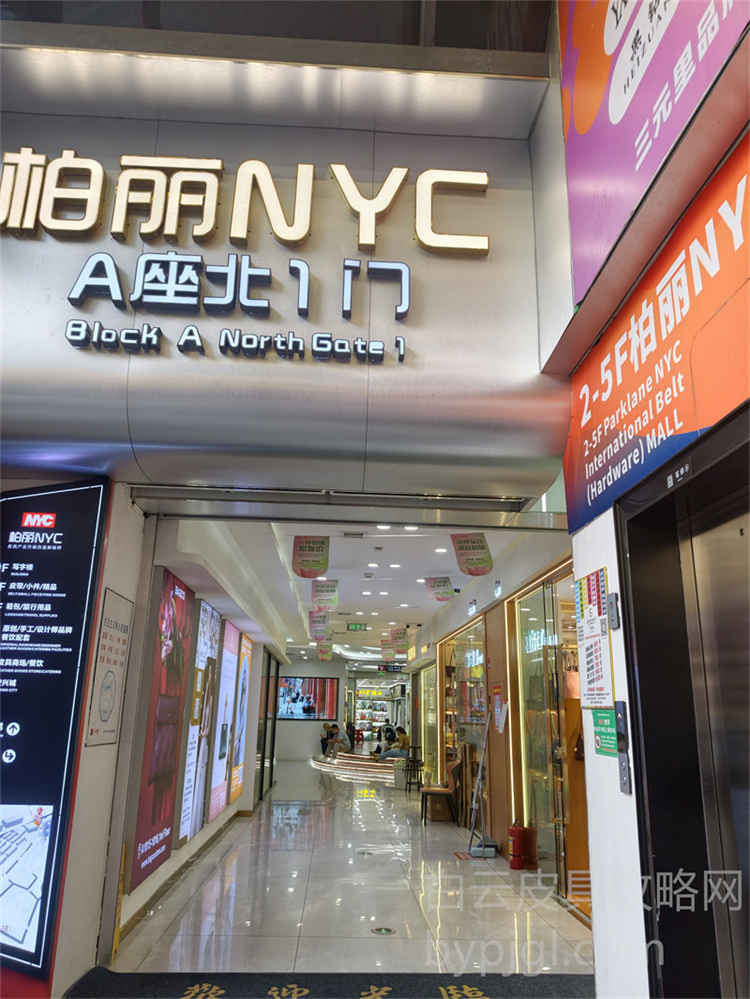
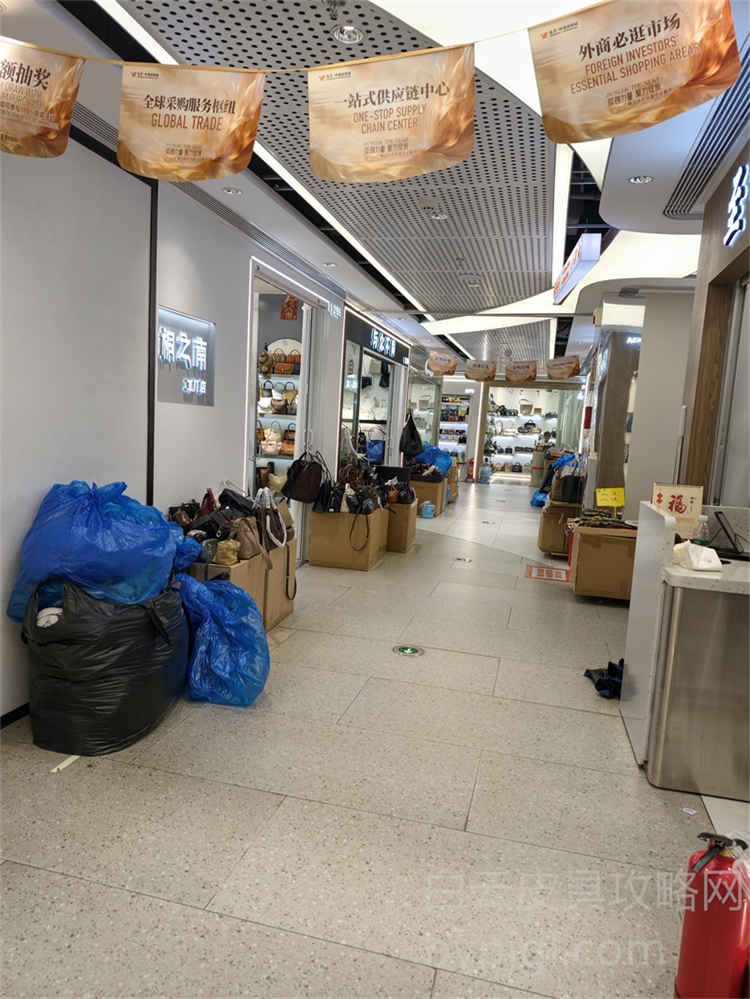
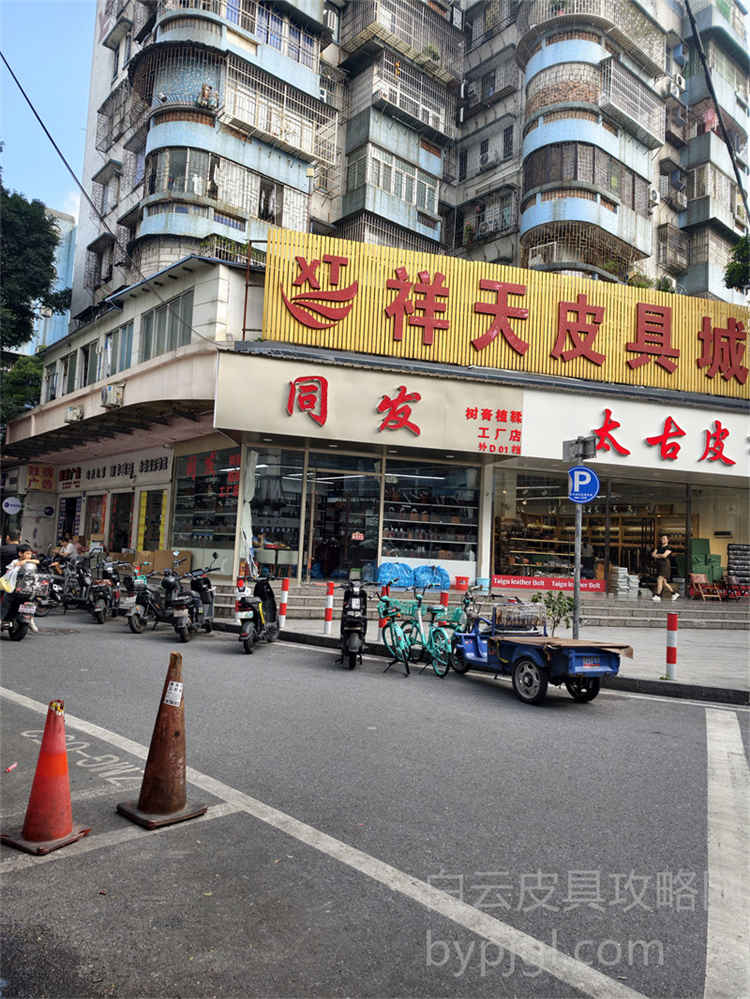
Let's cut through the noise. You will hear about "Baiyun Leather City" as the holy grail. Yes, it is famous, but if you go there expecting to find the absolute highest grade without paying wholesale prices, you will be disappointed. The front rows of Baiyun Leather City are filled with retail markup and tourist traps. The real action happens in the back corridors and the newer buildings nearby.
The Hidden Gems: Zhongda and Yide Road
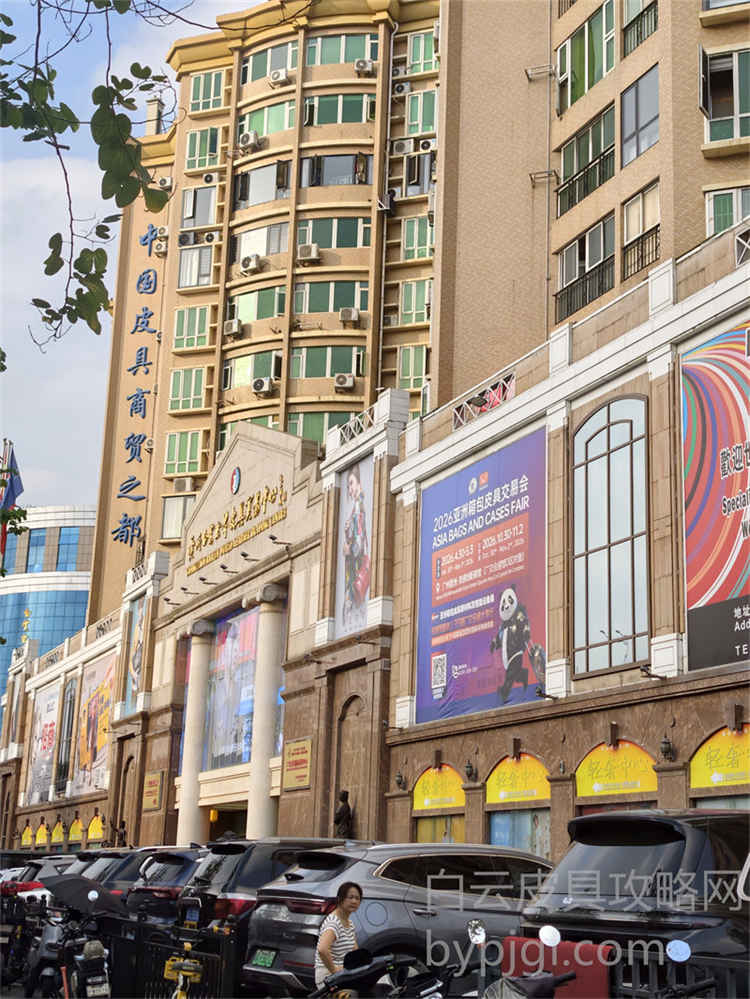
Here is my first piece of advice: skip the main entrance of Baiyun Leather City unless you want to pay double. Go straight to the Zhongda International Trade Center. This place is where the serious buyers come. It is less flashy than Baiyun, but the quality control is stricter. I have seen factories here that supply the top European brands, and they don't put their logos on the door.
Then, head over to the Yide Road Market. This is the hub for the ultra-high-end replicas that are indistinguishable from the originals. If you are looking for "1:1" quality, this is your destination. But be warned: the vendors here are not friendly to casual browsers. They only talk business. If you walk in asking for "cheap stuff," they will ignore you. You need to speak the language of volume.
The Specifics: Where to Stand and What to Ask
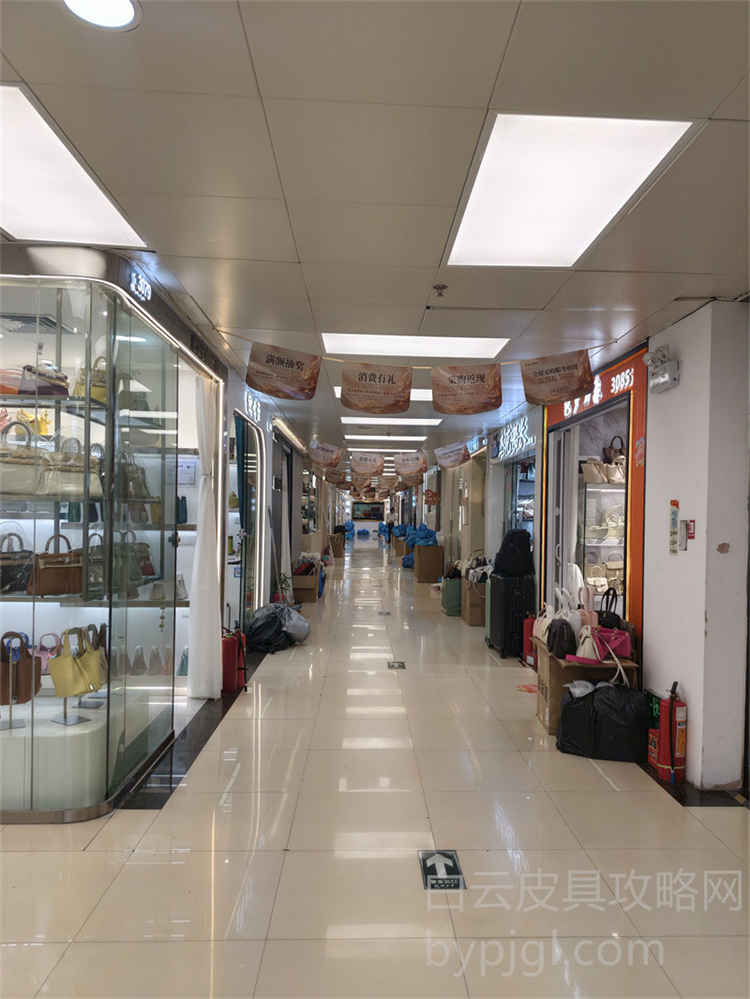
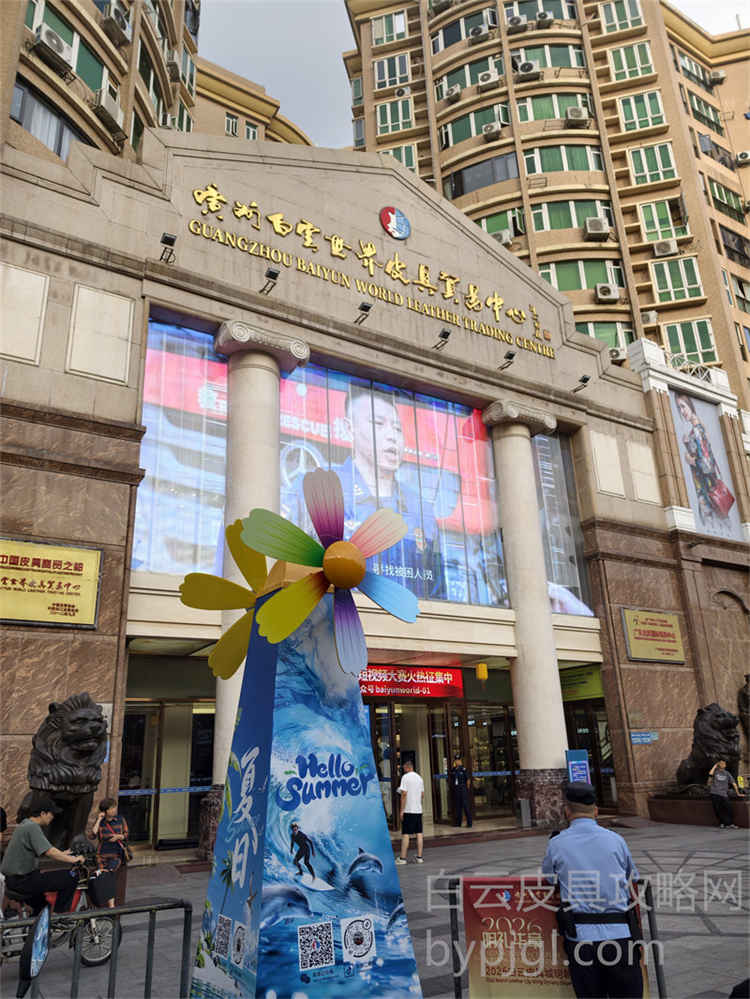
Let's get concrete. In the Baiyun World Trade Center, specifically on the 4th floor, there is a cluster of shops known for using imported Italian calfskin. One specific stall, often referred to locally as "Shop 408" (though names change, the location remains), has been around for a decade. They don't advertise online. They rely on word-of-mouth. If you ask for their "A-grade" line, they will show you bags made from Togo leather sourced directly from France.
In contrast, the stalls on the ground floor of Qianxi Plaza are notorious for "fake high quality." They use PU leather that looks good from three feet away but peels after a week. I have seen buyers lose thousands because they didn't check the grain depth. My rule is simple: touch the bag. If it feels like sandpaper, walk away. If it feels like butter, you might be onto something.
The Art of Inspection: How I Verify Quality Before You Pay
When I was younger, I used to trust the photos sent by suppliers. Now, I know better. Photos can be edited, lighting can be manipulated, and angles can hide flaws. Here is how I inspect a bag before I even consider negotiating a price.
The Stitching Test
This is the easiest way to spot a fake. High-end bags use a specific type of thread, usually waxed linen or high-tenacity nylon. The stitch count per inch should be consistent. In the Shengli Building, I once found a vendor claiming their bags were "top tier." I pulled a loose thread on the handle attachment. There were 12 stitches per inch. A genuine luxury bag would have 14 to 16. The difference seems small, but it affects durability. I walked out immediately.
The Hardware Check
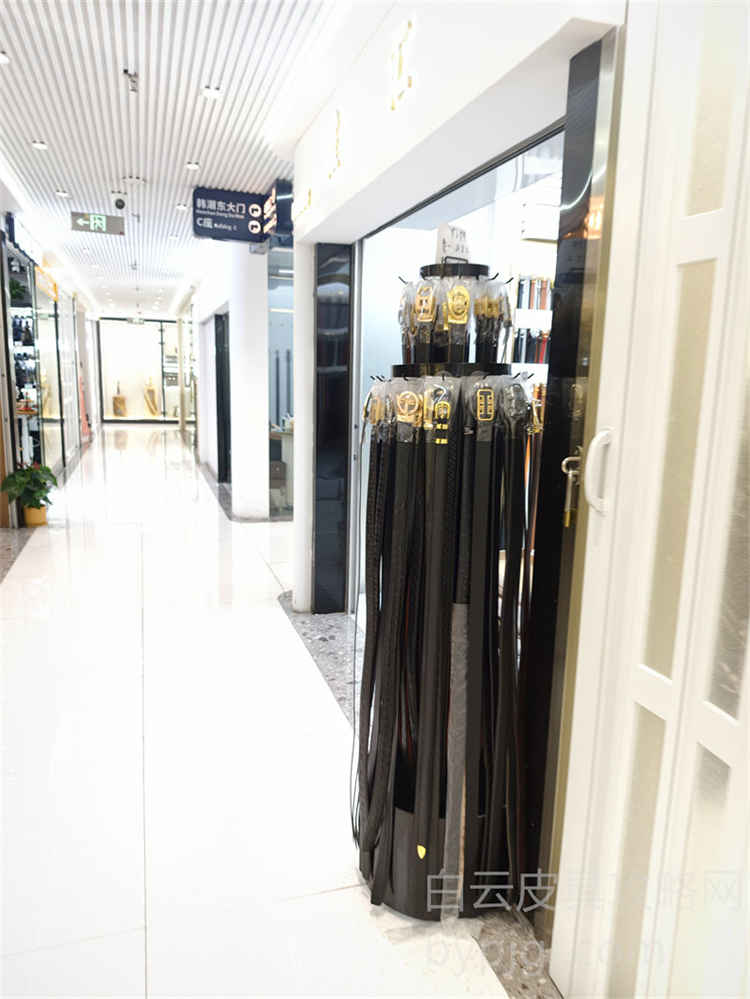
Hardware tells the story. Cheap zippers make a rattling sound. Good hardware, like those from Riri or Lampo, slides silently. In the Yide Road market, I saw a vendor selling bags with "custom" hardware that was actually just stamped brass. The weight felt light. Real gold-plated hardware has substance. I always carry a small magnet in my pocket. If the zipper pull sticks to it, it's base metal, not brass. Simple, effective, and saves you from buying junk.
Negotiation and Logistics: Getting Your Goods Home
once you find the right stall, the negotiation begins. Do not try to haggle like a street vendor. These are professional businesses. They respect volume, not pennies. If you are buying five bags, you get a discount. If you are buying fifty, you get the factory price. I have seen buyers waste hours arguing over $5 per bag when they could have saved $50 by simply increasing their order quantity.
The Shipping Reality
Many overseas buyers worry about shipping. Let me assure you, the logistics in Guangzhou are world-class. Every major market has a dedicated freight forwarder. For the Baiyun Leather City area, there are agents who specialize in air freight to the US and Europe. They handle customs clearance, though you must declare the value correctly. I recommend using a third-party agent rather than the seller's courier. It gives you more control over tracking and insurance.
Avoiding the Scams
There is one scam I see every day: the "sample fee" trap. Some vendors will charge you a high fee for a sample, promising to refund it upon bulk order. Then, when you pay, they disappear or send a different product. Never pay a sample fee upfront unless you have verified their identity. Use Alipay or WeChat Pay with buyer protection. If they insist on bank transfer only, run. I lost a client last year to a vendor in the Shengli Building who took a deposit and never shipped. The lesson? Trust, but verify.
Summary: Your Action Plan for Guangzhou Sourcing
To wrap this up, sourcing from Guangzhou is not about finding a magic shop. It is about understanding the layers of the market. Here is a quick reference guide based on my experience:
| Market Name | Best For | Quality Tier | Key Tip |
|---|---|---|---|
| Baiyun Leather City | Mid-range to High-end | Mixed | Avoid ground floor; go to upper levels. |
| Zhongda International | High-quality leather | High | Look for Italian leather specialists. |
| Yide Road Market | Ultra-high-end replicas | Very High | Speak volume, not retail prices. |
| Qianxi Plaza | Low-cost fashion | Low | Avoid for premium sourcing. |
If you follow these steps, you will bypass the tourists and the middlemen. You will stand in the same aisle as the local wholesalers, inspect the leather with your own hands, and negotiate like a pro. The "top tier"货源 (source) is not a place; it is a skill. And now, you have the map.