Why Guangzhou is the Real Heartbeat of Global Fabric Bag Sourcing
Listen, I've been standing behind my counter in the Baiyun district for over two decades. While the internet tells you everything about "online wholesale," nothing beats the smell of fresh leather, the hum of the air conditioning, and the sheer chaos of a real market floor. If you are looking to source cotton canvas bags, you need to stop scrolling through generic directories and come here. This isn't just about buying a product; it's about building a relationship with the people who actually stitch your inventory together.
Many overseas buyers think they can find high-quality fabric goods easily online, but the truth is, the best deals and the most flexible customization happen face-to-face. When you walk into the Baiyun area, you aren't just entering a mall; you are stepping into a massive ecosystem where raw materials meet finished goods. The concentration of suppliers here is unmatched anywhere else in the world. You will see trucks loading up at 6 AM and stalls staying open until midnight. That energy is what drives the prices down and the quality up.
Navigating the Market: Where to Find Cotton Canvas Specialists
The Hidden Gems Beyond the Main Atrium
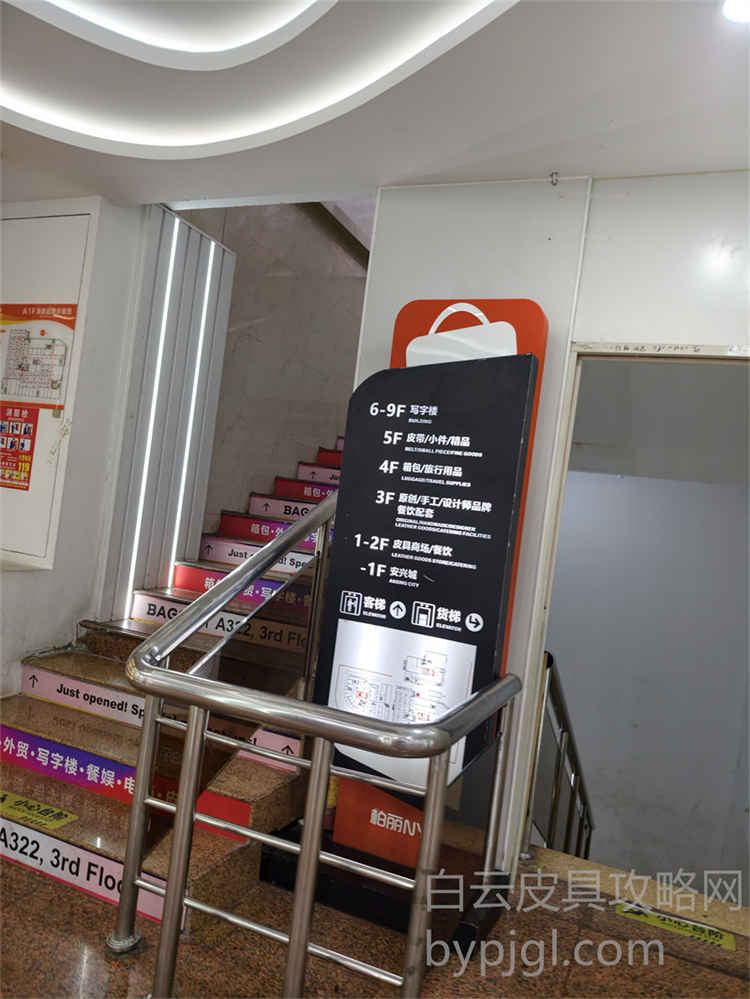
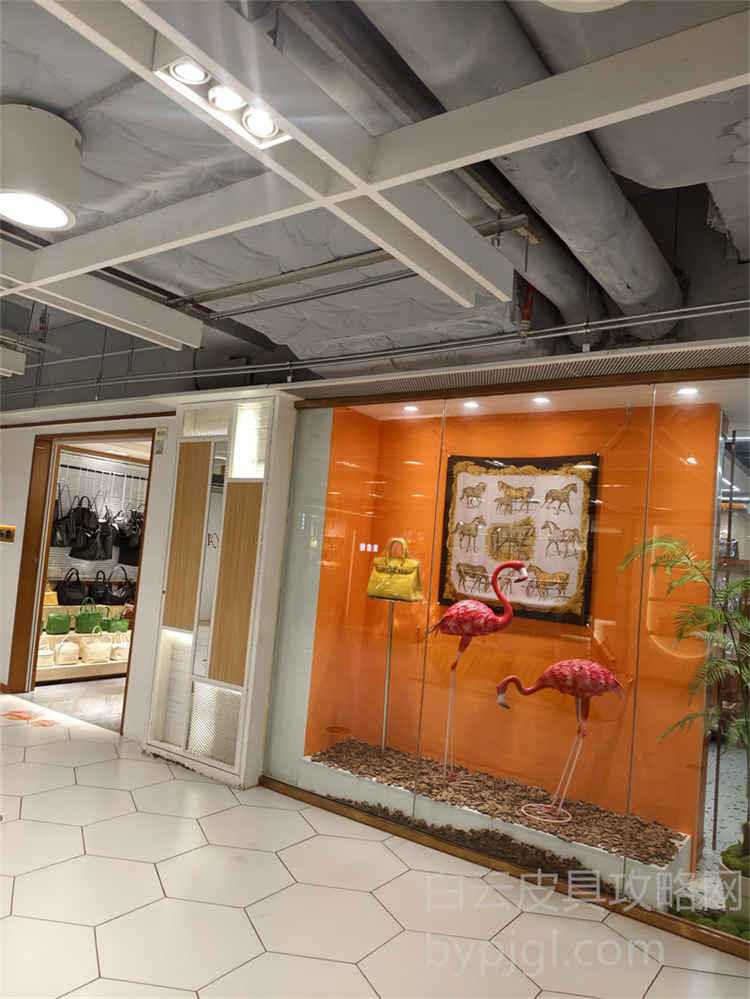
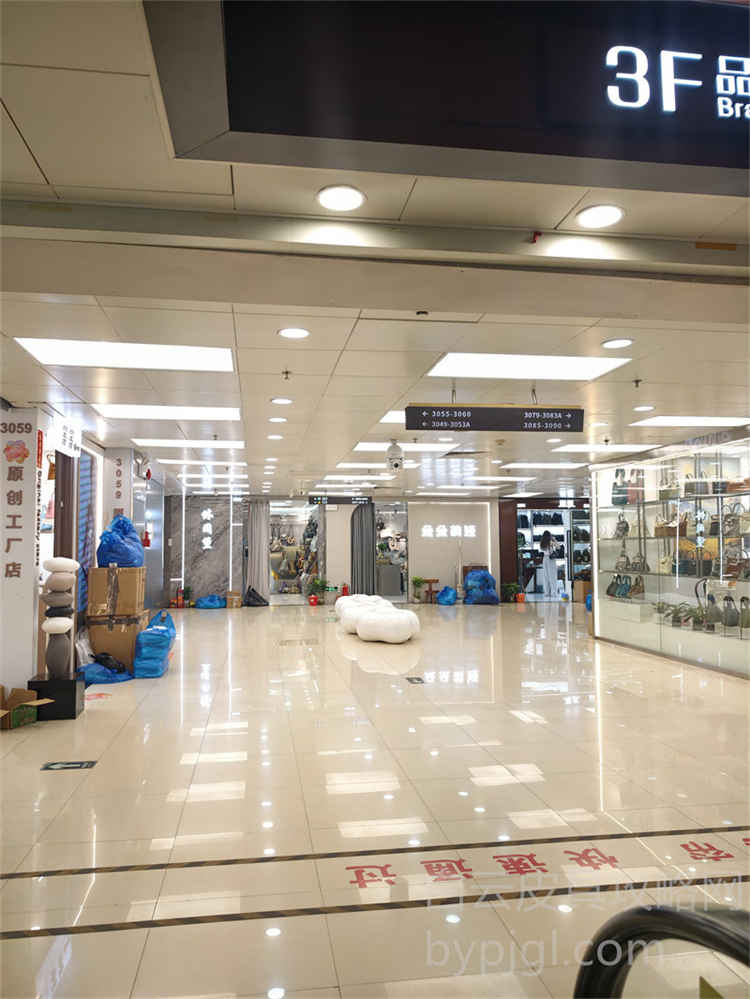
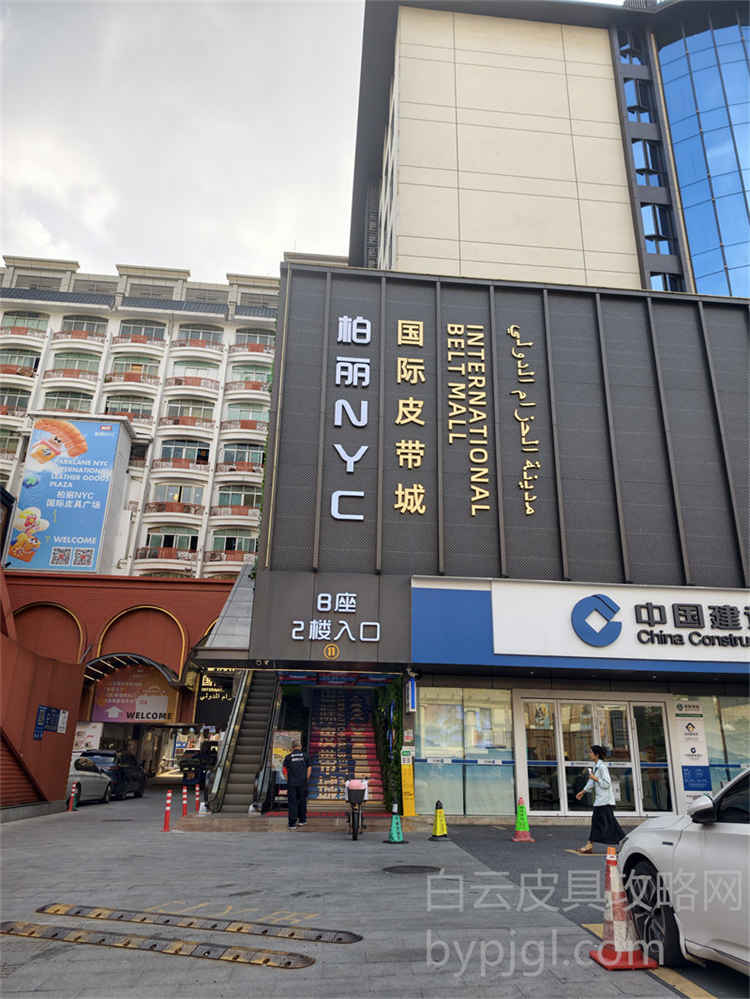
When you first arrive at the famous Baiyun Leather City, you might feel overwhelmed. It is huge, and yes, it is known globally for leather goods, but do not let that fool you. The cotton canvas section is often tucked away in specific wings or on the upper floors where the heavy-duty machinery is humming. Many new visitors get stuck in the ground-floor showrooms selling expensive synthetic leathers. My advice? Skip the flashy displays. Walk past the mannequins dressed in luxury styles and head towards the back corridors.
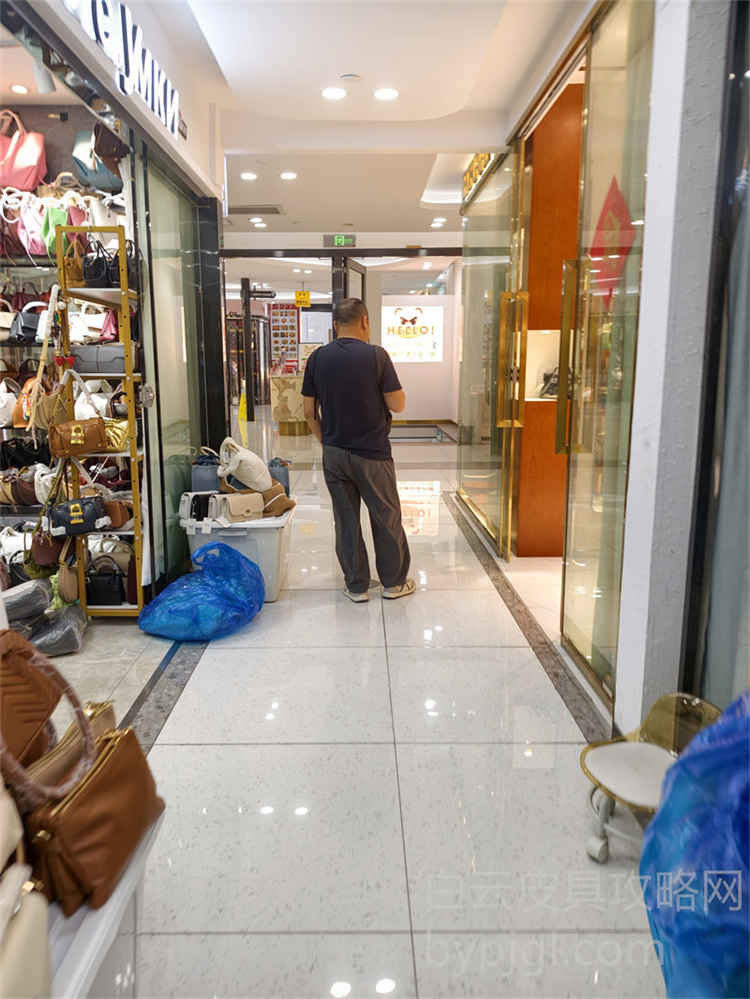
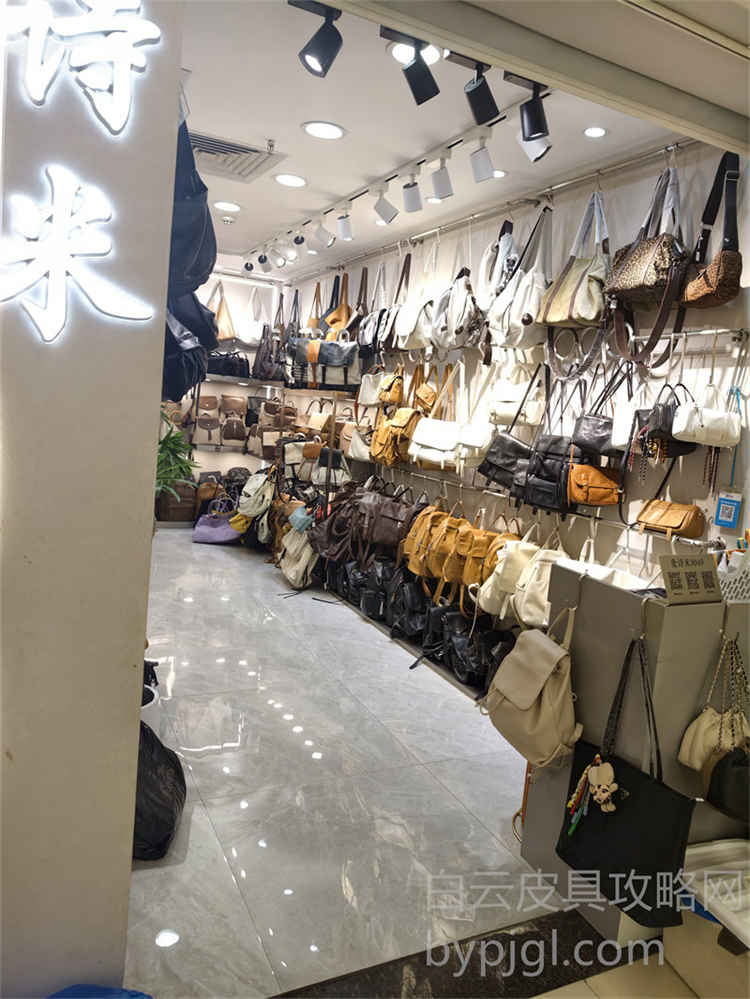
You will notice a shift in the atmosphere. The lighting becomes more functional, and the tables are covered in stacks of colorful fabric rolls rather than polished handbags. These are the fabric bag specialists. They don't care about brand names; they care about thread count, stitching density, and zipper durability. Look for stalls that have samples hanging on racks right next to their sewing machines. If a vendor has a machine running while you are talking to them, that is a green light. It means they are active, they are producing, and they can handle rush orders.
Distinguishing Between Trading Companies and Factories
One of the biggest mistakes I see foreign buyers make is confusing trading companies with actual workshops. In the Baiyun market, there are many middlemen who rent a small corner, take photos from other factories, and sell them as their own. They look professional, but they add a layer of cost you don't need. To find the real deal, ask to see the production floor. A genuine factory owner will be proud to show you the cutting room or the assembly line. They will point out the different types of canvas they use—duck cloth, duck canvas, or heavy-duty twill—and explain the difference in weight per square meter.
If they hesitate or say, "The factory is far away," politely move on. The best vendors in this district operate on a model where the showroom and the workshop are connected. They want you to see how the handles are reinforced and how the lining is sewn. Trust me, seeing the process builds trust faster than any contract ever could. once you find a stall that feels authentic, you will notice they offer better pricing because they cut out the middleman.
The Art of Selection: Inspecting Quality Before You Commit
Touching the Material and Checking the Stitch
When you are holding a sample bag, do not just look at the outside. Turn it inside out. The quality of a cotton canvas bag lives in its seams. Pull on the corners gently. If the stitching gives way or the thread looks thin, walk away. In Guangzhou, we talk about "double stitching" or "bar-tacking" at stress points like the handle attachment. Ask the vendor specifically about the thread type. Are they using polyester or nylon? Polyester holds color better, which is crucial if you plan to print logos on the bags.
Also, check the hardware. Even though the body is fabric, the zippers and buckles determine the lifespan of the bag. Cheap plastic zippers break after a few months. I always recommend asking for metal zippers or high-grade YKK alternatives. Run your fingers along the edges of the bag. Is the binding tight? Does the fabric fray? A good vendor will know exactly how much fabric shrinkage occurs after washing and will account for that in their pattern making. This level of detail separates the amateurs from the pros.
Customization and MOQ Flexibility
Here is a secret that online platforms won't tell you: flexibility is king in Baiyun. Most international brands struggle with Minimum Order Quantities (MOQs) when starting out. Here, if you build a rapport, you can negotiate lower MOQs. Maybe you want 500 bags instead of 1,000. Or perhaps you want a custom logo printed on the side pocket. The local workshops are used to handling these requests daily. They have screens ready for screen printing and embroidery machines waiting for your design files.
However, be clear about your expectations. Bring your own swatches if you have a specific shade of beige or navy blue in mind. The digital colors on your phone screen never match the physical fabric under the fluorescent lights of the market. Always ask for a physical color card. Discuss the lead time honestly. If you need 2,000 bags in three weeks, tell them immediately. Some stalls can rush it by adding extra shifts, while others might need six weeks. Knowing this upfront saves you from costly delays later.
Finalizing the Deal: Negotiation and Logistics
Talking Business Without the Jargon
Do not try to sound like a corporate executive. Just be direct and friendly. Start by asking about the price per unit based on quantity tiers. "How much for 500? How much for 1,000?" is a standard question here. Do not be afraid to haggle, but remember that fair pricing ensures fair quality. If a price seems too good to be true, it usually means they are using inferior canvas or skipping the reinforcement steps. I have seen too many buyers lose money because they chased the lowest number without checking the specs.
once you agree on the price, clarify the payment terms. Most vendors here accept T/T (bank transfer) or Alipay. For first-time orders, a deposit of 30% to 50% is standard, with the balance paid before shipment. Never pay 100% upfront unless you have worked with them for years. Also, discuss the packaging. Do you need individual poly bags? Custom hangtags? The vendors here are very accommodating with packaging details, which can save you a lot of hassle when you get the goods back home.
Shipping and Avoiding Common Pitfalls
Getting Your Goods Out of China Smoothly
After you sign the deal, the next step is logistics. The market area is packed with freight forwarders who specialize in shipping to Europe, North America, and Southeast Asia. They handle customs clearance, consolidation, and door-to-door delivery. Do not try to arrange shipping yourself unless you have an experienced agent. The forwarders in Baiyun know exactly how to classify cotton canvas bags to minimize duties and avoid inspection delays.
A final word of caution: always request a pre-shipment photo or video. Ask the vendor to film the finished batch, showing the labels, the stitching, and the packing process. This simple step protects you from receiving substandard goods. If something is wrong, you have proof to resolve it before the container leaves the port. Building a long-term partnership with a reliable stall in Guangzhou is the smartest investment you can make. Come here, touch the fabric, meet the makers, and watch your business grow.