Why Guangzhou Remains the Heart of Global Bag Sourcing
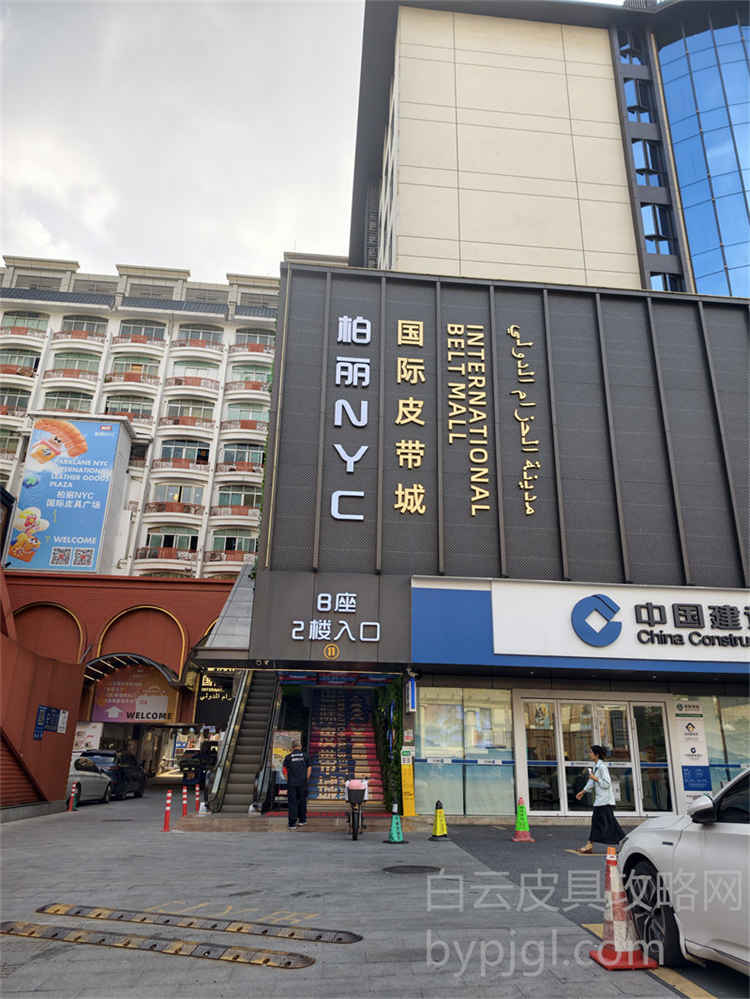
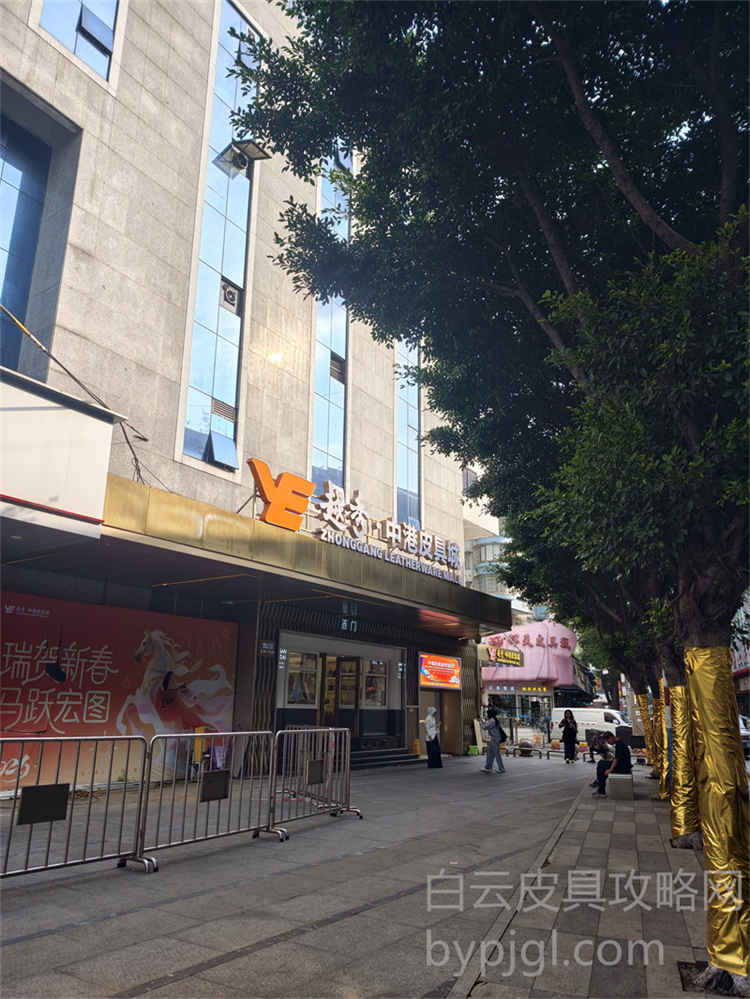
I have been standing behind my counter in the Baiyun District for over fifteen years. While the internet has changed how we talk, it hasn't changed the fundamental truth about where real leather goods come from. If you are looking to source casual bags in bulk and want to understand the pulse of this industry, you need to be here, on the ground in Guangzhou. Many overseas buyers think they can just order online and get the same deal, but that is a mistake. The magic happens when you walk through the corridors of the Baiyun Leather City, feel the texture of the leather with your own hands, and negotiate face-to-face with the factory owners.
The sheer scale of this place is overwhelming if you are not prepared. We are talking about thousands of stalls packed into massive complexes. This isn't just a market; it is an ecosystem. From the raw materials arriving at the docks to the final stitching in the workshops, everything moves fast. When I tell my regular clients to come visit, I am not just selling them a location. I am inviting them into a world where speed, quality control, and relationship building determine success. You cannot replicate the experience of seeing fifty different styles of tote bags in one afternoon without being physically present.
Navigating the Market: Where to Start Your Journey
Understanding the Layout of Baiyun Leather City
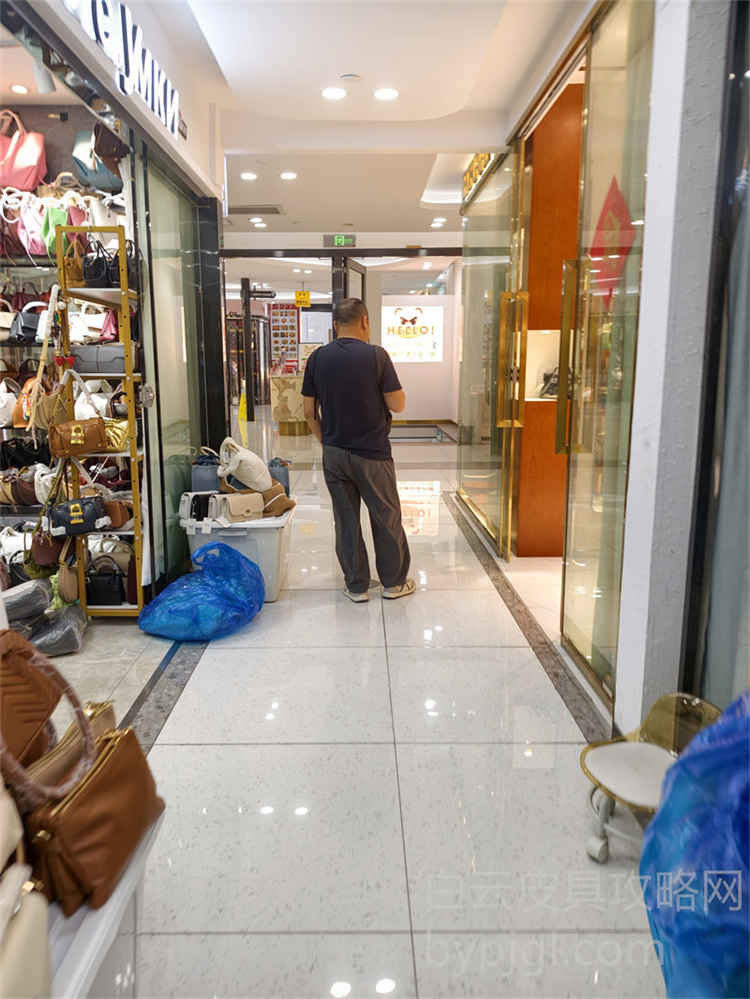
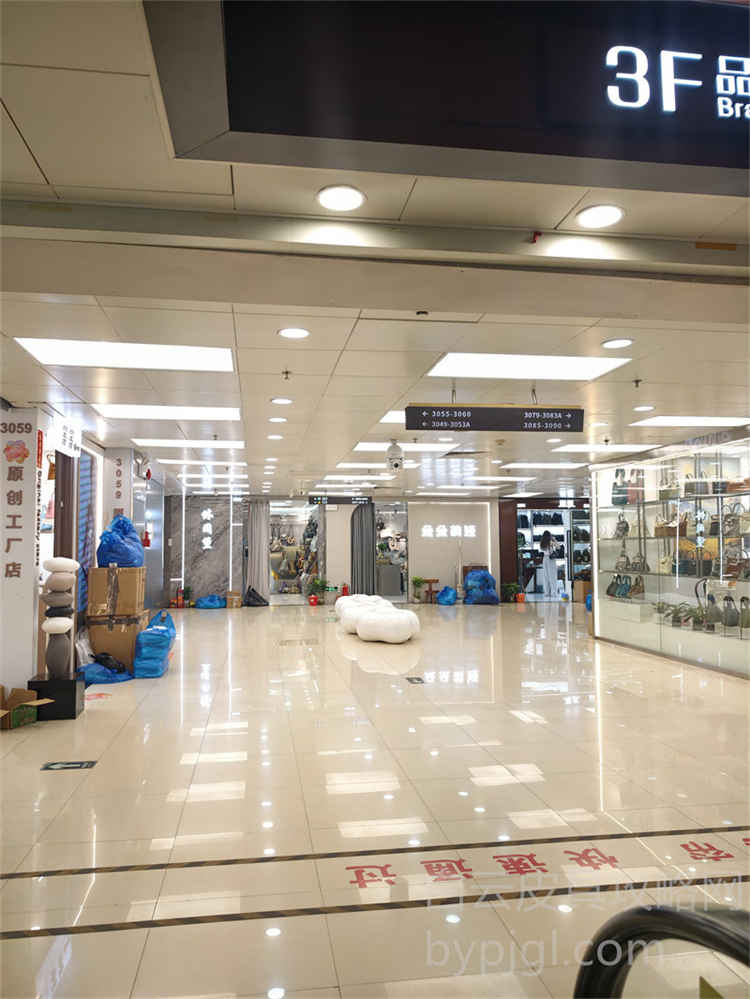
When you first step into the main complex, do not get lost in the maze. The layout is designed to funnel traffic, but the best deals are often tucked away in the older wings or the upper floors where the big showrooms are less crowded. As a local veteran, I always advise my international partners to start at the entrance of the main hall to get a sense of the flow, then head straight to the sections dedicated to casual wear and everyday accessories. These areas are filled with vendors who specialize in canvas, nylon, and soft leather—exactly what the global market demands right now.
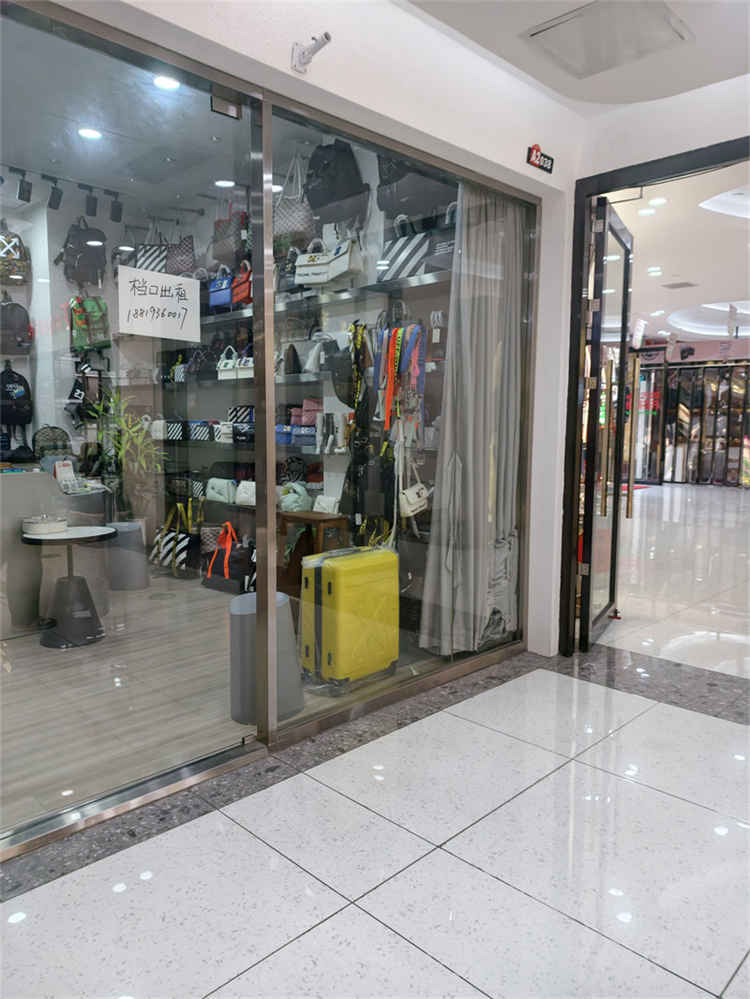
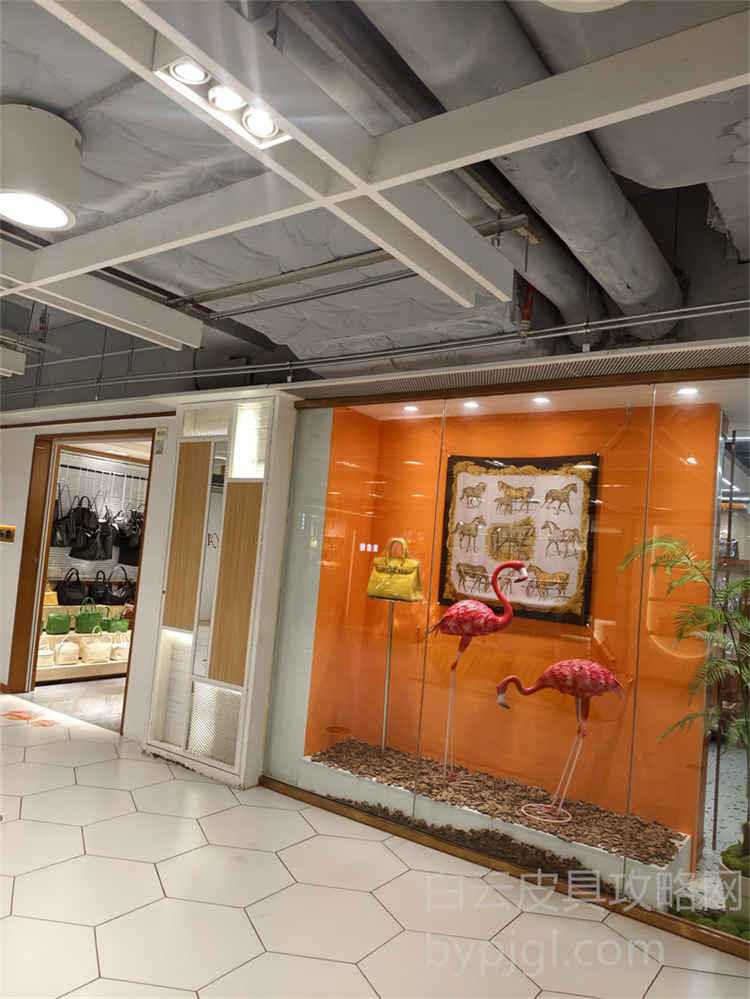
You will notice that some stalls look flashy with bright lights and expensive displays, while others are simple with stacks of boxes. Do not judge by the storefront alone. The most reliable suppliers often have the simplest setups because they spend their money on inventory and quality control, not decoration. Look for the signs of activity: piles of fabric samples, workers sewing in the back room, and phones ringing constantly. That is where the action is. Avoid the stalls that only display finished products on mannequins without showing the raw materials or the production process.
The Art of the First Meeting
Walking up to a stall can be intimidating if you do not know the etiquette. In Guangzhou, business is personal. A handshake and a smile go a long way before you even discuss prices. When you approach a vendor, be clear about your volume expectations immediately. Are you looking for a small trial order of fifty pieces, or are you planning a container load? Honesty saves time. If you say you are a startup looking for low minimums, many vendors will treat you differently than if you claim to be a major retailer. I have seen too many buyers lie about their capacity, only to find out later that the supplier was never serious about their order.
once you establish rapport, ask to see the "master sample." This is the gold standard piece that represents the highest quality the factory can produce. Compare this master sample against the bulk production items they usually ship. Often, there is a slight difference in stitching or hardware weight. By asking for the master sample, you set a benchmark. It shows the vendor that you know what you are doing and that you care about consistency. This simple move changes the dynamic of the negotiation from a sales pitch to a partnership discussion.
Selecting Products and Verifying Quality
What Makes a Casual Bag Stand Out?
In the sea of options, finding the right design requires a keen eye. Trends change quickly, but functionality remains constant. When I help my clients choose, I focus on the hardware first. Zippers should glide smoothly, buckles should snap securely, and straps should feel substantial. Cheap zippers are the number one complaint I hear from buyers after they return home. In our market, we use YKK or high-quality custom alloys. Ask to test the zipper yourself. Pull it open and closed ten times. If it sticks, walk away.
Next, examine the lining and the stitching. Good casual bags are built to last. The thread should be tight, with no loose ends, and the pattern should be symmetrical. Check the corners and stress points where the handle meets the body of the bag. These are the areas that fail first. If the stitching looks sloppy here, the rest of the bag will likely follow suit. Also, pay attention to the smell. High-quality leather and fabric have a distinct scent. If the bag smells strongly of chemicals or glue, it indicates poor ventilation during production and potentially harmful materials.
The Inspection Process Before Payment
Never pay the full amount before you have inspected the goods. This is non-negotiable. Even if you trust the vendor, human error happens. During the pre-shipment inspection, I recommend hiring a third-party agent or going personally to check a random sample from the batch. Look for color variations between batches, which is common in dye lots. Ensure the labels are attached correctly and that the packaging meets your requirements. If you are shipping to the US or Europe, customs regulations regarding labeling and materials are strict. One mistake here can lead to your entire shipment being held or destroyed.
Communication is key during this phase. Take photos and videos of any defects you find and send them directly to the vendor. Be specific. Instead of saying "the bag looks bad," say "the left strap attachment has three loose threads and the zipper pull is bent." This level of detail forces the vendor to take immediate corrective action. Most reputable factories in Baiyun will fix minor issues for free rather than risk losing a long-term client. They know that reputation is their most valuable asset in this competitive market.
Finalizing Deals and Avoiding Common Pitfalls
Negotiation Tactics That Work
Pricing in Guangzhou is flexible, but it is not a game of guessing. The initial quote is rarely the final price. To get the best deal, you need to understand the cost structure. Ask about the material costs, labor, and logistics separately. If you are ordering a large quantity, leverage that volume to negotiate a lower unit price. However, do not push so hard that the vendor cuts corners on quality. There is a fine line between a good deal and a bad product. I always tell my clients: if the price seems too good to be true, it probably is. The cheapest option often ends up costing more in returns and customer complaints.
Payment terms are another critical area. For new relationships, I suggest a 30% deposit and 70% upon completion of the inspection. This protects both parties. Never transfer 100% upfront unless you have a proven track record with that specific vendor. Use secure payment methods like bank transfers with escrow services or platforms that offer buyer protection. Avoid cash transactions or untraceable wire transfers. Keeping a paper trail is essential for resolving disputes if something goes wrong down the line.
Building Long-Term Relationships
The ultimate goal of sourcing in Guangzhou is not just to buy a few bags; it is to build a supply chain that grows with your business. Treat your vendors with respect. Remember their names, remember their families, and celebrate their successes. In China, relationships (guanxi) are everything. A vendor who likes you will prioritize your orders, alert you to new trends, and solve problems faster than someone they view as just a transaction. Visit them regularly, even when you are not placing an order. Bring small gifts from your country, share updates about your market, and keep the communication lines open.
By following these steps and immersing yourself in the reality of the Baiyun Leather City, you will gain a significant advantage over competitors who rely solely on online catalogs. The knowledge you gain from walking the floor, touching the materials, and talking to the makers is invaluable. It transforms you from a passive buyer into an informed partner. This is the secret to successful sourcing in Guangzhou, and it is a lesson I have learned the hard way over many years. Welcome to the market, and let's get to work.