
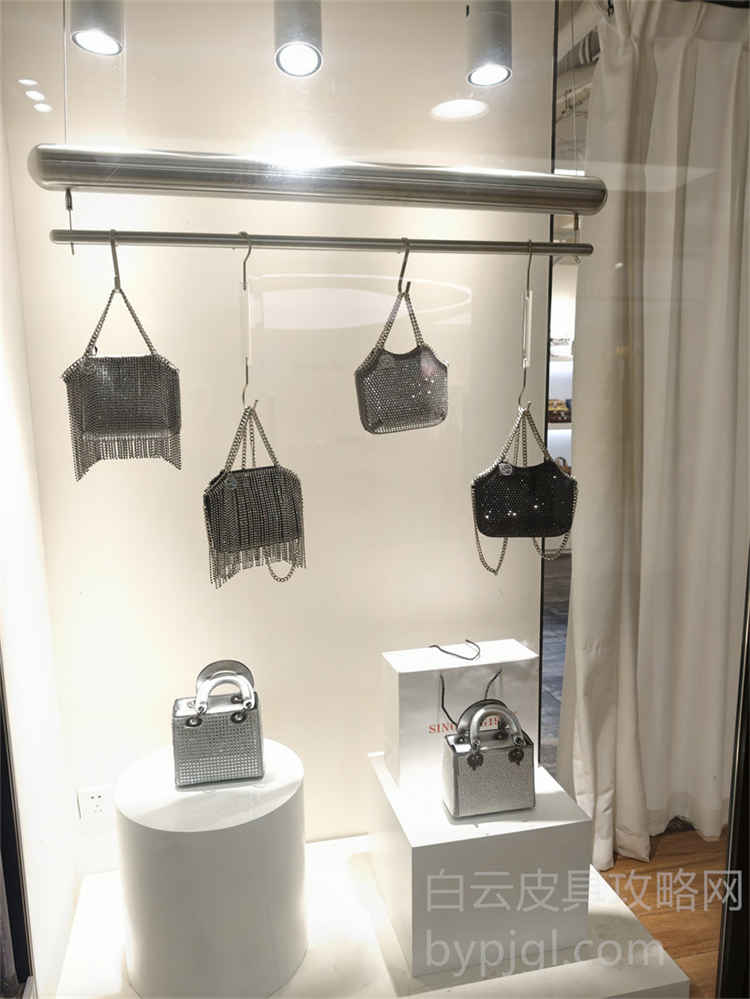
Walking the Floors: My Honest Take on Pricing in Guangzhou's Leather District
I have been standing behind this counter in Baiyun for over fifteen years. While the world outside sees a city of neon lights and high-speed trains, I see rows of concrete corridors filled with the smell of fresh leather, glue, and ambition. You are probably asking about the price tags you hear whispered in online forums or seen on social media. Let me tell you something straight from the source: there is no single "price" for these goods. If someone tells you a fixed number, they are selling you a story, not a product. The reality of pricing here is as fluid as the water in the Pearl River, shifting based on the material, the craftsmanship, and most importantly, who you are talking to.
The Myth of the Fixed Price Tag
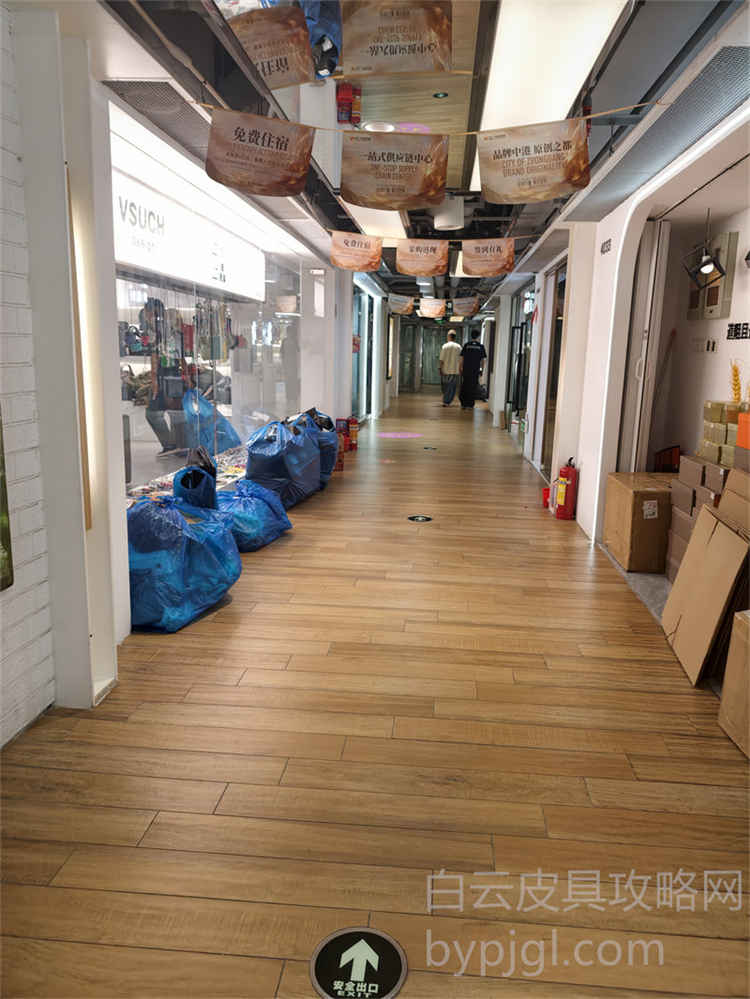
When you first step into the massive complexes like Baiyun International Trade Center, you might expect to see price lists on every wall. You won't. That is the first rule of doing business here. We do not put prices on the shelves because the cost changes daily with the raw material market. A bag that costs three hundred yuan last month might jump to four hundred if the leather supplier raises rates. Furthermore, the price depends entirely on the tier of quality you request. When I show a customer a sample, I am not showing them one thing; I am showing them a spectrum. There is the "market grade," which is decent but obvious upon close inspection, and then there is the "top tier," wher the stitching, the hardware weight, and the leather grain are so precise that even experts struggle to spot the difference without a microscope.
Navigating the Market: Wher Quality Lives
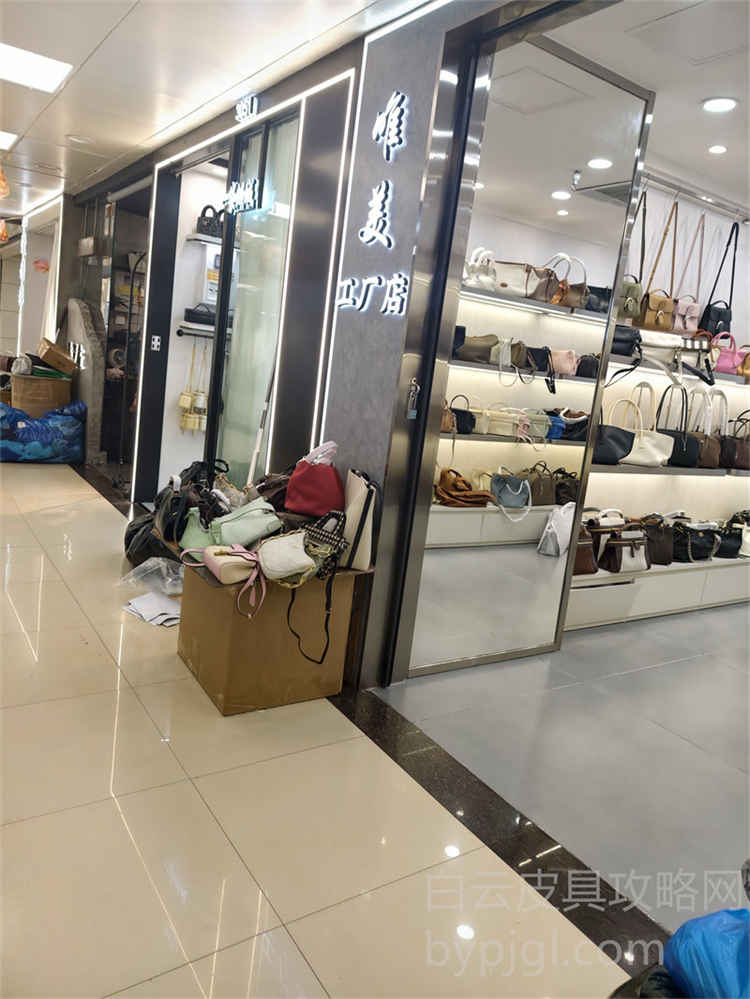
You cannot just walk into any building and expect to find the best deals. Guangzhou has dozens of markets, but if you want serious quality, you need to know wher the real manufacturers operate. Most tourists get stuck in the ground-floor shops of the older buildings, wher the goods are mass-produced and the margins are razor-thin. To find what you are looking for, you need to head to the upper floors of the newer complexes or the specialized wholesale hubs nearby. These are the places wher the factory owners keep their private showrooms.
Reading the Room at the Counter
When I sit down with a buyer, the conversation starts before we talk about money. I look at how they handle the samples. Do they pull at the zippers? Do they check the lining inside out? This tells me what level of quality they care about. If you ask for the cheapest option immediately, I will give you the cheapest option, and you will leave disappointed when it does not meet your expectations. But if you say, "I want the leather that feels like the original, with the correct weight on the metal," I know exactly which drawer to open. In our district, we call this "matching the spec." It is not about copying a logo; it is about replicating the construction standards of a specific item. The price reflects this precision.
The Art of Negotiation and Building Trust
Many overseas buyers come here thinking they can haggle for pennies. They think they can drive the price down by fifty percent. That mindset gets you nowher fast. In my experience, the best deals come from trust, not aggression. When I see a buyer who understands the value of good leather and skilled labor, I treat them differently. I stop trying to upsell them on cheap materials and start discussing the details of the build. We talk about the type of thread used, the coating on the hardware, and the durability of the stitching.
Understanding the Cost Breakdown
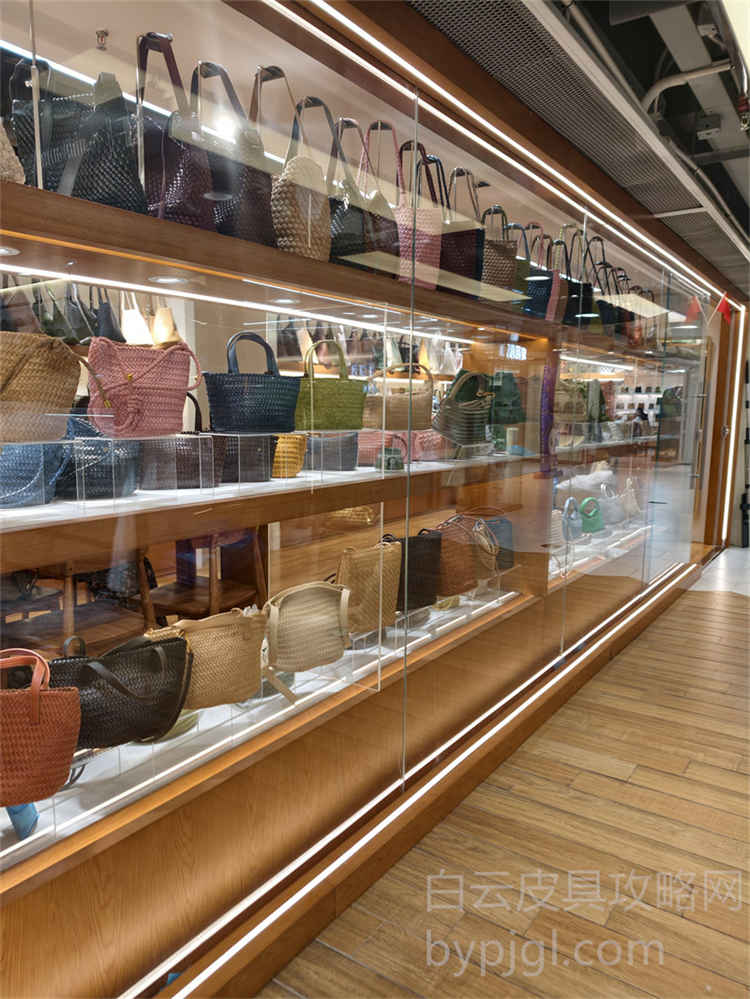
Let me break down why the price varies so much. A bag made with cowhide that has been tanned specifically for softness and durability costs significantly more than one made with synthetic blends or lower-grade hides. Then there is the hardware. Cheap zinc alloy turns green and breaks after a few months. High-quality brass or stainless steel with PVD plating lasts for years. When you pay for the top tier, you are paying for these components. I often explain to my regular clients that buying cheap once means buying twice later. In this industry, the saying "you get what you pay for" is not a cliché; it is a mathematical fact. If the price seems too good to be true, it usually means the leather is fake or the structure is weak.
Inspection and Logistics: The Final Steps
once we agree on a price and a design, the work begins. This is wher many buyers make mistakes. They assume the sample they saw is exactly what they will receive. It should be, but in a busy workshop, things can slip. That is why I insist on a final inspection before anything leaves the shop. We lay the bags out on the table, light up the flashlights, and check every seam. We check the alignment of the patterns. We weigh the hardware. If I am sending this to you, I want you to be happy, because your return business is worth more to me than a quick profit on a single order.
Shipping Without the Headache
After the inspection, we move to logistics. Getting these items out of China can seem complicated to outsiders, but we have handled thousands of shipments. We work with reliable couriers who understand how to pack fragile leather goods so they arrive without scratches or dents. Whether you are shipping to Europe, North America, or anywher else, we ensure the packaging is secure. The key is communication. Tell us your timeline, tell us your destination, and we will handle the rest. Don't let the fear of shipping stop you from getting the best products. The process is streamlined, and we have done it enough times to know exactly what works.
Why Come to Guangzhou Yourself?
There is a lot of noise online about ordering from agents or websites. While those options exist, nothing beats being here. When you stand in front of the counter, you can feel the texture of the leather. You can smell the difference between genuine hide and imitation. You can see the quality of the stitching with your own eyes. You can negotiate face-to-face and build a relationship with the person who actually makes the product. This personal connection changes everything. It transforms a transaction into a partnership. Over the years, I have seen hundreds of buyers come and go. The ones who return are the ones who took the time to understand the market, respected the craft, and built trust with the local suppliers.
If you are ready to dive deep into the world of premium leather goods, come to Baiyun. Walk the floors, talk to the people, and see for yourself why this place remains the heart of the global leather trade. The prices are fair, the quality is unmatched, and the experience is unforgettable. Just remember, the best deals are not found in the lowest prices, but in the highest value you can get for your investment.

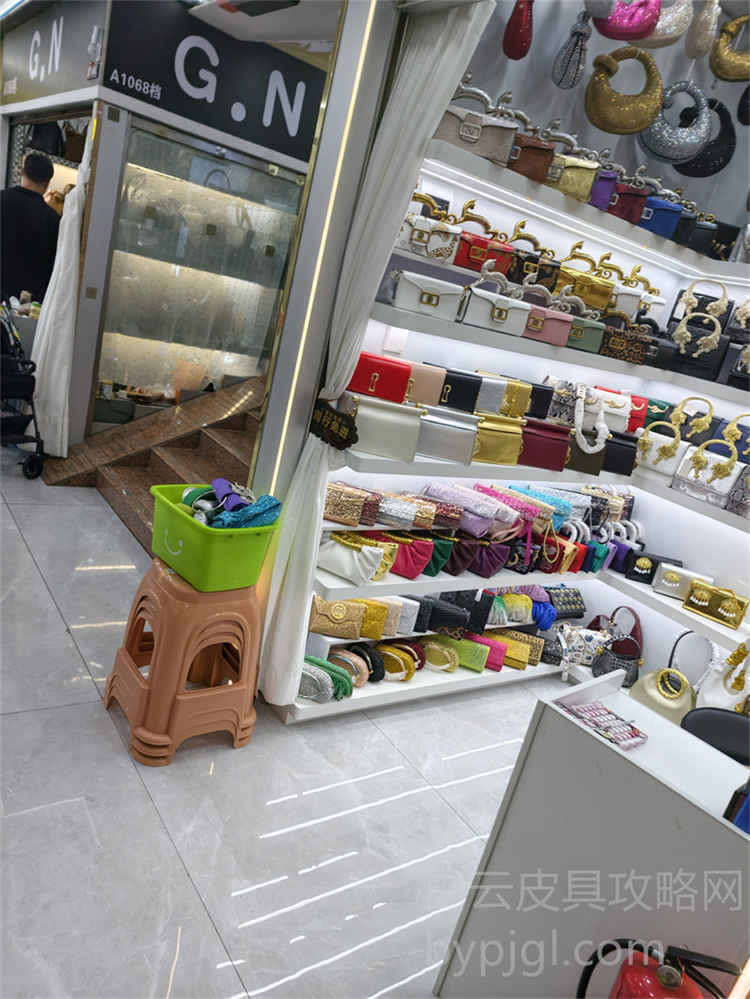
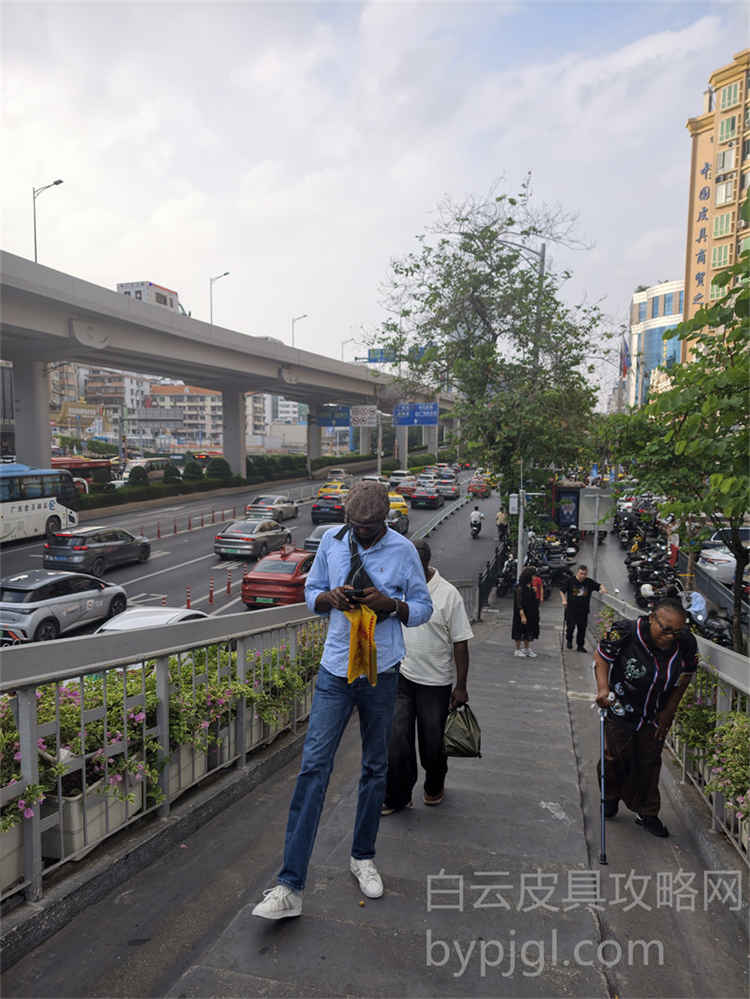
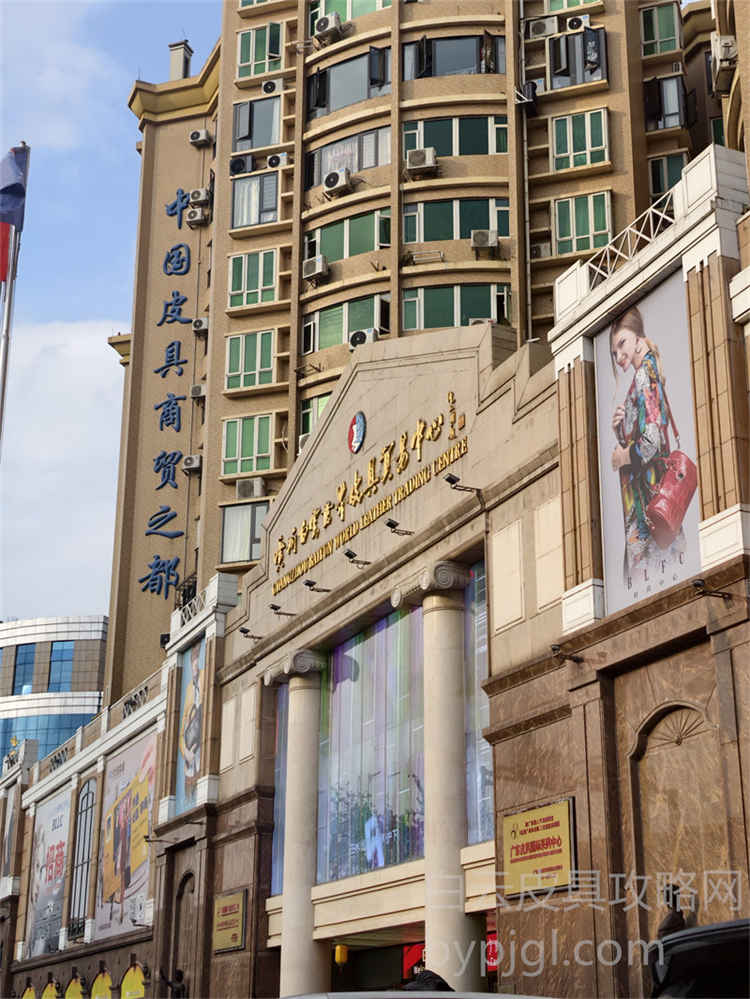
 On-site Visits
 Free Sharing
 Avoid Scams
 Updated Frequently
 For Reference Only