
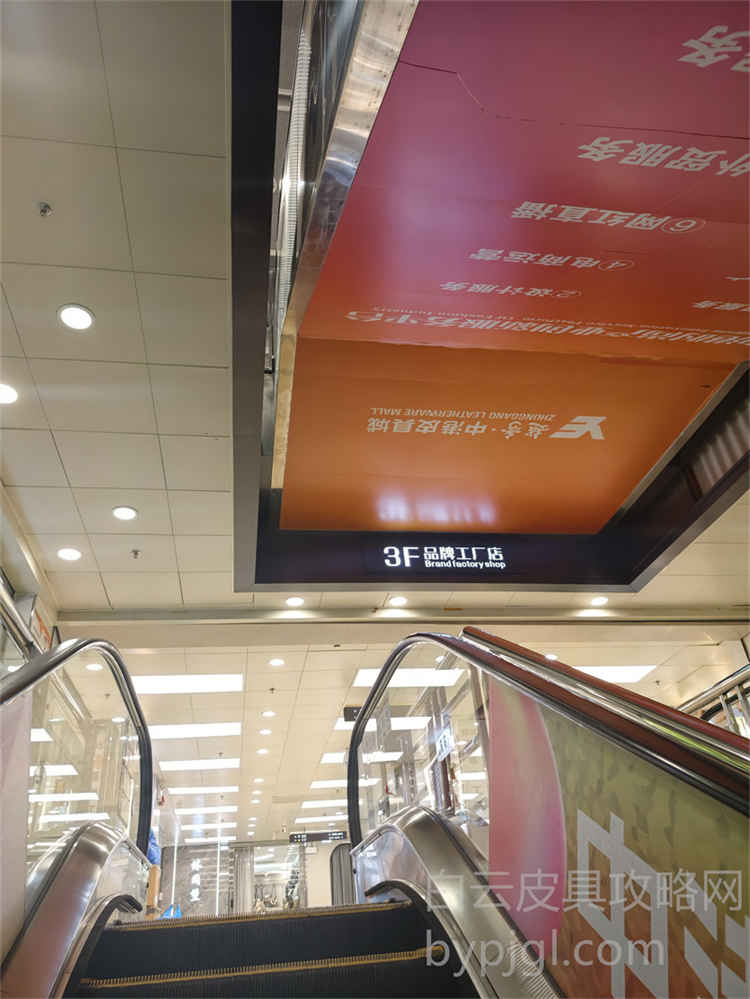
Walking the Floors: A Veteran's Guide to Sourcing in Guangzhou
Welcome to the real deal. If you are reading this, you probably already know that the internet is flooded with photos of bags that look perfect but arrive as cheap cardboard boxes. I have been standing behind my counter in the Baiyun district for over twenty years. I have seen trends come and go, from the early days of simple leather goods to today's ultra-high-end craftsmanship. My shop isn't a fancy showroom; it is a working floor wher business happens. Today, I want to share exactly how to navigate these markets without getting ripped off or wasting your time.
The First Rule: Leave Your Expectations at the Door
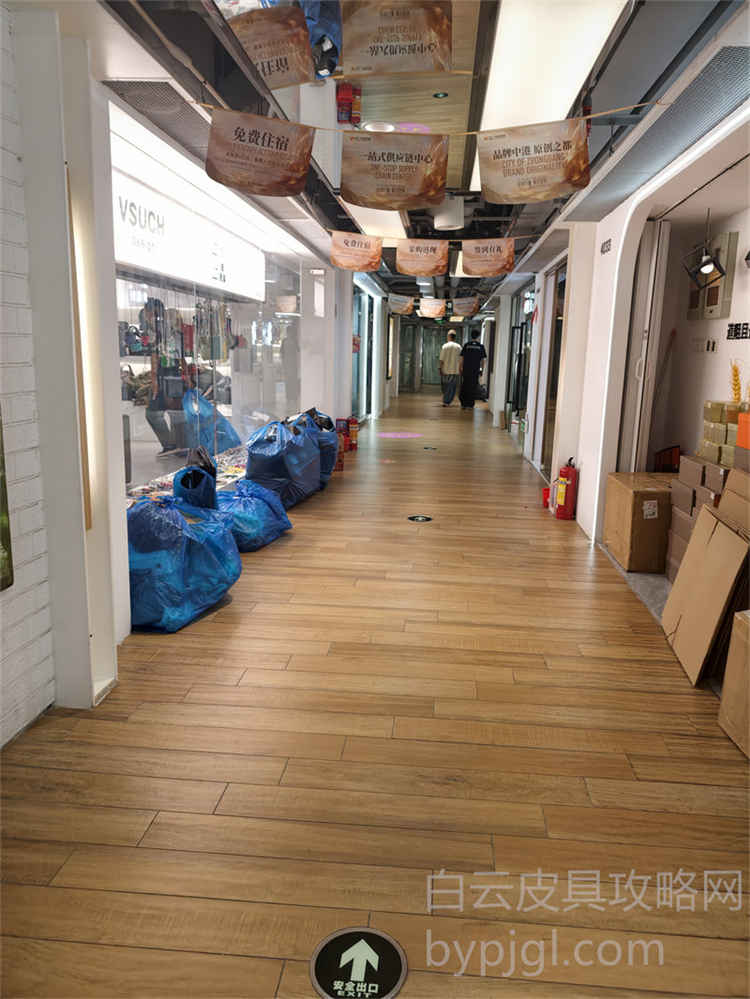
When you first step into the massive complexes here, do not expect the polished, air-conditioned luxury boutiques you see in magazines. The reality is loud, crowded, and smells like fresh leather and glue. Many tourists walk in looking for "designer names" and get confused when they cannot find them on the tags. Let me be clear: we do not sell fake branded items. We sell high-quality leather goods made by skilled artisans who understand materials and construction. If you ask for a specific famous logo, you will likely be ignored or shown the door. But if you ask about the grade of cowhide, the stitching tension, or the hardware weight, you will get a warm welcome.
Navigating the Baiyun Leather City Complex
The heart of this industry is the Baiyun area. It is not just one building; it is a sprawling network of interconnected malls. For a foreign buyer, this can feel overwhelming. The layout changes slightly every year as renovations happen, but the core logic remains the same. You need to focus on the older, established buildings rather than the flashy new ones. The newer malls often cater to domestic tourists and have higher markups. The real gems are in the older sections wher the supply chain is tightest.
Finding the Right Stall Without a Map
Do not rely on Google Maps inside the market. It rarely works well indoors. Instead, walk the perimeter first. Look for stalls that have stacks of leather rolls in the back, not just finished products on display. A stall that only shows finished bags is usually a middleman reselling from someone else. You want to find the source. When you enter a stall, ignore the mannequins in the front. Ask to see the samples in the back room. This simple action separates serious buyers from casual browsers. once you are in the back, you are talking to the person who actually knows the product.
The Art of Selecion: What to Look For
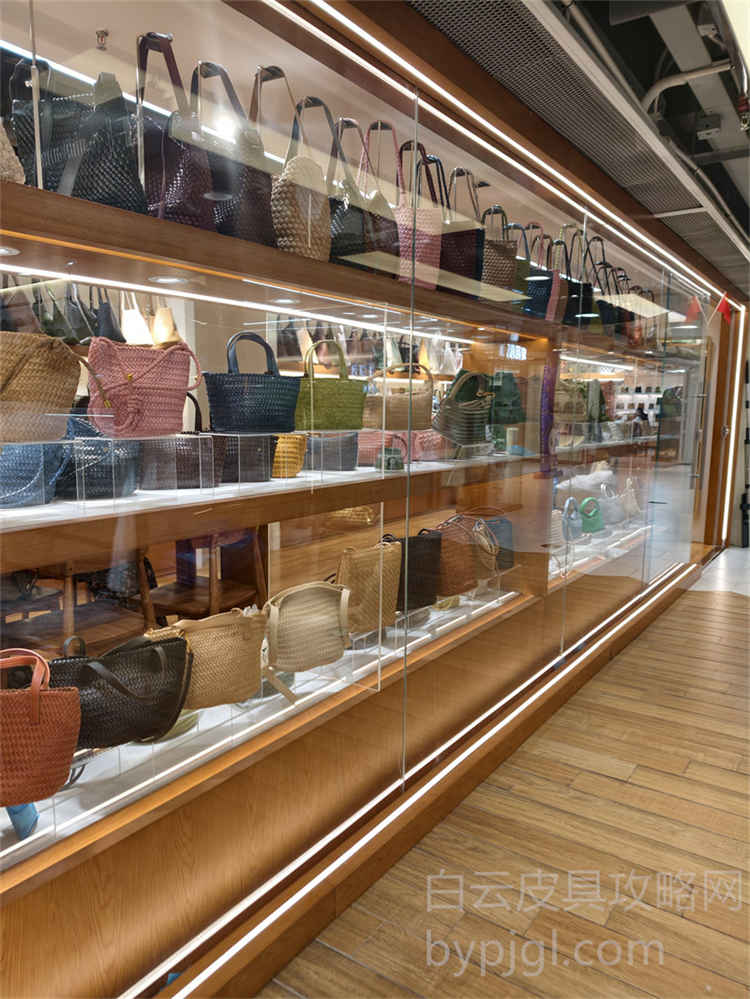
Quality is subjective, but craftsmanship is objective. When I show a bag to a repeat customer from Europe or America, I do not talk about the brand. I talk about the grain. Is the leather full-grain? Does it smell like real hide or chemicals? I run my hand over the surface to check for consistency. Then, I flip the bag over. The lining should be tight, with no loose threads hanging around. The zippers must glide smoothly without catching. These are the details that define a top-tier product.
Hardware and Stitching: The Tell-Tale Signs
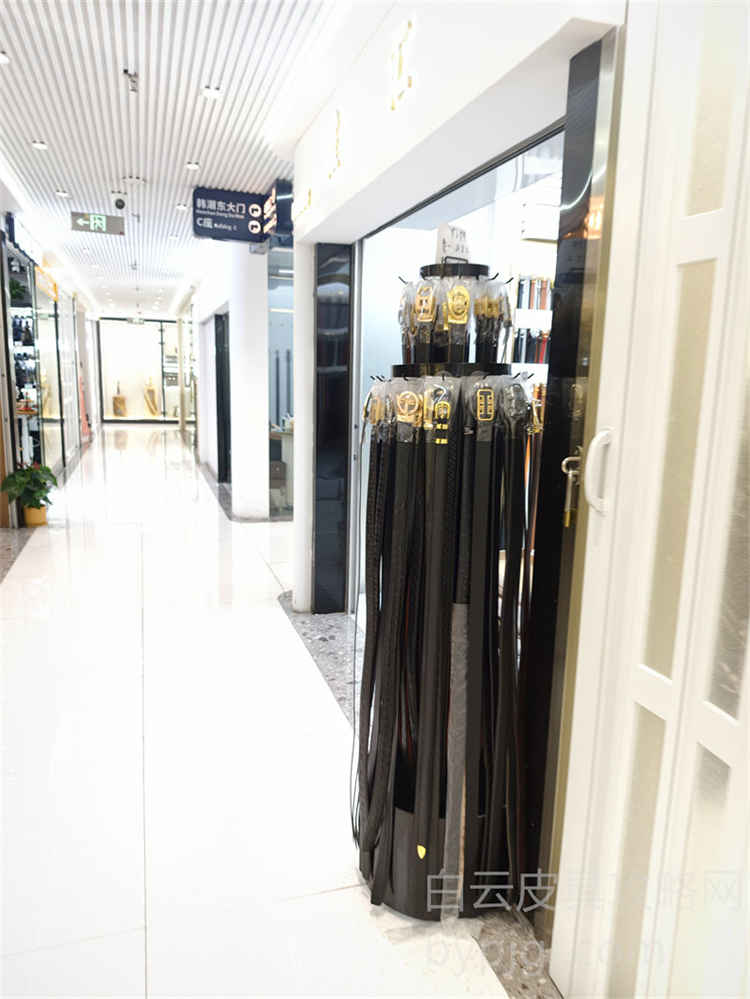
Let's talk about the metal parts. Cheap hardware feels light and hollow. High-quality hardware has weight and a solid feel. When you tap it, it should sound dull, not tinny. The plating should be even, with no bubbles or peeling edges. Now, look at the stitching. In our workshops, we use double-needle machines for durability. The stitches should be straight, evenly spaced, and consistent in color. If you see uneven spacing or thread that looks frayed, put the bag down immediately. That is a sign of a rushed production line. We pride ourselves on precision because our reputation depends on it.
Negotiation and Building Relationships
This is wher many foreigners struggle. They try to negotiate like they are buying street food. Here, negotiation is about building a long-term relationship. Do not start by haggling over fifty cents. Start by asking questions about the material sourcing and the production timeline. Show that you care about quality, not just price. once you establish trust, the prices become more reasonable. I treat my regular clients like family. I tell them when a batch is coming in, what the lead times are, and which colors are selling fast.
The Language of Business
You do not need to speak perfect Cantonese, but learning a few basic phrases helps immensely. Asking "How much?" is too blunt. Try asking about the cost per unit for a larger quantity. Mentioning that you plan to order regularly opens doors. In this market, volume matters. If you are willing to commit to a larger order, the price dros significantly. However, never promise an order you cannot fulfill. Trust is the currency here. If you say you will pay, you must pay. If you break that trust, you will never be allowed back into the wholesale section.
Inspection and Logistics: Don't Skip the Details
Before you leave the stall, inspect the goods thoroughly. Do not wait until you get home to find defects. Check every corner, every zipper pull, and every strap attachment. Take photos of the item from all angles while you are still in the shop. This serves as proof if there is any dispute later. Also, discuss shipping options carefully. Most stalls work with freight forwarders who specialize in international logistics. They can handle customs clearance and consolidation for you. Just make sure you agree on the packaging method. Bags should be stuffed with tissue paper and wrapped in dust bags to prevent crushing during transit.
Avoiding Common Pitfalls
The biggest mistake buyers make is focusing solely on the lowest price. In the leather industry, a low price often means low-grade synthetic leather or poor construction that will fall apart in months. Another pitfall is ignoring the sample process. Always request a sample before placing a bulk order. Pay for the sample; it shows you are serious. If the sample meets your standards, then move forward with the full order. Never skip this step. Finally, be wary of agents who claim to represent multiple factories. Go directly to the factory floor whenever possible. It cuts out the middleman and ensures you get the best deal.
Final Thoughts from the Floor
Sourcing in Guangzhou is an adventure. It requires patience, observation, and a willingness to learn. The market is dynamic, and the rules change, but the fundamentals of quality and honesty remain constant. If you approach these markets with respect and a keen eye for detail, you will find products that rival anything available globally. My advice is simple: take your time, walk the floors, and build relationships. The best deals are not found online; they are found face-to-face, shaking hands with the people who make the bags. Come visit us, let's talk leather, and let's build something great together.

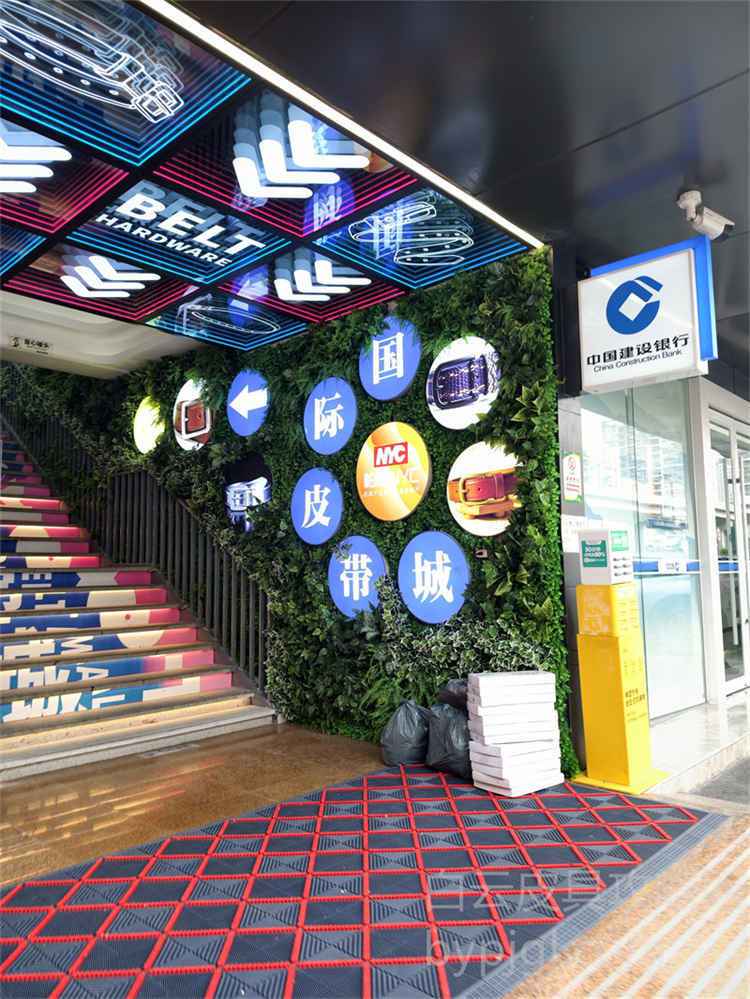

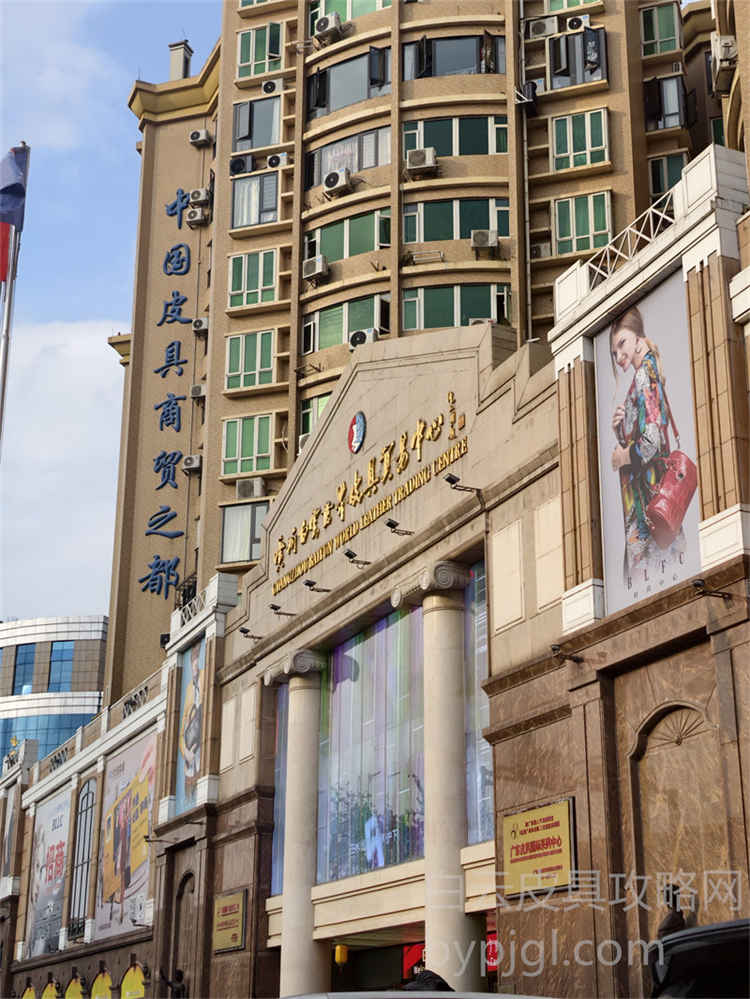
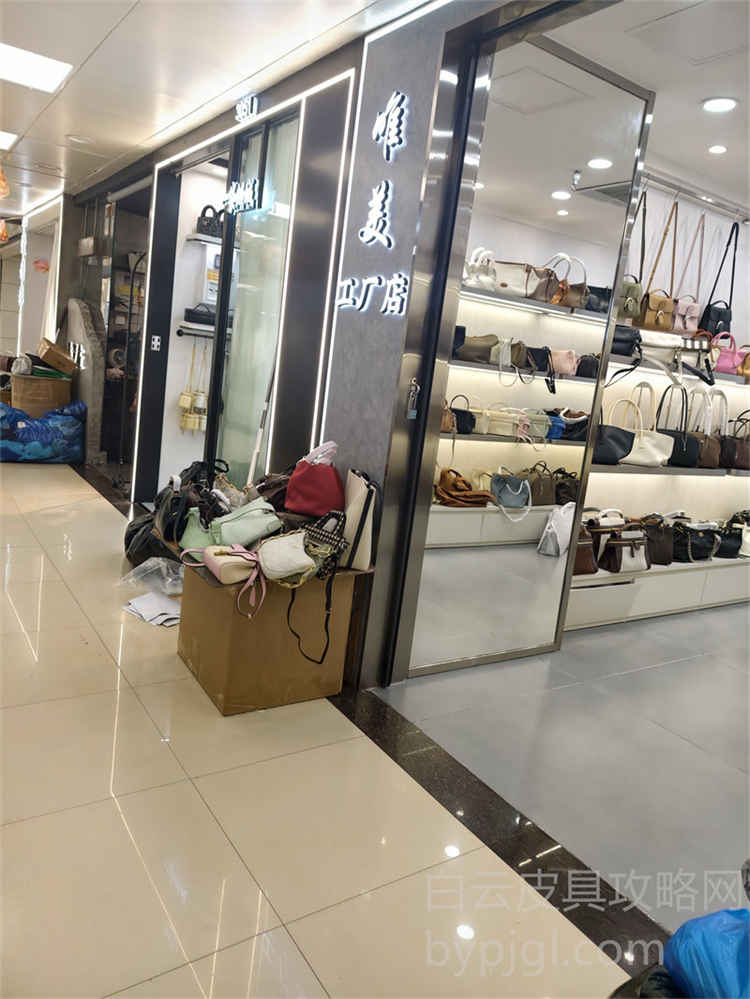
 On-site Visits
 Free Sharing
 Avoid Scams
 Updated Frequently
 For Reference Only