
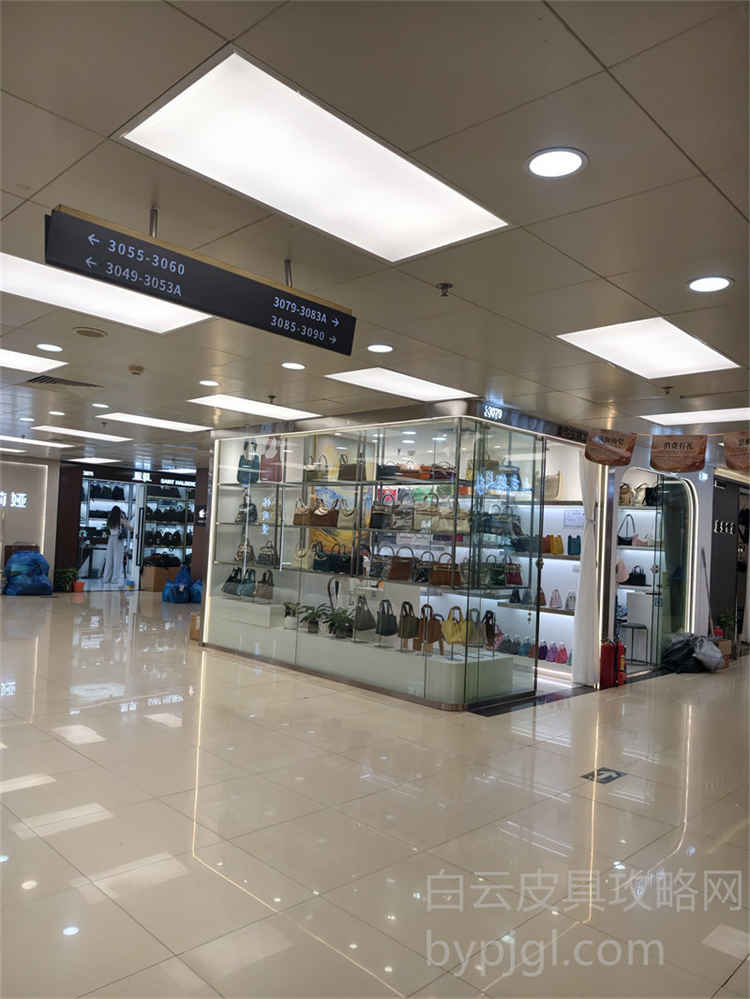
Why "Fake" Is the Wrong Word for Guangzhou's Top-Tier Leather
I've been standing behind the counter at Baiyun International Leather City since 1998. Back then, people whispered about "high quality" goods in the back rooms of shops on Huanshi Road. Today, I see tourists and online buyers asking if the top-tier replicas from Guangzhou are fake. Let me tell you something straight: calling them "fake" is like calling a Ferrari a "fast car." It misses the point entirely. In my twenty-five years of sourcing, I've seen the industry evolve from cheap knockoffs to pieces that fool even the most seasoned authenticators. When you ask if they are fake, you're really asking if the craftsmanship holds up against the original. The answer, based on my daily experience with the best factories in the district, is a resounding yes, but only if you know wher to look.
The Reality of Sourcing at Baiyun Market
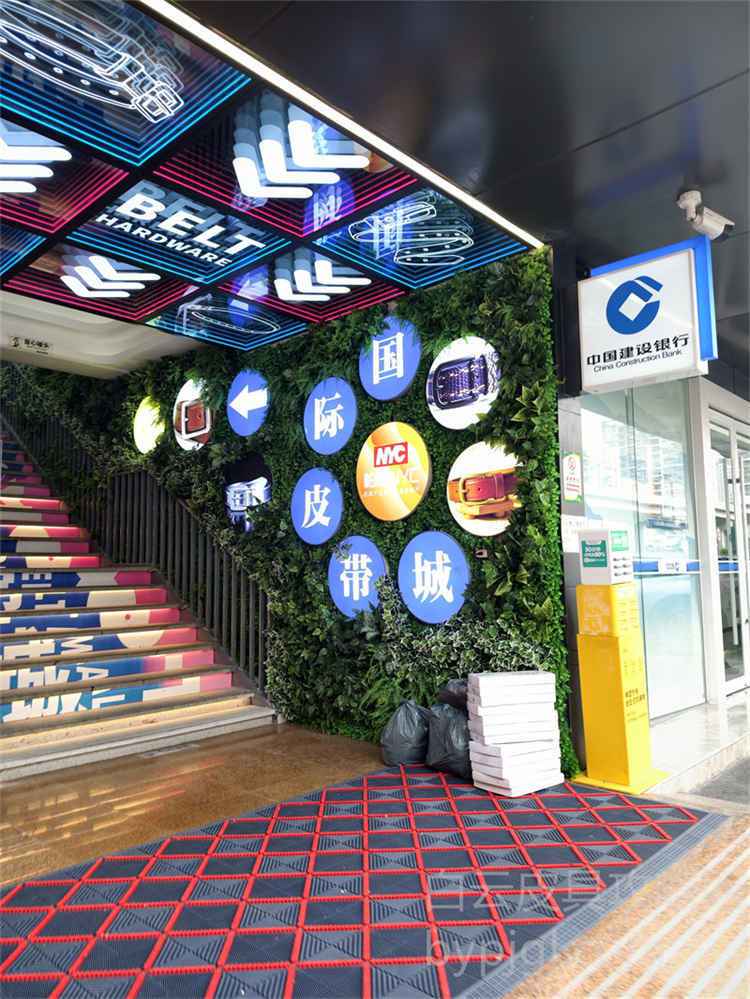
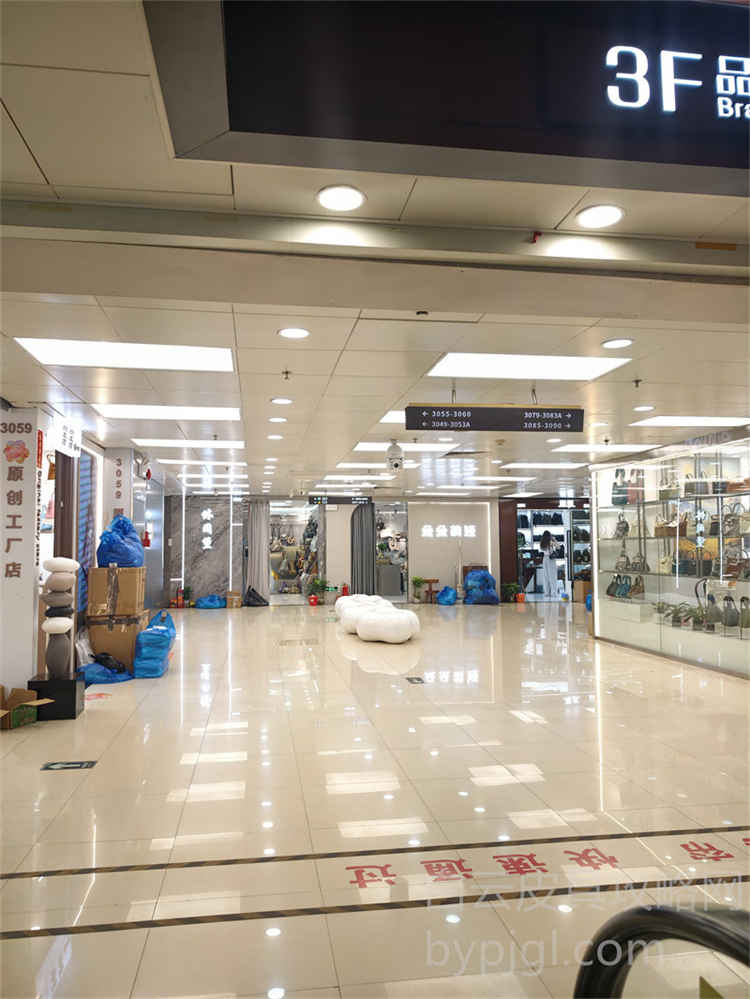
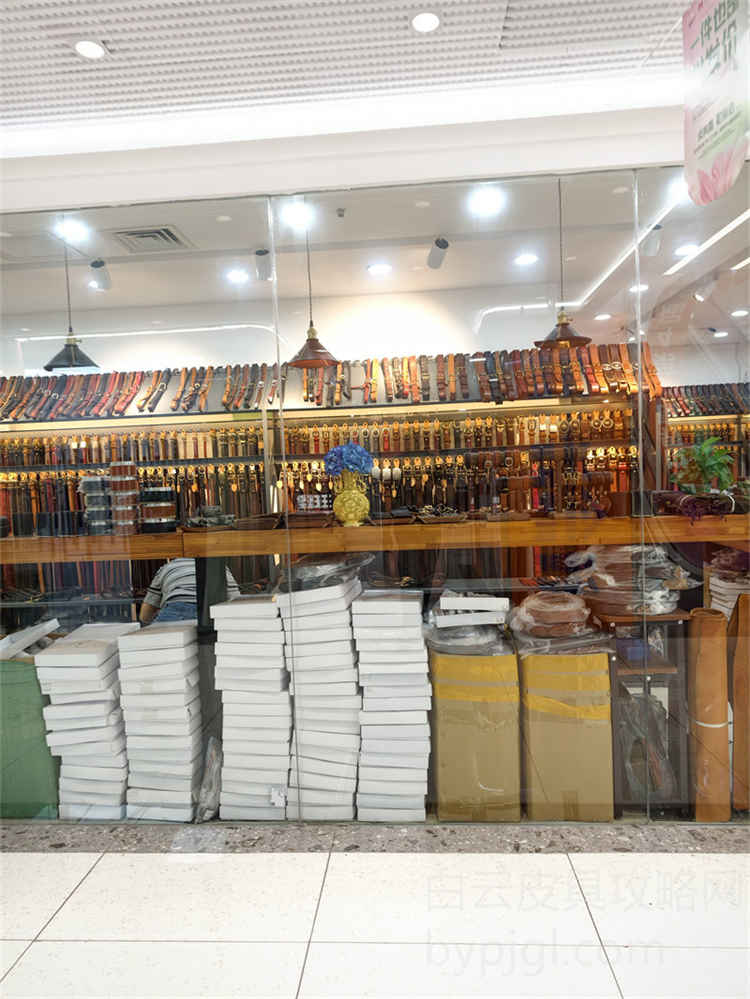
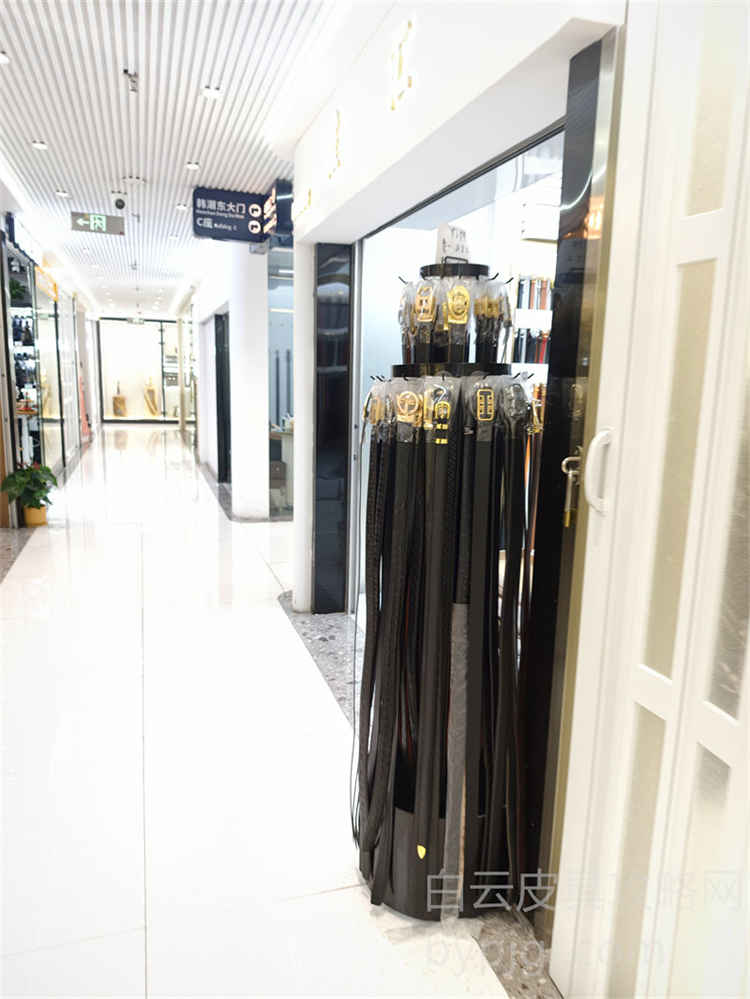
Walking into Baiyun International Leather City feels like entering a different universe. The air smells of leather glue and new fabric. On the ground floor, you'll find the tourist traps selling $50 bags that fall apart after a week. But if you head straight to the upper floors, specifically Floors 3 and 4 of the main building, or the newer sections near the entrance of the Tianma Building, the game changes completely. This is wher the real action happens. I don't just walk around; I have a routine. I go to specific stalls that have been there for over a decade. These aren't random vendors; they are the gatekeepers of the highest grade materials.
Floor 3 vs. Floor 4: Wher the Magic Happens
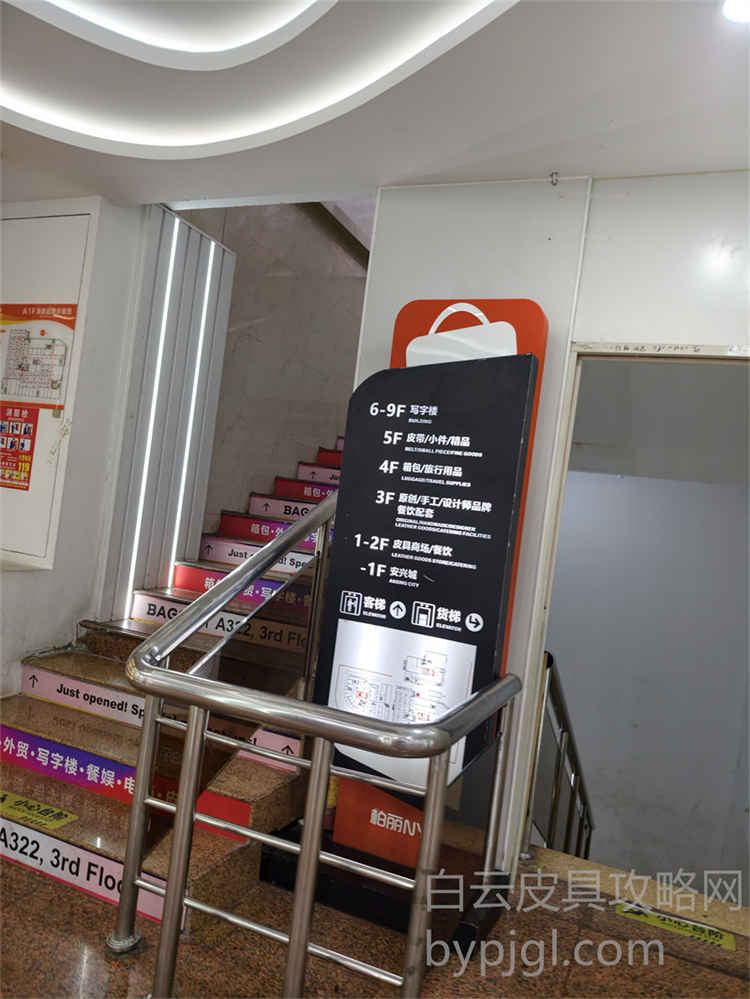
Many first-timers get confused by the layout. Let me break it down for you. Floor 3 is often crowded with mid-range sellers showing off "A-grade" copies that are decent but not perfect. If you want the absolute top tier, which we call "1:1" or "Mirror Quality," you need to go higher. Floor 4 is wher the serious business is conducted. Here, you won't find flashy displays. Instead, you'll see stacks of boxes labeled with factory codes. I personally frequent a stall run by Uncle Lin on Floor 4, Stall 402. He has been in the business for thirty years. His stock isn't displayed openly; he pulls out samples only when he trusts you. That trust takes time, but once established, you get access to the same molds used by the French houses.
How to Spot the Difference: A Veteran's Checklist
When I help clients selec their inventory, I teach them to ignore the logo at first glance. Everyone can stamp a logo correctly. The devil is in the details. Take the stitching. Authentic luxury bags use waxed thread that is slightly uneven because it's hand-stitched. Cheap fakes use perfectly straight, machine-stitched polyester thread. At my preferred suppliers, like the workshop connected to the stall on Floor 5 of the World Trade Center (which supplies many Baiyun vendors), the stitching is done by artisans who have worked on these patterns for decades. They replicate the slant and the tension exactly.
The Leather Test: Smell and Touch
This is wher most overseas buyers fail. They order online without seeing the material. I always advise my clients to visit the market. The smell of genuine calfskin is distinct—it's earthy, rich, and slightly oily. Fake leather smells like chemicals or plastic. I remember a client who ordered a bag from a "top seller" online. When it arrived, the smell was so strong it made him sick. He came to me, and I showed him the difference immediately. I took a piece of leather from a batch at Factory X, located in the industrial zone behind the market, and rubbed it. It felt soft, warm, and developed a patina instantly. The fake one felt cold and stiff. We compare the grain structure under a magnifying glass. The real ones have natural pores; the fakes have a uniform, stamped pattern.
Negotiating and Avoiding Scams
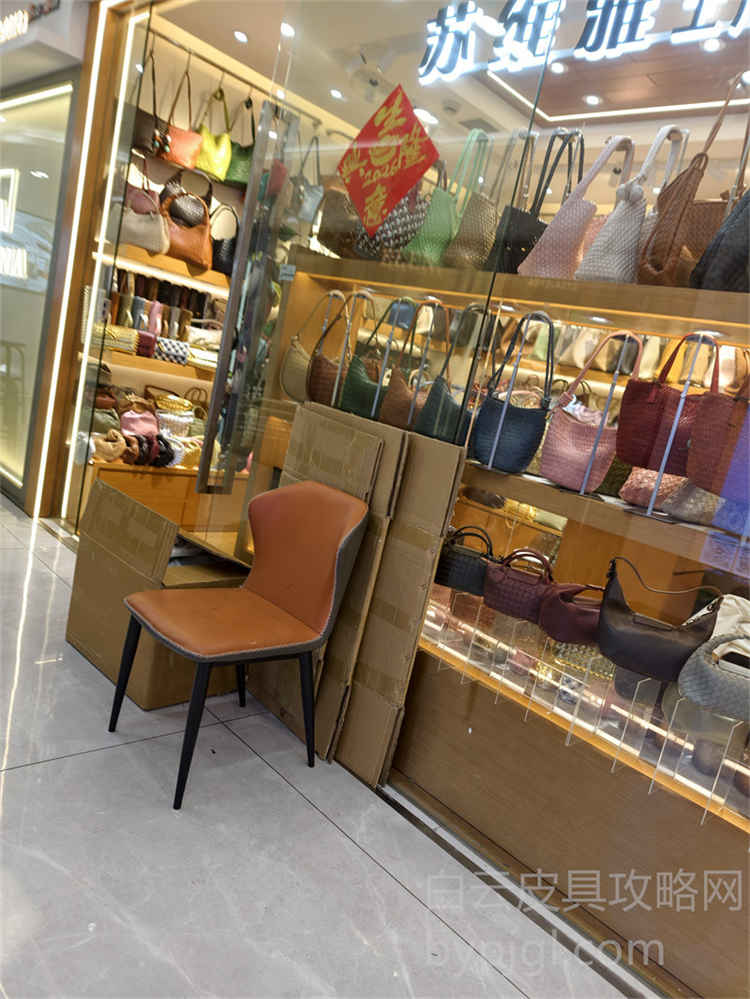
One of the biggest mistakes buyers make is trying to haggle too hard on the price. If a vendor offers a bag for $200 that looks like a $5,000 original, it's a scam. The cost of the leather alone for a top-tier replica is high. I've seen buyers get ripped off by middlemen who claim to be factory owners. They sell you "Grade A" goods that are actually "Grade C." To avoid this, you must build a relationship. Don't just buy one bag. Buy ten. Show up consistently. When you become a regular, the shop owners will show you the "secret" batches—items that were rejected by the brand for microscopic flaws but are otherwise perfect. These are the gems that no one else has.
The "Sample First" Rule
Never place a bulk order without seeing a sample. Even if you are buying from a trusted source, always request a physical sample before committing to a large shipment. I had a friend who ordered fifty bags from a supplier in Guangzhou without visiting. He thought he was getting the best quality. When the shipment arrived, half of them had loose threads and misaligned zippers. He lost thousands of dollars. Now, he flies to Guangzhou every month. He meets me at the market, we inspect the goods together, and then he places his order. This simple step saves you from disaster.
Top Recommendations for Serious Buyers
If you are planning a trip to Guangzhou, here is my specific list of places to visit. Do not waste your time on the street stalls. Go directly to these locations:
- Baiyun International Leather City, Floor 4, Stall 402: Run by Uncle Lin. Specializes in Hermès and Chanel styles. Known for using Italian Togo leather.
- Tianma Building, Floor 5, Section B: Home to several high-end workshops. Look for the sign "Premium Leather Goods." They supply the top e-commerce platforms.
- World Trade Center, Ground Floor, East Wing: This area has recently been upgraded. Many of the old "underground" factories now have official storefronts here. Look for the stall with the blue awning.
These are not just random suggestions. I have sourced from these exact spots for years. The consistency is what matters. You want a supplier who understands that reputation is everything in this city.
Final Thoughts on the Industry
The narrative that Guangzhou produces only "fakes" is outdated. The reality is that we produce masterpieces that challenge the originals. The technology, the materials, and the craftsmanship have reached a level wher only an expert can tell the difference. For overseas buyers, the key is to stop looking for the cheapest option and start looking for the most honest partner. Visit the market, touch the leather, smell the glue, and talk to the people who have been doing this for decades. That is the only way to get the real deal.
| Feature | Low-End Replica (Street Stalls) | Top-Tier Replica (Baiyun High Floor) |
|---|---|---|
| Leather Source | Polyurethane or low-grade cowhide | Italian Calfskin, French Box Calf |
| Stitching | Mechanically perfect, straight lines | Hand-stitched, slight variation in angle |
| Hardware | Plastic coated, tarnishes quickly | Real brass, gold-plated, heavy weight |
| Price Range | $20 - $50 USD | $150 - $300 USD |
| Authenticity Risk | High (easily spotted) | Very Low (requires expert inspection) |


 On-site Visits
 Free Sharing
 Avoid Scams
 Updated Frequently
 For Reference Only