
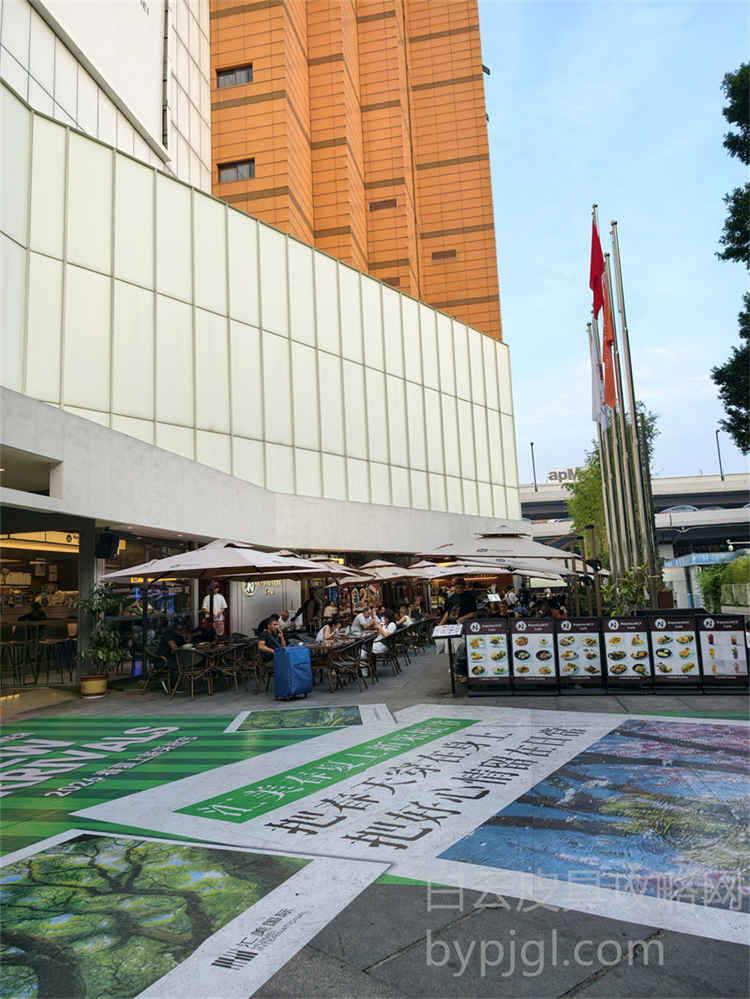
Why I've Been Selling "Replicas" in Guangzhou for 15 Years
Listen, if you are reading this from the US or Europe, you probably think Guangzhou is just a maze of cheap junk. You have heard the rumors about "high copy" bags, but you don't know wher to go or how to talk to the bosses. Let me tell you something: I have been standing at my stall in Baiyun Leather City for over a decade. I am not a corporate PR guy. I am an old shop owner who has seen thousands of tourists walk past my door, looking confused and scared.
The term "China ladies handbags Guangzhou high quality replica" is what brings you here, right? But let's be real. In my business, we don't call them replicas. We call them "custom orders" or "market versions." The leather industry here is massive, and the supply chain is deeper than you can imagine. If you want to buy without getting ripped off, you need to stop thinking like a tourist and start thinking like a buyer. I am going to share exactly how I help serious buyers navigate the chaos of the Baiyun market, from finding the factory floor to inspecting the stitching.
Navigating the Baiyun Leather City Labyrinth
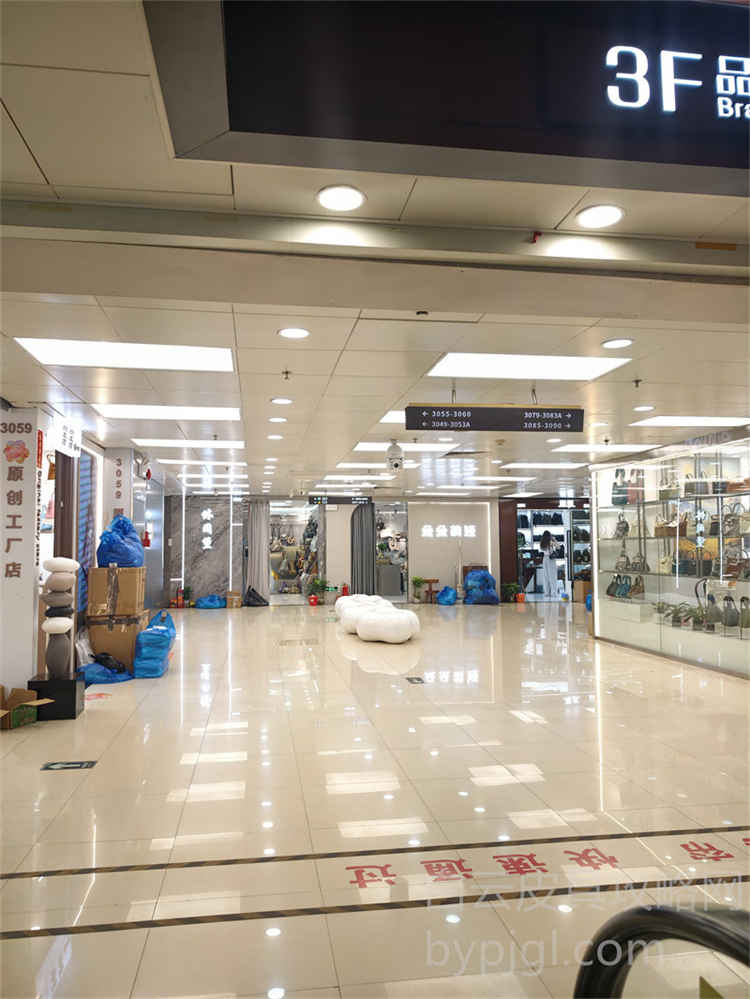
When you first step into Baiyun Leather City, it looks overwhelming. There are five main buildings, and they all look similar. Most people get lost in Building One or Two, which are full of low-end goods and tourists. That is not wher you want to be if you are looking for top-tier quality. My advice? Go straight to Building Six or the newer annexes near the back entrance. This is wher the real factories operate.
Finding the Right Floor and Stall
You cannot just wander around asking for "the best bag." The bosses here are busy. They respect knowledge. When I meet a new buyer, I ask them what grade they are looking for. Are we talking about the "A-grade" that sells for $50 on eBay, or the "Top Grade" that costs $800 to make? Here is a hard truth: if you ask for the highest quality, do not expect to pay wholesale prices for a fake. The cost of cowhide, the hardware, and the labor is real.
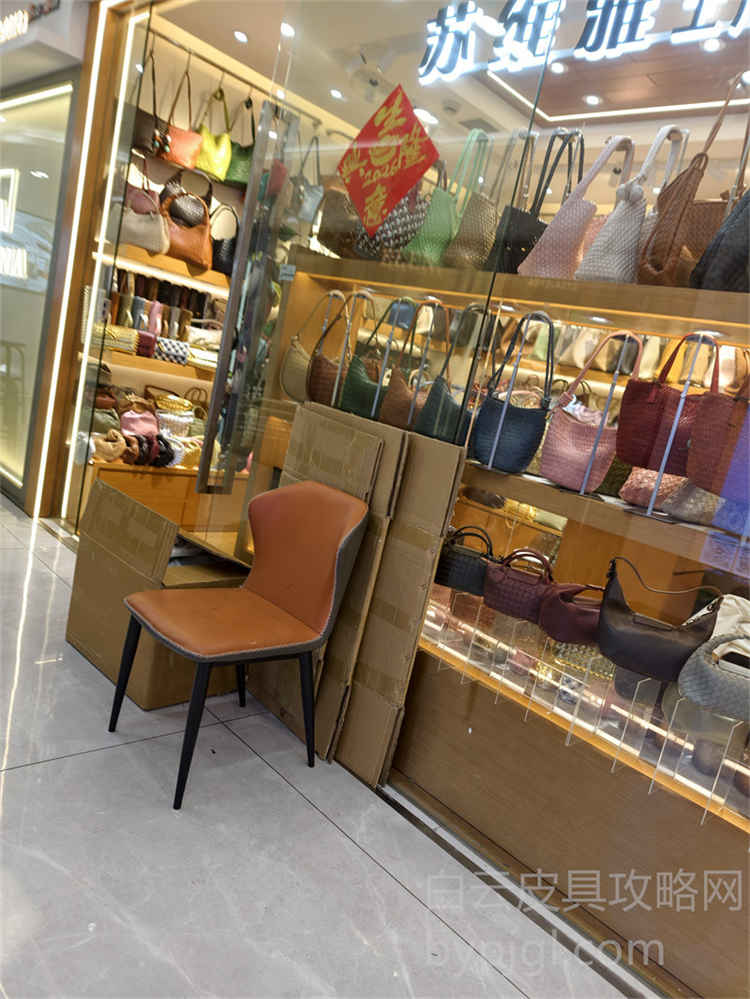
I recommend visiting specific stalls on the third and fourth floors of Building Six. For example, there is a stall called "Golden Eagle Leather" (not their real name, but you will find similar names) that specializes in Italian calfskin. Another one is "Skyline Bags" on the second floor of the Annex. These are not random shops; these are direct connections to the workshops behind the scenes. Do not trust the guys on the ground floor shouting prices; they are middlemen trying to flip your money.
The Art of Inspection: What I Look For
Many overseas buyers make the mistake of buying based on photos sent via WhatsApp. Big mistake. A photo can hide a lot of flaws. When you come to my shop, I always say, "Touch it, smell it, pull it." The leather must feel soft but firm. Cheap PU leather smells like plastic; good leather smells like earth and oil. I have seen buyers spend $200 on a bag that looked perfect online, only to realize the grain was printed, not natural.
Hardware and Stitching Details
Let's talk about the zipper and the metal logo. This is wher the "high quality" distinction lies. A standard factory uses YKK zippers, but the top-tier ones use Riri or Lampo. The weight of the metal matters too. If you hold a gold-plated handle and it feels light as a feather, throw it back. It will turn green in two weeks. I once had a client from New York who bought a batch of bags with "gold" plating that peeled off after three days. He came back to me, angry. I showed him the difference between electroplating and physical gold leafing. The cost difference is huge, but the longevity is worth it.
Stitching is another critical point. Count the stitches per inch. High-end copies usually match the original brand's stitch count perfectly. If you see loose threads or uneven spacing, walk away. I keep a magnifying glass in my pocket for this exact reason. I show my clients how to check the alignment of the pattern at the seams. If the pattern doesn't line up when the bag is folded, the mold was cheap.
Negotiation and Sourcing Strategy
Here is the part most guides won't tell you. Negotiation in Guangzhou is not about haggling over pennies; it is about building a relationship. If you walk in acting like a customer who wants one bag, you will pay retail prices. If you act like a partner who wants to restock, you get the wholesale rate.
Understanding MOQ and Lead Times
Do not expect to take a bag home today if you want custom colors or specific hardware. Most of the "ready stock" is in the back room, but if you want something unique, you need to talk to the factory manager. The Minimum Order Quantity (MOQ) varies. For standard models, some stalls allow you to buy just one piece, but the price is higher. For custom runs, the MOQ is usually 50 pieces. I have clients who order 100 units of a specific design, and we ship them directly to their warehouse in Los Angeles or London within two weeks.
Be careful with payment terms. Never send money via Western Unio to a random person. Use Alipay or bank transfer directly to the company account. I always advise my international clients to visit the factory floor before paying the deposit. Seeing the machines running gives you peace of mind. I remember a time when a buyer wanted to skip the factory visit. I told him no. He insisted, paid upfront, and got a shipment of inferior goods. He never came back.
Common Pitfalls and How to Avoid Them
There are traps everywher in the Baiyun market. The biggest one is the "tourist trap" stall. These places offer amazing deals but sell fakes of fakes. They target foreigners with broken Chinese. Another pitfall is the "rush job." If a seller promises you 500 bags in three days, run. Quality takes time. Rushing leads to glue stains, misaligned patterns, and weak handles.
Shipping and Customs Risks
once you have your goods, shipping is the next challenge. Many buyers worry about customs seizing their packages. While I cannot give legal advice, I can tell you that proper packaging is key. We often use plain boxes without logos to reduce attention. However, the risk depends on your country's laws. Some countries are strict, others are more lenient. Always declare the value accurately, even if it seems low. Under-declaring can lead to fines that exceed the value of the goods.
Summary of Key Takeaways for Buyers
To wrap this up, if you are planning a trip to Guangzhou to source bags, keep these points in mind. First, go to the right building—Building Six or the Annex. Second, inspect the leather and hardware yourself; do not trust photos. Third, negotiate based on volume and relationship, not just price. Fourth, verify the factory before paying. Finally, understand the shipping risks involved.
| Aspect | Beginner Mistake | Pro Strategy (My Advice) |
|---|---|---|
| Location | Ground floor of Building 1 | 3rd-4th Floor of Building 6 or Annex |
| Quality Check | Looking at photos only | Physical inspection of grain, stitching, and hardware weight |
| Pricing | Haggling for lowest price | Negotiating based on volume and long-term partnership |
| Payment | Western Unio to individual | Bank Transfer to Company Account + Factory Visit |
| Shipping | Using unknown forwarders | Using established logistics partners with experience in leather goods |
The world of "Guangzhou high quality replica" is complex, but it is also full of opportunity if you approach it with respect and knowledge. I have seen many businesses grow from small orders to global brands by sourcing here. The key is to find the right partner, like the ones I work with daily. Don't be afraid to ask questions, but be prepared to do your homework. The market rewards those who know what they are looking for.

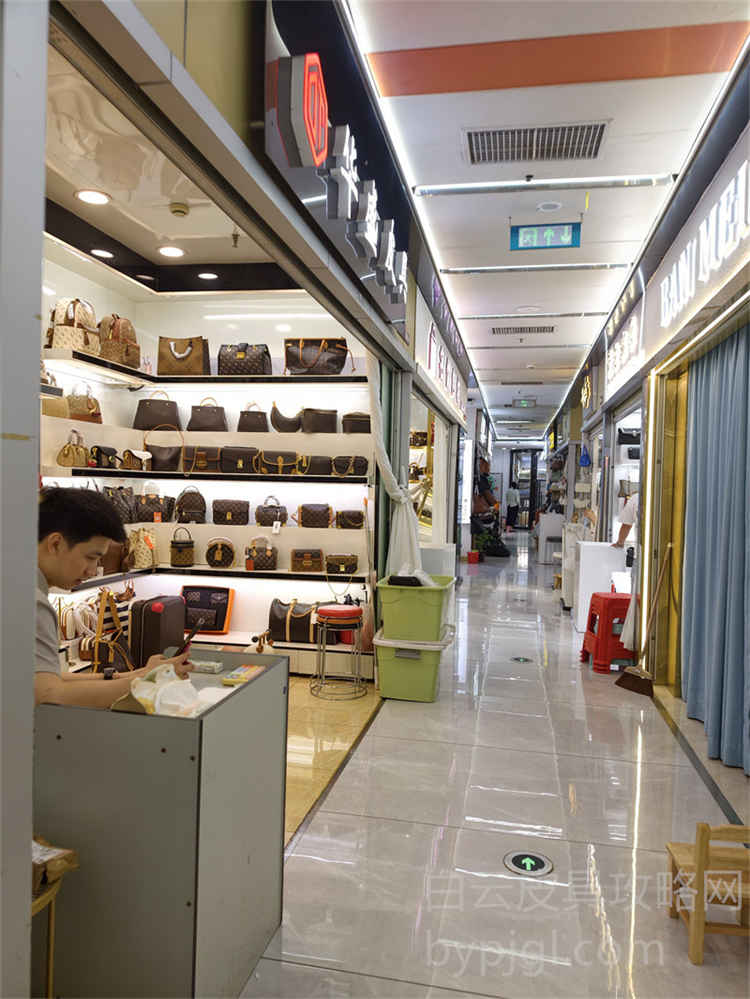
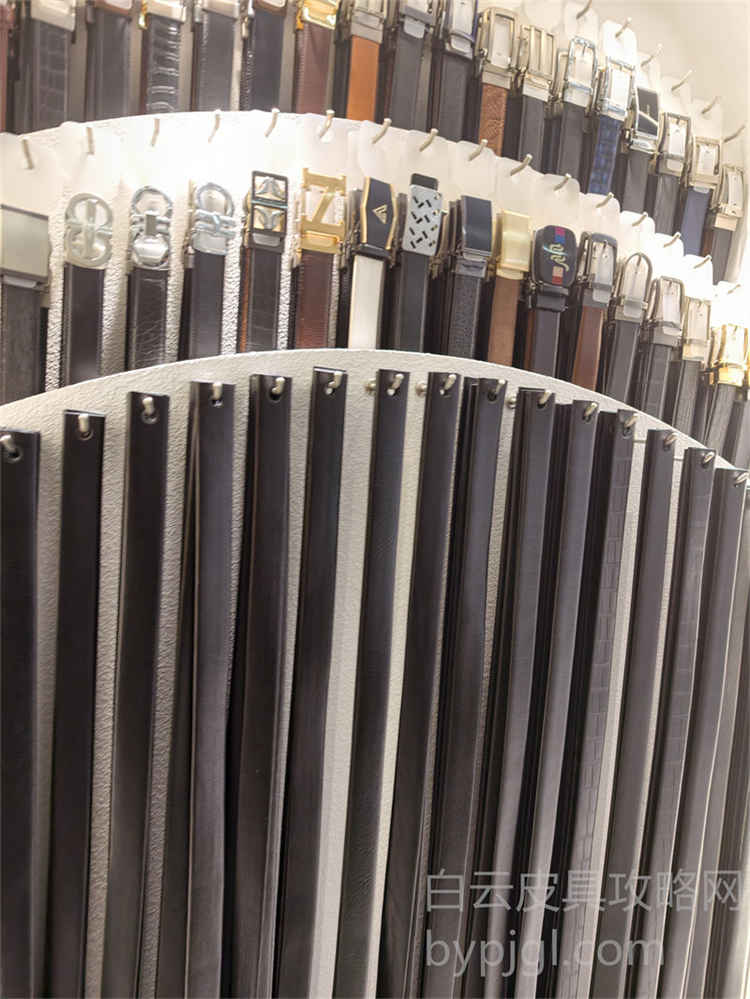
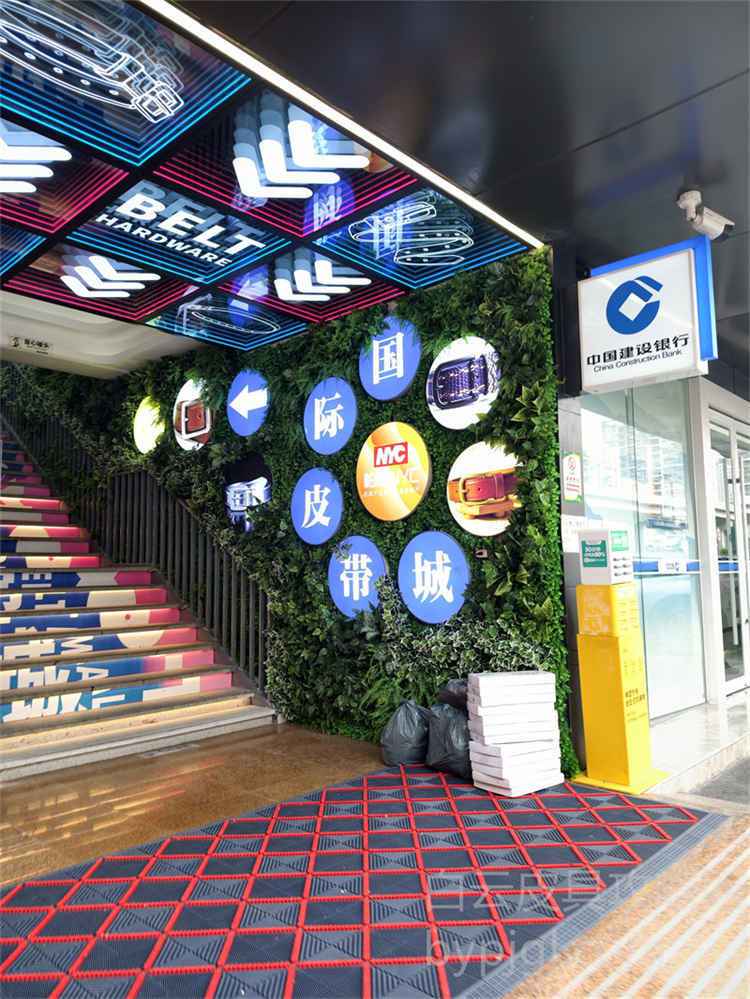
 On-site Visits
 Free Sharing
 Avoid Scams
 Updated Frequently
 For Reference Only