
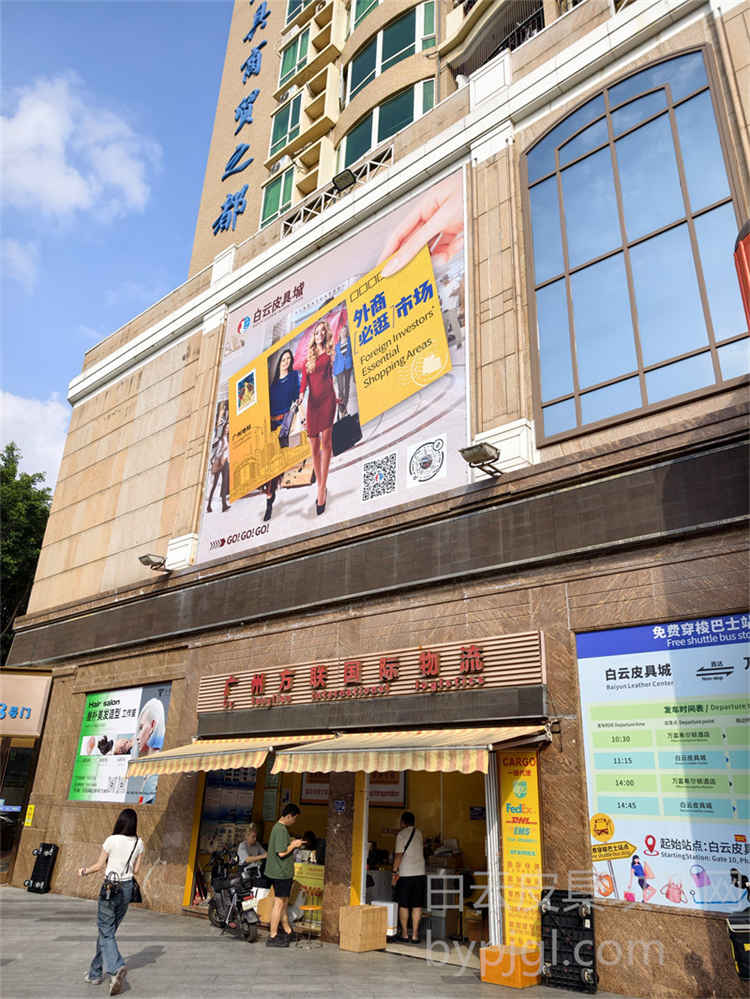
Why You Need to Walk the Floor: My 15 Years in Guangzhou Leather Markets
Listen, I've been standing behind this counter in Guangzhou for over fifteen years. While you are reading this on your laptop in New York or London, I am sweating through my shirt in the humid heat of Baiyun District. Most people think "China bag wholesale" is just a Google search away, but let me tell you, if you don't step foot here, you are buying blind. The internet is full of pretty pictures, but it doesn't show you the smell of the leather, the quality of the stitching, or the real price tag that changes every day based on your volume.
I see too many overseas buyers get scammed by agents who send them photos of Grade A goods while shipping them Grade C junk. They ask me for the "best address," and I always laugh because there isn't one single magic building. It's about knowing which floor has the vintage leather, which corridor holds the latest tech fabrics, and which shop owner actually speaks your language without trying to rip you off. Let me walk you through the real experience of sourcing bags in Guangzhou, the way I do it every single morning before the sun even hits the pavement.
The Real Map: Navigating Baiyun and Beyond
You will hear everyone talk about the "Guangzhou Baiyun Leather City." That is true, but it is also a trap if you only go there. The market is massive, sprawling across several interconnected buildings. If you want the high-end replicas that pass as genuine, you need to be at the International Trade Center (ITC) or the nearby Da Sha area. But if you are looking for OEM manufacturing wher you can put your own logo, you need to head deeper into the older districts like Shiqiao or the industrial zones in Renhe.
International Trade Center: The Heart of High-End
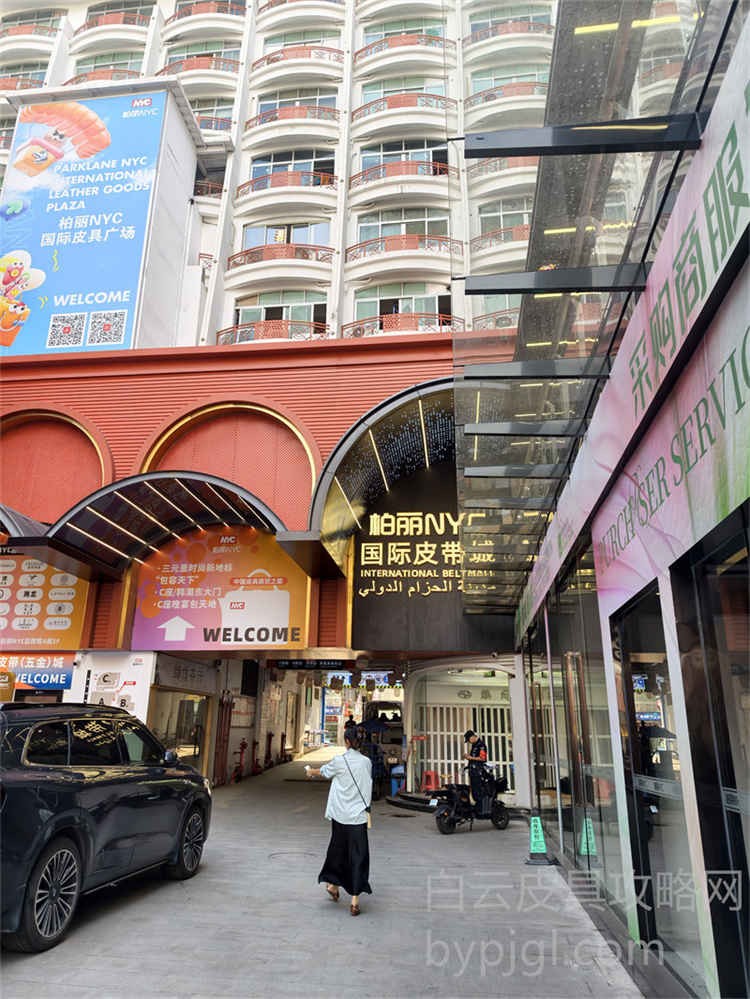
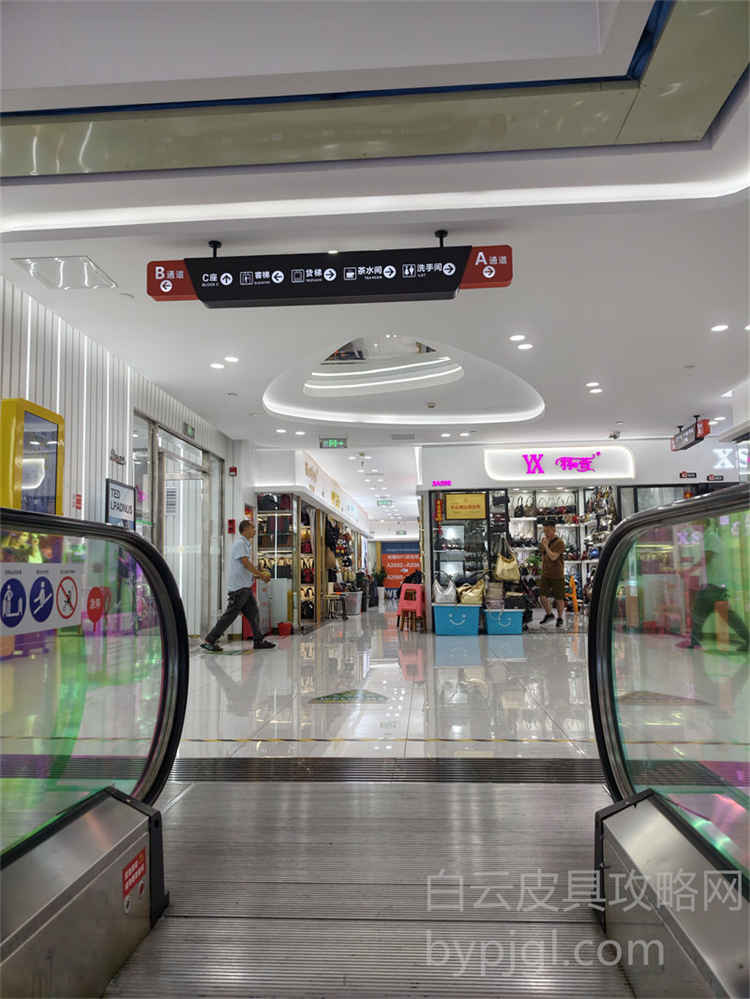
This is wher the big money moves. When I say "Guangzhou Baiyun Leather City Wholesale Address," this is usually what comes up first. The ITC is modern, air-conditioned, and filled with shops that look like luxury boutiques. Here, you will find suppliers who specialize in top-tier materials—Italian calfskin, French lambskin, and hardware that feels heavy and substantial. However, the prices here are marked up significantly because these shops cater to tourists and small resellers who don't know better.
If you walk into a shop on the third floor of ITC, they might quote you $45 for a bag that costs $18 to make. Why? Because they have to cover their rent and the fancy display cases. My advice? Don't buy immediately. Ask for their factory catalog. If they hesitate or say "we don't have factories," move on. The real wholesalers here are often on the lower floors or in the back corridors wher the lighting is dimmer but the margins are real.
The Old Market: Wher the Volume Happens
For the serious buyer, the old markets are wher the action is. Places like the Liuhua Road area, specifically around the Yuexiu Square and the surrounding alleys. This is gritty, loud, and chaotic. You will see piles of boxes stacked three feet high. This is wher the volume pricing lives. I remember a client from Australia who wanted 500 units of a specific tote bag. He went to the fancy mall first and got quoted $30 per unit. We walked two blocks down to an alleyway shop, and he got the exact same bag for $12. The difference? One was a retail front; the other was a distribution hub.
How to Spot the Real Factory vs. The Middleman
This is the most critical part of your trip. In Guangzhou, almost everyone claims to be a factory owner. They aren't. They are middlemen renting space in a warehouse. How do you tell the difference? It's not about how nice their office looks; it's about what they know.
The Hardware Test
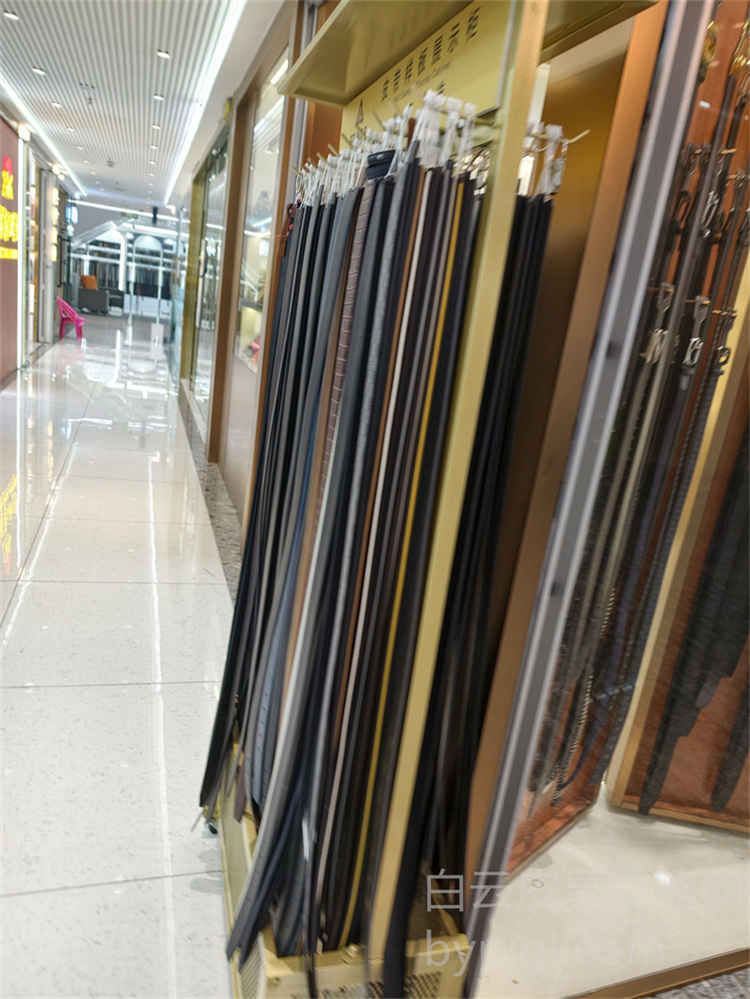
When you are negotiating, ask specific questions about the hardware. A middleman will say, "It's zinc alloy, very shiny." A real factory owner will tell you, "We use solid brass with PVD coating, and we source the chains from Dongguan." If they can't answer technical questions about the plating process or the mold ID numbers, they are likely just reselling someone else's stock. I once caught a "factory owner" red-handed when he couldn't explain why his zipper puller had a different texture than the previous batch. He was just copying a photo from another supplier.
The Sample Policy
Real factories are willing to show you samples of their current production line. They won't hide the flaws. If a sample has a loose thread or a slight color variation, a honest owner will point it out and say, "This is a minor defect, we can fix it for you if you order more." A scammer will try to hide the flaw until you pay. Always ask to see the "production line" photos. If they only have studio shots on a white background, run. You want to see the messy workshop, the sewing machines humming, and the workers cutting leather.
Negotiation Tactics: Getting the Price You Deserve
Price negotiation in Guangzhou is an art form. It is not about haggling over pennies; it is about building a relationship. When I sit down with a new buyer, I don't start with the price. I start with their target market. Are they selling to department stores? Boutiques? Or online droshippers? This tells me exactly what margin they need.
The Volume Sweet Spot
Here is some real data from my own ledger. For a standard leather handbag:
- MOQ under 50 units: Expect to pay $25-$35. This is the "retail" price for small orders.
- MOQ 100-300 units: The price dros to $18-$22. This is the sweet spot for most startups.
- MOQ 500+ units: You can negotiate down to $12-$16, depending on the material complexity.
Notice the jump between 50 and 100 units? That is wher the factory starts using bulk leather cuts and automated stitching lines. If you are stuck at 50 units, ask if you can combine orders with other buyers. Many of my regular clients do this to hit the 100-unit threshold and save thousands of dollars.
The Payment Trap
Never pay 100% upfront unless you have worked with them for years. The standard practice is 30% deposit, 70% before shipment. If they demand 100%, they are either desperate for cash flow or planning to disappear. Also, avoid paying via personal WeChat accounts. Use a company bank transfer or a secure escrow service. I've seen too many buyers lose money because they sent cash to a personal account and then the "owner" vanished.
Inspection and Logistics: Don't Skip These Steps
once the deal is done, the work isn't over. Many buyers assume the factory will pack everything perfectly. Wrong. In Guangzhou, packaging is often an afterthought unless you specify otherwise. You need to hire a third-party inspection agency or bring a trusted friend to check the goods before they leave the warehouse.
The Checklist for Every Bag
When I inspect a batch, I check four things strictly:
- Stitching consistency: Count the stitches per inch. It should be uniform. No loose ends.
- Hardware weight: Hold it. Does it feel cheap? Check the engraving. Is the logo deep enough?
- Smell test: Good leather smells distinct. Cheap PU smells like chemicals. If it stings your nose, reject it.
- Functionality: Open and close zippers 20 times. Do the handles hold weight?
If you skip this, you might receive a container full of returns. The cost of shipping a return from China to the US is astronomical. Better to spend $200 on an inspector here than $2,000 on freight later.
Summary of Key Locations and Tips
| Market Name | Best For | Typical MOQ | Price Range (Est.) | Key Tip |
|---|---|---|---|---|
| International Trade Center (ITC) | High-end, Luxury Style | 50+ | $25 - $45 | Check lower floors for hidden wholesalers. |
| Liuhua / Yuexiu Area | Volume, Mid-range | 100+ | $15 - $25 | Bargain hard; ask for factory photos. |
| Shiqiao Industrial Zone | OEM, Custom Manufacturing | 300+ | $10 - $20 | Visit the actual workshop, not just the showroom. |
| online Agents (Taobao/1688) | Small Samples | 1-10 | $30 - $50 | Risky for bulk; verify identity first. |
Going to Guangzhou is not just about buying bags; it is about understanding the supply chain. The city moves fast, and the rules change daily. If you treat this place like a tourist attraction, you will leave empty-handed. If you treat it like a business partner, you will build a brand that lasts. Remember, the best deals are not found on a screen; they are found in the sweat and noise of the Baiyun markets. Come early, stay late, and trust your eyes, not just your ears.

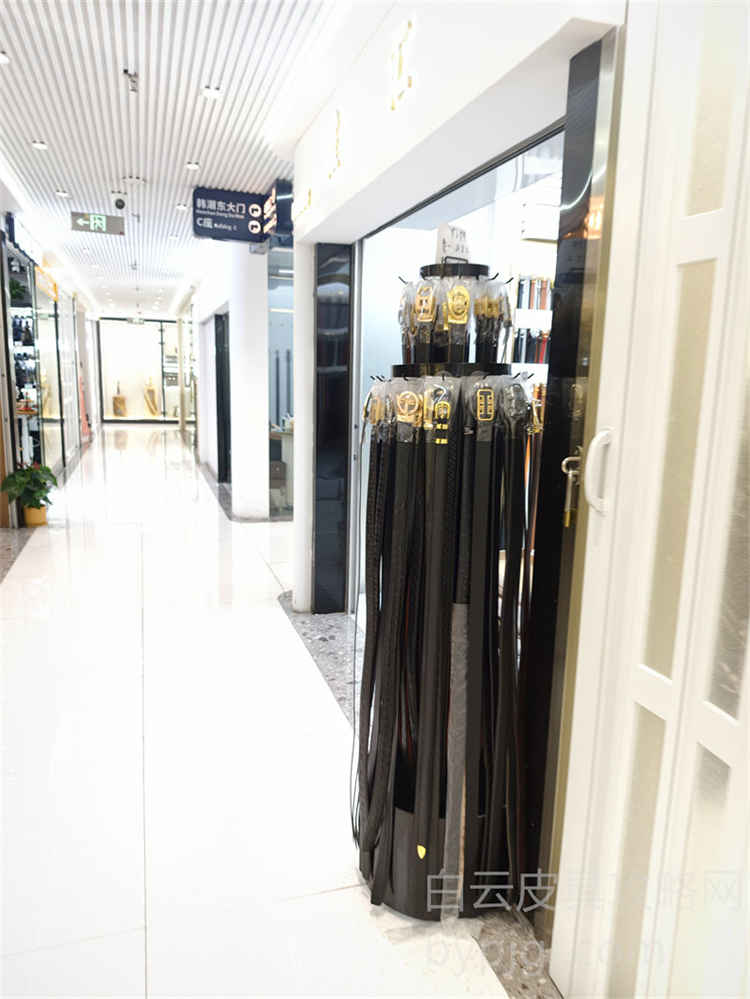
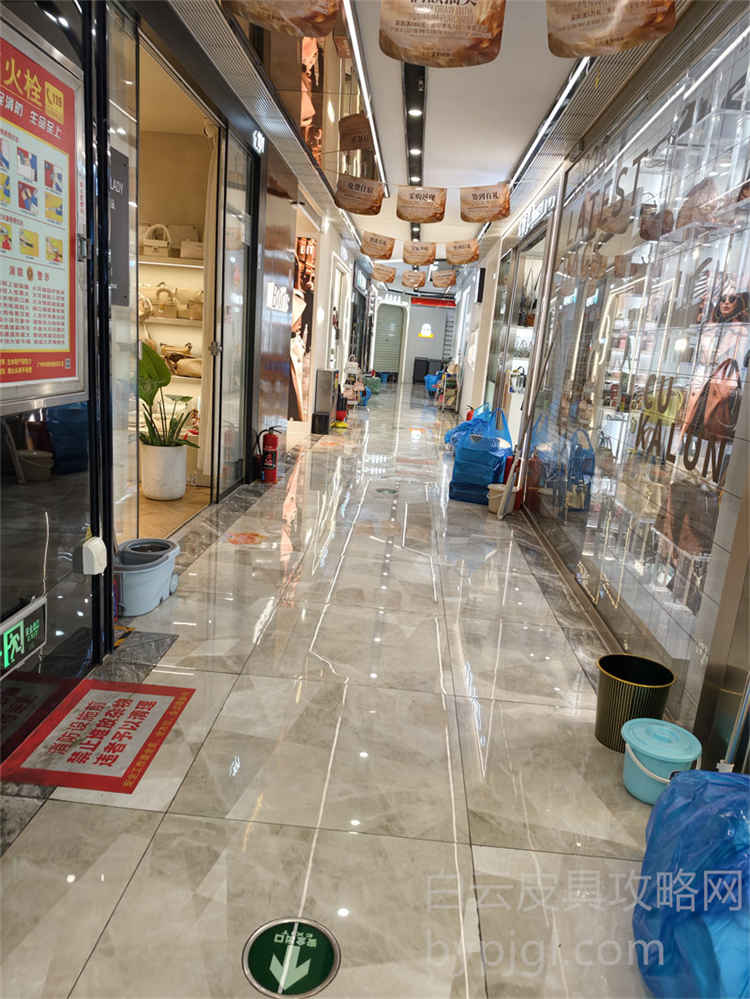
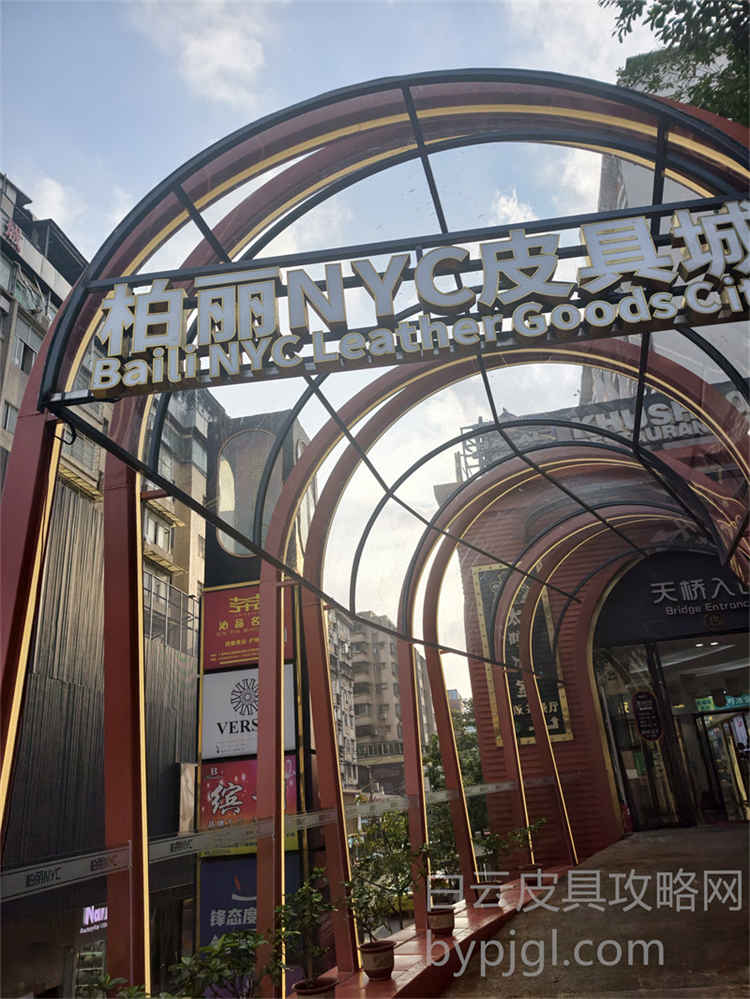
 On-site Visits
 Free Sharing
 Avoid Scams
 Updated Frequently
 For Reference Only