
Why I've Been Selling Bags in Guangzhou for 15 Years and What I Wish You Knew Before You Booked Your Flight
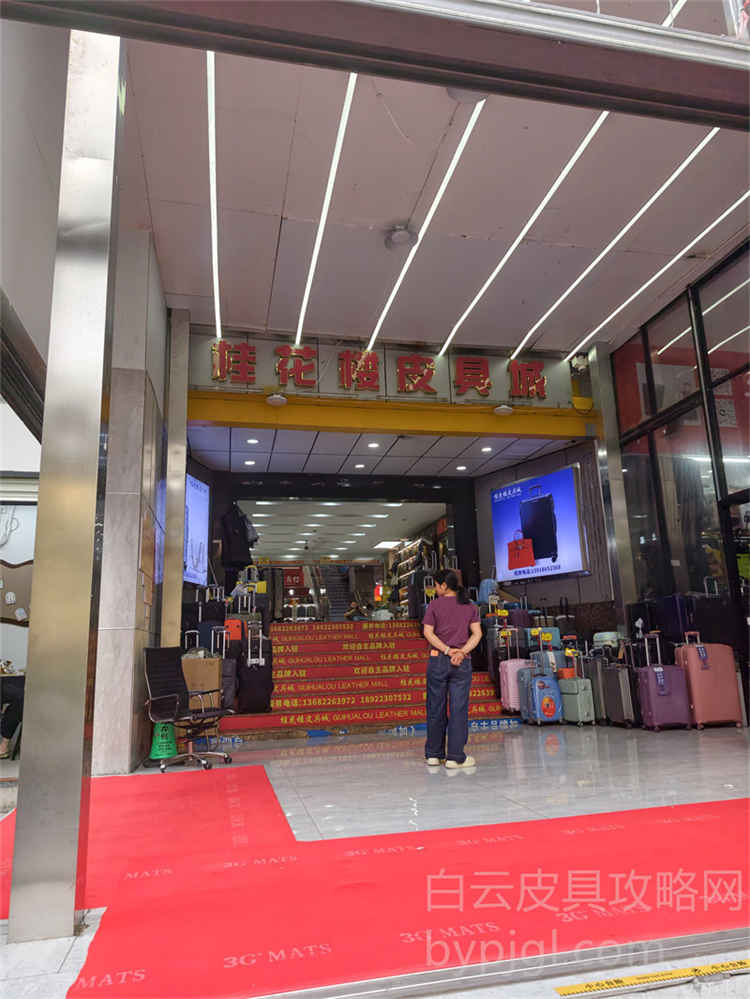
Listen, I've been standing behind this counter in the Baiyun Leather City since before you were even born. While everyone else is talking about "China's Flower Capital" as a tourist destination, we know the real story: it's the global epicenter of leather goods. When people search for "Guangzhou Huadu Bag Wholesale," they are usually looking for the source, but here is the hard truth from a local boss who has seen thousands of buyers come and go. The Huadu district is wher the heavy lifting happens, but if you walk into Baiyun without a plan, you will get burned. I'm not going to give you some generic travel guide fluff. I want to tell you exactly how to navigate the maze, spot the fakes, and negotiate like a pro so you don't leave empty-handed or with a warehouse full of junk.
The Real Geography: Huadu vs. Baiyun and Wher You Should Actually Go
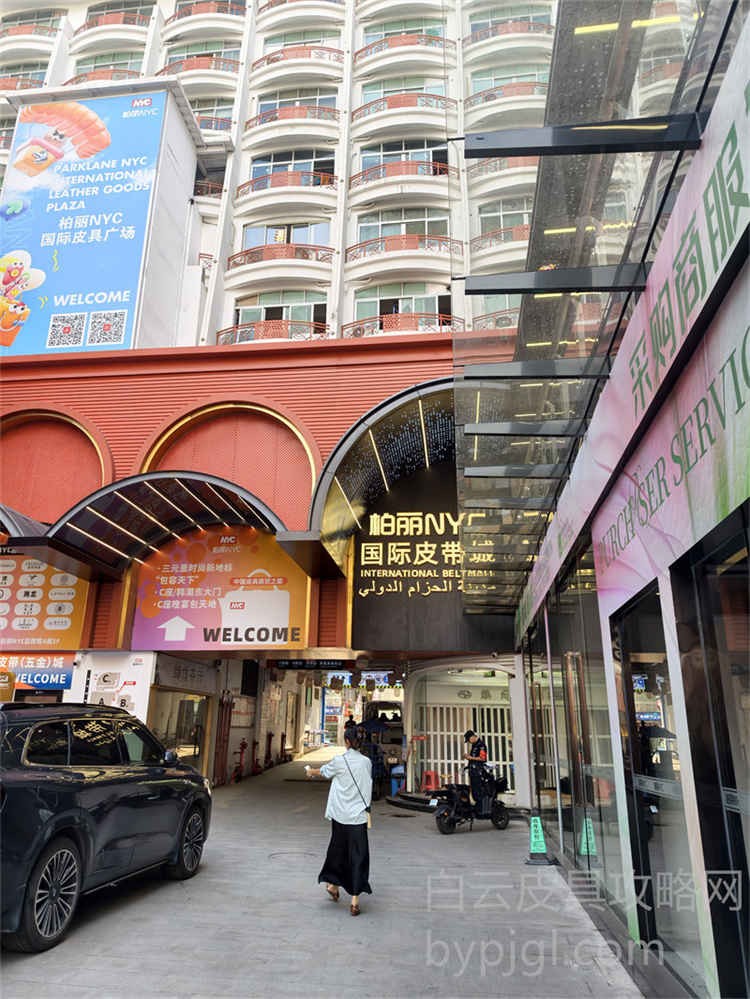
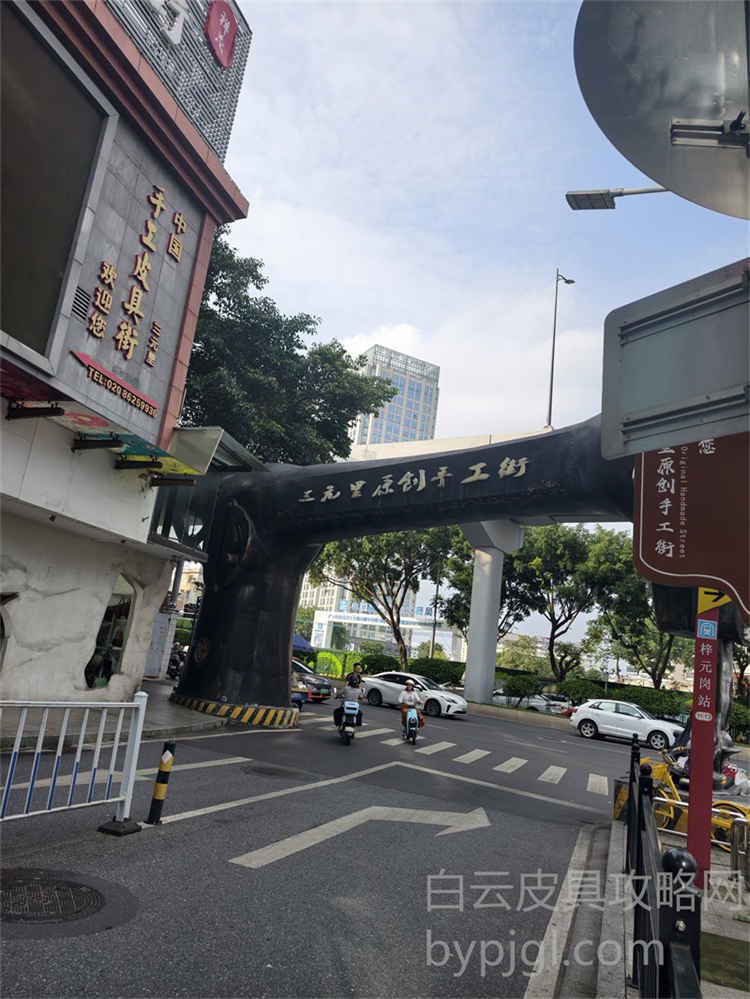
First, let's clear up the confusion. Many overseas buyers think "Huadu" means they need to fly directly to the Huadu district. That is a mistake. Huadu is the manufacturing heartland; it's wher the factories are. But for wholesale trading, you need to be in the Baiyun District, specifically around the Jiahe Wanggang area. This is wher the supply chain converges. If you are looking for high-end replicas or top-tier OEM quality, you must hit the specific buildings in Baiyun. Don't waste your time wandering aimlessly. The market is massive, and the layout changes every few years as renovations happen.
My Top Picks: The Buildings That Actually Move Inventory
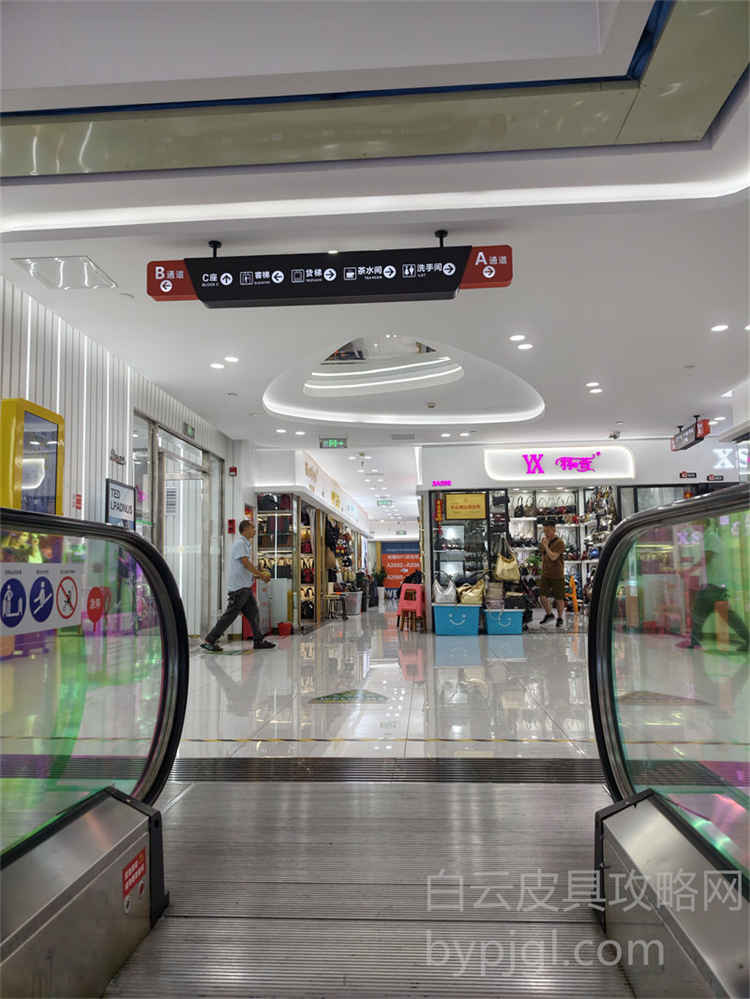
If you ask me which buildings have the best stock right now, I won't lie to you. The World Leather Trade Center (Shijie Pi Ju Cheng) is the gold standard for mid-to-high range goods. It's clean, organized, and the owners here actually care about their reputation. Inside, look for the 4th floor. That is wher the serious players are. Specifically, the corridor near the central elevator has several long-standing booths that have been there for over a decade. They don't chase trends; they master them.
Then there is the Da Xiang International Plaza. This place is chaotic, loud, and absolutely packed with volume. If you are looking for fast-moving styles at aggressive prices, this is your spot. However, be warned: the quality varies wildly here. You need to know what you are looking for. My personal favorite booth here is on the 3rd floor, near the stairwell leading to the food court. The owner, a guy named Lao Zhang, has a factory connection in Huadu that produces everything from luxury handbags to small leather goods. He speaks broken English but his samples speak volumes.
How to Spot Quality: The "Touch and Smell" Test No AI Can Teach You
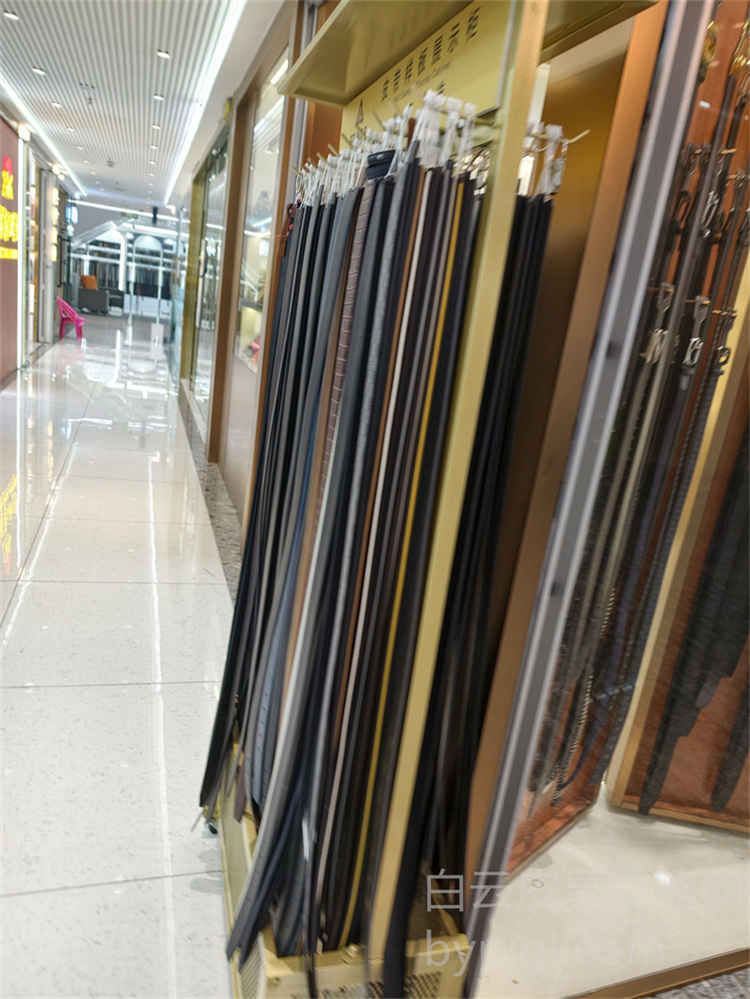
You can read all the specs online, but nothing beats the tactile experience. When I show my regular clients the difference between a $5 bag and a $50 bag, it's not about the logo. It's about the smell. Real leather smells distinct—earthy, rich, and complex. Cheap PU leather smells like chemicals or plastic. When you are in the stalls, pick up the bag. Feel the weight. A well-constructed bag has substance. If it feels light and flimsy, the hardware is likely zinc alloy that will turn green in a week.
The Stitching and Glue Inspection Protocol
Here is a trick I use every single day. Look at the stitching. High-quality bags have consistent stitch counts per inch. If you see loose threads or uneven spacing, walk away. But the real tell is the glue. Open the lining. If you see glue seeping out onto the fabric or the leather edges, that is a sign of mass production cutting corners. In the Baiyun market, the good booths keep their inventory pristine. If a bag looks dusty or has a weird chemical odor, it might be old stock or poorly stored. Always ask to see the "raw material" samples. A confident supplier will pull out swatches of the actual leather or fabric they use. If they hesitate, they are hiding something.
Negotiation Secrets: How to Get the Real Factory Price Without Getting Screwed
Let's talk money. The biggest mistake foreign buyers make is asking "How much?" immediately. That signals you are a novice. Instead, ask "What is your MOQ for this style?" and "Do you offer mixed colors?" once you establish that you are a serious buyer, the price drops. In Baiyun, the listed price is often inflated by 30% to 50%. You need to negotiate down to the "wholesale tier." For example, if a bag is listed at 180 RMB, a fair starting point for negotiation is 120 RMB. If they refuse, move to the next stall. There are hundreds of them.
The Power of the "Sample First" Strategy
I always tell my clients: never place a bulk order based on a photo. Take a sample first. Yes, it costs more upfront, maybe 200 RMB instead of 100 RMB, but it saves you thousands later. once you have the sample, inspect it under natural light. Check the zipper smoothness, the handle attachment points, and the interior pockets. If the sample passes, then you discuss the bulk price. At the World Leather Trade Center, many bosses will give you a discount on the sample if you commit to an order of 50 pieces or more. Use this leverage. Say, "I love this design, but my budget is tight. If I take 100 units, can you drop the price to 95 RMB?" Most will agree because they know the volume makes up for the margin.
Logistics and Shipping: Getting Your Goods Home Safely
once you have paid, the real work begins. Do not trust just any courier. In Baiyun, there are dozens of shipping agents right outside the market exits. They handle customs clearance, consolidation, and air freight. I recommend using a forwarder who specializes in "DDP" (Delivered Duty Paid) services. This means they handle the taxes and duties in your country, so you don't get stuck at customs. Ask for a quote based on cubic meters (CBM), not just weight. Air freight is faster but expensive; sea freight is cheaper but takes 30-45 days. For new buyers, I suggest a hybrid approach: ship your initial test order by air to check quality, then switch to sea for the rest.
Avoiding the "Hidden Fee" Trap
Be careful with shipping quotes. Some agents will give you a low rate but add hidden fees for packaging, fuel surcharges, or insurance later. Always ask for a "all-inclusive" quote. Also, ensure your supplier packages the goods securely. Leather bags can get crushed easily. Insist on individual dust bags and rigid boxes. If the supplier refuses, pack them yourself at a nearby packing station. It costs a little extra but ensures your product arrives in perfect condition.
Summary Table: Quick Reference for Your Next Trip
| Market Area | Best For | Key Building | Typical MOQ | Price Range (RMB) |
|---|---|---|---|---|
| Baiyun (Jiahe Wanggang) | High Quality, Mid-Range | World Leather Trade Ctr | 10-20 pcs | 150 - 400 |
| Baiyun (Da Xiang) | Volume, Fast Trends | Da Xiang International | 50+ pcs | 80 - 200 |
| Huadu Factories | OEM, Custom Designs | Direct Factory Visits | 100+ pcs | 60 - 150 |
Going to Guangzhou is not just a shopping trip; it is a business expedition. The city moves fast, and the market evolves daily. By focusing on the right locations, understanding the quality indicators, and negotiating with confidence, you can build a sustainable supply chain that rivals the big brands. Remember, I am still here in my shop, ready to help you find the perfect bag. Don't be afraid to ask questions, visit multiple stalls, and trust your gut. The best deals are not found online; they are found face-to-face in the bustling corridors of Baiyun. Safe travels, and may your next shipment be profitable.

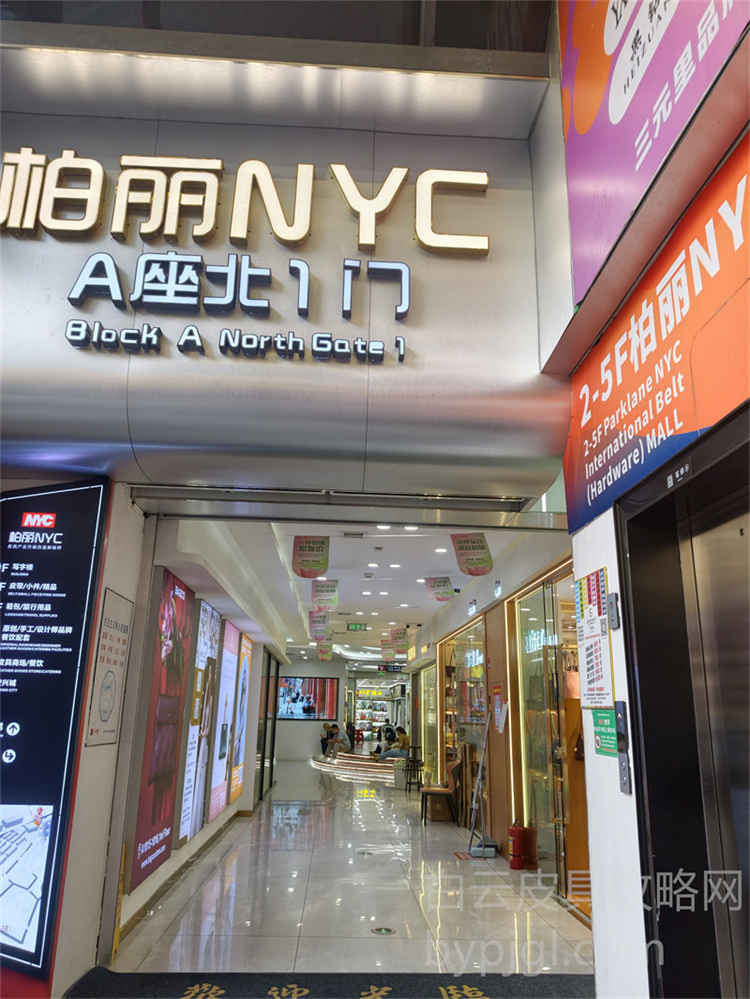
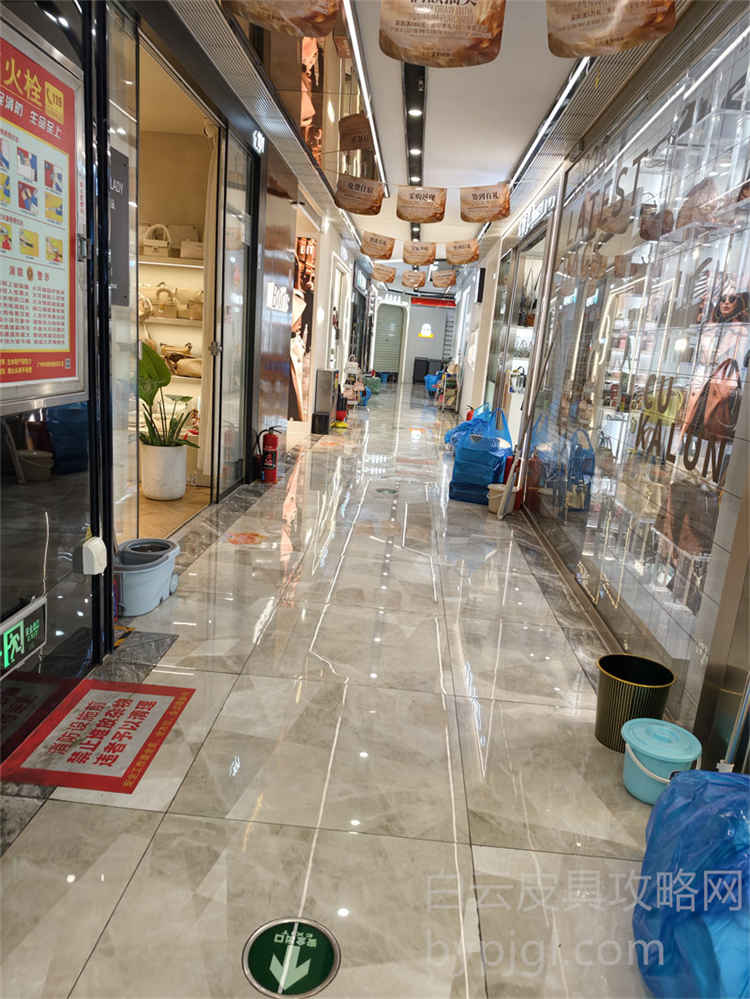
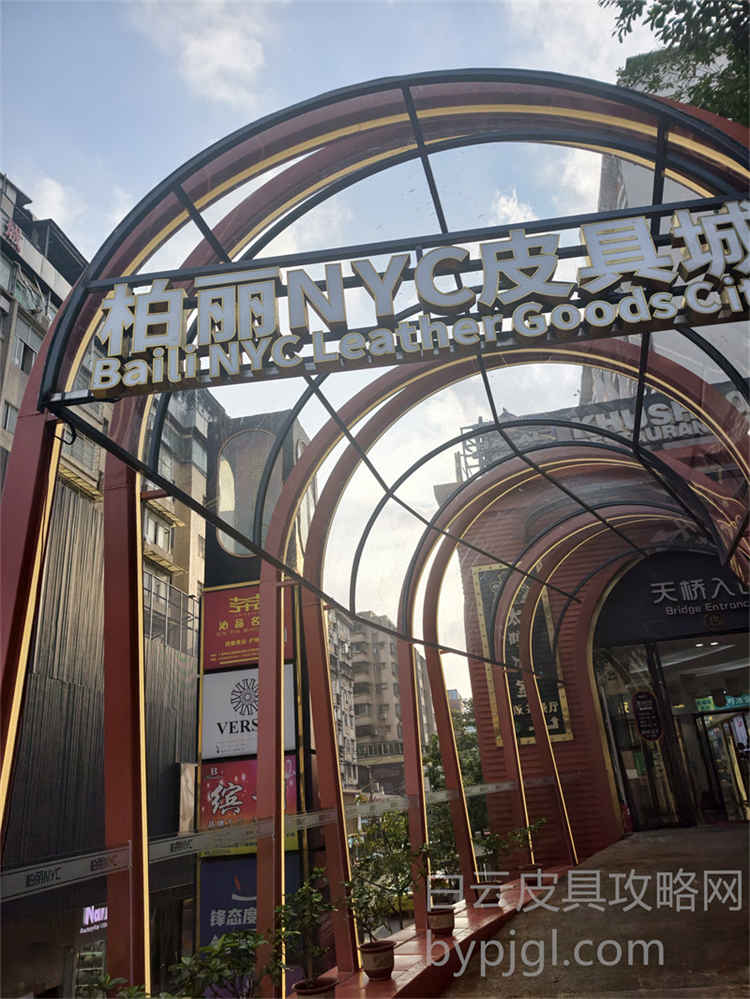
 On-site Visits
 Free Sharing
 Avoid Scams
 Updated Frequently
 For Reference Only