
Why Your "Guangzhou Hu Men Bag Wholesale" Search is Leading You Astray
I've been standing in the same spot at Baiyun Leather City for over twenty years. I've seen trends come and go, from the first wave of luxury replicas to today's high-end custom manufacturing. But every single day, I get asked by overseas buyers: "Wher can I find the best bag wholesale in Hu Men?" It makes me laugh, not because it's a bad question, but because it shows you're looking in the wrong place entirely.
Let me be straight with you. Hu Men is famous for one thing: leather jackets. If you walk into the main markets there looking for handbags, you will waste your time and money. The real hub for bags, the place wher the factories are, the place wher the margins are made, is Guangzhou, specifically the Baiyun District. When people say "Guangzhou Hu Men bag wholesale," they are usually mixing up two different supply chains. As an old shop owner who has shipped thousands of crates to New York, London, and Dubai, I need to correct this map for you right now so you don't end up paying retail prices for factory goods.
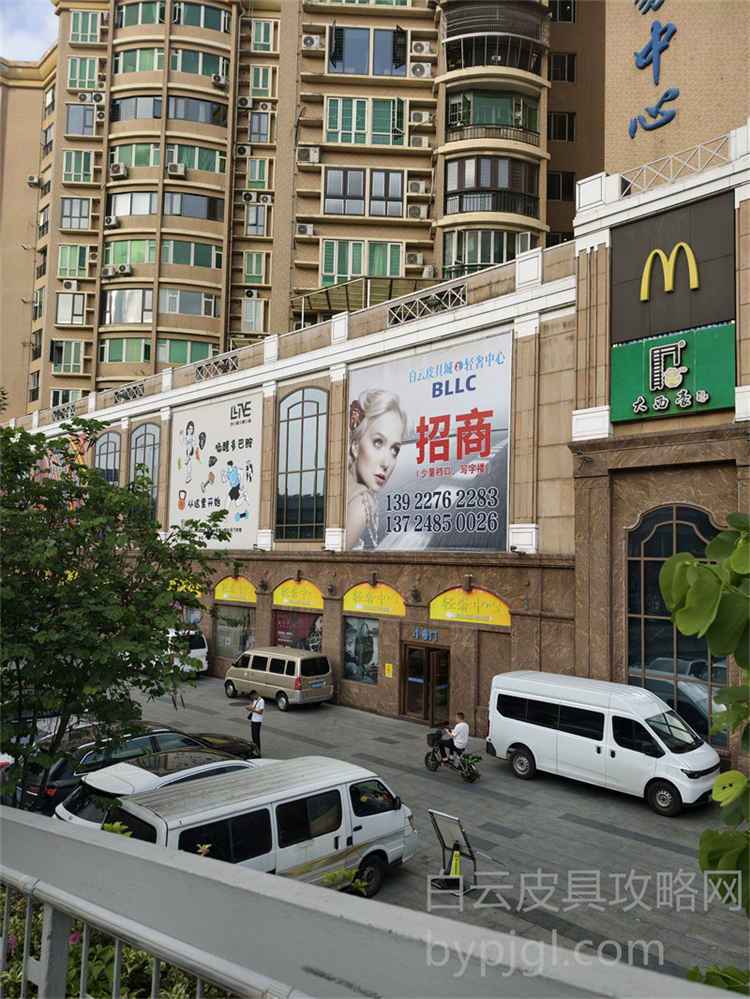
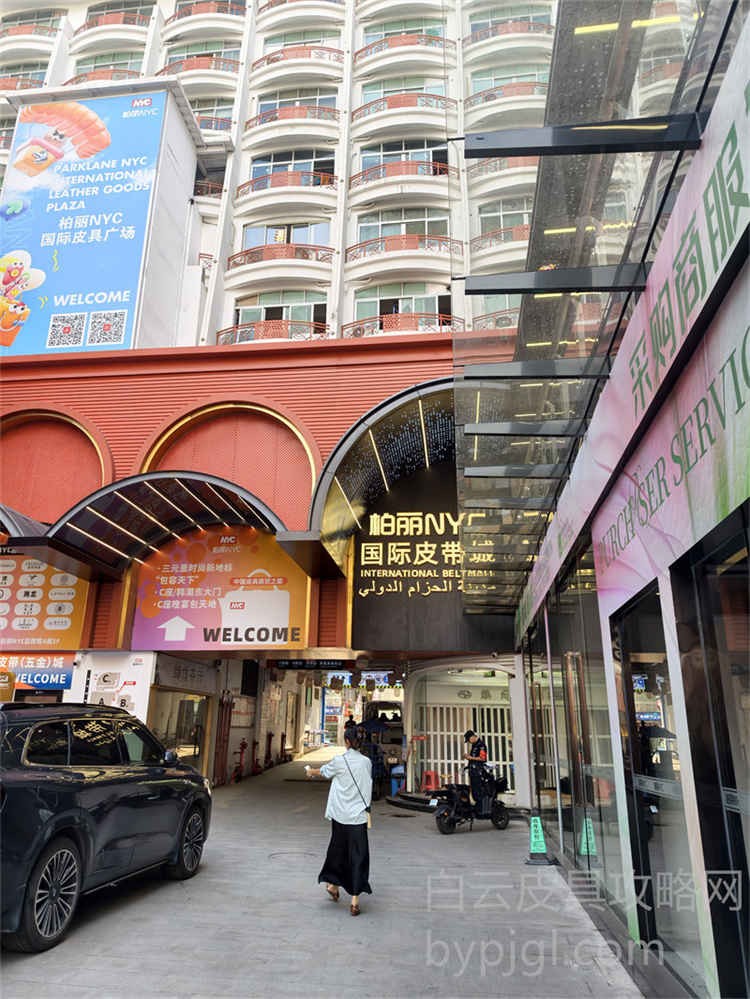
The Real Heartbeat: Navigating Guangzhou Baiyun Leather City
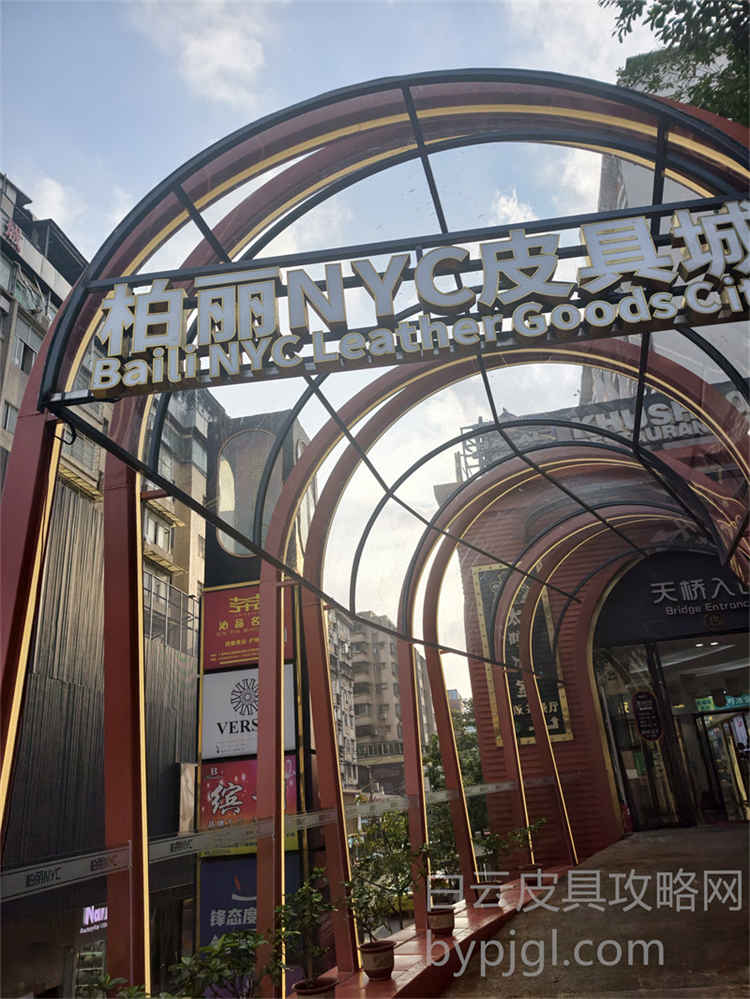
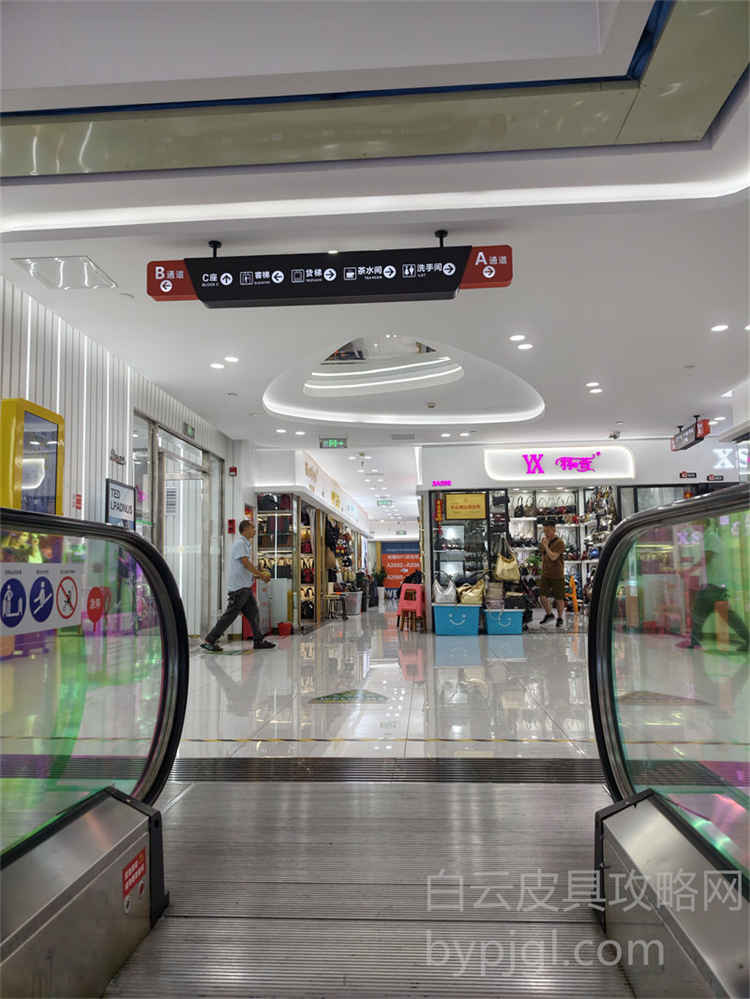
If you want to source bags like a pro, you need to know that Guangzhou Baiyun Leather City isn't just one building. It's a sprawling ecosystem. Most tourists think it's a mall. It's not. It's a war zone of commerce wher speed and knowledge determine your profit margin.
Level 1 vs. Level 4: Wher the Money Actually Is
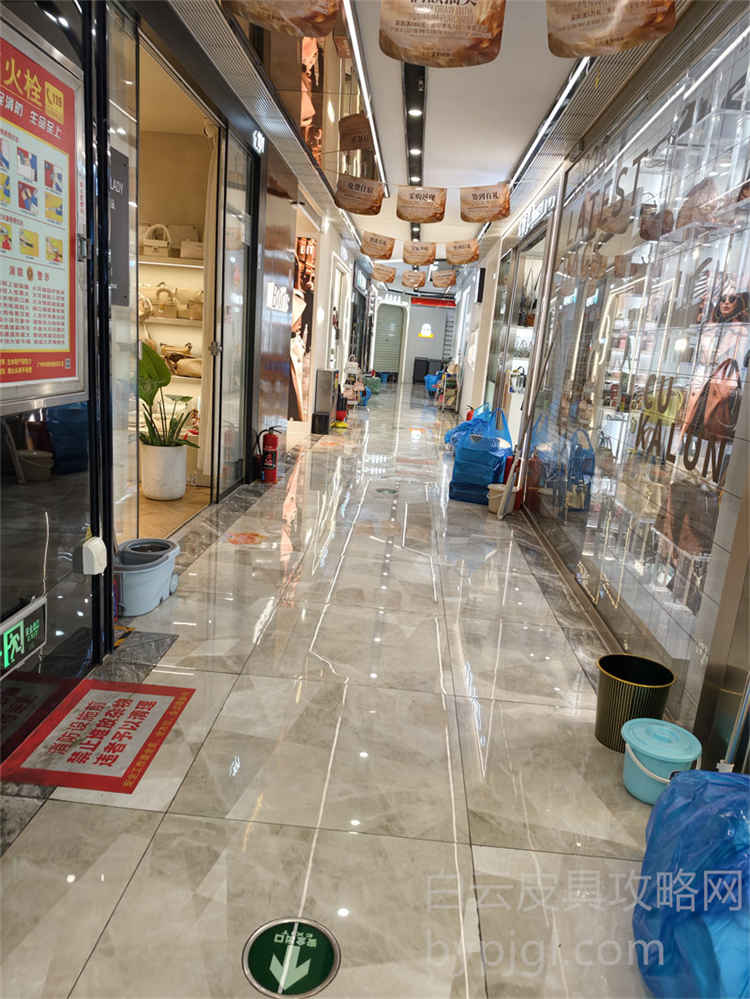
When you step inside the main complex, ignore the flashy displays on the ground floor. Those are for show. They display the "hero products" to attract foot traffic, but the actual stock is often hidden away or located upstairs. My advice? Go straight to Level 4 and Level 5. This is wher the serious wholesalers operate.
I remember a buyer from Australia last month who spent three days wandering the lower levels. He ended up buying a batch of tote bags at $18 each, thinking he got a deal. I showed him my stall on Level 4, and the exact same quality bag was available for $9.50 if he ordered fifty pieces. The difference wasn't the leather; it was the middleman. On Level 4, you are talking directly to the people who manage the production lines. You aren't dealing with a reseller who adds a 100% markup.
Specific Stalls and Factory Direct Access
You asked for specific names? Here is the truth that most guides won't tell you. In Baiyun, the "brand" is less important than the "factory behind the brand." However, there are legendary stalls that have built reputations over decades.
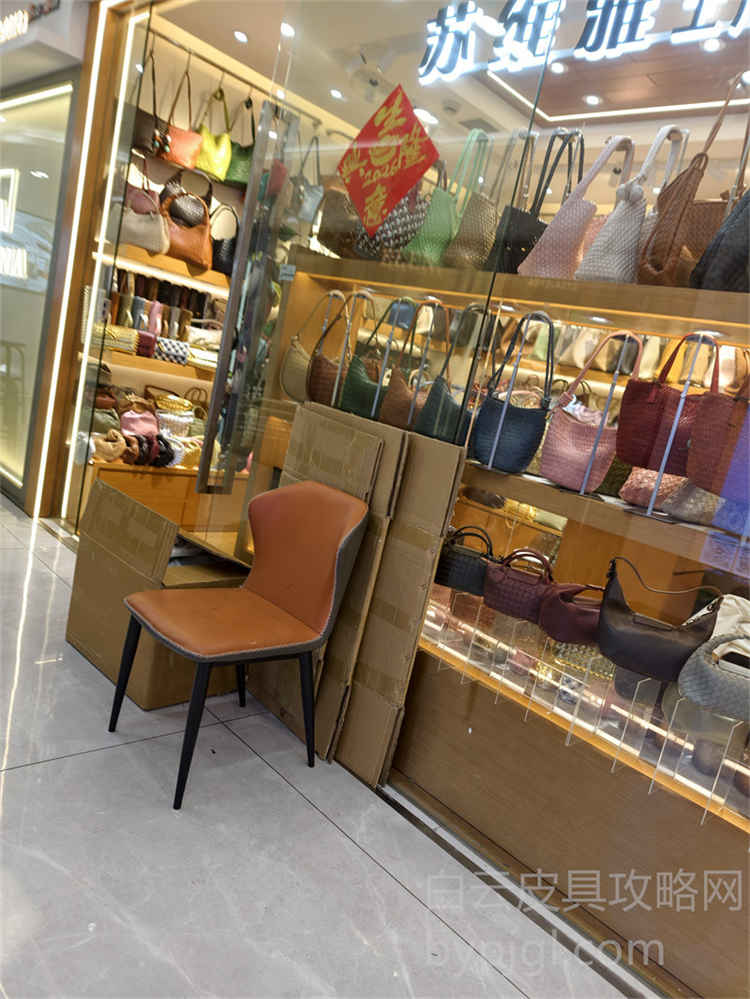
Look for Stall A-102 in Building B. This is a family-run operation that has been doing women's handbags for fifteen years. They specialize in soft leather and structured satchels. Their MOQ (Minimum Order Quantity) is flexible for new clients—start with thirty pieces. If you ask for their catalog, they will pull out a physical book, not send a PDF. That physical book contains photos taken in their own workshop, showing the stitching details. That transparency is rare.
Then there is Stall C-205 in Building D. These guys are the kings of hardware. If you care about zippers, clasps, and chain straps, this is your stop. They work closely with a factory in Foshan, which means they can customize metal parts without charging you a mold fee for orders over $2,000. I've seen them change a zipper color from gold to gunmetal in just forty-eight hours. That kind of agility is what separates a successful importer from a failed one.
The Art of Inspection: What to Look For Before You Pay
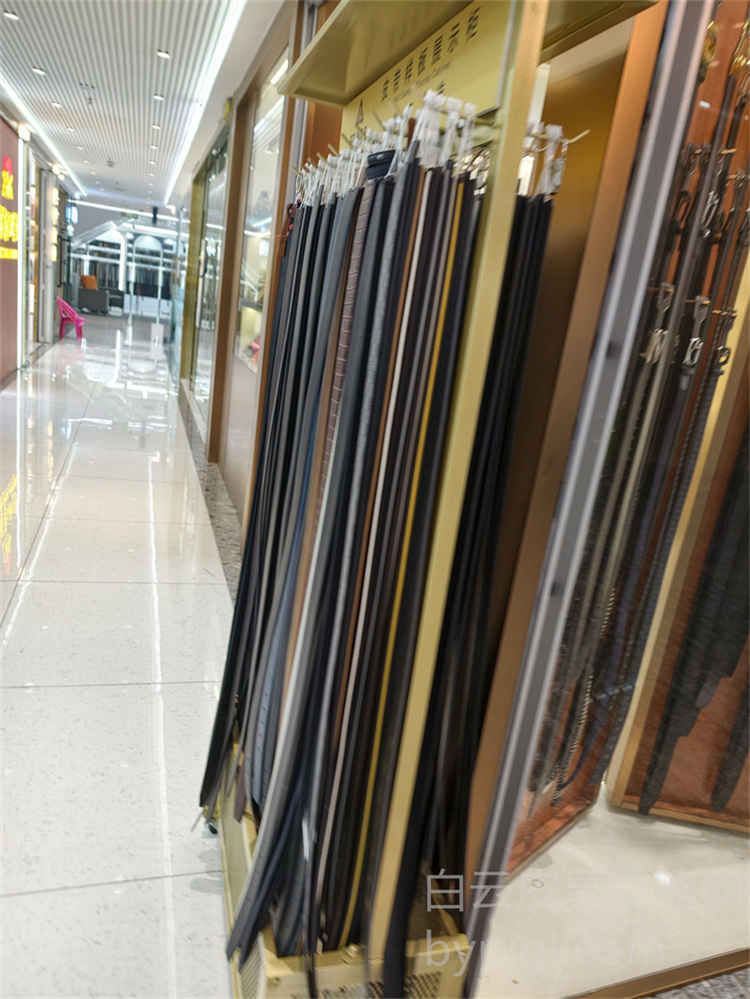
once you find the right stall, the real work begins. Many overseas buyers make the mistake of trusting the sample. Do not trust the sample blindly. The sample is perfect because it was made by the master craftsman for you. The mass production might be different.
The "Three-Point Check" Method
Before you sign the contract or transfer the deposit, I teach my clients to perform a three-point check on the bulk inventory sitting in the back room.
- The Glue Line: Run your finger along the seam wher the leather meets the lining. If you feel any roughness or see glue seeping out, reject it immediately. Good factories use heat bonding or precise stitching. Cheap ones slap glue on and hope no one notices.
- The Hardware Weight: Pick up the bag. Does it feel light? Cheap zinc alloy hardware feels hollow. High-quality brass or stainless steel has a distinct weight. Ask the vendor to weigh a sample piece of hardware against a standard coin. If it's lighter, the plating will peel off within six months.
- The Lining Tension: Open the bag wide. The lining should not pull tight or create wrinkles. If the lining is too short, the bag will deform when you put a laptop inside. This is a common issue with low-cost suppliers trying to save on material.
Negotiating the Price Without Sounding Weak
Here is a trick I learned early on. Never start by asking "How much?" Instead, say, "I am planning to order 200 units of this style. What is your best price for this volume?" By stating a volume upfront, you shift the power dynamic. You are no longer a tourist; you are a potential partner.
If they quote you $15, do not argue immediately. Say, "That is above my target. My competitor in Shenzhen quoted me $12 for similar specs. Can we meet at $13.50?" Even if they didn't mention a competitor, this tactic works because it forces them to justify their pricing. Often, they will drop to $13.50 or offer free shipping to close the deal. Remember, in Baiyun, the first price is never the final price.
Logistics and Avoiding the Scams
Getting the goods out of Guangzhou is half the battle. There are many scams involving freight forwarders who promise cheap rates but then hide fees at the destination port.
Choosing the Right Forwarder
Do not let the stall owner handle your shipping unless you trust them implicitly. Most stall owners will recommend a forwarder who pays them a commission. While these forwarders are usually okay, they prioritize the stall owner's convenience, not yours. Find your own forwarder based in Guangzhou Baiyun. Look for companies that specialize in "DDP" (Delivered Duty Paid) services to your country. This means the price includes everything: pickup, customs clearance, and delivery to your warehouse.
For example, if you are importing to the US, ensure your forwarder understands the de minimis value rules. If you are sending small parcels under $800, you might avoid duties, but if you ship a pallet, you need proper documentation. Always ask for a proforma invoice that matches the commercial invoice exactly. Any discrepancy here can lead to your cargo being stuck at customs for weeks.
Summary: Your Action Plan for Success
To wrap this up, let's look at the data. If you follow the standard tourist route, you might pay $25 per bag, spend 5 days searching, and receive goods with a 20% defect rate. If you follow the path I laid out—going straight to Baiyun Level 4, targeting specific stalls like A-102 or C-205, performing the three-point inspection, and negotiating with volume in mind—you can secure bags for $9-$12 with a defect rate under 2%.
| Strategy | Cost Per Unit (Est.) | Time Spent | Quality Control |
|---|---|---|---|
| Tourist Route (Hu Men/Lower Levels) | $20 - $25 | 5-7 Days | Low (High Risk) |
| Pro Strategy (Baiyun Level 4/5) | $9 - $12 | 2-3 Days | High (Direct Factory) |
| online Sourcing (Alibaba Only) | $14 - $18 | 1 Month (Shipping) | Medium (Sample Mismatch) |
Remember, the market changes fast. What is hot today might be dead next month. But the fundamentals remain the same: go to the source, inspect physically, and build relationships. Don't rely on Google Maps or generic search results. Walk the floors of Baiyun Leather City. Talk to the people who have been there longer than you have. That is how you win in the global bag trade.

 On-site Visits
 Free Sharing
 Avoid Scams
 Updated Frequently
 For Reference Only