
Why Guangzhou is Still the only Place to Source Korean-Style Bags
I've been standing behind a counter in Guangzhou for over twenty years. While the internet tries to convince you that everything can be ordered from a laptop, I'm here to tell you that if you want real Korean-style bags, you need to be on the ground in Baiyun District. The "Korean style" trend isn't just about a logo or a specific color; it's about the silhouette, the hardware weight, and that specific leather grain that mass-produced factories in other cities often miss. When I say "Guangzhou wholesale Korean bags," I'm not talking about the cheap knockoffs you see on random e-commerce sites. I'm talking about the high-end replicas and original designs that define the Seoul fashion scene today.
Many overseas buyers ask me why they should fly all the way here instead of using an agent. The answer is simple: trust and touch. You cannot feel the stiffness of the cowhide or hear the click of the magnetic clasp through a screen. In my shop, we deal with hundreds of these styles weekly. The market moves fast. A design that hits the streets of Gangnam in January might be flooding our stalls by March. If you wait for a supplier to ship samples from China to your country first, you will be three months late to the party. Being here allows you to spot the trends before they even hit the major retailers.
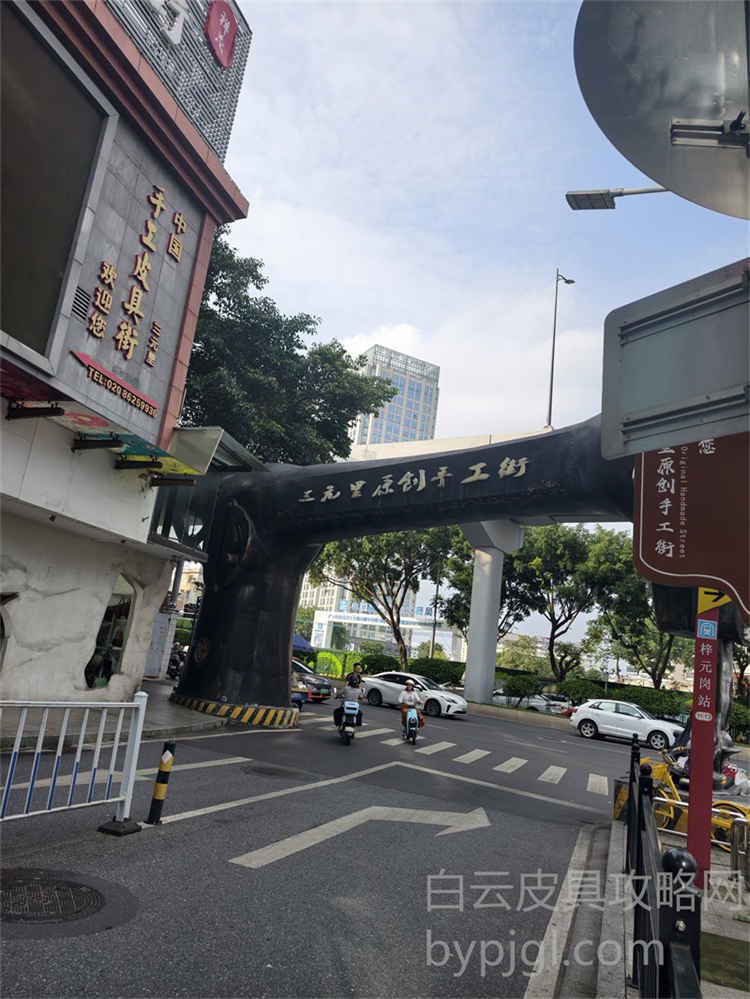
Navigating the Baiyun Leather City Maze
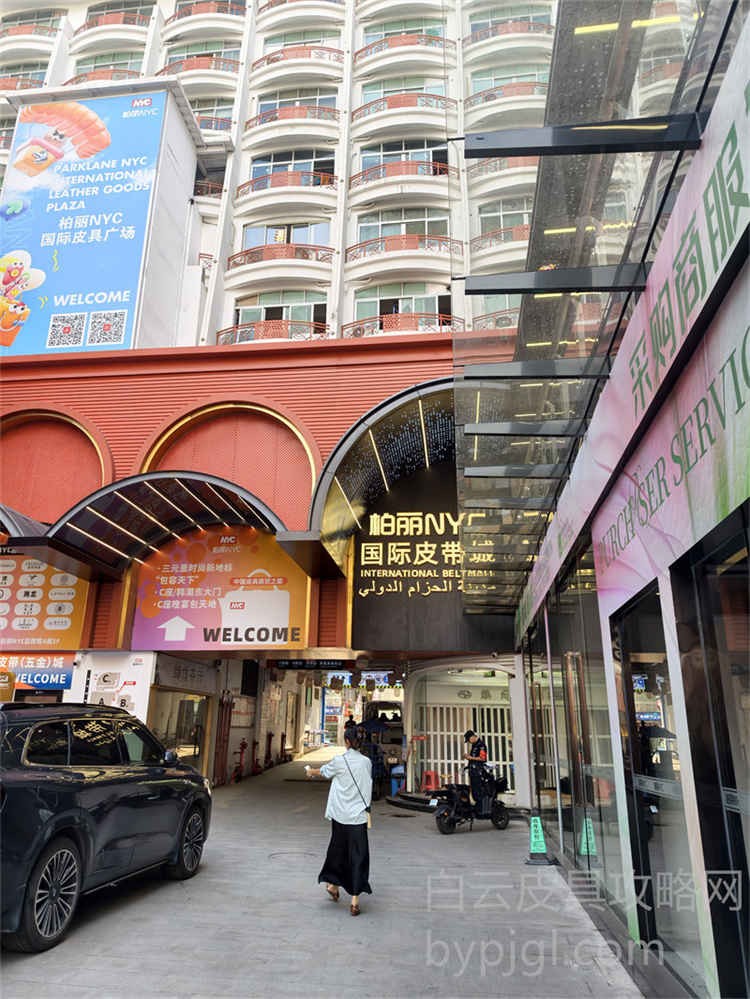
Let's talk about wher you actually go. Most people think "Baiyun Leather City" is one single building. It's not. It's a cluster of massive complexes. For Korean-style bags specifically, you need to focus on two main hubs: the International Trade Center (ITC) and the nearby Shiqiao area, but mostly the newer buildings like the World Trade Center and the specialized sections within the main Baiyun complex.
The Hidden Gems on Specific Floors
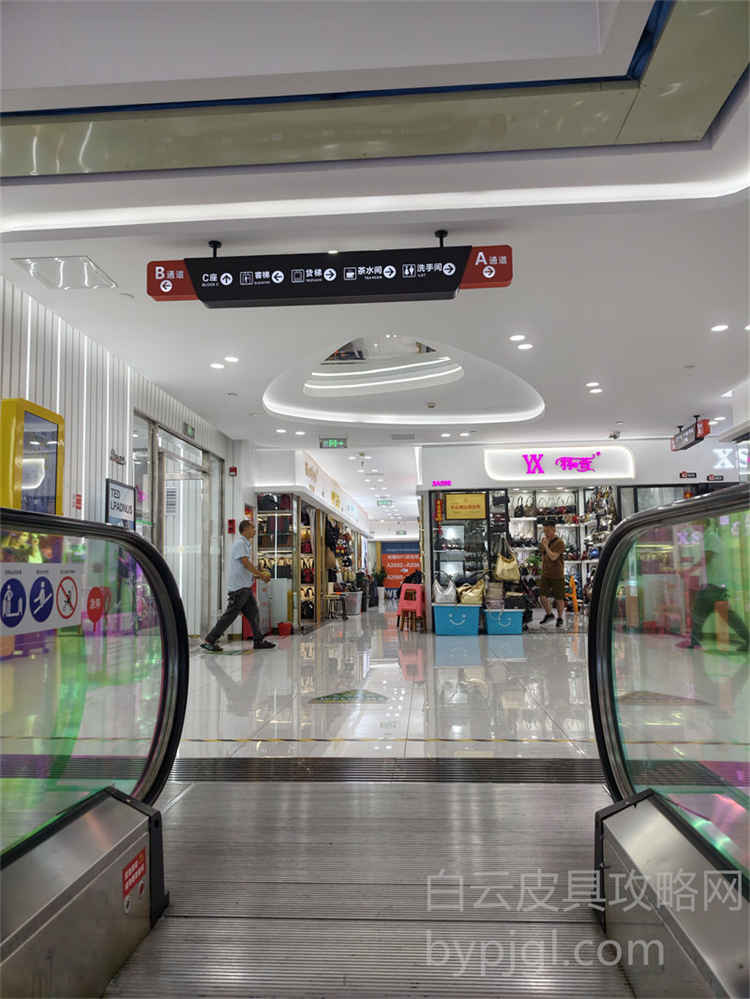
If you walk into the main Baiyun Leather Market, don't get lost in the chaotic ground floor filled with generic tote bags. Head straight to the upper floors, specifically the 4th and 5th floors of the International Trade Center. This is wher the serious players are. I have a favorite stall owner named Mr. Zhang who runs a booth called "Seoul Chic Studio" right near the elevator on the 4th floor. He doesn't advertise much, but his stock is legendary.
Mr. Zhang's factory is located in the Panyu district, but he keeps his showroom here. His specialty is the "mini box bags" and structured shoulder bags that mimic the high-end Korean brands like Polux and various boutique labels. Here is a tip: when you find a stall that looks too clean and has no stock visible, ask to see their "sample book." Many of these shops keep their best inventory in the back warehouse. Mr. Zhang always shows me his latest batch of "Nappa leather" bags. The difference between his Nappa and the standard PU leather found elsewher is night and day. The price per unit might be $18 versus $8, but the margin you can make selling them as premium goods is worth the extra cost.
Shifting Trends: From Totes to Crossbodies
In the last two years, the demand has shifted dramatically. Ten years ago, everyone wanted big totes. Now, the Korean market is obsessed with small, functional crossbodies and bucket bags. I remember last year, a buyer from Canada came to me asking for large handbags. I told him to wait. By the time he got his shipment, the trend had already moved to smaller sizes. I showed him the new "micro-bucket" designs available at the stall next door, run by a young designer named Li. Her factory specializes in custom hardware. She uses zinc alloy that feels heavy and cold, exactly like the authentic Korean luxury brands. If you buy the light, hollow plastic-feeling hardware from the lower floors, your customers will return the items immediately.
The Art of Negotiation and Quality Control
once you find the right stall, the real work begins. Do not start negotiating until you have inspected the product thoroughly. In Guangzhou, the term "MOQ" (Minimum Order Quantity) is flexible, but only if you know how to ask. For a first-time buyer, many stalls will say they need 50 pieces per style. However, if you show genuine interest and offer to pay a slightly higher price per unit, most owners like Mr. Zhang will let you take 10 or 15 pieces to test the market.
Spotting the Flaws Before You Pay
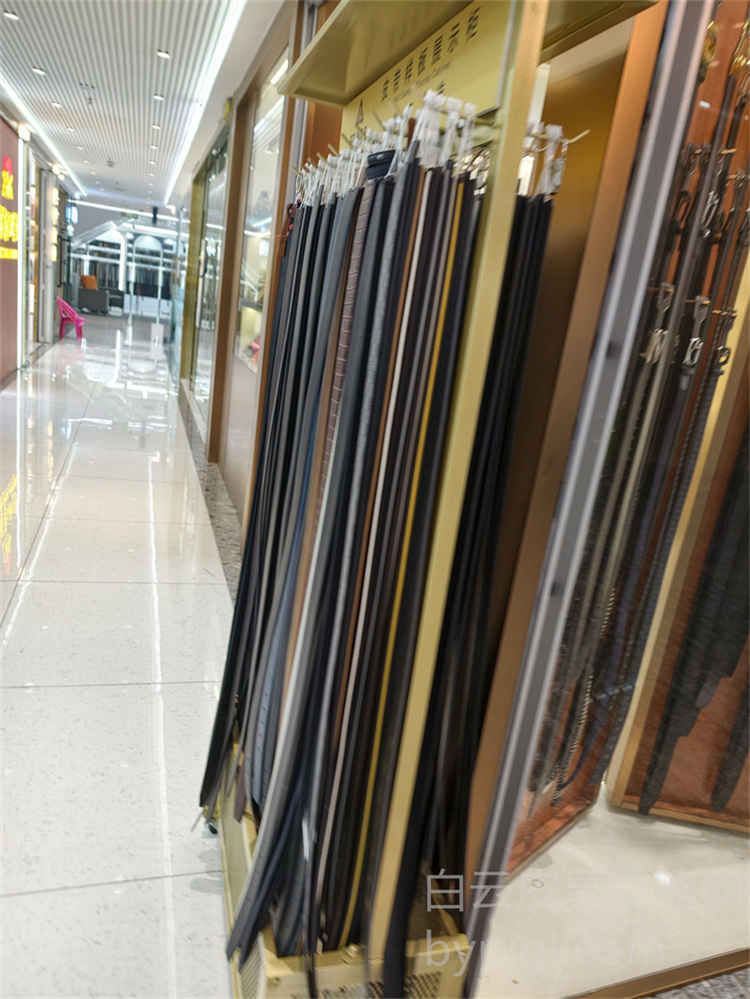
Here is wher I save my clients money every single week. When you pick up a bag, check the stitching first. Look at the corners. In Korean-style bags, the stitching must be tight and uniform. If you see loose threads or uneven spacing, put it down. Next, check the lining. Cheap bags use polyester that pills after a month. High-quality Korean-style bags use a soft, anti-static fabric. Finally, smell the leather. If it smells like strong chemicals, it's low-grade material that will crack quickly. I once saw a buyer order 200 bags because they looked good in photos. When they arrived, the zippers were rusted. That was a $5,000 mistake. Always inspect the hardware mechanism yourself. Open and close the zipper fifty times. Does it stick? Is the puller sturdy?
The Price Reality Check
Let's look at some real numbers. A standard PU leather bag from the street vendors might cost you $6 to $9. A mid-range Nappa leather bag from a reputable stall like Mr. Zhang's costs around $15 to $22. A top-tier, full-grain leather bag with custom hardware can range from $25 to $35. If someone offers you a "full-grain leather" bag for $10, it is a lie. They are using bonded leather or a very thin coating. Don't fall for it. The profit margin for you is huge. If you sell these bags in the US or Europe for $60 to $120, you are still underpriced compared to local boutiques. But you need the quality to justify that price.
Logistics and Avoiding Common Pitfalls
After you select your goods, the logistics become critical. Many buyers try to ship via regular mail, which is a disaster. You need to use a freight forwarder who specializes in leather goods. In the Baiyun area, there are dozens of shipping agents right outside the market exits. They handle customs clearance for you. Make sure you agree on the Incoterms clearly. FOB (Free on Board) is usually the best deal for you. This means the seller gets the goods to the port, and you handle the rest.
The Sample Trap
One common mistake is ordering samples without paying for them properly. Some sellers will give you a free sample but then charge you double for the bulk order. Others send you a perfect sample but ship inferior goods later. To avoid this, always pay for the sample first. Treat it as a deposit. If the bulk order matches the sample, deduct the sample cost. This builds trust. Also, never transfer money directly to a personal WeChat account unless you have known the person for years. Use Alipay or bank transfers with clear invoices. In my experience, the safest route is to meet the factory manager in person and sign a simple contract detailing the materials, dimensions, and defect tolerance levels.
Summary of Key Sourcing Locations
| Market Area | Best For | Recommended Stall/Contact | Avg. Price Range (USD) |
|---|---|---|---|
| Baiyun Leather City (Int'l Trade Ctr) | Premium Korean Styles, Nappa Leather | "Seoul Chic Studio" (Floor 4), Owner: Mr. Zhang | $15 - $35 |
| World Trade Center | Trendy Mini Bags, Custom Hardware | "Li Design Lab" (Floor 3), Owner: Ms. Li | $12 - $28 |
| Shiqiao Wholesale Market | High Volume, Basic Totes | Various Stalls (No specific name needed) | $6 - $12 |
| Panyu Factory Outlets | Direct Factory Pricing (Bulk Only) | Requires Appointment | $10 - $25 |
Going to Guangzhou to source Korean-style bags is not just about buying products; it's about building relationships. The market is fierce, but it rewards those who do their homework. Don't rush. Walk the floors, touch the leather, and talk to the people who actually make the bags. If you follow these steps, you will find suppliers who treat you like a partner, not just a customer. The next time you plan a trip, skip the online shopping and come to Baiyun. Your business will thank you.

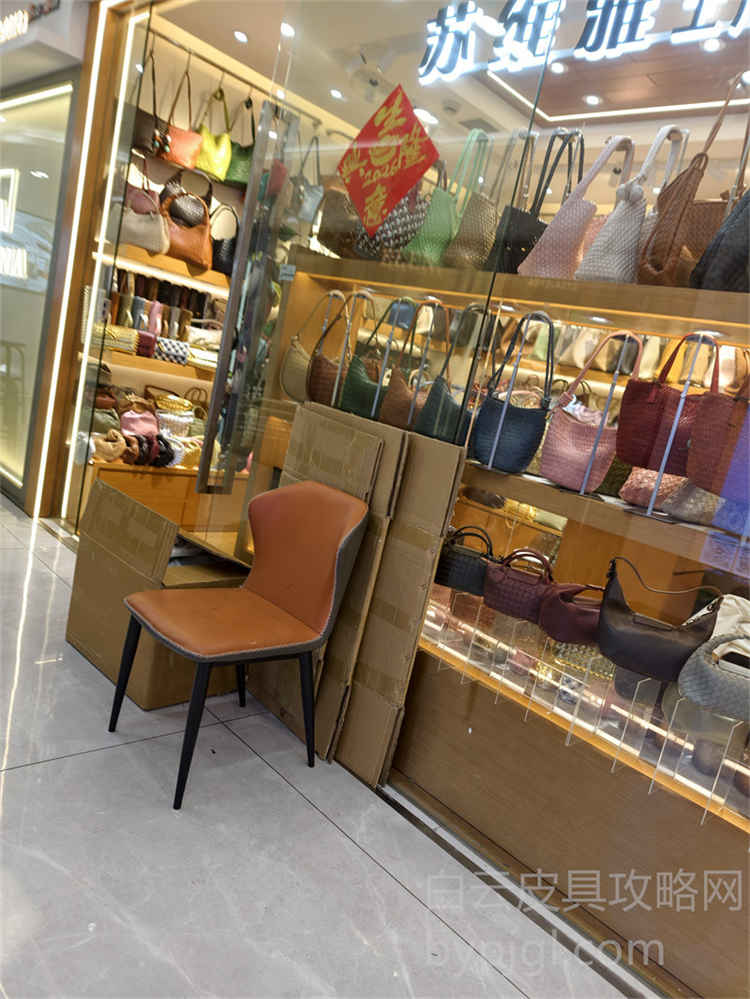
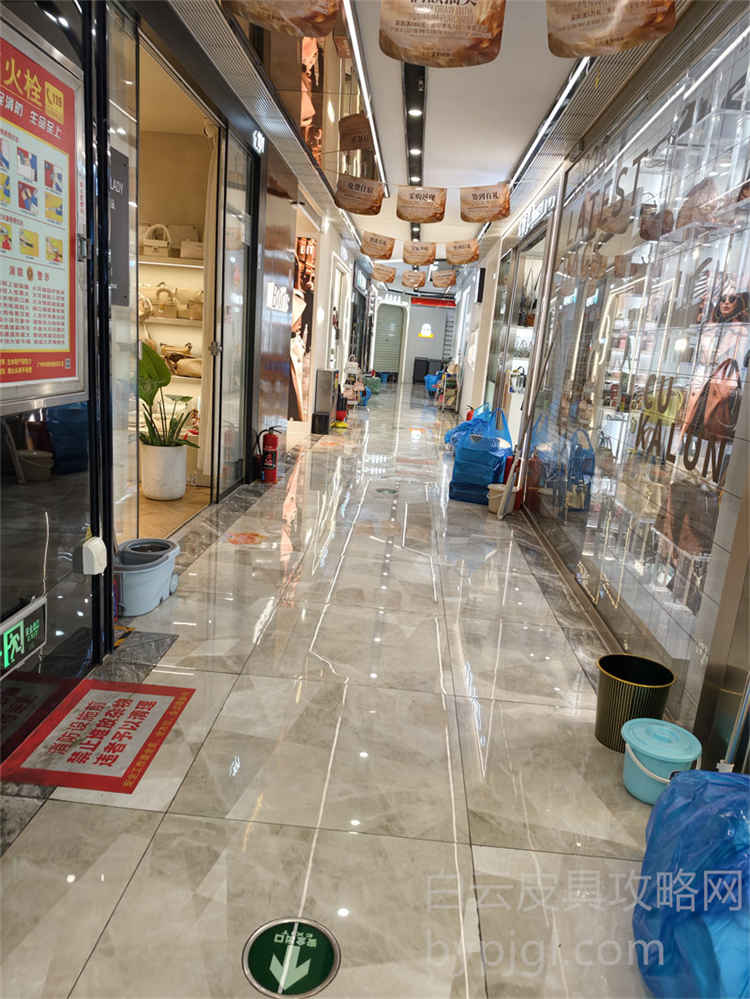
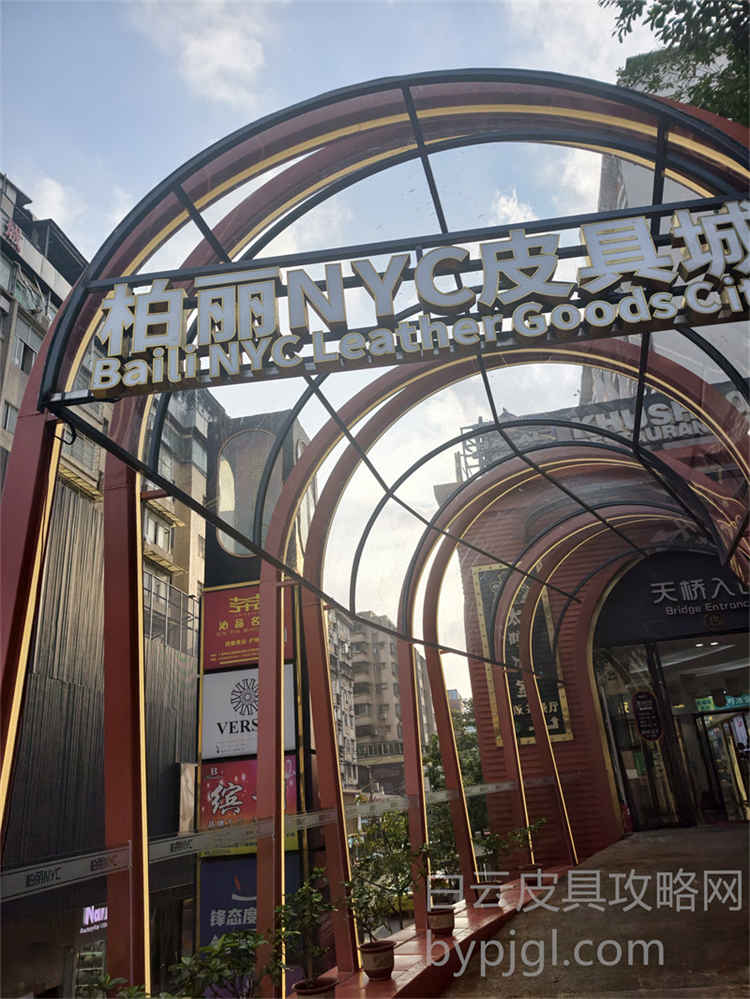
 On-site Visits
 Free Sharing
 Avoid Scams
 Updated Frequently
 For Reference Only