
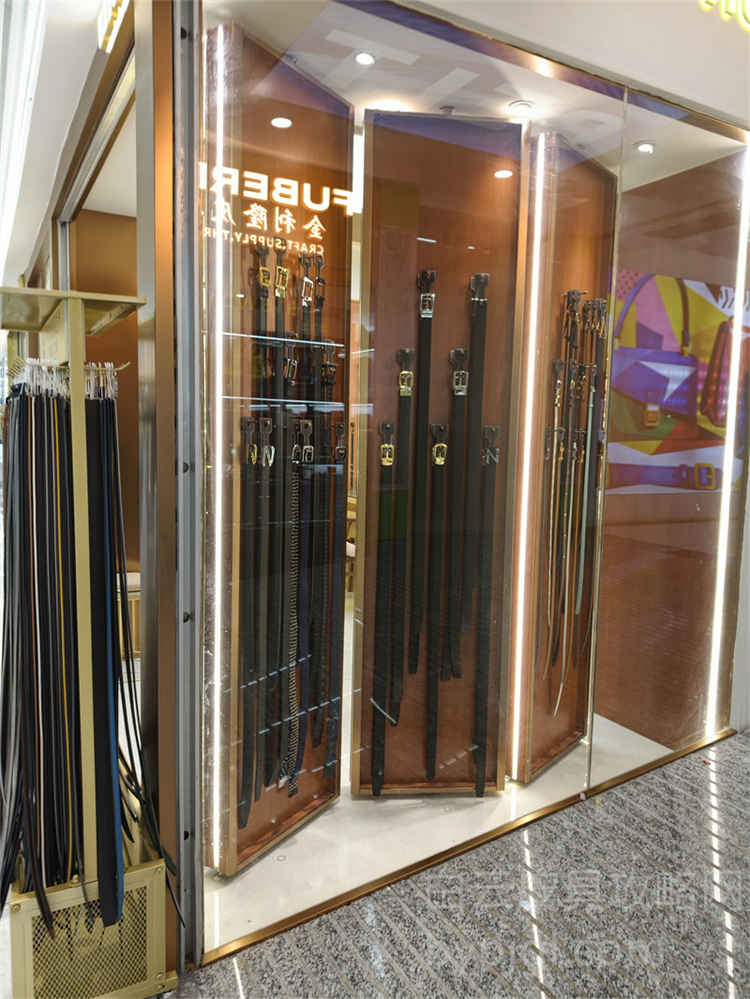
Why I've Been Selling Bags in Guangzhou for Over Two Decades
Welcome to the real deal. If you are reading this, you probably think you know about buying bags in China. You've seen the videos, read the forums, and maybe even tried to navigate the apps. But let me tell you something: nothing beats standing on the ground in Baiyun District, feeling the leather under your fingertips, and talking face-to-face with the people who actually make these goods. I have been running a stall in the White Horse Market area for more than twenty years. I've seen trends come and go, from the early days of simple designs to today's high-end craftsmanship. My goal isn't just to sell you a bag; it is to help you understand the ecosystem so you don't get burned.
The first thing you need to realize is that Guangzhou is not a single place. It is a massive industrial hub centered around the Baiyun Leather City complex. The White Horse Market itself is famous, but it is just one piece of a much larger puzzle. When you arrive here, you are entering a world wher speed, quality, and relationships matter more than anything else. Many overseas buyers make the mistake of thinking they can walk into any shop and get the best price. That is simply not how business works here. You need to know which building holds the premium goods, which floor has the latest styles, and most importantly, who the reliable suppliers are.
Navigating the Real Market: Beyond the Tourist Traps
Understanding the Layout of Baiyun District
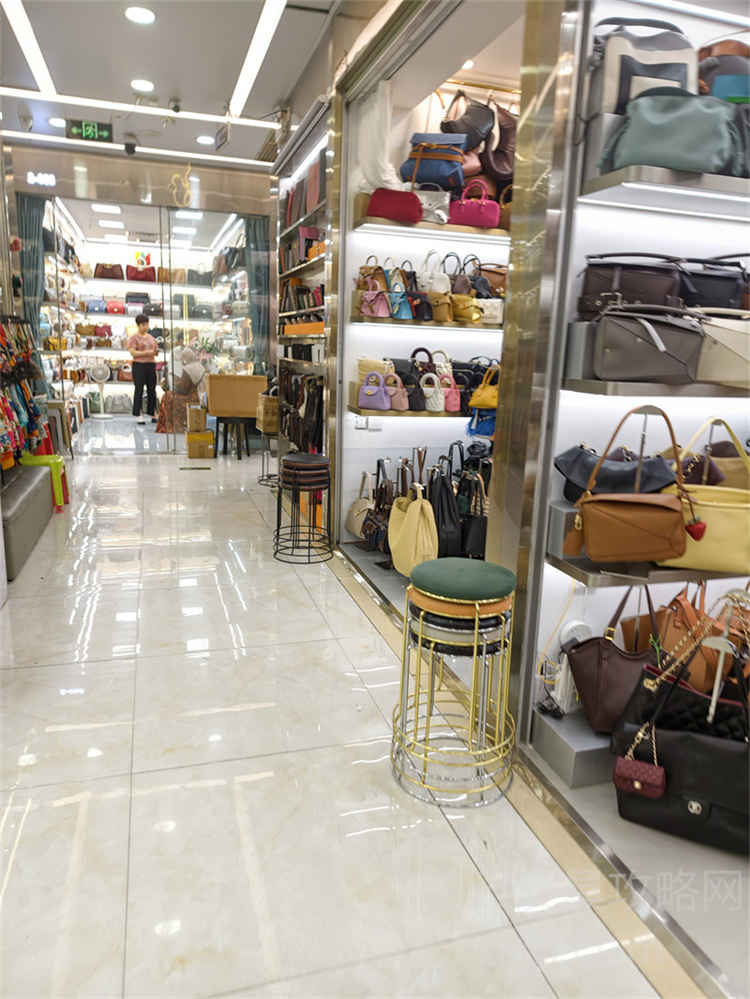
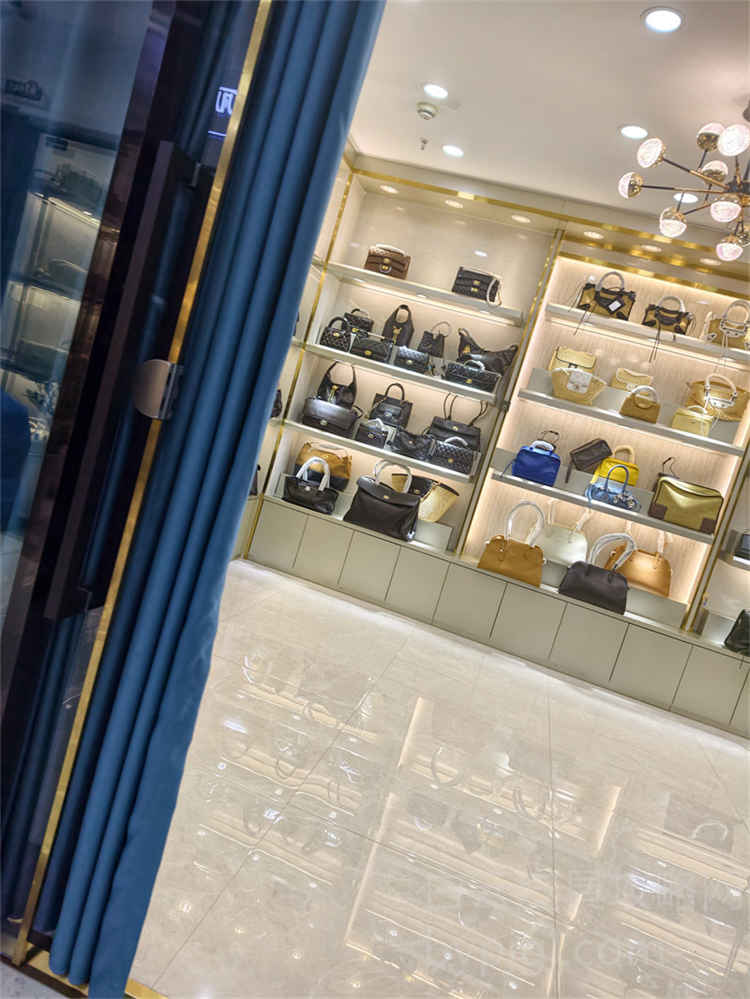
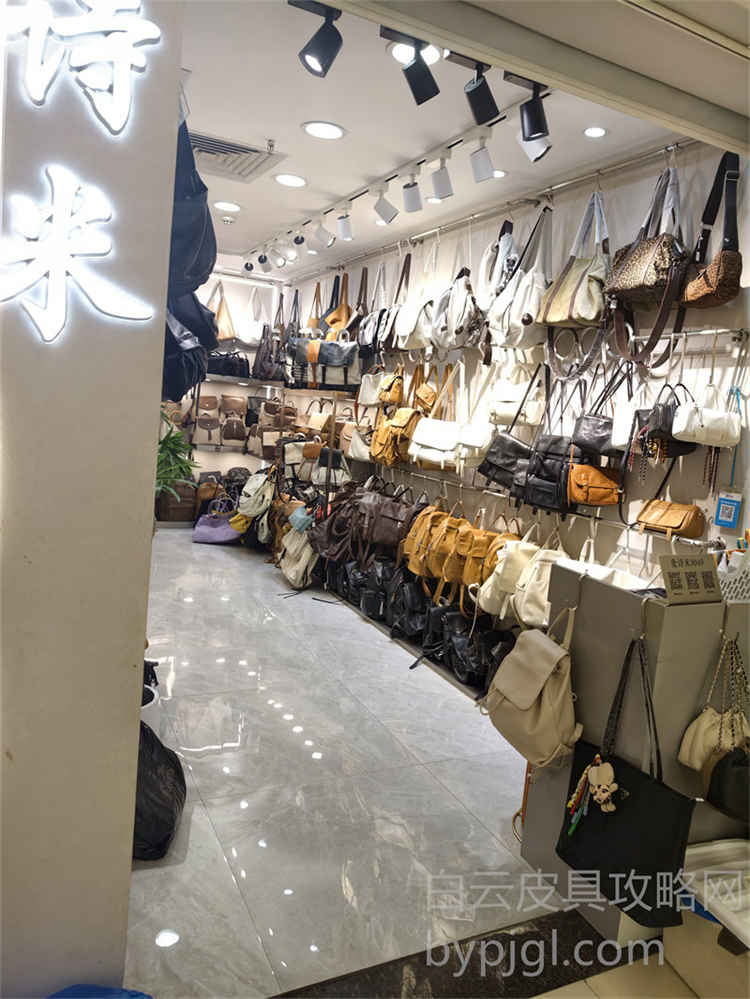
Let's talk about the geography because getting lost here is easy if you don't know what you are looking for. The White Horse Market is known for its slightly higher-end offerings compared to some of the older, chaotic markets nearby. However, the true power lies in the surrounding buildings like the Baima Fashion Plaza and the adjacent wholesale centers. When I guide my regular clients through the district, we don't just wander aimlessly. We head straight to the specific floors wher the serious manufacturers operate. These aren't the flashy storefronts designed for tourists; they are functional spaces filled with racks of samples and stacks of boxes.
You will notice that the atmosphere changes as you move deeper into the complex. The noise level dros, and the conversations become more technical. This is wher you find the "factory-direct" stalls. These are the places wher the owners often have their own workshops or direct lines to production teams. If you want to avoid the middlemen who inflate prices, you need to find these spots. They might not have the fancy English menus or the air-conditioned lobbies you see in hotels, but the product quality and pricing structure are far superior. Trust me, after two decades, I know exactly which corridors lead to the best deals.
The Art of the First Impression
When you approach a stall, your demeanor matters. Do not act like a tourist looking for souvenirs. Act like a buyer. Walk in with purpose, look at the hardware, check the stitching, and ask specific questions about materials. I have seen many foreign buyers fail because they asked too many basic questions or tried to haggle over small amounts immediately. In our culture, respect is earned through understanding the product. If you show that you know the difference between genuine cowhide and top-grain leather, the vendor will treat you differently. They will open up their private stock and show you items that are not displayed on the main racks.
Also, be prepared for the language barrier. While many younger staff speak some English, the decision-makers often prefer to communicate in Mandarin or Cantonese. Havin a translator or using translation apps effectively is crucial, but nothing replaces the non-verbal cues. A nod, a smile, and a firm handshake go a long way. Building a rapport with the stall owner is the first step toward securing better terms later on. once they trust you, you become a partner, not just a customer.
Selection and Quality Control: The Buyer's Checklist
Inspecting Materials and Craftsmanship
once you have found a promising stall, the real work begins: inspection. Do not rely on photos sent via WhatsApp or WeChat. Those images can be edited, filtered, or taken from different angles to hide flaws. You must touch the material. Feel the weight of the bag. Check the lining. Look at the stitching density. In Guangzhou, the term "high quality" means different things to different people. For us, it means consistent thread tension, no loose ends, and hardware that feels substantial, not flimsy.
I always advise my clients to bring a small flashlight to inspect the interior seams and the back of the zippers. This is wher corners are often cut. Ask the vendor to show you the raw edges of the leather. If they hesitate or refuse, walk away. Transparency is key. Furthermore, pay attention to the smell. Good leather has a distinct, natural scent. If it smells like chemicals or strong glue, it indicates poor tanning processes or cheap substitutes. In the Baiyun market, you can find everything from budget-friendly options to luxury-grade materials. Your job is to identify which category fits your brand standards.
Verifying Production Capabilities
Before you commit to an order, you need to verify the supplier's capacity. Can they handle your volume? What is their lead time? Do they have the machinery to produce the specific design you want? Many stalls in the White Horse area are essentially showrooms for factories located just outside the city center. Ask to see their production schedule or visit the workshop if possible. Seeing the machines and the workers gives you confidence that they can deliver on time. Don't be afraid to ask for references from other international clients. A confident vendor will have no problem providing contacts or showing past shipping records.
Negotiation and Logistics: Closing the Deal
Strategic Pricing and MOQs
Negotiation in Guangzhou is an art form. It is not about fighting for every cent; it is about finding a sustainable margin for both parties. Start by asking for the factory price, not the retail markup. Be clear about your Minimum Order Quantity (MOQ). Some vendors require high volumes, while others are flexible for smaller batches if you are willing to pay a slightly higher unit cost. I have learned over the years that flexibility is a two-way street. If you promise steady repeat orders, they will often give you better pricing on your first shipment.
Avoid the trap of focusing solely on the lowest price. A bag that costs $5 less but fails quality control will cost you ten times more in returns and reputation damage. Instead, focus on value. Ask about customization options, packaging, and branding services. Often, the ability to add your own logo or choose custom colors is worth more than a few dollars saved per unit. Remember, we are building a long-term relationship, not just making a one-time sale.
Shipping and Customs Considerations
once the deal is done, the logistics phase begins. Shipping from Guangzhou to the US or Europe requires careful planning. Most vendors in the Baiyun district have experience exporting goods and can recommend reliable freight forwarders. They can handle the paperwork, including commercial invoices and packing lists, which are essential for customs clearance. However, do not leave this entirely to them. Ensure you understand the Incoterms clearly. Are you paying for FOB (Free on Board) or DDP (Delivered Duty Paid)? Knowing the difference saves you from unexpected fees upon arrival.
Always request a pre-shipment photo or video of the finished goods before they are packed. This serves as a final verification step. If there are any issues, you can address them before the container leaves the warehouse. Also, consider consolidating your shipments if you are sourcing from multiple stalls. Many forwarders offer consolidation services that can save you significant money on shipping costs. By working closely with your local partners, you can streamline the entire process from the factory floor to your warehouse door.

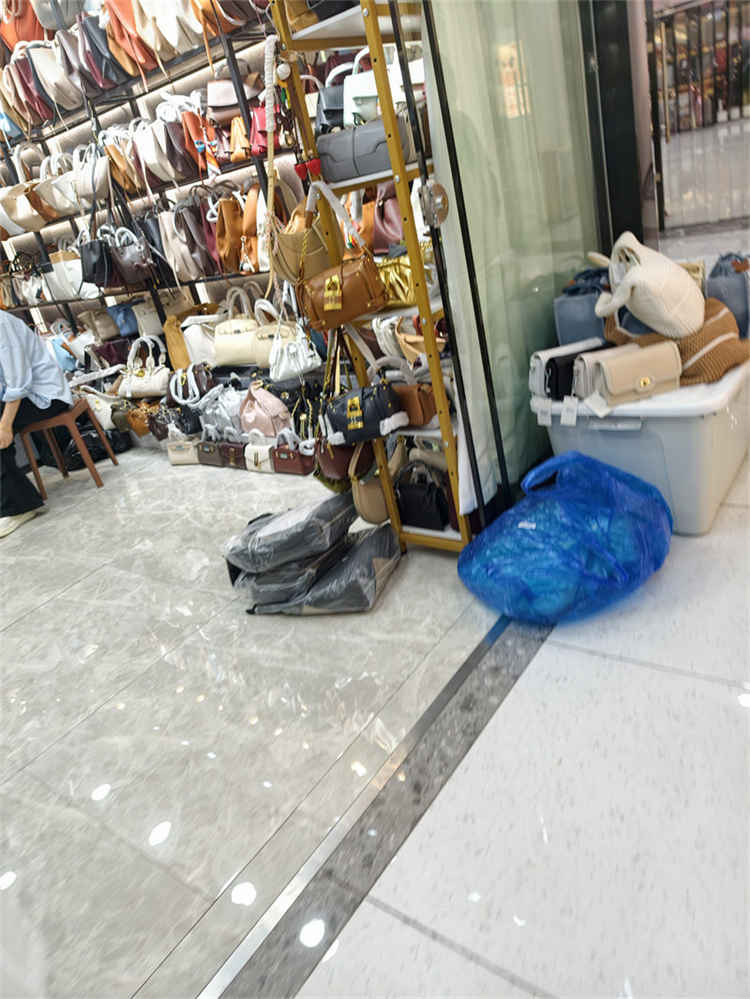
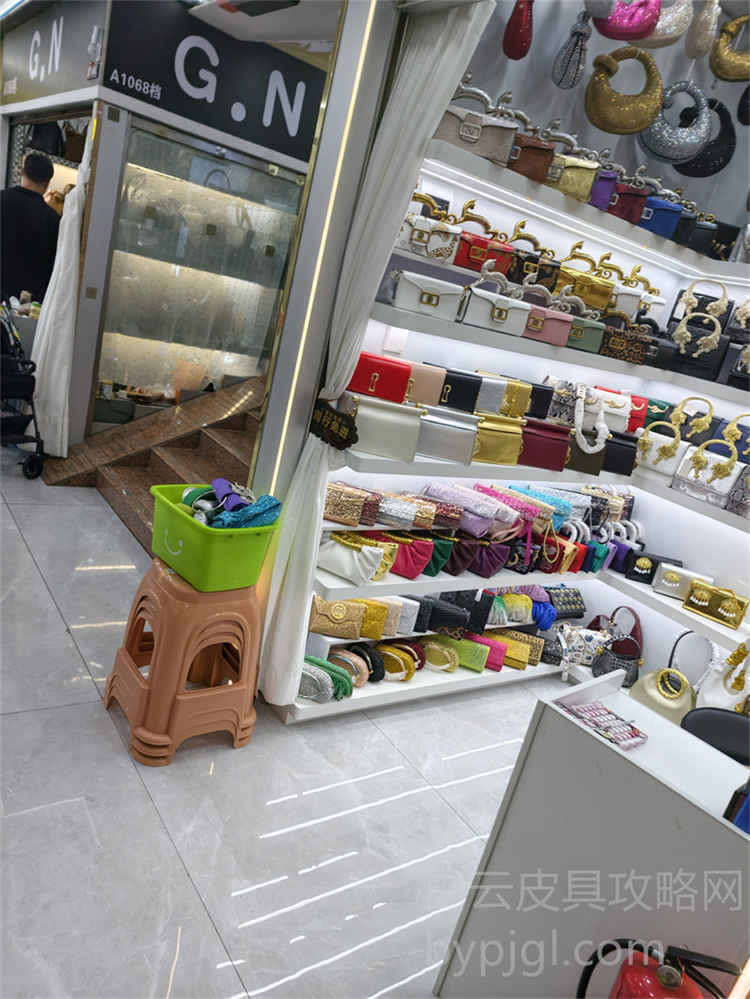
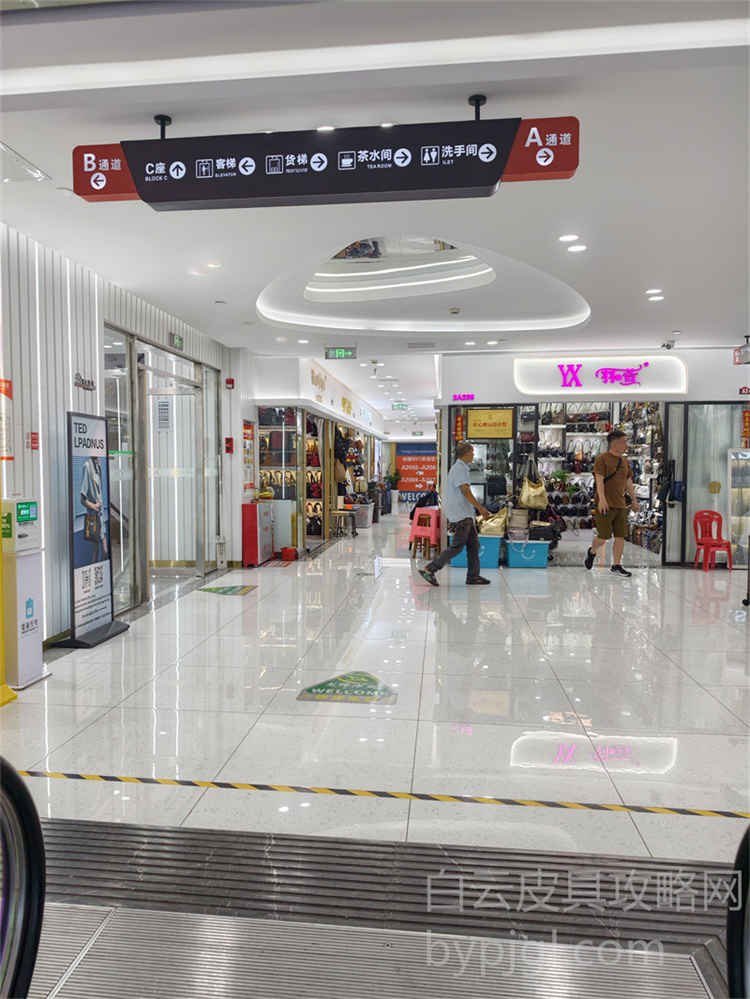
 On-site Visits
 Free Sharing
 Avoid Scams
 Updated Frequently
 For Reference Only