

Stepping Into the Chaos: My First Time at Baiyun
Welcome to the real deal. I've been standing behind this counter in Guangzhou for over fifteen years, watching the dust settle and rise again with every new season. If you are reading this, you probably think you know about the leather goods scene here. You've seen the photos online, maybe read a few blog posts about "the best markets." But let me tell you something that those glossy articles won't say: nothing prepares you for the sheer sensory overload of walking into the Baiyun Leather City complex on a Tuesday morning.
The air is thick with the smell of fresh glue, treated hides, and the hum of hundreds of conversations happening all at once. This isn't a museum; it's a battlefield wher deals are struck in minutes and trust is earned through sweat and sharp eyes. When foreign buyers first step off the bus from the airport, they often look lost, clutching their translation apps like life rafts. I remember my own early days, trying to navigate these corridors without knowing which door led to quality and which was just a trap for tourists. Today, I want to walk you through exactly what happens when you actually show up here, not as a tourist, but as a serious buyer looking to build a business.
Navigating the Labyrinth: Wher to Start Your Hunt
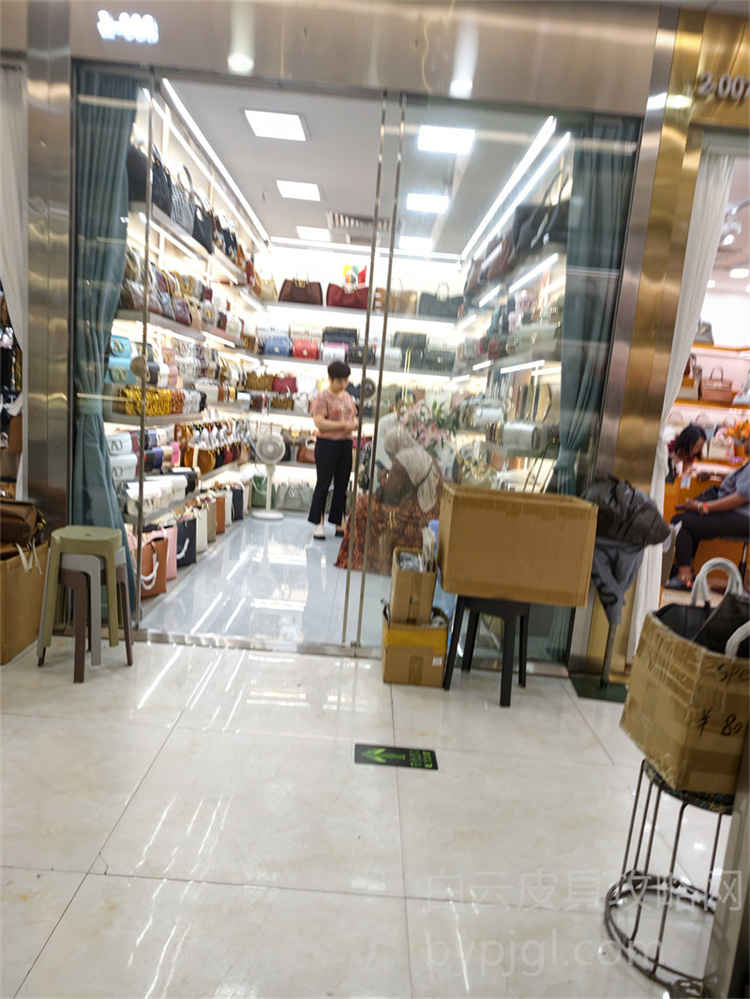
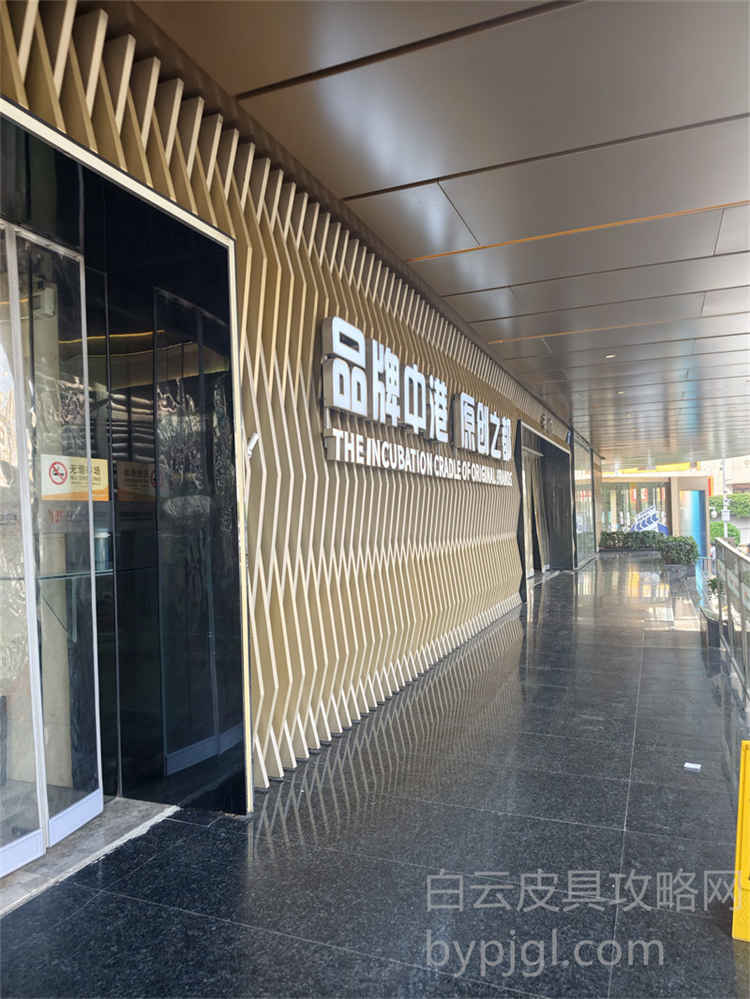
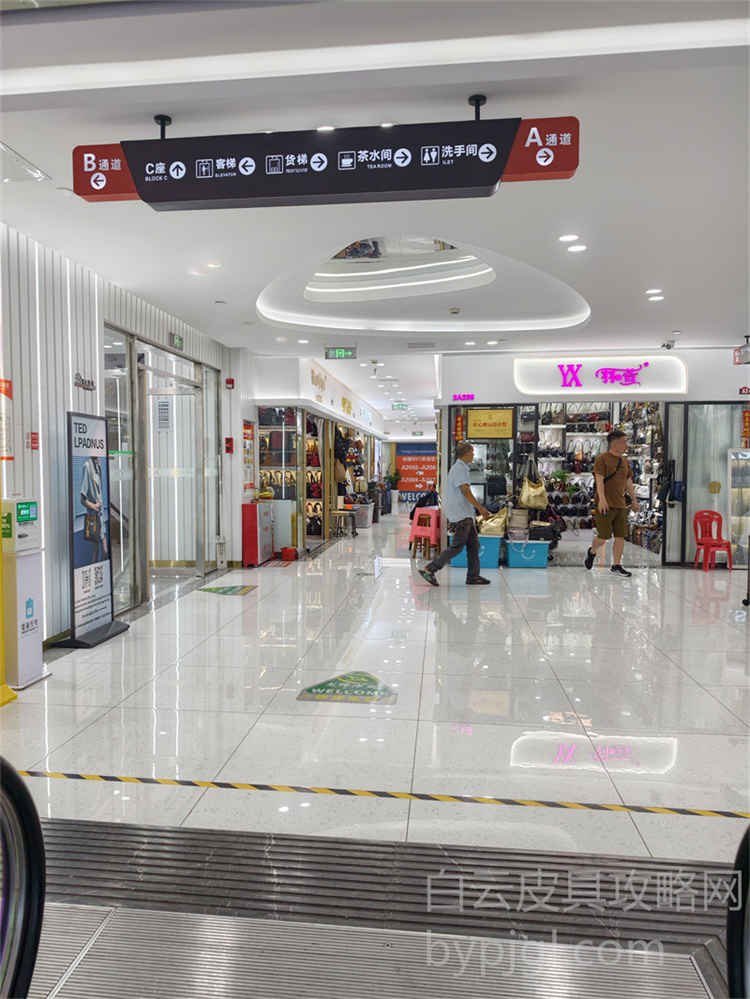
First things first, forget the idea that there is one single building called "Baiyun Market." It is a sprawling ecosystem. The main complex, often referred to as the Grandview or the World Trade Center area, is wher the heavy hitters hang out. These are the shops with glass fronts, polished floors, and staff who speak enough English to get you to the next step. But if you want the real pulse of the industry, you have to venture into the older buildings nearby, the ones with narrower hallways and more chaotic energy.
The Art of the Walk-Through
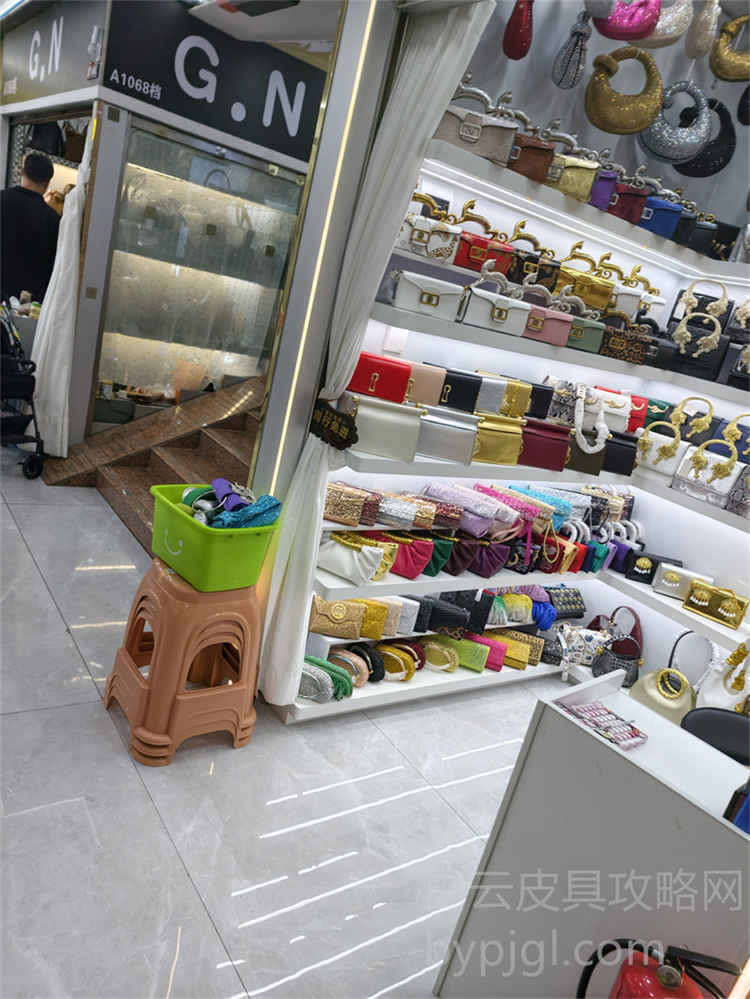
When you arrive, do not rush to the front desk. Walk. Just walk. Spend your first hour observing. Look at the foot traffic. Which stalls have people lingering? Which ones have owners sitting back while others frantically pack boxes? The busy ones usually indicate good turnover, but be careful. Sometimes, high traffic means low margins and desperate selling. In the deeper alleys, you will find the hidden gems. These are the family-run operations that don't need flashy signage because their regular clients keep them fed. They are the ones who can source specific textures or hardware that the big chains can't touch. My advice? Start at the top floor of the main building to get a lay of the land, then descend floor by floor, noting which sections specialize in bags versus wallets or belts.
Behind the Counter: How to Talk to the Bosses
once you pick a stall, the interaction begins. This is wher most buyers fail because they treat it like a retail store. You are not buying a single item for yourself; you are negotiating a partnership. When you approach a counter, do not ask "How much?" immediately. That signals you are a novice. Instead, ask about the material composition, the origin of the leather, and the production lead time. Use terms like "full grain," "top layer cowhide," or "hardware plating thickness." Even if you don't know the exact technical specs yet, using the right vocabulary tells the owner you are serious and have done your homework.
Reading the Room and the Product
Watch how the owner handles the sample. Do they fold it gently, showing the stitching details? Or do they toss it around carelessly? A confident seller will open the bag wide, show you the lining, point out the reinforced stress points, and explain why their zippers last longer than the cheap alternatives. If they hesitate to show the inside or cover the seams, walk away. Trust your gut. In this market, transparency is currency. Also, notice the language barrier. While many owners speak basic English, the best negotiations happen when you use simple, direct sentences. Avoid complex idioms. Say "good quality" instead of "premium grade artisanal craftsmanship." Clarity beats eloquence every time.
The Inspection Game: Don't Skip the Details
This is the most critical part of the process. Many overseas buyers make the mistake of accepting a photo or a quick glance at a display model. Never do this. Always ask to see the actual stock or a production sample that matches what you intend to order. Bring a small flashlight with you; it sounds silly, but it helps you inspect the interior stitching and check for any glue residue or uneven dye jobs that might be hidden in the shadows. Run your fingers over the leather. Does it feel stiff or supple? Check the hardware weight. Cheap zinc alloy feels light and hollow; solid brass or high-quality alloy has a satisfying heft.
Testing the Durability
Don't be afraid to test the product. Pull on the straps, zip the compartments repeatedly, and even sit on the bag if it's sturdy enough. Ask the owner, "What happens if this strap breaks after three months?" Their answer will tell you everything about their after-sales policy. If they promise a replacment or repair, you have found a reliable partner. If they shrug and say "it depends," move on. In Baiyun, the best suppliers stand behind their work. They know that a happy customer brings repeat orders, and repeat orders are the only way to survive in this competitive environment.
Closing the Deal and Shipping Logistics
once you have selected your items, the negotiation phase begins. Price is important, but volume and relationship matter more. Don't try to squeeze the price down to zero. A fair margin allows the factory to maintain quality. If you offer too little, they might cut corners on materials to meet your target. Instead, negotiate based on quantity tiers. "If I order fifty pieces, what is the best price?" is a much better question than "Can you give me a discount?" once the price is agreed upon, clarify the payment terms. Most local suppliers prefer WeChat Pay or bank transfers for domestic transactions, but for international buyers, secure methods like PayPal or trade assurance platforms are standard. Always get a written invoice or a detailed proforma invoice that lists every SKU, color, and size.
Logistics and Shipping
Finally, talk about shipping. The market is full of freight forwarders who can handle customs clearance and delivery to your country. Do not rely on the supplier to ship directly unless they have a dedicated export department. Instead, ask the owner to recommend a trusted logistics partner they work with regularly. These agents know the ropes of packing, labeling, and navigating customs regulations. They can consolidate your orders from different stalls into one container, saving you money on shipping costs. Remember, the goal is to get your goods safely to your warehouse without unexpected fees or delays. Build a network of contacts here, and you will find that the Baiyun Leather City is not just a place to buy products, but a gateway to a thriving global supply chain.


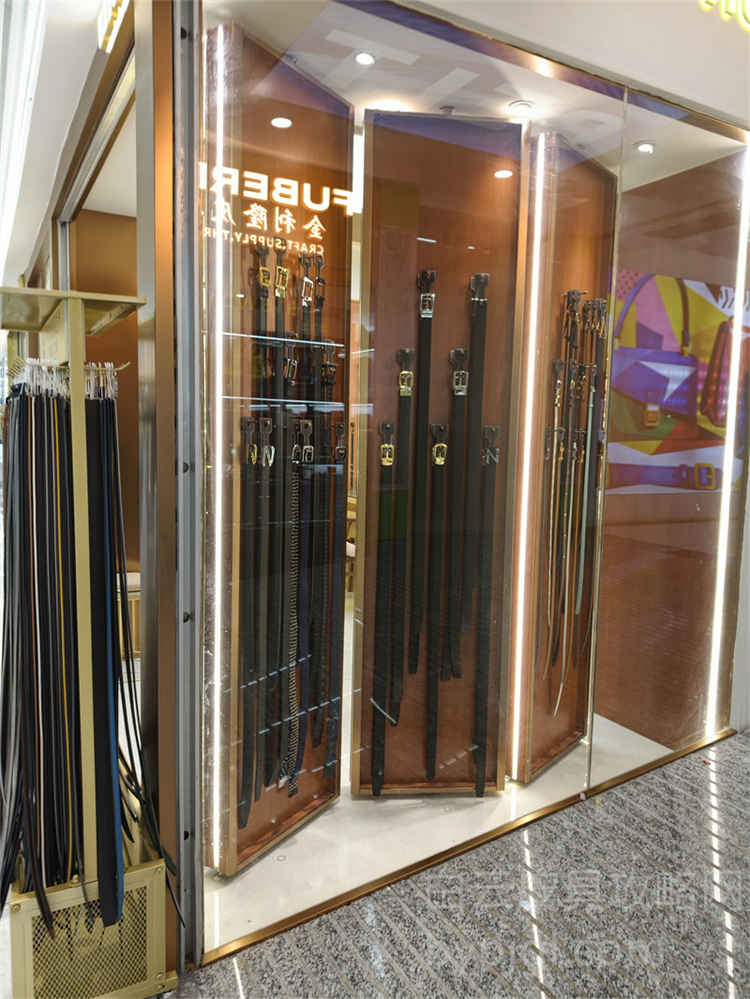
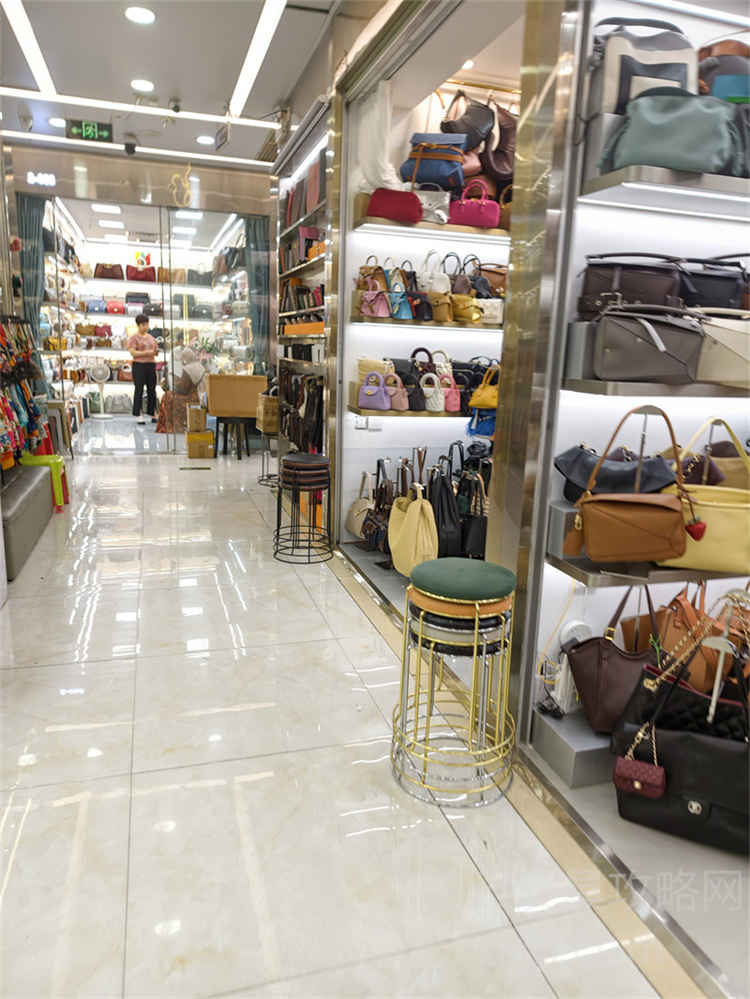
 On-site Visits
 Free Sharing
 Avoid Scams
 Updated Frequently
 For Reference Only