
Why You Need to Skip the "Websites" and Come to Guangzhou
Listen, I've been standing behind a counter in the Baiyun District for over twenty years. I've seen trends come and go, from the glossy patent leather of the early 2000s to the minimalist canvas styles we see today. Every single day, I get emails or messages from overseas buyers asking for my "website" or a direct link to place an order online. They think they can just click a button, pay with a credit card, and have a truckload of bags arrive at their warehouse without ever seeing the product.
I need to be honest with you: that is not how this world works. If you are looking for a simple e-commerce site wher you browse and buy like you do on Amazon, you are going to be very disappointed. The real action happens offline, in the dusty, chaotic, and incredibly vibrant corridors of the Leather City markets. There is no magic URL that replacs the experience of walking through those doors, feeling the texture of the leather with your own hands, and negotiating face-to-face with the people who actually make these goods. My advice? Forget about searching for a specific website address. Instead, pack your bags and come here.
Navigating the Real Market: It's Not Just One Building
The Heart of the Operation: Baiyun International
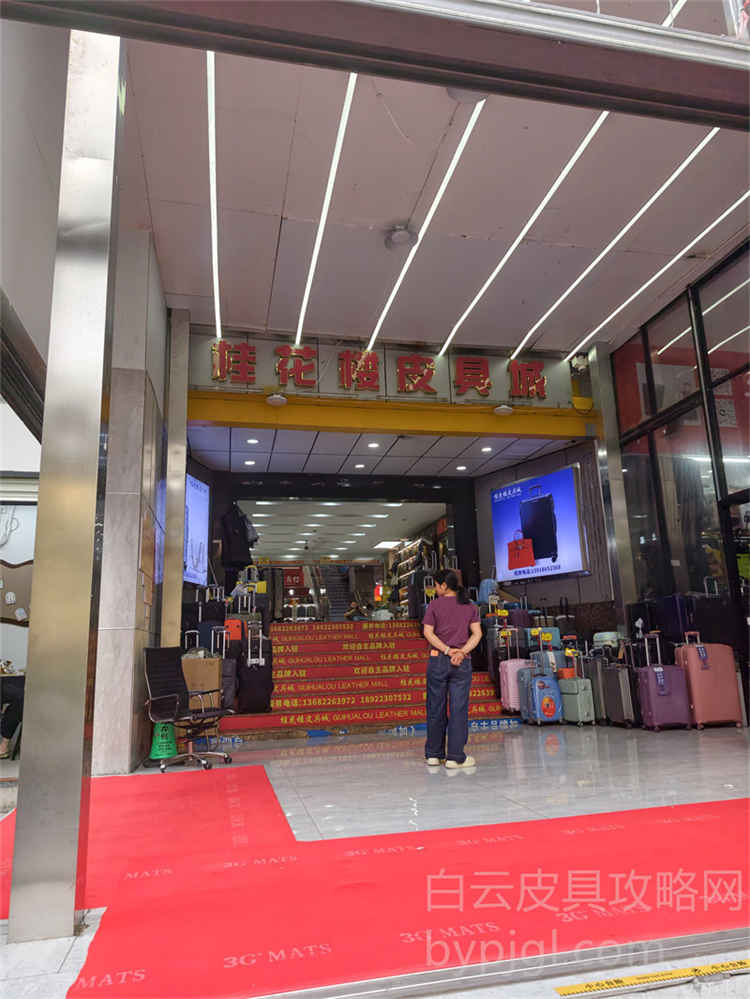
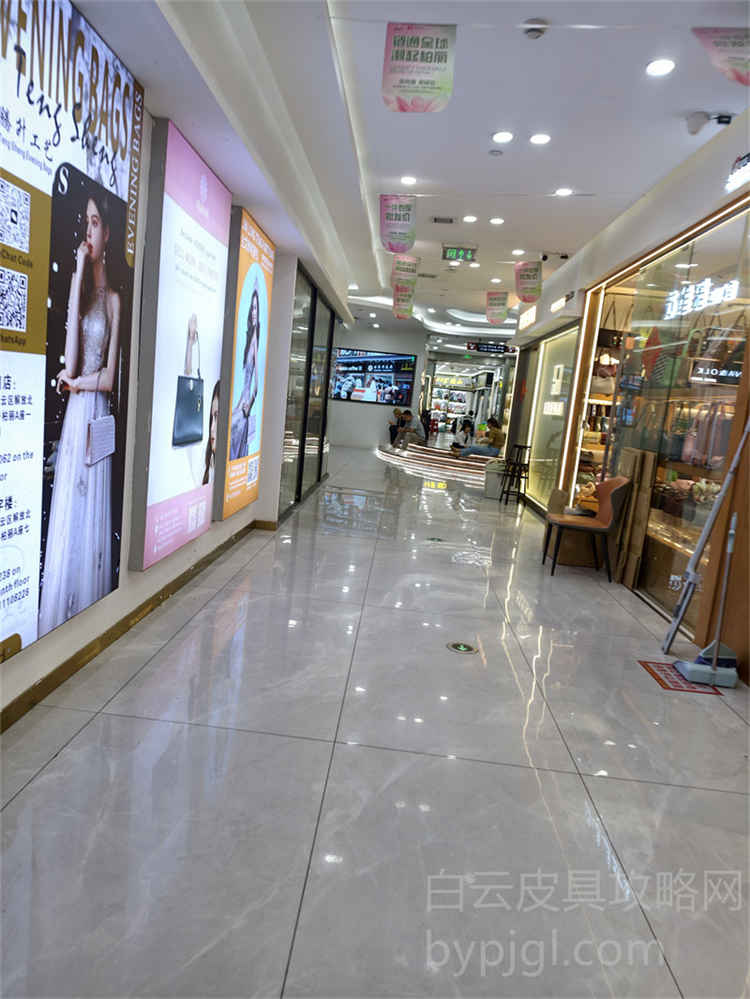
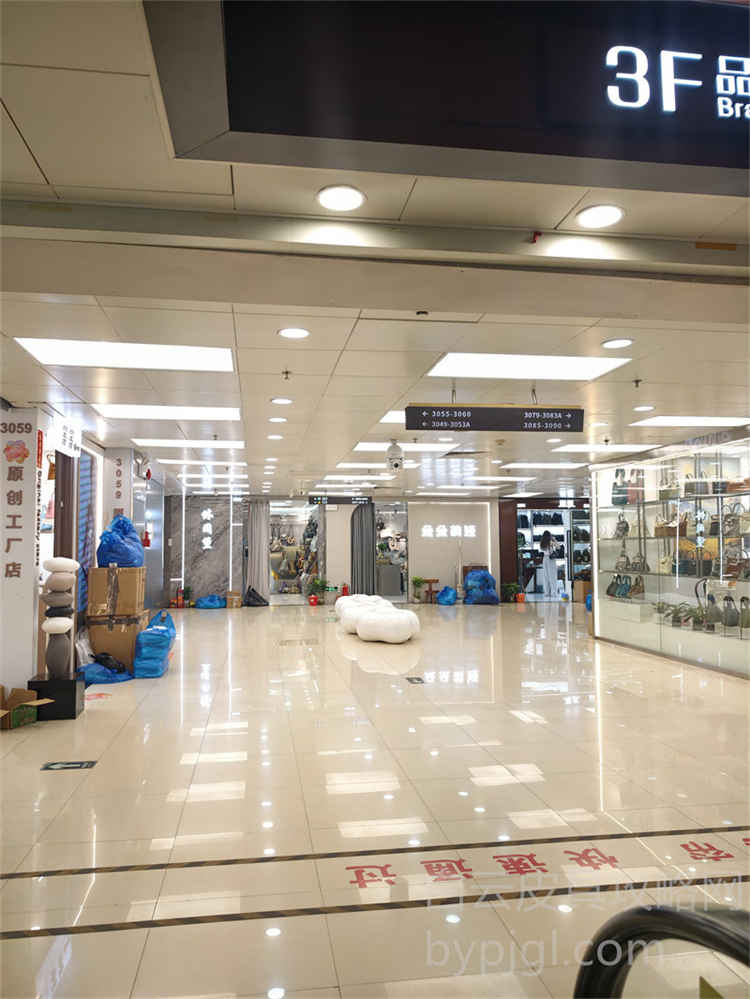
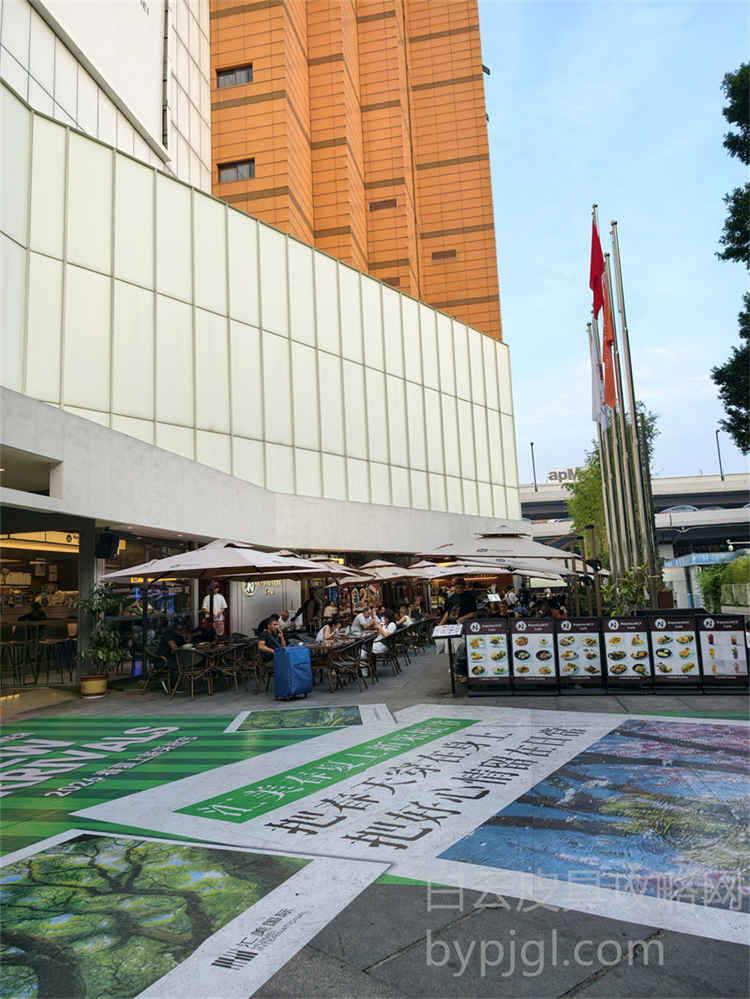
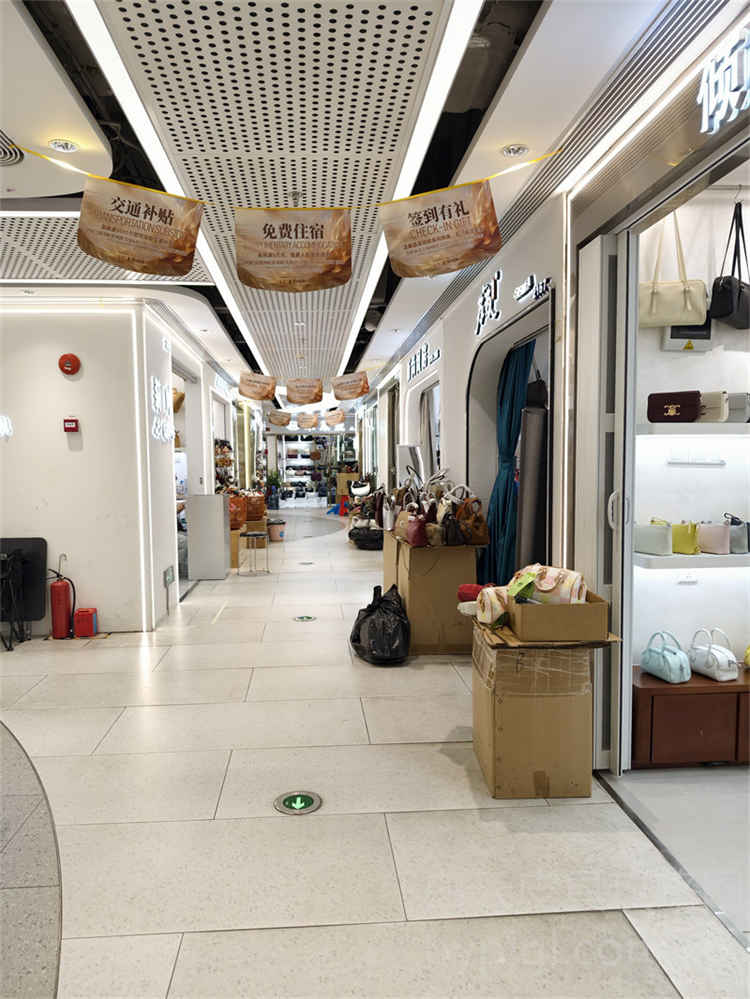
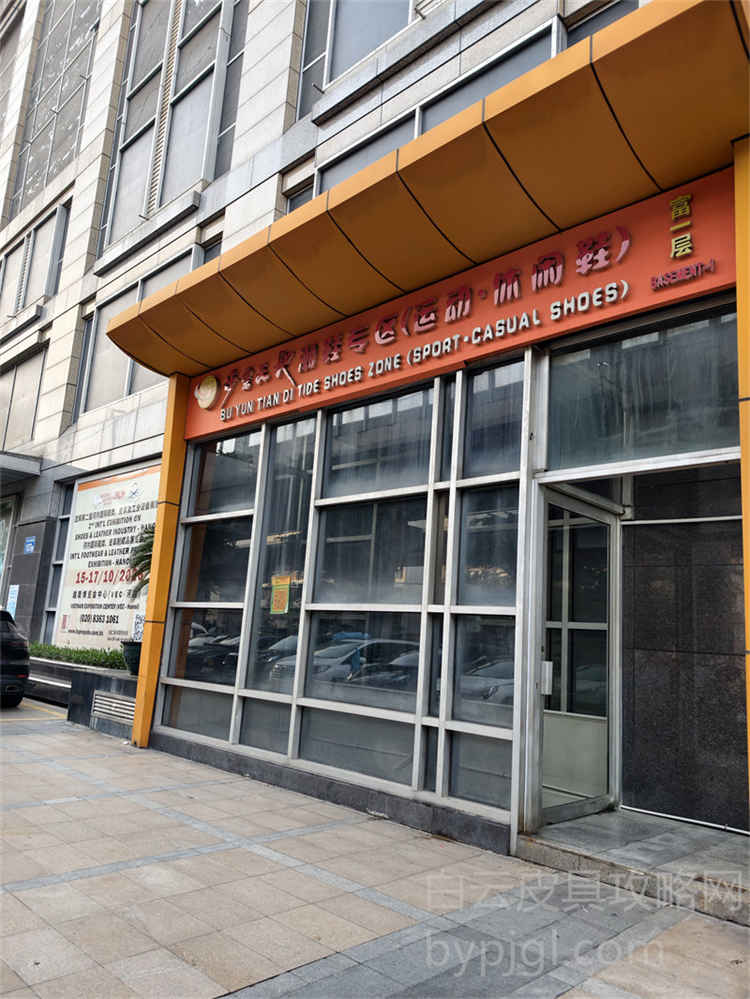
When people talk about the Guangzhou leather market, they usually mean the Baiyun International Leather City. This is the big one. It's massive, sprawling across several connected buildings, and it feels like a city within a city. When you walk in, don't expect a clean, organized showroom. Expect noise, shouting, stacks of boxes reaching the ceiling, and hundreds of small stalls crammed together. This is wher the serious business gets done.
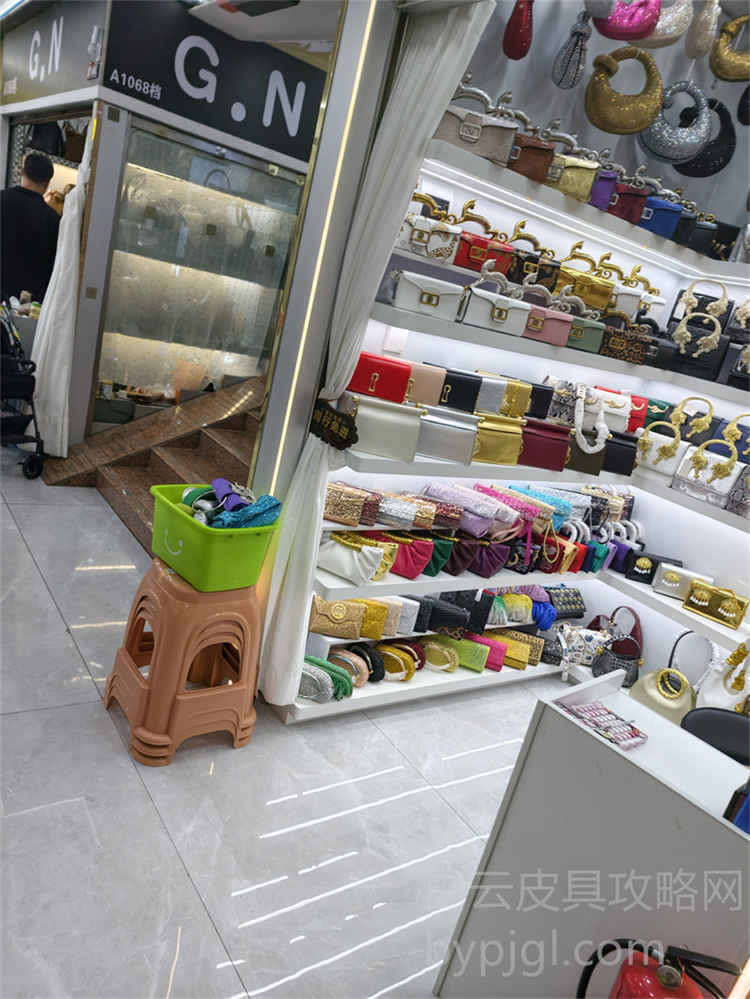
There isn't one single homepage for all these vendors. Each stall owner has their own little corner, often with a phone number written on a piece of paper taped to the wall. That is your contact point. If you try to find a centralized portal, you will only find generic directories that list outdated information. The real inventory changes every week. A style that was hot last month might be gone today, replaced by something new that just came off the production line down the street.
Beyond the Main Hub: Shengfa and Others
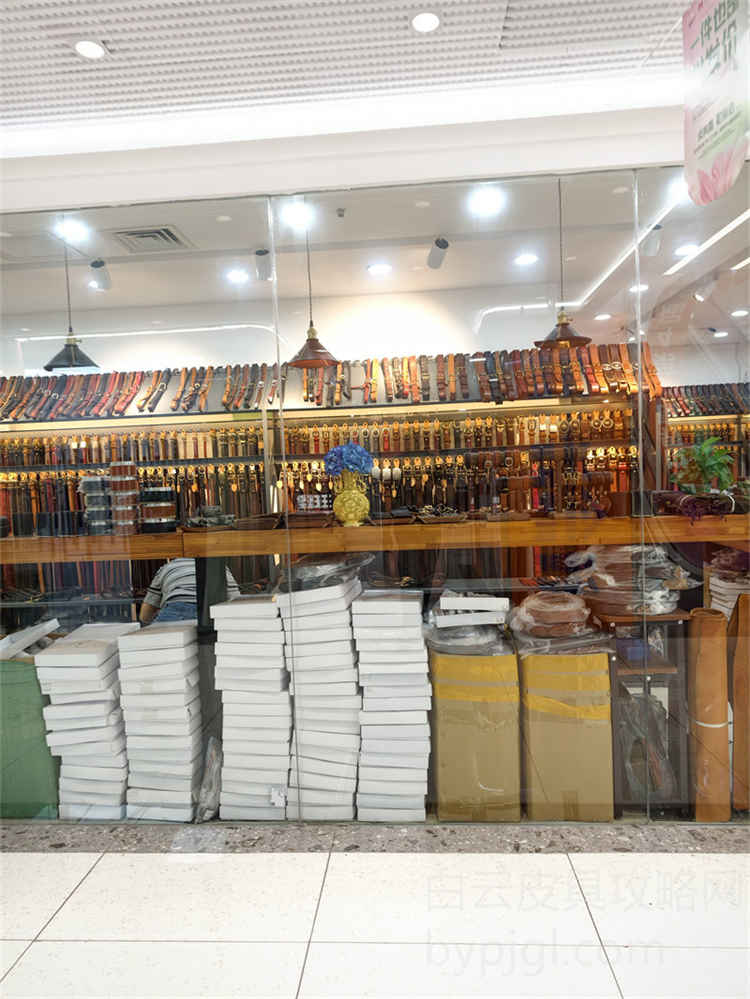
Don't limit yourself to just Baiyun. There are other spots nearby, like the Shengfa Leather Plaza or the smaller workshops tucked away in the surrounding alleys. Some of the best quality work comes from these smaller, less flashy locations. These places often cater to higher-end clients who want better stitching and premium materials. Walking around these different zones gives you a true sense of the supply chain. You can spot the difference between a factory that does mass production and one that focuses on craftsmanship just by looking at the scraps on the floor and the way the workers handle the hides.
The Art of Sourcing: How to Actually Buy Here
First Impressions and Physical Inspection
once you are inside, the first rule is simple: touch everything. online photos lie. They show perfect lighting, perfect angles, and colors that look nothing like reality. In the market, you pick up the bag. Is the leather soft or stiff? Does the zipper glide smoothly or catch? Check the lining. Look at the stitching—are the stitches even, or do they wobble? This is wher you separate the high-quality goods from the junk. I tell my regular customers to bring a magnifying glass if they are worried about thread count. We don't mind; we know our stuff.
You also need to check the hardware. Is it heavy zinc alloy or cheap plastic? Does it tarnish easily? In Guangzhou, we have access to almost any type of metal, but the price varies wildly. By holding the item, you immediately know what you are paying for. This physical inspection is the biggest advantage you have over ordering blindly from a website.
Negotiation and Minimum Order Quantities
Here is another thing websites won't tell you: pricing is never fixed. The price tag you see on a sample is just a starting point. You need to negotiate. The key is volume. If you are buying ten pieces, you get one price. If you are buying five hundred, you get a much better deal. But be careful. Some stalls have a minimum order quantity (MOQ) that might be higher than you expect, especially for custom designs. Don't be afraid to ask for samples first. Most of us will sell you a single sample so you can test the quality before committing to a large order.
Communication is key. Many of us speak basic English, but havin a translator or using a translation app helps bridge the gap. Be clear about your requirements. Do you need specific packaging? Do you need your logo embossed on the hardware? These details matter. once you agree on the price and the specs, we write it down. Verbal agreements are fine, but putting it in writing prevents misunderstandings later.
Avoiding Pitfalls: What to Watch Out For
Quality Control and Consistency
The biggest risk when sourcing from Guangzhou is inconsistency. You might love the first sample, but the bulk order could be different. To avoid this, always request a pre-production sample. This is a prototype made exactly to your specifications before the full run starts. Pay for it if you have to. It saves you from receiving a truckload of subpar goods. Also, hire a third-party inspector if you are placing a huge order. We respect professionals who check the goods before they leave the factory.
Payment Security
Never send money via Western Unio or untraceable methods unless you have a long-standing relationship with the vendor. Use secure payment gateways or bank transfers that offer some protection. Scams exist everywher, but in the bustling market environment, most of us are legitimate business owners who rely on repeat customers. Building trust takes time, so start small. Buy a few items, verify the quality, and then scale up. Over the years, I have built a network of reliable partners because I treat them fairly and deliver on my promises.
Final Thoughts: The Value of Being Present
So, why bother coming to Guangzhou instead of just browsing a website? Because the internet cannot replicate the energy of the market. It cannot let you smell the leather, hear the chatter of the traders, or feel the pulse of the industry. When you are here, you are part of the process. You can visit the factories, meet the designers, and understand the entire lifecycle of the product. This depth of knowledge allows you to make smarter decisions, source better products, and build a brand that stands out.
If you are serious about the leather goods business, stop searching for a magic URL. Start planning your trip to the Baiyun District. Walk the floors, talk to the shopkeepers, and experience the real Guangzhou leather market. It is messy, loud, and fast-paced, but it is wher the future of fashion is being stitched together. Trust me, once you step into those markets, you will never want to go back to a screen again.

 On-site Visits
 Free Sharing
 Avoid Scams
 Updated Frequently
 For Reference Only