
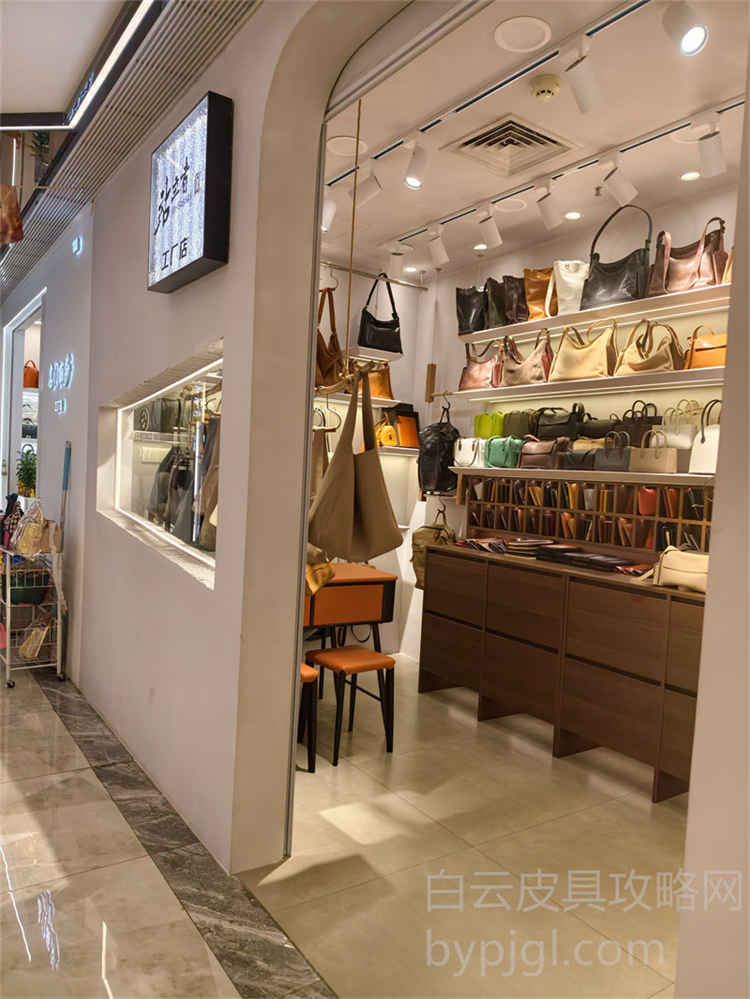
Stepping Into the Heart of Guangzhou Leather: A Veteran's Guide to Sourcing Bags
Welcome to the real deal. I've been standing behind my counter in the Baiyun District for over fifteen years, watching the dust settle on the floors and seeing thousands of travelers come and go. If you are reading this, you probably think sourcing bags from China is just about finding a website or sending an email. Let me tell you, that is a rookie mistake. The magic happens when you step off the plane, grab a taxi, and walk into the chaotic, electric energy of the leather markets here. This isn't about buying fake luxury goods; it is about understanding the supply chain, finding high-quality craftsmanship, and building relationships that last.
Navigating the Labyrinth: Wher to Start Your Journey
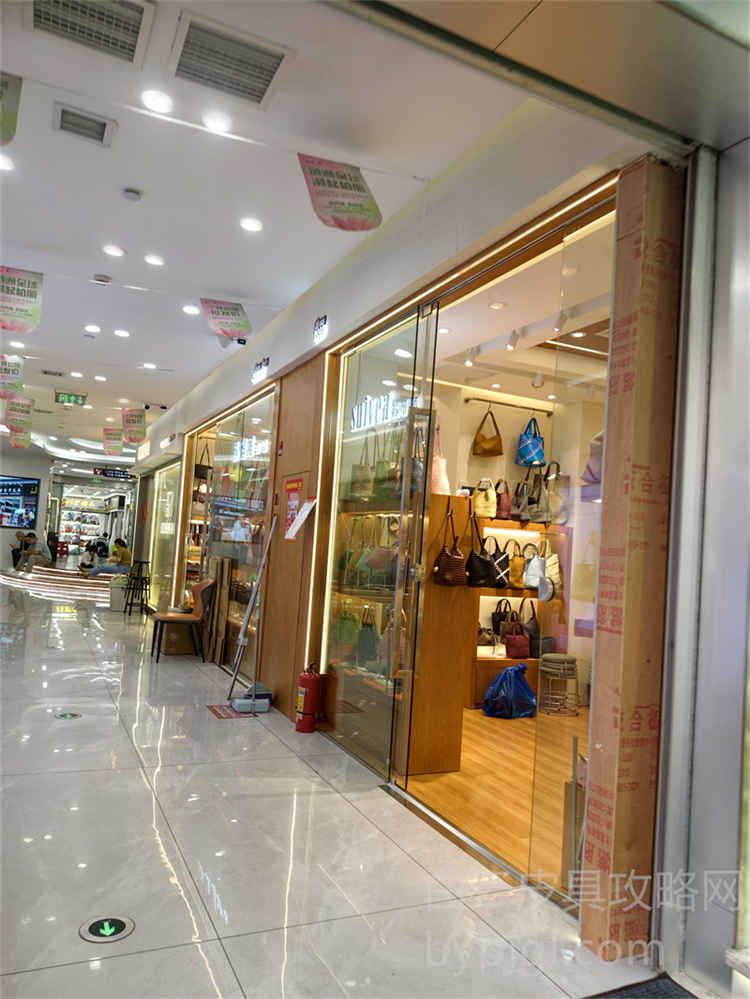
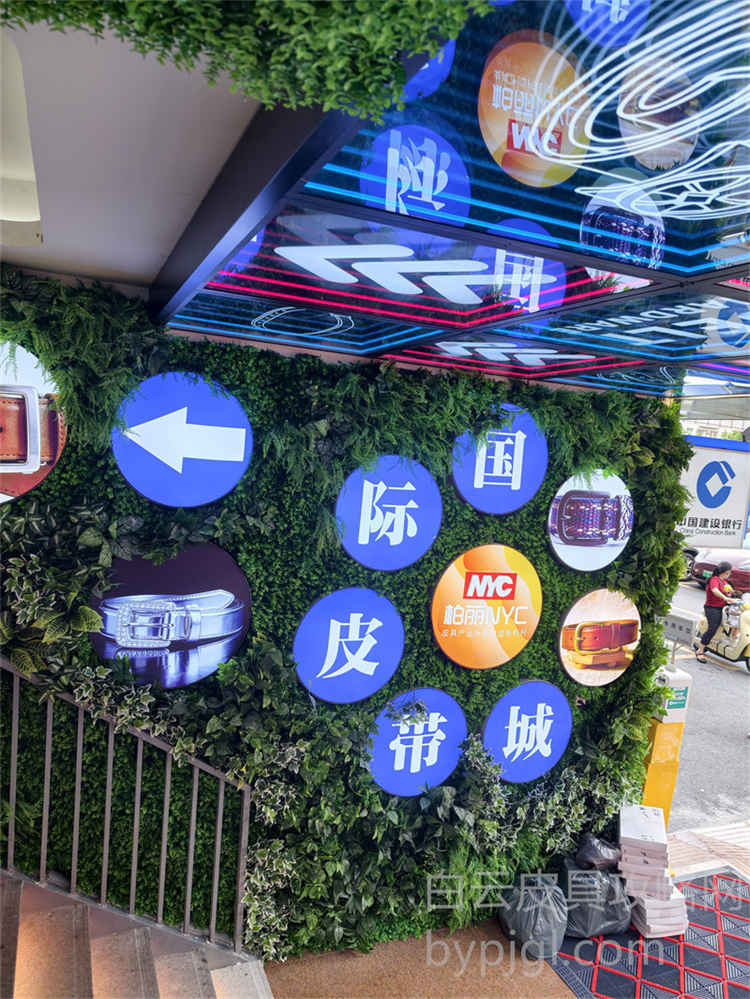
When you first arrive in Guangzhou, the sheer scale can be overwhelming. You will hear about many places, but if you want serious wholesale leather goods, your destination must be the Baiyun International Leather Trade City. It is the epicenter. But do not just rush in. The market is a maze of interconnected buildings, each with its own vibe and price point. There is the main building wher the larger volume traders operate, and then there are the side wings wher boutique-style manufacturers keep their best samples.
Finding the Right Floor and Section
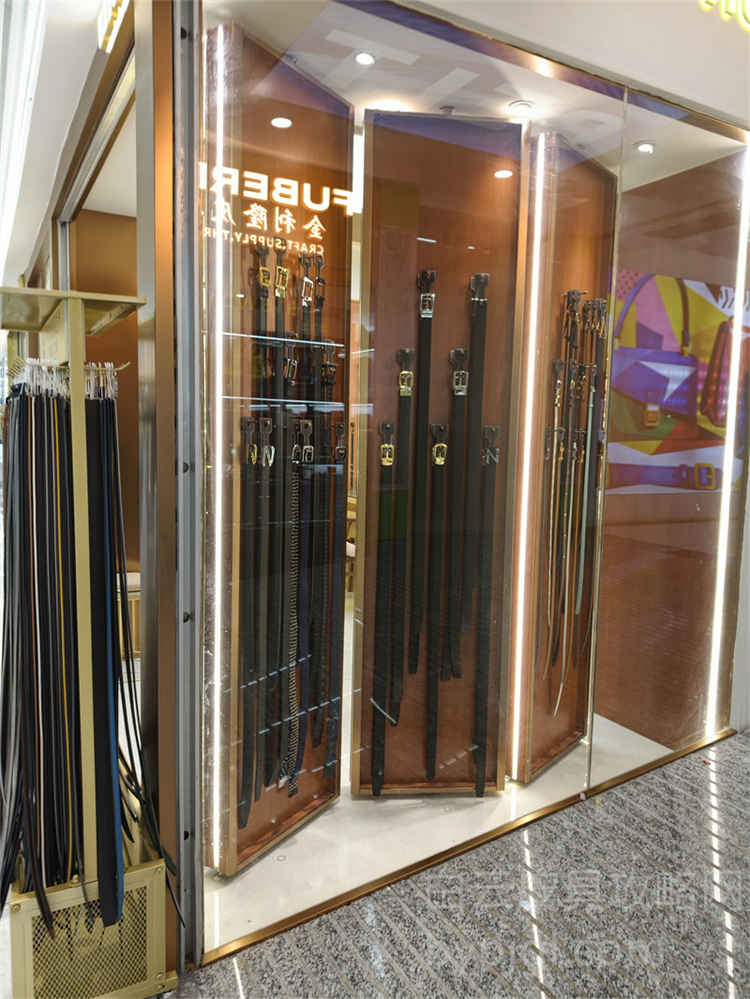
My advice? Don't try to see everything in one day. Spend your morning on the lower floors wher the general merchandise is displayed, and save the upper floors for the more specialized boutiques. Look for signs that say "Factory Direct" or "Custom Made." These are the spots wher you can actually talk to the people who cut the leather and stitch the bags. Avoid the flashy storefronts with neon lights; they often mark up prices for tourists. Instead, look for the slightly worn doors with stacks of boxes outside. That is wher the real business happens.
The Art of the Deal: How to Talk Like a Pro
One of the biggest mistakes foreign buyers make is acting like a customer looking for a single item. In these markets, we speak in volumes. When you approach a stall, do not ask, "How much is this?" Ask, "What is your MOQ for this style?" or "Can I get a sample price for ten units?" This immediately signals that you are a serious buyer, not a window shopper. We respect professionalism, and we respect those who understand the game.
Building Rapport with the Stall Owners
Relationships are currency here. I have seen deals closed over tea and cigarettes, not just contracts. Take your time to chat with the owner. Ask them about their production cycle, how long it takes to ship, and what materials they prefer. If you treat them with respect, they will show you their best stock that isn't even on the display rack. They might pull out a bag from the back room that is made of top-tier calfskin, something they don't advertise because it is reserved for their regular clients. Never be afraid to ask for a private viewing area; most owners will happily oblige if they sense you are genuine.
Inspection and Quality Control: Trust but Verify
This is the most critical part of the process. Just because a bag looks good in the photo does not mean the stitching is tight or the hardware is solid. When you are at the stall, bring a magnifying glass if you have to. Check the lining, feel the weight of the zipper, and inspect the edges for glue marks. In our industry, we call this "checking the details." A good supplier will never mind if you inspect every inch of their product. If they get defensive or try to rush you, walk away. That is a red flag.
Understanding Material Grades
You need to know the difference between cowhide, lambskin, and PU. Do not let anyone confuse you with vague terms. Ask specifically about the grade of the leather. Is it full grain? Is it corrected grain? For synthetic options, ask about the thickness and the texture. I always tell my international partners to touch the material. Real leather breathes and feels warm; cheap synthetics feel cold and plastic-like. Also, check the hardware plating. Rub it with your finger; if color comes off, it will tarnish quickly once it hits the humidity of a warehouse or a store.
Logistics and Shipping: Getting Your Goods Home
once you have seleced your items and negotiated the price, the next challenge is getting them out of China without losing money on shipping. Many stalls offer shipping services, but they are often third-party agents. It is better to establish a relationship with a reliable freight forwarder who specializes in leather goods. They know how to pack bulky items to minimize dimensional weight charges and can handle customs documentation efficiently.
Consolidation and Packaging
Do not ship each bag individually unless you have no choice. Consolidation is key. Have your supplier group all your orders into one shipment. Ask them to use sturdy cardboard boxes with bubble wrap inside to prevent crushing during transit. Leather is heavy, so ensure the boxes are reinforced. Also, discuss the Incoterms clearly. Are you paying for DDP (Delivered Duty Paid) or FOB (Free on Board)? Understanding these terms prevents nasty surprises at your local customs office. A good supplier in Guangzhou will guide you through this, but you must be clear about your requirements upfront.
Avoiding Pitfalls: What Not to Do
There are scams everywher, but they usually target the inexperienced. Never transfer money via Western Unio or personal bank transfers without a contract. Use secure payment gateways or letters of credit for large orders. Be wary of suppliers who promise "designer quality" at rock-bottom prices; if it sounds too good to be true, it is. High-quality leather and skilled labor cost money. Furthermore, avoid buying from stalls that refuse to provide invoices or detailed packing lists. You need documentation for your own records and for customs clearance.
Patience is Your Best Asset
Finally, do not rush. The market moves fast, but your business should move steady. Take notes, take photos, and compare prices across different stalls. Visit the same supplier multiple times before placing a large order. See how they handle small requests first. If they are responsive and honest on a sample order, they will likely be the same for a bulk order. Guangzhou is a city of opportunity, but it rewards those who are prepared, observant, and respectful of the craft.

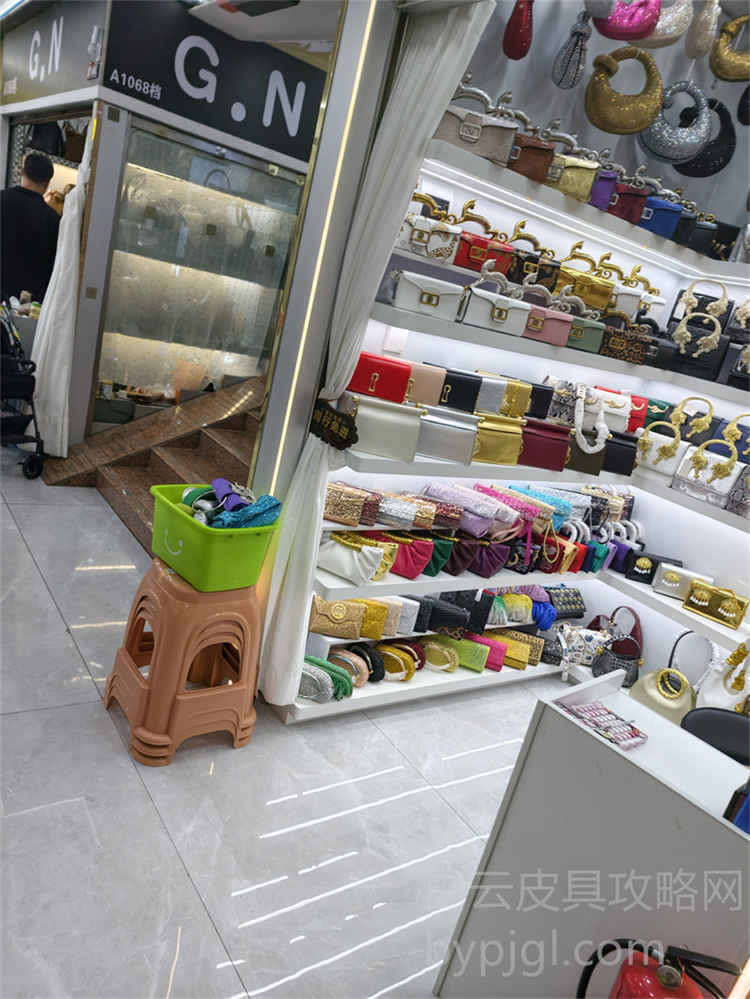
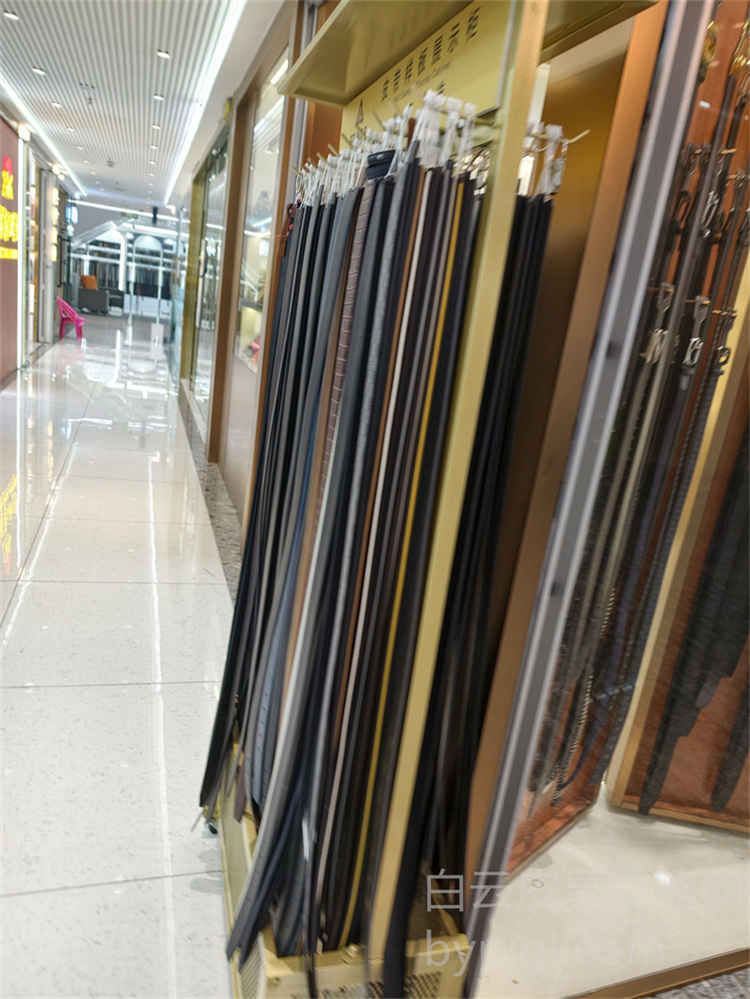
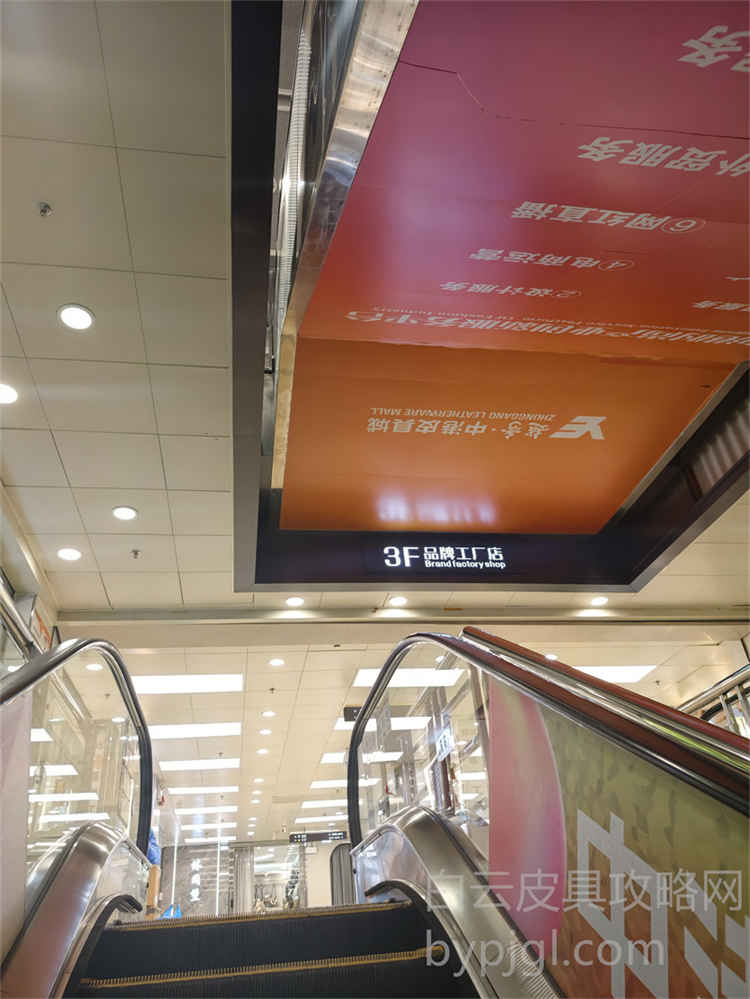

 On-site Visits
 Free Sharing
 Avoid Scams
 Updated Frequently
 For Reference Only