
Why Guangzhou Is Still the Heart of Global Leather Goods
I have been standing behind my counter in Guangzhou for over twenty years. While the world talks about supply chains shifting and factories moving to Southeast Asia, I see something different right here in Baiyun District. The energy hasn't faded; it has just evolved. If you are an overseas buyer looking for leather goods, you need to understand that this city is not just a place to buy bags; it is the engine room wher global trends are translated into physical products.
Many people ask me why they should come all the way here instead of ordering online from a website. The answer is simple: trust and tactile inspection. You cannot feel the grain of the leather through a screen. You cannot smell the glue or check the stitching density without being there. When you walk into the wholesale markets around Jiahe Metro Station, you are stepping into a living ecosystem wher hundreds of suppliers compete on quality, price, and speed. This is wher the real deals happen, away from the polished showrooms of international brands.
Navigating the Markets: More Than Just One Building
The Layout of the Wholesale Zone
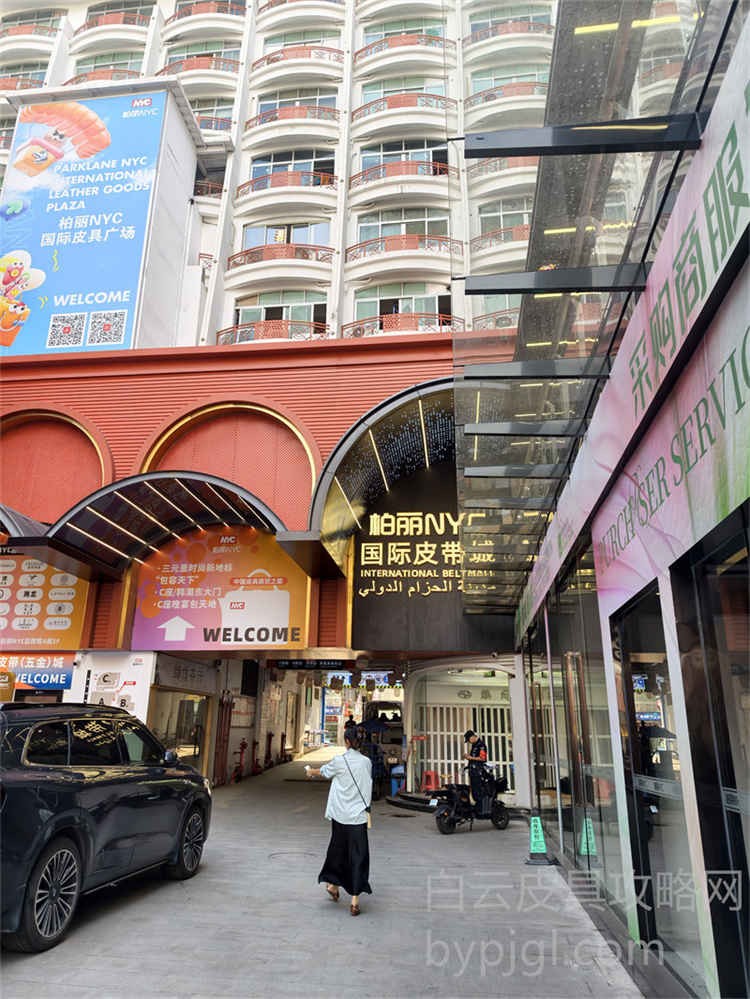
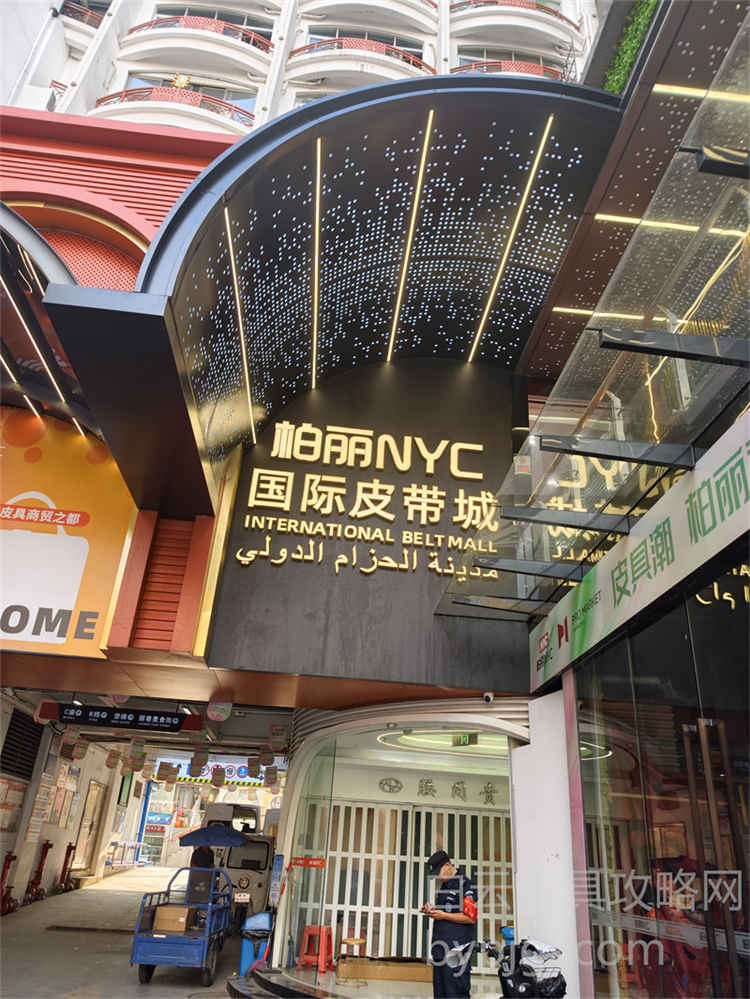
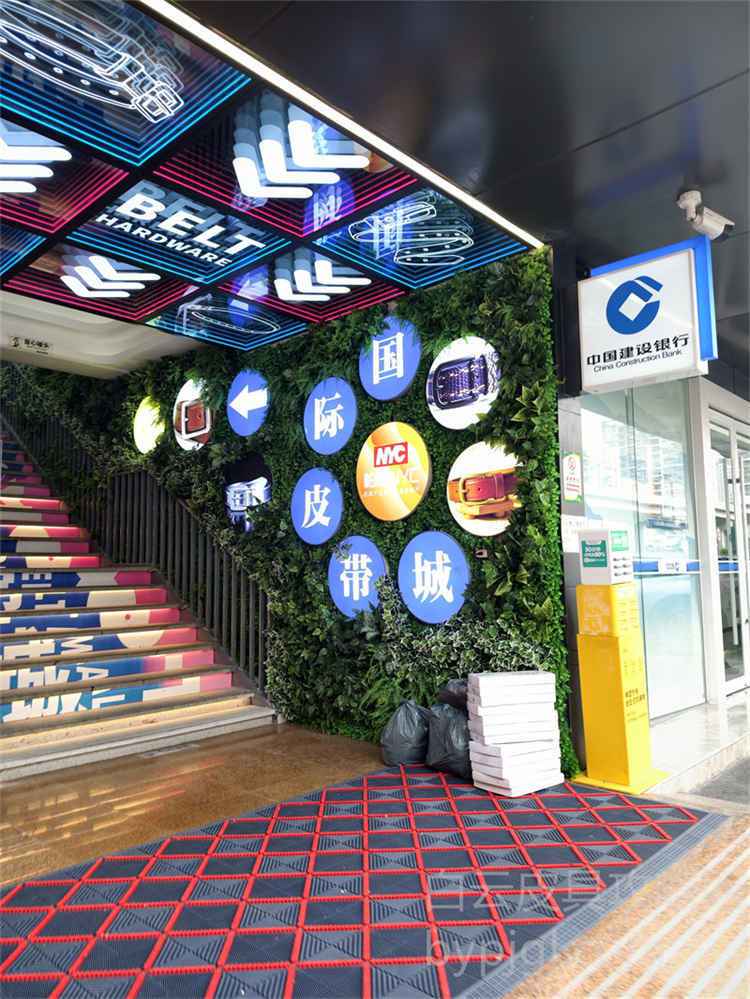
When you first arrive, the sheer scale can be overwhelming. Do not expect a single building to hold everything. The core area is actually a cluster of interconnected complexes. The most famous one is the World International Trade Center, often referred to as the Baiyun Leather City. It is massive, with dozens of floors dedicated entirely to handbags, wallets, and accessories. But if you think that is the only spot, you are missing out.
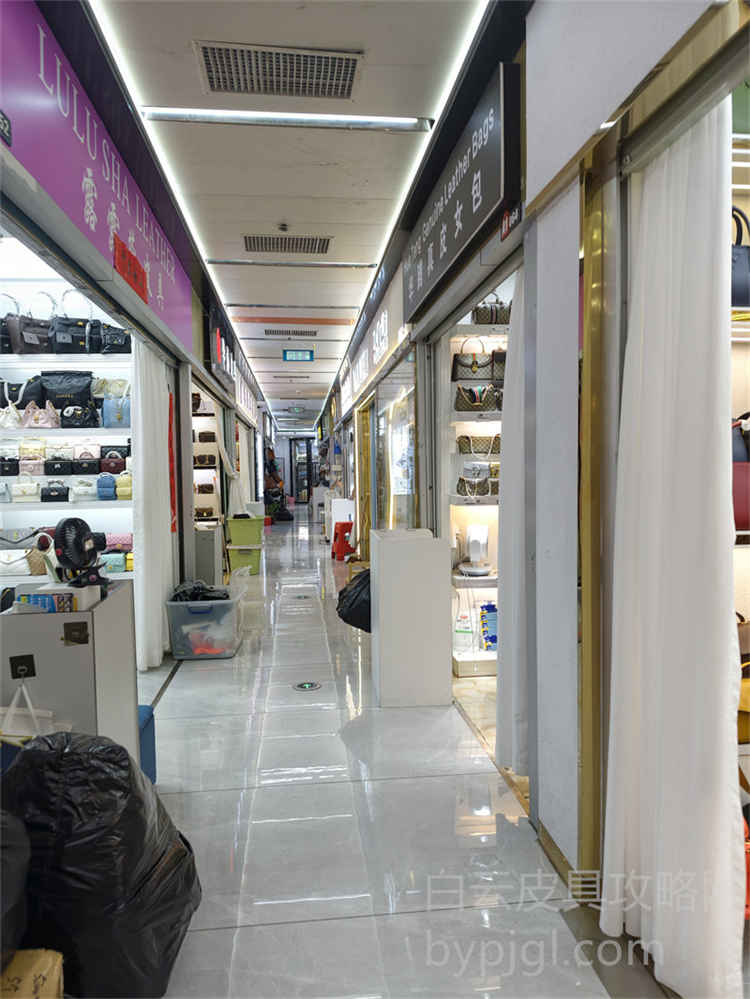
Just a short walk away, you will find smaller, more specialized buildings like the Qianwan Market and the various older complexes along Huanshi Road. These places often house the "hidden gems." Some of my best clients prefer these slightly less crowded spots because the owners are more willing to negotiate. They know that serious buyers come here to build long-term relationships, not just to grab a quick sample. The layout is designed for volume, so expect narrow corridors packed with racks of merchandise and piles of boxes waiting to be shipped.
Understanding the Hierarchy of Suppliers
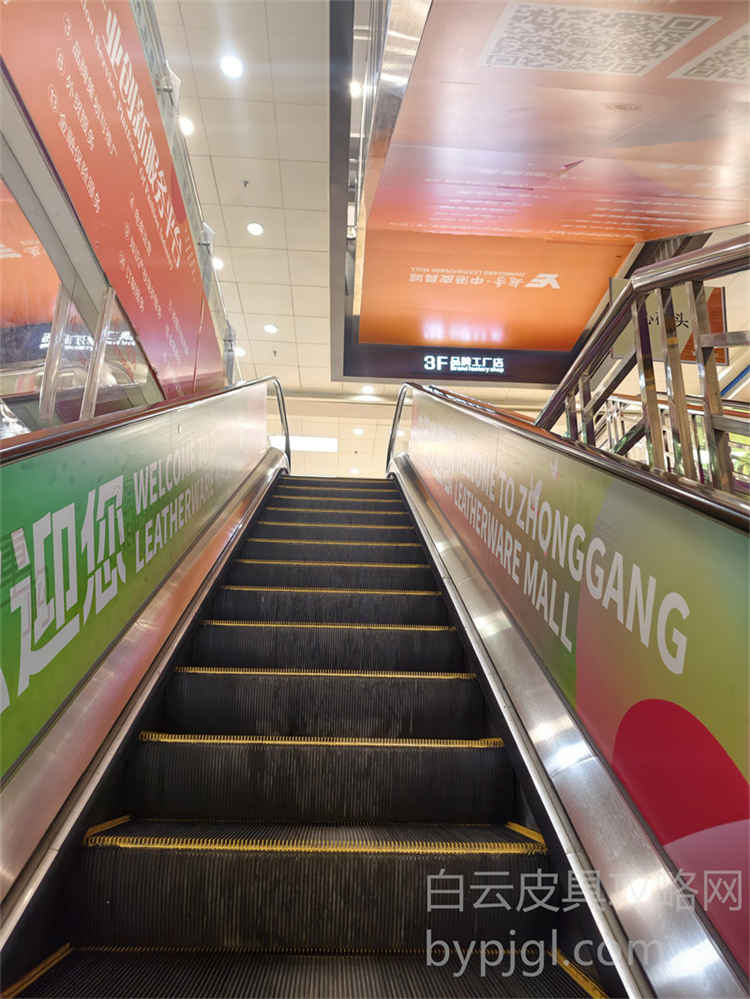
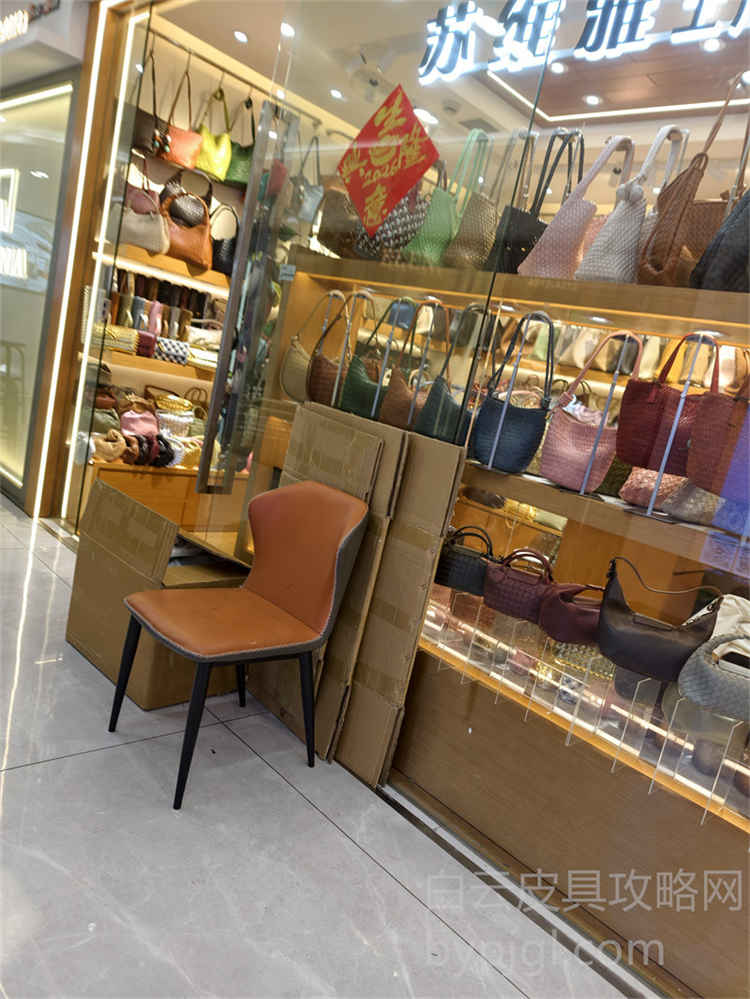
Not every stall is the same. In my experience, the market is stratified by quality and service level. On the ground floor, you will mostly find retailers and small resellers looking for low-cost items. If you are looking for high-end craftsmanship, you need to head to the upper floors. That is wher the real manufacturers and their direct sales teams operate. These stalls look less flashy but are much better organized. You will see stacks of raw materials in the back and finished goods neatly arranged in the front. This is wher you want to spend your time.
When you approach a stall, do not just ask for the cheapest option. Ask to see their "top tier" collection. Most reputable vendors here have a clear distinction between their standard line and their premium line. The difference might seem subtle at first glance, but when you hold them side by side, the weight of the hardware, the smoothness of the lining, and the precision of the edge painting tell the whole story.
The Art of Selecion: What to Look For Before You Buy
Inspecting Materials and Craftsmanship
As a local owner, I always tell my foreign partners to bring a magnifying glass and a flashlight. Yes, it sounds extreme, but it works. When you are selecting goods, focus on the details that mass production often cuts corners on. Check the thread count. High-quality stitching should be tight, even, and consistent. If you see loose threads or uneven spacing, walk away. Next, examine the leather itself. Real leather breathes and feels warm to the touch. Synthetic materials often feel cold and plastic-like. Run your fingers over the surface; it should have natural imperfections, not a perfect, machine-made uniformity.
Another critical point is the hardware. Cheap zippers and clasps tarnish quickly. Ask to open and close the zippers multiple times. A good zipper should glide smoothly without catching. Check the plating on the metal parts; it should be thick and resistant to scratching. In our workshops, we use brass or stainless steel with PVD coating for durability. If the vendor hesitates to let you test the hardware, that is a red flag.
Matching Trends with Production Reality
One of the biggest advantages of buying directly from Guangzhou is speed. We are aware of what is trending in New York, London, and Tokyo almost instantly. However, you must be realistic about lead times. Just because a style is popular does not mean it is ready to ship tomorrow. When you discuss your order, ask the vendor about their current production capacity. Some stalls specialize in rapid turnaround for small batches, while others focus on large-scale manufacturing with longer lead times.
Do not be afraid to customize. Many buyers come to us with specific ideas for colors, sizes, or hardware finishes. Our workshops are flexible enough to accommodate these requests. Whether you want a specific shade of blue or a unique logo placement, we can make it happen. This flexibility is something you simply cannot get from a generic catalog. It allows you to create a product that truly stands out in your market.
Building Relationships and Avoiding Pitfalls
The importance of Face-to-Face Negotiation
In Guangzhou, business is built on relationships. Sending an email or making a phone call is rarely enough to secure the best deal. You need to meet the person who manages the stock. When you sit down with a supplier, bring a notebook and take notes. Show them that you are serious. Discuss payment terms, shipping methods, and quality control protocols openly. Trust is earned through transparency. If a supplier promises the moon but cannot deliver on the basics, move on.
We have seen many buyers lose money because they tried to cut corners on communication. Be clear about your expectations. If you require a specific type of packaging or labeling, write it down and have them sign off on it. This prevents misunderstandings later when the goods are ready for shipment. Remember, we are partners in this process. Your success is our success.
Common Mistakes to Avoid
The biggest mistake I see is buyers focusing solely on price. The lowest price often comes with hidden costs in the form of poor quality or delayed shipments. Instead, calculate the total cost of ownership, including potential returns and customer complaints. Another common error is failing to verify the source. Always ask to see the factory or the workshop. If they refuse, it usually means they are just middlemen adding a markup without controlling the quality.
Also, be wary of "too good to be true" offers. If a bag is priced significantly lower than the market average, there is likely a reason. It could be inferior materials, rushed production, or even legal issues. Stick to vendors who have a reputation for consistency. Over the years, I have learned that the best deals are not the cheapest ones; they are the ones that offer the best value for your specific needs. By following these guidelines and taking the time to explore the markets yourself, you will find that Guangzhou remains the ultimate destination for sourcing high-quality leather goods.

 On-site Visits
 Free Sharing
 Avoid Scams
 Updated Frequently
 For Reference Only