
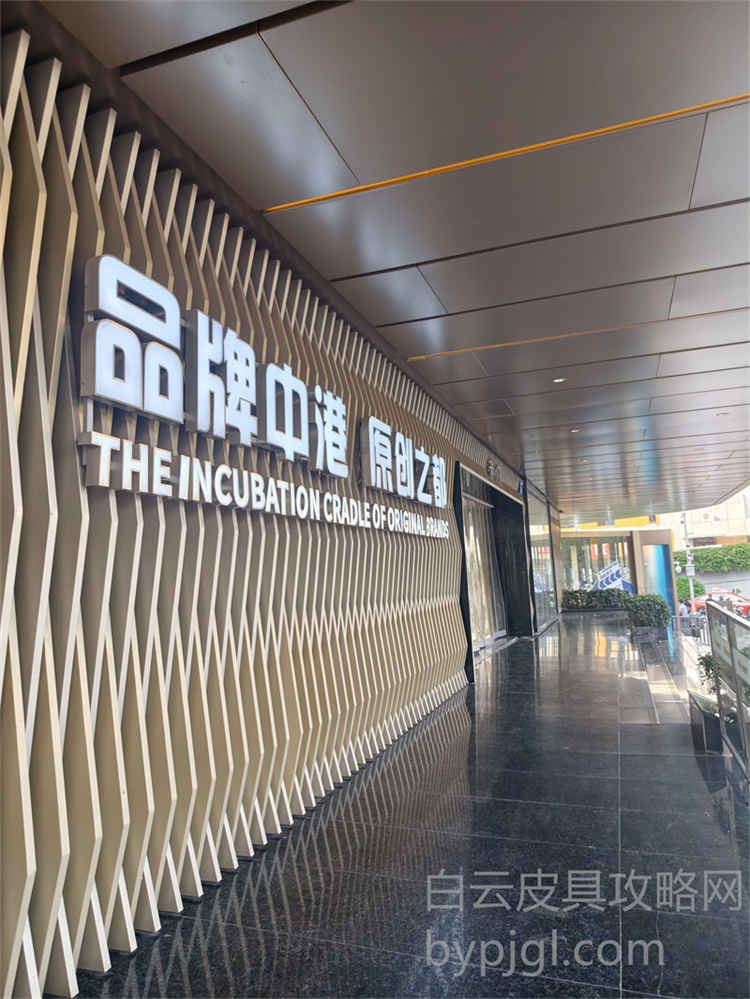
Walking the Floors: A Veteran's Guide to Sourcing Bags in Guangzhou
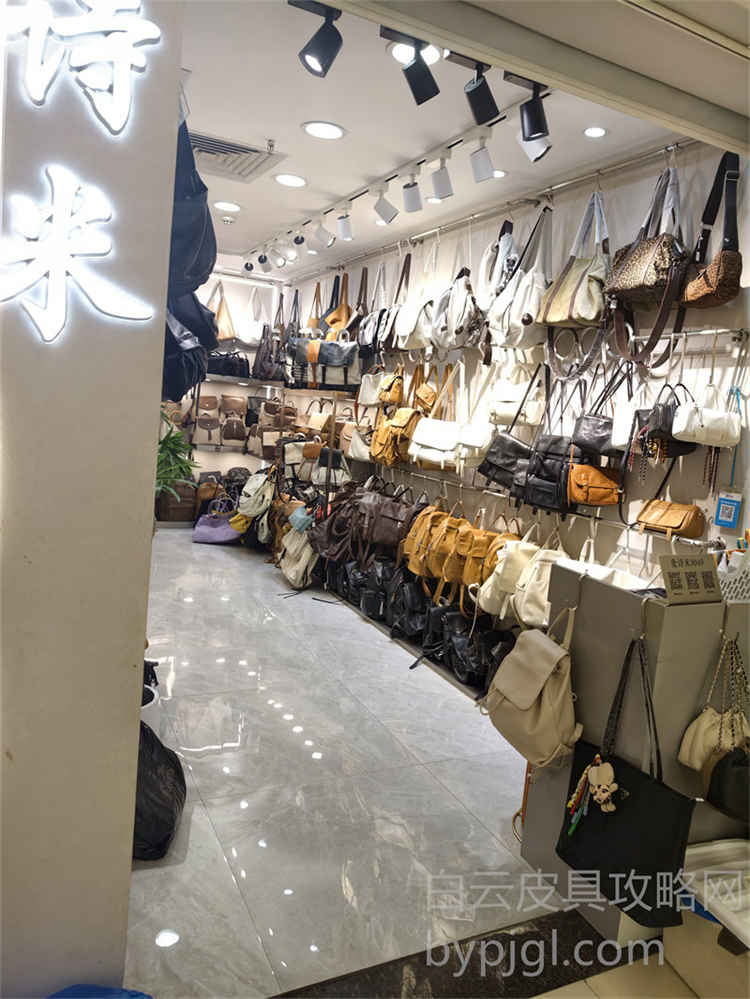
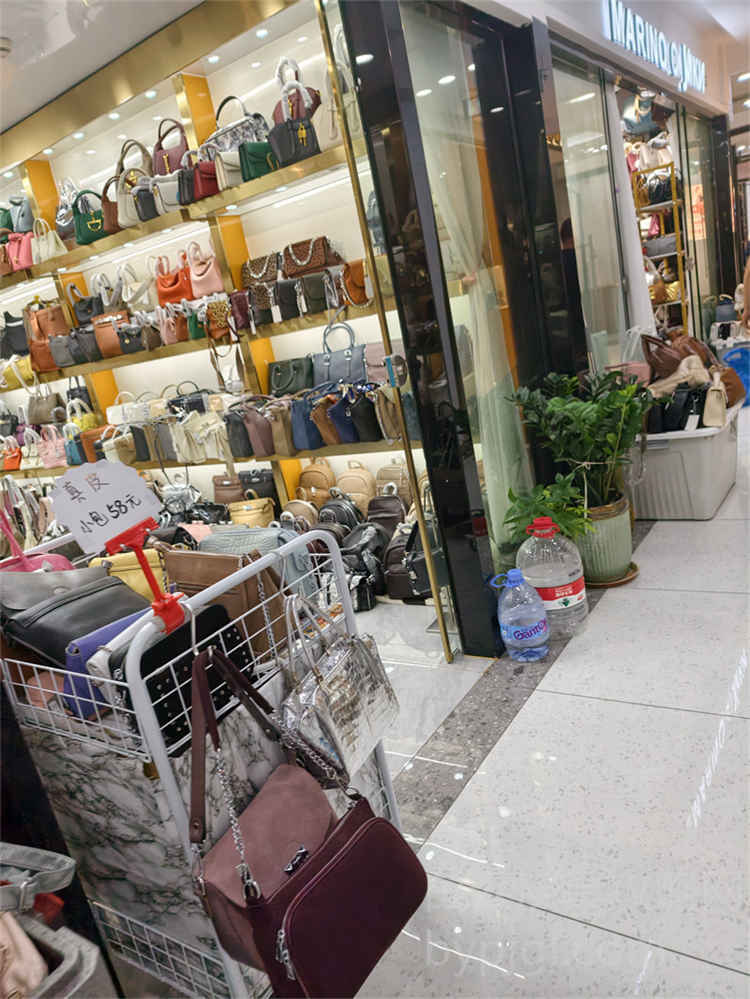
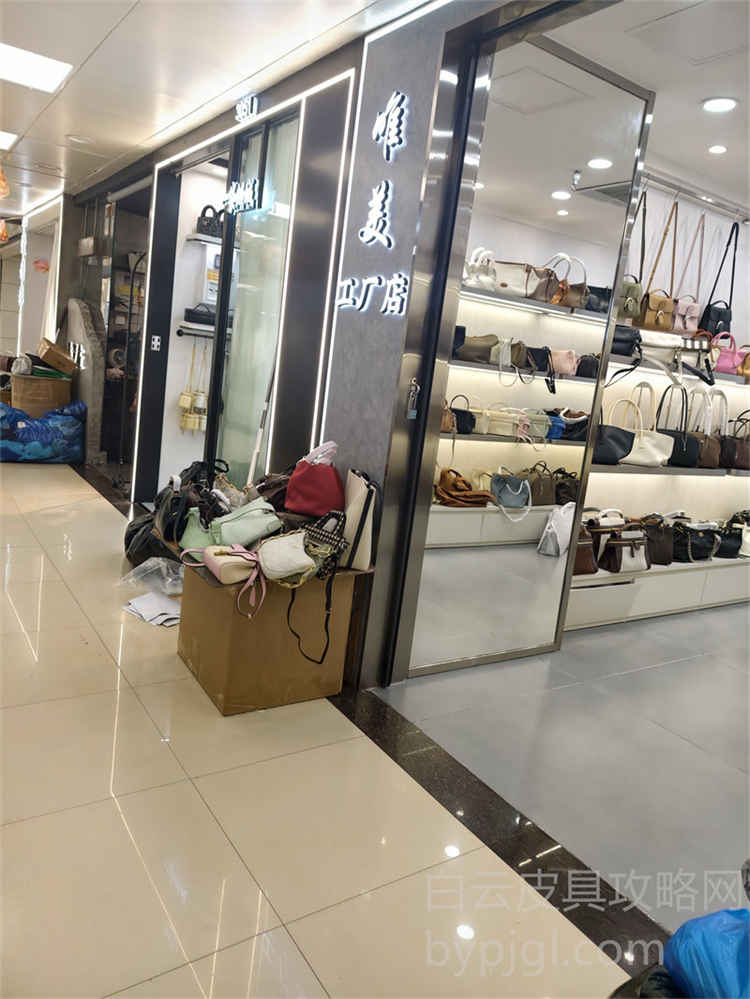
Welcome to the real deal. I've been standing behind my counter at the Baiyun Leather City for over fifteen years, watching the crowds come and go, from first-time buyers who get overwhelmed by the noise to seasoned importers who know exactly wher to look. If you are reading this, you probably want to cut out the middlemen and find the source directly. Let me tell you, the internet is full of stock photos that look nothing like reality. The only way to truly understand the Guangzhou leather goods wholesale market is to put on your walking shoes and step onto the pavement of Renhe Road.
The First Rule: Don't Rush Into the Main Hall
When you first arrive at the massive complex known as the Baiyun International Leather Trade Center, your instinct might be to sprint into the main atrium. Stop right there. That area is designed for tourists and casual shoppers. It is loud, crowded, and the prices listed on the shelves are often inflated for outsiders. As a local owner, I advise you to head straight for the side corridors or the upper floors wher the serious business happens. These areas are quieter, filled with stacks of boxes rather than display racks, and the people here are looking for volume, not a single souvenir.
Navigating the Layout: Wher the Real Stock Hides
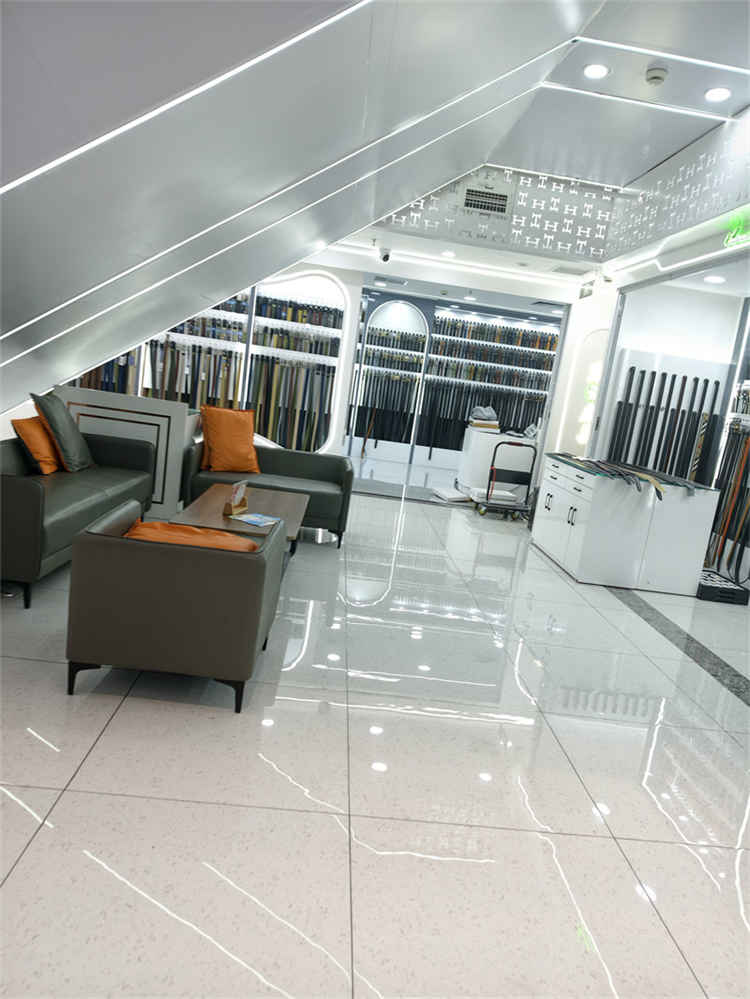
The layout of the Baiyun market can feel like a maze if you don't have a map. Most of the high-quality production lines are not in the flashy showrooms on the ground floor. You need to dig deeper. Many of the best factories have their own "showrooms" tucked away in the back rooms of these buildings. When you ask a shopkeeper about a specific style, do not just accept the bag they pull from the front rack. Ask them, "Do you have the factory samples?" or "Can we see the new molds?" This simple question separates the resellers from the actual manufacturers. In our district, we pride ourselves on havin direct access to the molding workshops, which means we can offer custom designs without the long lead times you would face elsewher.
Inspecting the Craft: What We Look For Before You Buy
once you are talking to a booth owner, the conversation shifts immediately to quality. Do not let anyone sell you a story about "premium materials" without showing you the proof. In my experience, the difference between a mediocre product and a top-tier one lies in the details. Look at the stitching. Is it even? Are there loose threads? Check the lining; cheap polyester feels slippery and looks dull, while high-grade fabric has a soft touch and precise alignment. Pay close attention to the hardware. Zippers should glide smoothly without catching, and the metal plating should be thick enough to resist scratching. When I vet my suppliers, I run my fingernail along the edges of the zippers and press hard on the buckles. If it feels flimsy, walk away. There is no point in buying low-quality goods just to save a few dollars when you plan to build a brand.
The Art of Negotiation: Speaking Their Language
Price negotiation in Guangzhou is an art form, but it requires confidence. Never show too much excitement about a specific design, especially if you are a foreign buyer. If you look desperate, the price goes up. Instead, act like you have options. Mention that you are visiting other markets in the city and comparing specs. Ask about the minimum order quantity (MOQ). Many small shops will try to force you to buy fifty pieces, but if you build a relationship, they might agree to start with twenty or thirty. Be honest about your target market. Tell them you are targeting the mid-range segment, and they will recommend the appropriate grade of leather and construction. Trust me, being transparent builds better long-term partnerships than trying to trick a vendor into giving you a discount.
Avoiding Pitfalls: Red Flags to Watch Out For
There are traps everywher in the wholesale scene. One common issue is the "sample trap." A vendor shows you a perfect sample, takes your deposit, and then sends you a box full of inferior products. To avoid this, always insist on seeing the bulk production line before paying. Ask to visit the workshop if possible. Another red flag is when a seller refuses to provide detailed photos of the interior tags or the serial numbers. Legitimate businesses in the Baiyun district are proud of their craftsmanship and have nothing to hide. Also, be wary of sellers who push for payment via untraceable methods. Always use secure channels that offer buyer protection until the goods are verified.
Building Relationships for the Long Haul
The most valuable asset you can take away from Guangzhou is not just a list of contacts, but relationships. The market changes fast; trends shift every season, and new molds are released constantly. If you treat vendors like transactional partners, you will miss out on early access to new styles. Come back to the same booths repeatedly. Bring snacks, share a meal, and show genuine interest in their business. When I meet a buyer who returns year after year, I give them priority on new arrivals and better pricing tiers. They become part of our extended family. This network effect is what keeps the Guangzhou leather goods supply chain so robust and competitive.
Final Thoughts: Your Journey Starts Here
Sourcing bags in Guangzhou is not easy, but it is incredibly rewarding if you approach it with patience and respect. The city offers an ecosystem that is unmatched anywher else in the world. From the raw materials to the final stitching, everything is within reach. Take your time, inspect every detail, and build trust with the people behind the counters. once you master the rhythm of the Baiyun market, you will find that the best deals are not found online, but through a handshake and a shared cup of tea in a bustling warehouse office. Go out there, explore the alleys, and find the quality that matches your vision.

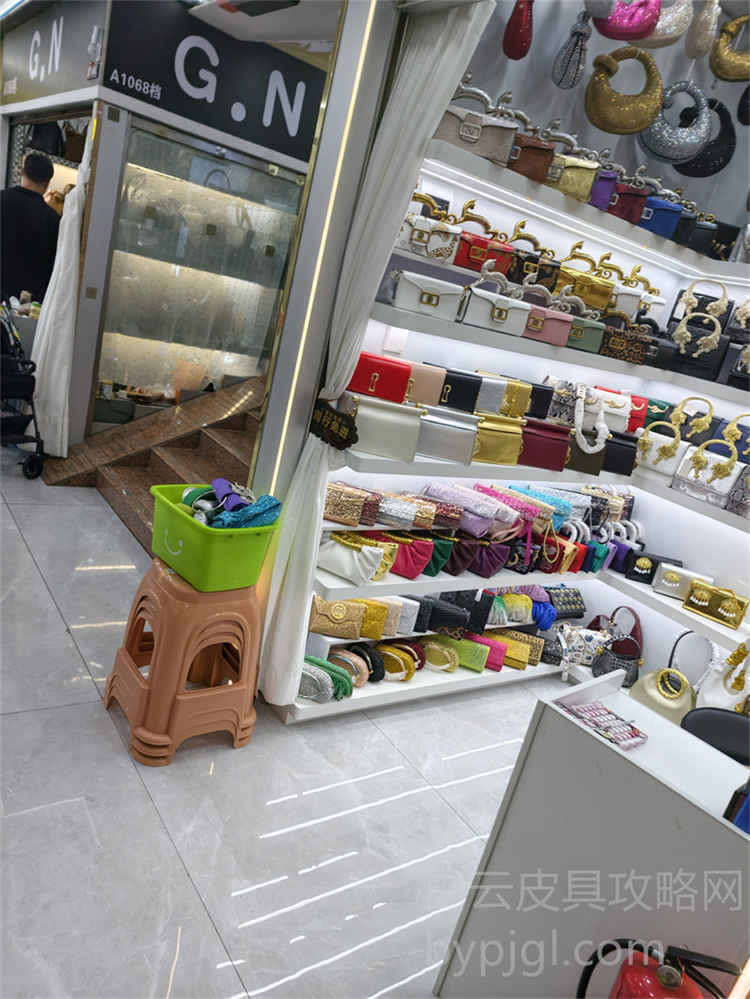
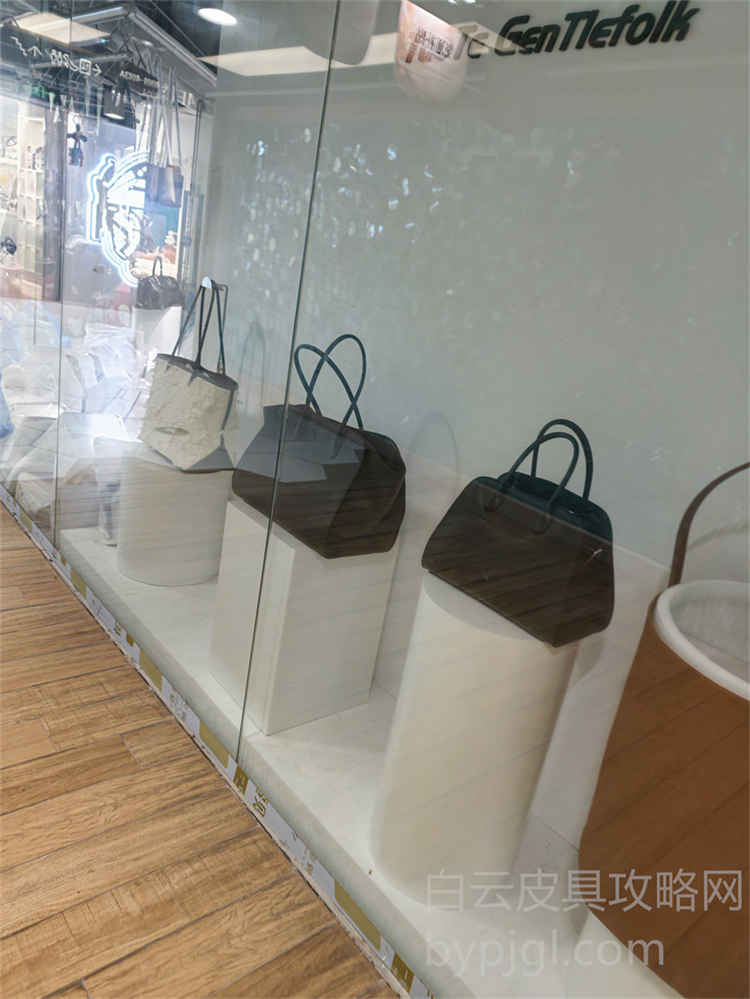
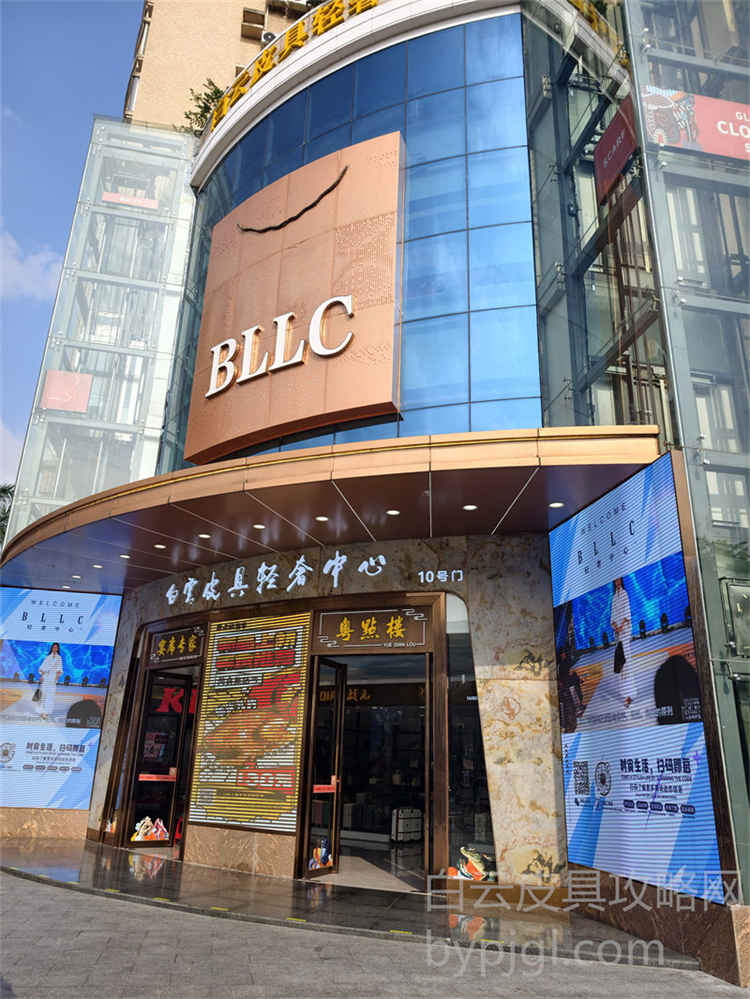
 On-site Visits
 Free Sharing
 Avoid Scams
 Updated Frequently
 For Reference Only