Why the "Fake" Label Sticks to Guangzhou Bags
Welcome to my shop. I've been standing behind this counter in Baiyun District for over twenty years, watching the same trucks roll in and out of the warehouse every single morning. You hear it everywhere online: "Guangzhou bags are all fakes." It's a catchy headline, sure, but it's a lazy generalization that misses the entire story of what actually happens inside these massive markets. When you walk into the corridors of the皮具城 (leather city), you aren't just seeing copies; you are witnessing a complex ecosystem of craftsmanship, material sourcing, and supply chain mastery that has nothing to do with stealing designs.
The Reality Behind the Rumors
Let me be honest with you. If you walk in looking for a specific logo from a famous French house, you will find people who can make it for you. But if you think that is the only thing happening here, you are missing 90% of the business. Most of the factories and showrooms I deal with daily are producing high-end goods for international brands under strict non-disclosure agreements. They don't put logos on them because they can't. The quality control standards we maintain for our OEM clients often exceed what you see in retail stores abroad. The "fake" label exists because outsiders only see the open market stalls where branding is allowed, ignoring the closed-door production lines that feed the global luxury supply chain.
Navigating the Market Without Getting Lost
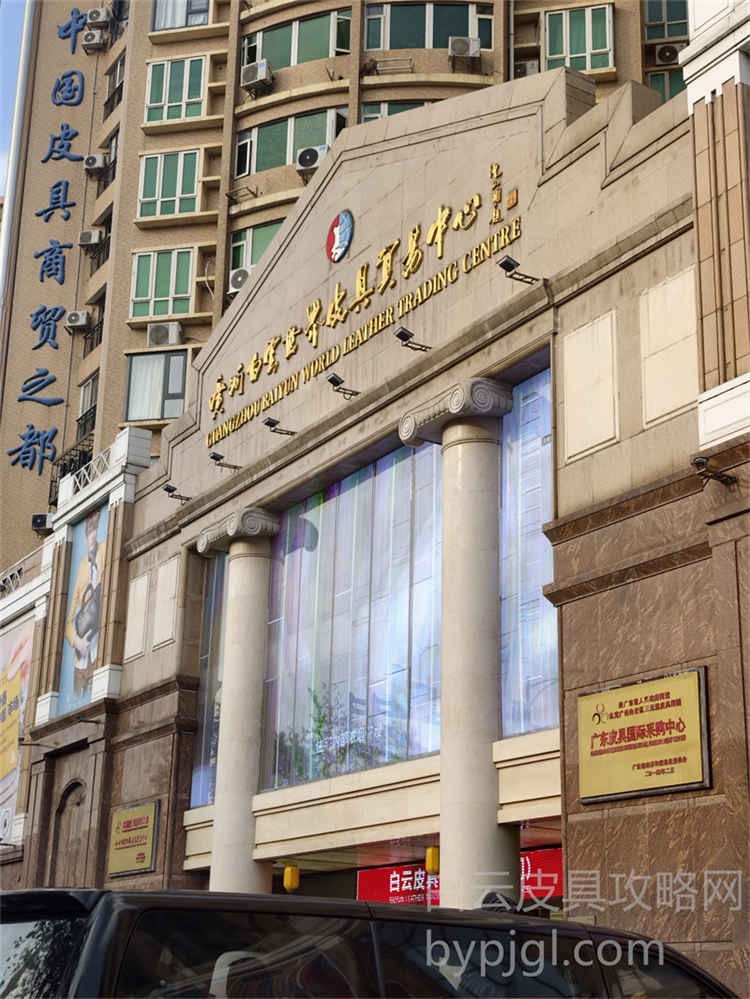
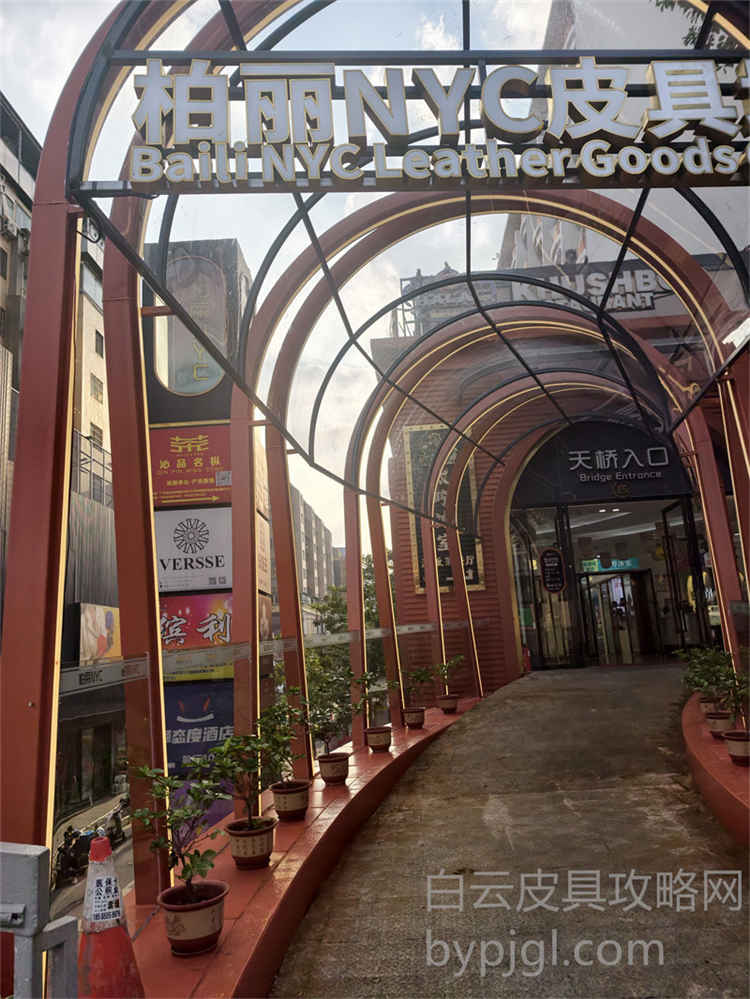
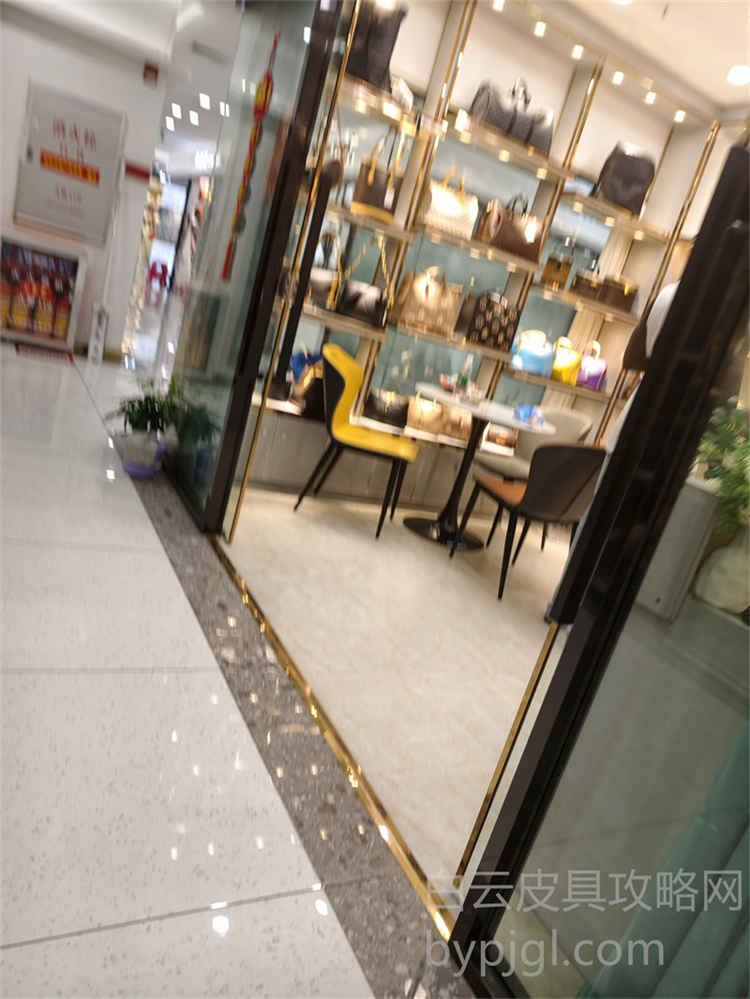
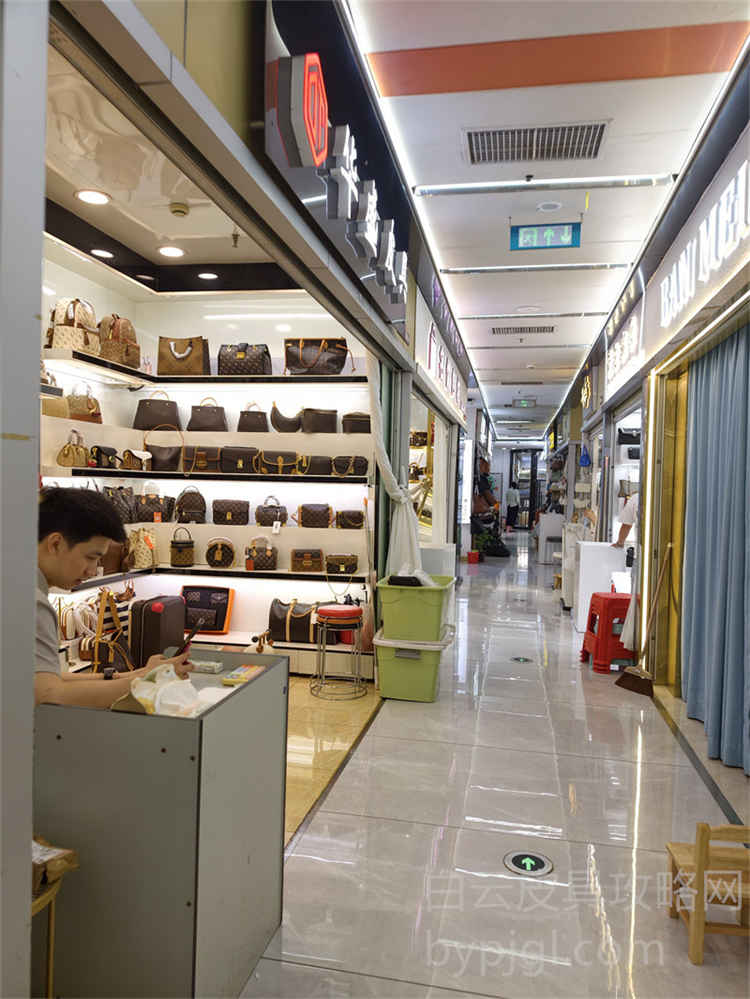
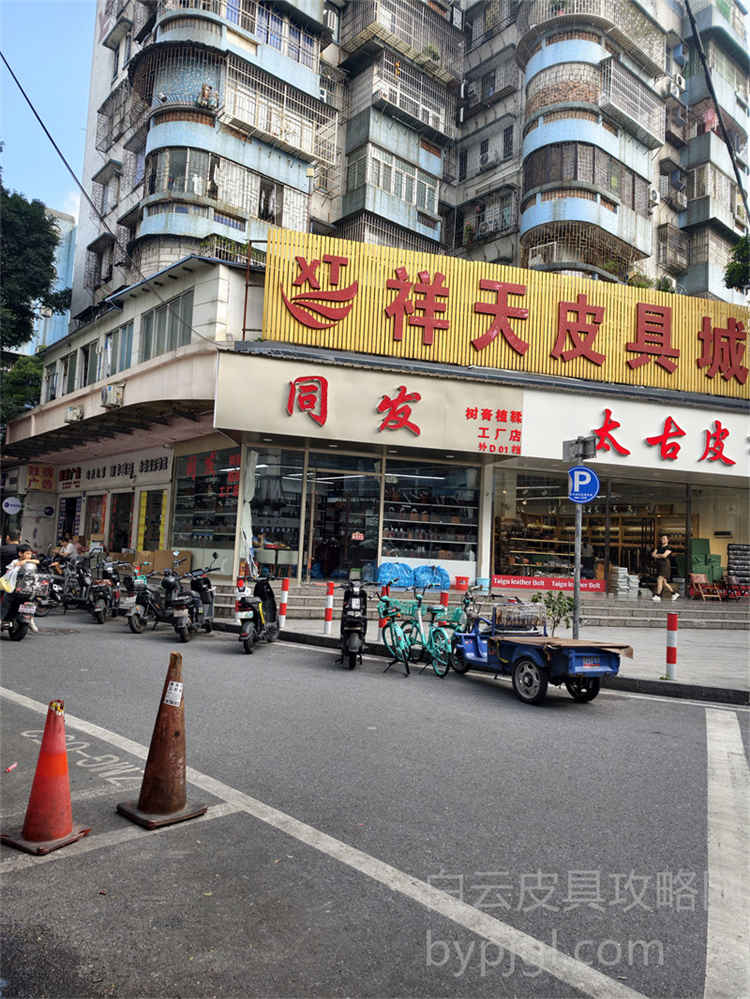
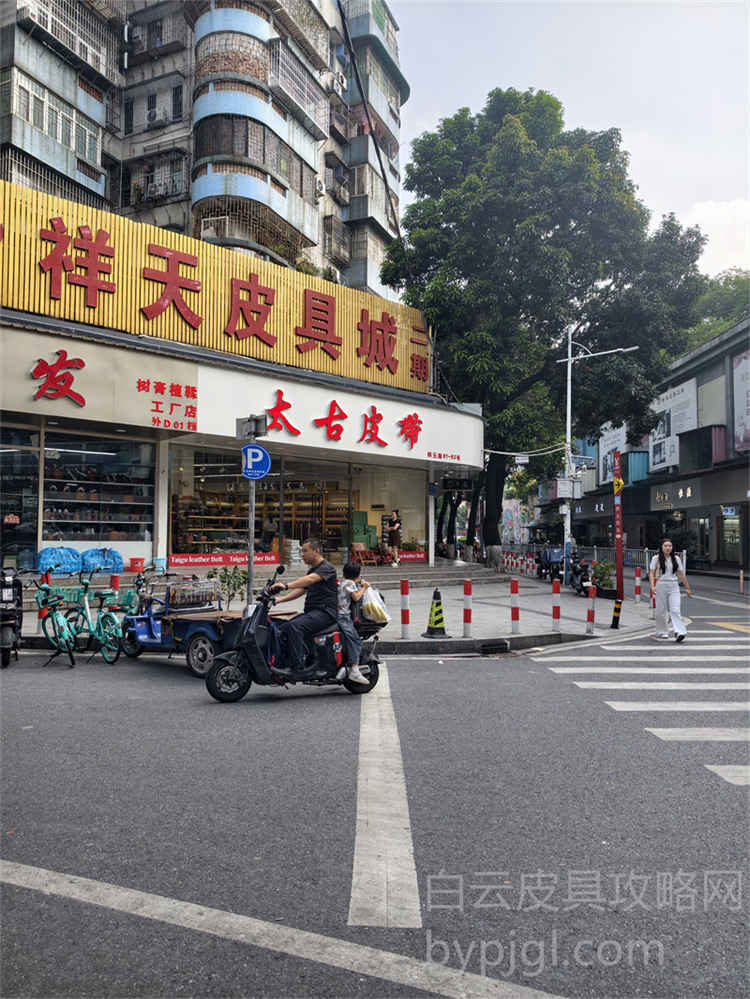
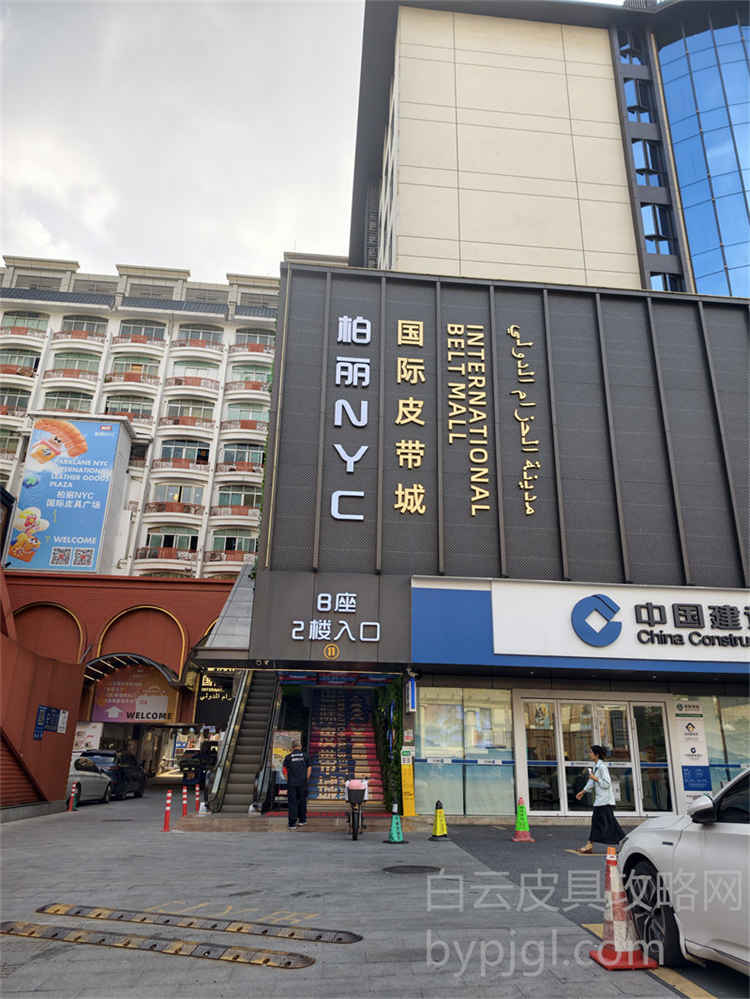
First-time buyers often panic when they step off the subway at Jiahe Wanggang or enter the main gates of the Leather City. It looks chaotic, loud, and overwhelming. That is exactly why you need a local guide or someone like me who knows the layout by heart. The market isn't one building; it is a sprawling network of interconnected structures, each specializing in different tiers of leather goods. There are sections dedicated to top-tier cowhide, others for exotic skins, and some focused entirely on hardware and linings.
How to Spot the Real Dealers
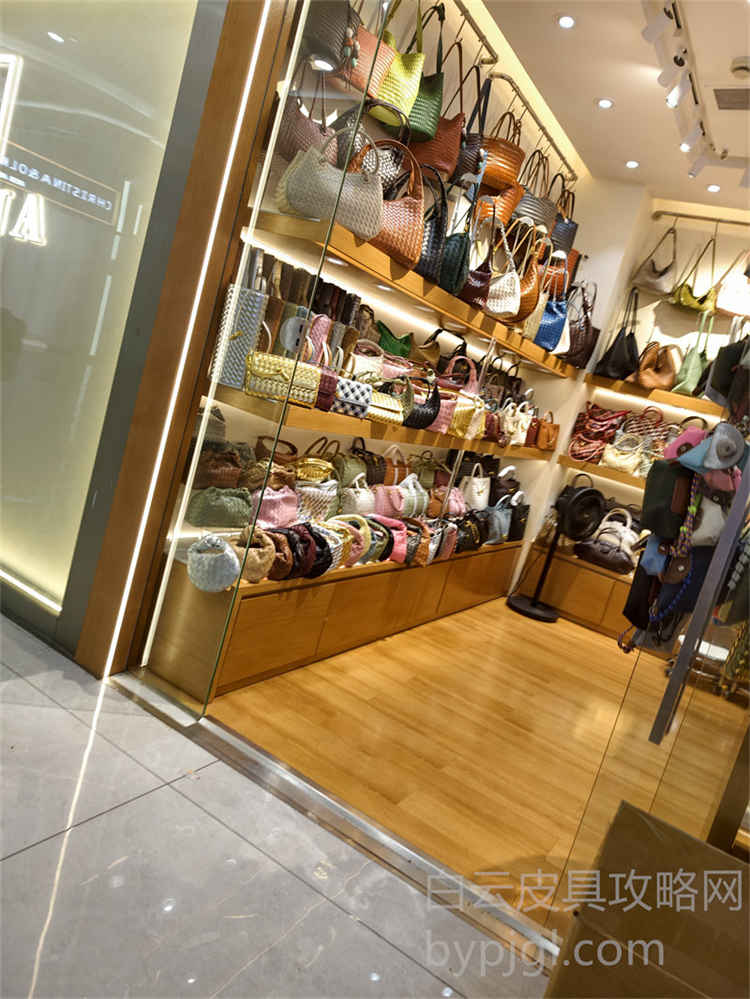
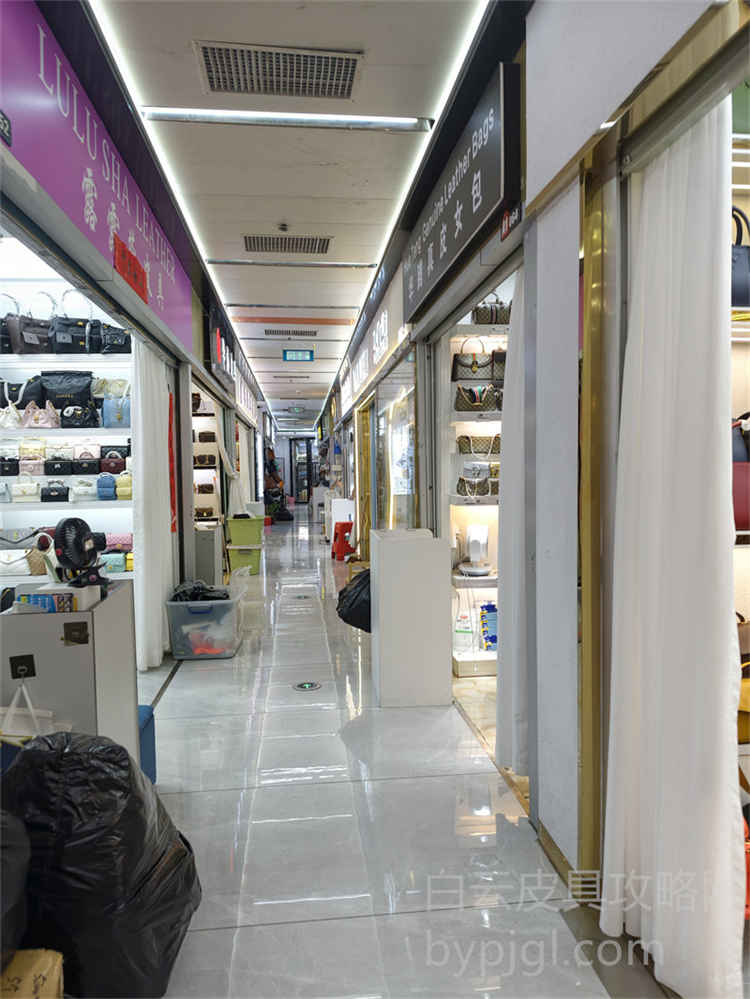
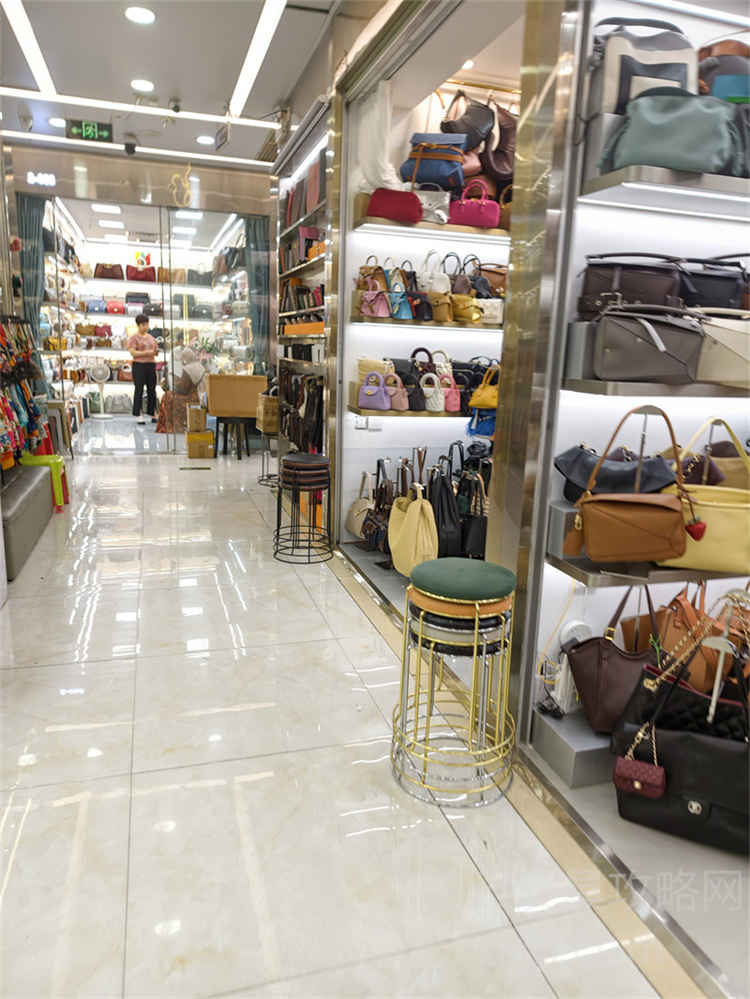
When you are walking through the aisles, ignore the flashy displays right at the entrance. Those are often just samples meant to catch your eye. The real action happens in the back rooms or on the upper floors where the inventory is stacked floor-to-ceiling. A genuine dealer won't try to sell you a bag with a logo immediately. Instead, they will ask about your target price point, your volume needs, and your timeline. If a vendor pushes a branded item aggressively without asking questions, run. The serious manufacturers focus on the quality of the stitching, the weight of the zipper, and the smell of the leather, not the logo stamped on the front.
The Art of Selection and Inspection
once you find a stall that feels right, the real work begins. This is where most overseas buyers fail because they rely on photos sent via WeChat. Photos lie; hands-on inspection does not. In my experience, the best way to vet a product is to demand to see the raw materials first. Ask to feel the grain of the leather. Is it soft? Does it have that natural imperfection that comes from real hide, or does it feel too perfect and plastic-like? Look at the edges. High-quality edge painting should be smooth, even, and free of glue marks. If you see white residue or uneven layers, that is a sign of rushed production.
Checking the Hardware and Stitching
Hardware is often the weak point in lower-tier products. Pick up the zippers, the clasps, and the buckles. Do they feel heavy? Do they slide smoothly, or do they stick? Cheap metal will feel light and hollow. Good hardware has a substantial weight and a consistent finish. Then, look at the stitching. Count the stitches per inch. Consistency is key. If the thread tension varies or the spacing is irregular, the bag will fall apart within months. I always tell my customers to bring a small magnifying glass. It helps you see the tiny details that separate a factory-grade piece from a mass-produced knockoff.
Dealing, Negotiating, and Avoiding Pitfalls
Negotiation in Guangzhou is an art form. It is not about being rude; it is about showing that you know the value of the product. Never accept the first price quoted. Start lower, but stay respectful. Explain your business model and how much volume you plan to move. Manufacturers love consistency. If you promise regular orders, they will give you their best pricing and prioritize your production queue. However, be wary of deals that seem too good to be true. If a price is significantly lower than the market average, there is almost always a compromise in material quality or hidden costs later on.
Logistics and Quality Assurance
One of the biggest mistakes new buyers make is paying 100% upfront before seeing the finished goods. Always insist on a deposit and a final payment upon inspection or after receiving photos of the actual batch. For larger orders, I recommend visiting the factory itself, which is usually located just outside the city center in areas like Huadu or Panyu. Seeing the workshop gives you peace of mind regarding labor conditions and capacity. Also, discuss shipping logistics early. Many of us have relationships with freight forwarders who specialize in handling delicate leather goods internationally, ensuring they arrive without damage or customs issues.
Building Long-Term Relationships
The beauty of sourcing from Guangzhou isn't just the price; it's the flexibility. Unlike big retailers, we can adapt quickly to trends. Need a color change? No problem. Want to adjust the strap length? Easy. This level of customization is what drives the industry forward. But it requires trust. Treat your suppliers with respect, pay on time, and communicate clearly. Over the years, I have seen many buyers come and go, but the ones who return year after year are the ones who treat us as partners, not just transaction points. So, next time you hear that "all bags are fake," remember that the truth is far more nuanced. It is a hub of incredible skill, innovation, and hard work that powers a significant portion of the world's fashion industry.