Walking the Floors: My Honest Take on Sourcing from Guangzhou
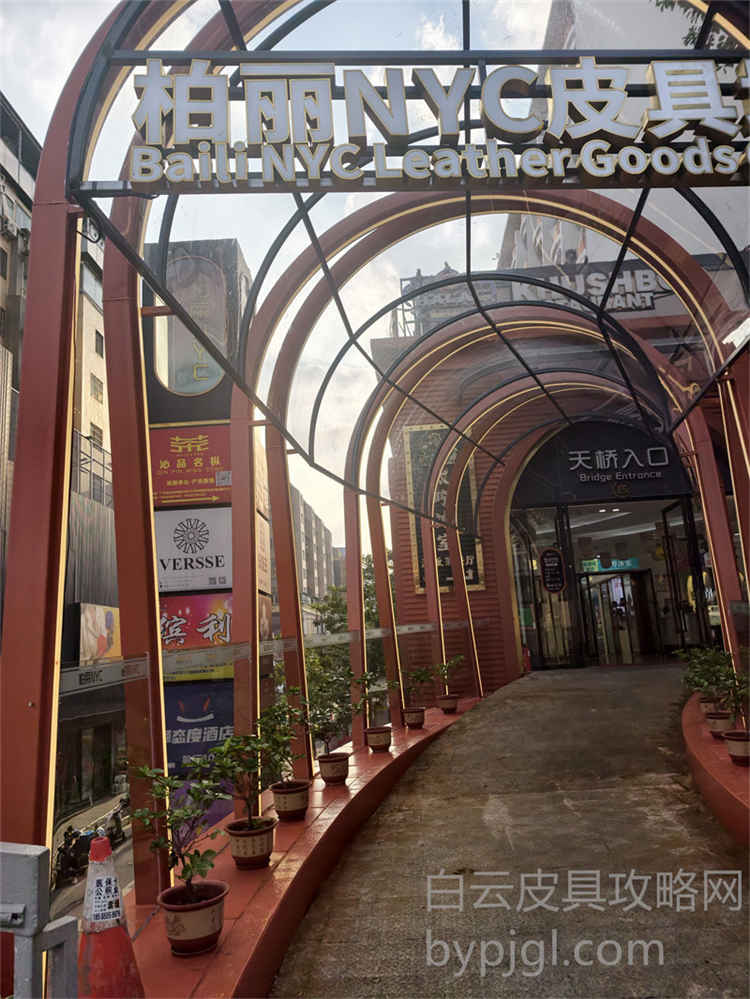
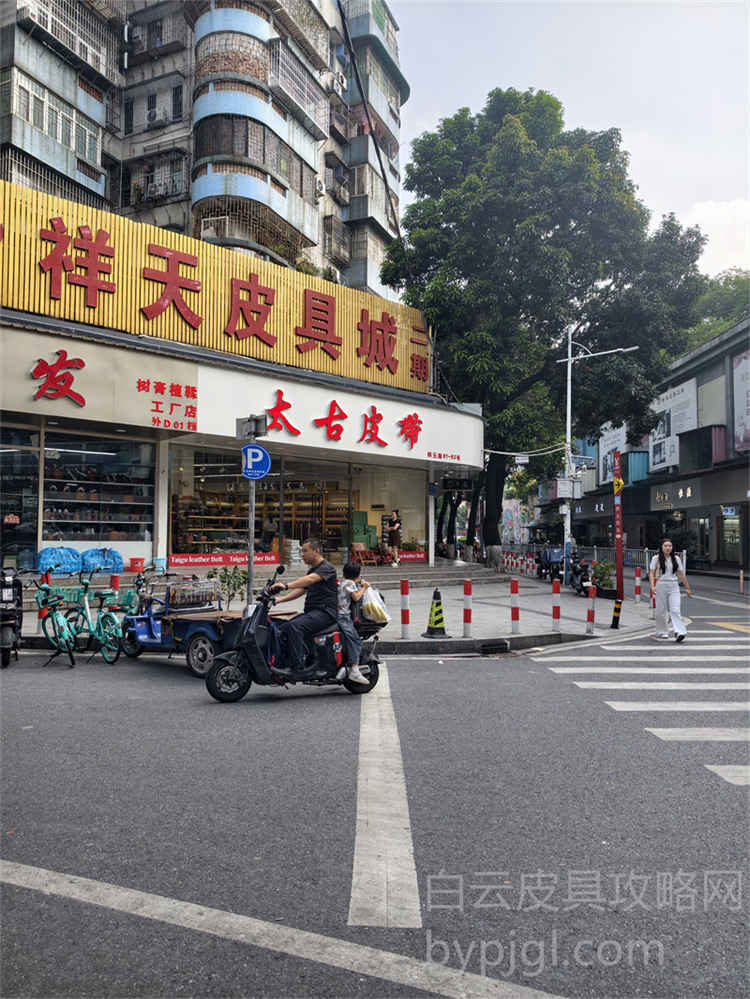
I have been standing behind this counter in Baiyun for over twenty years. While the world talks about "luxury" and "designer," I just see leather, stitching, and customers who want quality without the markup. You might be scrolling through your phone looking for specific styles, but let me tell you, the real story happens when you step off the subway and into the humid air of the Baiyun Leather City complex. This isn't a website where you click "add to cart." It is a battlefield of negotiation, tactile inspection, and building trust with factory owners.
Many overseas buyers come here thinking they can walk in and find exactly what they saw online. They are often disappointed because the market moves fast, and the best pieces never make it to the internet until they are already sold out. If you are serious about sourcing high-end goods from Guangzhou, you need to understand the rhythm of these markets. We don't sell replicas; we sell craftsmanship that rivals anything you will find in department stores abroad. The key is knowing which floor to visit, how to talk to the boss, and most importantly, how to spot the difference between a good product and a cheap knockoff before you pay a single yuan.
Navigating the Baiyun Complex: Where the Real Action Is
The Difference Between the Showrooms and the Back Rooms
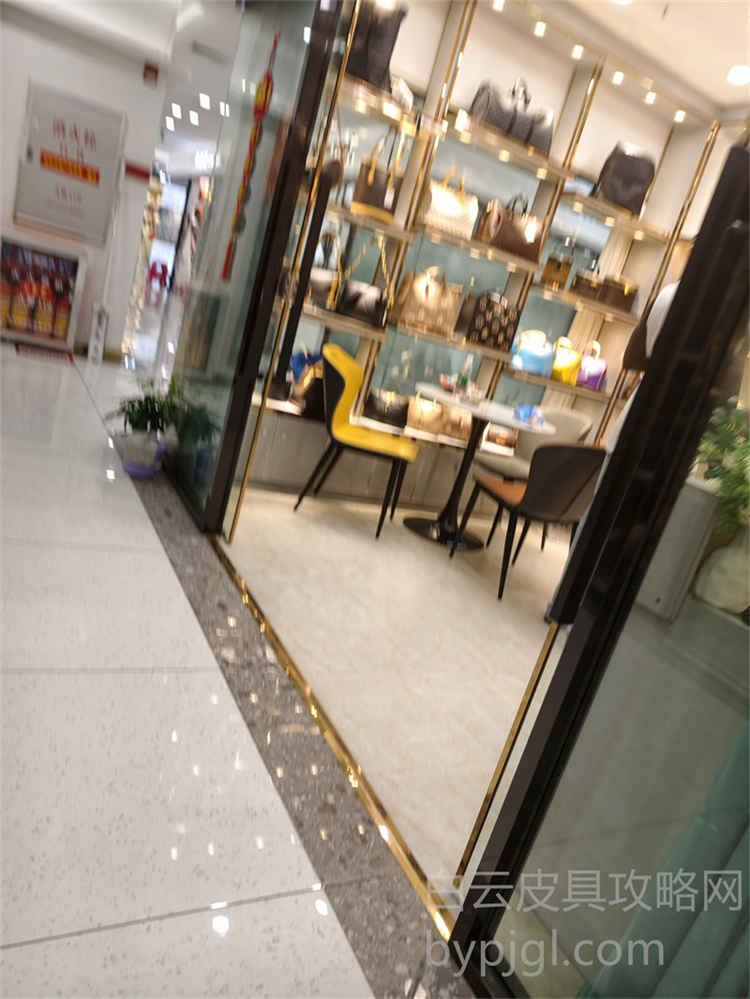
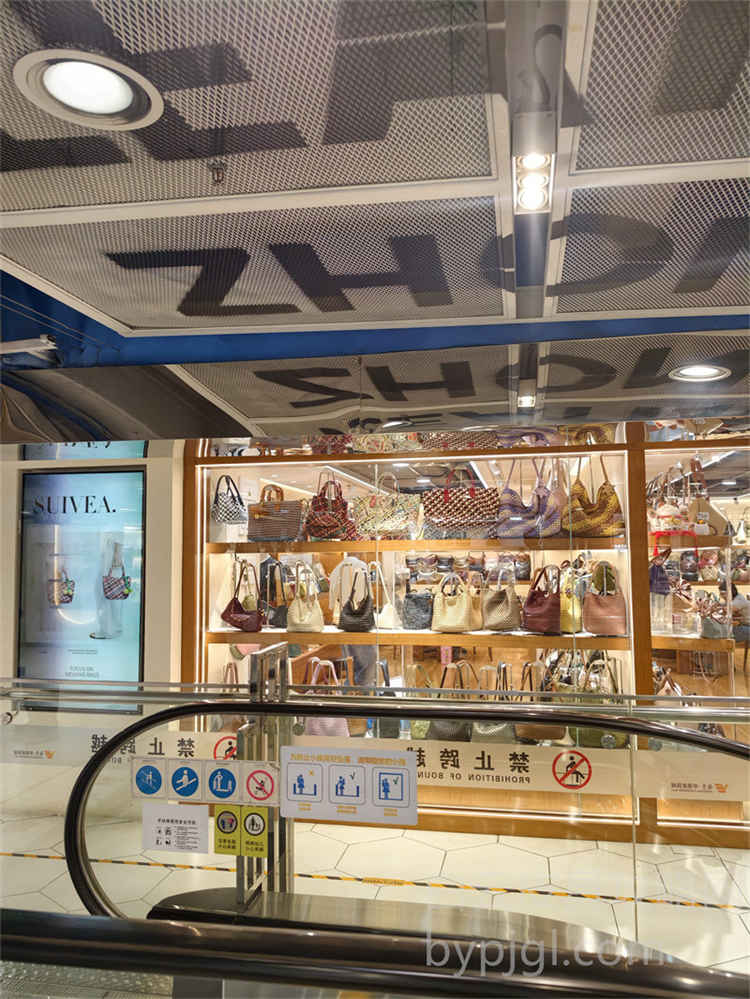
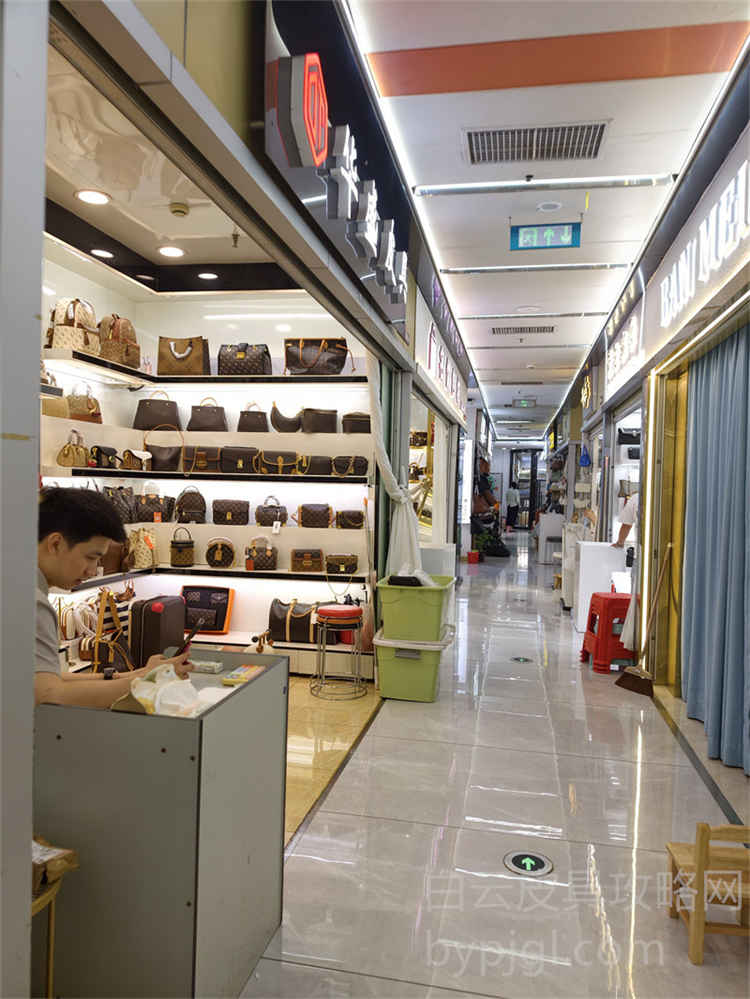
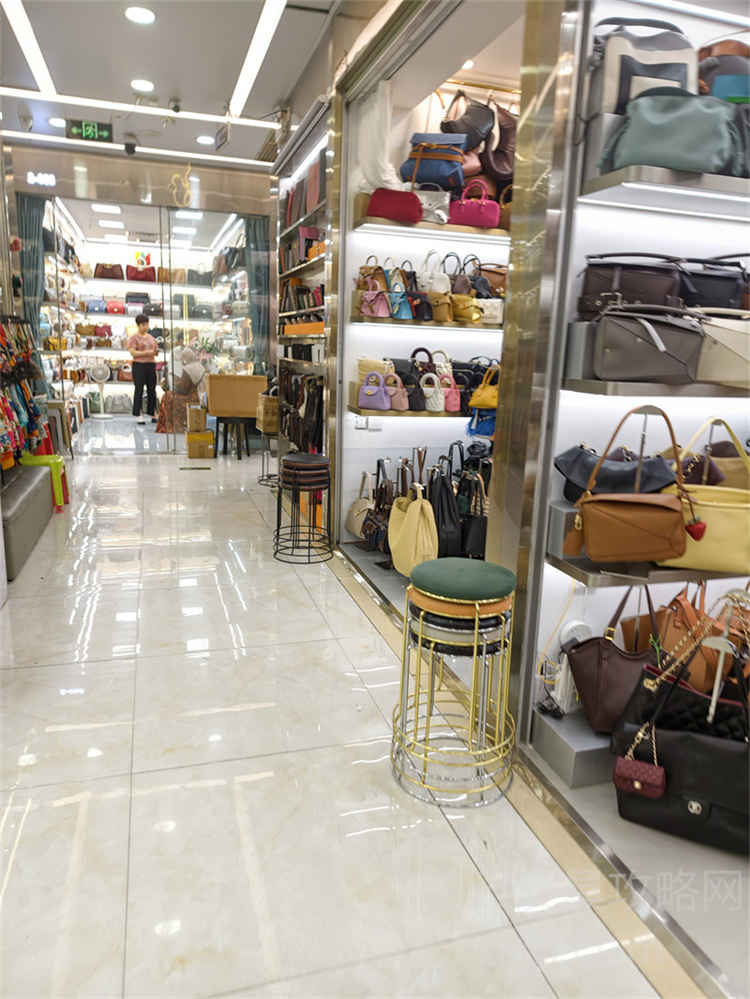
When you first arrive at the Baiyun Leather City, you will see rows of shiny showrooms with glass doors and mannequins dressed in expensive-looking bags. These are the front-facing shops designed to attract tourists or casual shoppers. They display the latest trends, but the prices here are inflated to cover rent and marketing. If you want the real deal, you need to look past the polished facade. The actual production and wholesale operations happen in the back rooms or on the upper floors where the signage is less flashy.
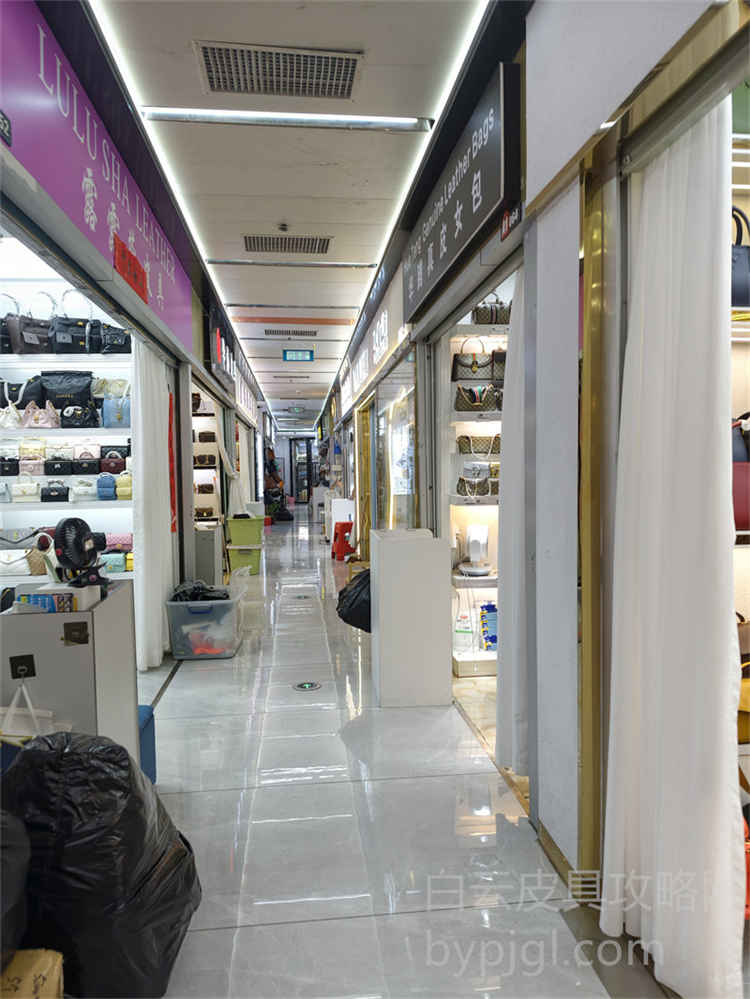
I always advise my international clients to skip the ground floor unless they are just browsing. Head straight to the higher levels or the side corridors where the heavy machinery hums in the background. That is where the real action is. You will see stacks of leather hides, sewing machines running non-stop, and workers focused on their tasks. This is the environment where quality is controlled. When you ask for a specific style here, you aren't talking to a salesperson trying to hit a quota; you are talking to someone who knows the grain of the leather and the tension of the thread because they likely made it themselves.
Understanding the Catalog System
One thing that surprises new visitors is that we rarely keep every single design on the shelf. Instead, we use digital catalogs or physical sample books filled with photos of our latest production runs. When you ask for a "classic style," I pull up the book and show you the variations we have available. Some are made from top-grade cowhide, others from calfskin, and some feature exotic textures. The beauty of this system is flexibility. You can point to a photo and say, "I want this one, but change the hardware color to gold instead of silver." In a traditional retail store, that request would take weeks. Here, if the factory has the mold ready, we can adjust it within days.
This catalog approach allows us to stay ahead of trends. As soon as a new silhouette becomes popular globally, our designers sketch it, and within a week, samples are ready for review. This speed is why so many buyers return year after year. They know that if they want the latest look without waiting for shipping from Europe, Guangzhou is the place to be. But remember, speed comes with responsibility. You must inspect the sample thoroughly before approving a bulk order.
The Art of Inspection: What Separates Good from Great
Touching the Leather and Checking the Stitching
Let's get down to business. How do you know if a bag is worth the money? You touch it. In Guangzhou, we pride ourselves on using materials that feel substantial. Run your hand over the surface. Does it feel soft and supple, or does it feel stiff and plastic-like? High-quality leather has a natural texture and warms up quickly against your skin. Cheap alternatives often feel cold and uniform, lacking the unique character of real hide.
Next, look at the stitching. Hold the bag up to the light and count the stitches per inch. Consistency is king. Every stitch should be even, tight, and aligned perfectly. If you see loose threads, uneven spacing, or glue marks near the seams, put it down immediately. A skilled craftsman in our workshops takes pride in invisible stitching. The thread should blend seamlessly with the leather, creating a clean line that suggests durability. Also, check the lining. Many low-end products use thin polyester that tears easily. We use durable fabrics that resist wear and tear, ensuring the bag lasts for years, not just months.
Hardware and Structural Integrity
Hardware is often the first thing to fail on a bag, so give it extra attention. Pick up the bag and shake it gently. Does it feel solid, or does it wobble? The metal parts should be heavy and substantial, not hollow and lightweight. Check the zippers. Do they glide smoothly, or do they catch? High-quality brass or zinc alloy hardware feels cool to the touch and has a consistent finish without scratches or discoloration. If the plating looks patchy or the engraving is blurry, that is a red flag.
Structure matters too. Look at the shape of the bag. Does it hold its form, or does it collapse when empty? A well-constructed bag has internal reinforcement that maintains its silhouette. Pay attention to the handles and straps. They should be securely attached with double or triple stitching. If the handle feels flimsy, imagine carrying a heavy load with it. It will snap. In our workshops, we test every strap by hanging significant weight on it before it ever leaves the factory. We want our customers to carry their bags with confidence, knowing they won't break under pressure.
Negotiation and Logistics: Getting Your Order Home
Building Relationships and Pricing
Price is always a conversation, but it shouldn't be the only factor. When you negotiate with a supplier like me, you are building a relationship. If you treat us with respect and show genuine interest in our products, we will treat you with transparency. Don't try to drive the price down to rock bottom by haggling aggressively. That usually results in lower quality materials being used to meet the target price. Instead, focus on value. Ask about the cost breakdown, the type of leather, and the labor involved.
We offer tiered pricing based on quantity. Buying a few pieces for personal use costs more per unit than ordering a full carton. However, even small orders can get competitive rates if you establish a long-term partnership. Be clear about your expectations regarding delivery times and packaging. We can customize boxes and dust bags to match your brand requirements. Communication is key. Use simple language, confirm details in writing via WhatsApp or email, and never assume anything is understood without verification.
Avoiding Pitfalls and Ensuring Safe Shipping
The biggest mistake overseas buyers make is rushing the process. Take your time to verify the final product before payment. Request detailed photos or videos of the actual item, not just stock images. If possible, hire a third-party inspector to check the goods before they are shipped. This small investment can save you from receiving a shipment full of defects. once everything is approved, discuss shipping options carefully. Air freight is faster but more expensive, while sea freight is cheaper but takes longer.
Be aware of customs regulations in your country. While we ship legally, the classification of goods can vary depending on local laws. Ensure your shipping agent understands the documentation required to avoid delays or seizures. We work with experienced logistics partners who know how to handle international shipments efficiently. By following these steps, you ensure a smooth transaction from the bustling streets of Baiyun to your doorstep anywhere in the world. Trust is earned through consistency, and that is what we deliver every day.