Why You Need to Walk the Floors of Baiyun, Not Just Scroll Online
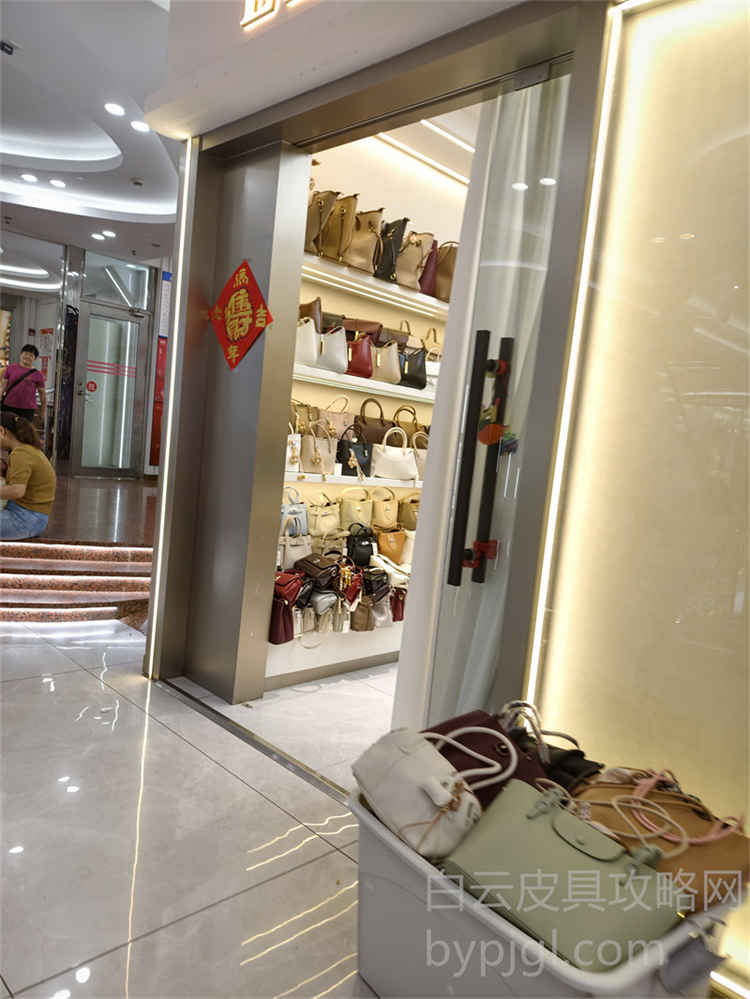
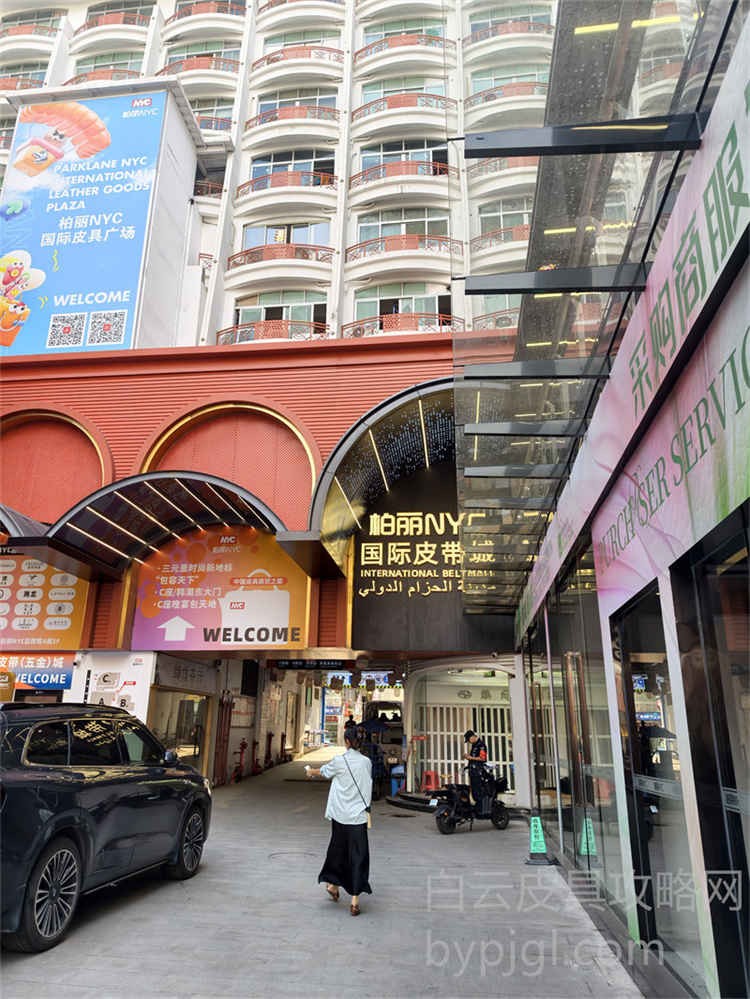
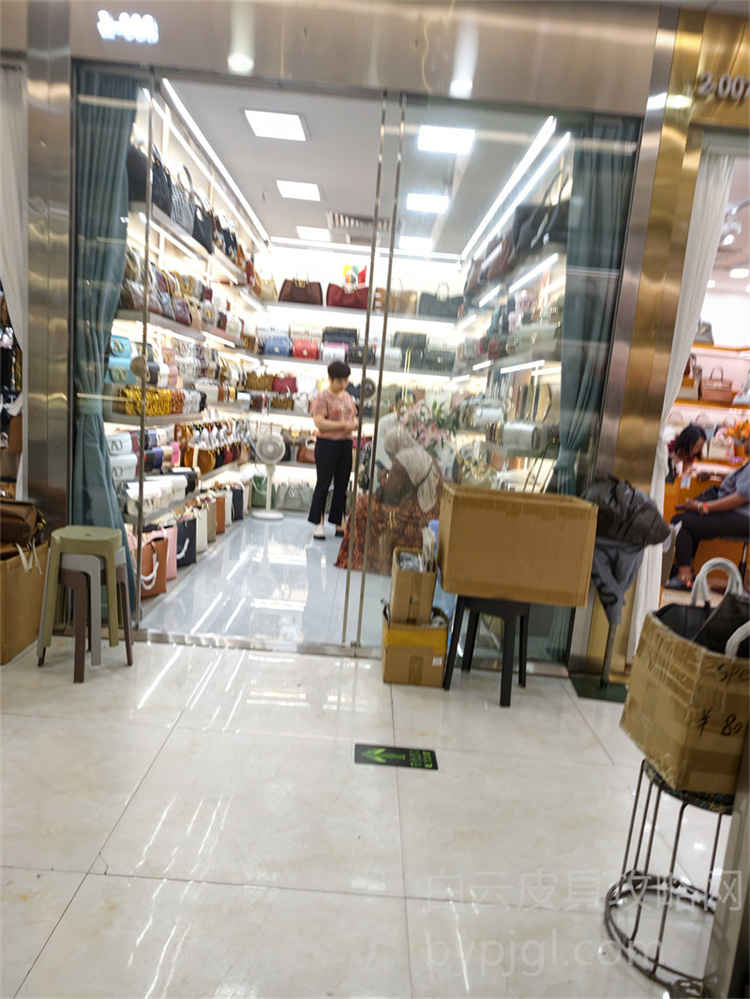
I have been standing behind this counter in Guangzhou for over fifteen years. While you are reading this on your screen in New York or London, I am watching the morning rush at the entrance of the Grandview Plaza. Let me tell you something that no online listing will ever show you: the texture of the leather, the smell of the glue, and the way a buyer's eyes light up when they find a hidden gem. If you are looking for "Guangzhou bag fabric wholesale" and thinking you can just order samples from Alibaba and call it a day, you are missing the entire ecosystem that makes this city the capital of global leather goods.
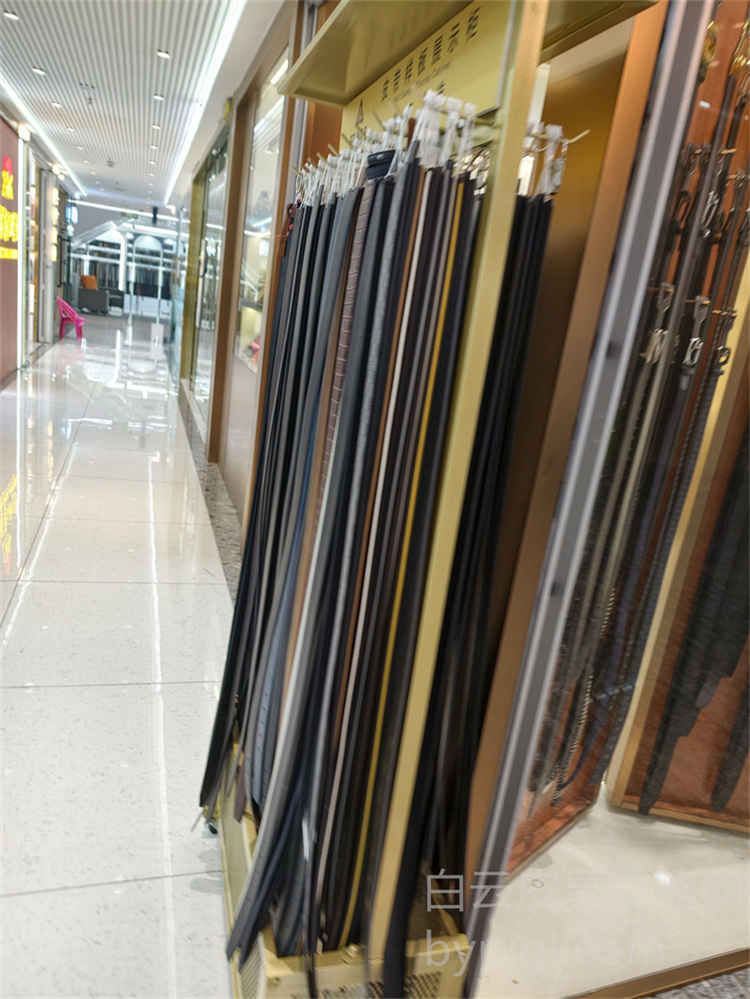
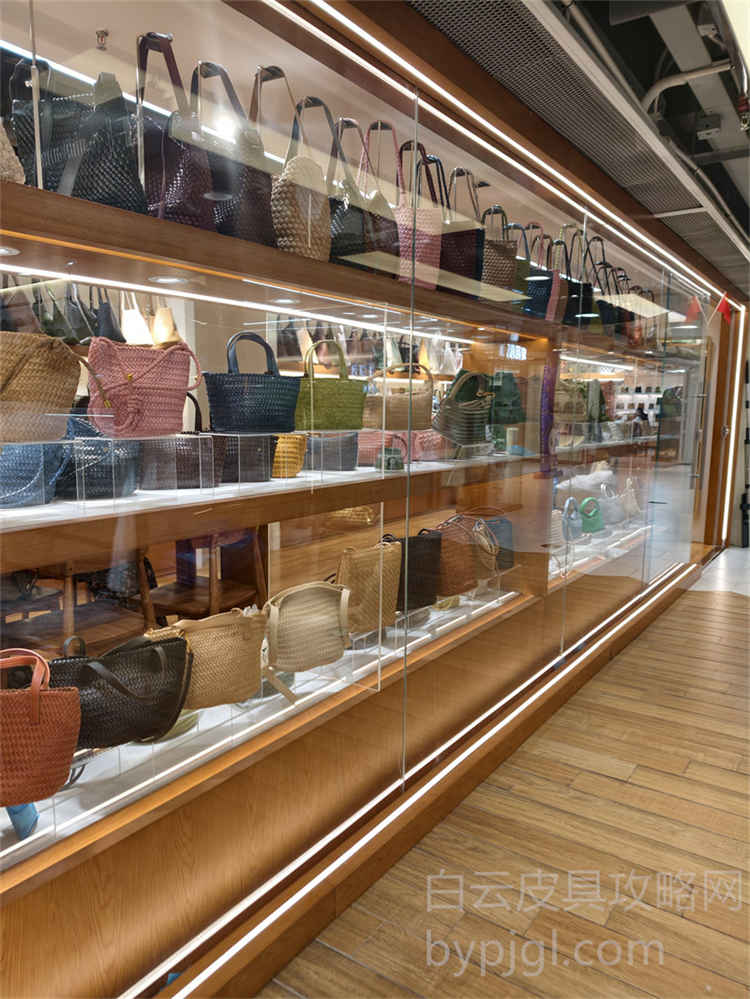
The internet is great for price checks, but it is terrible for quality verification. In my shop, we deal with thousands of rolls of PU, PVC, genuine leather, and canvas every month. The difference between a $500 order and a $5,000 disaster often comes down to one thing: did you touch the material? When I first started, I made the mistake of trusting photos. A photo of "Italian grain" can look perfect on a monitor, but in reality, it might be a cheap synthetic that peels after two weeks. That is why I always tell my international clients: come to Baiyun. The air here smells like tannins and ambition, and that is where the real deals happen.
Navigating the Labyrinth: Where to Find the Real Goods
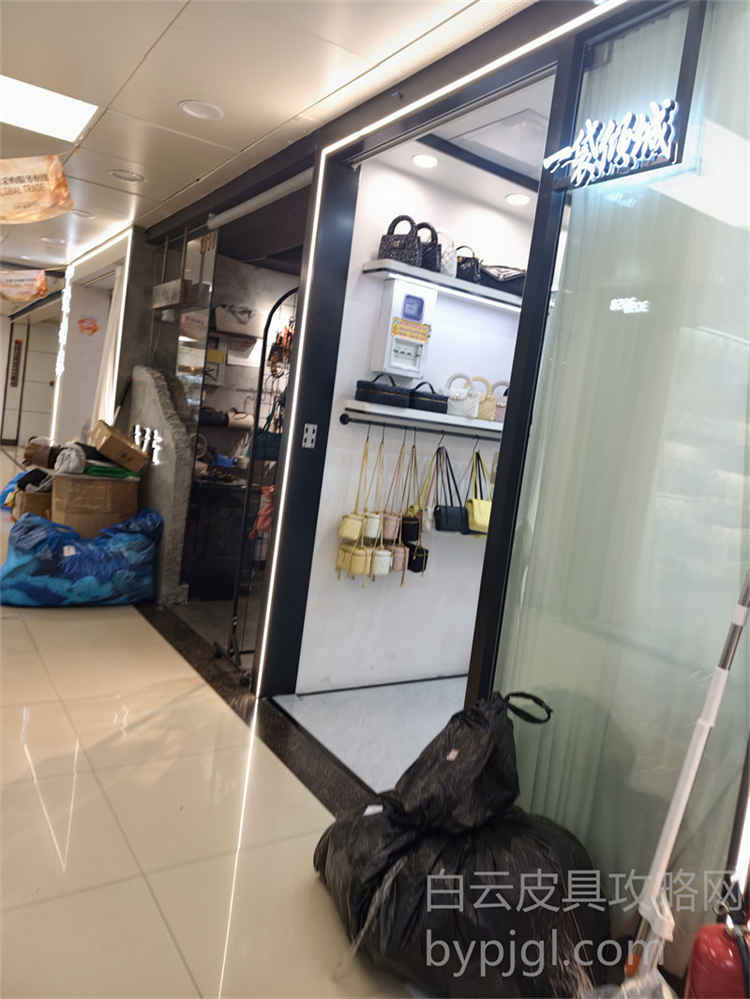
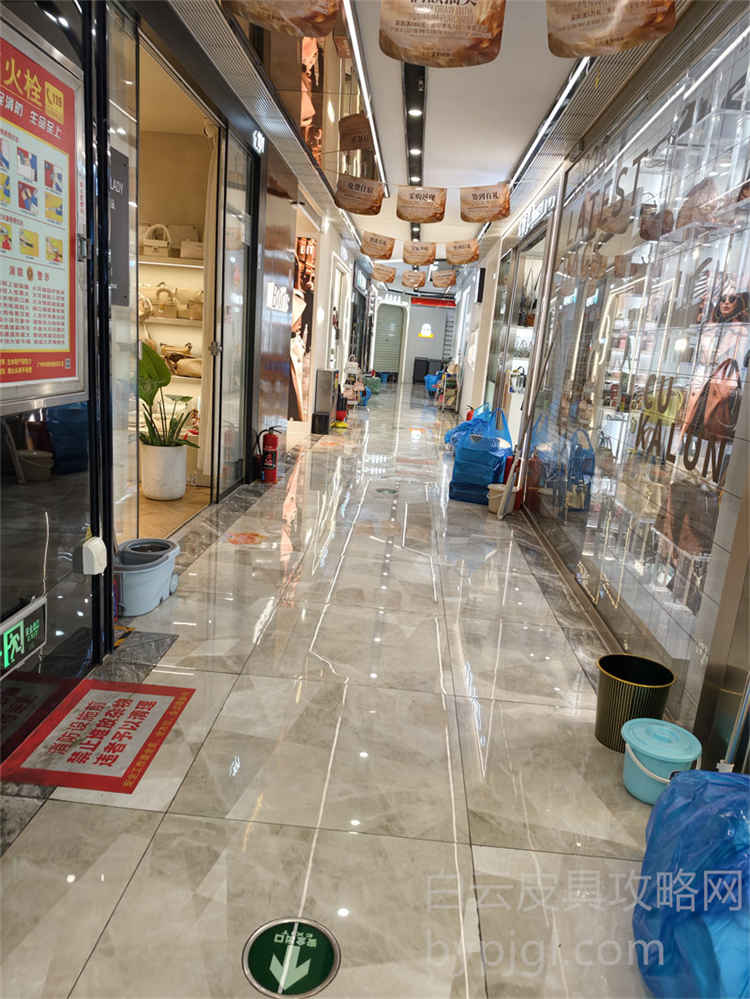
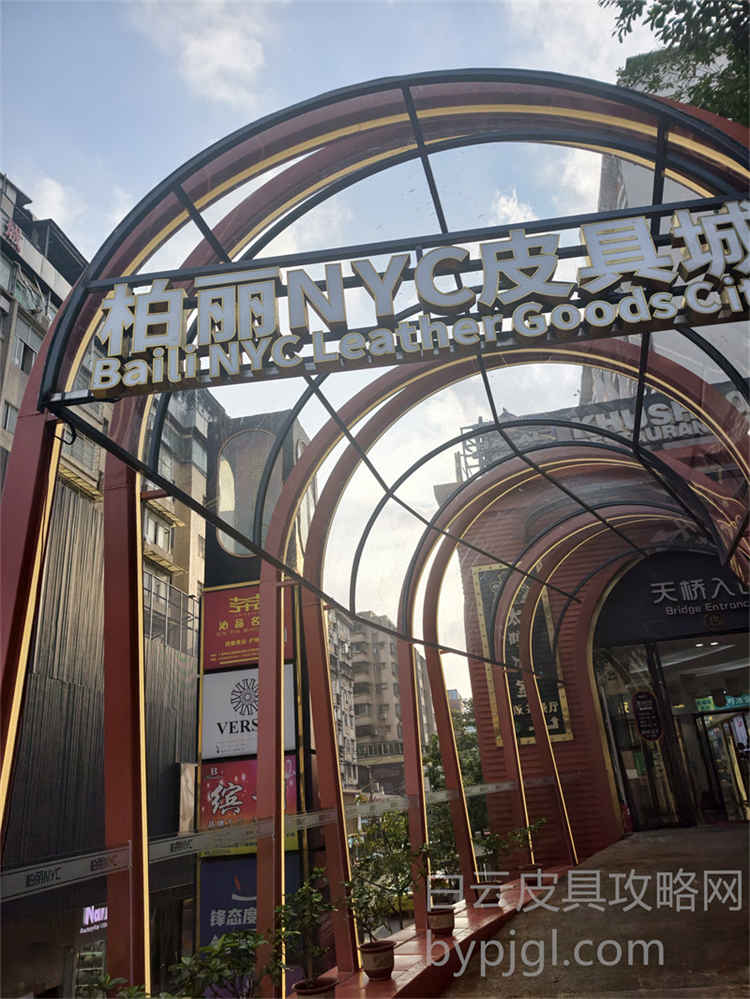
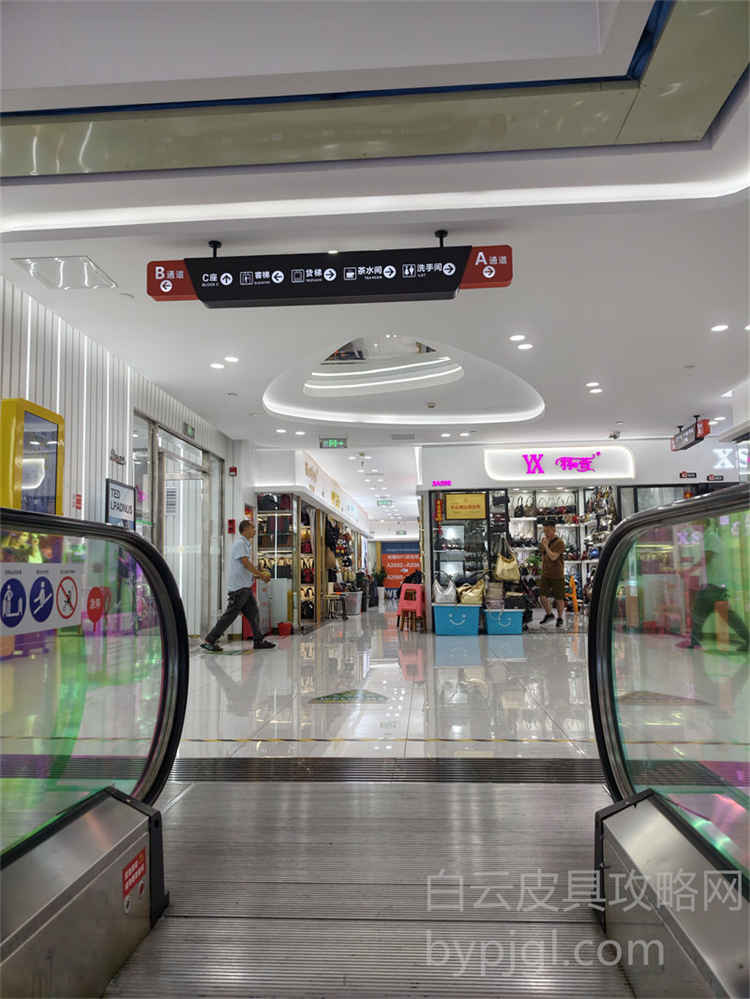
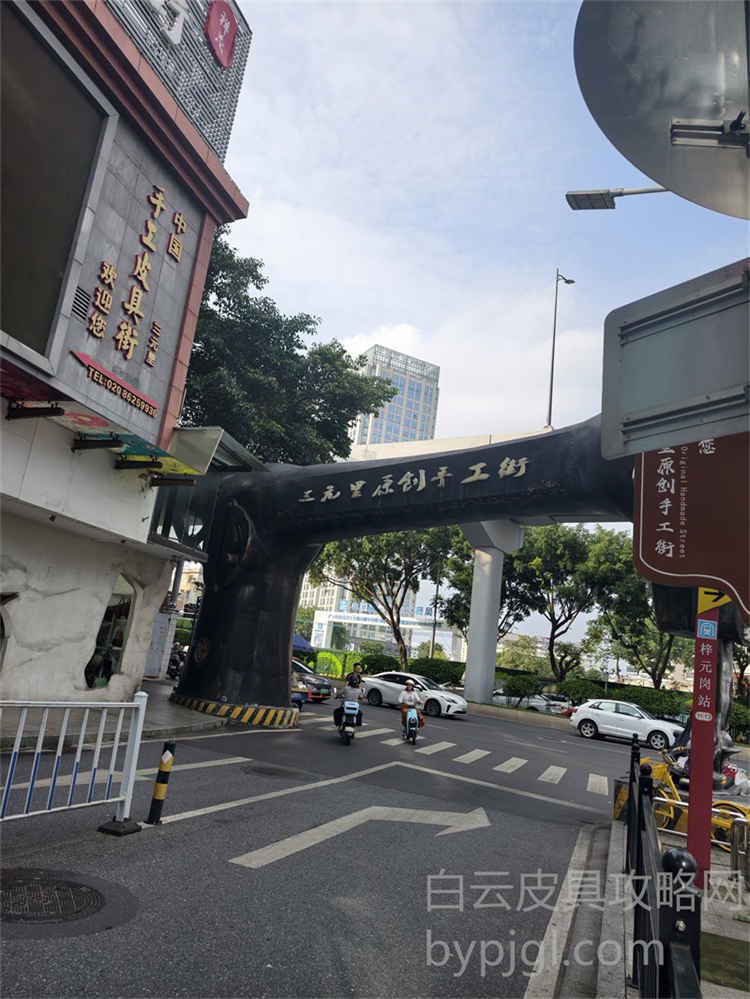
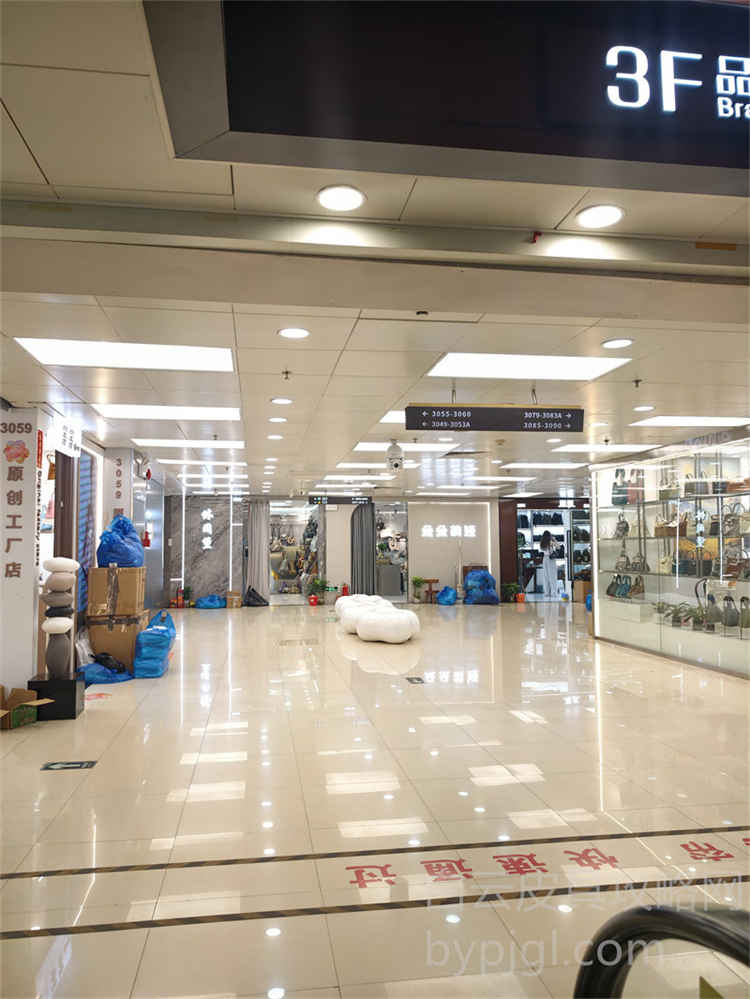
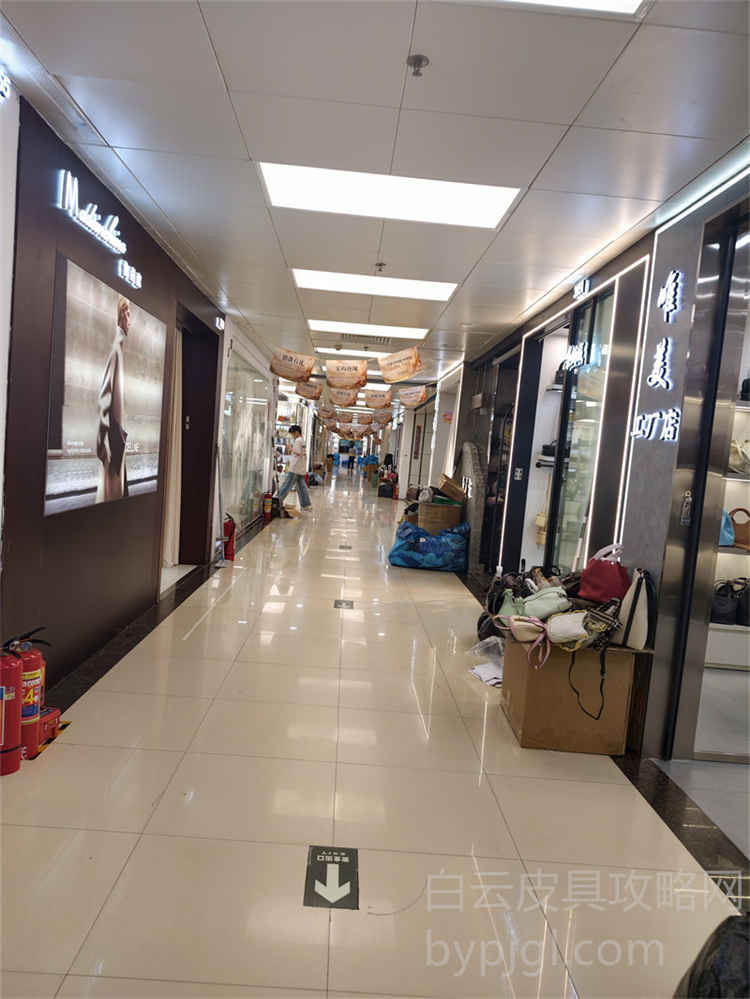
Many new buyers get lost immediately upon entering the Baiyun Leather City complex. It is not just one building; it is a sprawling network of malls, each with its own personality and price point. If you want high-end materials for luxury brands, you need to head straight to the Grandview Plaza (Yi Tian). This is where the heavy hitters operate. But if you are looking for trendy, fast-fashion fabrics or budget-friendly options, you should explore the nearby buildings like the World Trade Center or even the smaller alleys connecting to Shijing.
The Secret of the Upper Floors
Here is a trick most tourists don't know. The ground floor is full of showrooms designed to catch the eye of casual walk-ins. They display the flashiest items, but the prices are inflated by 30%. The real action happens on floors three through six. I remember guiding a client from Italy last year. He was frustrated because he couldn't find the specific waxed canvas he needed on the ground floor. We took the elevator to the fourth floor of the main building. There, tucked away in a small booth labeled "No. 408," we found exactly what he wanted. The owner, an old man named Uncle Li, didn't speak much English, but he pulled out a stack of swatches that were ten years old. The durability was unmatched. This is the kind of sourcing you cannot do online.
Specific Recommendations: Who to Talk To
You asked for names? Fine, let's talk specifics. If you are looking for high-quality vegan leather that mimics the feel of calfskin, go to Grandview Plaza, Floor 3, Booth 3B-12. The shop is run by a family called "Golden Touch." They specialize in eco-friendly PU and have their own factory in Foshan. Their minimum order quantity (MOQ) is flexible for foreigners, usually starting at 50 meters per color. Another spot you must visit is World Trade Center, Floor 2, Stall 2A-09, known as "Skyline Materials." They are the kings of exotic prints and embossed textures. I have seen them supply major European streetwear brands. Their staff speaks decent English, and they keep a digital catalog updated daily. For those seeking genuine cowhide, head to Baiyun International Leather Trading Center, Floor 5, Unit 505. This is "Heritage Hide." They only deal in top-grain leather, and their pricing is transparent. No haggling nonsense here; you pay for quality.
The Art of Negotiation and Quality Control
once you find the right stall, the real work begins. In Guangzhou, negotiation is not about being cheap; it is about building a relationship. I have seen buyers try to haggle too hard and end up with inferior stock. Instead, focus on volume and consistency. If you plan to order 500 meters, ask for a "bulk rate" rather than just asking for a discount. Also, never sign a contract without seeing the physical batch. I once had a client who ordered 2,000 meters of red patent leather based on a sample. When the shipment arrived, the color was slightly off, leaning towards orange. Why? Because the dye lot changed. If you are physically present, you can demand to see the current roll before payment. This simple step saves thousands of dollars.
Red Flags to Watch Out For
There are traps everywhere. One common scam involves "factory direct" claims. Many stalls claim to be factories, but they are actually middlemen buying from other wholesalers. How do you tell? Ask to see their production line or their warehouse. If they hesitate or say the factory is "too far to visit," they are likely resellers. Another red flag is the refusal to provide a detailed invoice with HS codes. As an importer, you need proper documentation for customs clearance. If a vendor says, "We can give you a lower price if we don't write the true value," run away. That is a recipe for seized goods at your local port.
Logistics and Shipping: Getting Your Fabric Home
After you secure your fabric, the next challenge is getting it out of China. Most stalls in Baiyun have partnerships with freight forwarders. Do not use the shipping agent recommended by the seller unless you trust them completely. I recommend finding your own forwarder who specializes in leather goods. They know how to handle the weight and the potential odor issues during transit. For example, shipping 100kg of heavy canvas requires different packaging than 100kg of delicate silk-lined bags. A good forwarder will advise you on whether to use sea freight or air cargo based on your timeline. Sea freight is cheaper but takes 30 days; air freight is fast but costs double. For fabric, sea freight is usually the best bet.
A Quick Comparison of Sourcing Channels
| Channel | Price Range | Quality Control | MOQ Flexibility | Best For |
|---|---|---|---|---|
| online Marketplaces | Low to Medium | Poor (Photo Dependent) | High | Small Samples Only |
| Street Stalls (Ground Floor) | Medium to High | Moderate | Low | Trendy, Low Volume |
| Wholesale Malls (Upper Floors) | Medium | High (Physical Inspection) | Medium | Standard Production Runs |
| Direct Factory Visits | Lowest | Excellent | Variable | Large Scale Orders |
Final Thoughts: The Value of Being There
Let me leave you with this thought. The "Guangzhou bag fabric wholesale" market is not just about buying cloth; it is about understanding the supply chain. When you stand in these markets, you learn which materials hold up against humidity, which dyes fade in sunlight, and which suppliers actually deliver on time. These insights take years to gather online. By walking the floors of Baiyun, talking to the owners like Uncle Li, and inspecting the rolls yourself, you are investing in the longevity of your brand. Don't settle for second-hand information. Come to Guangzhou, touch the leather, smell the glue, and make decisions with your hands, not just your eyes. That is the only way to win in this business.