Why I've Been Selling Bags in Guangzhou for 15 Years and What I Wish You Knew Before You Arrived
Welcome to the real deal. If you are reading this, you probably think buying wholesale fashion bags in Guangzhou is as simple as walking into a mall, picking a design, and paying the price tag. Let me stop you right there. I have been standing behind my counter at Baiyun Leather City for over a decade. I have seen thousands of tourists walk in with high hopes, only to leave empty-handed or worse, stuck with low-quality stock that they cannot sell. The market here is a jungle, but it is also a goldmine if you know how to hunt. This is not a sales pitch from a corporate website; this is my story, my mistakes, and the hard-earned secrets I share with my regular overseas clients who keep coming back.
Navigating the Labyrinth: Where to Actually Go
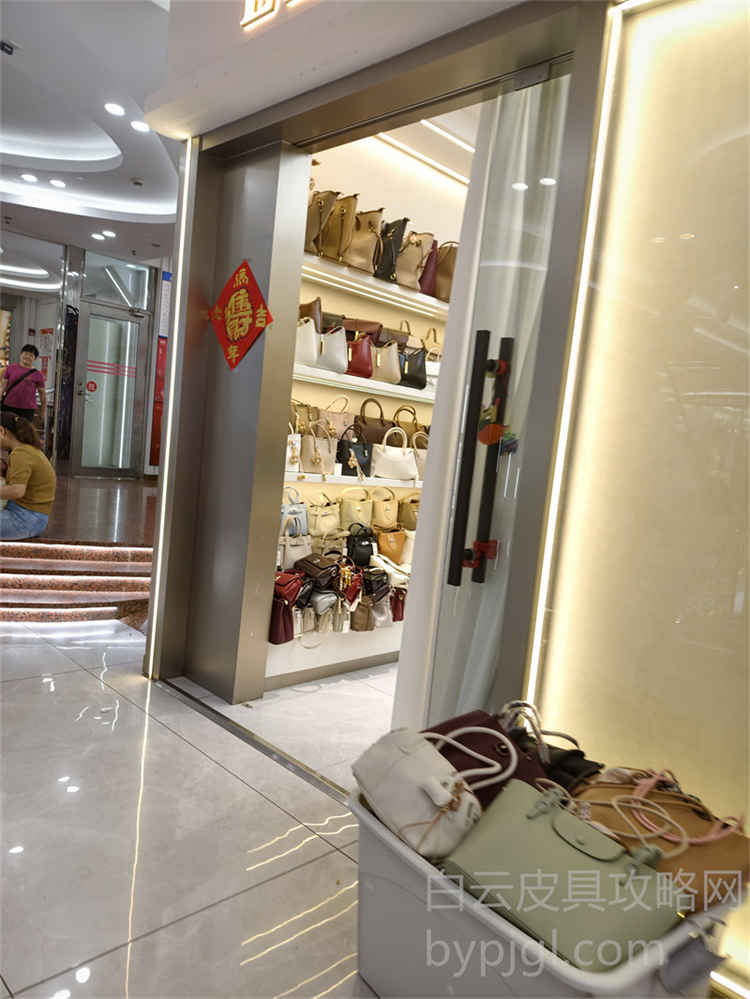
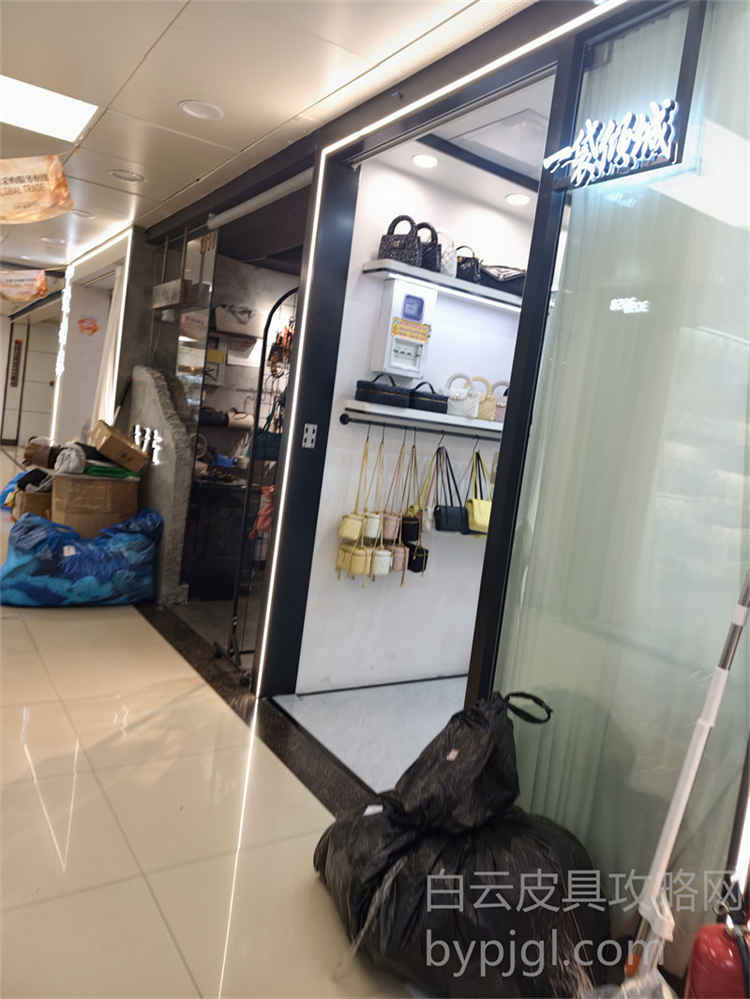
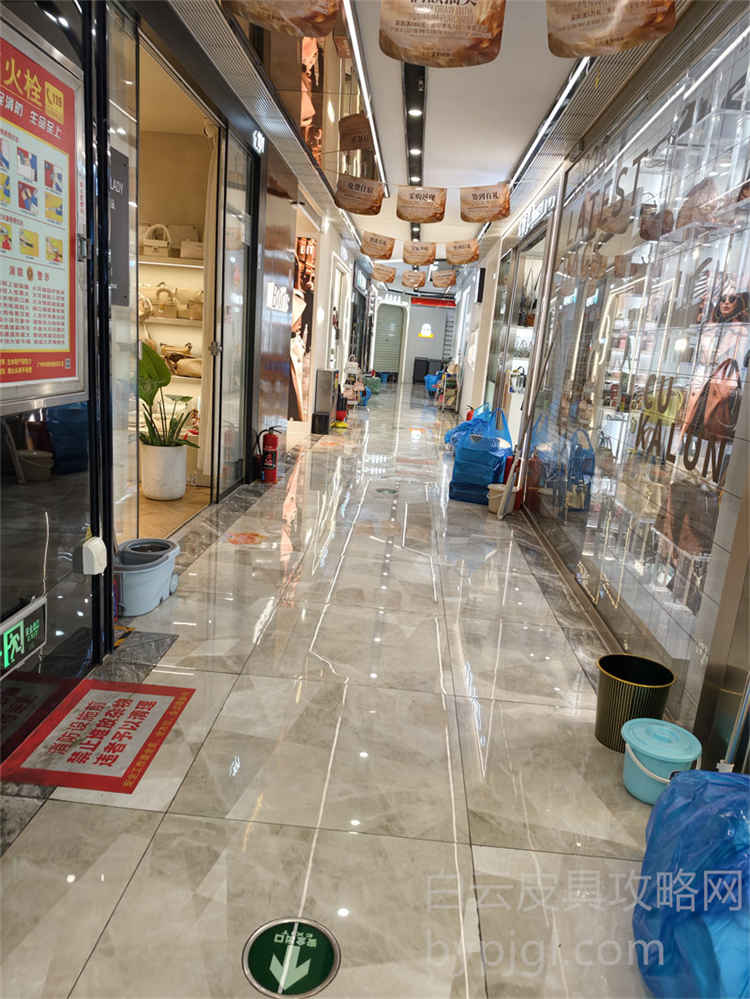
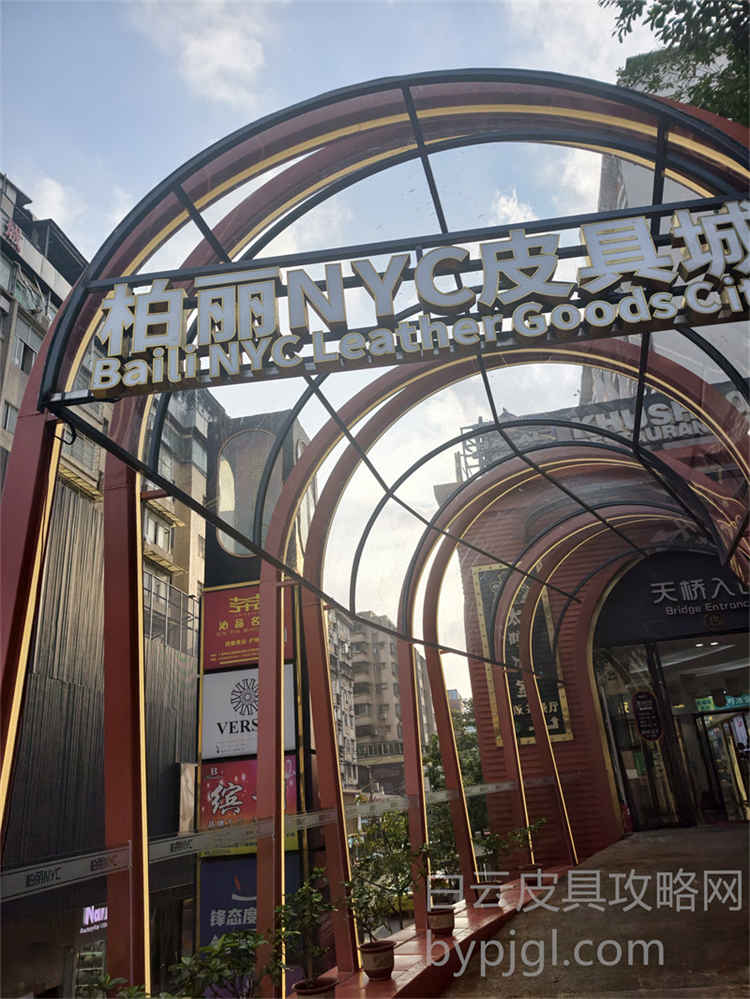
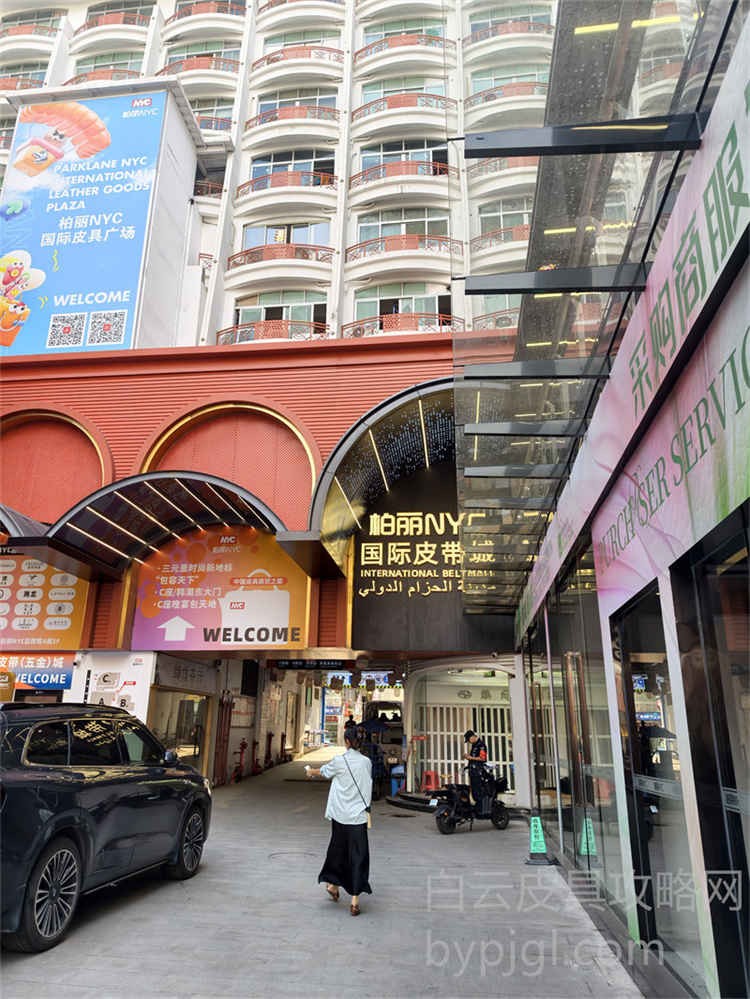
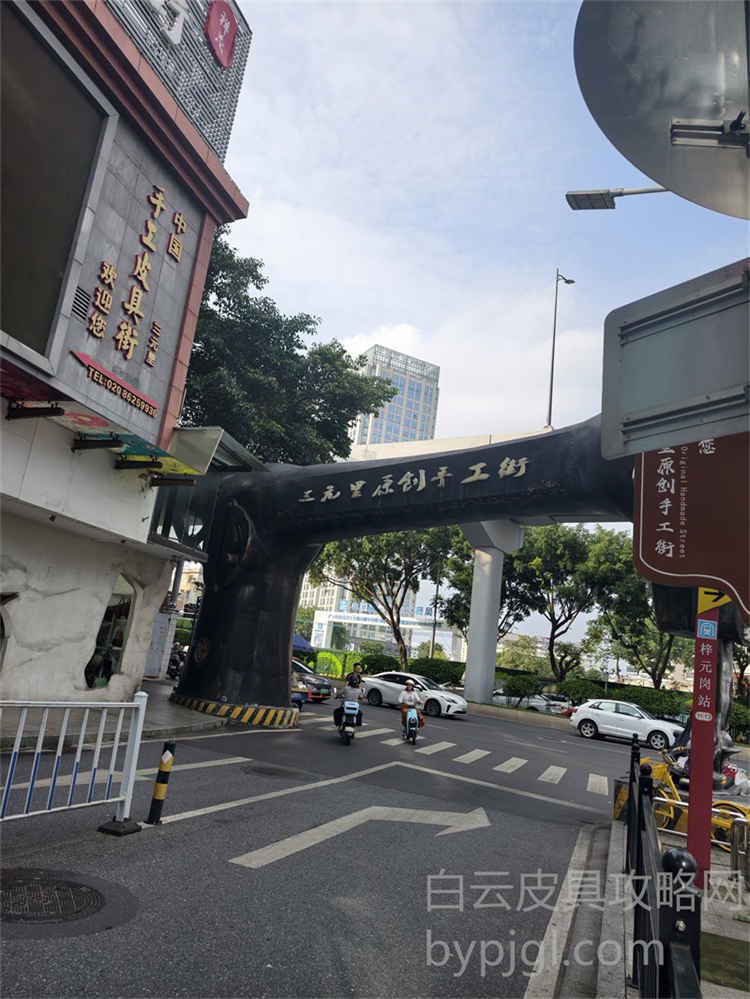
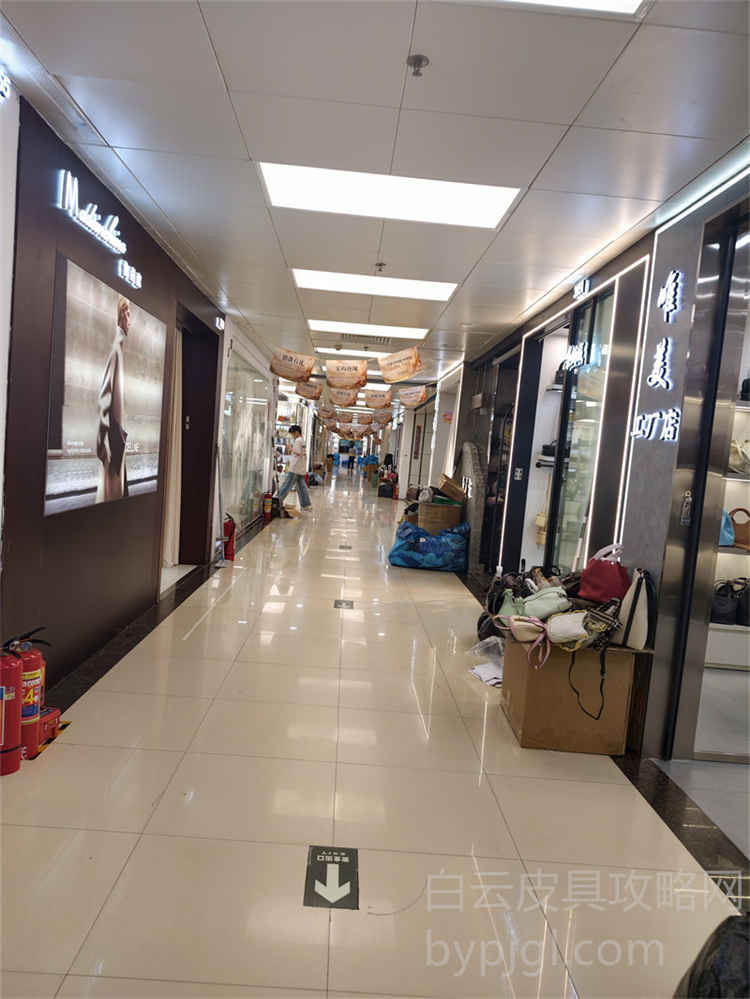
Most people hear "Guangzhou" and immediately think of the massive Baiyun International Leather City. While it is the biggest, it is also the most confusing. There are six main buildings, each with its own vibe, and if you wander blindly, you will waste three days just trying to find the entrance to your target floor. When I tell my foreign friends where to go, I don't just say "Baiyun." I give them specific coordinates because the difference between a good supplier and a scammer is often just one building away.
The Hierarchy of Markets: Quality vs. Price
You need to understand the ecosystem. Baiyun Leather City (Building 1) is where the heavy hitters are. This is where you find the factories that supply major brands. If you are looking for top-tier leather, genuine cowhide, and hardware that doesn't tarnish in a month, you start here. However, do not expect to buy single pieces. These shops operate on volume. On the other hand, Building 4 and the surrounding streets like Qianjin Road are more mixed. Here, you will find smaller workshops and traders who might be willing to negotiate on quantity, but the quality control is inconsistent. I always advise my clients to start at Building 1 for the "look and feel," then move to the side streets for the "deal."
A Specific Stop: The Hidden Gems on Floor 3
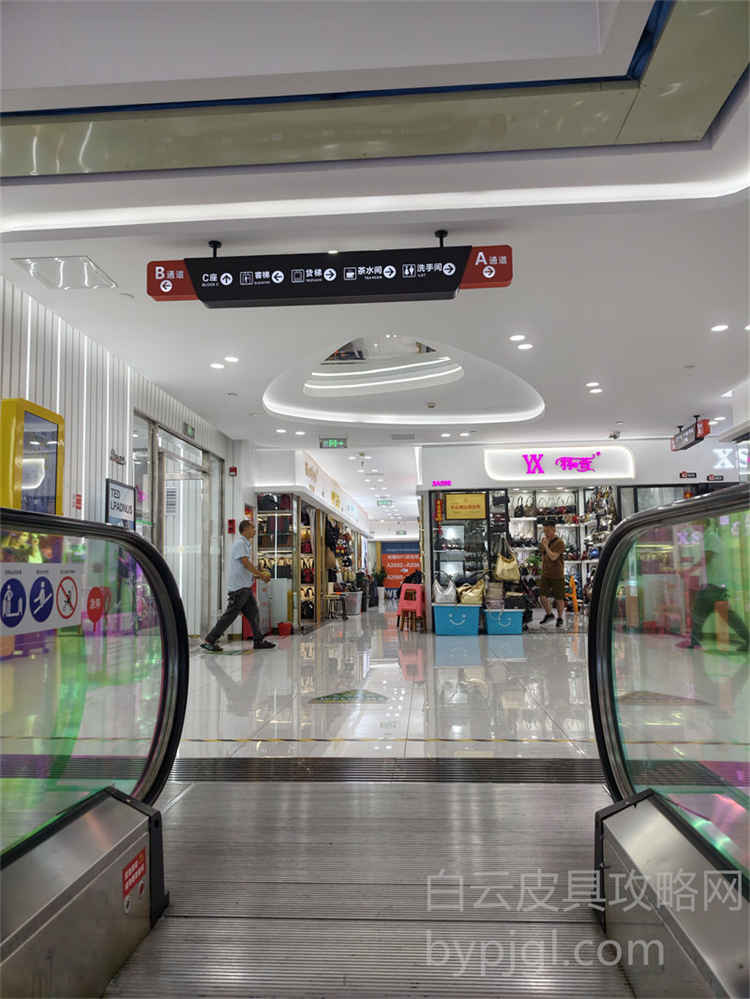
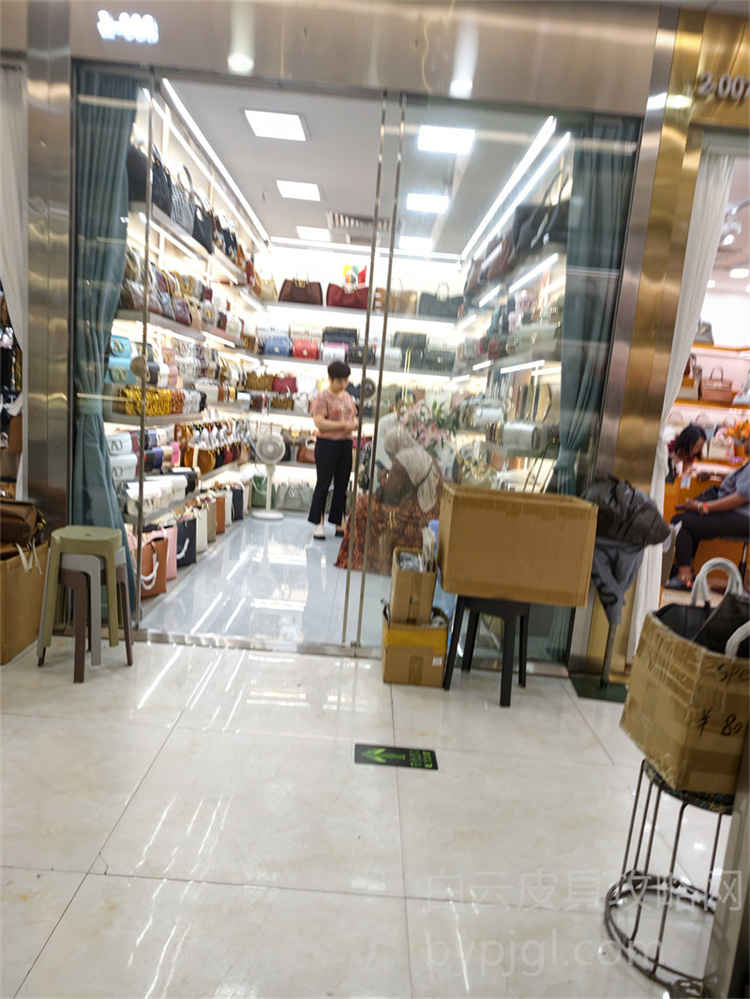
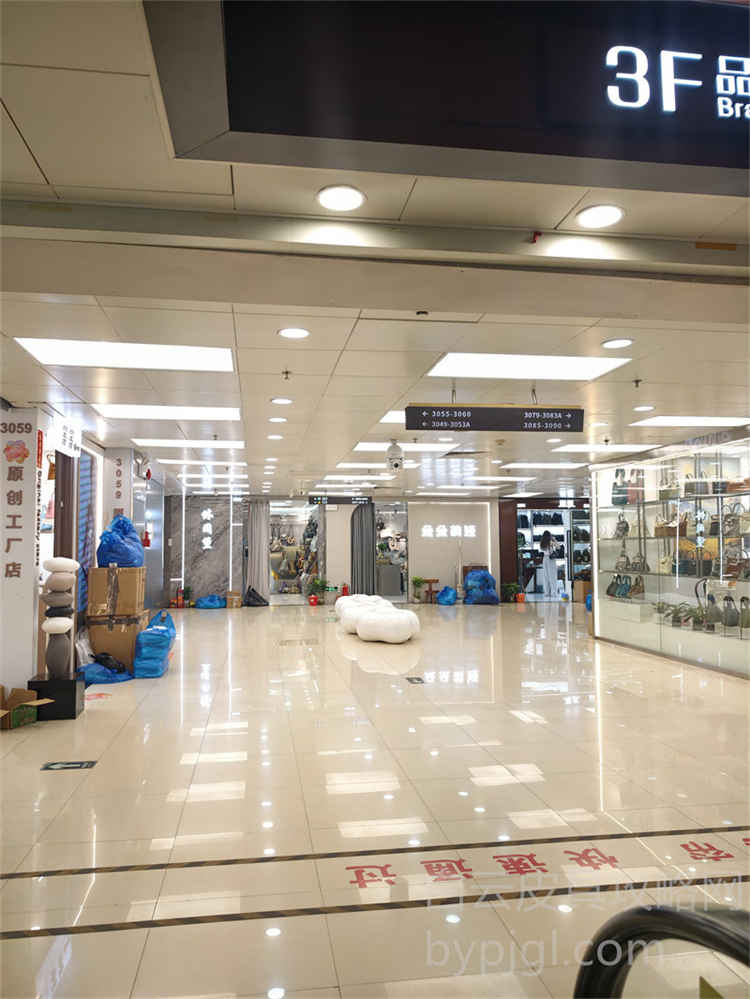
Let me give you a concrete example. Many agents send their buyers to the generic stalls on the ground floor. But the real action happens on the third floor of Building 1, specifically near the corridor leading to the elevator bank. Look for the stall named "Golden Dragon Leather Goods" (Jin Long). They are not the flashiest shop, but they have been here since 2008. Their owner, Uncle Li, speaks broken English but knows his inventory better than anyone. They specialize in structured tote bags and satchels using Italian-grade calfskin. Unlike the flashy stalls that scream "fake luxury," Uncle Li's place focuses on craftsmanship. If you want to see what a true factory direct price looks like for high-end goods, this is the spot. Another recommendation is "Shengda Trading" on the second floor of Building 6. They are excellent for trendy, fast-fashion styles that turn over quickly. Their lead time is usually under two weeks, which is rare in this industry.
The Art of Negotiation: How to Talk Like a Pro
When you walk into a stall in Guangzhou, the first thing the vendor does is ask, "How many?" If you say "one," the price jumps by 30%. If you say "ten," they might give you a discount, but they will still treat you like a tourist. The trick is to speak the language of business without being rude. I always tell my clients to bring a notebook and act like you are inspecting the goods, not just browsing.
Understanding MOQ and Tiered Pricing
Here is a real data point from last month. A client wanted to buy a specific crossbody bag. The sticker price was $25. I told him to ask for the tiered pricing. At 1 piece, it is $25. At 10 pieces, it drops to $18. At 50 pieces, it hits $14. At 100 pieces, it goes down to $11. Most vendors won't show you this table unless you ask. If you just point and say "I want this," you pay the retail markup. Always ask, "What is the best price for 50 units?" even if you only plan to order 20 initially. It sets the tone that you are a serious buyer. Also, never accept the first price. In Guangzhou, the first price is a starting point, not a final offer. A 10% to 15% negotiation is standard. If they refuse to budge, walk away. Usually, within five minutes, they will call you back with a better number.
The "Sample Trap"
One of the biggest mistakes I see is ordering samples without verifying the production batch. Just because the sample you hold is perfect doesn't mean the bulk order will be the same. I had a client from the US who ordered 200 bags based on a sample. When the shipment arrived, the stitching was loose, and the lining was thinner. Why? Because the sample was made by their best artisan, but the bulk was made by a junior worker. To avoid this, always ask to see the "production line" or visit the workshop if possible. Some factories in the Baiyun area allow you to peek inside. If they refuse, that is a red flag. Also, insist on a pre-production sample before mass production starts. Pay the extra fee for it; it saves you thousands in returns later.
Quality Control: Seeing What Others Miss
When I inspect bags for my clients, I don't just look at the outside. I check the inside, the smell, and the hardware weight. Leather has a distinct smell. Cheap PU leather smells like chemicals or plastic. Good leather smells earthy and rich. Run your fingers along the seams. If the thread feels rough or uneven, the machine tension was off, which means the bag will rip sooner. Check the zippers. Are they YKK or Riri? If they are no-name brands, ask why. Hardware should feel heavy. If a zipper pull feels light as a feather, it will break after a few months of use.
The Water Test and Smell Test
I teach my clients to do a quick water test on the leather. Put a drop of water on an inconspicuous area. If it soaks in instantly, the leather is untreated or low quality. If it beads up, it has good coating. For the smell test, open the bag and take a deep breath. If it makes your eyes water, put it down. High-quality leather processing uses natural tannins, not harsh solvents. Also, check the lining. Is it polyester or cotton blend? Polyester is cheap and static-prone. Cotton blends breathe better and feel more premium. These small details separate a $5 bag from a $50 bag, and they are the difference between a satisfied customer and a refund request.
Logistics and Shipping: Getting Your Goods Home
once you have negotiated the price and inspected the goods, the next challenge is getting them out of China. Many new buyers get confused about shipping methods. Do not use standard courier services like DHL or FedEx for bulk orders unless you are ready to pay customs duties that exceed the value of the goods. Instead, work with a freight forwarder who specializes in "DDP" (Delivered Duty Paid) services from Guangzhou to your country. They handle the customs clearance, taxes, and delivery to your door.
Consolidation is Key
If you are sourcing from multiple stalls, do not ship them separately. Find a consolidation warehouse in Guangzhou. I recommend using the warehouse located near the Baiyun market exit, often referred to as the "Cargo Center." You can pick up your goods from different vendors, bring them all to this center, and they will pack everything into one container. This reduces your shipping cost significantly. For example, shipping 50 bags individually might cost $5 per bag in air freight. Consolidating them into a sea freight pallet can drop that cost to $1.50 per bag. It takes longer, maybe 20 to 30 days, but the savings are worth it for wholesale volumes.
Summary of Key Takeaways
| Aspect | Common Mistake | Pro Strategy |
|---|---|---|
| Location | Visiting random stalls on Ground Floor | Target Building 1, Floor 3 (e.g., Golden Dragon) for quality; Building 6 for trends |
| Pricing | Accepting the first quote | Ask for tiered pricing (MOQ); Negotiate 10-15% off; Walk away if refused |
| Quality | Trusting the sample alone | Inspect production line; Request pre-production sample; Check hardware weight and lining |
| Shipping | Using individual express couriers | Use DDP freight forwarders; Consolidate goods at Cargo Center near Baiyun |
Buying wholesale fashion bags in Guangzhou is not a game of luck; it is a game of preparation. The market is vast, filled with opportunities for those who are willing to dig deeper than the surface. By knowing exactly where to go, how to talk, and what to look for, you can secure the best deals and build a sustainable business. Remember, I am just a local shop owner sharing what I know, but these lessons have helped hundreds of international buyers succeed. Don't be afraid to ask questions, trust your instincts, and always verify before you pay. That is the secret to winning in the Guangzhou leather market.