Why I've Been Selling Bags in Guangzhou for 15 Years and What You Need to Know Before You Buy
Listen, I've been standing behind this counter in the Baiyun Leather City for over a decade. While you are reading this on your laptop in New York or London, I am likely arguing with a driver about shipping rates or inspecting a batch of "top-tier" leather that just arrived from a factory in Huadu. People ask me all the time, "How do I find the best China Guangzhou FC bags wholesale?" It's a funny question because there is no such thing as an official "FC" brand in our market. What they really mean is high-quality fashion bags, often mimicking big luxury brands, which is exactly what we specialize in here.
The truth is, most foreign buyers think they can just order online and get the same price I give my regular customers. They don't realize that the real magic happens when you walk through the heavy metal doors of the markets. If you want to survive in this business, you need to stop thinking like a tourist and start thinking like a local buyer. Let me tell you how the game is actually played down here.
Navigating the Labyrinth: Where to Actually Find the Goods
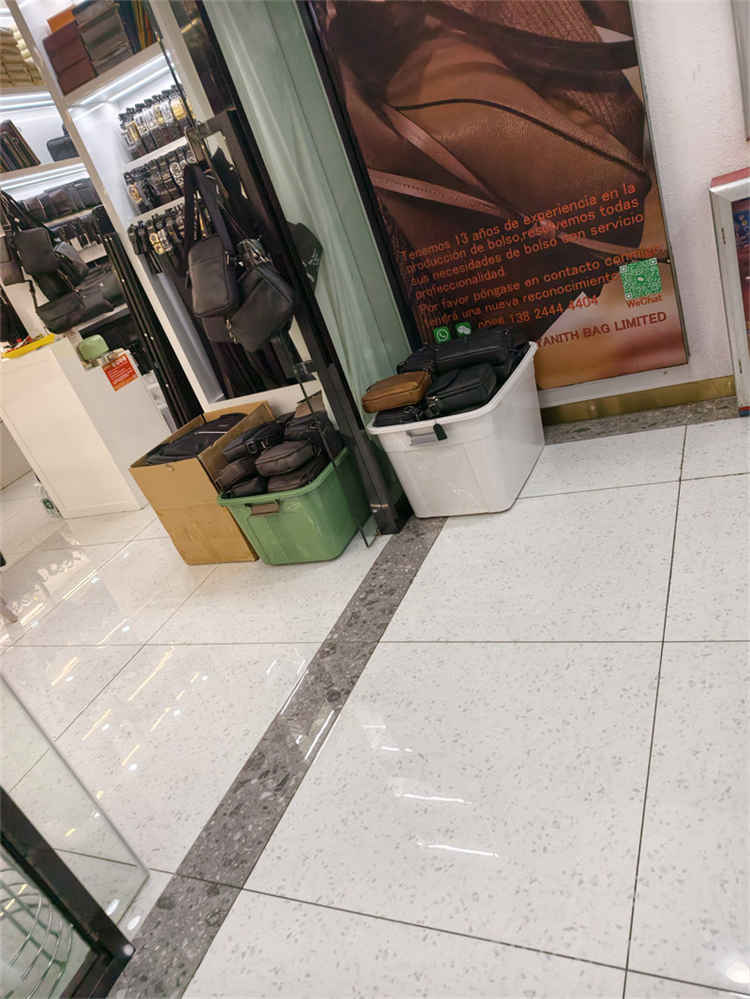
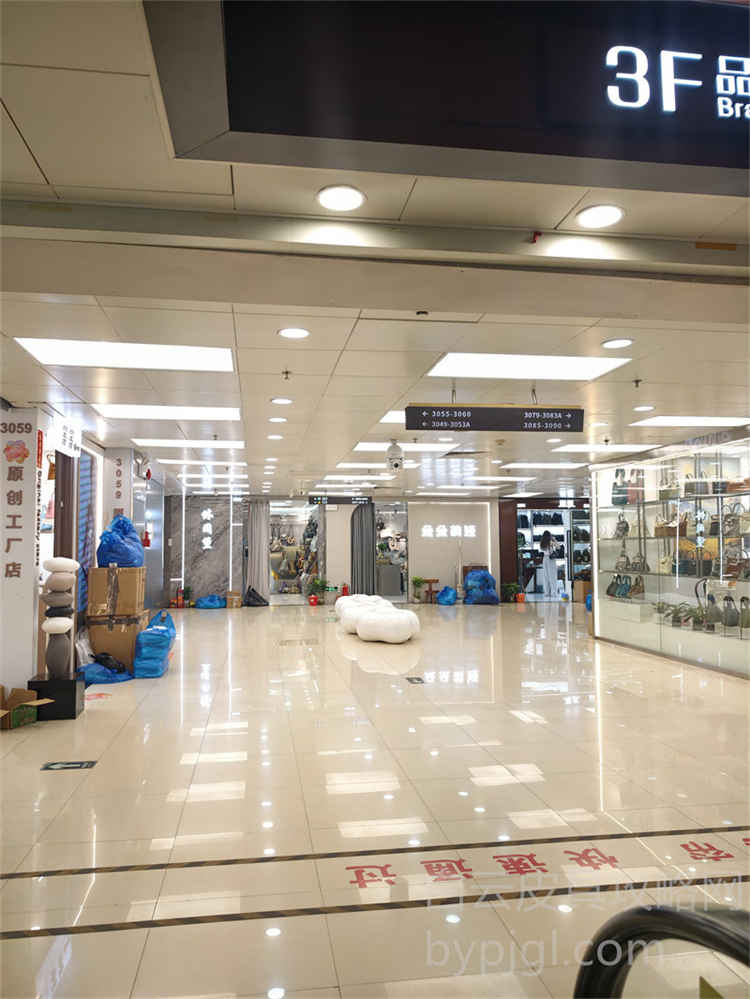
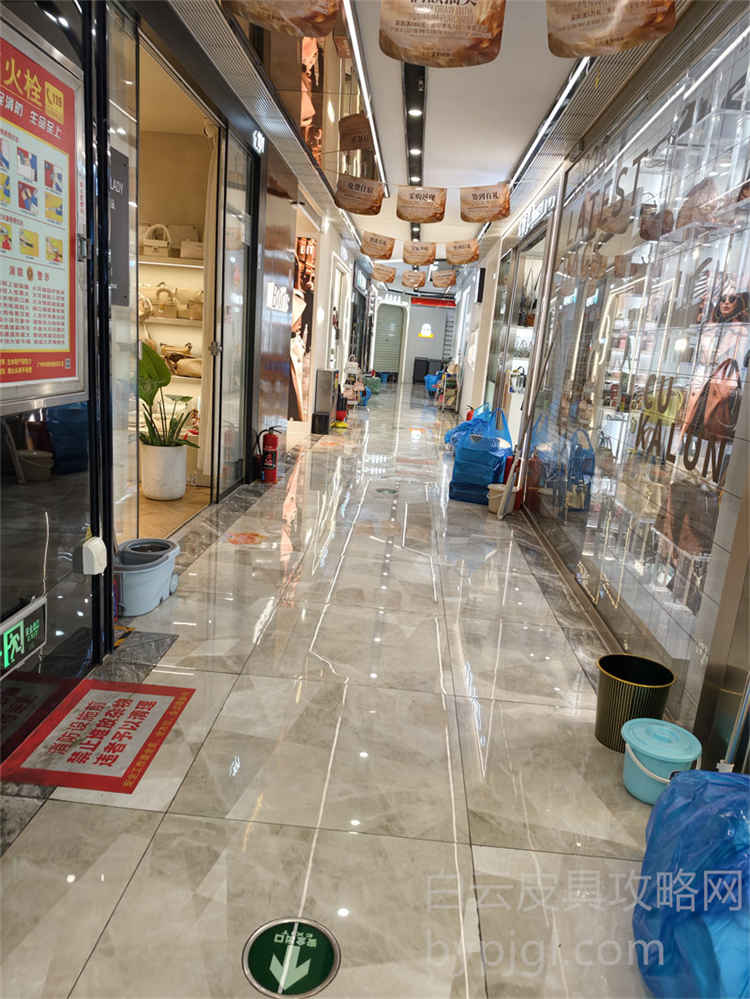
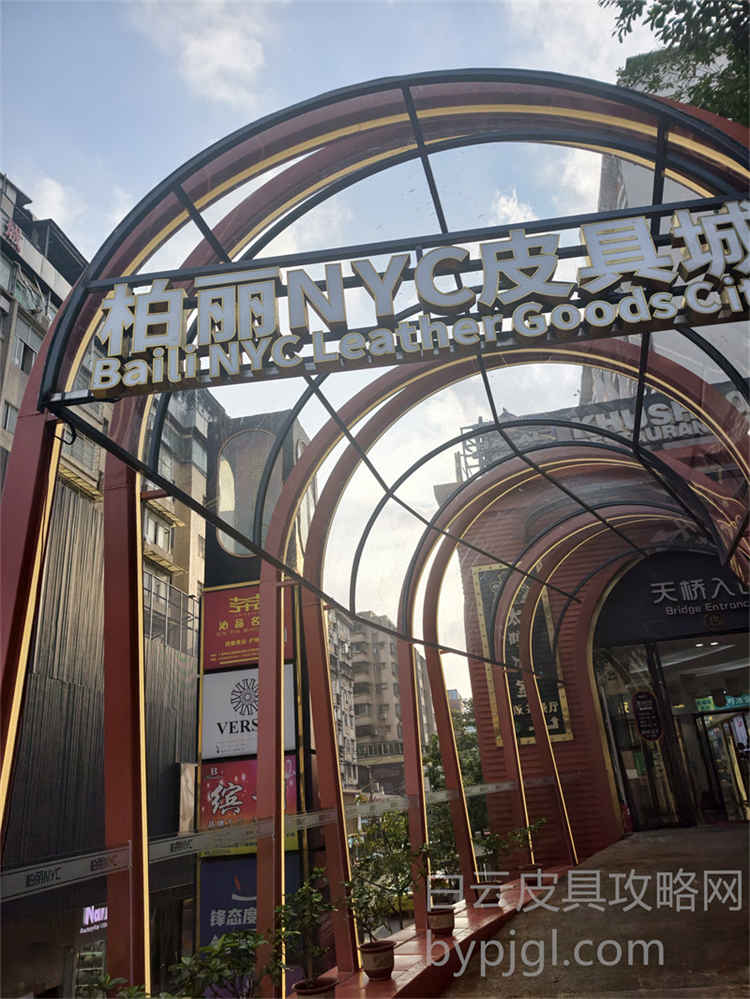
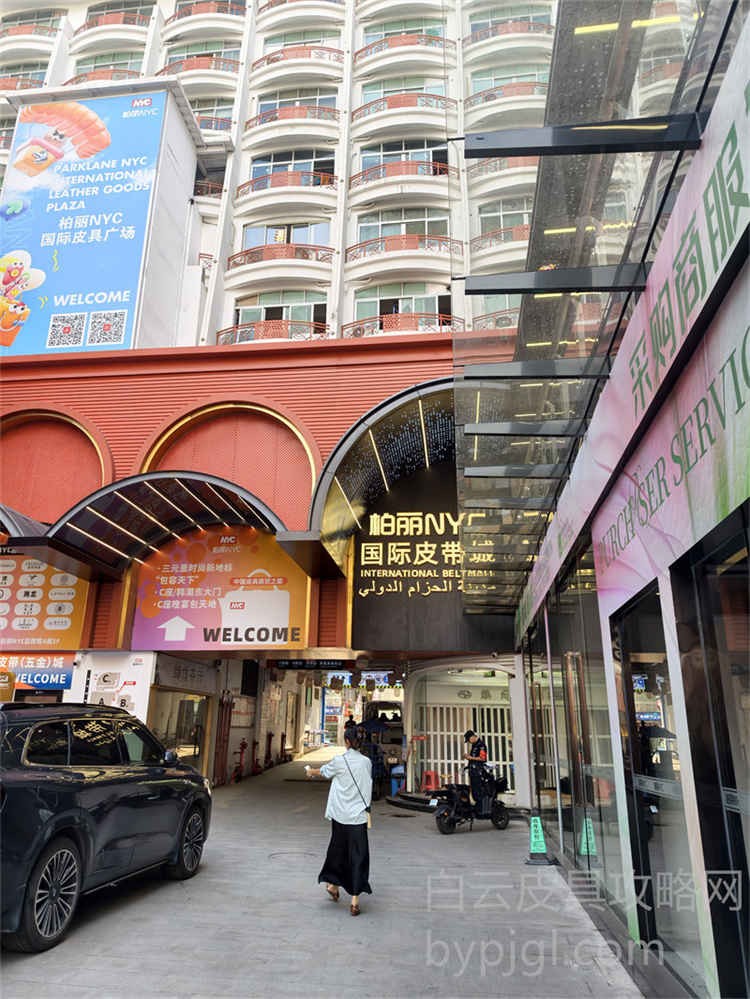
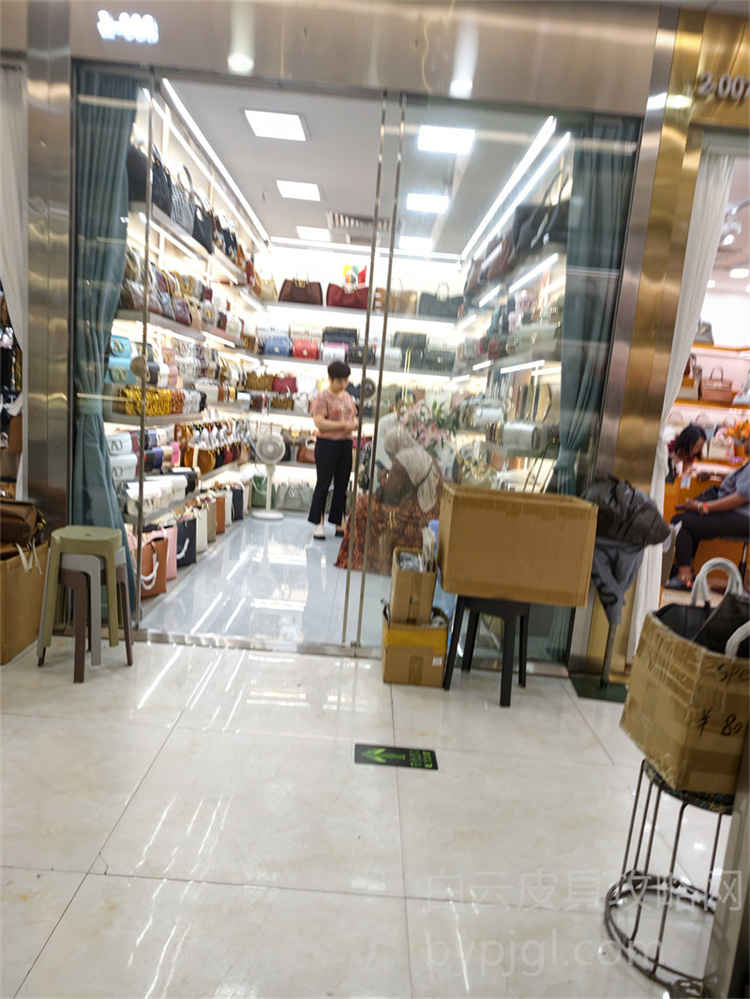
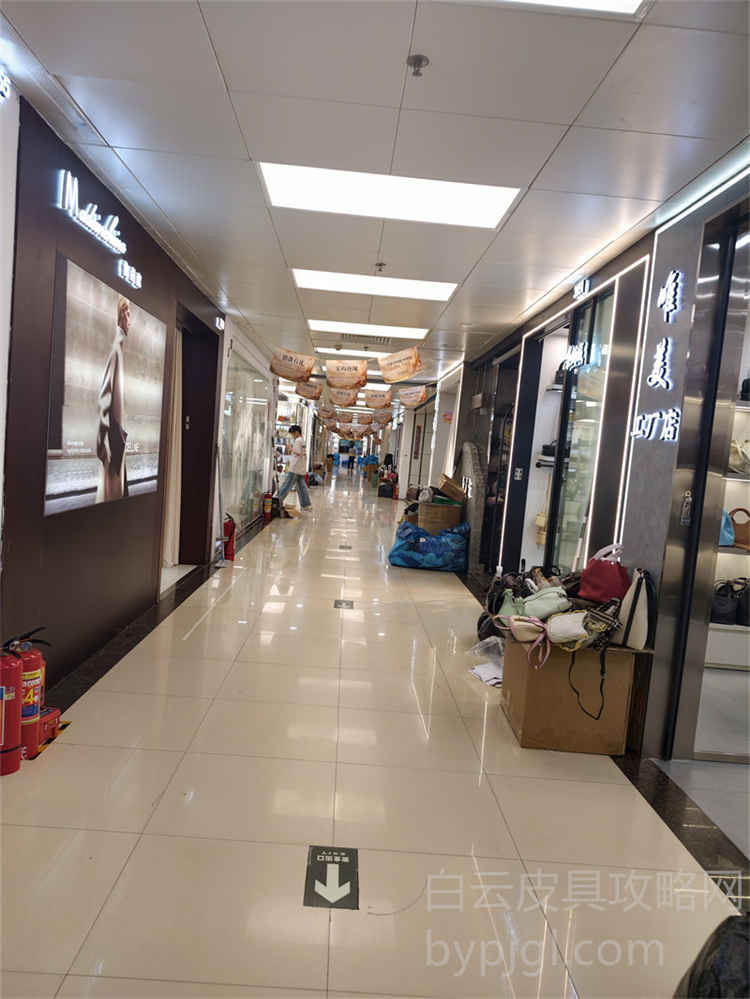
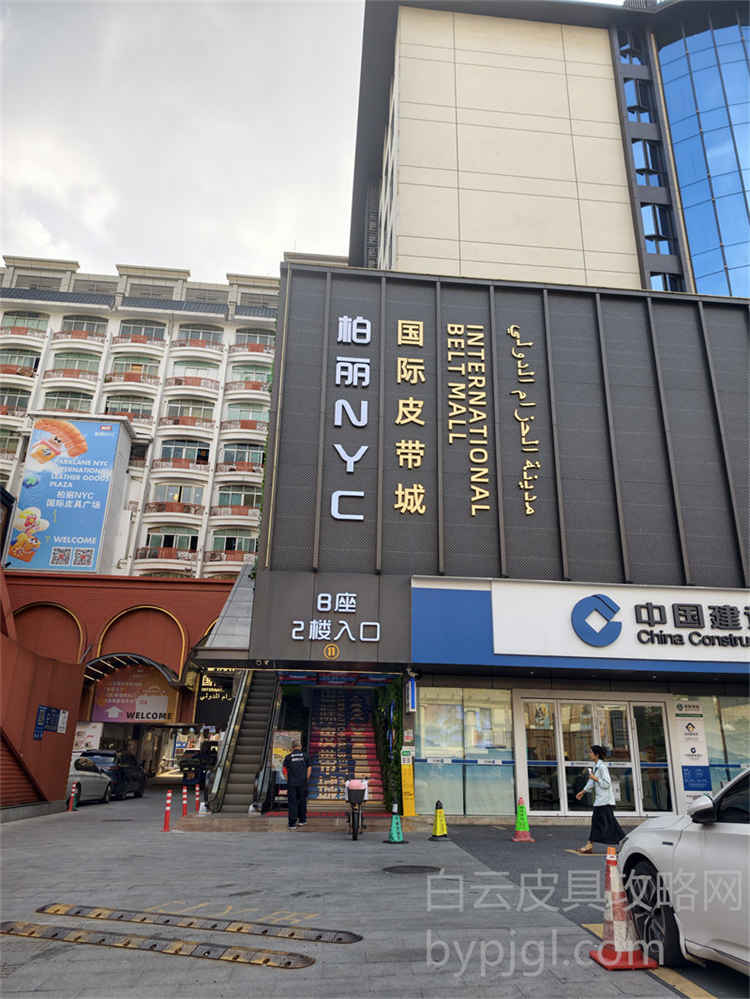
When you first arrive at the Baiyun Leather City, you will feel overwhelmed. The corridors are narrow, the air smells faintly of glue and new leather, and the noise is deafening. But if you know where to look, you will find the gold mine. Most tourists get stuck on the ground floor near the main entrance, where the prices are marked up by 30% just to cover the rent for the prime location.
The Secret Floors: Second and Third Levels
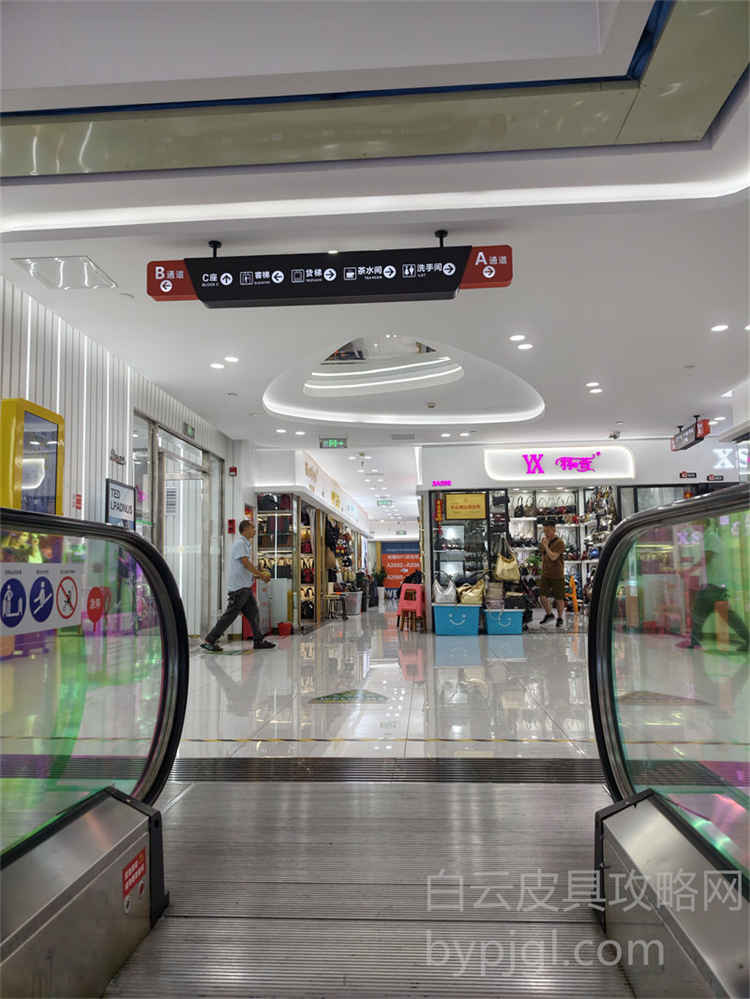
My advice? Ignore the ground floor unless you are looking for souvenirs. Go straight to the second and third floors. This is where the real wholesalers operate. For example, if you are looking for structured handbags, head to the section near Elevator B. There is a stall called "Golden Dragon Leather" (Stall No. 3B-12). They have been here since 2008. Their owner, Uncle Li, doesn't speak much English, but he knows his inventory better than anyone. He keeps his stock in the back room, not on the display rack. If you see a bag on the rack, it's usually a sample. Ask him for the "factory version," and he will pull out a bag made from the exact same cowhide but without the fancy packaging.
Beyond Baiyun: The Hidden Gems in Shiqiao
Don't limit yourself to Baiyun. Just a short taxi ride away is the Shiqiao Market. This place is less polished but offers better margins. Specifically, check out the "Hongxing Leather Factory" showroom on the fourth floor. They manufacture directly for many of the stalls in Baiyun. By buying here, you cut out the middleman. I once bought a batch of tote bags here for $12 per unit, only to see them sold in Baiyun for $18. The difference isn't quality; it's the markup chain.
The Art of Inspection: How to Spot Fake Quality
This is where most people lose money. In Guangzhou, the term "A-grade" or "Top Copy" is thrown around loosely. As a local seller, I have to be honest: some sellers try to pass off low-grade PU leather as genuine calfskin. You need to train your eyes.
The Smell Test and Stitch Count
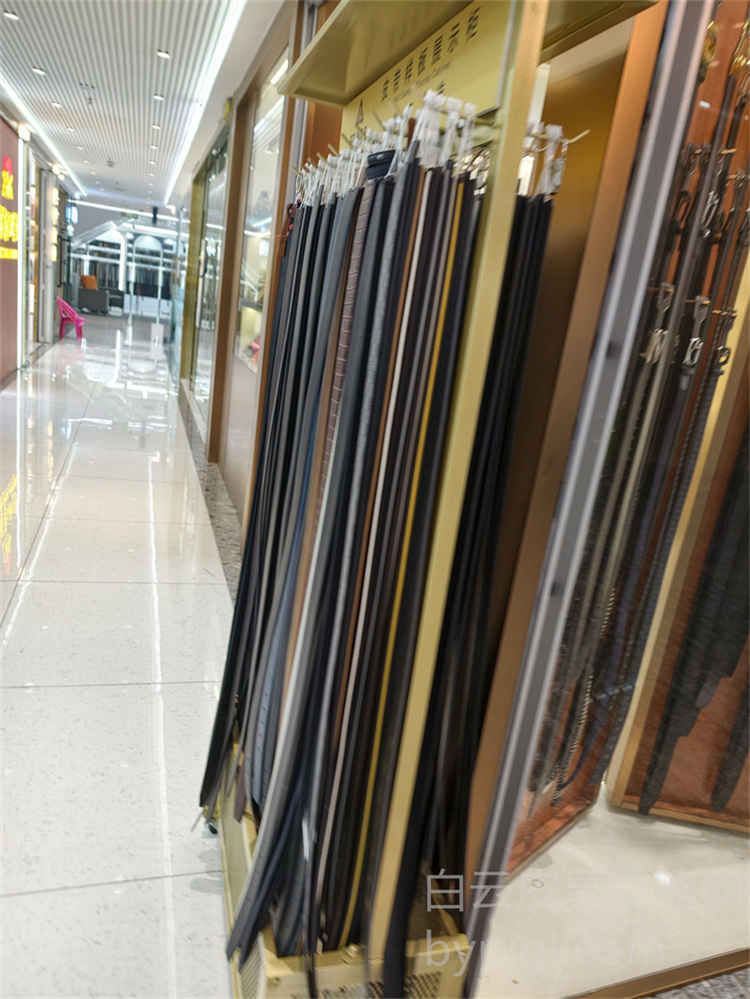
Never trust a photo. Always touch the leather. Real leather has a distinct, earthy smell. Synthetic leather smells like chemicals or plastic. When I inspect a bag for my overseas clients, I count the stitches per inch. A cheap bag might have 6 stitches per inch, while a high-end one has 10 or more. Look at the edges. Are they painted neatly, or is the paint bleeding? At the "Elite Leather" stall (Stall 4C-09), the owner shows me a trick: rub the edge of the bag with your finger. If color comes off, it's a bad dye job, and it will fade in two weeks.
Hardware Check: The Weight Matters
Zinc alloy hardware feels light and hollow. High-quality brass or stainless steel feels heavy. I remember a client who ordered 500 bags based on photos. When they arrived, the zippers were stiff and the chains broke after three uses. That was a $15,000 loss. To avoid this, always ask for a close-up video of the zipper pull and the clasp mechanism. Brands like YKK are common here, but even YKK has different grades. Ask specifically for "YKK 5" or higher for durability.
Negotiation Tactics: Getting the Real Wholesale Price
Walk into any stall in Baiyun, and the first price quoted will be the "foreigner price." It could be double the actual wholesale cost. Here is how I negotiate with my own suppliers every day.
The Volume Game
If you say you want 10 pieces, you are a retail customer. If you say you want 100 pieces, you are a partner. Even if you only need 50, tell them you are planning a larger order next month. In my experience, the price drops significantly once you mention volume. For instance, a specific designer-style bag might be quoted at $25 for 10 units. If I say I'm taking 50, the price drops to $18. If I take 200, it goes down to $14. The margin for the seller is still healthy, but you get the real deal.
Building Relationships Over Transactions
Don't treat these transactions as one-offs. Bring a small gift, maybe some tea or a bottle of water. Smile. Talk about the weather or the traffic. In Chinese culture, relationships (Guanxi) matter more than contracts. once a stall owner likes you, they will hold the best stock for you. They won't sell your favorite design to someone else before you get it. I have a friend who buys from "Star Fashion" every week. Because of their relationship, the owner calls him when a new shipment arrives, giving him first dibs on the hottest trends.
Logistics and Shipping: Don't Get Stuck at Customs
once you have picked your bags, the hardest part begins: getting them out of China safely. Many buyers ignore this until it's too late.
Consolidation is Key
Do not ship each bag individually. It will cost a fortune in customs duties. Use a freight forwarder who specializes in consolidating goods. In the Baiyun area, there are dozens of forwarders right outside the market exits. I recommend using a service that offers "DDP" (Delivered Duty Paid) shipping. This means they handle the customs clearance for you. One forwarder I trust is "Global Express Logistics" located on the first floor of the adjacent building. They charge a flat rate per kilogram and handle everything from pickup to delivery to your warehouse door.
Avoiding Counterfeit Seizures
This is critical. If you are importing bags that look exactly like Gucci or Louis Vuitton, you are at risk. Customs officers in Europe and the US are very strict. My advice? Do not use the original brand logos on the tags or dust bags. Work with your supplier to create your own branding. If you must use a logo, ensure it is slightly modified so it doesn't infringe on trademarks. I had a client who lost a whole container because the tags said "LV" instead of a generic pattern. It's better to build your own brand identity than to gamble with counterfeit goods.
Summary of Key Contacts and Locations
To make your trip easier, here is a quick reference guide based on my years of experience:
| Market Area | Specific Location/Shop | Specialty | Tip |
|---|---|---|---|
| Baiyun Leather City | Stall 3B-12 (Golden Dragon) | Structured Handbags | Ask for "factory version" samples |
| Baiyun Leather City | Stall 4C-09 (Elite Leather) | High-Quality Leather | Check edge painting carefully |
| Shiqiao Market | 4th Floor (Hongxing Factory) | Direct Manufacturing | Cut out the middleman for better margins |
| Freight Forwarding | Ground Floor Exit (Global Express) | Consolidated Shipping | Use DDP services to avoid customs issues |
Buying bags in Guangzhou is not just about finding a product; it is about understanding the ecosystem. The prices are real, the quality varies wildly, and the logistics require care. But if you follow these steps, visit the right stalls, and build relationships with the locals, you can source incredible products at prices that will blow your mind. Remember, the best deals are not found on Google; they are found on the dusty floors of Baiyun, waiting for someone who knows how to look.