Why I've Been Selling Bags in Guangzhou for 15 Years: The Real Truth about Sourcing
Welcome to my shop. If you are reading this, you probably think the "fake bag" market in Guangzhou is a chaotic maze of shady deals and low-quality junk. Let me tell you something I haven't told many outsiders yet: that image is outdated. I have been standing at this counter in Baiyun since 2008, watching the industry evolve from simple knock-offs to high-end replicas that even experts struggle to distinguish from the real thing. When you come here as an overseas buyer, you aren't just buying products; you are entering a complex ecosystem where quality, price, and trust are everything.
The biggest mistake foreign buyers make is assuming every stall sells the same thing. In reality, the difference between a $5 bag and a $150 bag often comes down to one thing: the leather grade and the hardware precision. I see tourists walk into Baiyun World Trade Center looking for "Gucci" or "Louis Vuitton" and get quoted prices that sound too good to be true. They end up with bags that smell like chemicals and fall apart after two weeks. That is not what we do here anymore. We deal in top-tier production lines that supply the gray market globally, but the entry point requires knowledge.
Navigating the Markets: Where to Actually Find Quality Goods
You cannot just wander into any building and expect to find the best goods. The Guangzhou leather market is segmented by quality tiers. If you want the absolute best, you need to go to specific floors in specific buildings. Let's talk about the real locations.
Baiyun World Trade Center: The Gold Standard
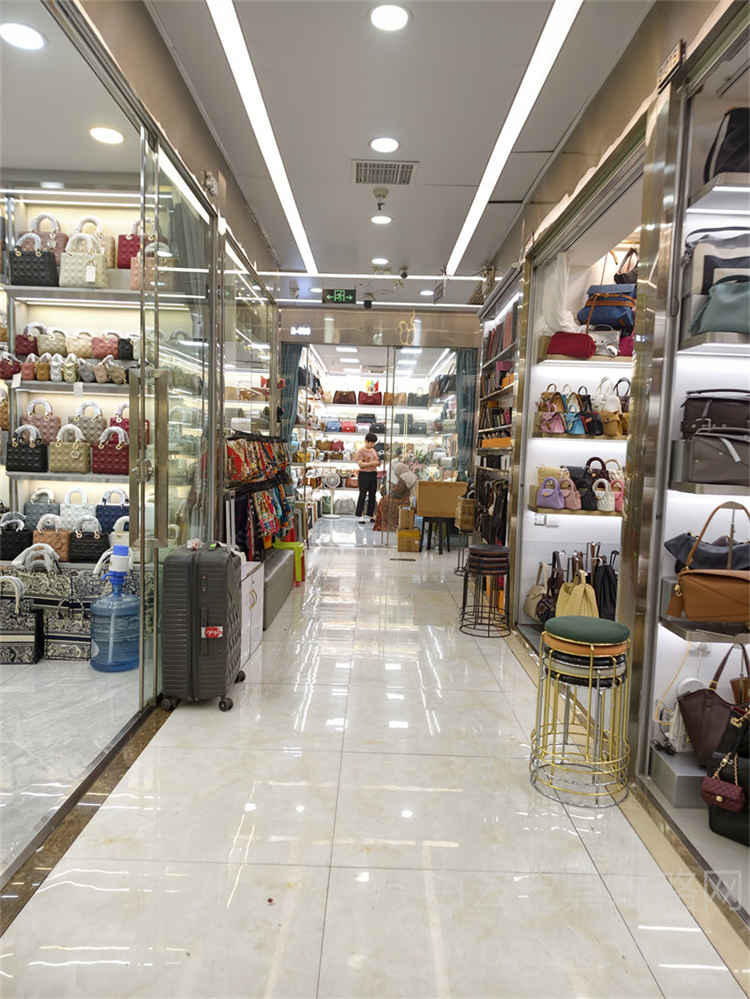
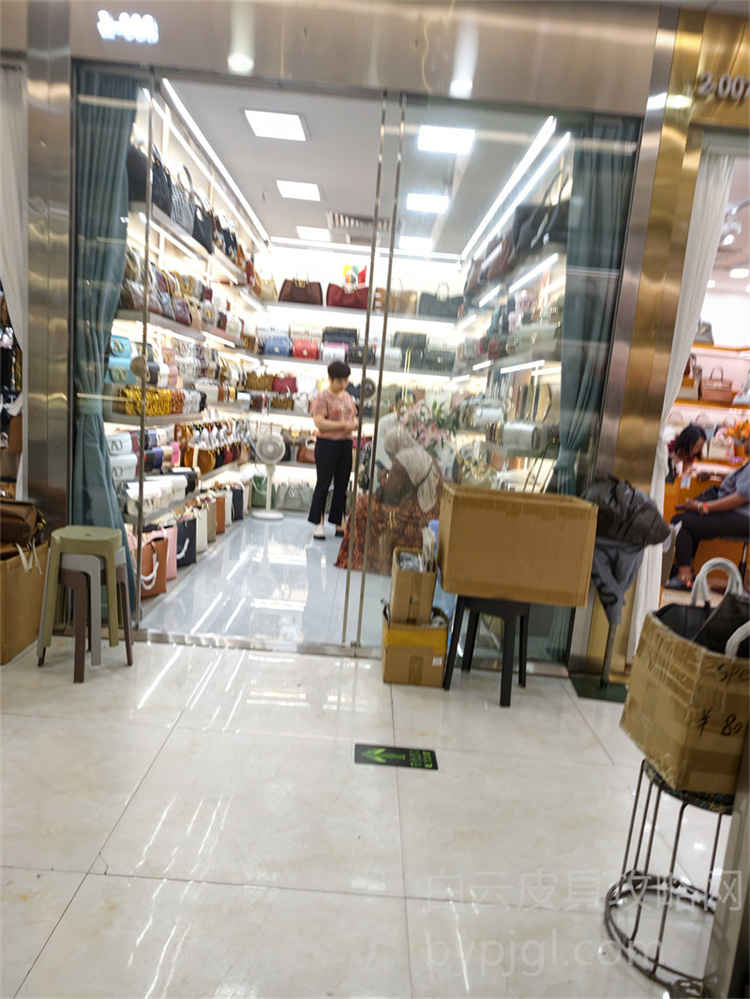
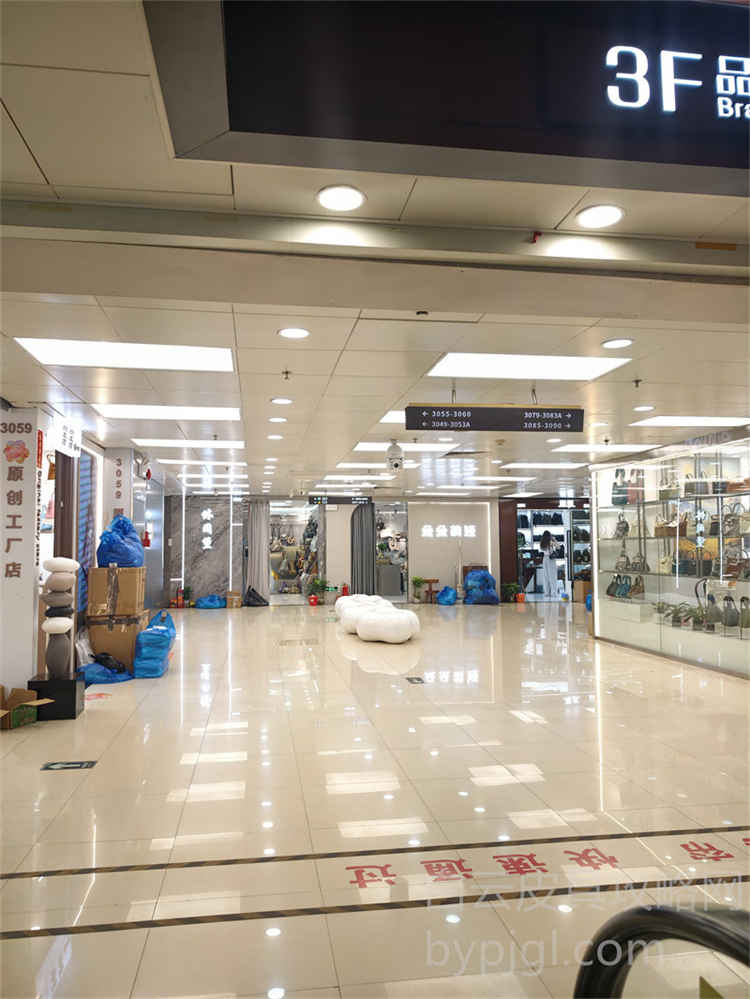
This is where the serious business happens. Specifically, focus on the 4th floor. This is the domain of the "top tier" factories. You will see stalls with names like Golden Eagle Leather (located near the central elevator) and Elite Craft Studio (on the northeast corner). These aren't just resellers; they are direct connections to the manufacturing lines in Huadu District. When I show my regular clients around, I take them straight here. The leather used here is often cowhide imported from Italy or France, and the stitching is done by machines calibrated to match the original brand's tension.
Jingxi International Plaza: The Volume Game
If you are looking for volume and slightly lower price points, Jingxi is your spot. However, you must avoid the ground floor where the tourist traps are. Head to the 2nd and 3rd floors. Look for the stall named Phoenix Leather Goods. They specialize in mid-to-high range items. The key here is negotiation. Unlike the fixed-price shops in malls, everything here is negotiable based on your order quantity. A single bag might cost $80, but if you buy 50 pieces, the price drops to $65. This is the margin game that keeps our business alive.
The Art of Inspection: How to Spot the Difference Before You Pay
Many buyers ask me, "How do I know if it's good?" without knowing anything about leather. Here is my secret method. First, ignore the logo. Everyone can stamp a logo on a bag. Instead, look at the grain. High-quality leather has a natural, irregular grain pattern. Cheap PU leather looks too perfect and plastic-like under bright light. Second, check the weight. A genuine luxury bag has a specific heft due to its hardware and lining. If a bag feels feather-light, the metal parts are likely zinc alloy painted gold, which will turn green on your clothes within a month.
Hardware and Stitching Details
I always tell my clients to bring a small magnifying glass. Look at the stitching count per inch. Top-tier factories maintain 12-14 stitches per inch, matching the originals. Lower quality ones drop to 8 or 9. Also, inspect the zipper. Do they use YKK? Do they use Riri? Or are they generic Chinese zippers? For a premium experience, insist on YKK or Riri zippers. It adds $2 to the cost but changes the entire feel of the product. I once had a client who ordered 200 bags from a random stall because the price was low. When they arrived, the zippers jammed immediately. We lost the client forever. Never compromise on hardware.
Negotiation Tactics and Avoiding Common Pitfalls
When you sit down with a supplier, do not act like a first-time buyer. Speak confidently. Ask about their "production cycle." If they say they can deliver 1,000 units in 3 days, run. Good leather takes time to cure and stitch. A realistic timeline for a custom order is 7-10 days. Another common pitfall is the "sample vs. bulk" discrepancy. Always request a pre-production sample before paying for the full batch. I charge a higher fee for samples, but it saves my clients thousands of dollars in bad inventory.
Payment Security and Shipping
Never transfer money directly to a personal bank account unless you have a long-term relationship. Use Alipay or WeChat Pay with a verified business account, or better yet, use a third-party escrow service if you are dealing with a new vendor. For shipping, don't let the seller handle it unless you trust them completely. Most reputable sellers in Baiyun will work with your forwarder. I recommend using a freight forwarder based in Guangzhou who specializes in cross-border logistics. They know how to pack these bags securely to avoid customs issues. The cost of shipping varies, but for air freight, expect 3-5 days to major US cities.
Summary of Key Market Locations and Strategies
| Market Name | Recommended Floor | Quality Tier | Key Stalls/Names | Best For |
|---|---|---|---|---|
| Baiyun World Trade Center | 4th Floor | Top Tier / Premium | Golden Eagle Leather, Elite Craft Studio | High-margin, luxury replicas |
| Jingxi International Plaza | 2nd & 3rd Floors | Mid to High Range | Phoenix Leather Goods | Volume orders, competitive pricing |
| Qianjin Leather Market | All Floors | Mixed / Budget | Various independent stalls | Low-cost testing, small batches |
Final Thoughts: Building Long-Term Relationships
Guangzhou is not a place for quick fixes. It is a place for building relationships. If you treat the suppliers with respect, learn their trade, and understand the value of quality leather, they will reward you with the best stock. Don't be afraid to visit multiple times. Come back, compare prices, and build a network. The "fake bag" industry in Guangzhou is a legitimate global supply chain that powers millions of businesses worldwide. My advice is simple: go to Baiyun, skip the tourist traps, find the right stalls on the right floors, and inspect every detail before you sign the check. That is how you win in this game.