Why Guangzhou is the only Place to Source Your Next Big Bag Line
I've been standing behind this counter in Baiyun since 1998, watching the same flow of trucks and buyers come and go for over two decades. You might be reading this from a warehouse in Los Angeles or a boutique in London, wondering why I keep telling you that "online sourcing" is a trap for new importers. Let me tell you something straight: you cannot buy quality leather goods from China without seeing the grain, feeling the stitching, and smelling the glue. The internet is great for checking prices, but it's terrible for verifying reality. When I say "Guangzhou wholesale bags," I am talking about the physical pulse of the industry, not a pixelated image on a screen.
The Myth of the "Perfect" online Catalog
Every day, I get messages from overseas buyers asking for our latest catalog PDF. They want to pick styles, send a PO, and wait for shipping. Here is the hard truth I have learned after twenty years: what looks perfect in a photo often arrives as a disappointment. In my shop, we have a rule. If a buyer wants to order more than fifty units, they must walk through the door. Why? Because the lighting in a studio hides the flaws in the lining, and the angle of a phone camera distorts the shape of the bag. I remember a client from Dubai who ordered three hundred "premium" tote bags based on photos. When they arrived, the zippers were cheap plastic, not metal, and the stitching was loose at the corners. They lost thousands because they didn't visit the factory floor. In Guangzhou, the difference between a $5 bag and a $50 bag is invisible online but obvious to the naked eye.
Navigating the Real Markets: Beyond the Tourist Traps
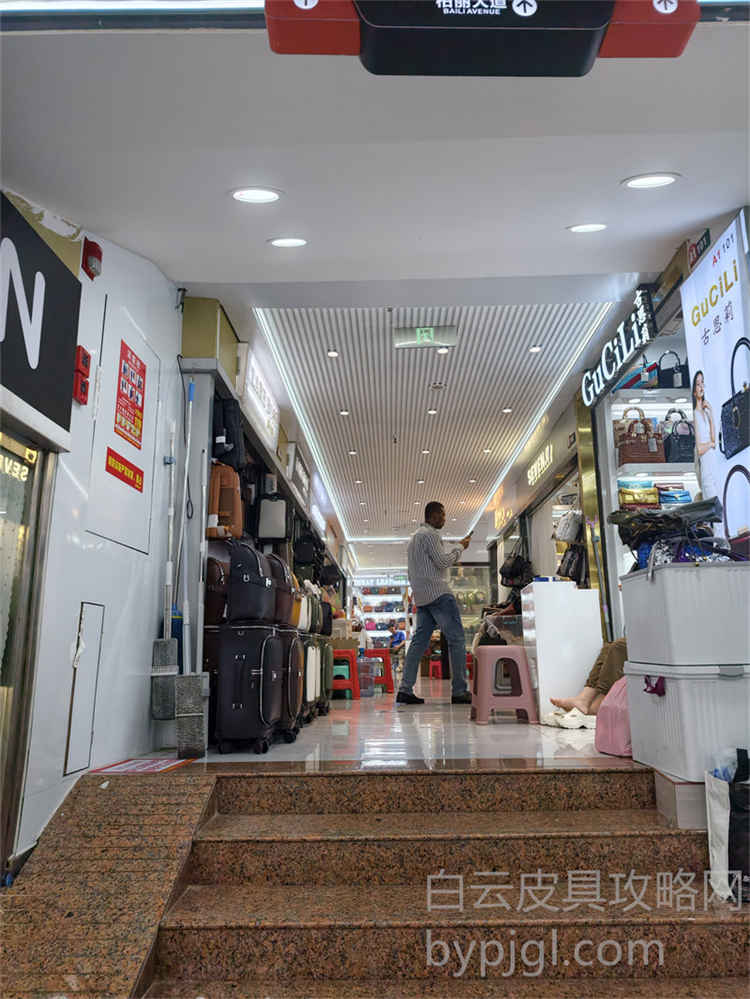
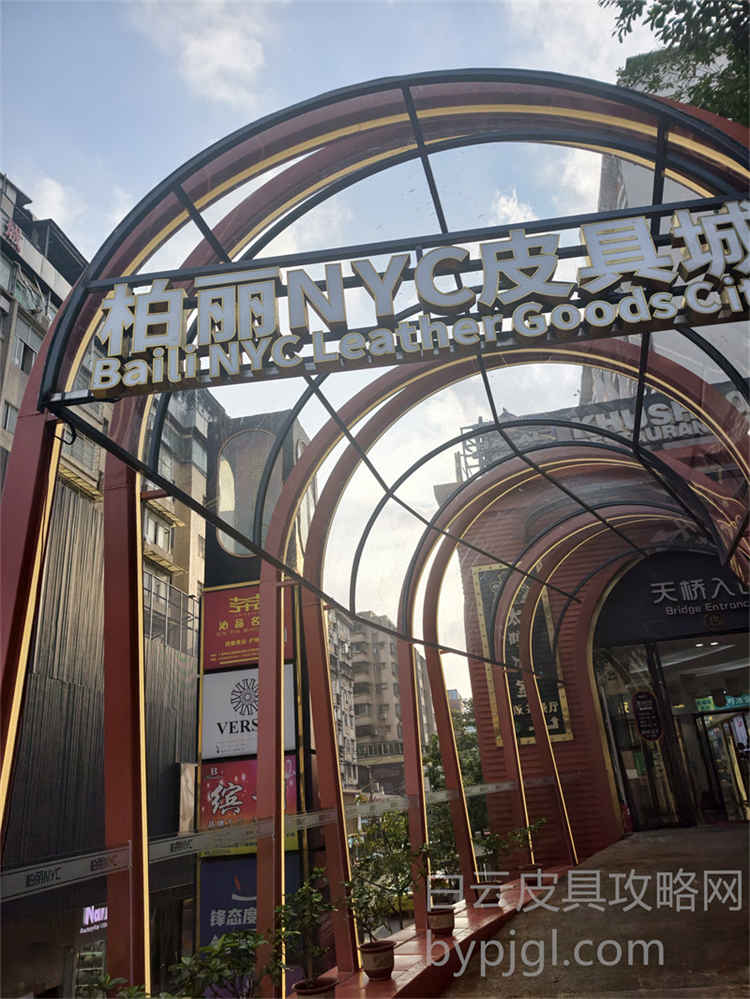
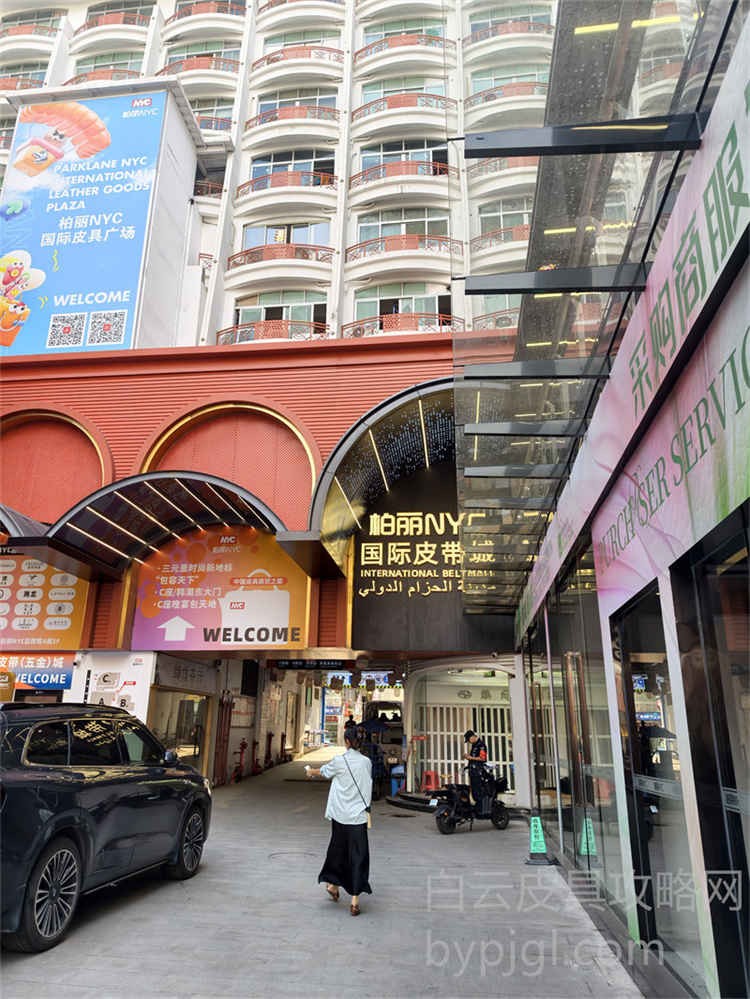
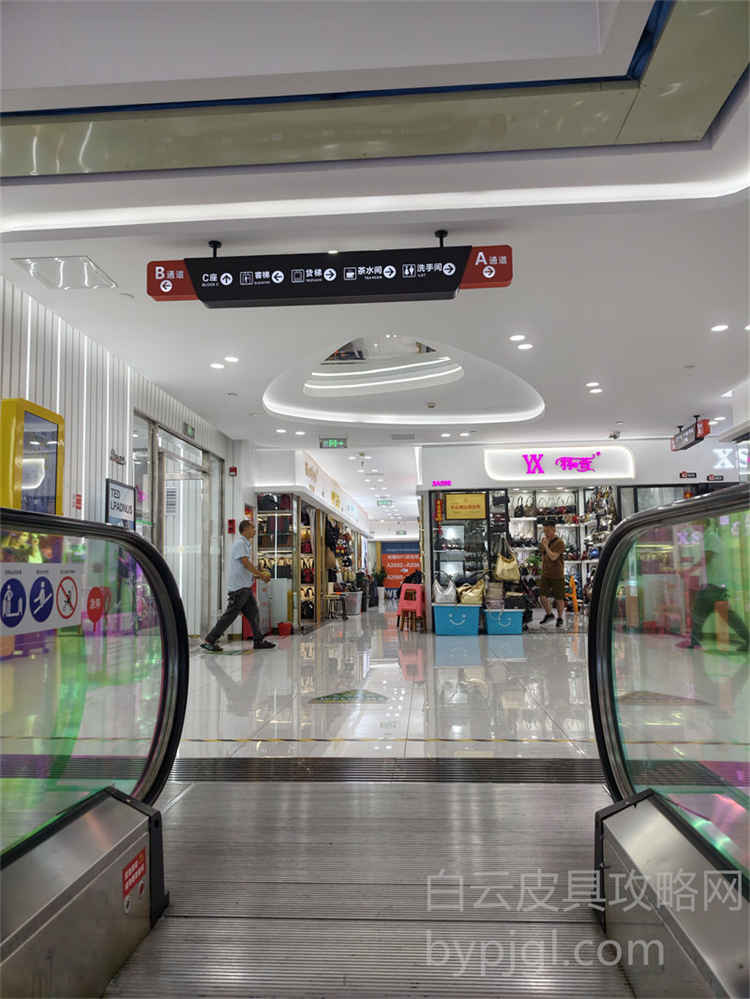
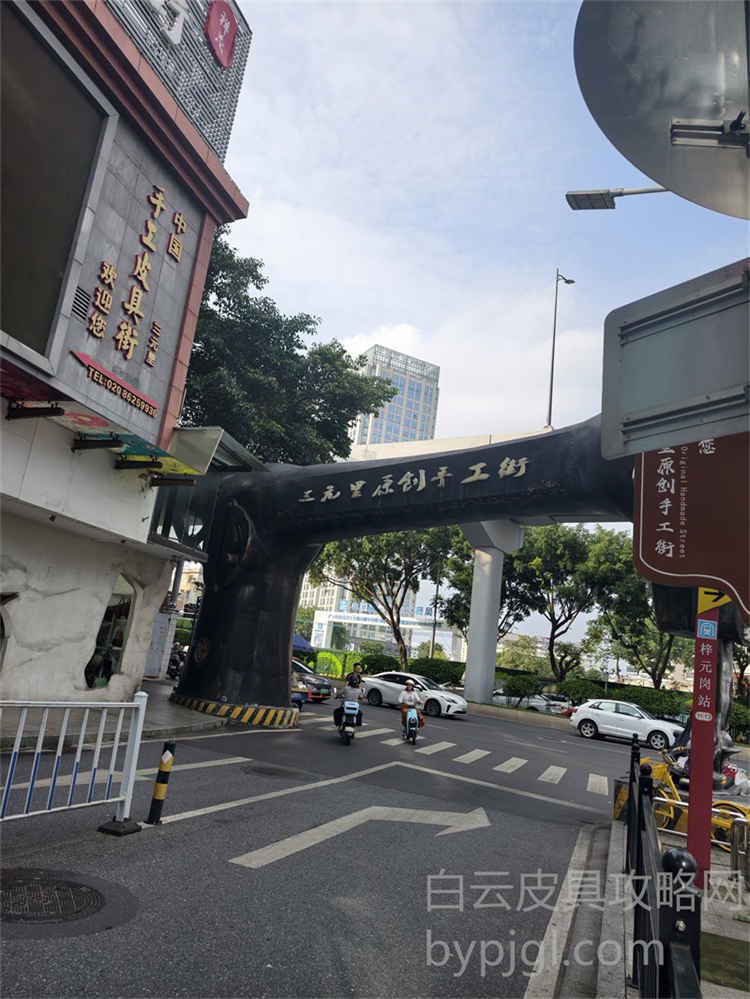
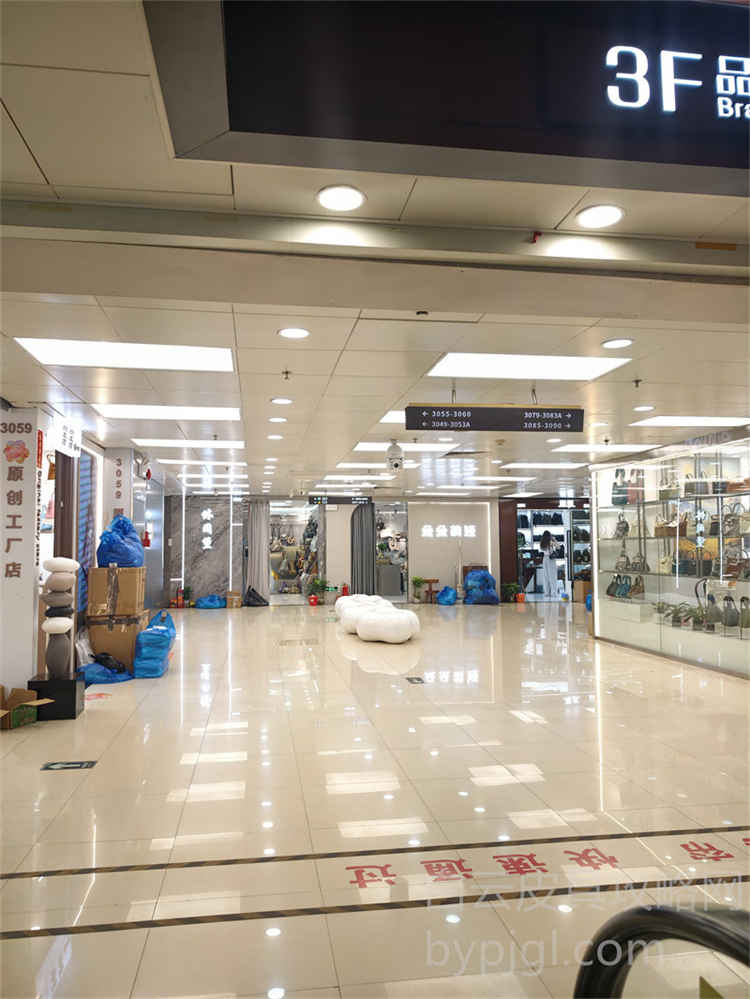
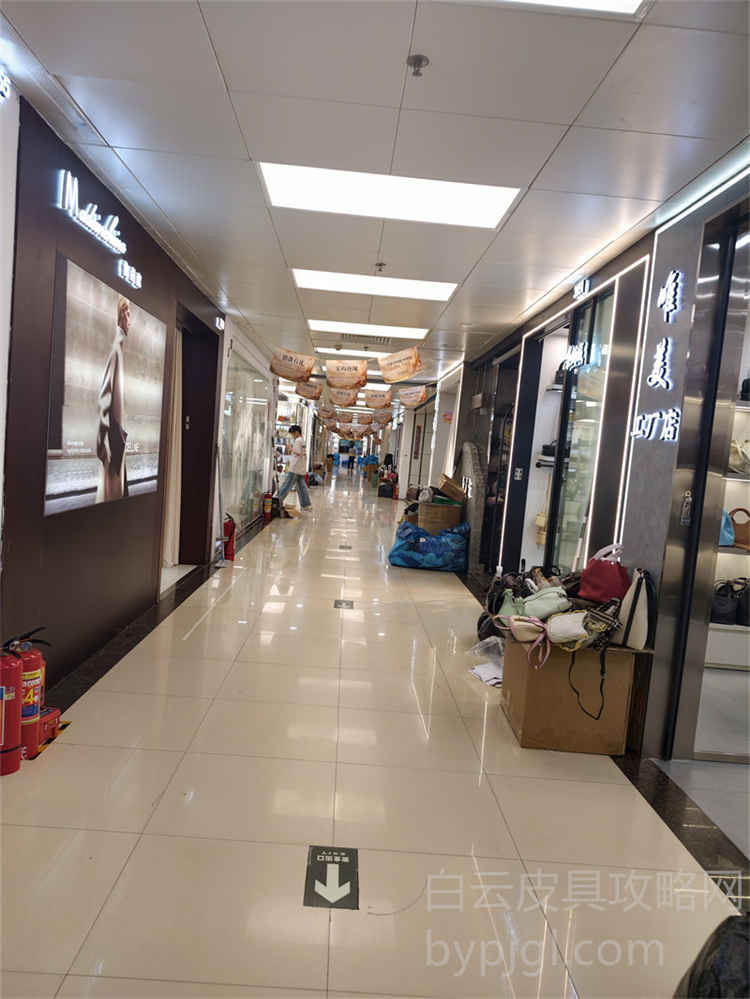
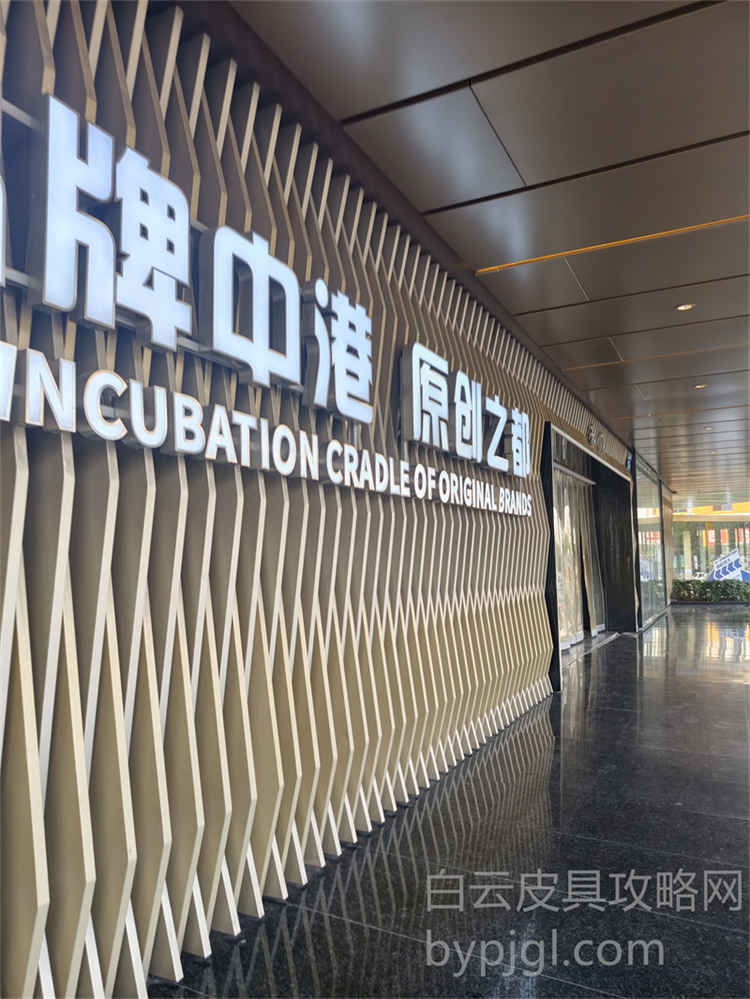
Many first-time visitors get confused by the sheer size of the Baiyun district. There are dozens of buildings, but only a few hold the real power. Do not waste your time wandering into the small street stalls near the main entrance; those are mostly retail or low-end knockoffs. You need to go where the serious wholesalers operate. My advice is simple: head straight to the International Leather Trade Center (often called the World Trade Center) or the Qianliu Building. These are the hubs where the factories with their own production lines set up their showrooms.
Inside the Factory Showrooms: Where the Magic Happens
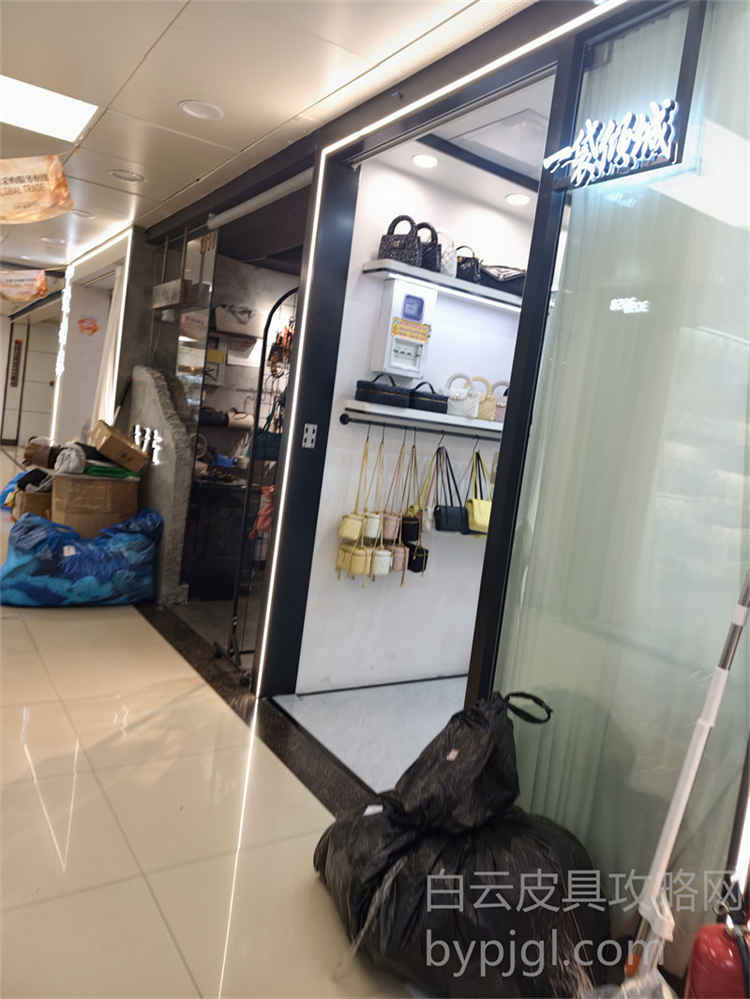
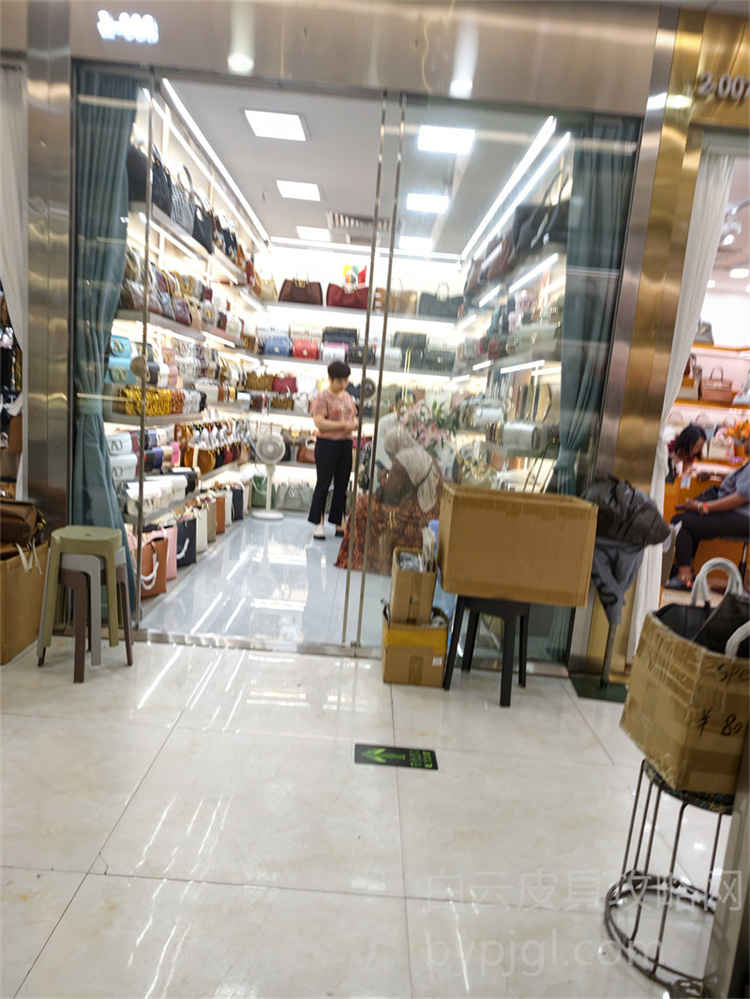
Let me give you specific locations so you don't get lost. If you are looking for high-quality luxury replicas or genuine leather goods, focus your search on the 4th and 5th floors of the World Trade Center. That is where the heavy hitters are. For example, the booth run by "Golden Eagle Leather Goods" on the 5th floor has been here for fifteen years. They specialize in structured handbags and have their own workshop just down the street. Another name you should know is "Shengda Leather," located on the 3rd floor of the Qianliu Building. They are famous for their canvas and nylon collections, which are huge sellers in the US market. Don't just look at the finished product on the shelf; ask to see their sample room. Most of these shops have a back area where they keep the raw materials and unfinished prototypes. This is where you can negotiate the best price because you are dealing with the actual decision-maker, not a middleman.
The Art of Negotiation: How to Get the Real Wholesale Price
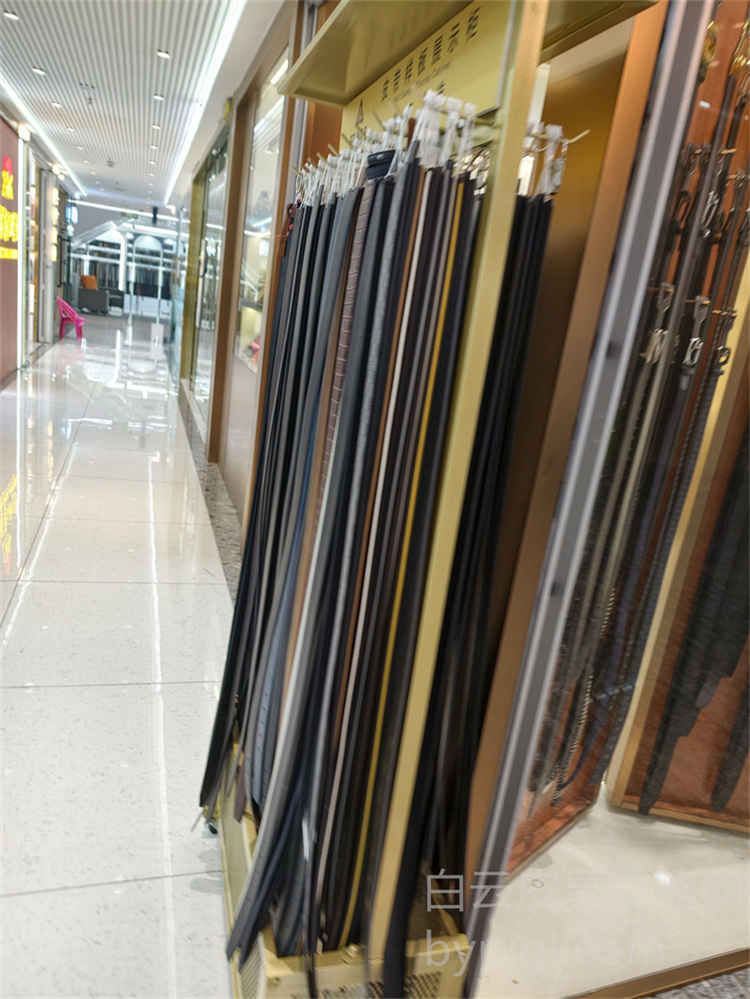
When you walk into a stall, do not act like a tourist. Speak directly. The biggest mistake foreign buyers make is asking "How much?" immediately. Instead, ask "What is your MOQ for this style?" and "Can I see your production capacity?" In Guangzhou, the price depends entirely on volume. A single bag might cost you $15, but if you order 500, the price drops to $8. I have seen buyers pay double because they didn't understand the tiered pricing structure. Here is a trick I use with my regular clients: bring a tape measure and a light source. Check the thickness of the leather yourself. If the leather feels thin or smells like chemicals, walk away. No amount of negotiation will fix bad materials.
Building Trust Without Speaking the Same Language
You might worry about the language barrier, but trust me, business in Baiyun is visual. We use translation apps, but we also use gestures and photos. I once had a buyer from Canada who couldn't speak Chinese. He simply pointed to the samples he liked, wrote down his quantity requirements on a piece of paper, and showed me his bank transfer details. We shook hands, and he got the best deal of the day. The key is to be professional. Bring a business card, even if you are just starting. It shows you are serious. Also, never agree to pay 100% upfront unless you have worked with them for years. A standard deposit is 30%, with the balance paid before shipment. This protects both of us.
Quality Control: The Difference Between Profit and Loss
This is the most critical part of my experience. Many buyers think they can skip inspection if they trust the supplier. That is a fatal error. Before you ship anything out of Guangzhou, you must inspect the goods. I recommend hiring a third-party inspector in Guangzhou if you cannot stay long enough to check every bag. But if you are there, do it yourself. Check the alignment of the handles, the strength of the zipper pulls, and the consistency of the color. I have a checklist I use for every client. For instance, if you are buying a black bag, ensure there is no blue tint under the fluorescent lights of the showroom. Also, check the interior pockets. Are they sewn securely? Is the lining fabric durable?
Real data: What You Can Expect to Pay
Let's talk numbers so you can budget correctly. based on my current inventory and recent sales data, here is a realistic breakdown of costs for a mid-range leather handbag:
| Item Type | Material Quality | MOQ (Units) | Estimated Unit Cost (USD) |
|---|---|---|---|
| Basic Tote | Faux Leather / PU | 100+ | $6.50 - $9.00 |
| Premium Handbag | Genuine Cowhide | 50+ | $18.00 - $25.00 |
| Luxury Replica | High-Grade Leather + Hardware | 30+ | $22.00 - $35.00 |
| Canvas Backpack | Heavy Duty Nylon | 100+ | $12.00 - $16.00 |
Notice how the price drops significantly as the MOQ increases. This is the leverage you have. If you order small quantities, expect to pay retail-like prices. If you commit to bulk, you unlock the factory rates. Remember, these prices do not include shipping or customs duties. Factor in an additional 20-30% for logistics when calculating your final landed cost.
Final Thoughts: Why You Must Visit Baiyun
In conclusion, sourcing from Guangzhou is not just about finding a supplier; it is about building a relationship. The people I have met over the last twenty years are not just vendors; they are partners. They know the trends before they hit the runway. They know which colors will sell in Europe and which styles are trending in Asia. By visiting the Baiyun Leather Market, you gain access to a network that is impossible to replicate online. You see the craftsmanship, you feel the material, and you secure the best deals. So, pack your bags, book your flight to Guangzhou, and come see the heart of the global bag industry. The next big thing in your store is waiting right here on the 5th floor of the World Trade Center.