Why I've Been Selling Bags in Guangzhou for 15 Years and What You Need to Know Before You Fly Here
Welcome to the real deal. If you are reading this, you probably think buying bags in Guangzhou is as simple as walking into a mall, picking a design, and paying the price tag. Let me stop you right there. I have been standing behind my counter at Baiyun Leather City for over a decade, watching thousands of foreign buyers come and go. Some leave with gold mines of inventory, while others walk away empty-handed or stuck with low-quality junk they can't sell. The difference isn't luck; it's knowing how to navigate the underground economy of the leather district.
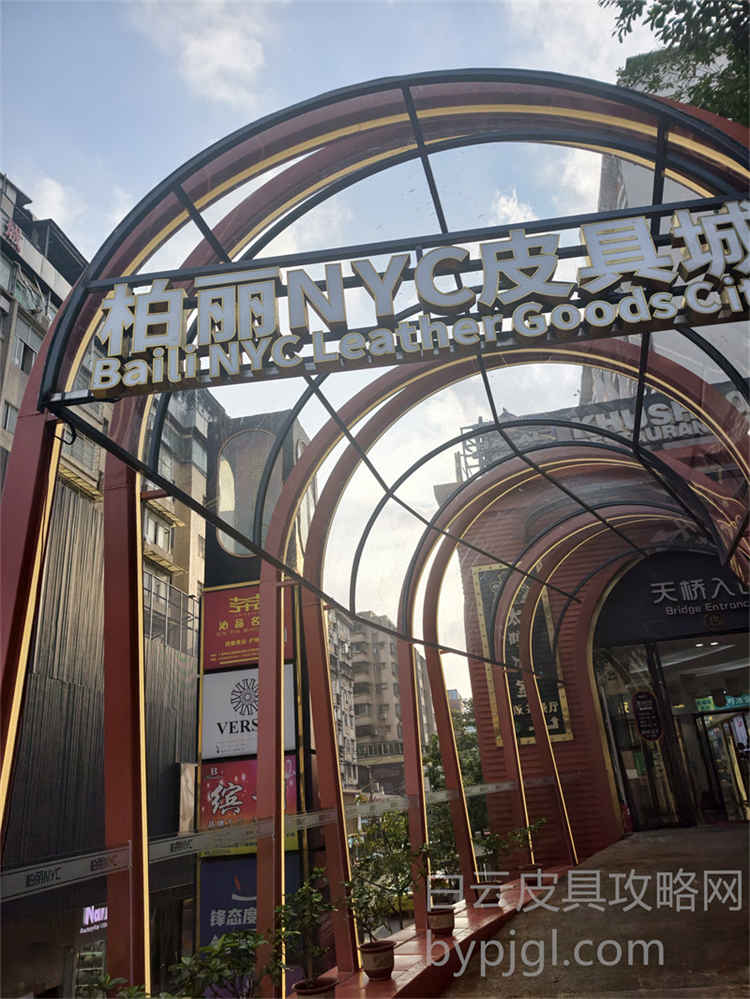
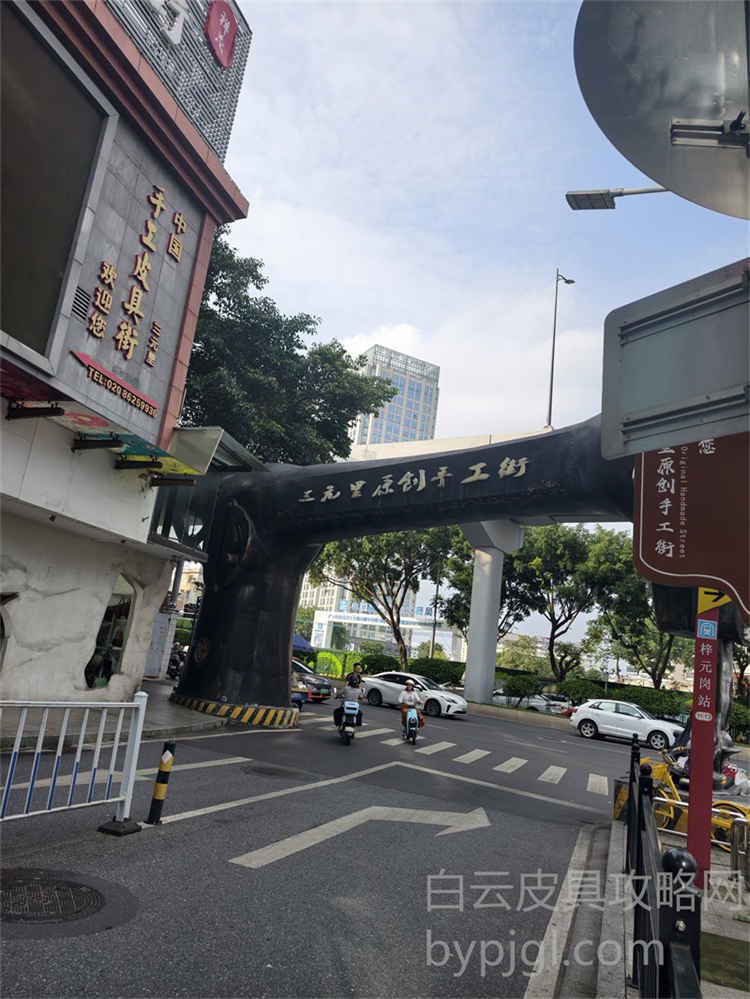
The first thing you need to understand is that Guangzhou is not a single market. It is a sprawling ecosystem centered around the Baiyun District. When people talk about "Guangzhou bag wholesale," they are usually referring to the massive complex known as Baiyun Leather World (Baiyun Yipin Cheng). But if you only go there, you might miss the best deals. The real action happens in the alleys connecting Baima, Shijing, and the newer hubs like Xingfa. As a local boss who has seen trends rise and fall since the early 2000s, I want to share the unfiltered truth about sourcing here.
Navigating the Labyrinth: Where to Actually Find Quality Goods
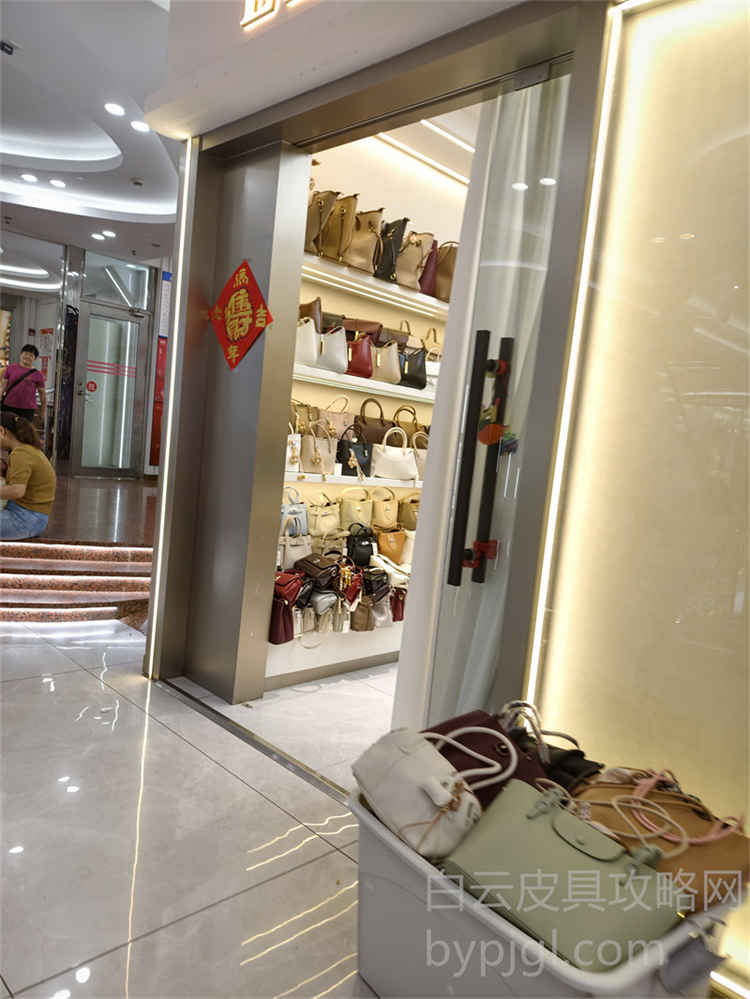
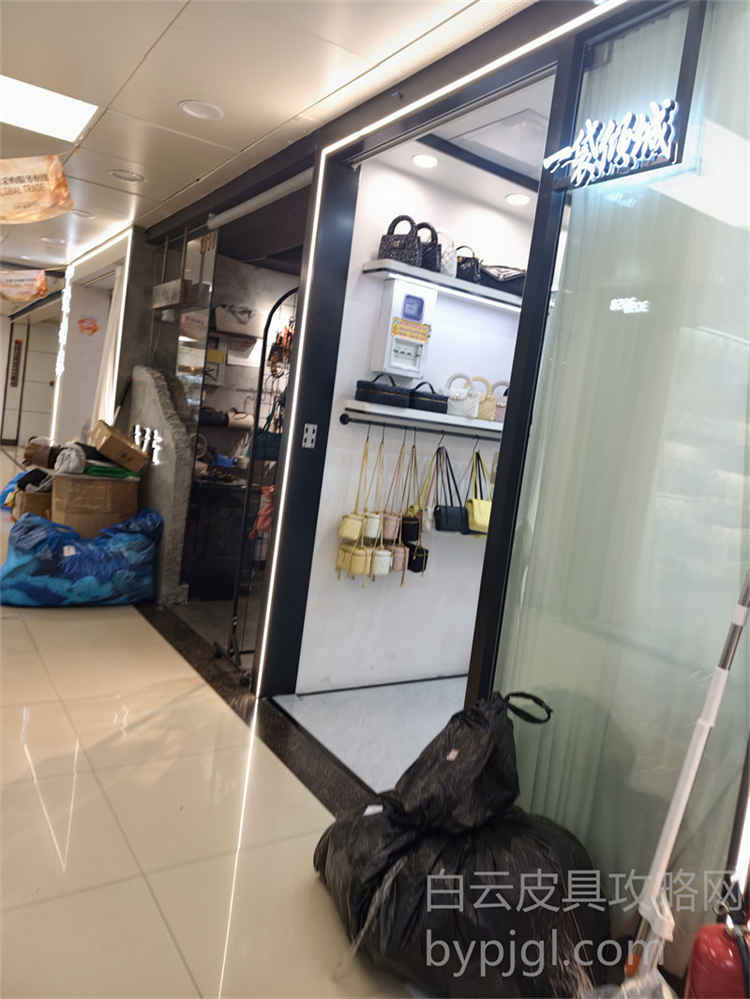
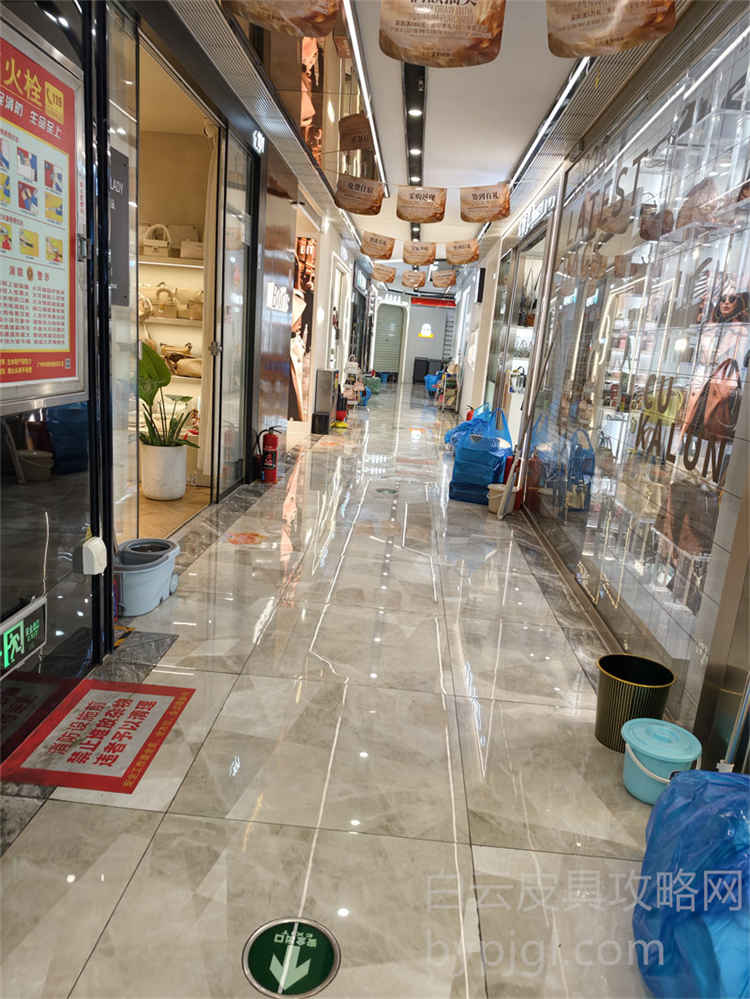
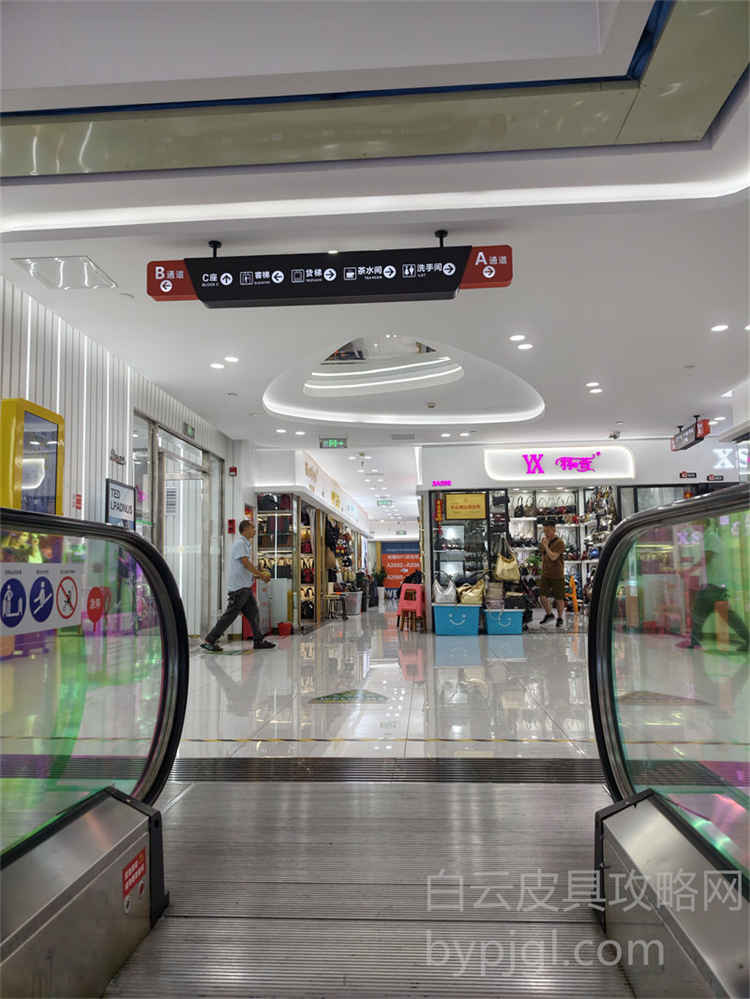
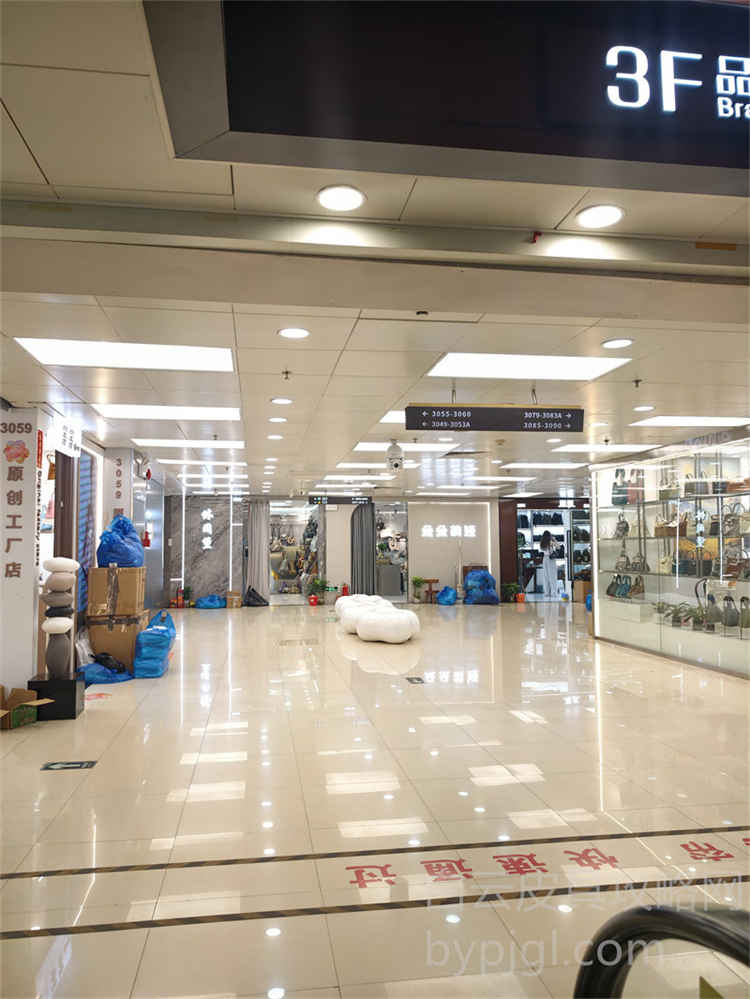
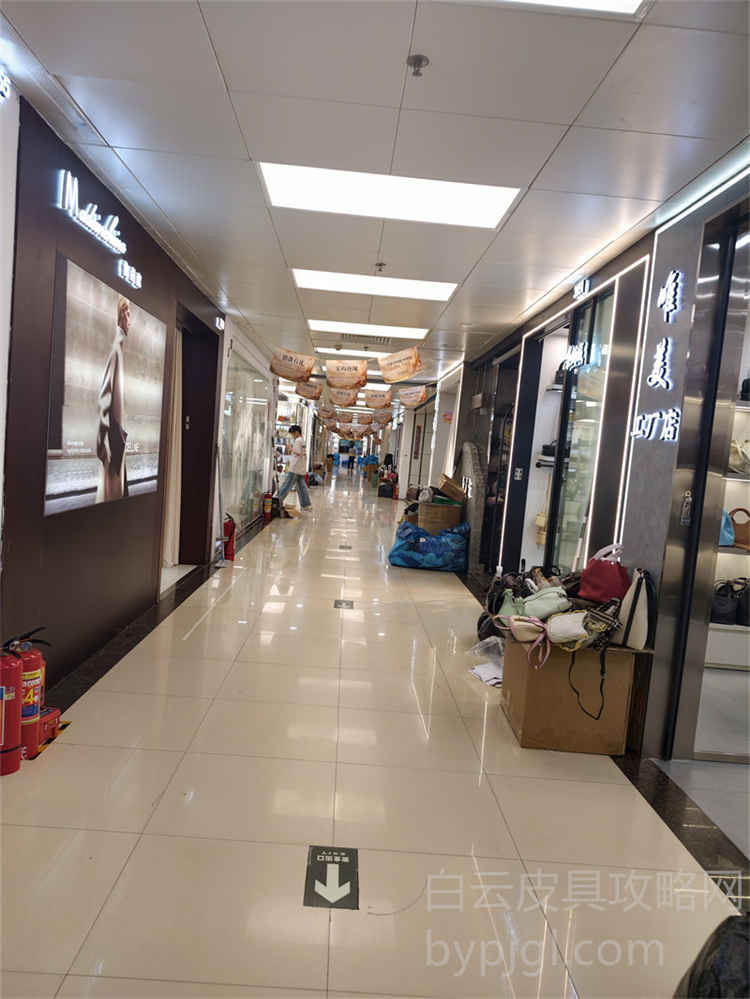
Most tourists get lost in the maze of corridors within Baiyun Leather World. They end up on the lower floors where the tourist traps are located. These shops sell mass-produced items with poor stitching and fake branding that will get your customs seized. To find what I call "real goods," you need to head to specific zones.
The Upper Floors of Baiyun Leather World
When I say upper floors, I mean floors 4 through 6. This is where the serious wholesalers operate. For example, if you are looking for high-end luxury replicas or top-tier OEM quality, visit the shop named "Golden Eagle" on the 5th floor, near the elevator bank facing the north exit. Their owner, Uncle Li, has been here since 2008. He doesn't speak much English, but his samples tell the story. His leather comes from a tannery in Foshan, not the cheap synthetic stuff found downstairs.
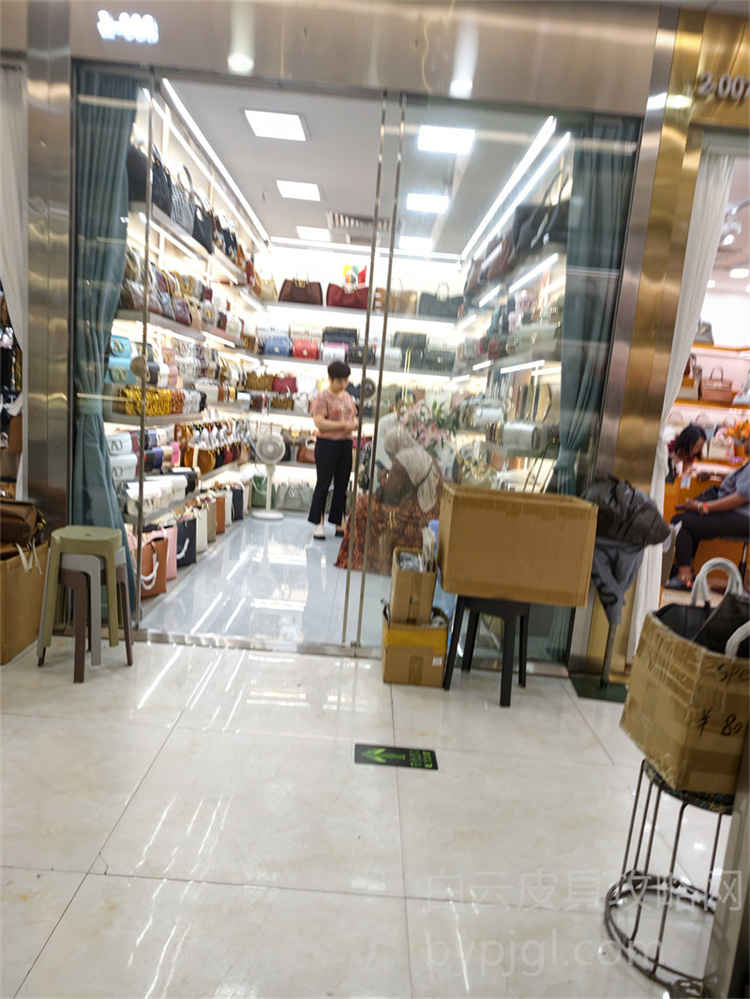
Another critical spot is the "Shengda Building" just across the street. Specifically, look for the stall labeled "Dragon Gate" on the 3rd floor. They specialize in tote bags and satchels. Unlike the generic stalls, Dragon Gate keeps their own factory records. If you ask for their production lead time, they will give you a straight answer: 7 days for small batches, 15 days for large orders. That transparency is rare.
Beyond Baiyun: The Hidden Factories in Shijing
Don't be afraid to take a taxi to the Shijing area, about 20 minutes north of Baiyun. This is where the actual manufacturing happens. Many of the stalls in Baiyun are just showrooms for factories in Shijing. I recommend visiting "Jinlong Leather Factory" directly. It's not a flashy showroom; it's a working facility. If you go there, you can see the cutting machines and the stitching lines. The price difference between buying from a Baiyun middleman and buying directly from Jinlong can be 15% to 20%. However, you must be prepared to buy in bulk. Their minimum order quantity (MOQ) starts at 50 pieces per style.
The Art of Negotiation: How to Get the Real Price Without Getting Scammed
Here is a secret that most guides won't tell you: The price listed on the sample sheet is never the final price. In Guangzhou, pricing is fluid. It depends on your relationship, your volume, and how well you know the product. I have seen beginners pay $45 for a bag that I sell to my regular clients for $28. Why? Because they didn't know how to negotiate.
Understanding the MOQ and Tiered Pricing
Let's look at some real data. A standard designer-style handbag sold at a Baiyun stall might have a tiered structure. If you buy 1 piece, the price is $35. If you buy 10 pieces, it drops to $28. If you buy 50 pieces, it hits $22. But here is the trick: if you buy 100 pieces, the price doesn't drop to $20 immediately. Instead, the vendor offers you free customization, like adding your logo or changing the hardware color. This is where the real value lies. Don't just haggle over the unit price; haggle over the added value.
I always advise my international clients to start by asking for the "factory direct price." Even if you are buying 20 pieces, frame your request as a test run for a larger order next month. Vendors love potential long-term partners. If you act like a one-time buyer, they will treat you like a tourist. Use phrases like "I am building a new collection" or "My warehouse in Miami needs restocking." This signals seriousness.
The Hardware and Stitching Test
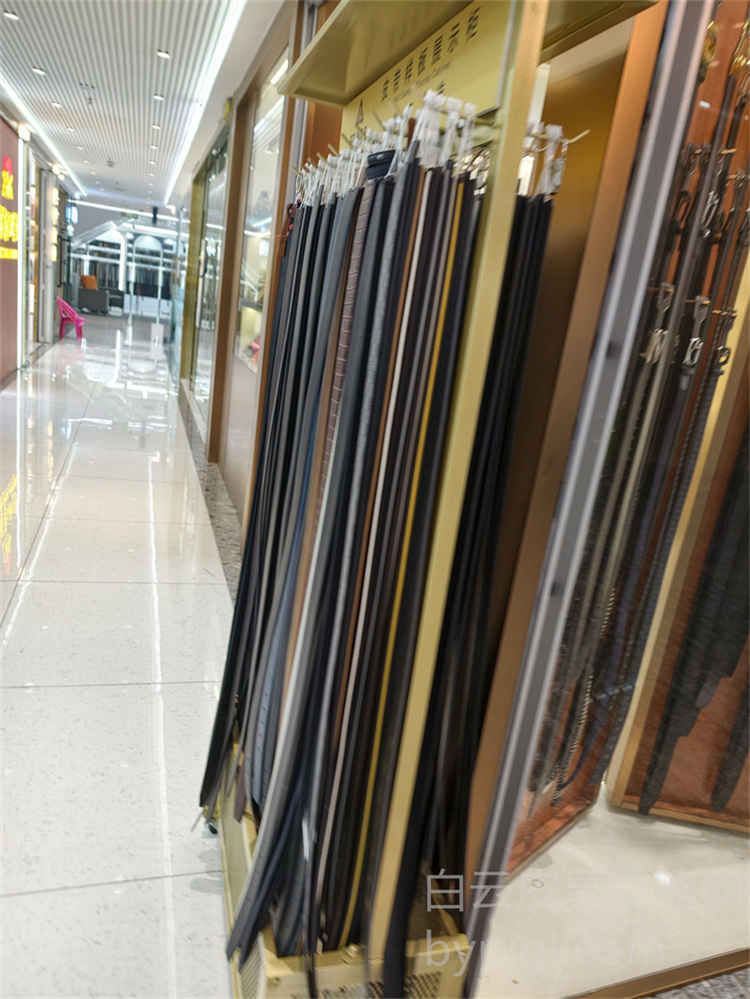
Never accept a bag without inspecting the hardware. In Guangzhou, the biggest cost driver is often the metal zippers and clasps. Cheap vendors use zinc alloy which turns green after two weeks. High-end vendors use brass or stainless steel with PVD plating. When I check a bag, I rub the zipper pull against my fingernail. If it leaves a mark, it's soft metal. Also, count the stitches per inch. Good leather goods should have at least 12 stitches per inch. Anything less looks sloppy and indicates rushed production.
Logistics and Shipping: Getting Your Goods Home Safely
once you have picked your bags, the hardest part begins: shipping. Many overseas buyers make the mistake of trying to ship via standard courier services like DHL or FedEx directly from the shop. This is a disaster waiting to happen. Customs in the US, UK, and EU are cracking down hard on counterfeit goods. If you declare them as "designer bags," you will get fined or seized.
The Dual-Track Shipping Strategy
As a veteran seller, I always recommend using the "dual-track" method. First, separate your goods into two categories: branded items and generic items. For the branded items, you must work with a freight forwarder who specializes in "grey market" shipping. These companies have special channels that bypass strict customs checks. They charge more per kilogram, but they guarantee delivery. For generic items, you can use standard air freight.
Do not trust the shipping agent recommended by the shop owner unless you have verified them. Most shop owners have relationships with specific agents who might cut corners. I suggest finding your own forwarder in Guangzhou. There are many reputable ones in the Tianhe District. Ask them for a quote based on CBM (cubic meter) rather than weight, as bags are bulky but light. This saves money.
Common Pitfalls and How to Avoid Them
Over the years, I have seen too many buyers lose money due to avoidable mistakes. Here is a summary of the most common pitfalls and how to dodge them.
| Pitfall | What Happens | Solution |
|---|---|---|
| Buying Samples Only | You get a perfect sample, but the bulk order is different. | Always request a "pre-production sample" before mass production starts. |
| Ignoring Leather Grade | Leather cracks or peels after a few months. | Ask for the specific grade (e.g., Top Grain vs. Corrected Grain) and check the smell. |
| No Deposit Agreement | Vendor takes deposit and disappears or delays indefinitely. | Use a secure payment platform or meet in person for deposits under $500. |
| Shipping via Standard Courier | Goods seized by customs, fines applied. | Use specialized freight forwarders with dual-track shipping capabilities. |
Final Thoughts: Build Relationships, Not Just Transactions
Guangzhou is not just about buying and selling; it is about building relationships. The vendors I have worked with for 15 years are not just suppliers; they are partners. They know my customers' preferences, and I know their production limits. If you treat every interaction as a transaction, you will always pay the premium. If you build trust, you will get access to the best designs before anyone else sees them.
So, when you arrive in Guangzhou, skip the fancy hotels and stay near the Baiyun District. Walk the markets, touch the leather, and don't be afraid to say no. The best deals are hidden in the details, and only those who take the time to dig deep will find them. Remember, the goal is not just to buy cheap bags, but to source high-quality products that will keep your customers coming back. Happy sourcing!