

Walking the Floors: My Honest Guide to Sourcing in Guangzhou
I have been standing behind this counter for over twenty years. While the world talks about online shopping and fast delivery, my life has always been defined by the dust, the noise, and the endless chatter of the wholesale markets in Baiyun District. You might be reading this from New York, London, or Sydney, wondering how to actually get your hands on high-quality goods here without getting ripped off. Let me tell you something straight from the horse's mouth: there is no magic button. If you want the real deal, you need to come down here, walk these floors, and learn the language of the trade.
The First Step: Leaving the Hotel and Finding the Right Spot
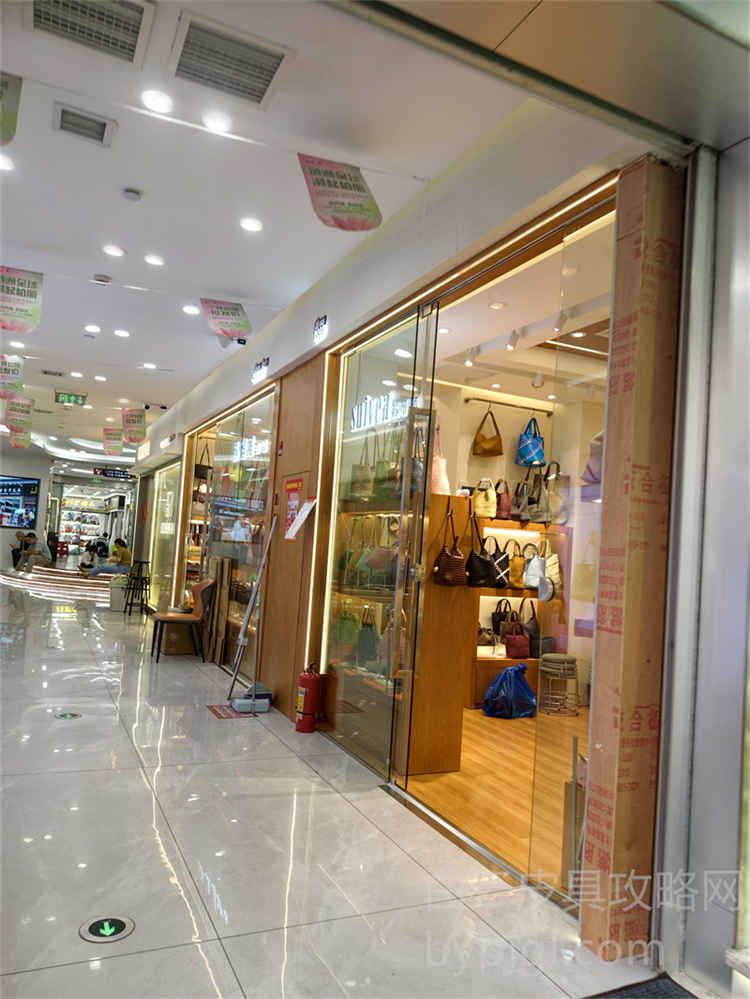
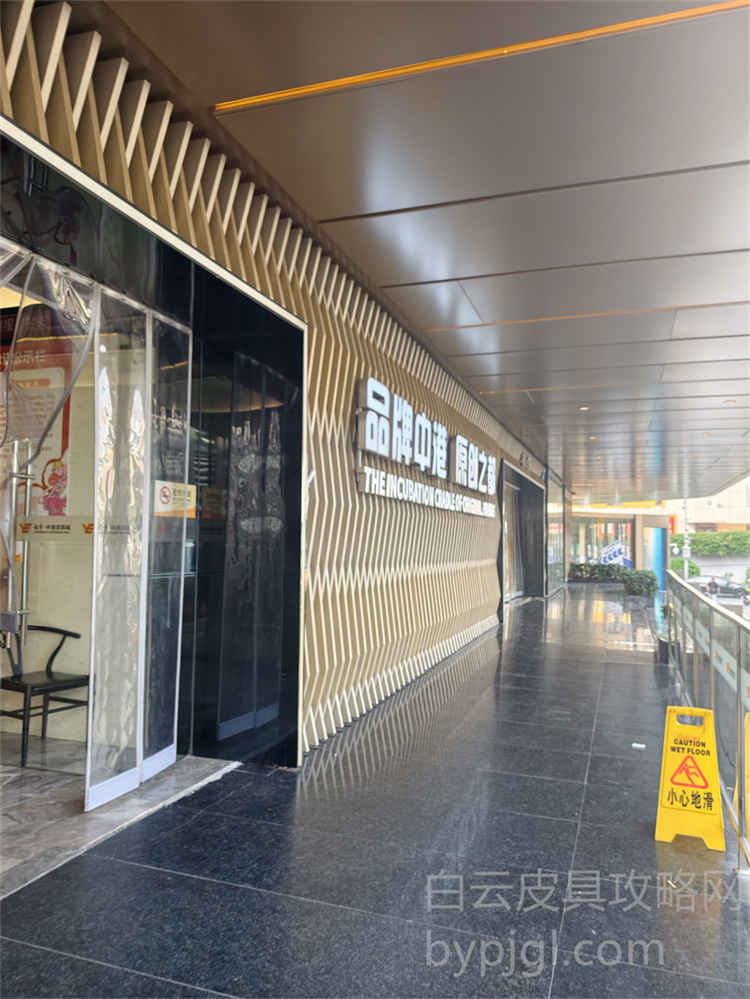
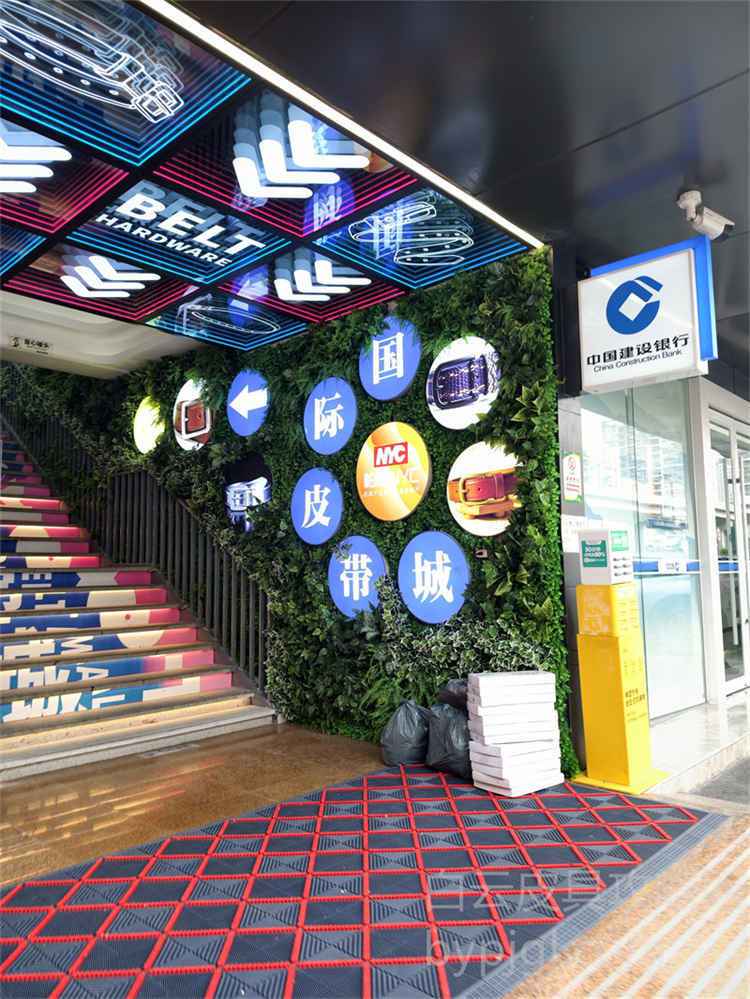
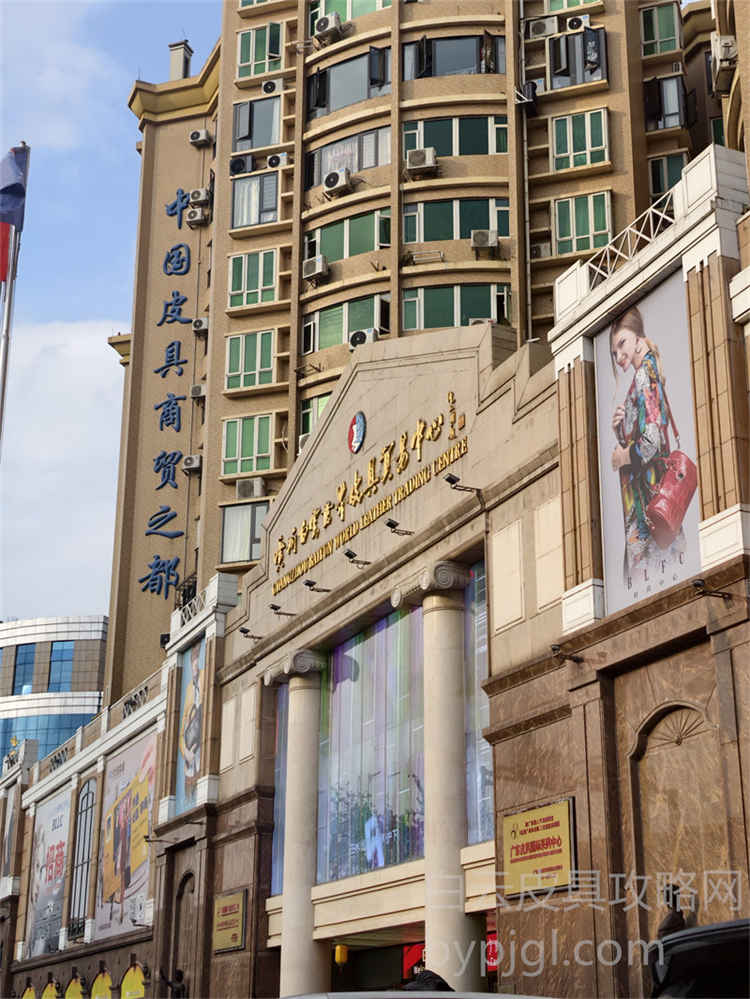
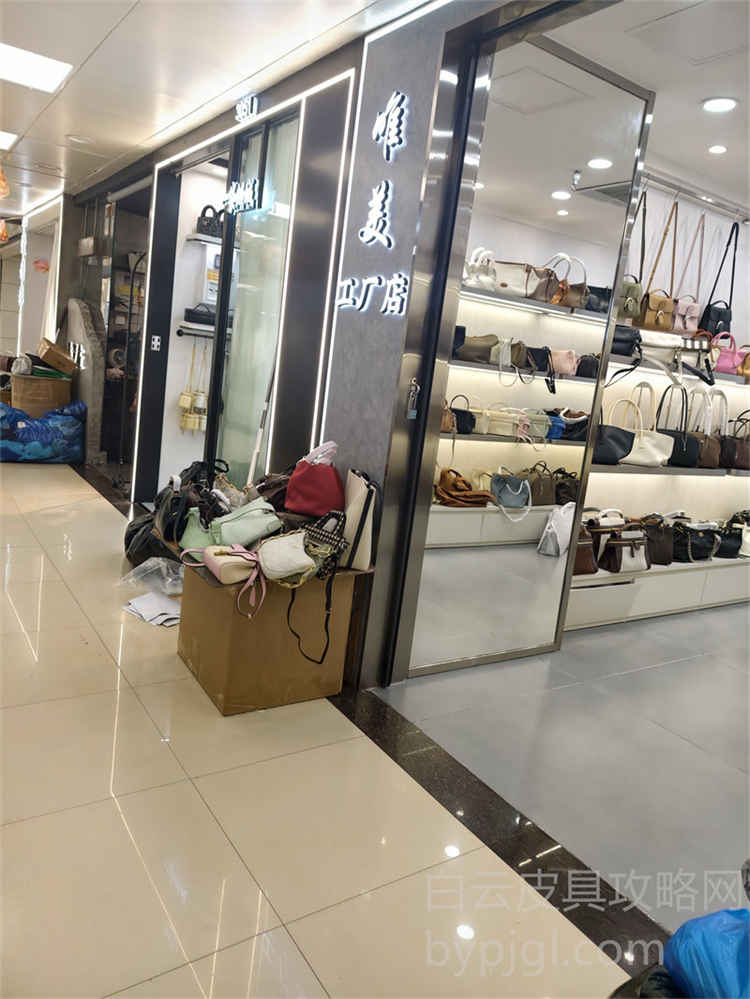
Most first-timers make the mistake of booking a hotel too far away or trying to navigate the city with just a map app. The real action happens in the morning when the sun hits the glass doors of the main buildings. I am talking about the massive complexes wher hundreds of stalls line up like soldiers. When you step inside, the air smells of leather, glue, and fresh coffee. This is not a place for tourists looking for souvenirs; it is a battlefield for serious buyers. You need to find the specific building that houses the top-tier workshops. Many people ask me about the difference between the lower floors and the upper levels. It is simple: the ground floor is often for quick turnover and lower-end items, while the real craftsmanship hides on the higher floors or in the back rooms of the larger buildings.
Reading the Room: How to Spot Quality Before You Speak
When you approach a stall, do not start by asking for prices. That is the quickest way to get ignored or quoted a tourist price. Instead, look at the bags sitting on the shelves. Look at the stitching. In our business, the thread count and the angle of the stitch tell you everything about the factory that made it. High-end production uses a specific type of waxed thread that resists fraying. Check the hardware. Does it feel heavy? Is the plating even? Cheap metal feels light and will tarnish quickly. Good metal has weight and a smooth finish. I have seen buyers spend hours looking at one bag, touching the grain, smelling the leather, and checking the lining. Do not rush. A good vendor respects a customer who knows what they are looking for. If you point out a flaw in the stitching or the alignment of the pattern, they will know you are a pro, and they will treat you differently.
The Language of the Trade: Negotiating Without Words
You do not need to speak perfect Mandarin to do business here, but you do need to understand the rhythm. We communicate through gestures, photos on phones, and a few key phrases. When you see a style you like, take a photo. Show it to the owner. They will pull out their phone and show you their own version. This is wher the comparison begins. Some vendors will show you the "market standard," which is decent but not great. Others will show you the "top tier" version. To get the latter, you have to be willing to pay a bit more and build a relationship. Never say "I want to buy ten." Say "I am interested in testing the quality first." Start small. Buy two or three pieces to test the consistency. If the quality holds up across different batches, then we talk about volume. Trust is built on consistency, not promises.
Navigating the Pitfalls: What to Watch Out For
There are sharks in every ocean, and the market is no exception. One common trick is the bait-and-switch. You pick a beautiful bag, pay for it, and then the vendor hands you a slightly different one, claiming the original is out of stock. Or worse, they give you a bag that looks right from the front but has cheap lining on the inside. Another trap is the "factory direct" lie. Not everyone is a factory owner; many are middlemen who just rent a shelf space. To avoid this, ask to see the workshop. A genuine supplier will be proud to show you the sewing machines and the cutting tables. If they hesitate or say the factory is "closed today," walk away. Real factories are always open during working hours.
Logistics and Shipping: Getting Your Goods Home Safely
once you have selected your items and agreed on a price, the next challenge is shipping. Most vendors in Baiyun have long-standing relationships with logistics companies that specialize in international freight. They can handle customs declarations, though you must be honest about the contents to avoid issues at your end. Do not try to ship large quantities yourself via regular mail; it will get stuck or taxed heavily. Use the vendor's recommended forwarder. They know the routes, the packaging requirements, and how to label the boxes so they pass inspection smoothly. Always ask for tracking numbers immediately. And remember, never pay the full amount upfront unless you have a long-term contract. A deposit is standard, but the balance should be paid upon confirmation of the shipment or after you receive the goods, depending on your trust level.
Building a Long-Term Partnership
The secret to success in Guangzhou is not finding the cheapest bag once; it is finding the right partner for years. When you return, bring the same person if possible. Vendors remember faces. If you are a repeat buyer who pays on time and communicates clearly, they will hold the best stock for you. They will let you preview new designs before anyone else sees them. They will offer better prices because they know you are not going to waste their time. This is the culture of the market. It is personal. It is based on mutual respect. So, when you come down here, leave the tourist mindset at the door. Treat the vendors as colleagues, not strangers. Shake hands, share a cup of tea, and listen to their stories. You will find that the best deals are not found in the catalog, but in the conversation.



 On-site Visits
 Free Sharing
 Avoid Scams
 Updated Frequently
 For Reference Only