

Why I've Been in the Guangzhou Leather Market for Over Two Decades
Listen, I have been standing behind a counter in this bustling district since before most of you were even born. People often ask me why I stay here when the world is moving so fast to online shopping and digital trends. The answer is simple: nothing beats the smell of fresh leather, the sound of haggling in Cantonese, and the sheer energy of the Baiyun Leather City. For years, I have watched buyers come and go, some leaving with empty hands and others walking out with stacks of bags that look like they just stepped off a runway. But let's be honest, not everyone knows how to navigate this maze. Many think it is easy to just walk in and grab the best stuff, but if you do not know what you are looking for, you will get burned.
I am not going to give you some polished corporate speech about "supply chain optimization." I am going to tell you exactly what happens on the ground. When you step into the main halls of the Baiyun market, you are entering a different universe. It is loud, chaotic, and incredibly rewarding if you play your cards right. My job has always been to help international buyers understand the real deal. We are talking about high-end replicas that are so good, only the maker knows the difference. This is not about cheap junk; this is about craftsmanship that rivals the big names without the price tag or the legal headaches.
Navigating the Labyrinth: Finding the Right Stall
The First Step: Don't Trust the Front Door
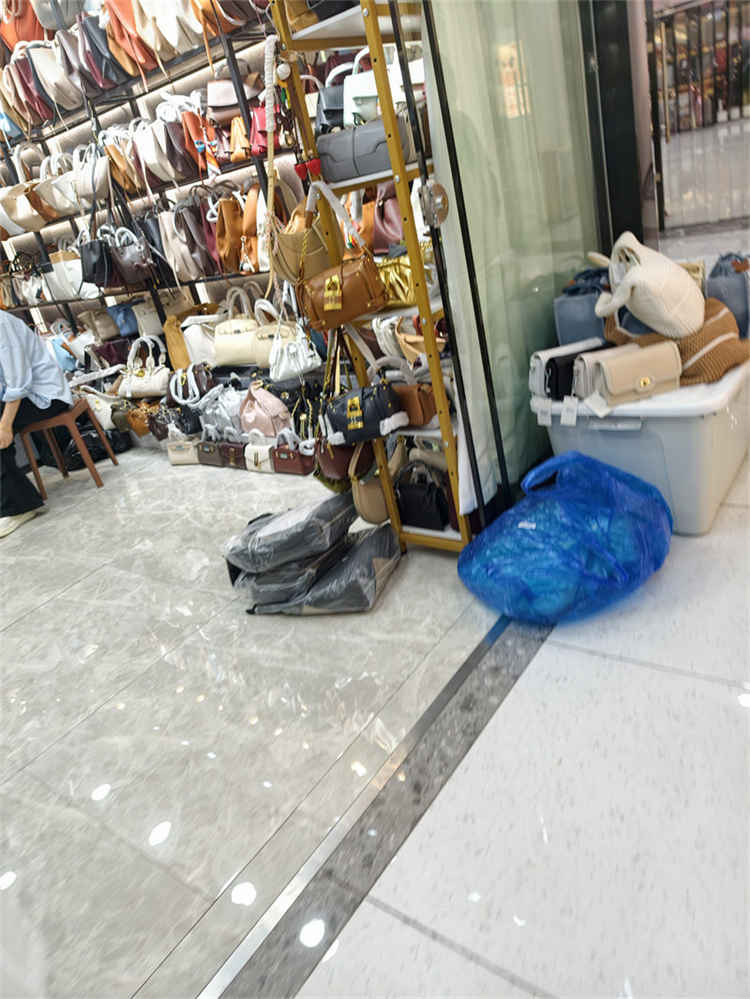
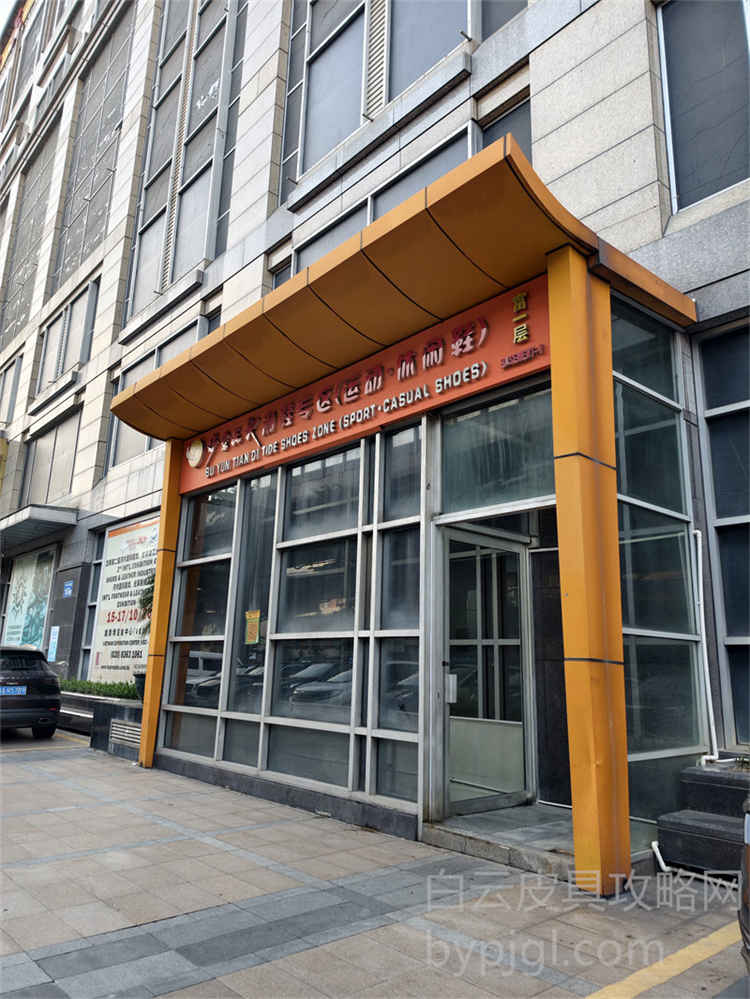
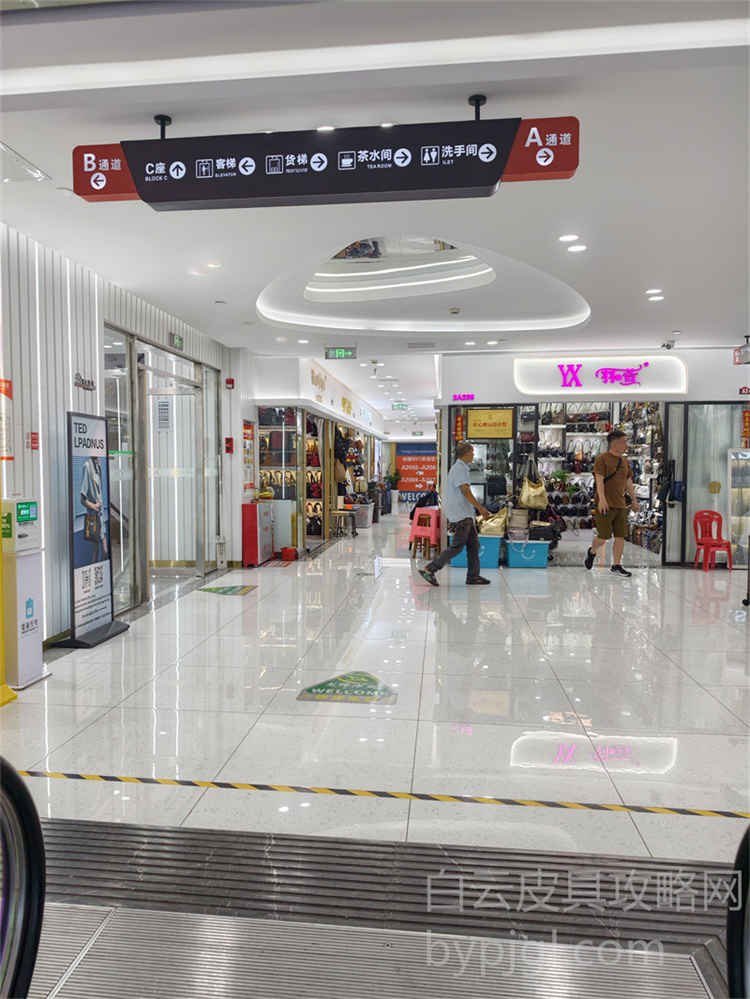
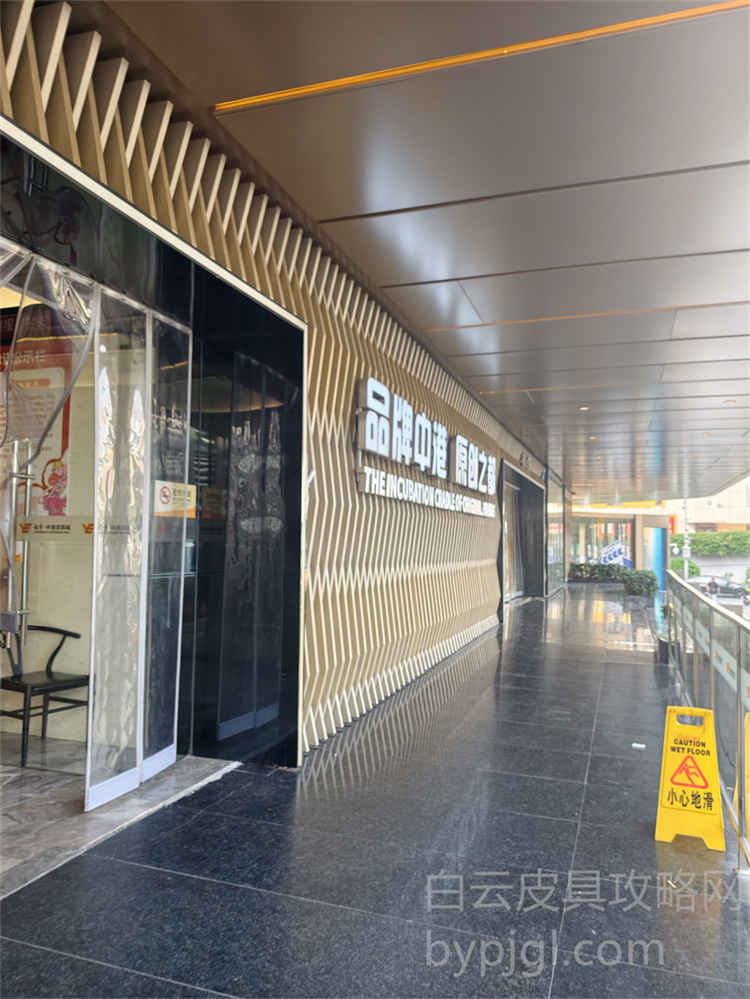
When you first arrive at the Baiyun Leather City, the front entrance is designed to show you the basics. You will see rows of stalls selling lower-tier goods, the kind that fall apart after a few weeks. Do not stop there. If you want quality that holds up, you need to dig deeper. Most of the top-tier factories and their dedicated showrooms are located on the upper floors or in the back corridors wher the crowds are thinner. I have seen too many tourists get stuck in the lobby buying mediocre items because they did not push past the initial display.
The key is to find the stall that looks less like a retail shop and more like a workshop. Look for the ones with samples stacked neatly on shelves rather than hanging on hooks. These are the places wher the real action happens. They usually do not have flashy signs or neon lights. Instead, they rely on word-of-mouth and repeat customers. When you walk in, do not ask for "designer bags" or anything specific that might trigger a security check. Just say you are looking for high-quality leather goods and want to see their latest collection. A good owner will immediately understand what you mean and take you to the back room.
Building Rapport with the Owner
In Guangzhou, relationships are everything. You cannot just walk in, point at a bag, and demand a discount. You have to build a connection. I remember one buyer who came last year and tried to haggle aggressively from the start. The owner barely looked at him. But then he bought a small accessory first, paid cash, and left a good tip. The next time he came back, the owner treated him like family, showing him the secret stash of premium materials that never make it to the front floor.
When you meet the stall owner, bring a business card or at least have your contact info ready. Show them you are serious. Ask questions about the leather source, the stitching technique, and the hardware. If they can explain the difference between cowhide and lambskin, or why they use YKK zippers instead of generic ones, you know you are in the right place. This level of detail separates the professional sellers from the opportunists. In my experience, the best deals come from people who respect the craft and the seller.
The Art of Selecion and Inspection
Touching and Feeling the Material
You cannot judge these bags by photos alone. Even the best pictures can hide flaws in texture or color. When you are in the showroom, run your hand over the leather. Does it feel soft and supple, or does it feel stiff and plastic-like? High-quality leather should have a natural grain and a slight scent of tannin, not a chemical smell. I always tell my clients to press their thumb into the leather. If the indentation stays for a long time, it is likely low-grade material. Good leather bounces back quickly.
Also, pay attention to the lining. Cheap bags often use polyester or thin fabric inside, which tears easily. Premium versions use silk, cotton, or high-density nylon that feels smooth and durable. Check the pockets, the zippers, and the handles. Everything should feel solid. If a handle feels flimsy, it will snap under the weight of your daily essentials. I have seen too many bags fail within a month because the stitching was weak or the glue was cheap.
Checking the Hardware and Stitching
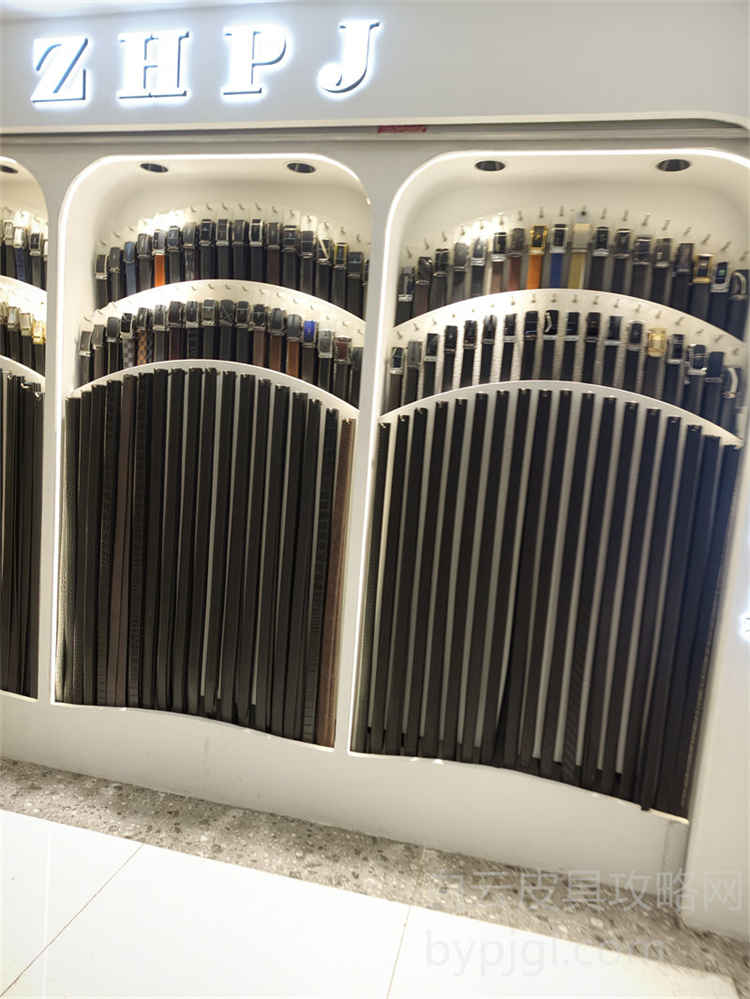
This is wher the real experts separate themselves from the amateurs. Look closely at the metal parts. Are they heavy? Do they have a consistent finish, or are there scratches and bubbles? High-end hardware is usually made of brass or zinc alloy with a thick plating that resists tarnishing. Run your finger along the edges; they should be smooth, not sharp or rough.
Now, look at the stitching. Count the stitches per inch. Consistency is key. If you see loose threads, uneven spacing, or glue marks, put the bag down immediately. The best stalls in Baiyun use machines that are calibrated perfectly, resulting in straight, tight lines that are almost invisible to the naked eye. If the stitching looks sloppy, the whole bag is compromised. I once saw a buyer reject a bag that looked perfect from a distance, only to notice a single thread that was slightly off. That one mistake told him everything he needed to know about the quality control of that factory.
Finalizing the Deal and Avoiding Pitfalls
Negotiating Without Burning Bridges
Haggling is part of the culture here, but it needs to be done with finesse. Start by asking for the wholesale price, not the retail price. Explain that you are planning to buy in bulk or become a regular customer. If the owner gives you a firm number, do not push too hard immediately. Instead, ask if there is any flexibility based on the quantity or if they can throw in free shipping or extra accessories.
Never threaten to leave unless you are actually willing to walk away. Sometimes, the owner will call you back with a better offer if they see you are serious. Remember, they want your business as much as you want their product. A friendly negotiation leads to better long-term partnerships. I have seen buyers get angry and insult the owner, only to find out later that the same owner had a better version of the bag that was never shown to the public.
Logistics and Shipping Considerations
once you have seleced your bags and agreed on the price, the next step is getting them home safely. Most stalls in Baiyun have established relationships with courier companies that specialize in international shipping. They can handle customs declarations carefully to ensure your package arrives without issues. However, you must be clear about your destination country and its specific regulations regarding imported goods.
Always request a tracking number and insurance for your shipment. Do not accept vague promises about delivery times. Ask for a detailed invoice that lists the contents accurately but discreetly. This helps avoid unnecessary delays at customs. Finally, inspect the bags again before signing the receipt from the courier. If there is any damage during transit, you need proof to claim compensation. By following these steps, you ensure a smooth transaction from the busy streets of Guangzhou to your doorstep abroad.



 On-site Visits
 Free Sharing
 Avoid Scams
 Updated Frequently
 For Reference Only