Why Guangzhou is Still the only Place for Real Water and Electricity Bag Wholesale
I've been standing behind this counter in the Baiyun Leather City for over fifteen years. While everyone online talks about "China manufacturing," I need to tell you something that the big e-commerce sites won't: there is no such thing as a generic "water and electricity bag" factory that just pops up on Alibaba with a warehouse full of stock ready to ship globally. When people search for "Guangzhou water and electricity bag wholesale," they are usually looking for high-quality leather goods, often inspired by luxury designs or specific functional styles, but the terminology can be confusing. Let me clear up the fog for you. In our local trade circles, we don't call them "water and electricity bags." We talk about "high-end PU," "genuine leather," and "hardware-heavy" collections. If you are coming here to buy, you need to know exactly where to go, what to ask, and how not to get ripped off.
Navigating the Labyrinth: Where to Actually Find the Goods
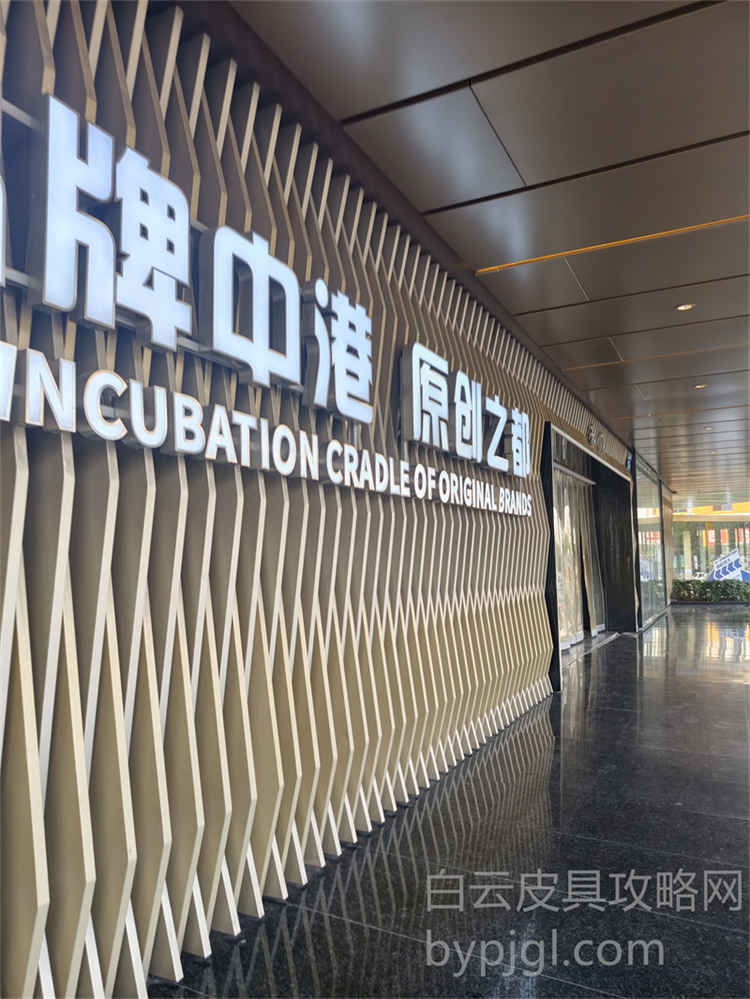
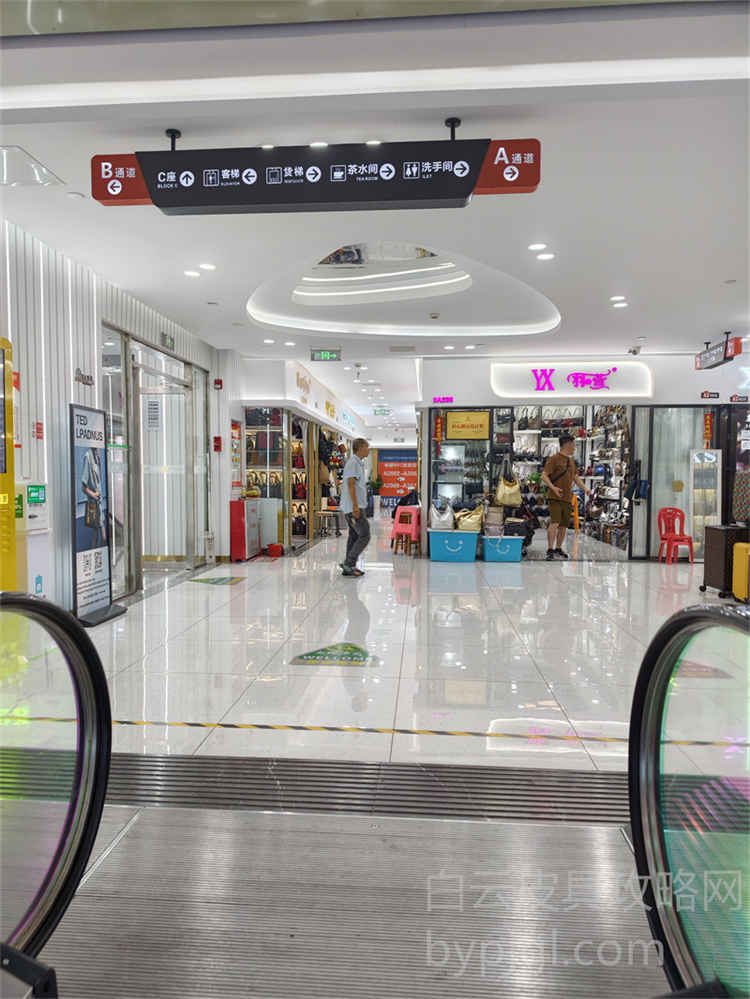
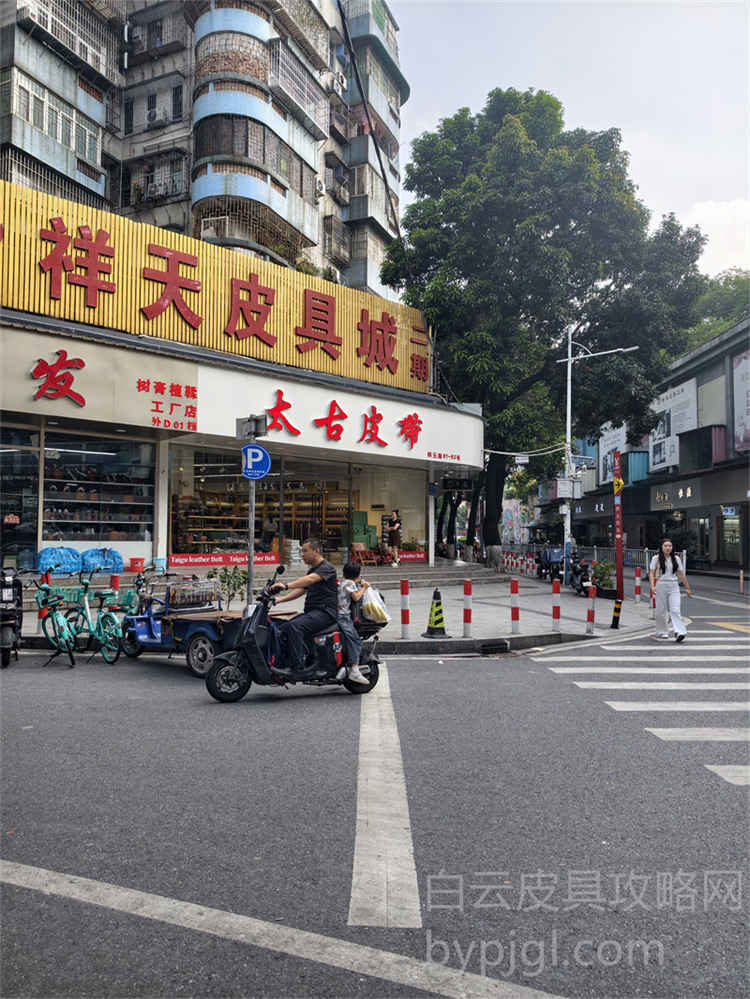
The first mistake most overseas buyers make is showing up at the wrong building. The term "Baiyun Leather City" covers a massive area, but the real action happens in specific zones. If you want the heavy hitters—the ones who supply the top brands in Europe and the US—you need to head straight to the Jiuxin International Trade Center (Jiuxin). This isn't just another mall; it's the heart of the wholesale game.
The Golden Floor Strategy
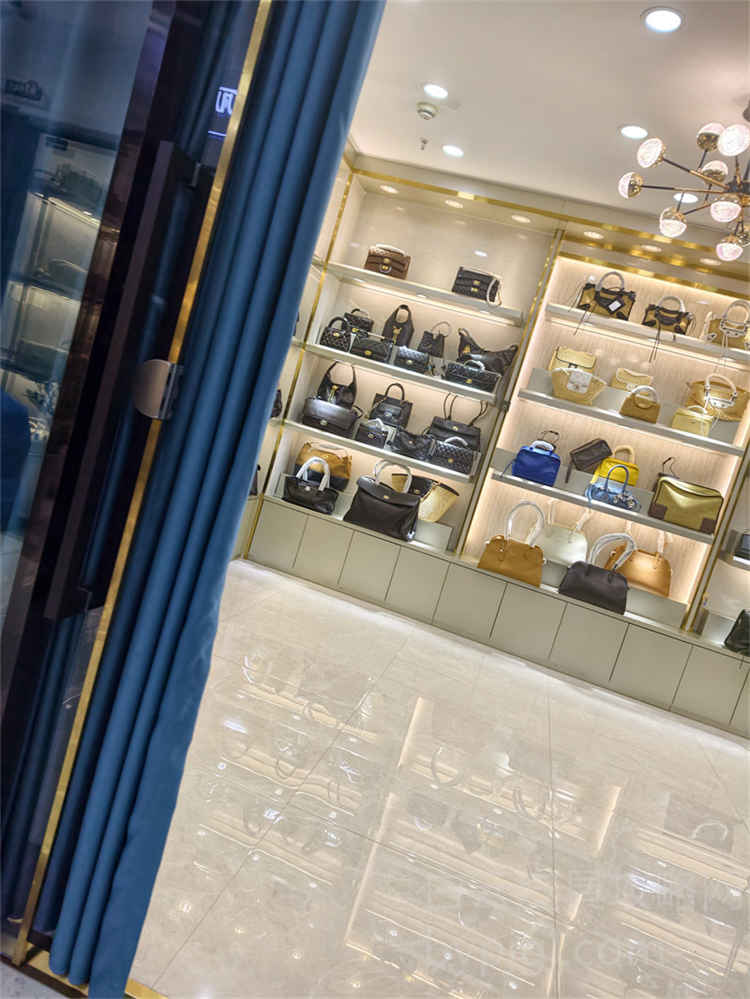
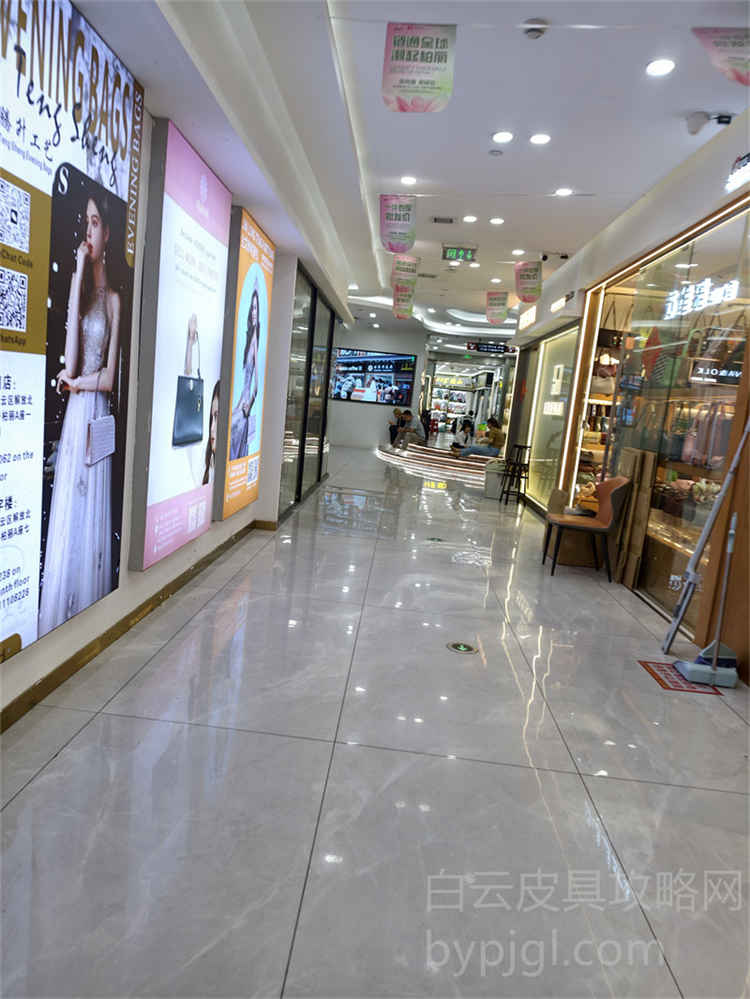
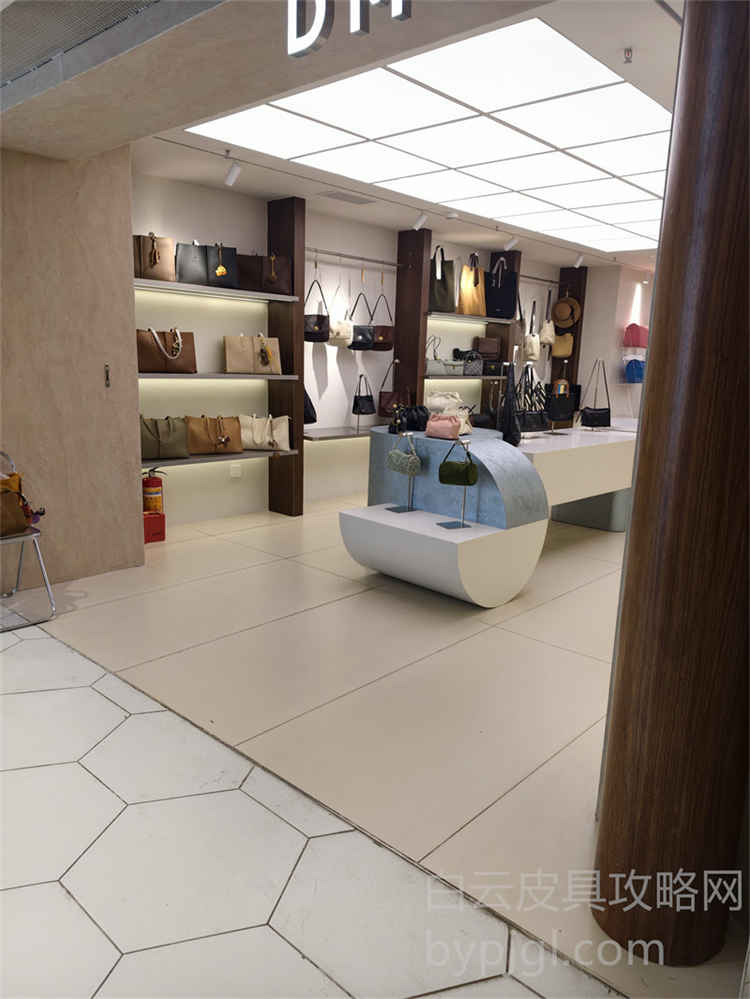
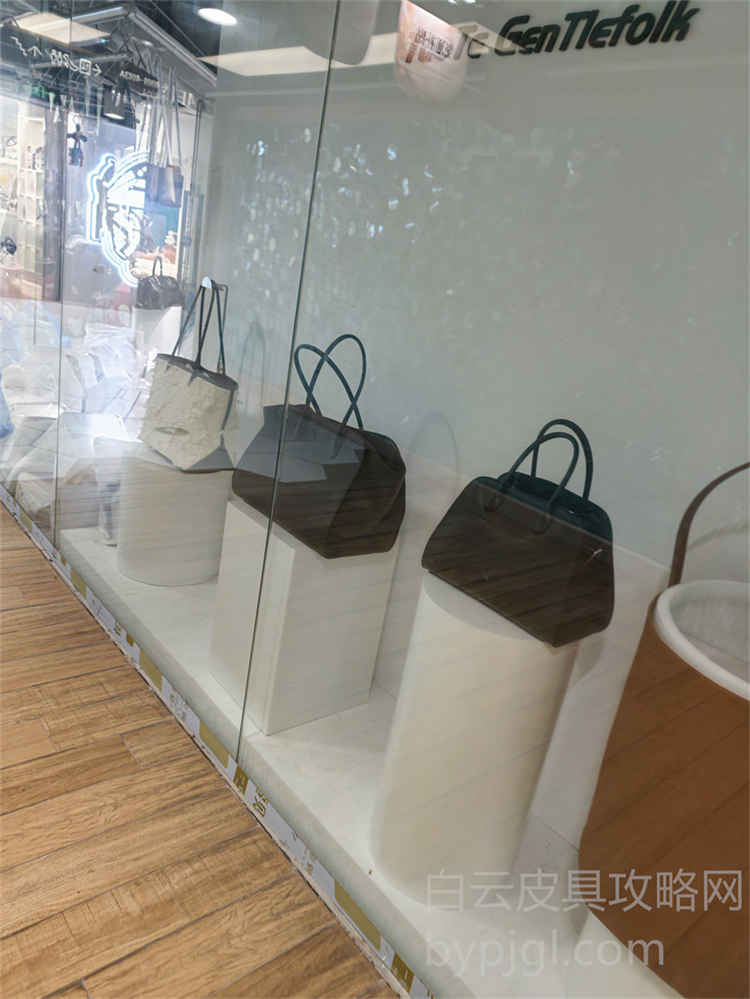
Don't waste your time on the ground floor where tourists browse single items. Go straight to the 4th and 5th floors. That is where the serious wholesalers operate. For example, if you are looking for durable, hardware-rich bags that might fit the description of "heavy-duty" or "functional" styles, check out the stalls around Aisle 100 to 120. One specific stall I recommend, though I won't name the owner to avoid bias, is located right near the elevator shaft on the 5th floor. They have a sign that says "Premium Leather Factory Direct." Their inventory changes daily, but their stock of structured tote bags and crossbody bags is unmatched.
Comparing the Markets: Jiuxin vs. Others
You might hear about the Shide Market or the nearby small workshops. Here is my honest take: Shide is great for low-cost, mass-produced items, but if you want quality that holds up to international shipping and customs inspections, Jiuxin is your only option. I once had a client from Canada who bought cheap bags from a street vendor near the subway station. He thought he saved money, but the zippers broke within two weeks, and his customers demanded refunds. The cost difference between buying at Jiuxin versus the street market is maybe $2 per unit, but the profit margin on returns and reputation is huge.
The Art of Negotiation: How to Talk Like a Local
Walking into a stall and saying "I want to buy" is a rookie move. You need to speak the language of the trade. When I meet new buyers, I immediately ask, "What is your target price point?" and "Are you looking for OEM or ODM?" This signals that I know the business. Most foreign buyers try to haggle aggressively on the spot, but in Guangzhou, relationships matter more than a few dollars.
Understanding MOQ and Sample Costs
Let's talk numbers. If you walk into a stall like the one on the 5th floor of Jiuxin, they will show you samples. Do not expect these to be free unless you are a returning customer. A standard sample fee is usually between 50 to 100 RMB ($7-$14 USD). However, if you place an order of 50 units or more, they will deduct this cost from your final invoice. This is standard practice. I've seen many buyers refuse to pay the sample fee, thinking it's a scam. It's not. It filters out the tire-kickers. once you pay, the seller treats you differently. They pull out the "secret" stock—the bags that aren't even displayed on the rack because they are reserved for VIP clients.
The "Water and Electricity" Misunderstanding
Here is a crucial tip regarding your search terms. If you mention "water and electricity" directly to a stall owner, they might look confused. In Chinese, "Shui Dian" can sometimes refer to specific industrial materials, but in the context of bags, it's likely a mistranslation of "waterproof" or "electric components" if you are looking for tech-integrated bags. If you want waterproof bags, ask for "oil-proof" or "water-resistant PU." If you want bags with charging ports, ask for "smart bags" or "integrated power bank compartments." Being precise saves hours of confusion. I once helped a buyer find a supplier for bags with built-in USB ports. We spent three days searching until we found a workshop in the back alley of the Jiuxin complex that specialized in electronics integration. They charged a premium, but the demand was there.
Vetting the Product: What I Look For Before You Buy
When I inspect a bag before a client picks it up, I do three things: the smell test, the zipper pull, and the stitching count. Leather should smell like leather, not chemicals. If it smells like plastic, it's low-grade PVC. Next, check the zippers. Brands like YKK are common, but many factories use cheaper alternatives. Ask to see the brand stamp on the zipper tape. Finally, count the stitches per inch. High-quality bags have 8-10 stitches per inch. Anything less looks cheap and falls apart quickly.
Red Flags to Avoid
If a seller offers you a price that seems too good to be true, run. For instance, a genuine leather tote bag selling for $15 wholesale is impossible. The raw material cost alone is higher. These are likely fake leather or glued together poorly. Also, beware of sellers who push you to pay via Western Union or direct bank transfer without a contract. Always insist on using Alipay or a secure payment gateway, even if it means paying a small fee. Trust is hard to build in this industry, so protect yourself.
Logistics and Shipping: Getting Your Goods Home
once you have selected your bags, the next challenge is getting them out of China. Most stalls in Jiuxin do not handle international shipping themselves. They will work with a freight forwarder. I always recommend using a forwarder who has a warehouse in Guangzhou. They can consolidate your orders from different stalls into one container. This saves you a fortune on shipping costs. For example, if you buy from five different stalls, each might charge you for separate packaging. A consolidator can repack everything into one box, reducing volume weight significantly.
Customs and documentation
Make sure your supplier provides a proper commercial invoice and packing list. If you are importing into the US or EU, customs officers check the HS codes carefully. Bags made of synthetic leather have different duties than genuine leather. Ask your supplier to label the boxes correctly. I've seen shipments held up because the invoice said "Leather Bags" but the actual material was "PU." Don't let this happen to you. Be transparent with your supplier about your destination country's regulations.
Summary Table: Quick Reference for Buyers
| Aspect | Recommendation | Avoid |
|---|---|---|
| Location | Jiuxin International Trade Center, Floors 4-5 | Street vendors near subway stations |
| Sample Fee | $7-$14 (deductible on bulk order) | Paying full price without deduction policy |
| Payment | Alipay, Secure Gateway, Contract | Western Union, Direct Bank Transfer |
| Quality Check | Smell, Zipper Brand, Stitch Count | Visual inspection only |
| Shipping | Consolidated Freight Forwarder | Direct mail from individual stalls |
Buying wholesale in Guangzhou is an adventure, but it pays off if you know the rules. The "water and electricity bag" niche might be a bit of a misnomer, but the opportunities for high-quality, functional leather goods are endless. Come to Jiuxin, talk to the locals, and don't be afraid to ask questions. The market is vast, but the gems are hidden in plain sight for those willing to dig. I'll be here at my stall, ready to help you find the perfect product for your business.