Why Your "Guangzhou Leather Bag" Search is Leading You Astray
I've been standing behind the same counter in Guangzhou for over twenty years. While you are scrolling through Alibaba or reading generic blog posts about "China bag wholesale," I am watching real buyers make mistakes that cost them thousands of dollars before they even leave the airport. Let's be honest: searching for "Guangzhou Dongguan bag wholesale" online often leads to a dead end because the ecosystem is far more complex than a simple keyword search suggests.
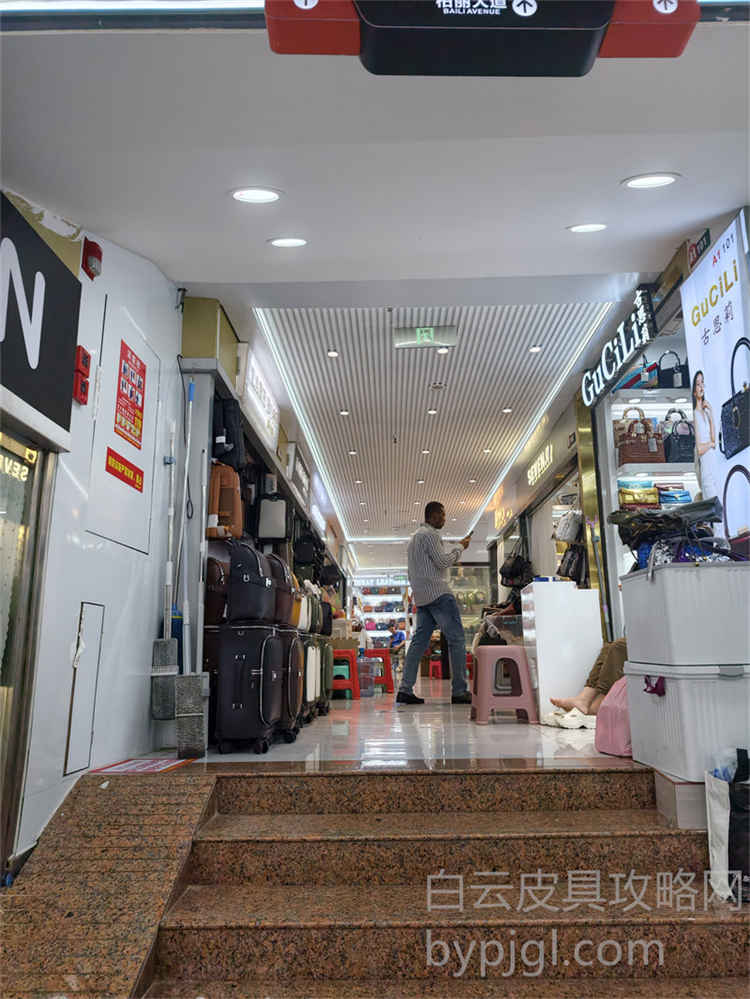
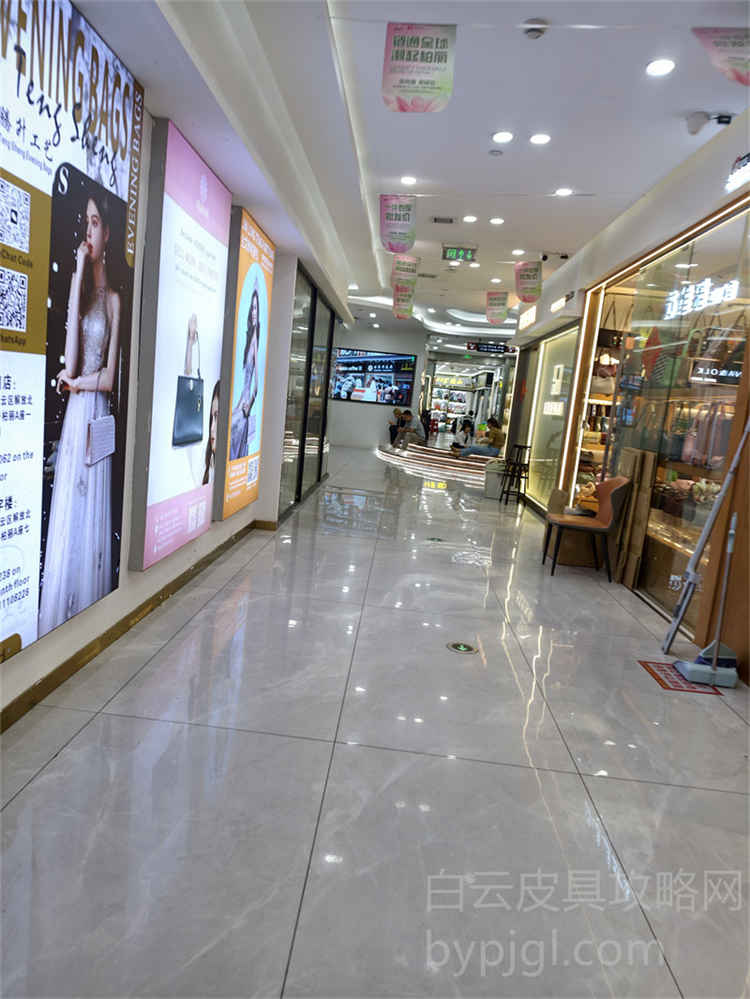
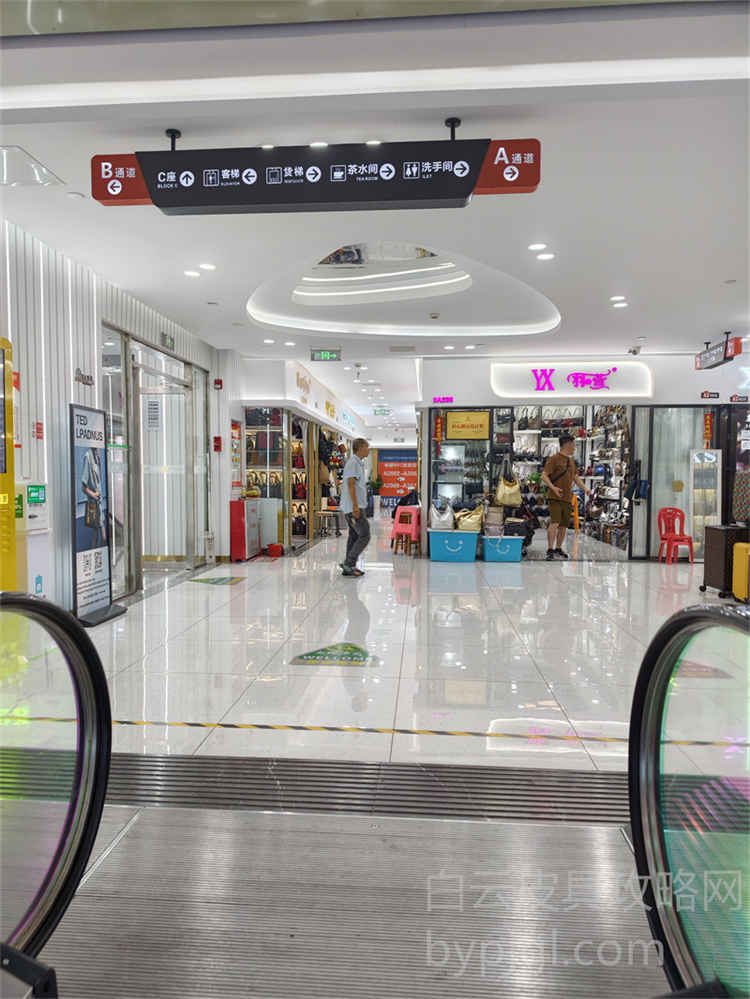
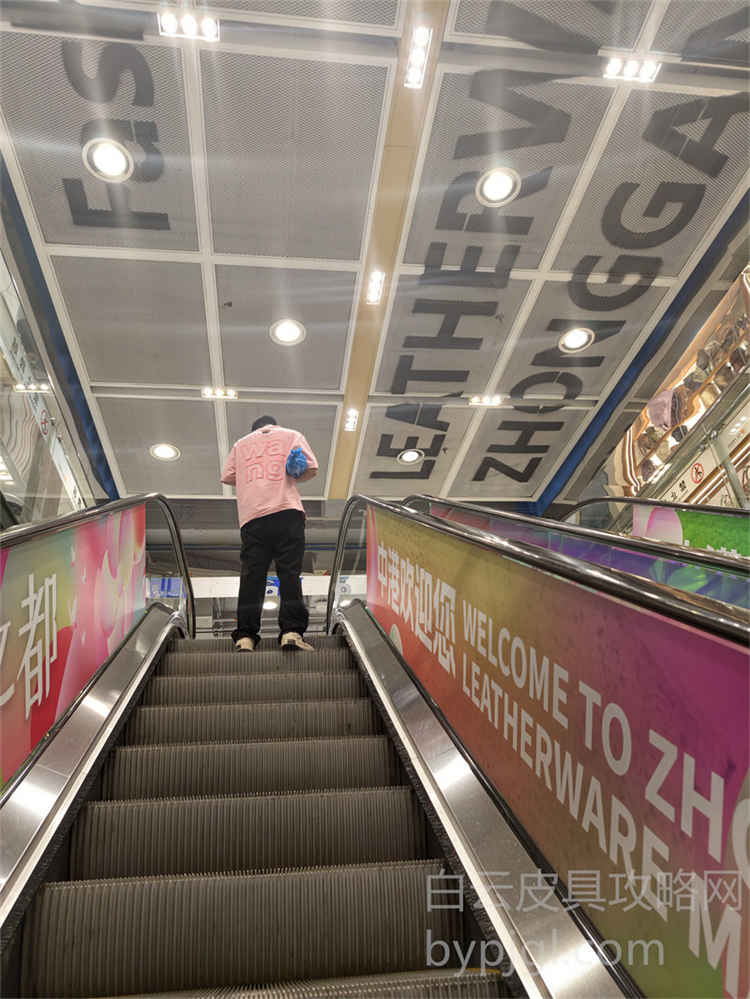
The truth is, Dongguan is famous for high-end manufacturing and OEM factories, but if you want the volume, the variety, and the speed of the wholesale market, you need to be in Guangzhou. Specifically, the Baiyun District. Most people think it's just one big building. It isn't. It is a sprawling network of markets where the supply chain actually lives. If you walk into a random shop without knowing which floor holds the heavy hitters, you will pay retail prices disguised as wholesale. I'm going to walk you through exactly how we operate here, from the moment you step off the plane to the moment your container leaves the port.
Navigating the Real Markets: Beyond the Brochure
The Myth of One Market vs. The Reality of Four Giants
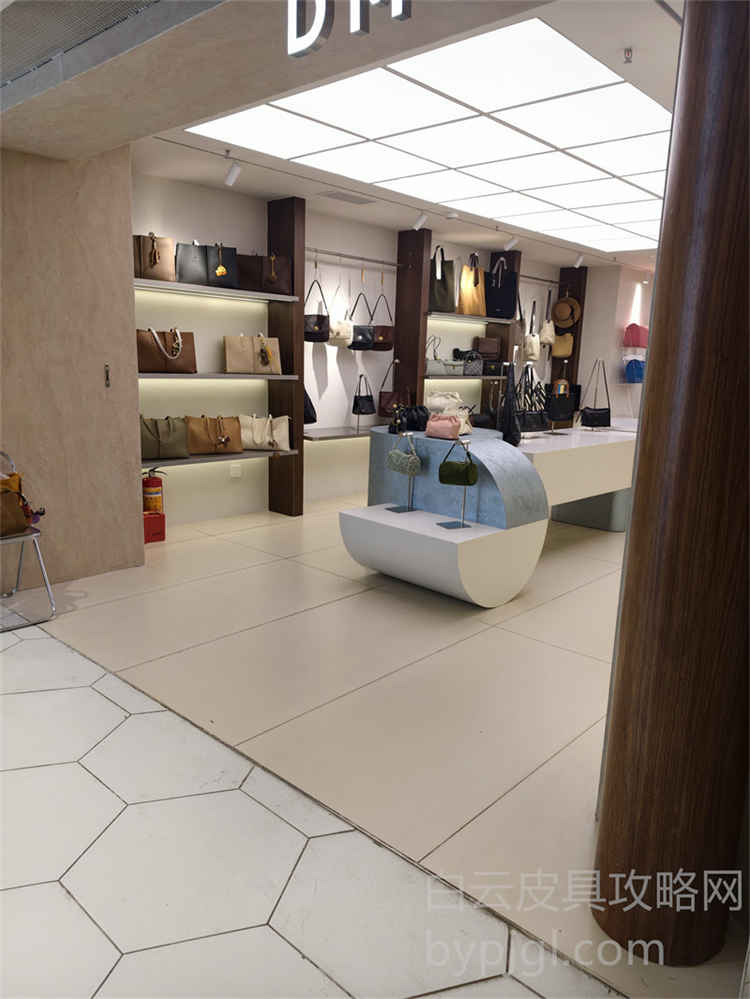
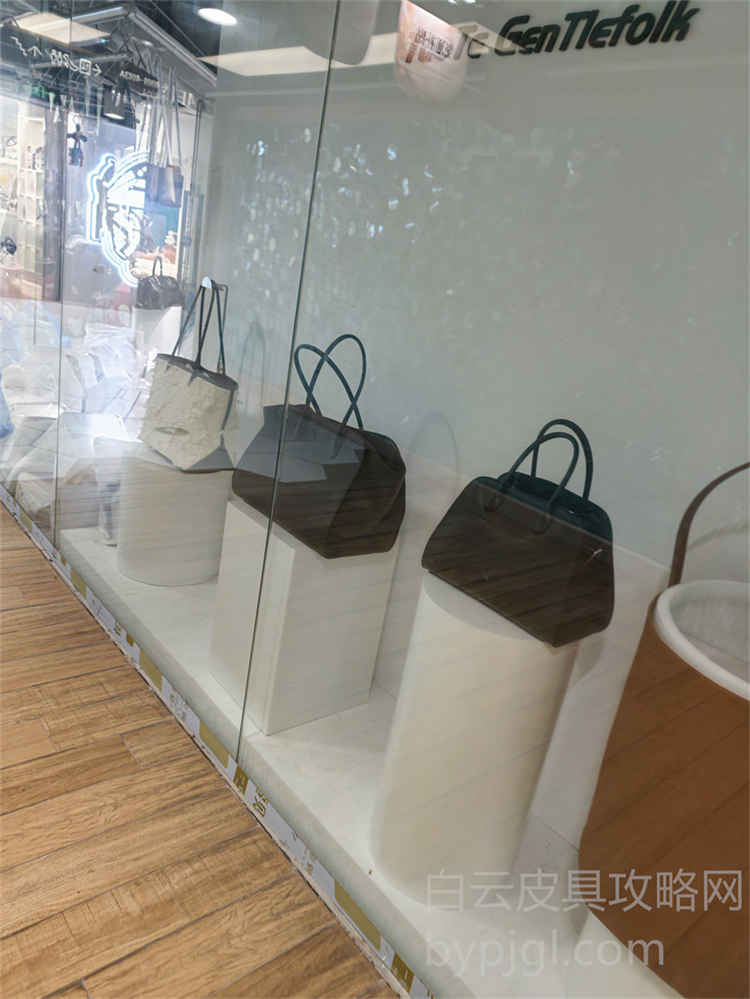
When I tell new clients to come to Guangzhou, I don't just say "Baiyun." I tell them to target specific zones because each market serves a different purpose. The most critical hub is the Baima Fashion Wholesale Market (White Horse). This is where the quality starts. If you are looking for bags that can compete with luxury brands in terms of leather grain and stitching, this is your first stop. However, do not expect to find $5 bags here. The minimum order quantities (MOQs) are higher, and the prices reflect the premium materials.
Then there is the Shiqiao International Trade City. This place is chaotic, loud, and absolutely packed with mid-range goods. If you are targeting the mass market in the US or Europe, this is where you find the best balance between price and durability. But here is the trick: the ground floor is mostly for tourists and small retailers. The real deals happen on floors 3 and 4, where the serious buyers negotiate. I have seen buyers waste three hours on the ground floor only to realize the actual stock is upstairs.
The Hidden Gem: Zhongda and the Dongguan Connection
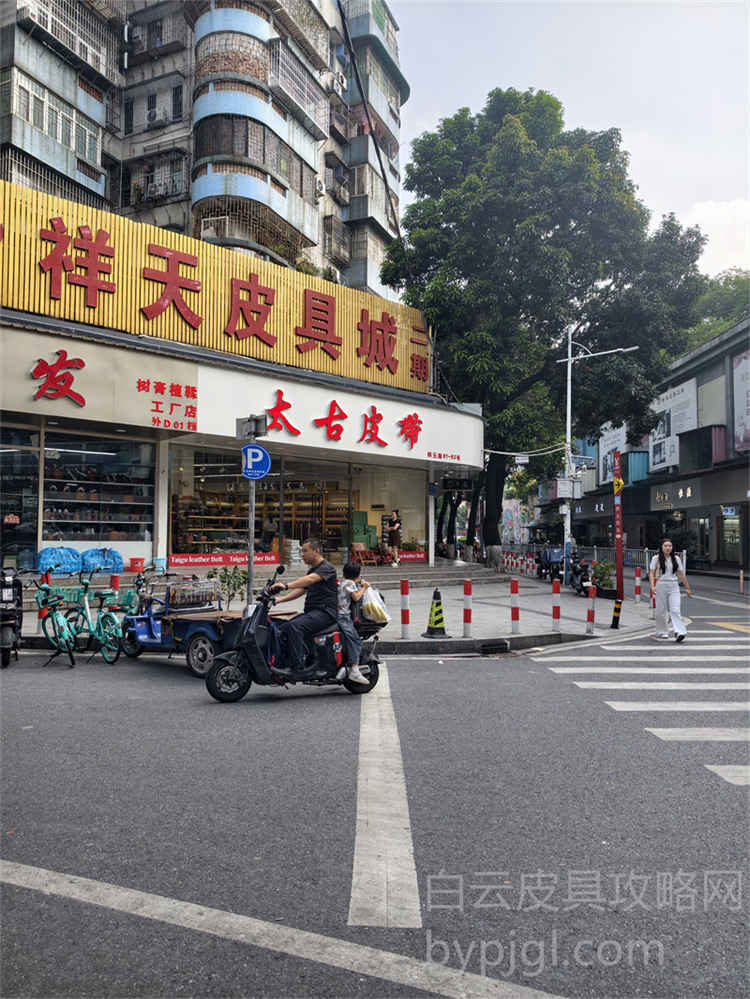
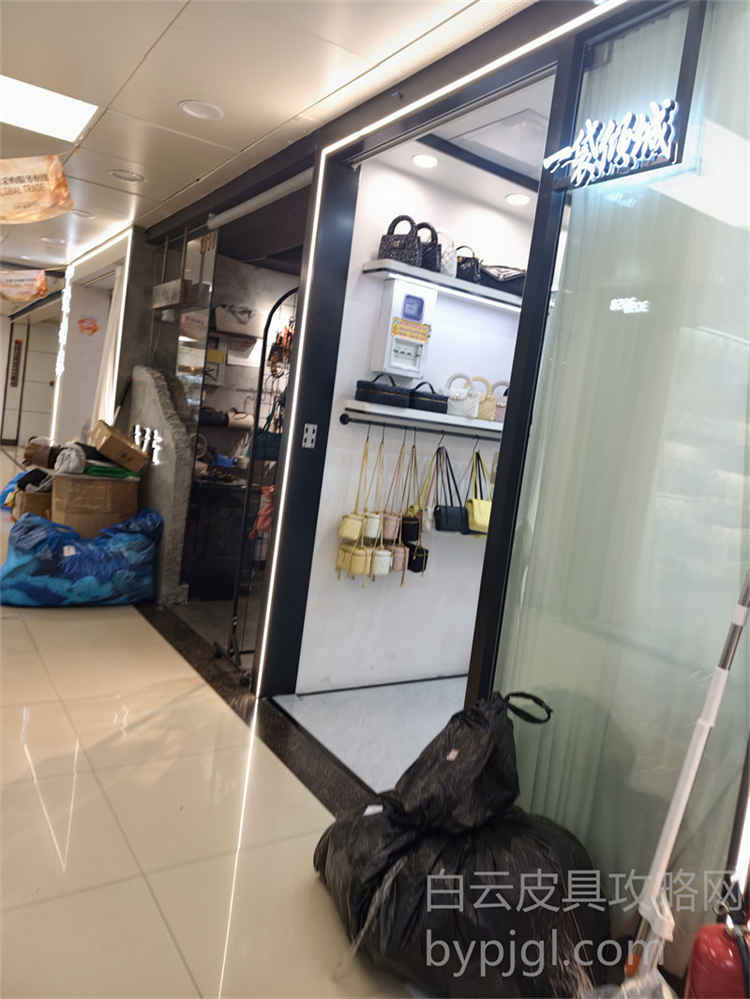
You mentioned Dongguan in your search, and that shows you know something others don't. Dongguan is the factory belt. Many of the stalls in Guangzhou's Baiyun markets are actually owned by factories located in Dongguan's Humen or Nancheng districts. They use Guangzhou as their showroom. When you see a stall at the Tianxiu World Leather Trading Center, the owner might not own the land; they might just rent the space to display products made in Dongguan. This is why you need to ask the direct question: "Is this your factory?" If they hesitate, they are likely a middleman. We prefer direct factory reps who can show you the production line photos or even arrange a video call to the workshop.
The Art of Sourcing: How to Spot Quality Before You Pay
Reading the Stitch Count and Hardware Weight
In my experience, the biggest mistake overseas buyers make is focusing solely on the design. In Guangzhou, the design is easy to copy; the execution is what kills or saves your business. When I inspect a bag with a client, I don't look at the zipper pull immediately. I look at the stitch density. A standard cheap bag has around 8-10 stitches per inch. A premium bag, the kind we export to high-end boutiques, has 12 to 14 stitches per inch with no loose threads. I once had a client reject a shipment of 500 bags because the hardware was too light. He thought it was a style choice. I told him, "No, it's cheap zinc alloy that will turn green in two months." We switched to solid brass plating, and the return rate dropped to zero. That single decision saved his reputation.
The "Sample First" Rule
Never, under any circumstances, place a bulk order based on a photo sent via WhatsApp. Photos can be edited, colors shifted, and textures exaggerated. My rule for every new partner is strict: pay for the sample. Yes, it costs more upfront, maybe $150 instead of $50, but it is insurance. When the sample arrives, check the lining material. Is it polyester or cotton blend? Does the handle feel soft or scratchy? I remember a case where a buyer ordered 2,000 tote bags. The sample looked perfect, but the bulk order used a thinner leather that cracked after a week of use. Because he paid for the sample, he caught the discrepancy during the pre-production meeting and stopped the order. That saved him $15,000.
Dealing with Suppliers: Negotiation and Logistics
Understanding MOQ and Tiered Pricing
Let's talk numbers. In the Baiyun markets, the pricing structure is rarely linear. For a standard tote bag, the price might be $12 for 50 units, $9 for 200 units, and $7.50 for 500 units. Some stalls claim "low MOQ," meaning they accept 10 pieces, but the price per unit remains high. If you are serious about building a brand, you need to aim for the 200-unit tier. I recommend starting with a mixed order—different styles, same quantity—to test the market. Don't commit to 1,000 units of one color unless you have sold out of the previous batch. Also, always ask about the "color tax." Some suppliers charge extra for custom dyeing, while others include it in the base price if you hit a certain volume.
The Logistics Trap: Shipping from Guangzhou
once you have your goods, the next nightmare is shipping. Many buyers assume they can just mail the boxes via DHL. For a few bags, sure. For a pallet? No. You need a freight forwarder who specializes in Guangzhou exports. I always recommend using a forwarder based in the Panyu district, near the port. They know the customs clearance process better than anyone else. There is a common pitfall: declaring the value too low to save on taxes. Do not do this. Chinese customs is cracking down on undervaluation, and your goods could get stuck at the port for weeks. Always declare the true commercial value. I have a contact list of reliable forwarders who handle everything from pickup at the Tianxiu market to door delivery in Los Angeles or London.
Summary of Key Market Locations and Strategies
| Market Name | Best For | Typical MOQ | Price Range (USD) | Key Tip |
|---|---|---|---|---|
| Baima Fashion Market | Premium Leather, High-End Design | 50+ per style | $25 - $60 | Focus on floors 2-4 for serious wholesalers. |
| Tianxiu World Leather | Mid-Range, Trendy Styles, OEM | 100+ per style | $15 - $35 | Ask for factory location; many are in Dongguan. |
| Shiqiao International | Mass Market, Budget Friendly | 200+ per style | $8 - $20 | Ignore ground floor; go straight to upper levels. |
| Dongguan Factories | Custom Manufacturing, Large Volume | 500+ per style | $5 - $15 | Visit the factory directly for best pricing. |
Final Thoughts: Building Trust in a Sea of Noise
The Guangzhou leather bag wholesale industry is massive, but it is also full of noise. If you rely solely on Google searches or third-party agents, you are playing a game where the odds are stacked against you. The real value lies in being on the ground, shaking hands, and seeing the product in person. Whether you are sourcing from the bustling streets of Baiyun or the industrial parks of Dongguan, the key is verification. Verify the leather, verify the stitching, verify the factory, and verify the logistics. I have seen too many businesses fail because they skipped these steps. Take your time, bring a local guide if you must, but never settle for less than what you deserve. The market is waiting, and the best deals are hidden in plain sight for those who know where to look.