Why Guangzhou is Still the Global Heart of Scarf and Bag Wholesale
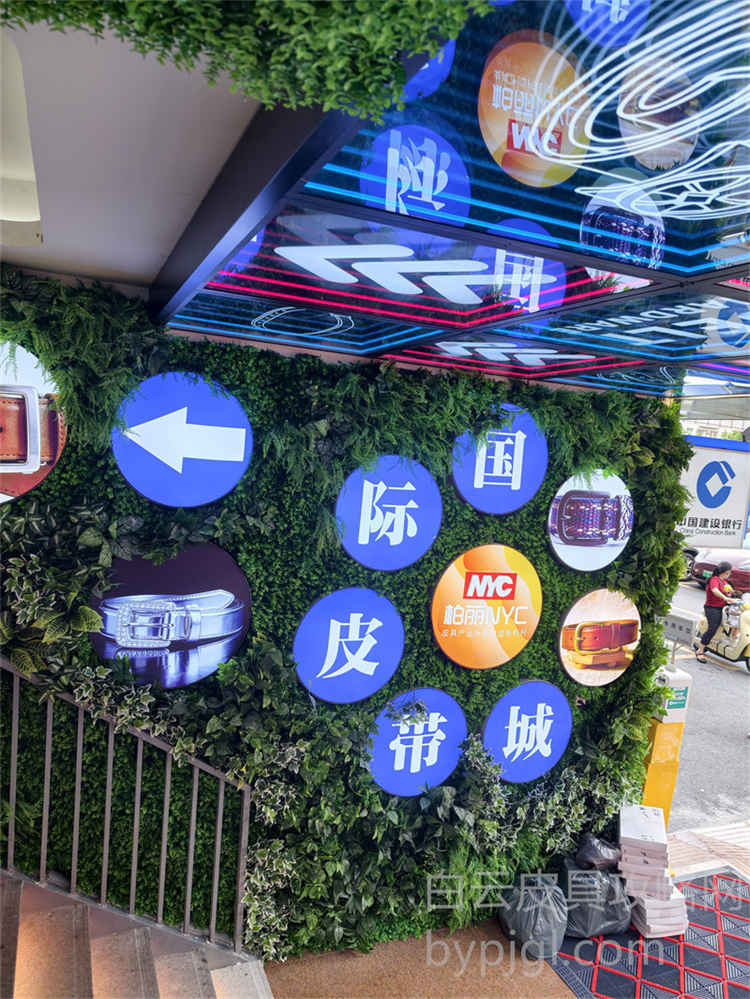
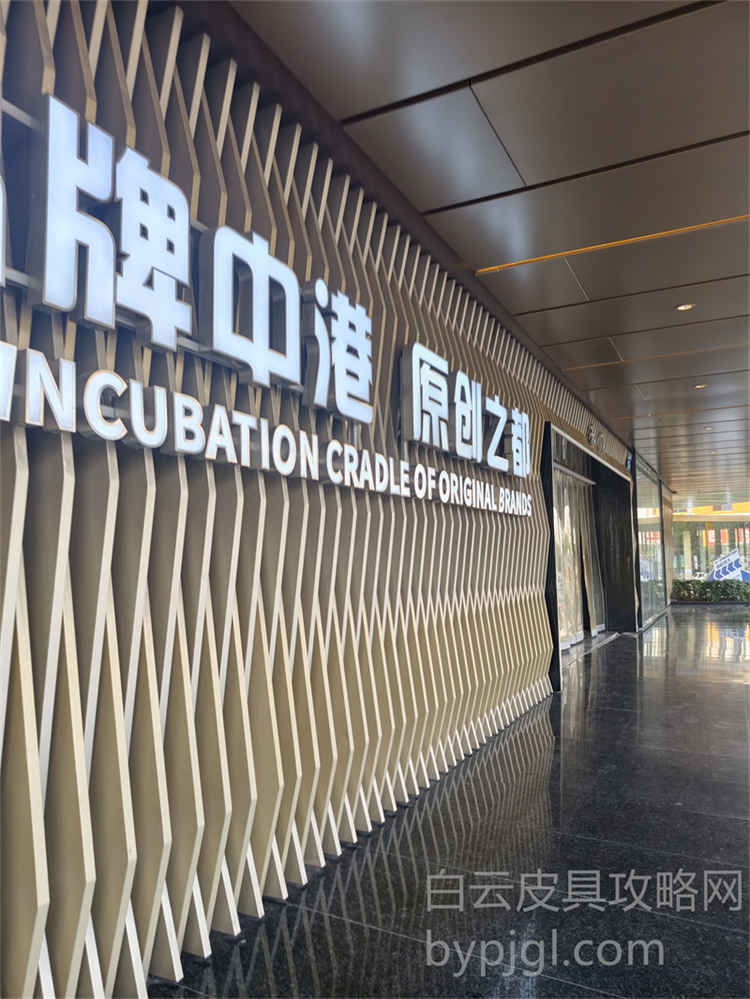
I've been standing behind my counter in the Baiyun Leather City for over fifteen years. While everyone talks about e-commerce and dropshipping, I still see thousands of foreign buyers walking through those heavy glass doors every single day. Let me tell you something straight: if you want real deals on scarves and bags, you cannot do this from a laptop in your bedroom. You have to be here, in the flesh, smelling the leather, feeling the stitching, and talking face-to-face with the factory owners.
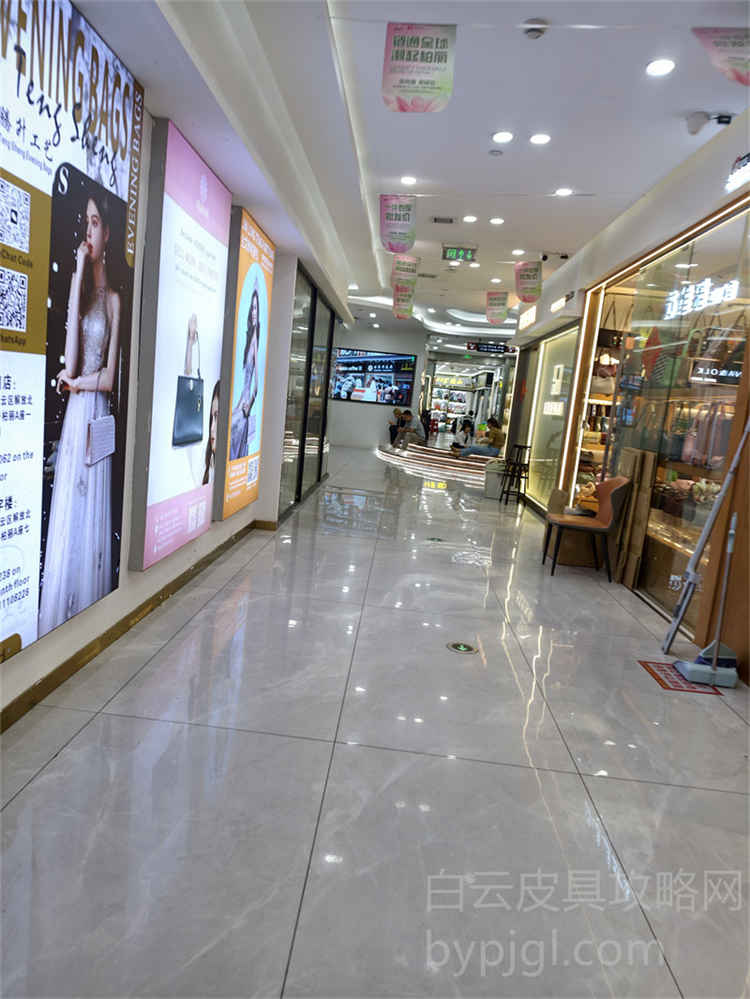
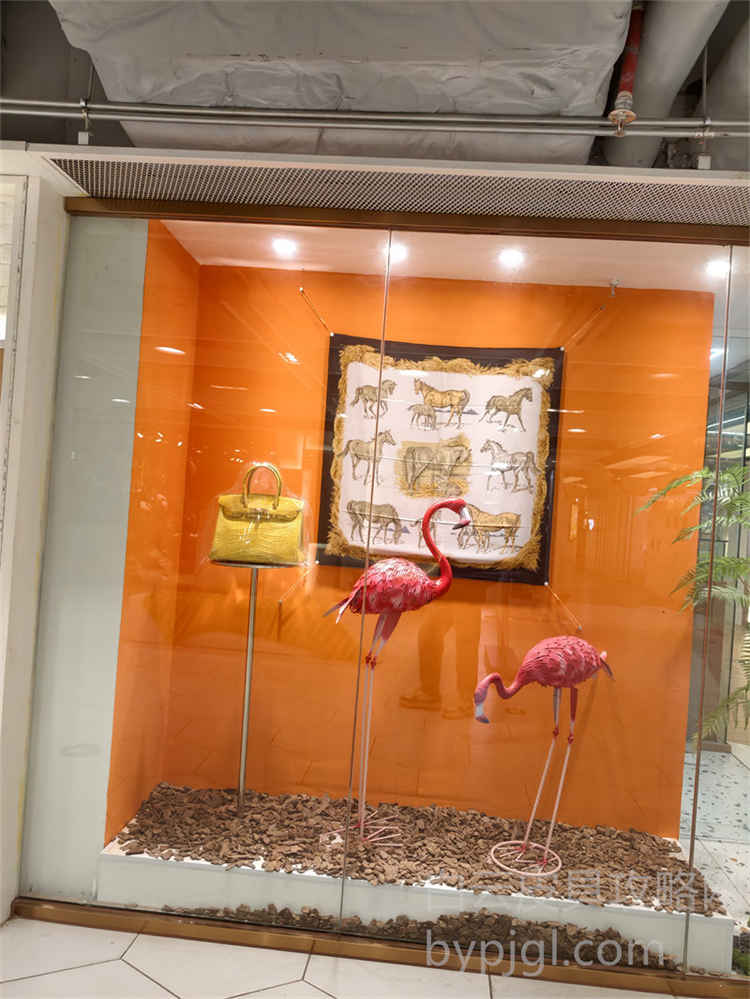
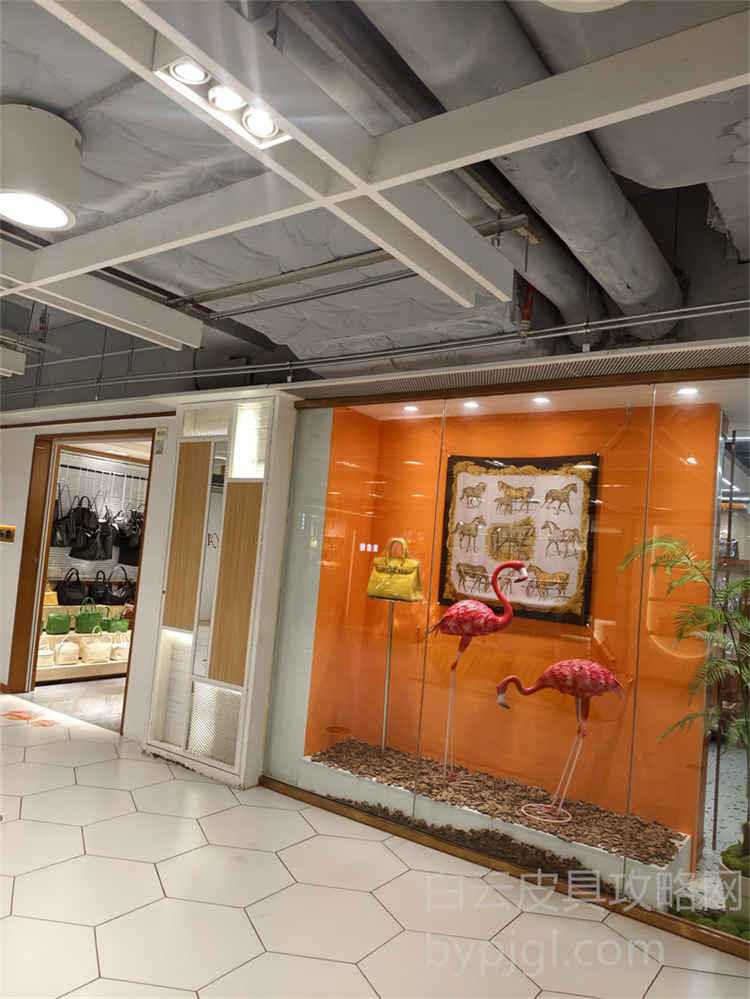
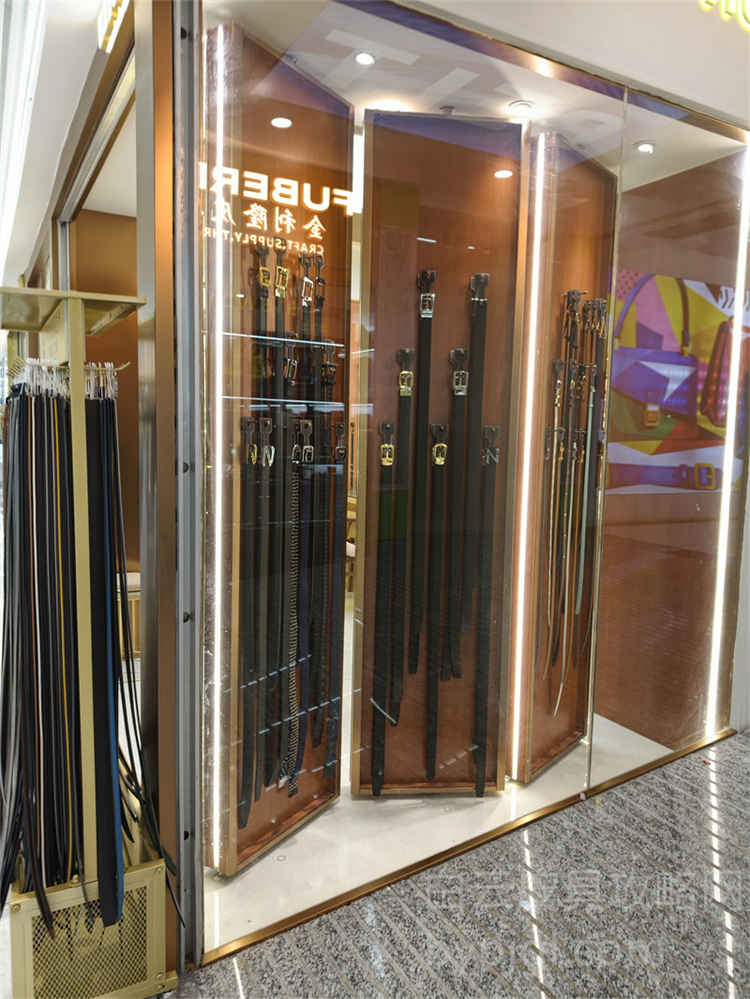
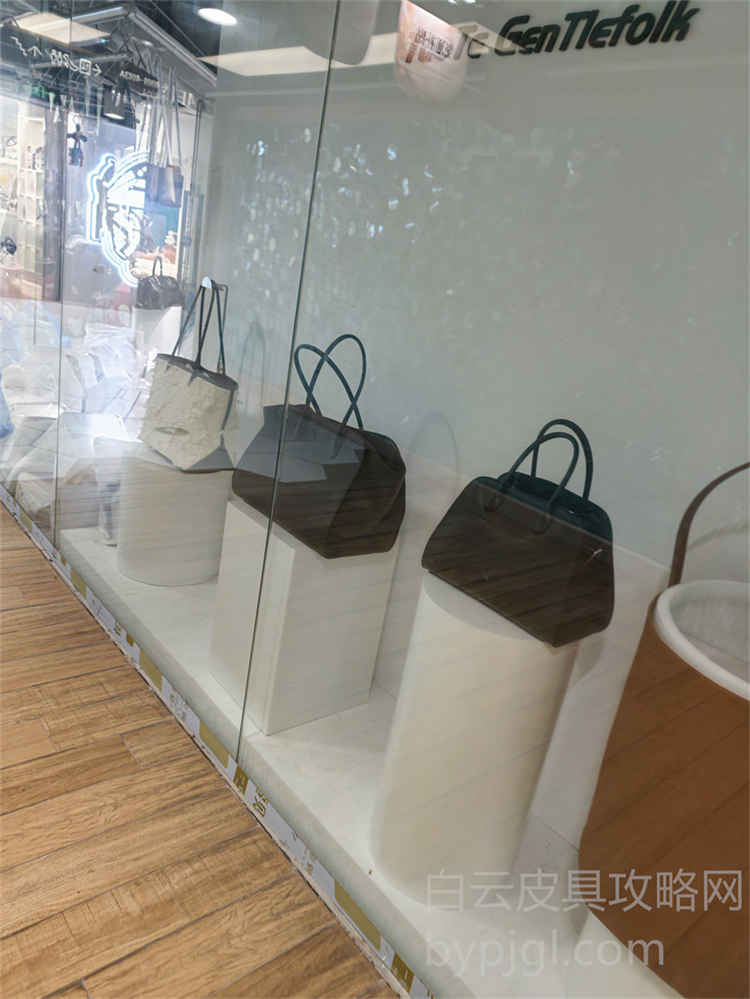
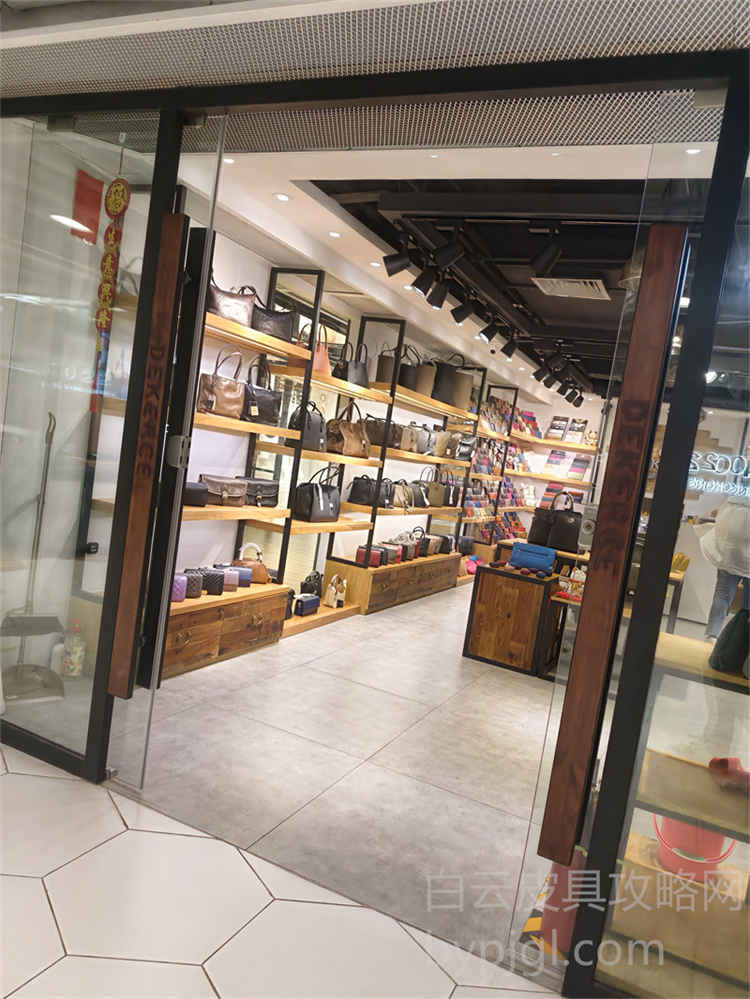
The market isn't just one building; it's a sprawling ecosystem. When people search for "Guangzhou wholesale scarves and bags," they often think of just one place. But the truth is, the best inventory is hidden across different zones. From the high-end replicas in the old buildings to the genuine leather exports in the newer towers, the variety is staggering. My advice? Don't rush. Spend at least three days just walking around without buying anything. Observe how the locals negotiate, what questions they ask, and which stalls are actually busy versus which ones are just showrooms.
Navigating the Real Market: Where to Find What You Need
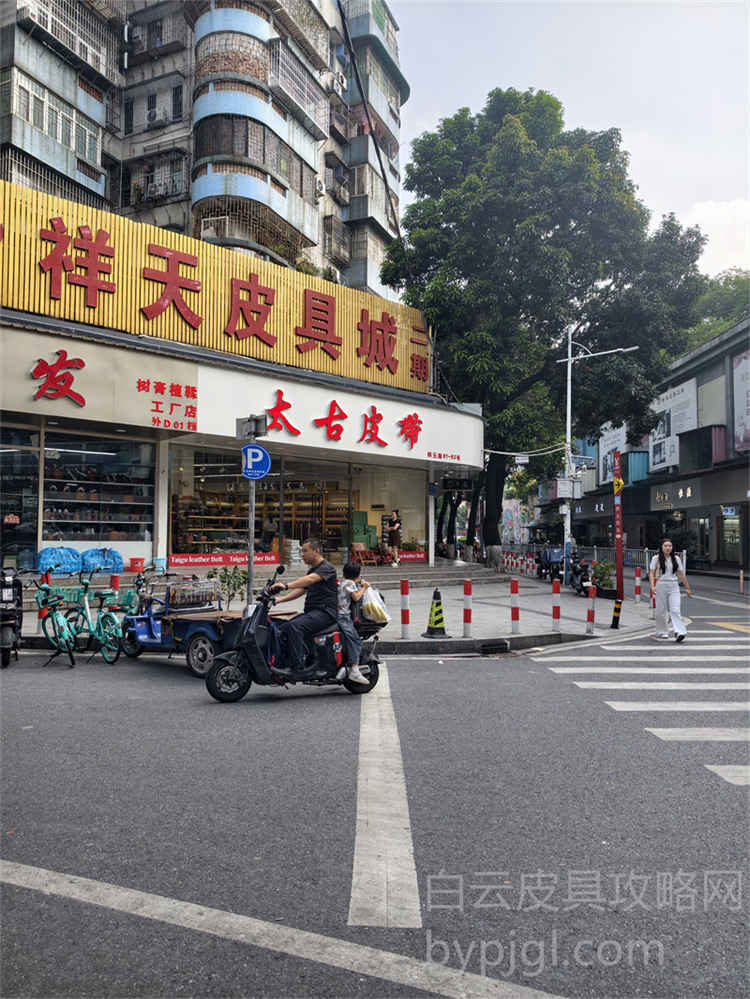
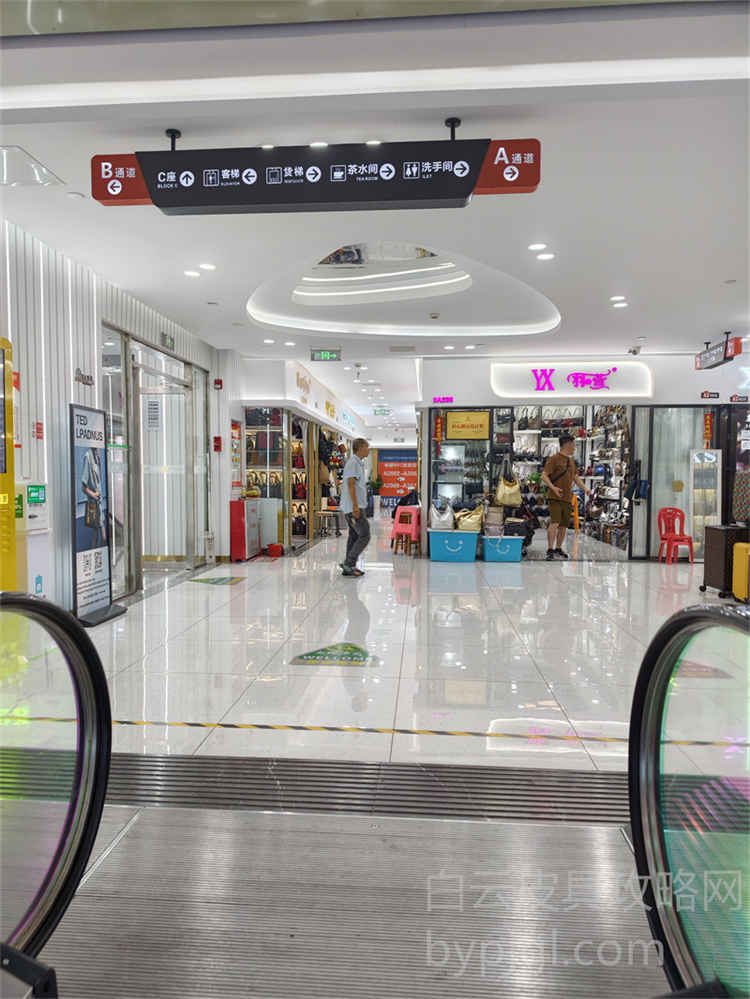
Most tourists get lost immediately because they don't know the layout. The Baiyun Leather World (Baiyun) is massive, but it has distinct personalities. If you are looking for luxury-style handbags, head straight to the main building near the metro station. That's where the big players are. However, if you want scarves, silk blends, or lighter accessories, you need to dig deeper into the side alleys and the older sections like the Zhongda Fabric Market nearby, which connects directly to the leather supply chain.
The Golden Zone: Baiyun Leather City Main Building
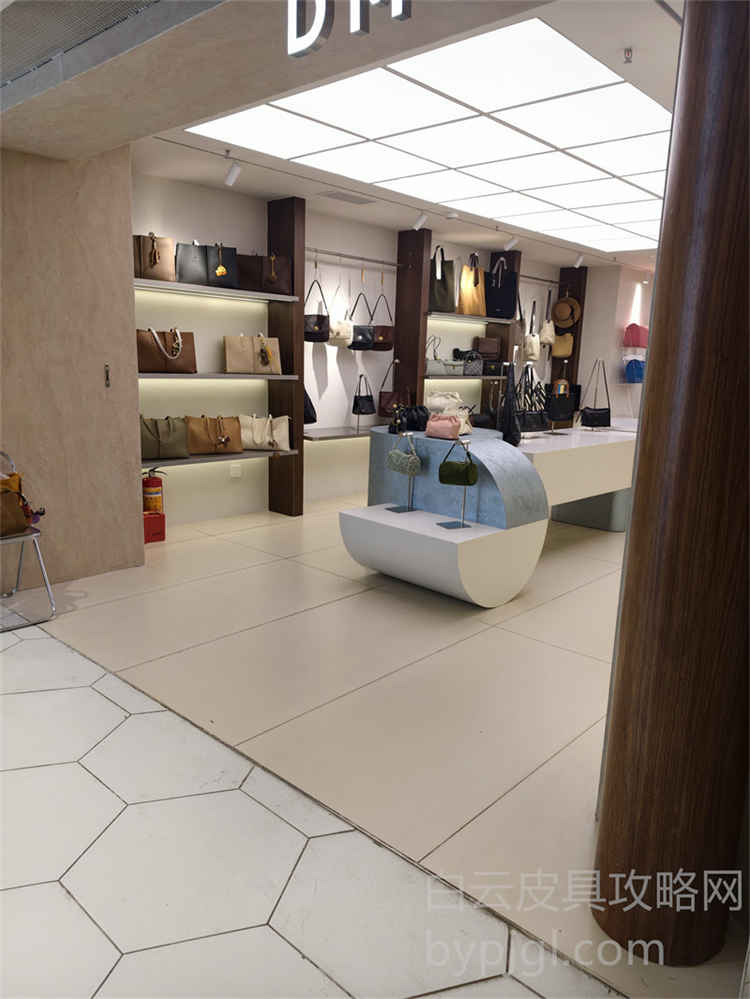
This is the heart of the operation. On floors 2 and 3, you will find the highest concentration of bag manufacturers. I recommend starting at Stall A205 in Building B. This is run by a family that has been making bags for twenty years. They specialize in mid-range PU and genuine leather. Their pricing is transparent, and they speak decent English. Another spot worth visiting is Stall C118 on Floor 4, known for their scarf collections. They source silk from Hangzhou but finish the embroidery right here in Guangzhou. The quality difference between these two stalls and the random street vendors is night and day.
The Hidden Gems: Shide Road and Surrounding Alleys
Don't ignore the smaller streets off the main road. Places like Shide Road host dozens of small workshops. Here, you can find unique designs that aren't mass-produced yet. I once found a supplier at Shop 12, Lane 5, Shide Road who makes custom woven scarves using recycled materials. They don't advertise online, so if you search "Guangzhou eco-friendly scarf factory," you won't find them easily. You have to walk there. These places offer better margins because the overhead costs are lower than the fancy malls.
Real data: How to Negotiate Like a Pro
Many buyers come here thinking they can just point at a bag and say "I want 100 pieces." That is a rookie mistake. In Guangzhou, price is never fixed until you prove you understand the product. Let me share some real numbers from my own experience last month. A buyer from Europe wanted to buy a specific tote bag. The initial quote was $18 per unit for 50 pieces. He walked away after arguing for $12. I stepped in and showed him the cost breakdown: raw material is $6, labor is $4, hardware is $3, and packaging is $2. That leaves only $3 profit. If he bought 500 pieces, the price drops to $14 because the machine setup time gets amortized.
The Power of Volume and Mix
Here is a trick most foreigners miss: mixing styles. If you go to a stall like Stall D302 and ask for 100 units of one design, they might say no or give you a high price. But if you say, "I want 50 of Design A, 30 of Design B, and 20 of Design C," suddenly the owner gets excited. Why? Because it clears their inventory faster. I always tell my clients to aim for a minimum order value of $2,000 rather than a specific quantity. This gives you flexibility. For scarves, the MOQ (Minimum Order Quantity) is usually much lower, often just 20 pieces per style, but for bags, expect 50 to 100 pieces per SKU.
Payment Terms and Trust
Never pay 100% upfront unless you have a long-term relationship. The standard practice here is 30% deposit and 70% before shipping. Some reputable factories like Golden Dragon Leather Co. at Stall F101 even accept Alipay or WeChat Pay for international clients now, which adds a layer of security. Avoid cash transactions unless you are picking up goods immediately. Always get a receipt that lists the item code, color, size, and agreed price. This prevents the "switch" scam where they send you a cheaper version later.
Quality Control: The Art of Inspection
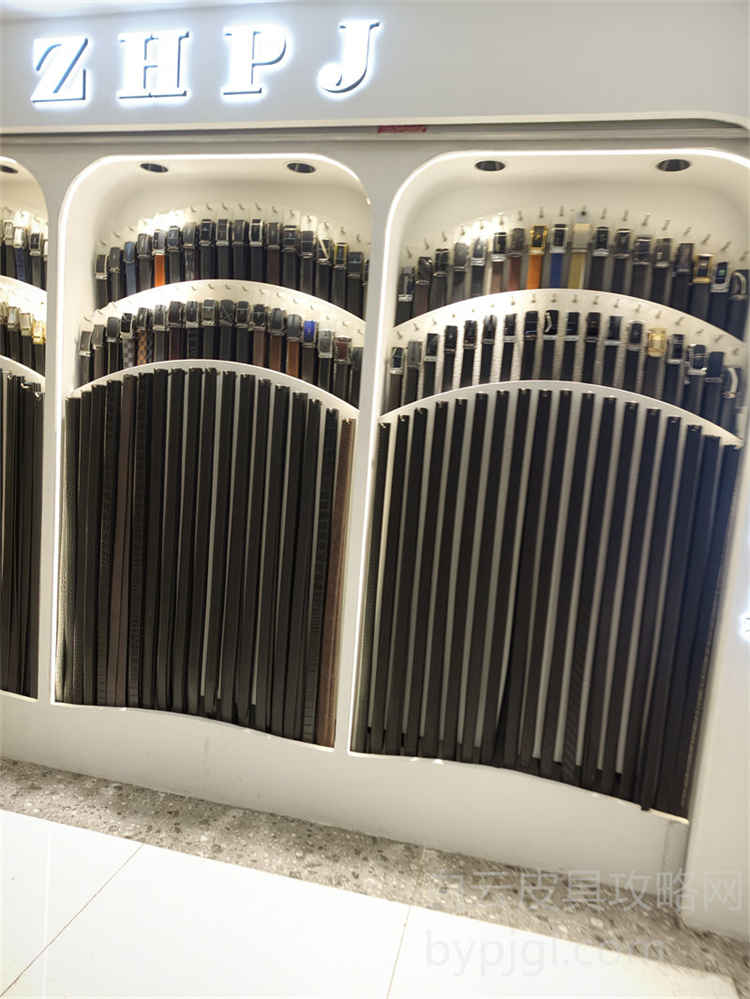
This is where I see the most money wasted. Buyers fall in love with the sample, then receive a box full of junk. When you are at the stall, do not just look at the front. Open the zipper ten times. Pull the handle hard. Check the lining for loose threads. At Stall E220, I once caught a supplier trying to pass off second-grade leather as first-grade. The grain pattern was inconsistent, and the smell was chemical-heavy. I walked out immediately. Good leather smells earthy, not like plastic.
Scarves: Material Matters
For scarves, the weight and weave are critical. Ask for the GSM (grams per square meter). A cheap polyester scarf feels slippery and static-prone. A good blend should feel substantial. When inspecting, hold the fabric up to the light. If you see holes or uneven dyeing, reject it. Also, check the hemming. Hand-stitched edges are rare in mass production, but machine stitching should be tight and uniform. At Stall G405, they offer a "pre-shipment inspection" service for an extra fee, which is worth every penny if you are ordering large quantities.
Logistics and Shipping: Getting Your Goods Home
once you have paid and inspected, the next challenge is getting the goods out of China. Most stalls in Baiyun Leather City work with established freight forwarders. Do not let the shopkeeper arrange shipping unless you trust them completely. Instead, hire your own agent. They can consolidate your orders from multiple stalls into one container, saving you huge amounts on shipping costs. For example, if you buy bags from Stall A205 and scarves from Stall C118, your agent can pick them up from both locations and ship them together.
Customs and documentation
Make sure your invoice matches the actual value. Under-invoicing is common here to save on taxes, but it can lead to customs seizures in your country. Be honest. Also, ensure you have the correct HS codes for your products. Bags and scarves have different classifications. If you are unsure, ask your freight forwarder. They know the latest regulations. Remember, shipping from Guangzhou to major ports like Los Angeles or Rotterdam takes about 25-35 days by sea, or 5-7 days by air. Plan your inventory accordingly so you don't run out of stock during peak seasons.
Summary of Key Contacts and Tips
To wrap this up, here is a quick reference guide based on my years of experience. Use this table to plan your trip efficiently.
| Location / Stall Name | Specialty | Recommended For | MOQ Estimate |
|---|---|---|---|
| Baiyun Leather City, Stall A205 | Mid-range PU & Genuine Leather Bags | Established Retailers | 50 pcs/style |
| Baiyun Leather City, Stall C118 | Silk & Woven Scarves | Fashion Boutiques | 20 pcs/style |
| Shide Road, Shop 12, Lane 5 | Custom Eco-Friendly Accessories | Niche Brands | 100 pcs total |
| Baiyun Leather City, Stall F101 | High-End Luxury Style Bags | Premium importers | 100 pcs/style |
| Baiyun Leather City, Stall E220 | Second-Grade Clearance & Samples | Discount Stores | Flexible |
Going to Guangzhou is not just about buying; it's about building relationships. The market changes fast, new trends emerge weekly, and the best deals are reserved for those who show up consistently. Don't be afraid to ask questions, don't be shy to walk away if the deal isn't right, and always prioritize quality over the lowest price. If you follow these steps, you will leave Guangzhou with a warehouse full of profitable inventory and a network of suppliers who respect you. Safe travels and happy sourcing!