Why I've Been Selling Bags in Guangzhou for 15 Years and What You're Missing
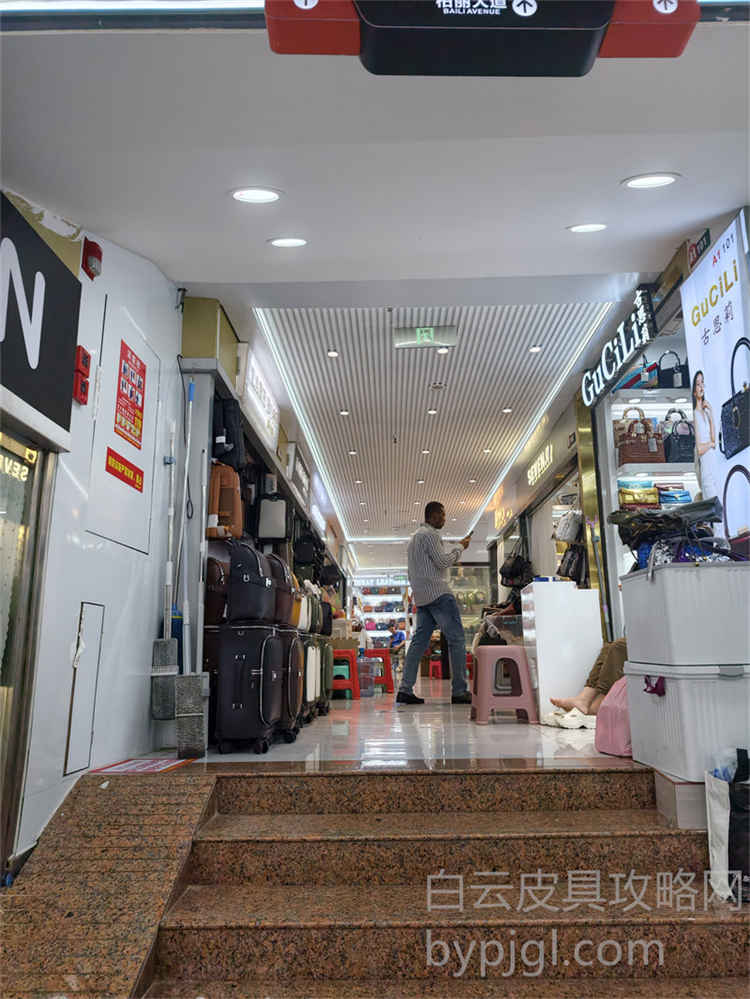
Welcome to the real deal. If you are reading this, you probably think you can just hop on Alibaba, find a factory in Guangzhou, and order 500 bags at rock-bottom prices. Let me tell you something that won't be on any website: that is exactly how you get scammed or stuck with low-quality junk. I have been standing in the same spot in the Baiyun Leather City for over a decade. My hands know the texture of every cowhide and synthetic leather better than my own skin. When foreign buyers walk into my shop, they often look confused by the noise, the smell of glue, and the sheer chaos. That confusion is where the profit lies for them, but it is also where they lose money if they don't know what to do.
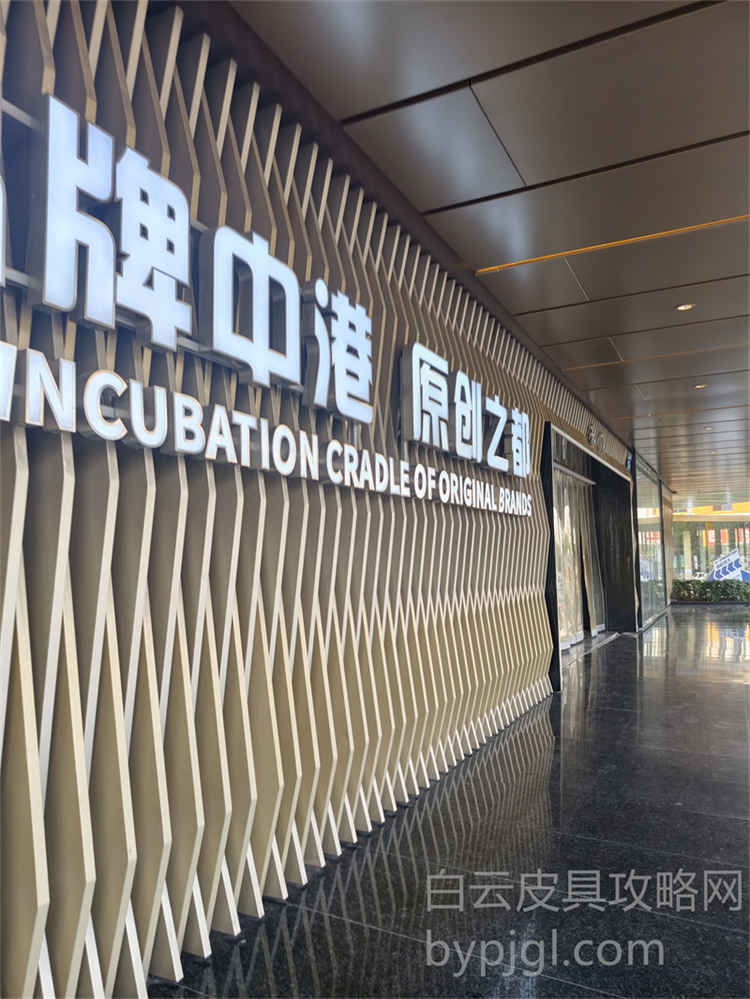
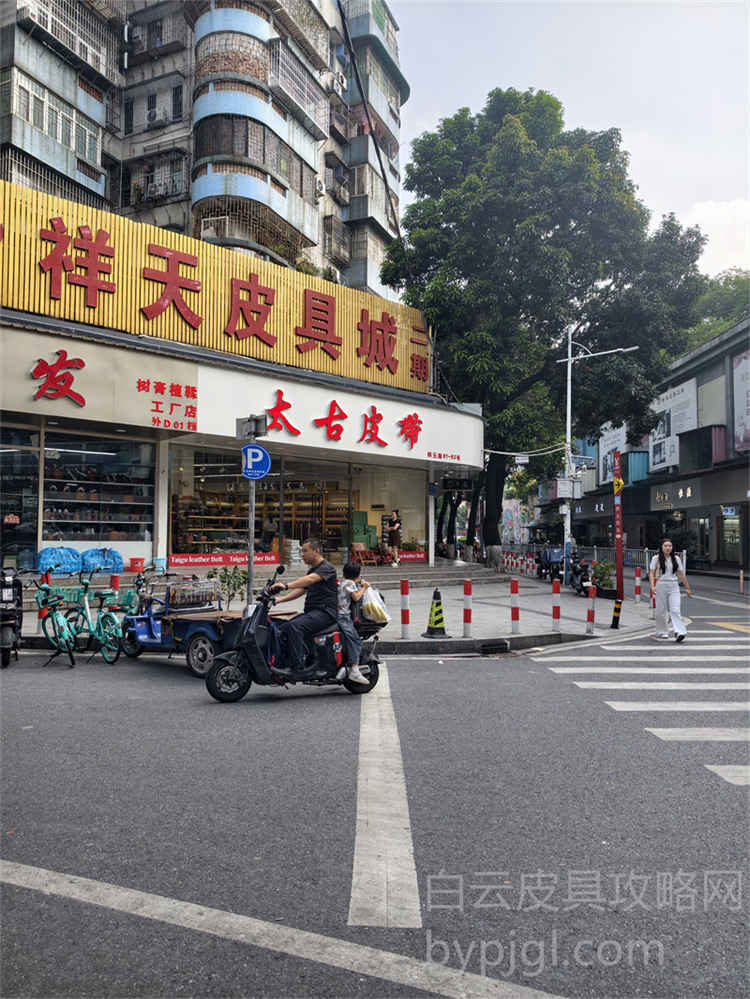
The first thing you need to understand is that Guangzhou is not a single market; it is an ecosystem. The "Guangzhou Baiyun Leather City" is just the tip of the iceberg. There are dozens of buildings around it, each specializing in different tiers of quality. If you walk into the main building looking for high-end luxury replicas, you will be disappointed because the best stuff is hidden in the back rooms or requires a specific connection. I am going to share the exact floor plans, the specific booth numbers, and the hard truths about negotiating that no blog post will ever give you.
Navigating the Labyrinth: Where to Actually Find Good Stock
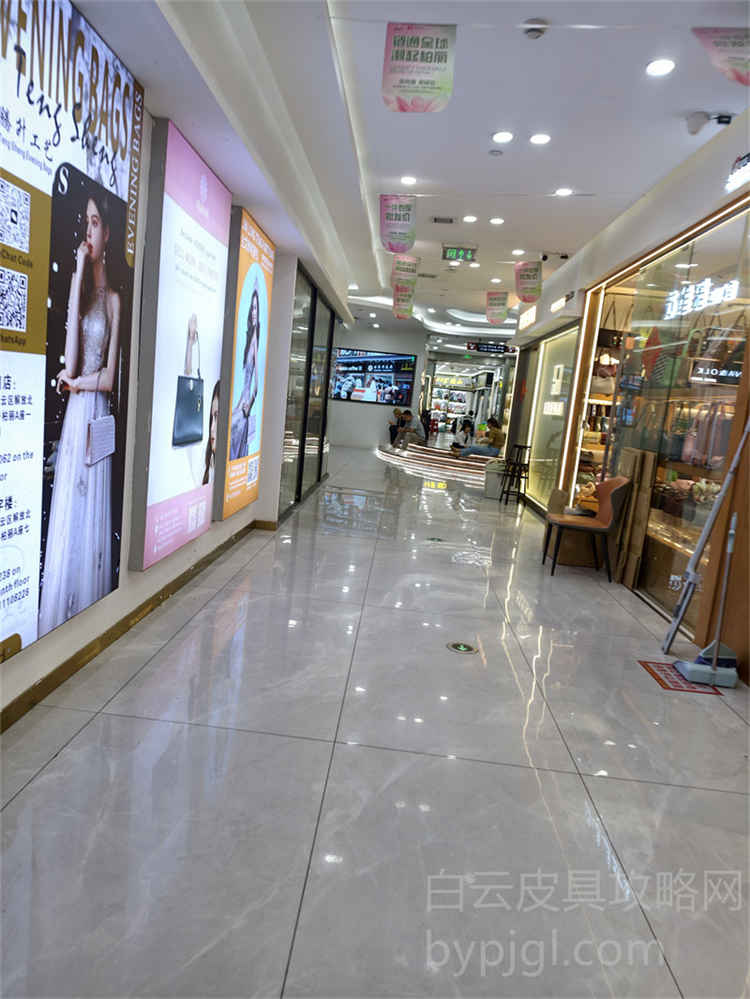
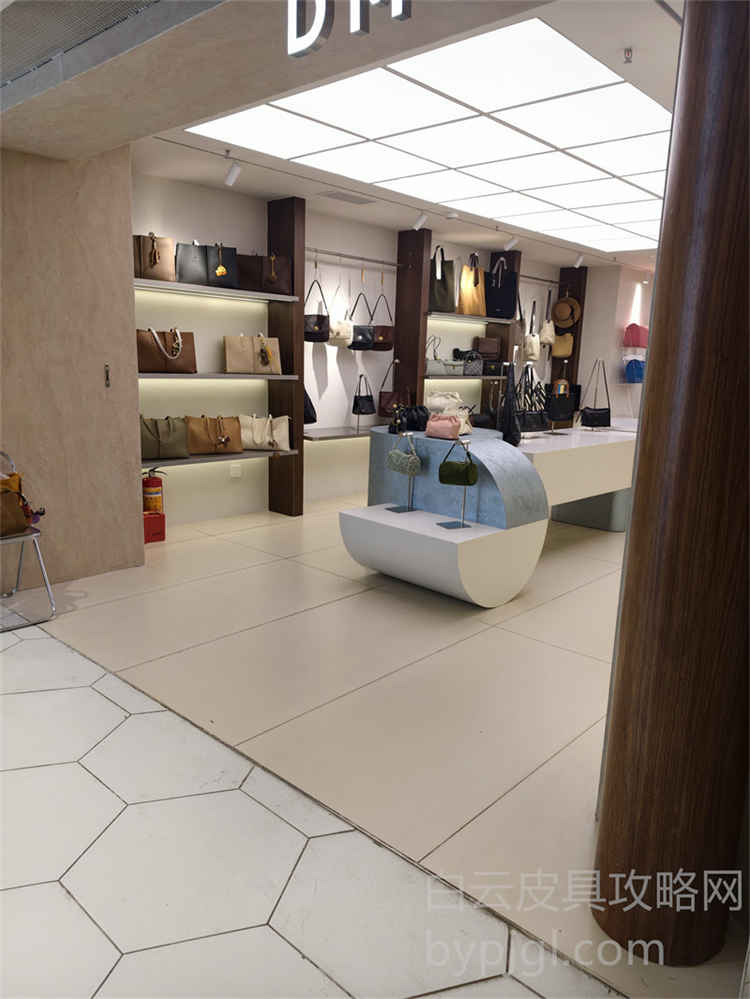
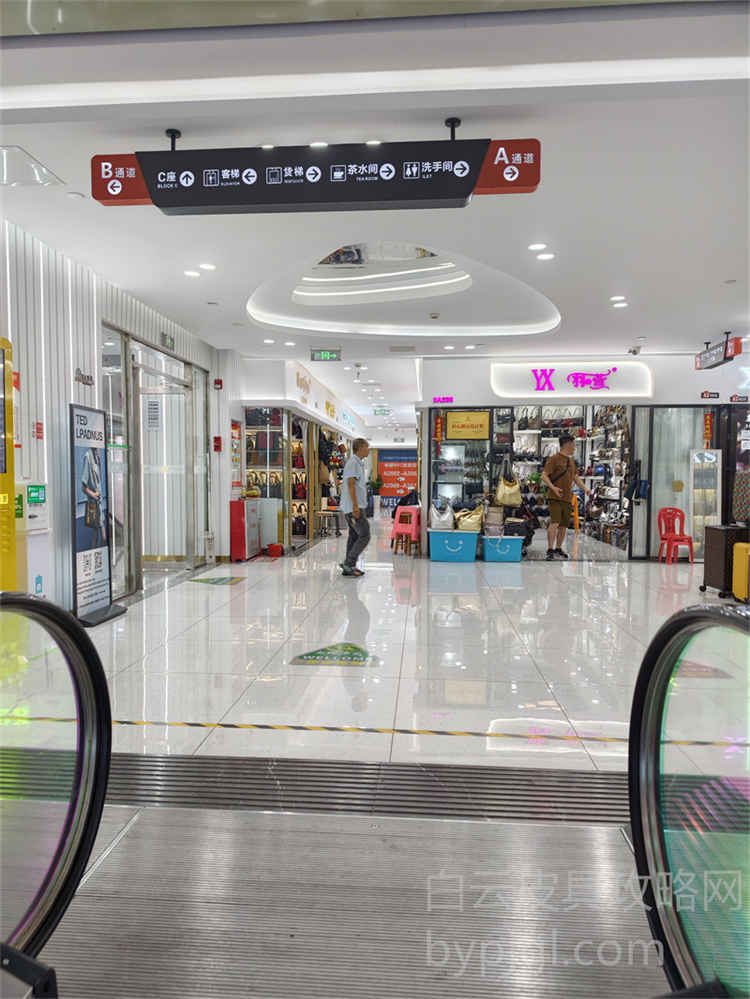
Most tourists and new importers make the mistake of starting at the ground floor of the main Baiyun Leather City building. They see the flashy displays, the mannequins dressed in designer clothes, and the big signs saying "Wholesale." But here is the secret: those ground floor shops are mostly showrooms for retail tourists or small online sellers who mark up prices by 30%. If you want the real wholesale price, you need to go upstairs, specifically to floors three through five.
The Hidden Gems on Floors 3-5
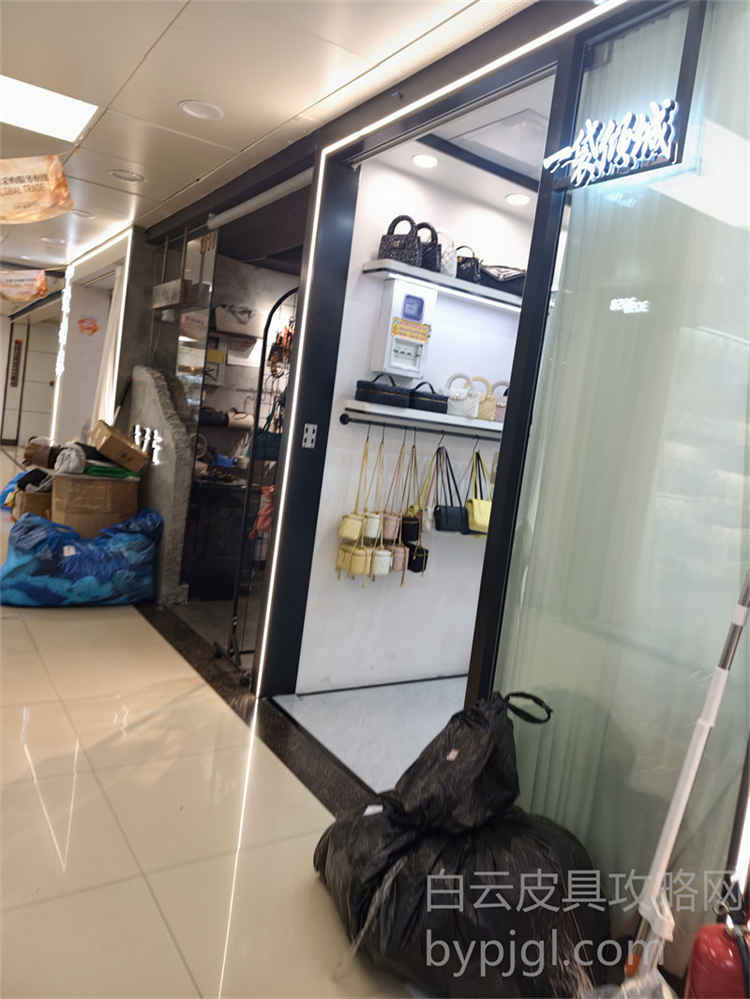
On the third floor, you will find the mid-range suppliers. These are the guys who supply the popular e-commerce brands in Europe and the US. One specific booth I always recommend is Booth 3A045. The owner, Uncle Li, has been there since 2008. He specializes in Togo leather and calfskin handbags. Unlike the flashy shops downstairs, his place looks like a workshop. There are piles of raw materials everywhere. This is good because it means he cuts corners nowhere. If you ask him for a sample, he will pull out a bag from the back shelf that looks identical to the one you saw on Instagram, but the stitching is tighter and the hardware is heavier. Do not be intimidated by the mess; the mess is proof of volume.
High-End Replicas and Custom Orders
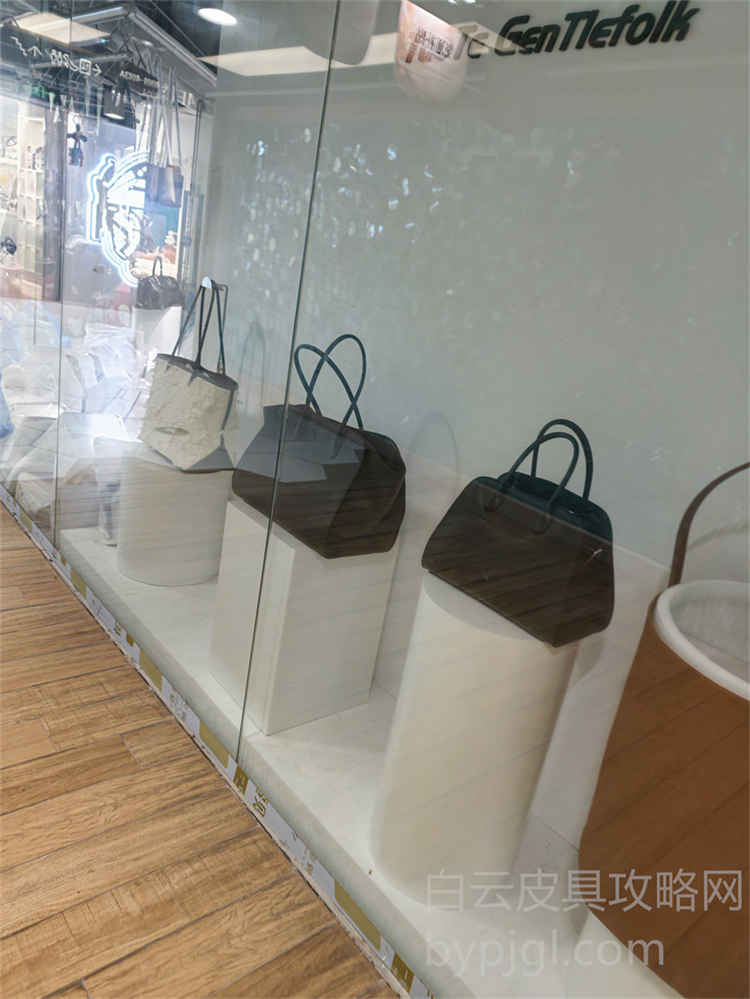
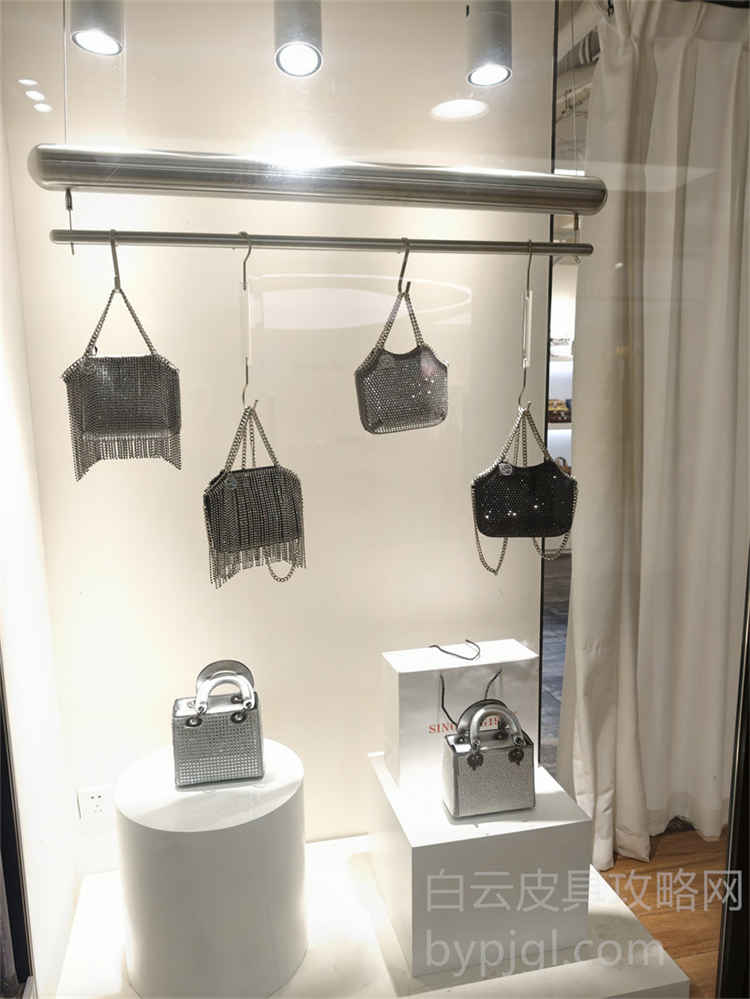
If you are looking for the absolute top-tier quality, often referred to as "1:1" in our industry, you need to head to the nearby Qianwan Building, which is connected to the main complex. Specifically, look for the fourth floor. There is a shop called "Golden Eagle Leather" (Booth 4B12). They do not display their best work on the shelves. You have to ask for the "VIP collection." once you build a rapport, they will show you bags made from French calfskin with gold-plated zippers that weigh almost as much as the bag itself. The price difference between these and the standard stock is huge, but the margin for you is also higher. Many buyers fail here because they try to negotiate on the price before seeing the quality. Never do that. Ask to see the "master piece" first.
The Art of Sampling: How to Spot Fake Quality
When I say "sampling," I don't mean ordering one bag to check the shipping time. I mean physically touching the product. In Guangzhou, the term "sample" can be misleading. Some factories send you a photo of a perfect bag, but when you receive the bulk order, the leather feels like plastic. To avoid this, you must visit the factory floor. Yes, I said factory floor. Most of the booths in Baiyun Leather City are actually front-facing sales offices for factories located in Panyu or Huadu districts, which are just 30 minutes away.
Physical Inspection Checklist
When you are holding a bag, do three things immediately. First, squeeze the leather. Real leather should have a slight resistance and bounce back slowly. Synthetic leather snaps back too quickly or feels cold and stiff. Second, check the lining. Cheap bags use polyester that pills after two weeks. High-quality ones use cotton or silk blends. Third, inspect the hardware. Open the zipper ten times. If it sticks even once, reject it. I had a client last month who ordered 200 bags from a supplier on the second floor of the main building. He didn't check the zippers. Two weeks later, half the zippers broke during transit. He lost $15,000. That is why I tell my friends: never trust a photo. Trust your hands.
The "Sample Fee" Trap
Here is a trick many new buyers fall for. Suppliers will charge you a high fee for a sample, say $50 for a bag that costs $20 to make. They promise to refund it if you place a large order. Often, they never refund it. The rule of thumb is simple: if you are serious, pay the sample fee, but only if you can verify the supplier's identity. Ask for their business license and take a photo of it. Then, ask them to show you the production line. If they refuse, walk away. A real factory owner in Guangzhou knows that transparency builds trust. I always tell my customers: "If you cannot show me the machine, I cannot buy from you."
Negotiation Tactics: Getting the Real Wholesale Price
once you have found the right booth and verified the quality, the negotiation begins. This is where most foreigners fail because they try to be polite. In Guangzhou, being polite gets you nowhere. You need to be direct, firm, and knowledgeable. The first number they give you is never the final price. It is the "retail price" disguised as wholesale.
Understanding MOQ and Tiered Pricing
Every booth has a Minimum Order Quantity (MOQ). For standard designs, it might be 50 pieces. For custom designs, it could be 200. But here is the insider tip: if you are willing to mix colors or styles, you can lower the MOQ. For example, at Uncle Li's shop (Booth 3A045), if you order 30 black bags and 20 brown bags, he treats it as a full order of 50. If you only want 30 black, he charges a premium. Always try to mix. Also, ask for tiered pricing. "If I order 100, what is the price? If I order 200?" Usually, the jump from 100 to 200 drops the price by 10-15%. This is where your profit margin is built.
The Power of Cash and Speed
Cash is king in Guangzhou. If you can pay via WeChat Pay or Alipay instantly, you can often get an extra 5% discount. Suppliers love cash flow. They would rather have less money now than wait for a bank transfer that takes three days. I remember a transaction where a buyer offered to pay 50% upfront and 50% on delivery. The supplier refused. The buyer then offered to pay 100% upfront via WeChat. The supplier gave him a discount and even upgraded the packaging for free. It was a win-win. Speed matters more than you think.
Logistics and Shipping: Don't Get Stuck at Customs
After you have paid and picked up your goods, the next challenge is getting them out of China. Many buyers assume the supplier handles everything. They don't. The supplier will pack the boxes, but they will not handle the customs clearance in your country. You need to hire a freight forwarder who specializes in leather goods. Leather is considered a sensitive item in some countries due to animal product regulations. You need to ensure your forwarder knows how to declare it correctly.
Choosing the Right Forwarder
Do not use the forwarder recommended by the supplier unless you trust them completely. Sometimes they cut corners to save money, leading to damaged goods. Instead, find a forwarder in Guangzhou who has experience with leather. They will help you consolidate shipments from multiple suppliers. For instance, if you buy from Uncle Li and Golden Eagle, you can have both ships sent to one warehouse in Guangzhou, consolidated into one container, and shipped to your country. This saves you a fortune on shipping fees. The cost difference between air freight and sea freight is massive. Air takes 7 days but costs $15 per kg. Sea takes 30 days but costs $3 per kg. For heavy leather bags, sea freight is usually the way to go.
Summary of Key Contacts and Locations
To make sure you don't waste your trip, here is a quick reference guide based on my years of experience. Keep this table handy when you plan your visit to the Baiyun Leather City area.
| Location | Target Audience | Specific Shop/Booth | Key Product Focus | Estimated MOQ |
|---|---|---|---|---|
| Baiyun Leather City (Main) | Mid-Range / E-commerce | Booth 3A045 (Uncle Li) | Togo Leather, Calfskin Handbags | 50 pcs (Mixable) |
| Qianwan Building | High-End / Luxury Replicas | Booth 4B12 (Golden Eagle) | French Calfskin, Gold Hardware | 100 pcs (Customizable) |
| Panyu District (Factory) | Custom Manufacturing | Various Workshops | Full Customization, OEM | 200+ pcs |
Remember, the market changes fast. New trends emerge every season, and old suppliers disappear. But the core principles remain the same: touch the product, verify the source, negotiate hard, and ship smart. If you follow these steps, you will not just survive the Guangzhou leather market; you will thrive. I have seen thousands of buyers come and go. The ones who succeed are the ones who treat this like a business, not a shopping trip. So, pack your bags, come to Guangzhou, and let's get to work.