Why Your DIY Bag Sourcing Fails Without This Guangzhou Insider Guide
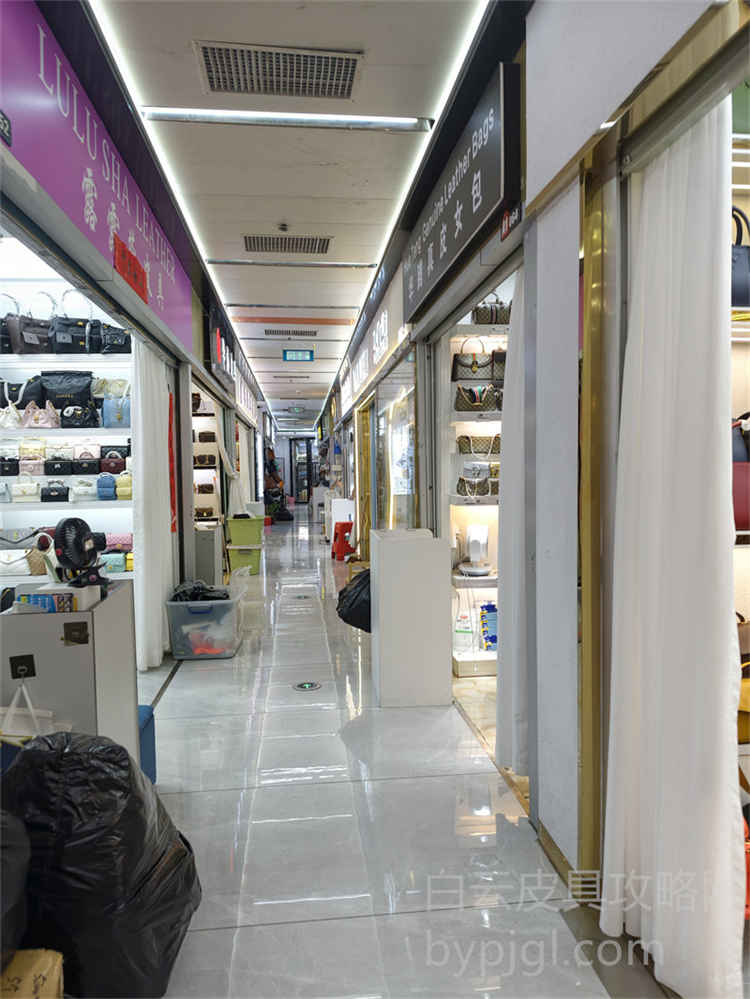
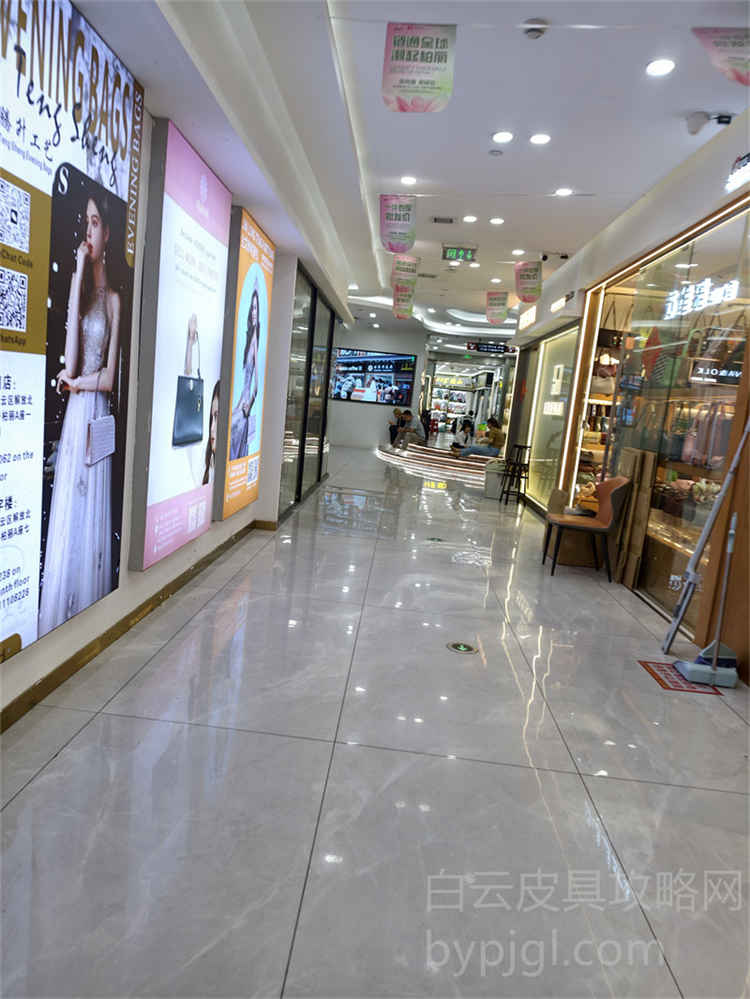
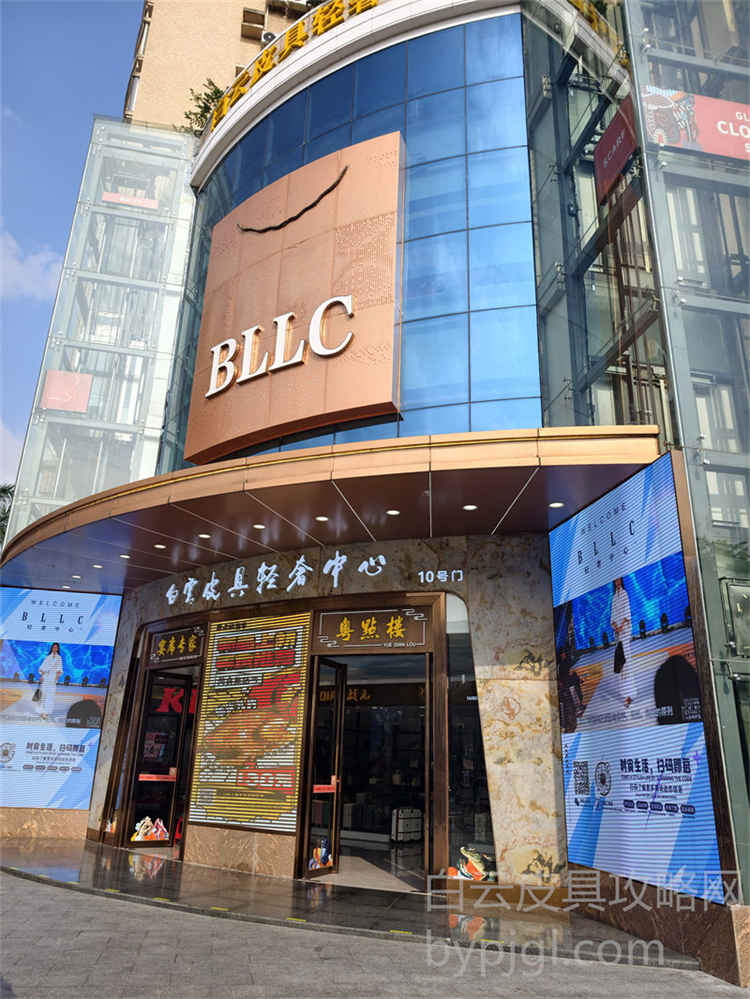
I've been standing behind the same counter in the Baiyun Leather City for over fifteen years. While you are scrolling through Alibaba or reading generic "how-to" guides on Google, I am watching real buyers make the exact same mistakes that cost them thousands of dollars. If you want to source DIY bags wholesale in Guangzhou, forget what you think you know about online shopping. The magic happens only when you step off the plane and into the humid, chaotic, yet incredibly rewarding corridors of the Baiyun district.
The truth is, most overseas buyers treat this market like a catalog store. They don't realize that the best prices and the highest quality materials are never listed on a website. They are hidden in the back rooms of specific stalls, waiting for someone who knows how to knock on the right door. My goal today is to give you the map I wish I had when I started, so you can walk away with a truckload of profit instead of a warehouse full of rejects.
Navigating the Labyrinth: Where to Actually Find Quality Materials
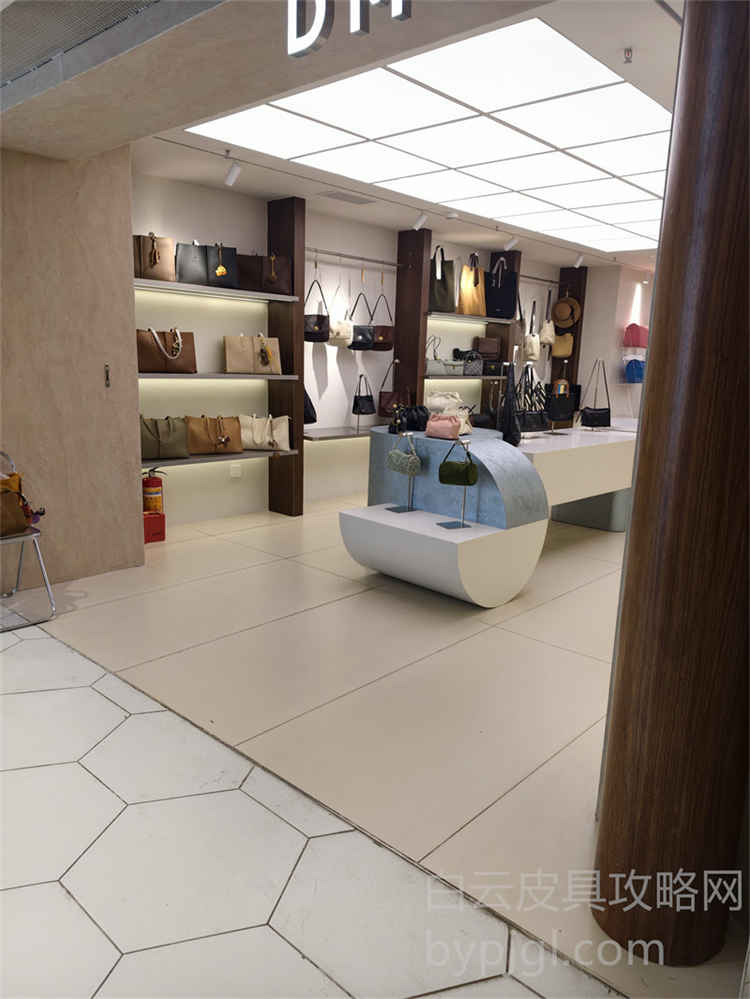
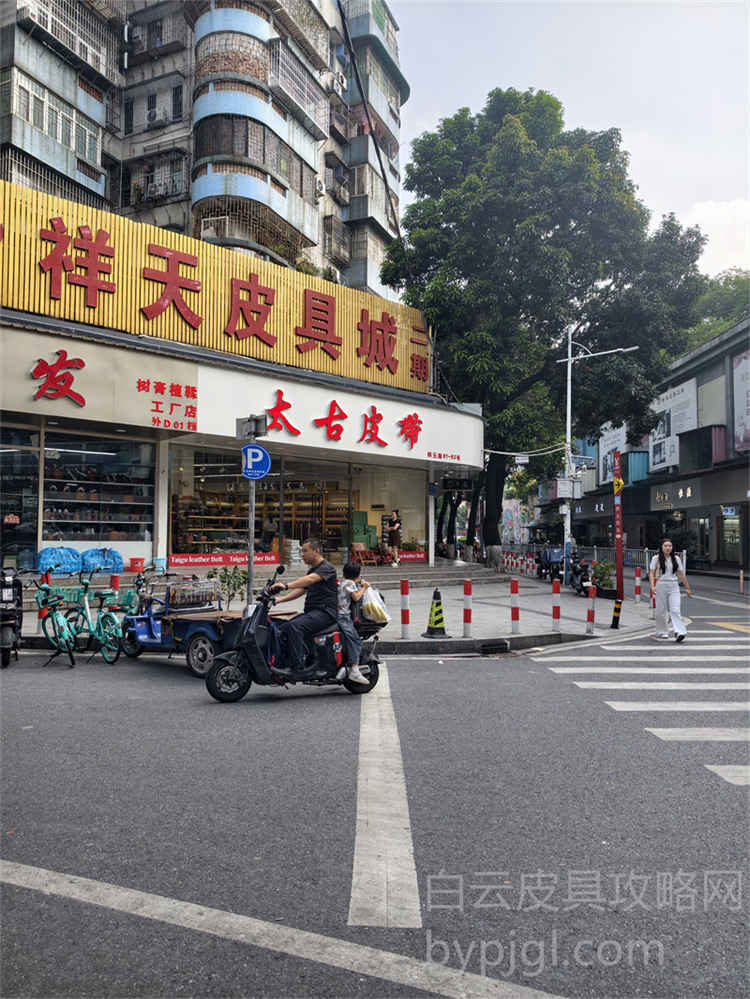
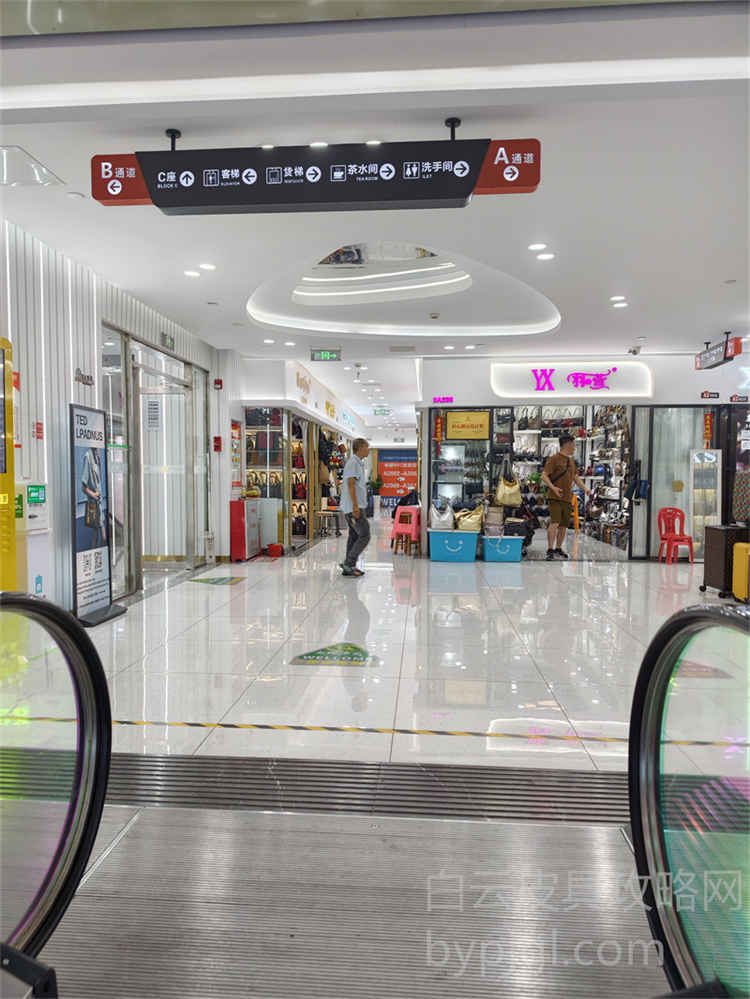
First things first: do not just wander into Baiyun Leather City expecting to find everything in one building. It is massive, but it is also fragmented. If you are looking for high-end leather for your DIY projects, the main Baiyun International Plaza is where you start, but you need to go deeper. Specifically, head straight to the 3rd and 4th floors of Building A. That is where the serious material suppliers hang out, not the ground floor which is mostly filled with finished bags for tourists.
The Hidden Gems: Specific Stalls You Must Visit
Let me give you names. Names that will get you past the security guard and into the private showroom. For genuine cowhide and exotic skins, look for Stall 3058 at the Baiyun International Plaza. The owner, Mr. Chen, has been here since 2008. He doesn't speak much English, but he has a tablet with photos of his stock. If you ask for "top grain," he shows you the real deal. Do not settle for the PU samples they push on the front counter.
For hardware and zippers, which are often the weak point in DIY bags, you need to cross the street to the nearby Tianjian Leather Market. Go to Floor 2, Stall 212. This is run by a family from Wenzhou who specialize in brass and stainless steel fittings. I have seen buyers pay $5 per zipper on AliExpress only to receive rust-prone junk. At Stall 212, a heavy-duty YKK-style zipper costs you $0.80 if you buy 500 pieces. That is a 90% saving right there. And for the lining fabric? Head to the basement level of the Baiyun Plaza. There is a small stall called "Silk & Cotton Wholesale" near the elevator. They sell Japanese cotton canvas by the roll, perfect for structured tote bags.
The Art of Negotiation: How to Get Real Factory Prices
When you walk into a stall, your body language tells the seller everything. If you look like a tourist, they will quote you the "foreigner price." If you look like a buyer, they will talk business. Here is my golden rule: never ask "How much?" immediately. Instead, ask, "What is your MOQ for this leather grade?" and "Can I see the factory invoice for this batch?"
I remember a client last month who wanted to order 200 DIY bag kits. She asked for a price, and the stall owner quoted her $15 per kit. She was ready to pay. I stepped in and said, "I know this leather comes from the Dongguan tannery, and the bulk rate is $12. Let's split the difference at $13.50, but I need free shipping to the port." The owner looked at me, smiled, and said, "Okay, deal." Why? Because I showed I knew the supply chain. In Guangzhou, knowledge is currency.
Another critical tip: always negotiate based on volume tiers. Don't accept a flat price. Ask for a tiered structure: 100 units at $X, 500 units at $Y, and 1000 units at $Z. Most stalls in Baiyun are willing to drop the price by 15-20% once you hit the 500-unit mark. If they refuse, move to the next stall. There are hundreds of them, and competition is fierce.
Quality Control: The Pitfalls That Cost You Money
This is where most people fail. They order based on a photo sent via WeChat. Big mistake. Leather varies wildly even within the same hide. I have seen entire shipments rejected because the color tone was slightly different from the sample. When you are at the stall, bring a light box or use your phone's flashlight to check the grain consistency. Look for the "pull-up" effect on the leather; good leather changes color when stretched. Bad leather stays flat.
Also, check the stitching density. In the DIY bag market, customers expect durability. Walk over to the sewing section of the market, usually found on the lower floors of the larger complexes. Watch the machines. If the worker is using a cheap domestic machine that skips stitches, the final product will be garbage. I recommend working with stalls that have their own sewing workshops attached. For example, the workshop behind Stall 4012 in Baiyun Plaza does custom cutting and sewing. You can watch them cut your leather in real-time. This transparency builds trust and ensures you get exactly what you paid for.
One more thing: smell. Yes, smell. High-quality leather smells earthy and rich. Cheap synthetic leather smells like chemicals or plastic. If you walk into a stall and the air smells like a chemical factory, run. That is not going to pass customs inspection in the US or EU anyway.
Logistics and Shipping: Getting Your Goods Home Safely
once you have negotiated the deal and inspected the goods, the next challenge is getting them out of China without losing money on freight. Many stalls in Baiyun have relationships with forwarders, but do not let them handle it unless you trust them completely. I always recommend finding your own freight forwarder who specializes in leather goods. Leather is heavy, and if you ship it as general cargo, you might get stuck paying extra duties.
Ask your supplier to pack the goods in moisture-proof bags and wooden crates if possible. Humidity in Guangzhou is no joke; it can ruin your leather during transit. Also, ensure the supplier provides a commercial invoice that matches the HS code for leather accessories. If the invoice says "plastic bags" but you are sending leather, customs will seize your shipment. I have seen this happen three times this year alone.
Summary of Key Contacts and Locations
| Item Needed | Market Location | Specific Stall/Shop | Estimated Price (Bulk) | Key Tip |
|---|---|---|---|---|
| Genuine Cowhide | Baiyun Int'l Plaza, Bldg A, 3rd Floor | Stall 3058 (Mr. Chen) | $12 - $15 / sq ft | Check pull-up effect and smell |
| Hardware & Zippers | Tianjian Market, Floor 2 | Stall 212 (Wenzhou Family) | $0.80 / piece (500+ qty) | Request YKK-style heavy duty |
| Lining Fabric | Baiyun Int'l Plaza, basement | Silk & Cotton Wholesale | $2.50 / meter | Buy Japanese cotton canvas |
| Cutting & Sewing | Baiyun Int'l Plaza, Lower Floors | Workshop behind Stall 4012 | Custom Quote | Watch the process live |
Going to Guangzhou to source DIY bags is not just about buying products; it is about building relationships. The market moves fast, and the best deals are made face-to-face. By visiting these specific locations, asking the right questions, and verifying the quality yourself, you will beat the average importer every time. Don't rely on screenshots. Come to Baiyun, touch the leather, meet the owners, and build a supply chain that actually works. That is the only way to win in this game.