Why New塘 is the Real Goldmine for Global Buyers
I've been standing in this same spot in Guangzhou's Xintang district for over fifteen years. While everyone else is screaming about Baiyun International Leather City or the massive wholesale hubs in Haizhu, I'm here to tell you the truth: if you want high-volume bags at prices that actually make sense for your business, you need to look past the tourist traps and head straight to Xintang. People think Guangzhou is just one big market, but it isn't. It's a ecosystem of specialized zones. Baiyun is where the fancy, high-end replicas live, often with heavy branding risks. But Xintang? That is the undisputed capital of bag manufacturing. When I say "Guangzhou Xintang bag wholesale," I am talking about the actual factories, not just middlemen.
The first thing you need to understand is the geography. Xintang isn't a single building; it's a sprawling industrial town. The real action happens around the Xintang Bag Market (Xintang Bao Shi Chang) and the surrounding factory clusters. Unlike the chaotic, narrow corridors of Baiyun, Xintang feels more like a logistics hub. You walk in, and you see trucks loading up 24/7. This is where the volume lives. If you are an overseas buyer looking to scale, stop trying to negotiate with small stalls in Baiyun. Come here, talk to the owners who own the machines, and you will see why the margins are better.
Navigating the Physical Layout: Where to Actually Go
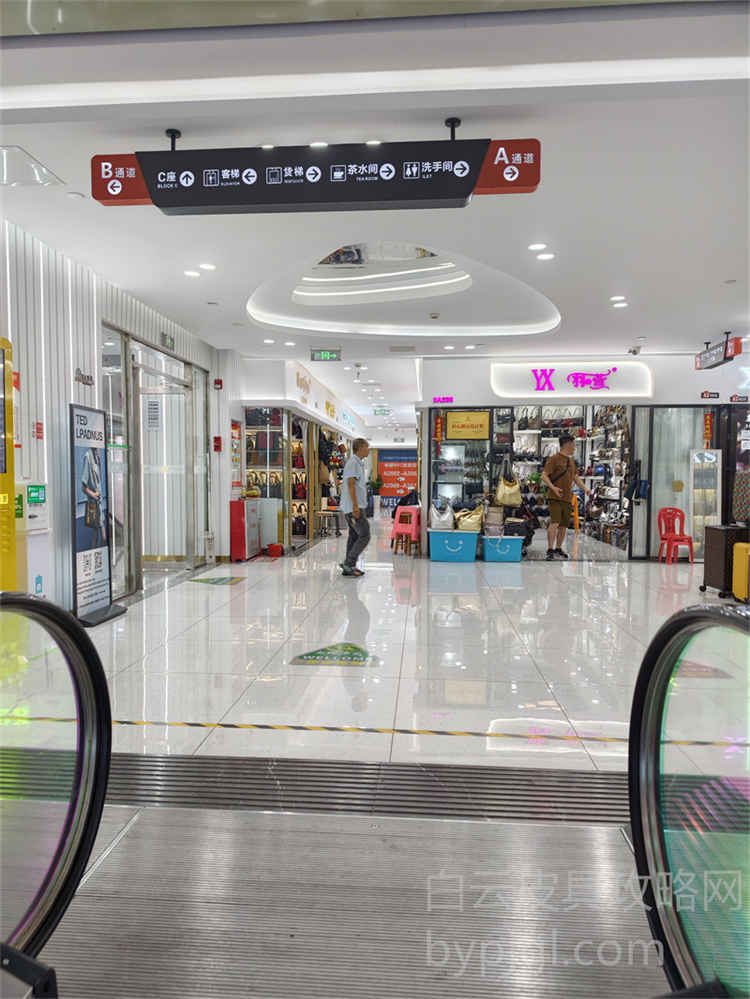
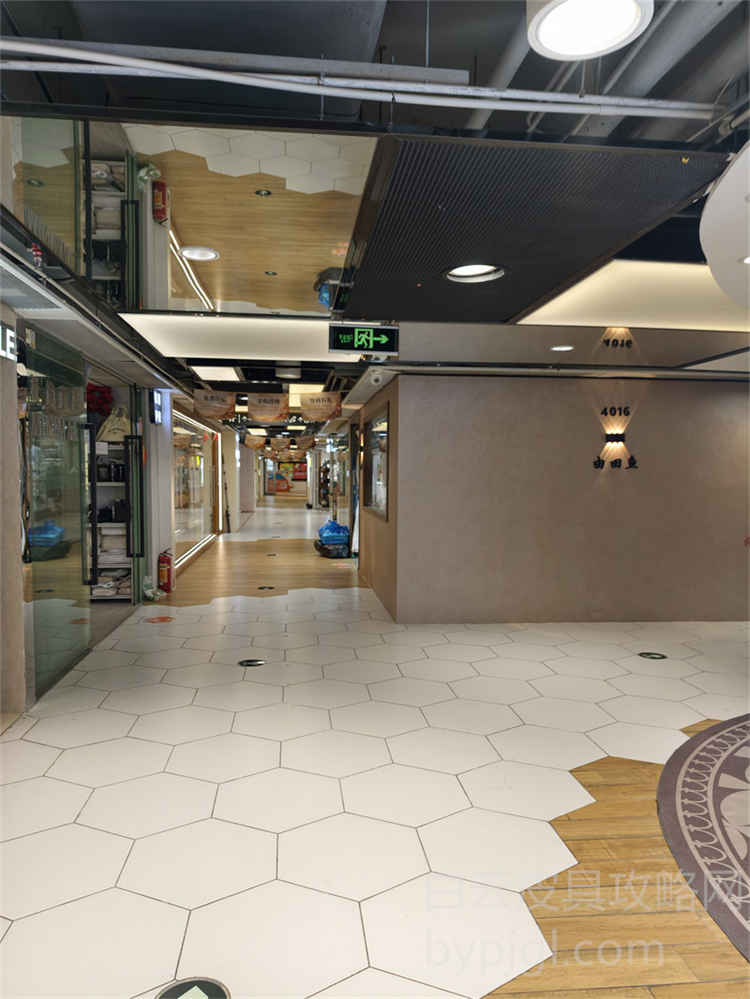
When I first started guiding foreign clients, they would wander aimlessly because the signage is minimal. Let me give you the exact coordinates so you don't waste a day. The core area is centered around the Xintang Bag Market Building, specifically on the lower floors where the bulk orders are handled. But the real gems are often in the buildings right next door, the ones without flashy neon signs.
The Ground Floor vs. The Upper Levels
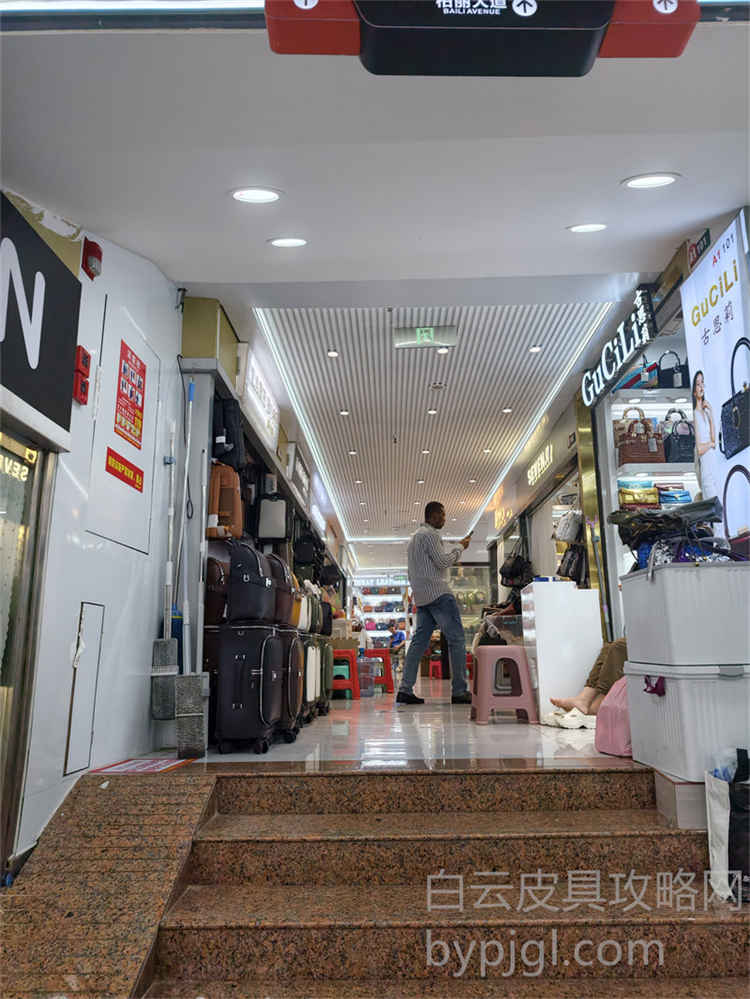
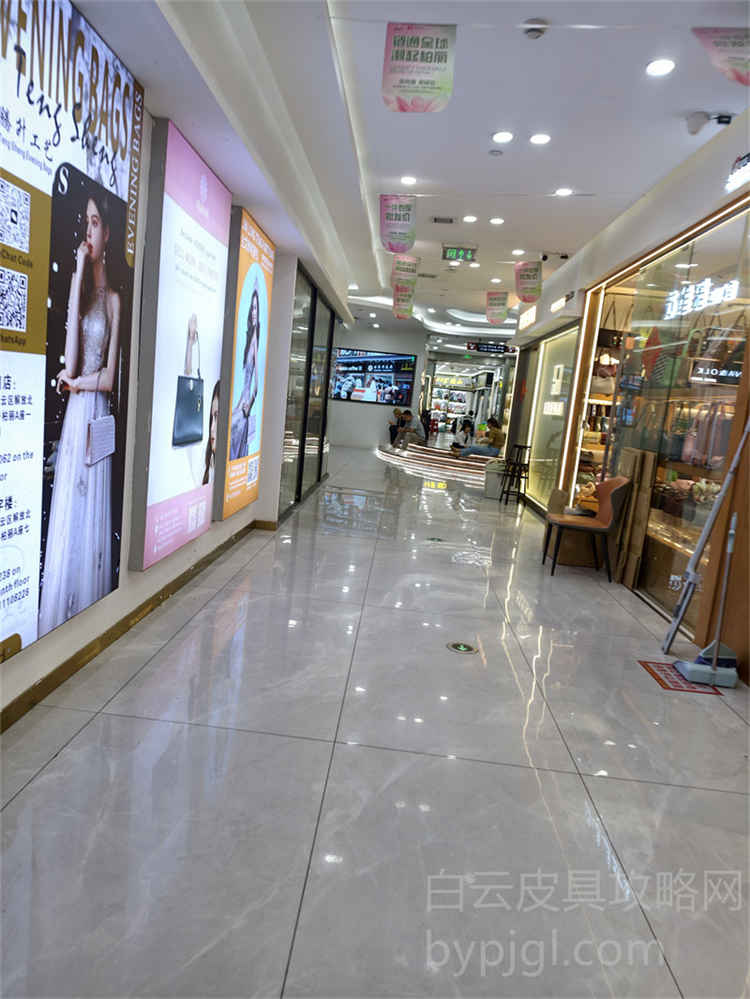
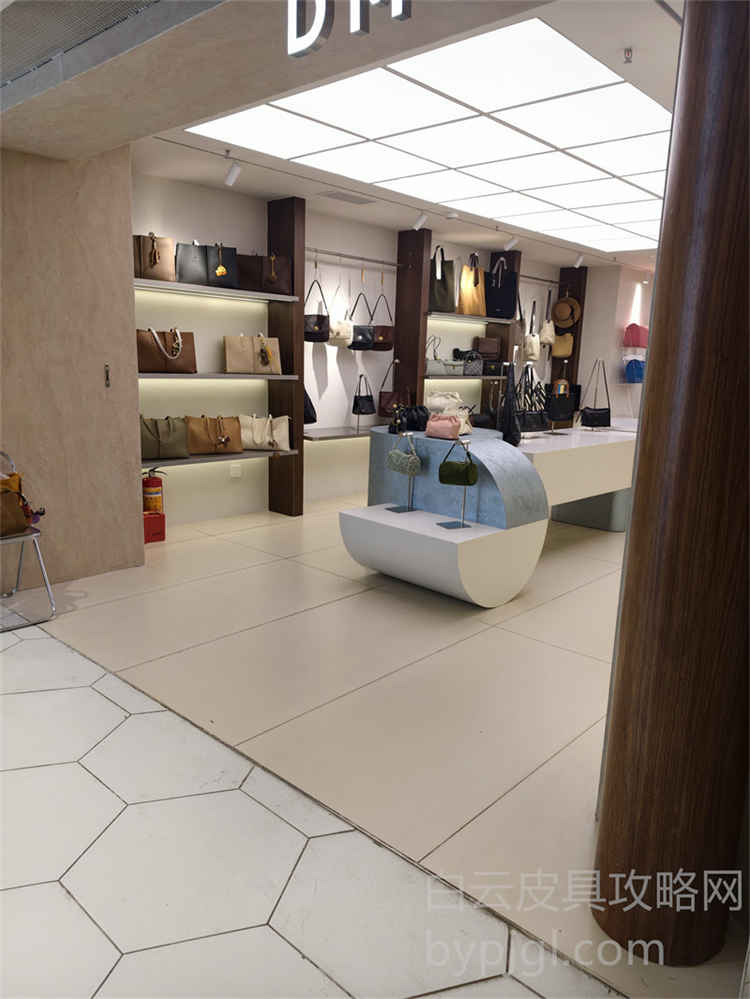
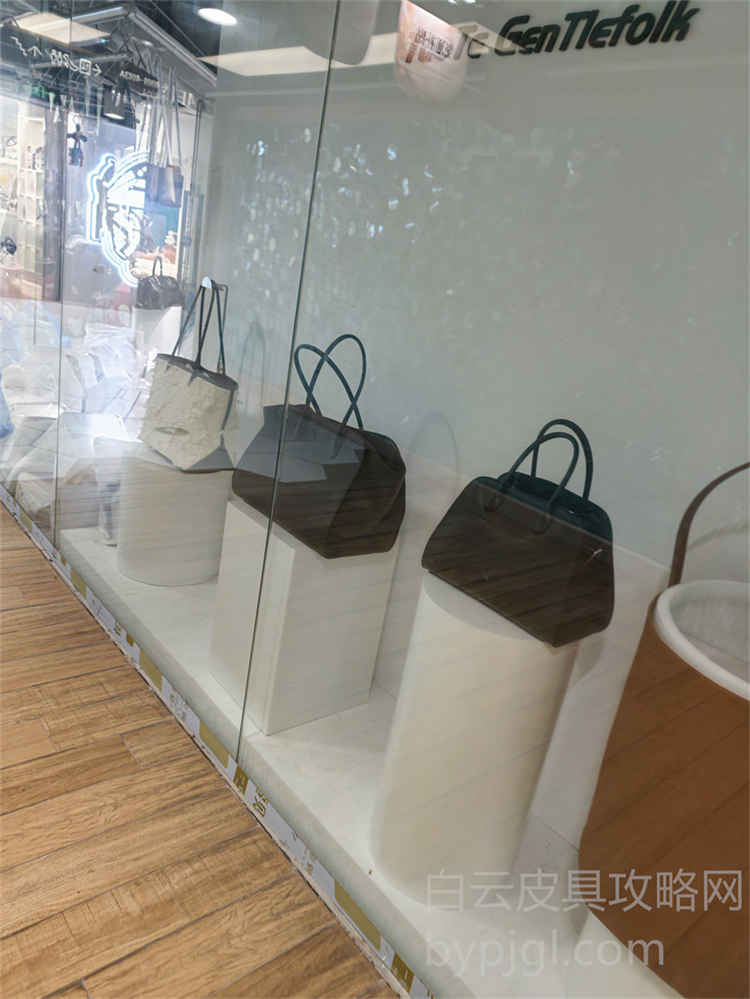
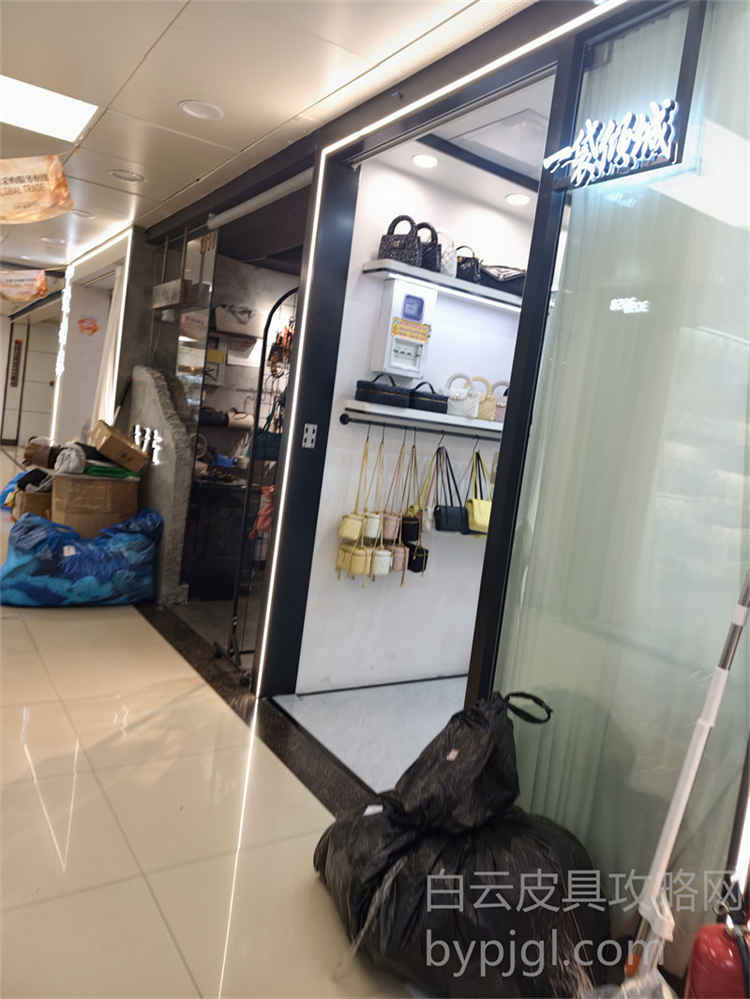
On the ground floor of the main market building, you will find the showrooms. These are polished, clean, and full of samples. They are great for seeing trends, but be careful. The prices quoted here often include a markup for the "showroom experience." My advice? Walk past the front counter. Ask to see the production line or the warehouse. Most legitimate wholesalers in Xintang have their storage on the second or third floor, or even in the adjacent factory blocks. That is where the real negotiation happens. I once had a client from Texas who bought his entire summer collection from a stall on the ground floor. He paid $15 per unit. Two weeks later, he came back to me, crying, because he found the exact same bag style in the factory block behind him for $8.50. The difference wasn't quality; it was the middleman layer.
Specific Factory Zones to Target
If you want specific names, I can't give you a list of every shop, but I can point you to the industrial clusters. Look for the area near the Xintang Railway Station and the stretch along Huagong Road. There is a cluster known locally as the "Bag Industrial Park." Inside there, you will find factories like Guangzhou Xintang Hongda Leather Goods Factory and Xintang Jiaxin Bag Manufacturing Co.. These aren't just shops; they are production lines. For example, Hongda specializes in canvas and nylon travel bags, while Jiaxin focuses on PU leather handbags. If you go to their offices on the second floor of the main market complex, you won't get the "salesperson" treatment. You will get the factory manager. They care about order volume, not individual retail sales.
The Art of Sampling and Quality Control
One of the biggest mistakes overseas buyers make is ordering based on photos sent via WeChat. In Xintang, the "photo" is often a stock image from a supplier's cloud folder. You need to touch the material. When I take my clients to the factories, we do something called "the tear test." We pull at the stitching, check the lining density, and smell the leather. In Baiyun, you might find a bag that looks perfect but uses cheap glue that smells terrible after two months. In Xintang, because these are factories, they control the raw materials directly.
Material Verification: A Real-World Example
Let me share a story from last month. A buyer from Brazil wanted to source 500 units of a tote bag. He saw a sample in a showroom that looked like genuine cowhide. He was ready to pay $25. I took him to the factory floor, and we pulled out the raw material rolls. The factory owner showed us the difference between Grade A cowhide and the synthetic blend they were using in the showroom sample. The cost difference was huge. By switching to the factory-direct synthetic blend that matched the texture perfectly, we saved him $12 per unit. That is $6,000 in savings on a single order. This is the power of being on-site. You aren't buying a product; you are buying a solution.
Negotiation Tactics and Pricing Secrets
Pricing in Xintang is not fixed. It is fluid, based on quantity, material costs, and seasonality. The standard MOQ (Minimum Order Quantity) for most factories here starts at 50 pieces for custom designs, but for existing stock, you can sometimes get away with 10 to 20 pieces. However, if you want the best price, you need to hit the 100-piece mark. Here is a data comparison I use with my clients:
| Order Volume | Price Per Unit (USD) | Source Type | Profit Margin Potential |
|---|---|---|---|
| 10 - 20 pcs | $18.00 - $22.00 | Showroom Retailer | Low (High Risk) |
| 50 - 99 pcs | $12.00 - $15.00 | Small Wholesaler | Medium |
| 100+ pcs | $7.50 - $9.50 | Direct Factory (Xintang) | High |
Notice the jump? When you order 100 pieces, you are no longer a customer; you are a partner. The factory owner will open the ledger and show you the cost breakdown. They will tell you exactly how much the hardware costs, how much the fabric costs, and what their labor margin is. This transparency is rare outside of Xintang. Don't be afraid to ask for a breakdown. If they hesitate, walk away. That is a sign of a middleman, not a manufacturer.
Avoiding Pitfalls: What I Wish I Knew Earlier
There are traps everywhere. One common scam involves "sample fees." Some shops charge a high fee for samples, promising to refund it upon bulk order. In Xintang, reputable factories usually waive this fee if you commit to the order. Another issue is the "rush order." Many buyers think they can get 500 bags made in three days. Unless you are buying from existing stock, that is impossible. Production time in Xintang is realistic. A standard run takes 15 to 20 days. If someone promises 5 days, they are likely cutting corners on quality or using sub-par materials. Always build buffer time into your shipping schedule.
The Payment Trap
Never transfer money directly to a personal bank account unless you know the person personally. Use Alibaba Trade Assurance or a verified escrow service. Even though we are in a physical market, digital security is paramount. I always advise my clients to pay 30% deposit and 70% before shipment. Never pay 100% upfront. Also, insist on a pre-shipment video call where you inspect the finished goods. I have seen too many buyers receive boxes filled with sand instead of bags because they didn't verify the final load.
Final Thoughts: Your Strategy for Success
Guangzhou Xintang bag wholesale is not just about finding cheap products; it is about building a supply chain that is resilient and transparent. The market is evolving, and the days of blind ordering are over. If you come here, treat it like a business trip, not a vacation. Visit the factories, talk to the managers, and verify the materials. The savings you get by cutting out the middlemen in Baiyun can be reinvested into marketing or product development. Remember, the best deals are not found online; they are found on the factory floor, shaking hands with the people who actually sew the zippers. Go to Xintang, trust your eyes, and build a brand that lasts.