Why I've Been Selling Shoes and Bags in Guangzhou for 15 Years
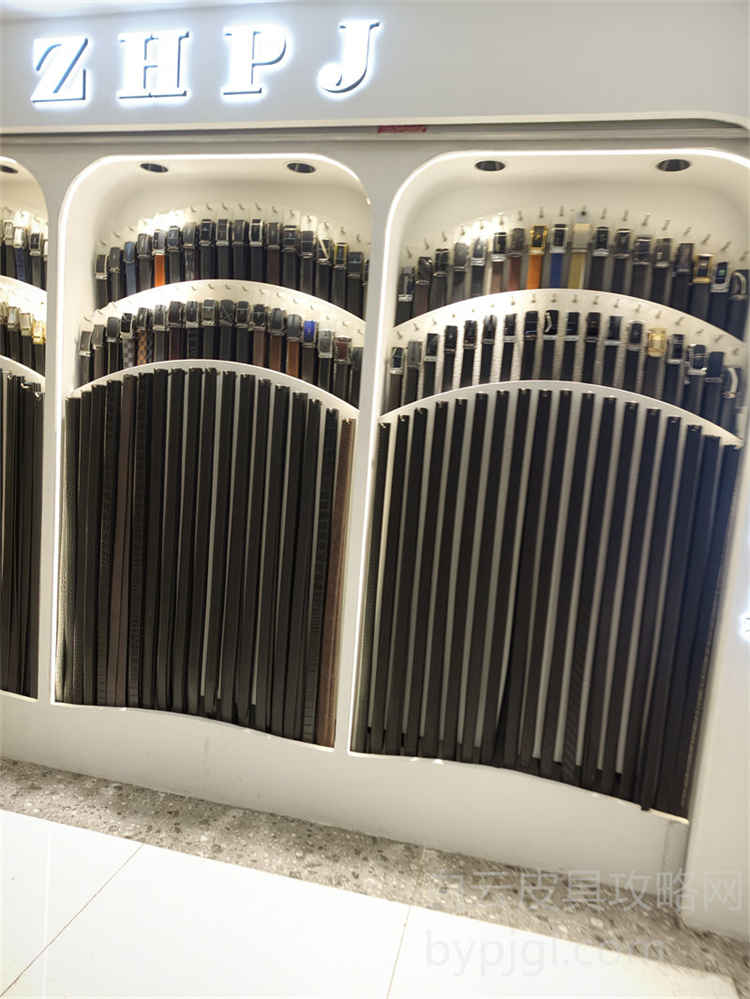
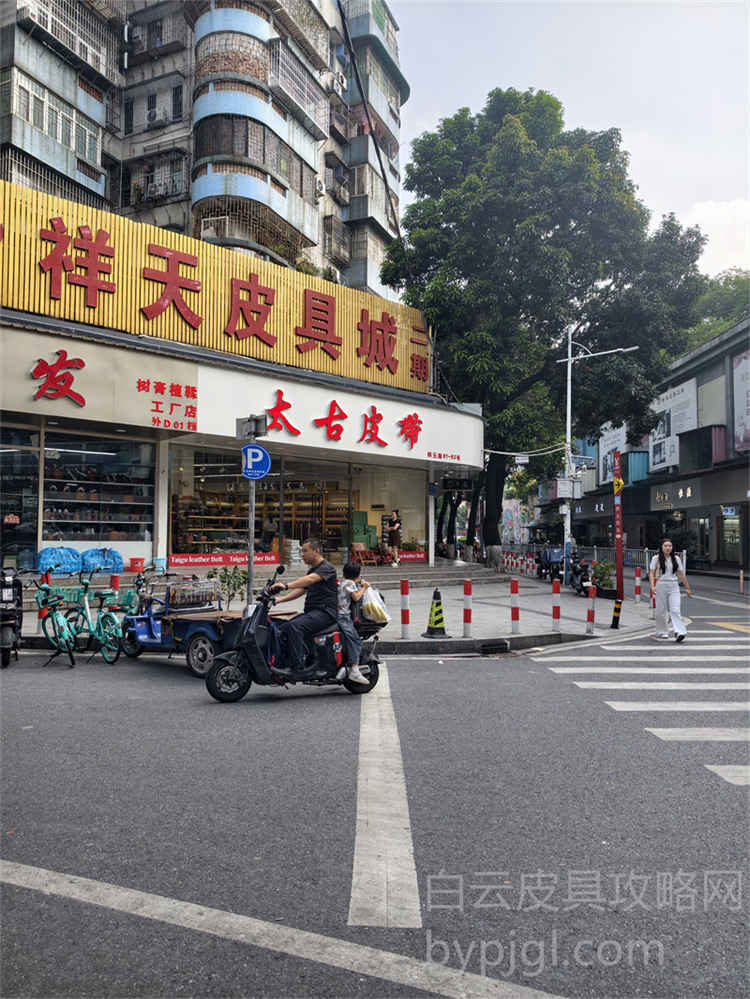
Welcome to my shop. If you are reading this, you are probably planning a trip to Guangzhou or trying to source leather goods online without stepping foot here. Let me tell you something straight: the internet is full of lies about "Guangzhou wholesale." You see photos of perfect bags on Alibaba with prices that sound too good to be true. But when you actually get there, the reality is different. I have been standing at my counter in Baiyun Leather City for over a decade. I have seen thousands of buyers come and go. Some leave happy, others leave angry because they got scammed. My goal today is not to sell you a bag, but to save your money and time. This is the real story of sourcing shoes and bags from the heart of China's leather industry.
Navigating the Real Market: Beyond the Tourist Traps
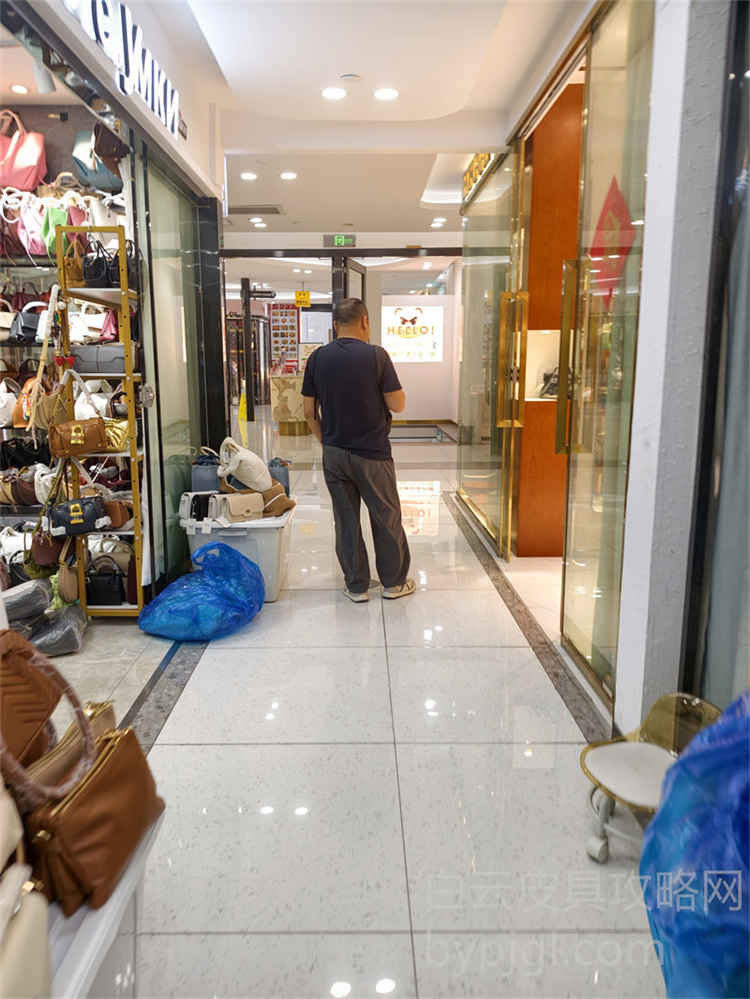
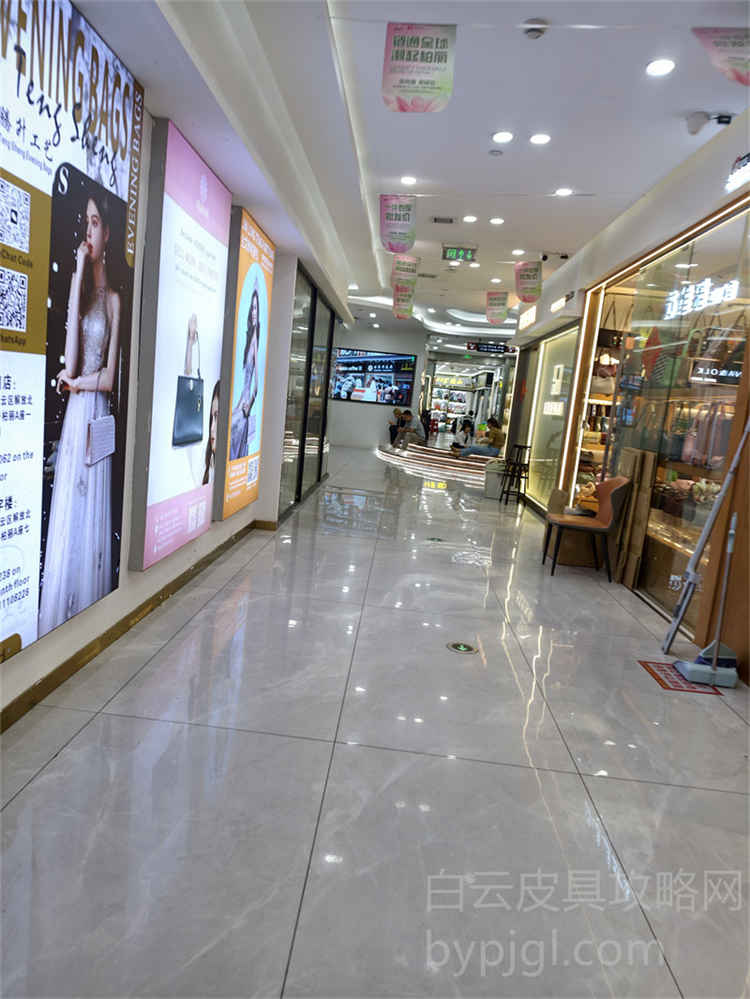
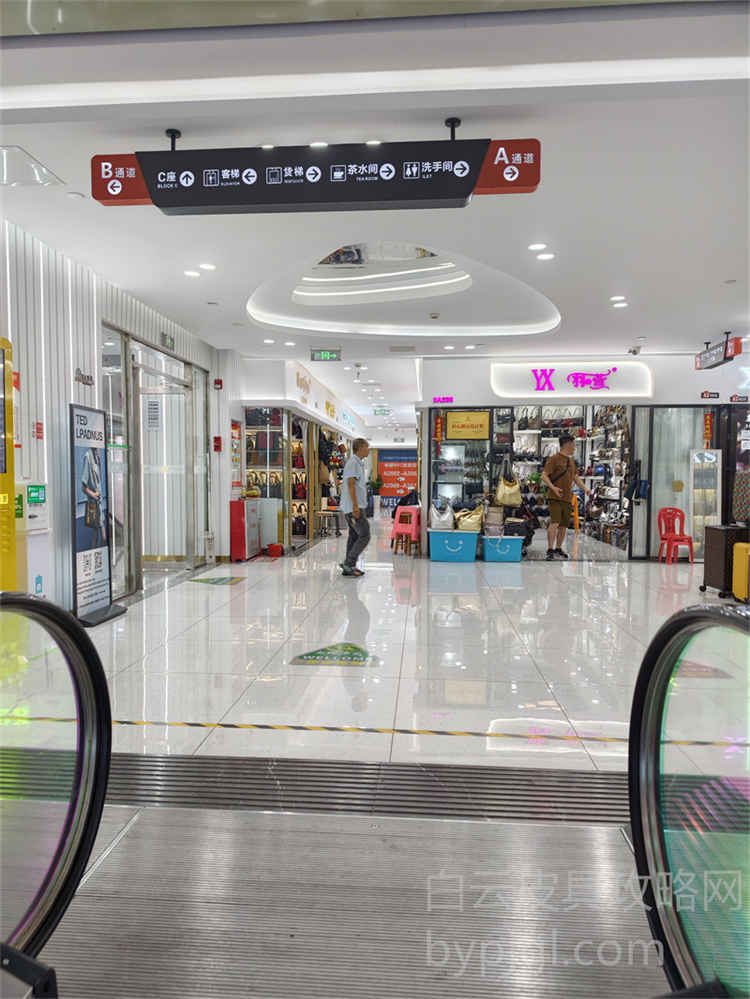
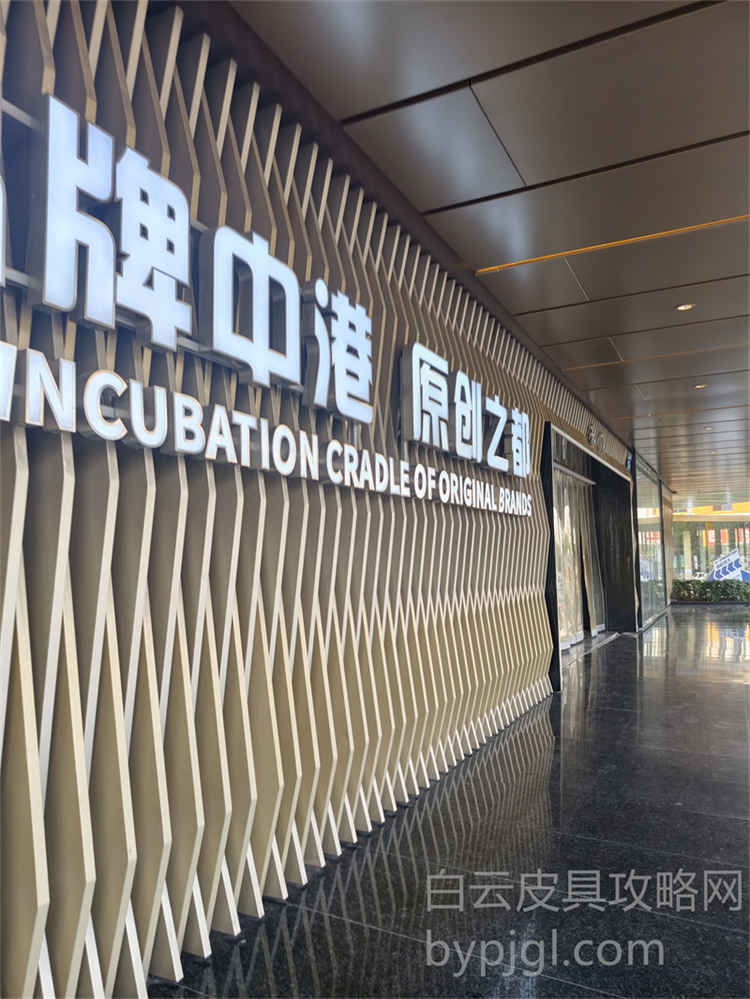
Most foreigners think Baiyun Leather City is just one building. It isn't. It is a massive complex of several buildings connected by walkways. The biggest mistake new buyers make is walking into the front entrance and expecting to find the best deals. That is where the tourist traps are. The prices there are marked up by 30% just for being accessible to outsiders. You need to know where the locals go.
The Secret Floors of Baiyun Leather City
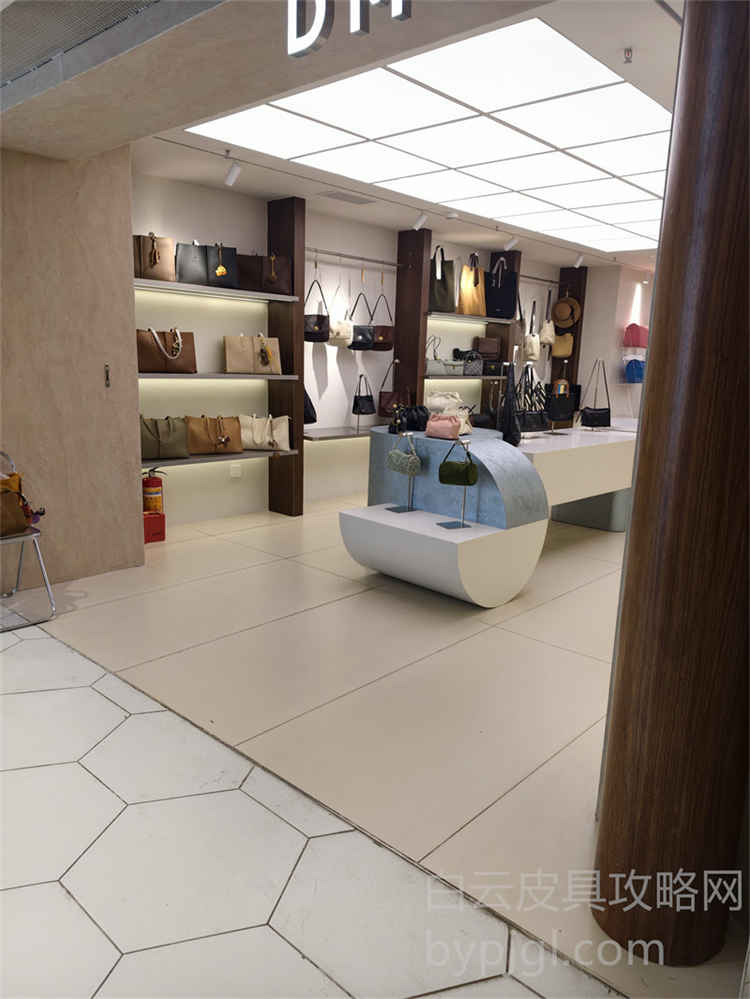
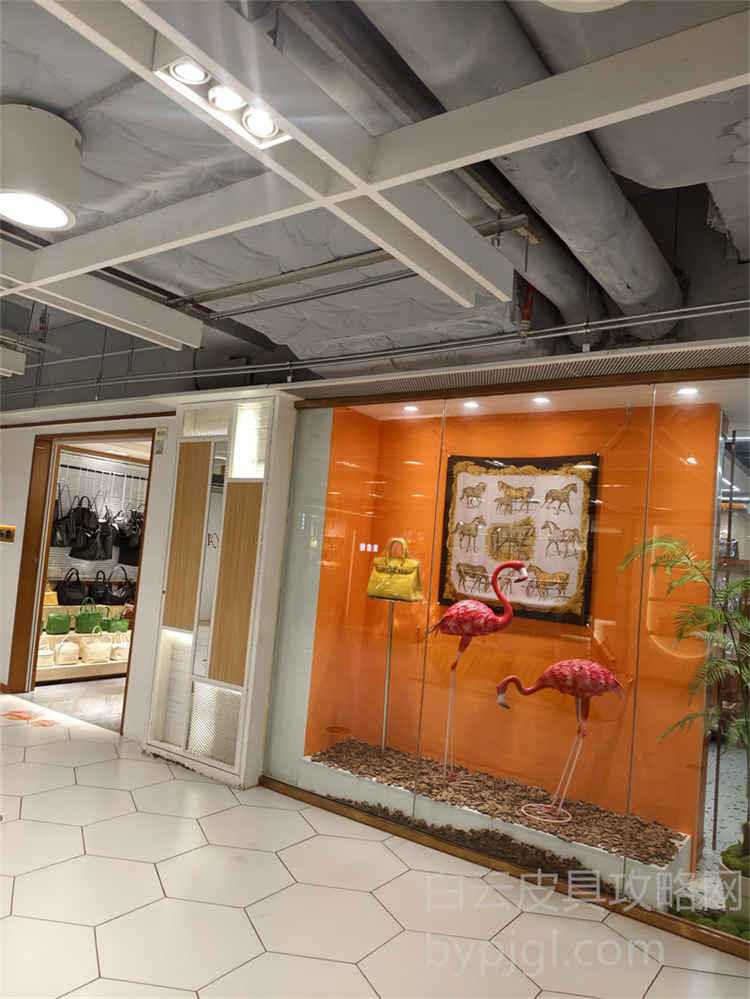
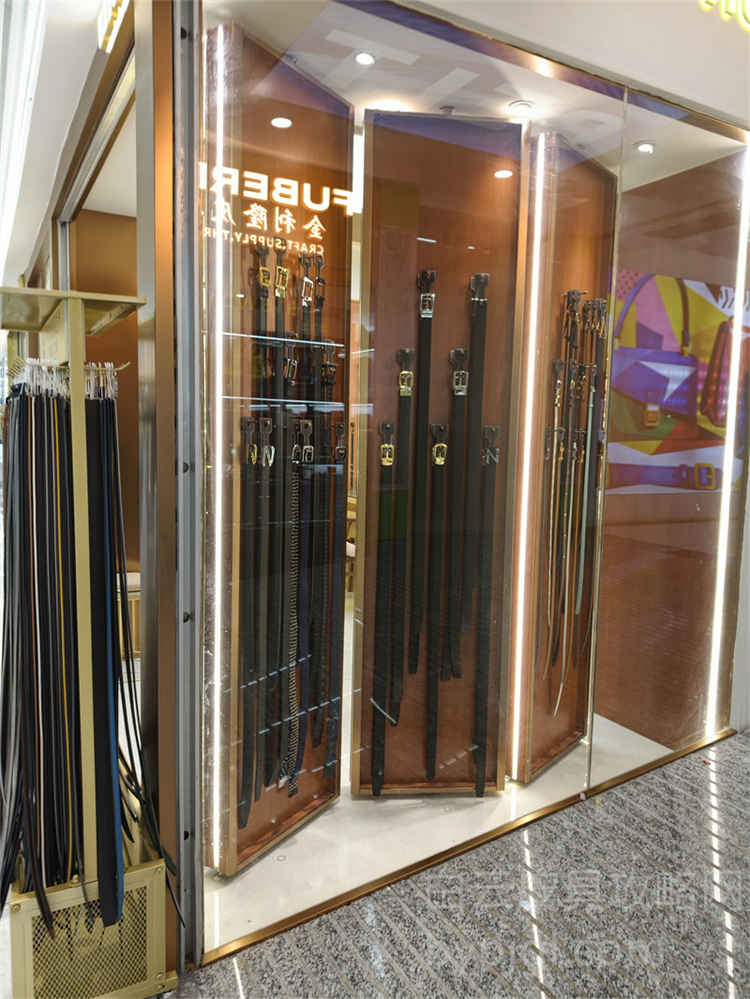
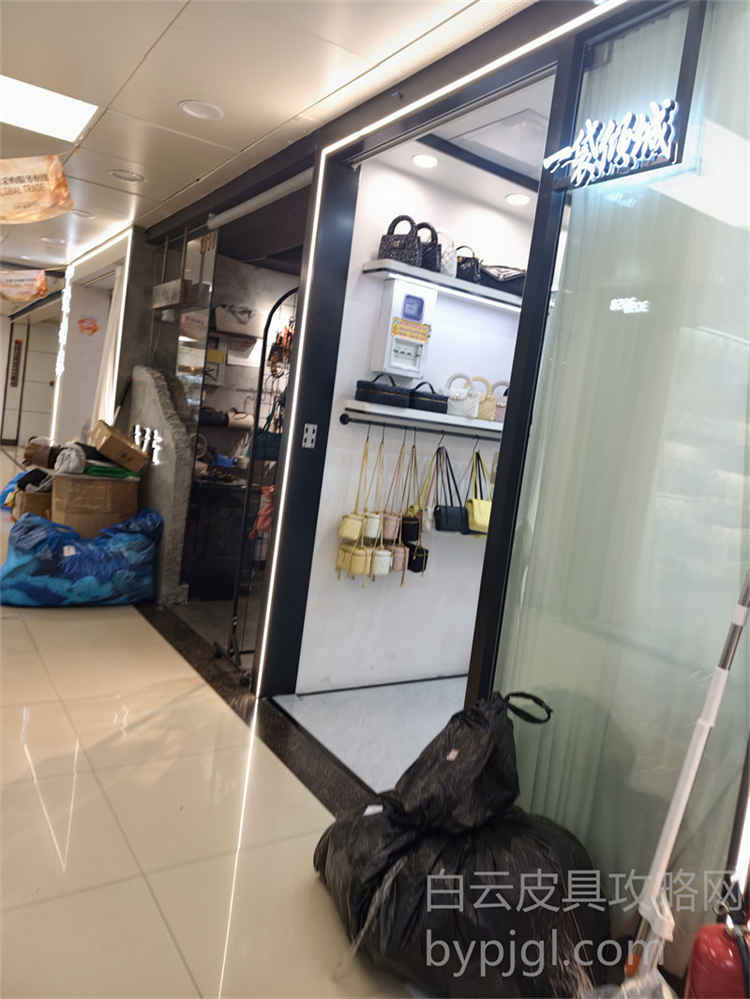
When I first started, I learned quickly that the ground floor is for display. The real action happens on the upper floors, specifically floors 3 and 4. These are the wholesale zones where the factories meet the retailers. If you want to buy genuine leather shoes or high-end handbags, you must head to Building A and Building B. For example, if you are looking for luxury-style women's handbags, go to the corridor near the escalator on Floor 3. There is a stall called "Golden Eagle Leather" (Jin Yi). They don't put their best stock on the shelves; you have to ask to see their catalog. Their factory is right behind the market, which means no middleman markup.
Shoe Sourcing: Where the Quality Lives
For shoes, the dynamic is slightly different. While Baiyun has plenty of options, many serious shoe wholesalers operate out of the nearby Shijing area or the lower levels of the International Shoe City. However, within Baiyun, stick to the east wing. I recommend visiting the stall named "Tianyi Footwear Wholesale" on Floor 2. They specialize in Italian leather soles and custom molds. Unlike the generic stalls that sell mass-produced PU shoes, Tianyi offers small batch customization. I once helped a client from New York who wanted 50 pairs of loafers. We went to Tianyi, picked the leather swatches, and they had the molds ready in two days. The cost was $18 per pair FOB, whereas a similar quality on Taobao would have been quoted at $25 with hidden shipping fees.
The Art of Negotiation: How to Get the Real Price
Here is the truth that most guides won't tell you: the price on the tag is never the final price. In Guangzhou, negotiation is an art form. If you walk in and say, "How much for this bag?" you will get the retail price. You need to speak like a pro. First, always ask for the "wholesale price" or "MOQ price." Second, never show excitement. Keep your face neutral. If you look too eager, the seller knows you are a newbie and will hike the price.
Understanding MOQ and Tiered Pricing
Let's talk numbers. Most stalls in Baiyun have a Minimum Order Quantity (MOQ) of 10 pieces for mixed styles. If you buy less than 10, they might charge you double. But here is the trick: if you are buying 50 pieces, the price drops significantly. I remember a buyer from London who wanted to buy 20 bags. The initial quote was $45 per bag. After I stepped in and told the owner, "I am taking 20 now, but I plan to order 200 next month," the price dropped to $38. Why? Because the owner knew he could move volume through his supply chain. Always mention future orders, even if you aren't sure yet. It builds trust.
The "Sample" Trap
Many buyers fall for the sample trap. They pay for a sample, love it, and then order the bulk. But sometimes the sample is from a different production line than the bulk. To avoid this, always ask to see the "production line" or visit the factory if possible. In Baiyun, many stalls have a small workshop attached. Ask to walk through. If the owner refuses, be suspicious. At my own shop, we always invite serious buyers to see our stitching machines. Transparency is key. If you cannot see the process, you cannot verify the quality.
Quality Control: What to Look For Before You Pay
This is where I see the most mistakes. Buyers focus on the logo or the shape, but they ignore the details. When inspecting a bag, check the lining first. Cheap bags use polyester lining that peels off after a week. Good bags use cotton or high-quality synthetic blends. Check the zippers. Do they feel heavy? Do they glide smoothly? A cheap zipper will break within months. For shoes, bend the sole. Does it crack? Is the glue visible around the edges? Glue marks are a sign of poor craftsmanship.
Real data: The Cost of Cutting Corners
Let me give you a concrete example. Last year, a client ordered 100 backpacks from a stall in Baiyun. The price was $12 per unit. He thought it was a steal. When the goods arrived, 30% had loose threads and the zippers were stuck. The total loss was $1,200 plus shipping. Had he spent $15 per unit at a reputable stall like "Hongxing Leather," the quality would have been consistent, and the return rate would be near zero. Sometimes paying $3 more per item saves you hundreds in returns and reputation damage. Never chase the lowest price if it compromises the material.
Logistics and Shipping: Getting Your Goods Home
once you have paid, the work isn't done. Shipping from Guangzhou can be tricky. Many sellers offer DDP (Delivered Duty Paid), but be careful. Sometimes the shipping company hides fees until the last minute. I recommend using a freight forwarder you trust. There are many agents inside Baiyun, but do not pick the first one you see. Ask the stall owner for their preferred agent. Usually, they have a long-term contract with better rates. For air freight, expect 3-5 days. For sea freight, it takes 20-30 days. Always insure your shipment. I have seen cases where goods were lost in transit, and the seller refused to refund because the buyer didn't have insurance.
Summary of Key Markets and Tips
| Market Area | Best For | Recommended Stall/Zone | Typical MOQ | Price Range (USD) |
|---|---|---|---|---|
| Baiyun Leather City (Floors 3-4) | High-end Handbags, Luxury Styles | Golden Eagle Leather (Building A) | 10 Pieces | $35 - $60 |
| Baiyun Leather City (East Wing) | Premium Leather Shoes | Tianyi Footwear (Floor 2) | 20 Pairs | $18 - $30 |
| International Shoe City | Mass Market Sneakers, Casual Shoes | Various Stalls near Entrance | 50 Pairs | $8 - $15 |
| Shijing Industrial Zone | Factory Direct Customization | Multiple Small Factories | 100+ Units | $10 - $25 |
Going to Guangzhou to source shoes and bags is an adventure, but it requires preparation. Don't just rely on Google Maps. Talk to the locals. Visit the markets early in the morning when the owners are fresh. Bring a measuring tape and a light to check the stitching. And remember, the best deal is not the cheapest one; it is the one that gives you consistent quality and reliable service. I hope these tips help you navigate the bustling streets of Baiyun and find the perfect products for your business. Safe travels and happy sourcing.