
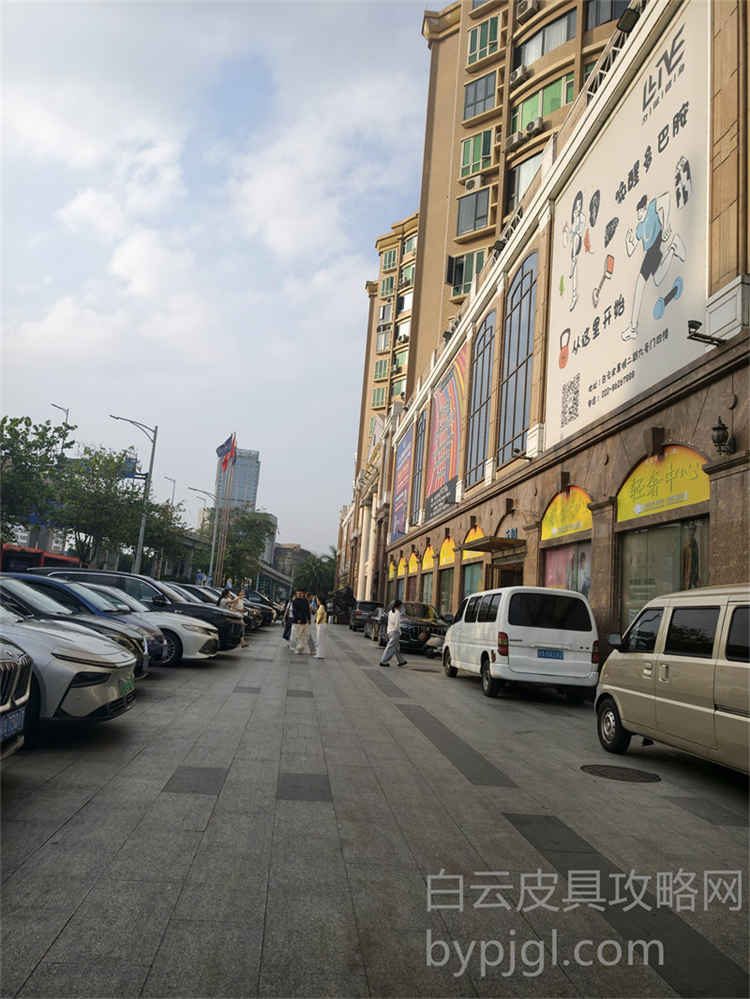
Why Guangzhou is Still the King of Global Wholesale
I have been standing in the same spot at Baiyun Leather City for over fifteen years. While you might see flashy ads online promising "factory direct prices" from Shenzhen or Yiwu, I need to be honest with you: if you are looking for leather goods, bags, and accessories that actually move fast in your market, Guangzhou is the only place that makes sense. I've seen thousands of buyers come and go. Some leave with gold mines; others leave with empty pockets and a headache. The difference isn't luck. It's knowing how to navigate the maze without getting lost.
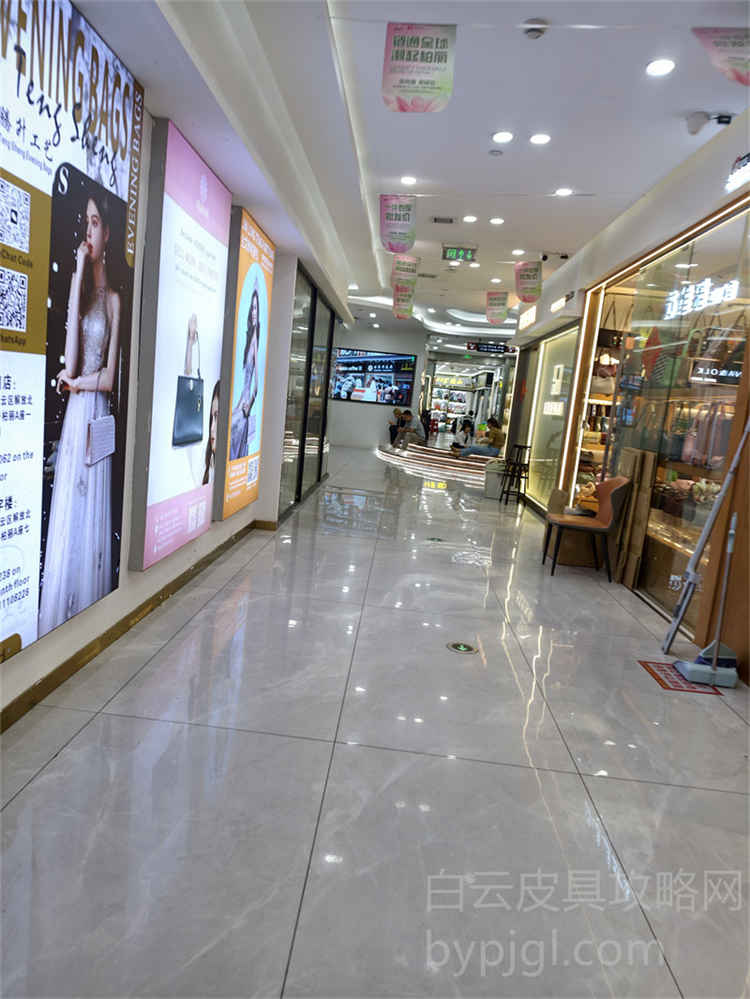
The first thing you need to understand is that this isn't a shopping mall wher you walk in and pick up a bag. This is a battlefield of supply chains. When I tell my regular clients to come here, I don't just say "go to the market." I tell them to go to specific floors, talk to specific bosses, and look at specific materials. The internet has changed things, sure, but it hasn't killed the physical inspection. In fact, it made it more important. You can't feel the grain of the cowhide or smell the glue quality through a screen. Let me walk you through exactly how we do business down here, step by step.
Navigating the Giants: Wher to Actually Find Good Stock
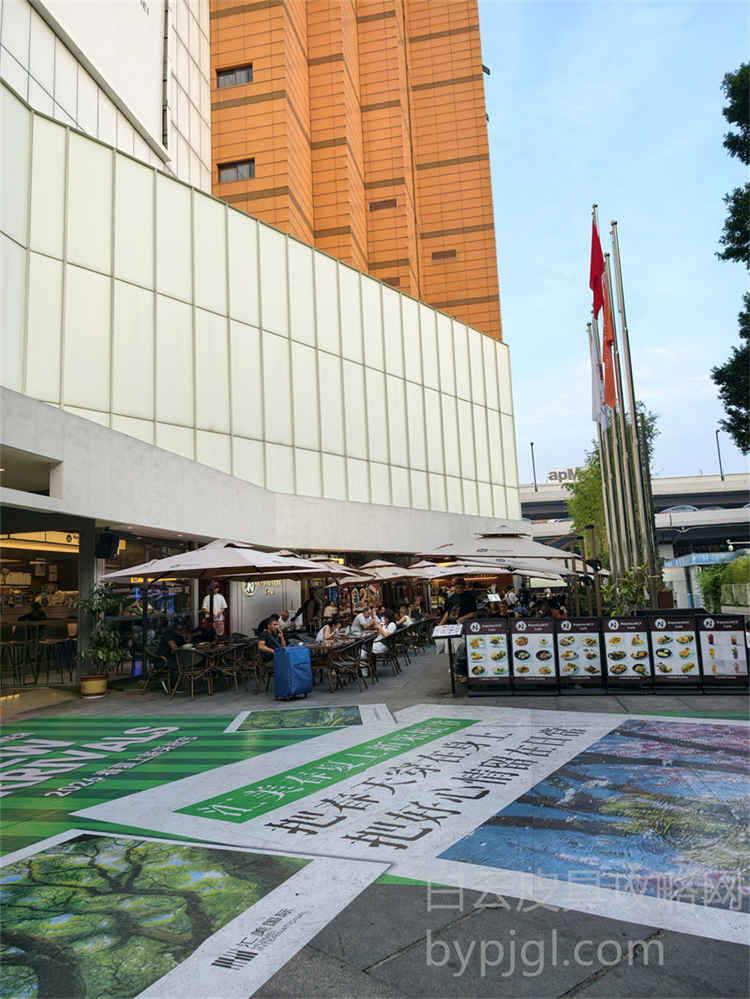
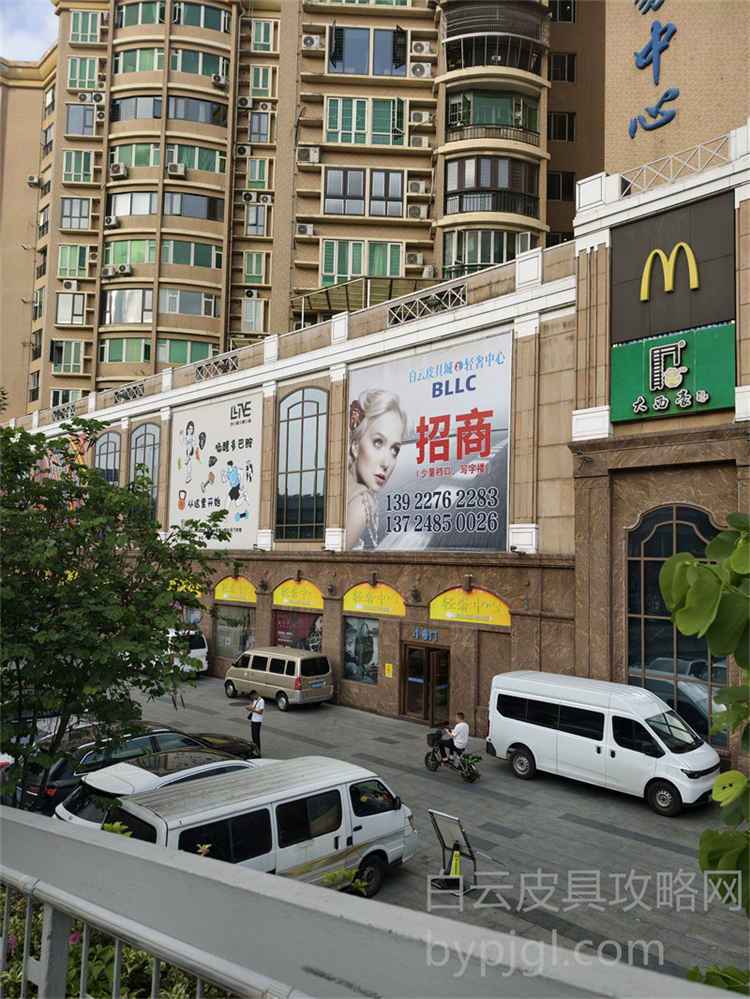
If you walk into Baiyun International Trade Center (BITC) without a plan, you will get overwhelmed. It is massive. There are over 3,000 booths here alone. But let's cut through the noise. Most tourists end up on the lower floors wher the prices are marked up for retail. That is not wher you want to be. You need to head straight for the upper levels, specifically Floors 4 and 5. These are the real wholesale zones.
The Secret Spot: Floor 6 of BITC
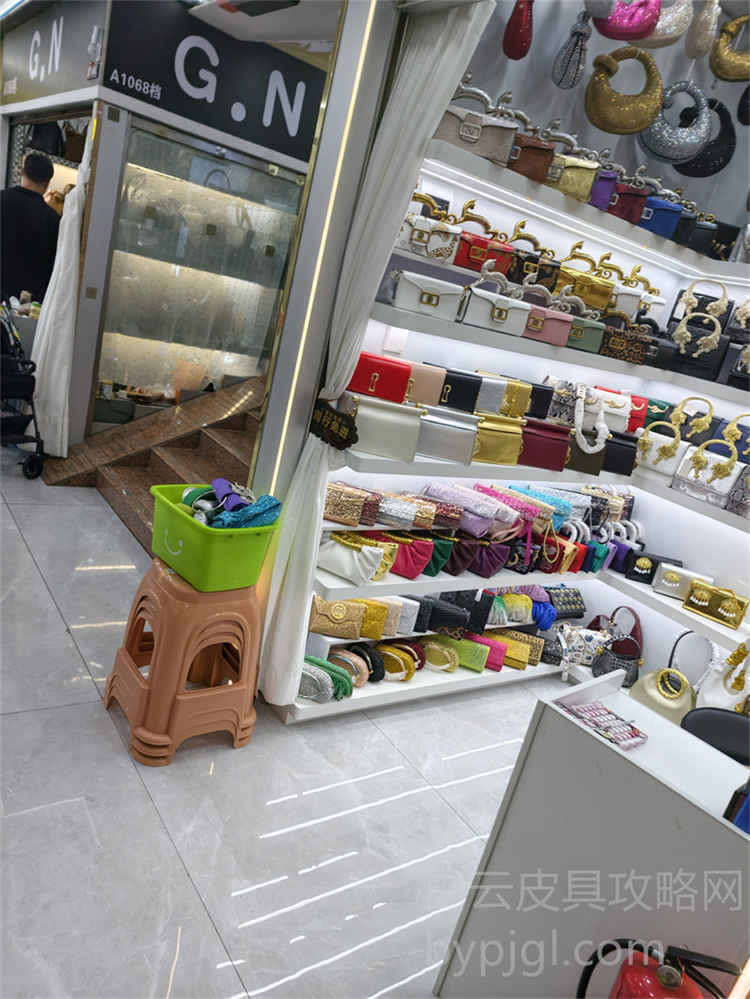
Here is a tip most guides won't give you. Go to Floor 6 of the Baiyun International Trade Center. This floor is dominated by high-end OEM factories. If you are looking for luxury-style handbags that use top-tier Italian calfskin or genuine lambskin, this is your hunting ground. I personally recommend booth numbers around A6-128 to A6-135. These aren't just resellers; they are the actual production units. I remember a client from Brazil who was buying from a middleman in Guangzhou for $45 per bag, only to find out later that the factory price on Floor 6 was $28. The margin was huge because he didn't know wher to look.
Beyond Baiyun: The Hidden Gems in Jiahe
Don't stop at Baiyun. Just across the street, you have the Jiahe World Leather Market. It is slightly older, less polished, but the prices are often 10% lower than BITC because the landlords there are more aggressive. For smaller batches and trendy designs, check out the corridor near the escalators leading to the second floor. Look for shops with names like "Jiahe Leather Goods Co." or "Golden Eagle Bags." They specialize in quick-turnaround orders. If you need 50 pieces of a new design within three days, these are your guys. They don't care about big contracts; they care about speed.
The Art of Negotiation: How to Get Real Factory Prices
Many foreign buyers make the mistake of asking, "What is the lowest price?" immediately. Stop doing that. If you ask that, the boss will quote you the highest possible number because they think you are a tourist. Instead, you need to speak their language. Start by asking about the material grade. Say, "Is this full-grain cowhide or corrected grain?" or "What is the GSM weight of this canvas?" When you show you know the specs, they respect you. They switch from "sales mode" to "trading mode."
Understanding MOQ and Tiered Pricing
Let's talk numbers. On Floor 4 of Baiyun, a standard tote bag might be listed at $15. But that is for an order of 100 pieces. If you order 500, the price dros to $12. If you order 1,000, it hits $9.50. I once had a client who ordered 200 pieces and paid $14 each. He came back two months later with an order for 800, and I negotiated him down to $10.50. The key is volume tiers. Always ask for the price breakdown for 100, 500, and 1,000 units before you even touch the sample. Write it down. If the boss hesitates, walk away. That hesitation means they are a middleman trying to hide the real cost.
The Sample Trap
Never skip the sample phase. I have seen too many buyers order 500 units based on a photo, only to receive garbage when the shipment arrives. Here is my rule: Pay for the sample. Yes, pay extra. If a shop refuses to sell you a sample or says "it's free," run. Why? Because if they give it for free, they are likely sending you a low-quality version to keep you happy. Paying for a sample ensures they send you the exact product you will receive in bulk. I always insist on paying for the sample and then deducting that cost from the final bulk order. It shows commitment and builds trust.
Quality Control: What to Check Before You Pay
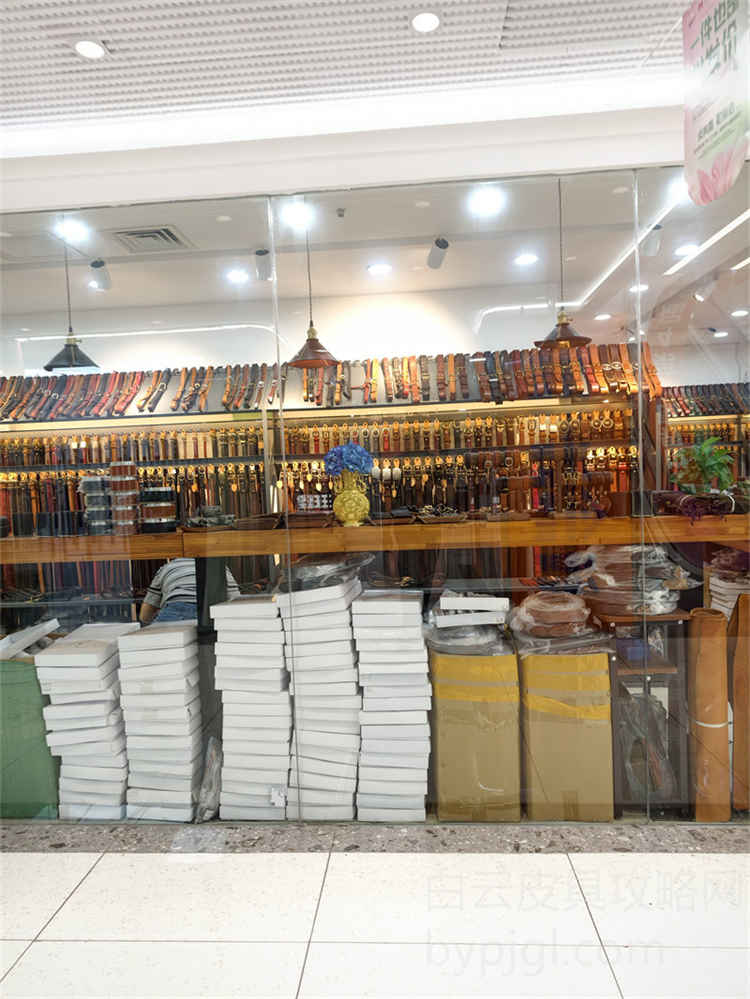
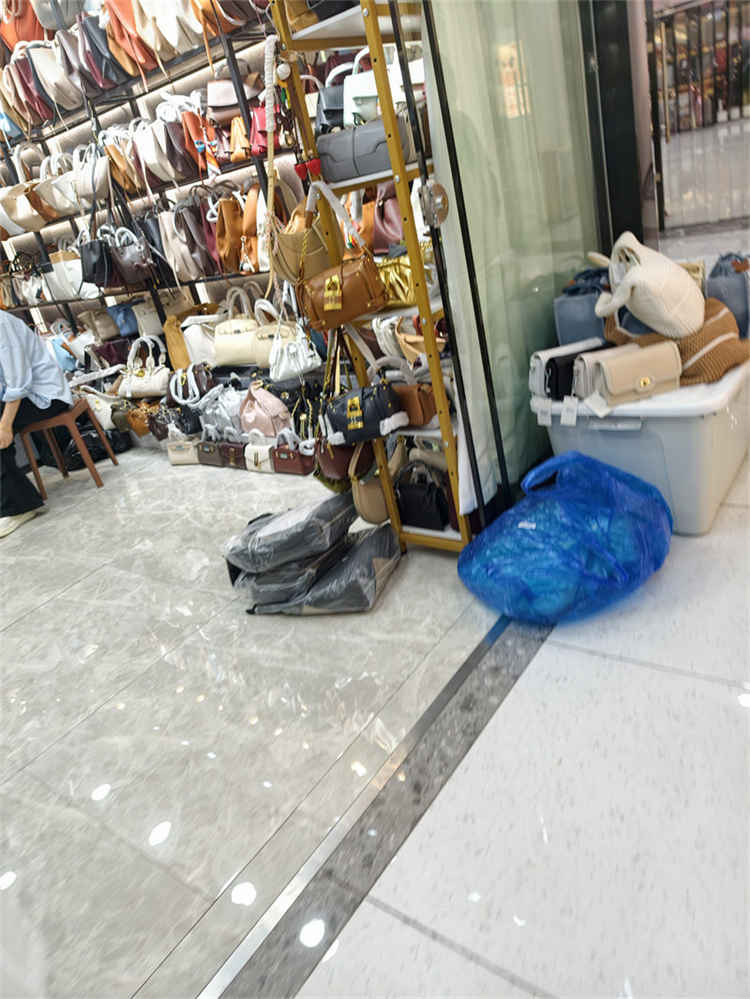
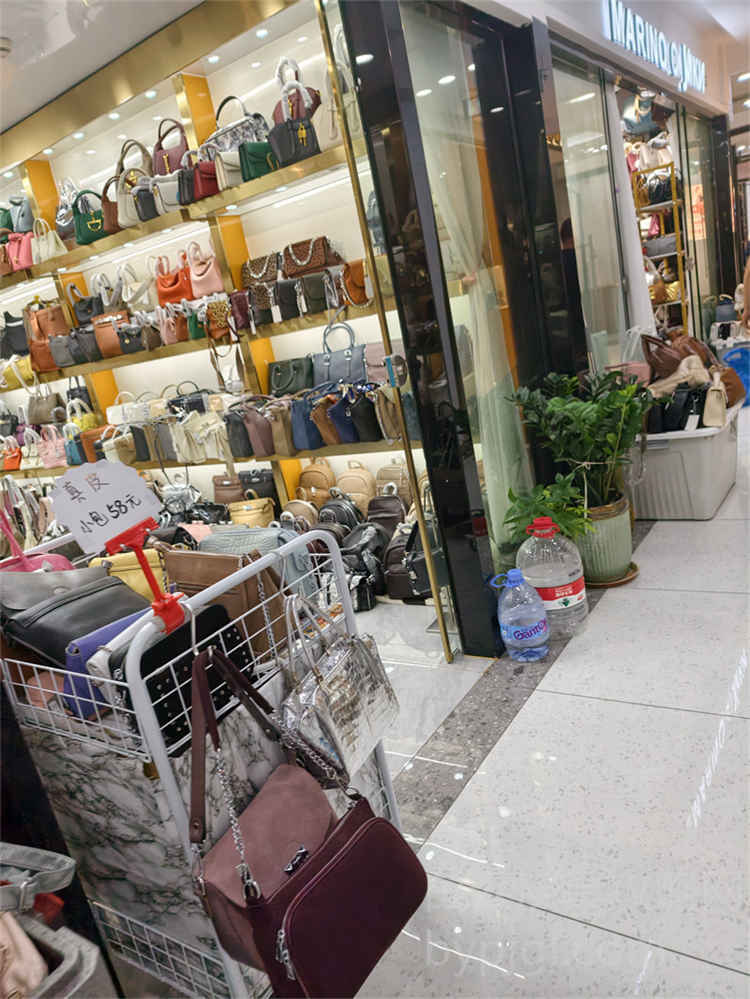
This is wher I save my clients money every single day. When you are at the booth, do not just look at the outside. Open the bag. Feel the lining. Check the stitching. In Guangzhou, the difference between a $20 bag and a $50 bag is often hidden inside. Look at the thread count. Are the stitches straight? Is the zipper smooth? I recommend using a magnifying glass if you are unsure. Also, check the hardware. Is it zinc alloy or solid brass? Zinc alloy feels light and cheap; brass feels heavy and premium. Ask the boss directly, "Is this hardware plated with PVD?" If they say yes, test it with a magnet. If it sticks, it's not stainless steel.
The Glue and Smell Test
Smell is a powerful tool. High-quality leather goods should smell like leather, not chemicals. If you open a bag and it smells like strong solvent or glue, put it down. That means they used cheap adhesive to save costs, and those bags will fall apart in six months. I once rejected a batch of 300 bags because the smell was off. The boss tried to convince me it was normal, but I stood firm. Later, I found out another buyer took that batch, and half of them had peeling soles after one month. Don't risk your reputation on bad glue.
Logistics and Shipping: Getting Your Goods Home
once you have selected your goods and paid, the next challenge is shipping. Many buyers think they need to hire a freight forwarder themselves. Not necessarily. Most factories in Baiyun have long-term relationships with logistics companies that handle sea and air freight globally. They can arrange door-to-door service. However, never let the factory pack the boxes unless you supervise it. I always tell my clients to bring a small box cutter and inspect the packing. Make sure they use double-walled cardboard for heavy bags. And ensure the shipping documents match the invoice exactly. Customs in the US and EU are strict. If your invoice says $5 per bag but the declaration says $2, you could face fines.
Summary of Key Locations and Strategies
To wrap this up, here is a quick reference guide based on my years of experience. Use this table to plan your trip.
| Market Area | Best For | Recommended Floor | Key Tip |
|---|---|---|---|
| Baiyun International Trade Center | High-end OEM, Luxury Styles | Floor 6 (A6-128 to A6-135) | Ask for material grades; negotiate volume tiers. |
| Jiahe World Leather Market | Trendy items, Quick Turnaround | Second Floor Corridor | Look for "Jiahe Leather Goods"; good for small batches. |
| Guangzhou Leather Market (Old) | Budget-friendly, Basic Accessories | Ground Floor | Check hardware quality closely; avoid cheap zippers. |
Remember, Guangzhou is not just a place to buy things; it is a place to build relationships. Come back, visit the same booth, and talk to the same owner. Over time, they will treat you like family and give you priority on new designs. The market changes fast, but the principles of quality, negotiation, and trust remain the same. Go there, look closely, and you will find the best deals in the world.

 On-site Visits
 Free Sharing
 Avoid Scams
 Updated Frequently
 For Reference Only