
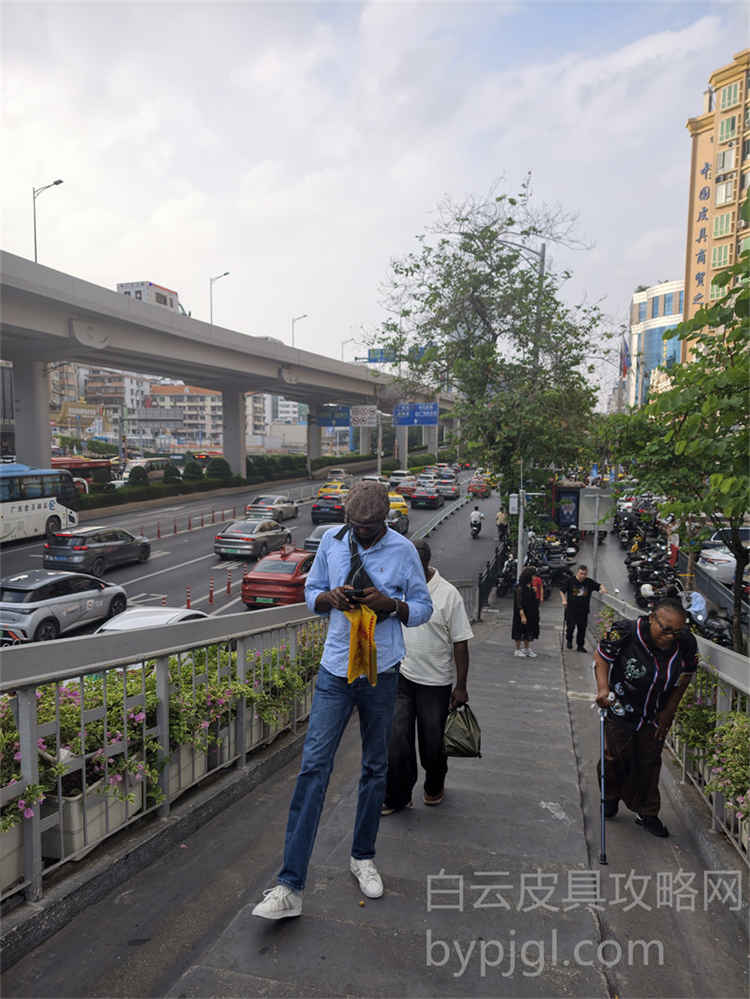
Why I've Been Selling Bags in Guangzhou for 15 Years: A Real Talk on Sourcing
Welcome to my shop. If you are reading this, you probably think the world of leather goods is just about clicking a button and waiting for a box to arrive. Let me tell you something that no online guide will admit: if you want real quality, real margins, and a supply chain that doesn't collapse when demand spikes, you have to be here in person. I am an old hand at the Guangzhou Baiyun Leather City, and I have seen thousands of buyers come and go. Some leave with gold mines; others leave with nothing but empty pockets and a headache. The difference isn't luck. It's knowing wher to look, who to talk to, and how to spot a fake before you sign the check.
The Myth of "Shenzhen vs. Guangzhou"
Many overseas buyers ask me, "Should I go to Shenzhen or Guangzhou?" Here is the truth from someone who has walked every aisle of both cities for over a decade. Shenzhen is great for electronics and high-tech gadgets. But when it comes to bags? Forget it. The entire ecosystem of leather craftsmanship, from the tanneries to the stitching masters, is concentrated in Guangzhou, specifically around the Baiyun District. Shenzhen might have a few showrooms, but they are just resellers buying from Guangzhou factories. If you want the source, the raw materials, and the ability to customize your own design, you must be in Guangzhou. The air here smells like leather glue and new hardware. That is the smell of business.
Navigating the Labyrinth: Wher to Actually Find Good Goods
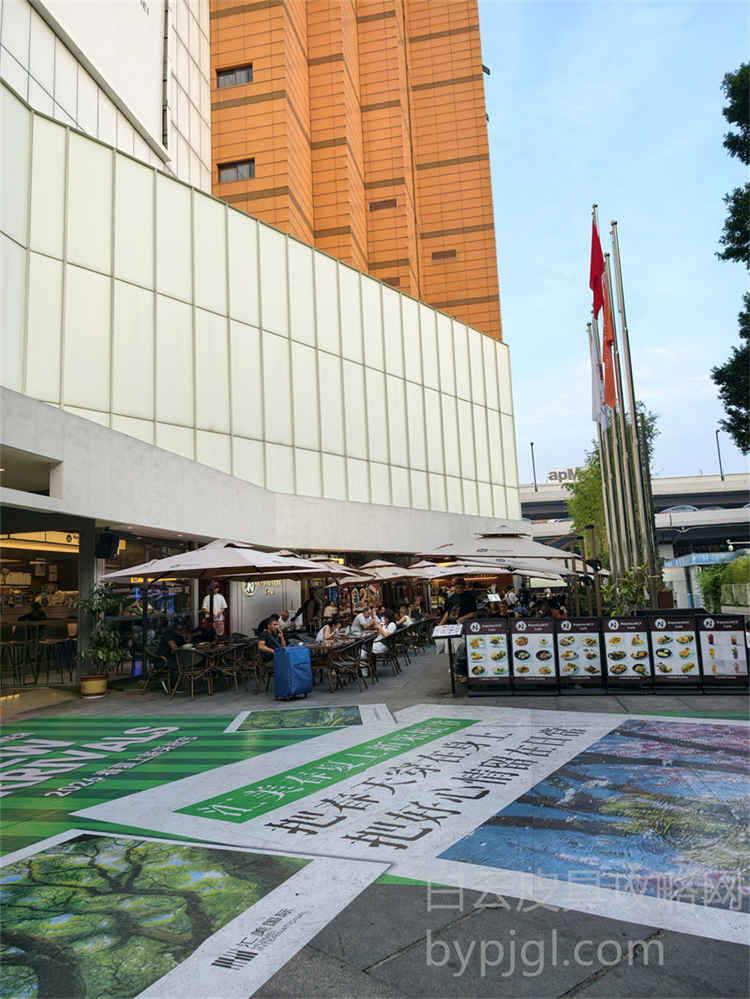
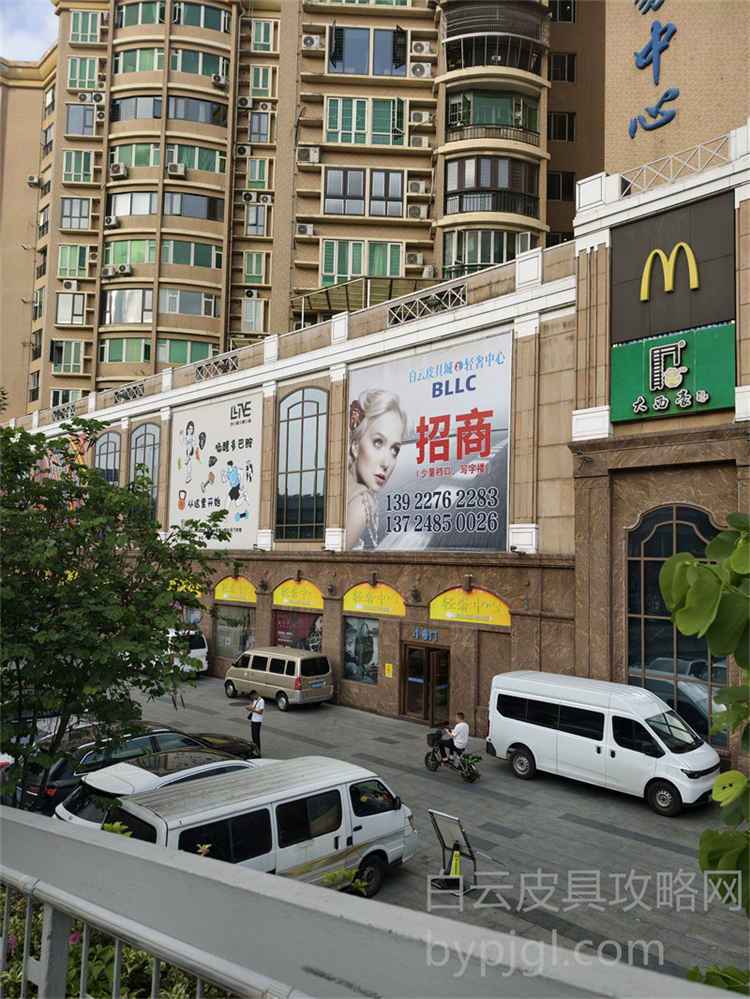
Baiyun Leather City is not a single building; it is a massive complex of interconnected malls. Walking in without a map is a recipe for disaster. Most tourists get lost in the first hour and end up in the cheap plastic bag section. You need to know which floor holds the premium goods and which floor is full of low-quality knockoffs.
The Golden Zone: Floor 3 and 4 of World Trade Center
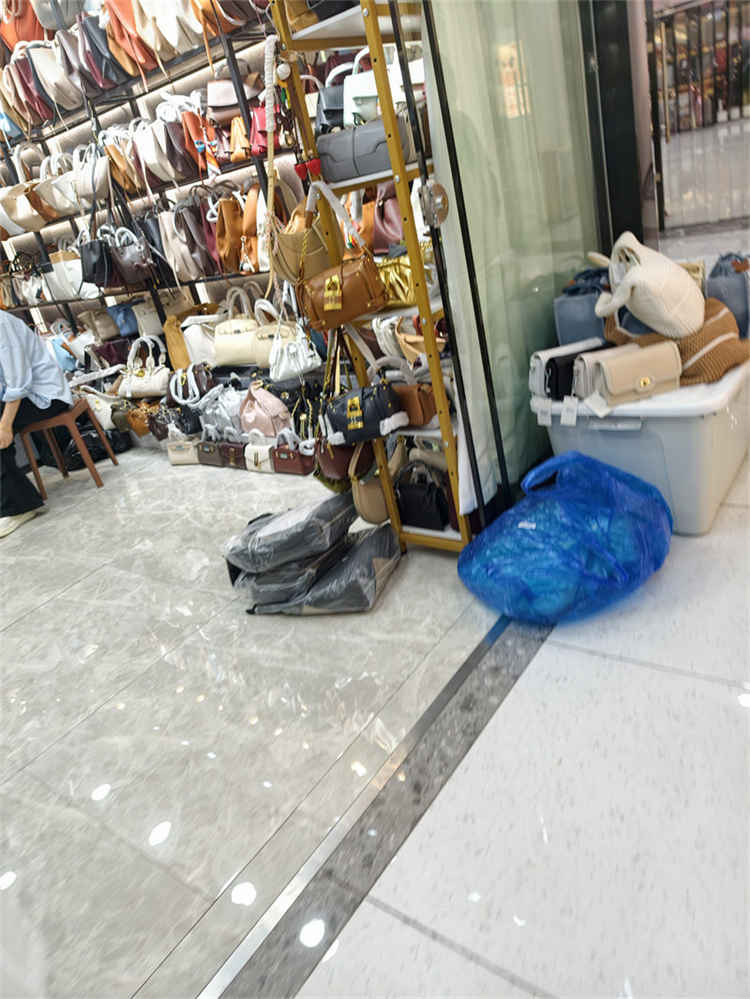
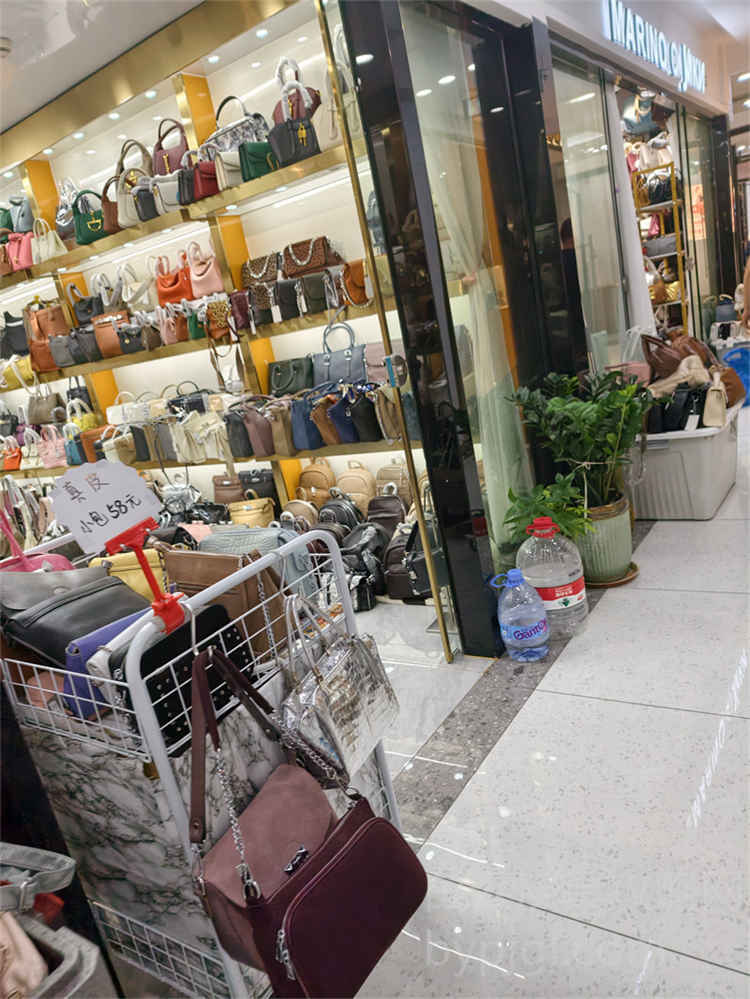
If you are looking for high-end replicas or genuine OEM quality that can pass as luxury, head straight to the World Trade Center (WTC). Specifically, floors 3 and 4 are wher the serious players operate. I recommend starting at Shop 3089 on the third floor. This is run by a family that has been making bags for top European brands for twenty years. They don't shout at you; they show you the grain of the cowhide and let you feel the weight of the zipper. Their prices are higher than the street vendors, but the defect rate is near zero. Another gem is Shop 4012 on the fourth floor, known for their exotic skin work. They use real python and ostrich, not the printed synthetic stuff you see elsewher.
Avoiding the Trap: The Lower Floors
Floors 1 and 2 are mostly for tourists and low-budget droshippers. The goods here are often made with PU leather that peels after three months. I once saw a buyer spend $5,000 on a shipment from a stall on Floor 1, only to find out the lining was glued with toxic adhesive that smelled terrible within a week. Do not waste your time there unless you are looking for $5 novelty items. Stick to the upper floors wher the lighting is brighter and the staff speaks better English because they deal with international clients daily.
The Art of Negotiation: How to Get the Best Price Without Getting Screwed
One of the biggest mistakes foreign buyers make is showing too much excitement. When you walk into a stall and say, "Wow, this is amazing! How much?", the price goes up immediately. In Guangzhou, pricing is a dance. You need to act like you have done this a hundred times before.
Understanding MOQ and Tiered Pricing
Never ask for the price of one piece. Always ask for the price of 10, then 50, then 100. At Shop 3089, the price per unit dros significantly once you hit 50 pieces. For example, a standard tote bag might cost $25 for a single sample, but $18 for 50 units, and $14 for 100 units. If you try to buy 100 units for the price of 10, the owner will laugh you out of the store. Also, always negotiate the shipping terms. FOB (Free on Board) is standard, but many shops will offer EXW (Ex Works) if you promise to handle the logistics yourself. As a local, I can tell you that handling customs clearance in China is a nightmare for foreigners. Pay the extra $2 per bag for FOB and let them handle the trucking to the port. It saves you hours of stress.
The Sample Strategy
Before you commit to a bulk order, you must order samples. But do not just order one. Order two different versions. One from the main stall and one from a competitor down the hall. Compare the stitching density. Count the stitches per inch. A good bag should have at least 10-12 stitches per inch. Anything less is weak. I once caught a factory trying to pass off a "premium" bag with loose threads on the handle attachment. I pointed it out, and the owner immediately offered a discount on the next batch. Being detail-oriented earns respect. Being naive gets you ripped off.
Quality Control: What to Look For Before You Pay
This is wher most people fail. They pay the deposit, wait two weeks, and then receive a container full of garbage. You cannot rely on photos sent via WeChat. You must inspect the goods physically before they leave the warehouse.
The Hardware Test
Check the zippers. Pull them open and closed fifty times. If they stick or feel rough, reject the batch. Check the metal clasps for plating thickness. Rub them with your fingernail. If the color comes off easily, it is cheap brass plated with thin gold. Real hardware should feel heavy and cold. At Shop 4012, they use solid brass with PVD coating, which lasts for years. Ask to see the hardware supplier's certificate. If they hesitate, move on.
The Smell and Glue Test
Smell the inside of the bag. If it smells like strong chemicals or vinegar, the glue used is toxic and will degrade quickly. High-quality shops use water-based adhesives. Also, check the edges. Run your finger along the edge paint. If it feels rough or peels, the edge painting process was rushed. A proper edge paint should be smooth, even, and slightly glossy.
Summary of Key Contacts and Locations
To help you navigate this market without getting lost, here is a quick reference table of the best spots I have identified during my years of operation.
| Market Name | Location/Floor | Shop Number | Specialty | Best For |
|---|---|---|---|---|
| World Trade Center | Floor 3 & 4 | Shop 3089 | Premium Cowhide, Custom OEM | High-margin luxury styles |
| World Trade Center | Floor 4 | Shop 4012 | Exotic Skins, Solid Brass Hardware | Unique designs, durability |
| Liqun Building | Floor 2 | Various Stalls | Trendy, Fast Fashion | Quick turnover, lower cost |
| Yide Road Market | Street Level | Stall 12 (Near Metro) | Wholesale Accessories | Zippers, straps, chains |
Final Thoughts: Build Relationships, Not Just Transactions
Buying bags in Guangzhou is not a one-time event. It is about building a relationship with your supplier. If you treat the shop owners like friends, they will call you when a new mold arrives or when they have leftover fabric they can use for your custom design. They will hold stock for you. They will give you priority during peak seasons like Chinese New Year. Come back to Guangzhou, visit these stalls, and bring a friend who knows leather. Trust your eyes, trust your nose, and trust your gut. The money you save by doing it right here in Baiyun will pay for your flight ten times over. Don't settle for online photos. See the leather, touch the hardware, and seal the deal face-to-face.

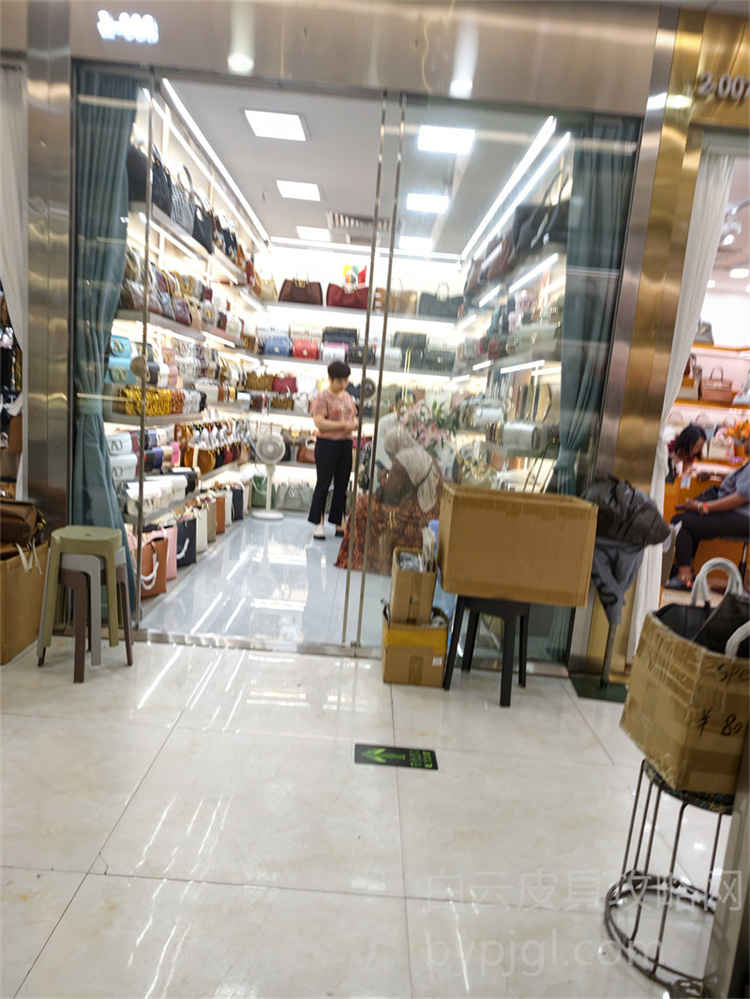
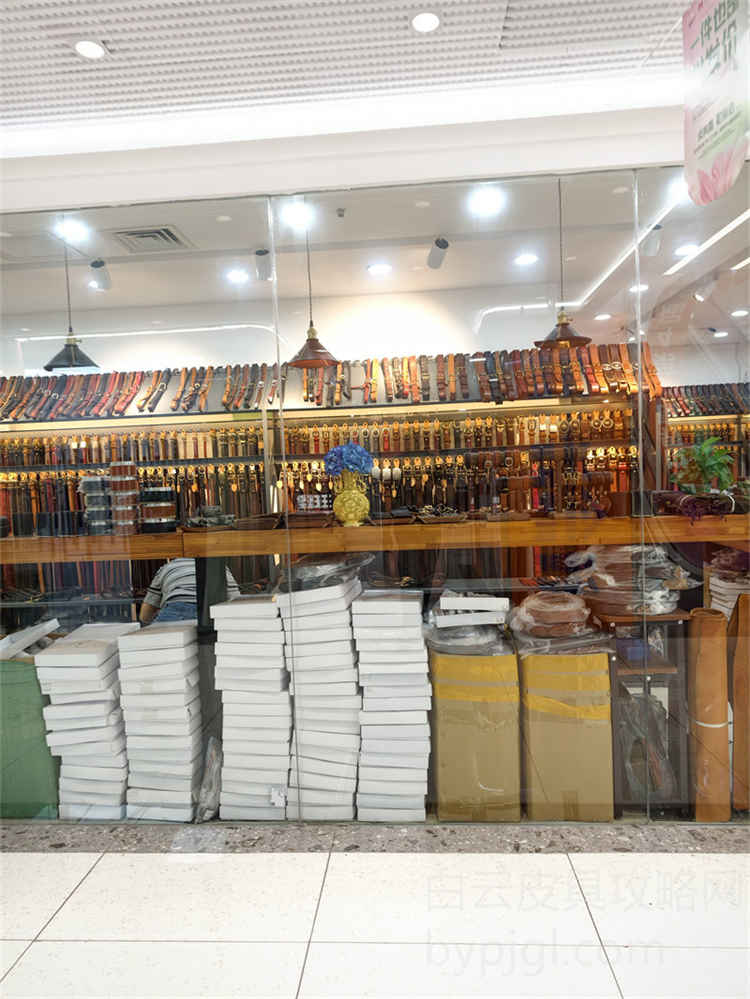
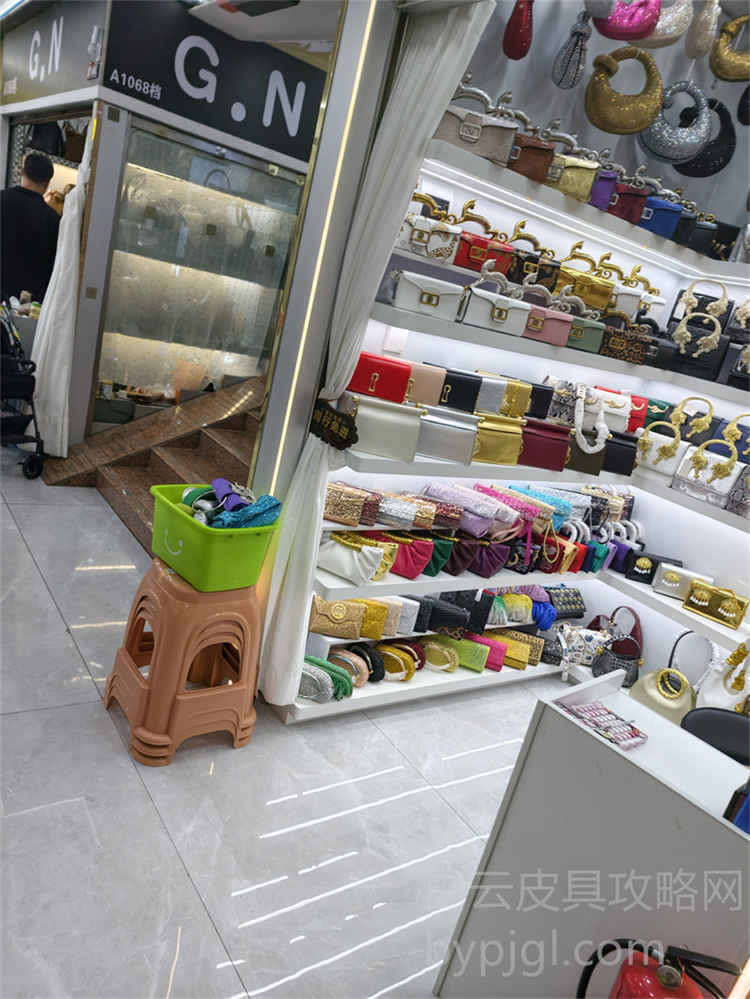
 On-site Visits
 Free Sharing
 Avoid Scams
 Updated Frequently
 For Reference Only