
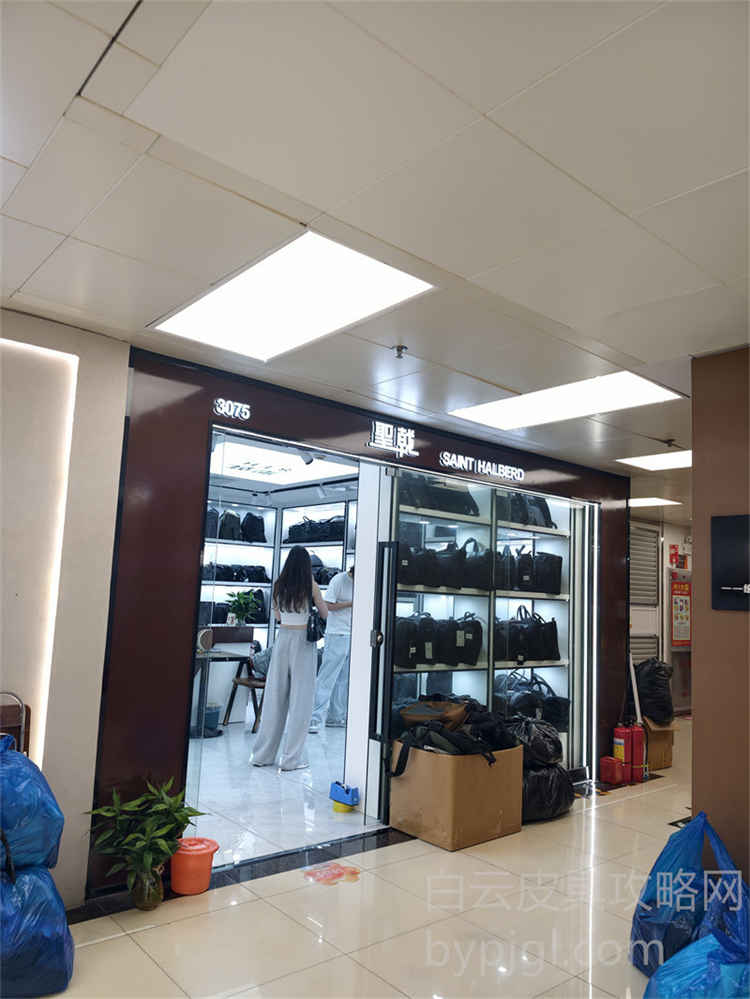
Why Guangzhou is Still the Global Heart of Handbag Wholesale
I've been standing behind this counter in Baiyun for over fifteen years. While everyone talks about factories moving to Vietnam or cheap labor shifting elsewher, I see something different every single morning when the sun hits the glass doors of the market. The real magic isn't just in the machines; it's in the ecosystem. If you are an overseas buyer looking for "Guangzhou woven bag wholesale" or any leather goods, let me tell you, nothing beats the speed and flexibility of the Pearl River Delta.
When I first started, people thought we were just copying designs. Today, the reality is that we are setting the trends. A design sketch from Milan can be in a sample room here by noon and on your plane by evening. This isn't theory; it's what happens daily. The density of suppliers within a five-kilometer radius in Baiyun District is unmatched anywher else on Earth. You don't need to fly to three different countries to find materials, hardware, and assembly. It's all right here.
Navigating the Labyrinth: Wher to Actually Find Woven Bags
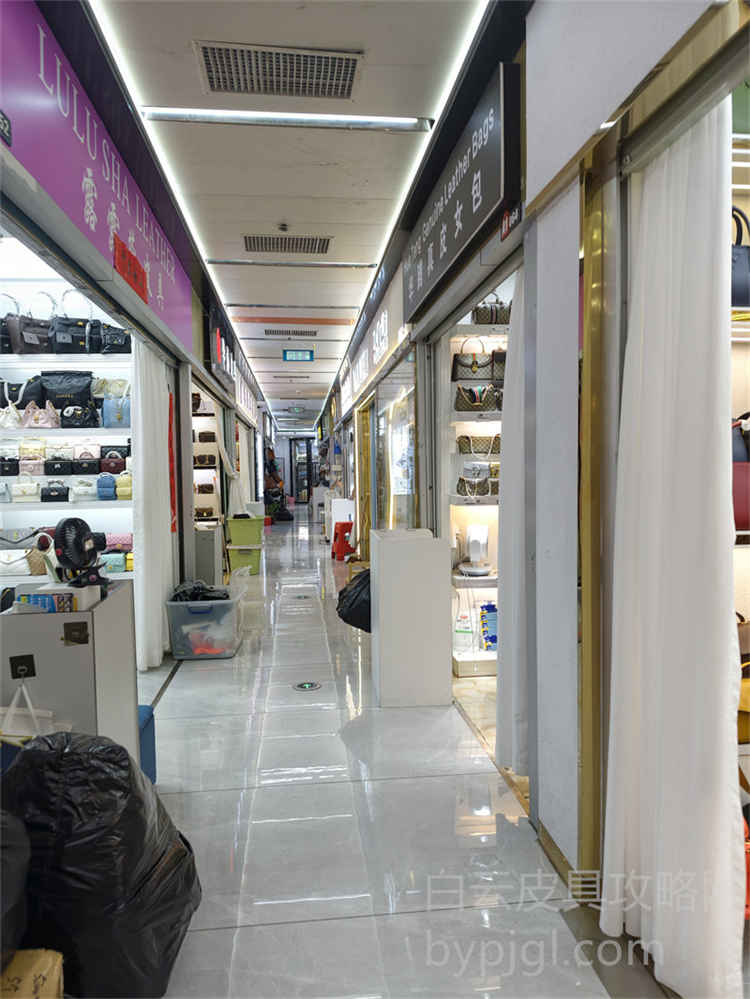
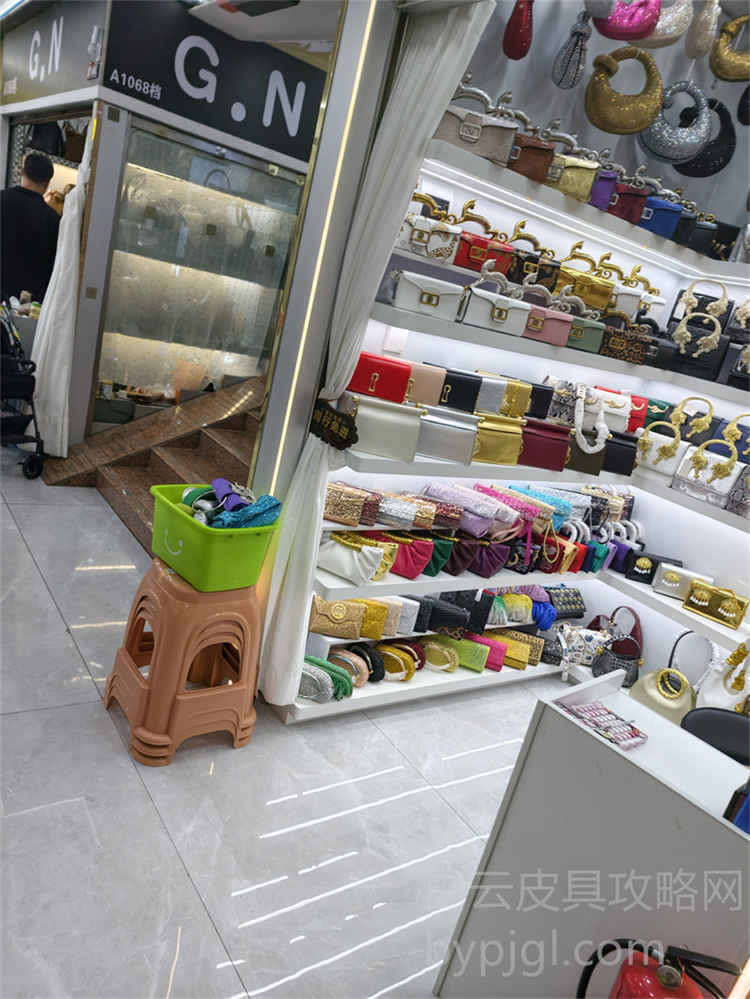
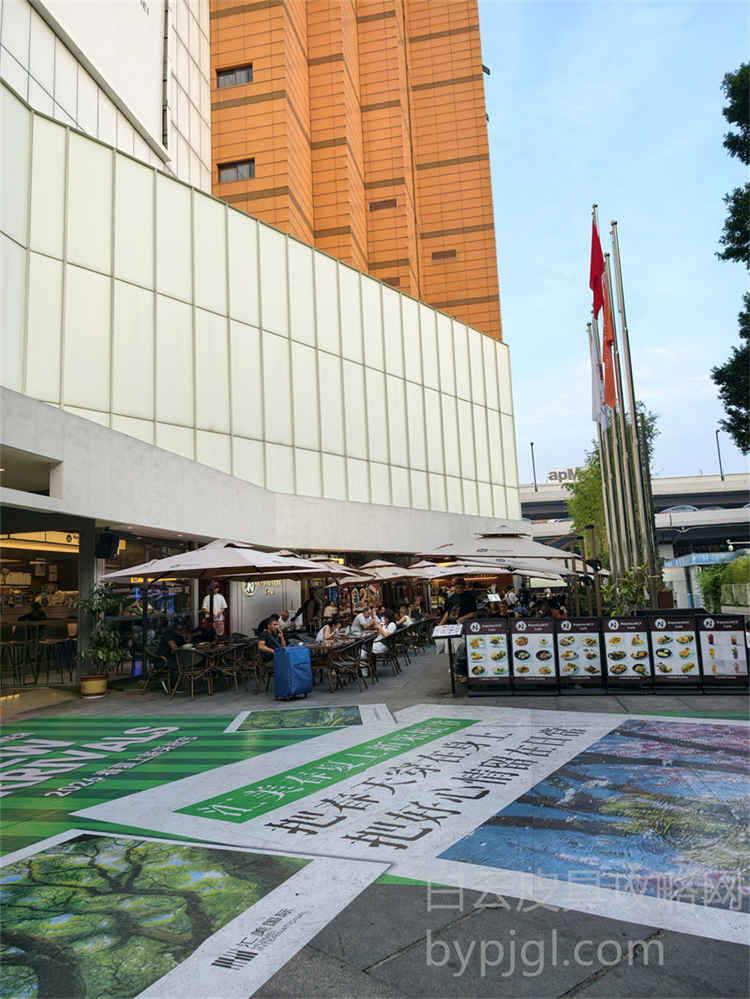
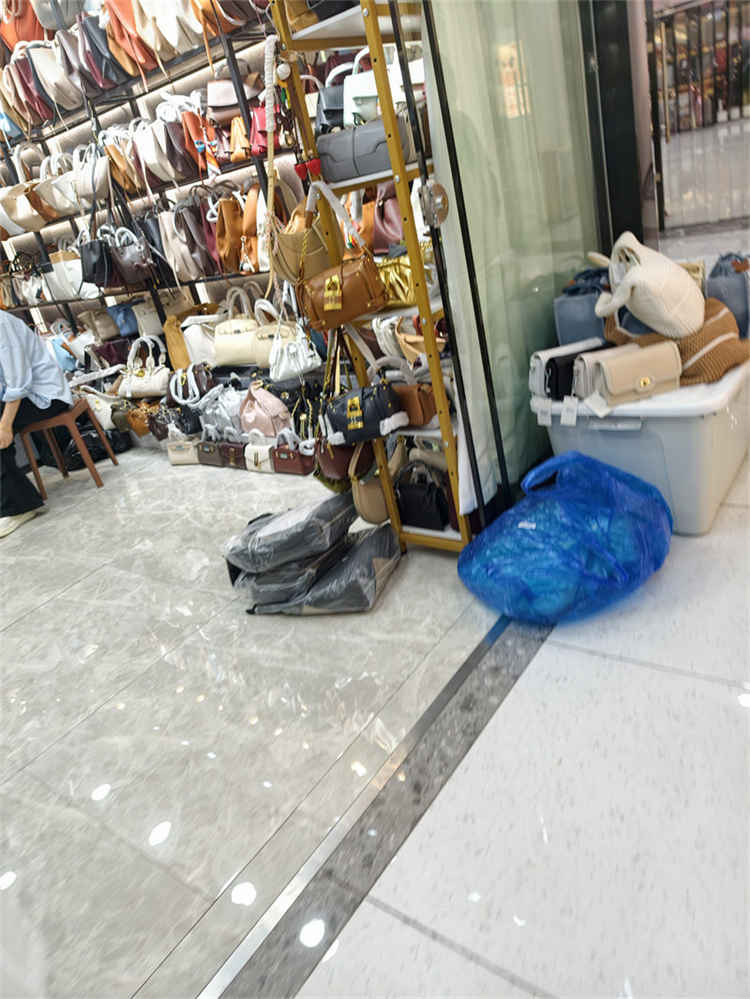
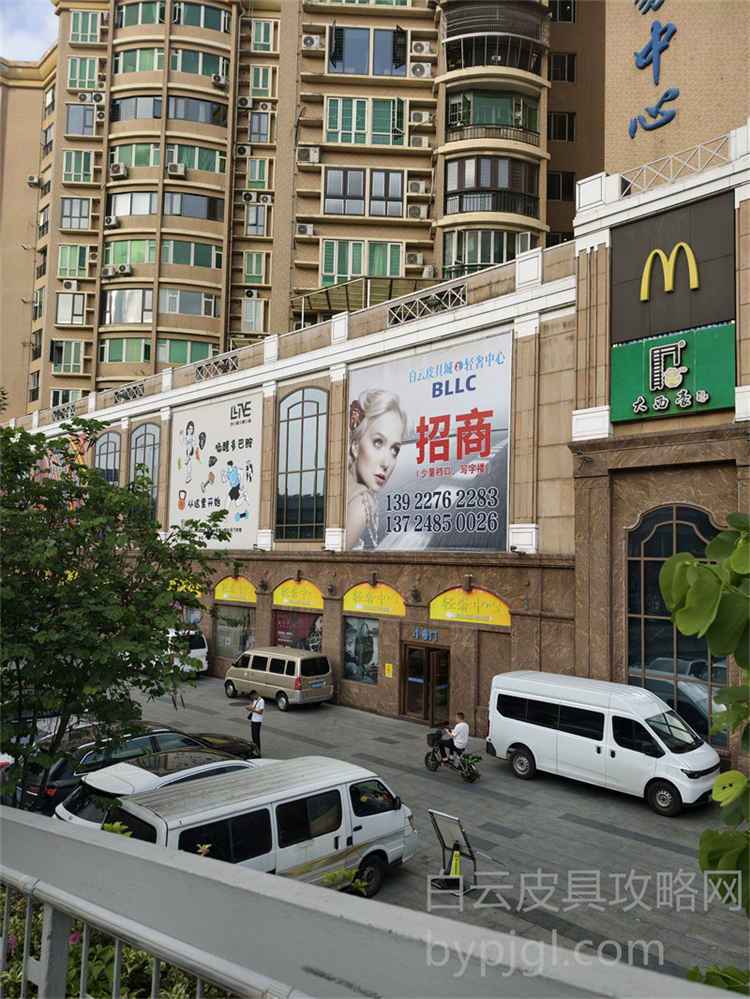
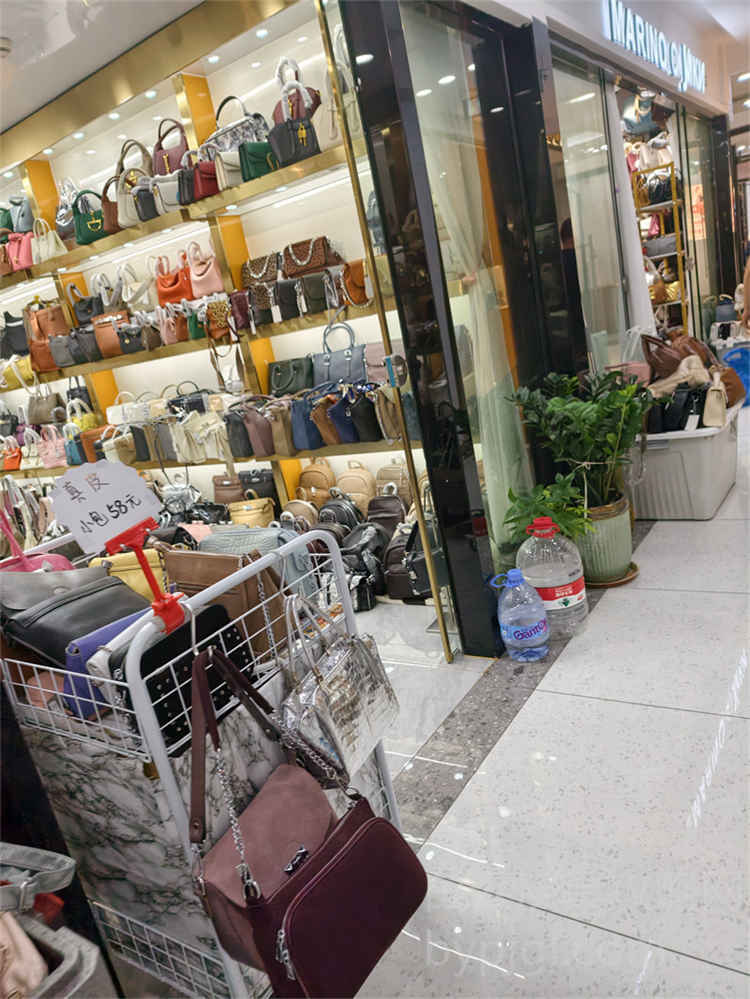
Many new buyers walk into Baiyun International Leather City expecting to find a dedicated "woven bag" floor. They get confused because there isn't one. That's my first piece of advice: stop looking for a specific category label and start looking at the construction quality. Woven bags, whether made from straw, synthetic fibers, or leather strips, are often tucked away in mixed-use stalls.
The Hidden Gems on Floors 2 and 3
Let's get specific. If you want high-quality woven handbags, skip the ground floor wher the tourist traps are. Head straight to Floor 2 and Floor 3 of the main building. Specifically, look near the corridor connecting Building A and Building B. There is a stall called Golden Weave Studio (Room 2045). They specialize in raffia and straw weaving but have recently expanded into leather-strip interlacing. Their owner, Uncle Chen, speaks broken English but his samples speak fluent quality.
Another spot you must visit is Sunrise Craft (Room 3108) on the third floor. They focus on the "basket weave" style that is currently dominating the summer fashion weeks in New York and London. Unlike the mass-produced plastic versions, their leather strips are sourced from nearby Huadu tanneries, giving them a softness that machine-made bags simply cannot replicate. I've seen buyers pay $15 per unit here and sell them for $60 in the US market. The margin is real if you know wher to stand.
Beyond Baiyun: The Satellite Markets
Don't limit yourself to Baiyun International. Just a ten-minute taxi ride away is the Shide Market. While known for lower-cost items, Shide has a cluster of workshops specializing in eco-friendly woven materials. If you are targeting the sustainable fashion niche, go here. Look for the workshop with the blue sign, Eco-Straw Factory. They don't have a fancy showroom, but their MOQ (Minimum Order Quantity) is flexible. For woven bags, they accept orders as low as 50 pieces if you pay a small rush fee. This is perfect for testing a new collection without tying up your capital.
The Art of Sampling: What to Look For Before You Pay
When I show a buyer around, I always ask them to touch the bag before asking the price. In the woven bag sector, the finish is everything. A poorly finished edge can ruin the entire aesthetic. Here is my checklist for vetting a supplier on the spot.
Check the Tension and Stitching
First, pull the bag gently. Does the weave hold its shape, or does it sag? High-quality weaving requires consistent tension. If the bag looks floppy, the internal structure is weak. Second, look at the stitching wher the handle meets the body. In many cheap stalls, they use a single thread that will snap after two months. At Golden Weave Studio, I insist on double-stitched reinforced points. I once saw a shipment fail because the handles tore off during shipping. That cost the buyer thousands. Don't cut corners on the stress points.
The Hardware Test
Woven bags often feature metal clasps or buckles. These are the first things to rust or tarnish. Run your finger along the clasp. Is it smooth? Does it feel heavy? Cheap zinc alloy feels light and hollow. Good brass or stainless steel feels substantial. I remember a client who ordered 500 bags from a random stall. The zippers jammed after three days. He had to scrap the whole batch. Always test the hardware yourself. Ask the vendor to open and close the clasp twenty times right in front of you. If it sticks, move on.
Negotiation and Logistics: Getting Your Goods Home
once you pick your bags, the negotiation starts. In Guangzhou, prices are rarely fixed. The "wholesale price" you see on the tag is just a starting point. My rule of thumb is to aim for a 15% discount if you are ordering more than 200 units. However, for woven bags, the material cost fluctuates based on the season. Straw prices spike in summer, so lock in your price early.
Understanding the Real Costs
Many buyers think the factory price includes shipping. It doesn't. You need to factor in the domestic freight to the port. I recommend using a forwarder who knows the Baiyun area well. They can pick up your goods directly from the stall and consolidate them with other shipments to save money. Do not try to arrange your own pickup unless you have a local agent. The traffic in Guangzhou is chaotic, and getting a truck into the narrow alleys of the market is a nightmare for outsiders.
Avoiding the "Sample Trap"
Here is a story I hear too often. A buyer loves a sample, pays for it, and then the bulk order arrives looking completely different. The color is slightly off, or the texture is rougher. This happens because the sample was hand-finished by a master artisan, while the bulk was rushed by junior workers. To prevent this, always request a "pre-production sample" before the full run begins. This is a prototype made with the exact materials and machinery you will use for the final order. It costs extra, maybe $50 more, but it saves you from a disaster. I tell my clients: never skip this step. It is the only way to ensure consistency.
Summary of Key Locations and Tips
| Market Area | Recommended Stall/Shop | Specialty | MOQ Flexibility | Best For |
|---|---|---|---|---|
| Baiyun Int'l (Floor 2) | Golden Weave Studio (Room 2045) | Raffia & Leather Strip Weaving | Medium (100+ units) | Premium Summer Collections |
| Baiyun Int'l (Floor 3) | Sunrise Craft (Room 3108) | Basket Weave Style | Low-Medium (50+ units) | Trendy Fashion Brands |
| Shide Market | Eco-Straw Factory (Blue Sign) | Eco-Friendly Materials | High (50+ units) | Sustainable/Niche Brands |
Buying in Guangzhou is an adventure. It requires patience, a sharp eye, and the willingness to talk face-to-face. The digital world is great for research, but it cannot replace the feeling of holding a bag in your hands and smelling the leather. When you walk through the bustling corridors of Baiyun, surrounded by the hum of sewing machines and the chatter of traders, you realize why this city remains the king of global manufacturing. Whether you are sourcing for a boutique in Paris or a chain store in Chicago, the key is to build a relationship with the people behind the counter. Treat them with respect, learn their names, and they will treat you like family. That is the secret to successful procurement in China.

 On-site Visits
 Free Sharing
 Avoid Scams
 Updated Frequently
 For Reference Only